What makes an air fighter atrocious? It is not necessarily ungainly looks or an unconventional design. The worst fighter aircraft are those that accomplished no mission at all, endangered their pilots, or collapsed under the weight of their engineering claims. In war aircraft, where life and death balance on thin threads of speed, dependability, and adaptability, such failures are more than technical mistakes bitter lessons written in blood and wasted resources.
From the very first turret-armed interceptors to the Cold War’s ill-fated vertical take-off experiments, history is replete with designs that didn’t live up to their hype. Some were brought down by in-mature engines, others by concepts that ignored the realities of air combat. They all hold a cautionary tale about the dangers of chasing novelty over learning the basics. Here are five of the most notorious examples, and the lessons that still apply.
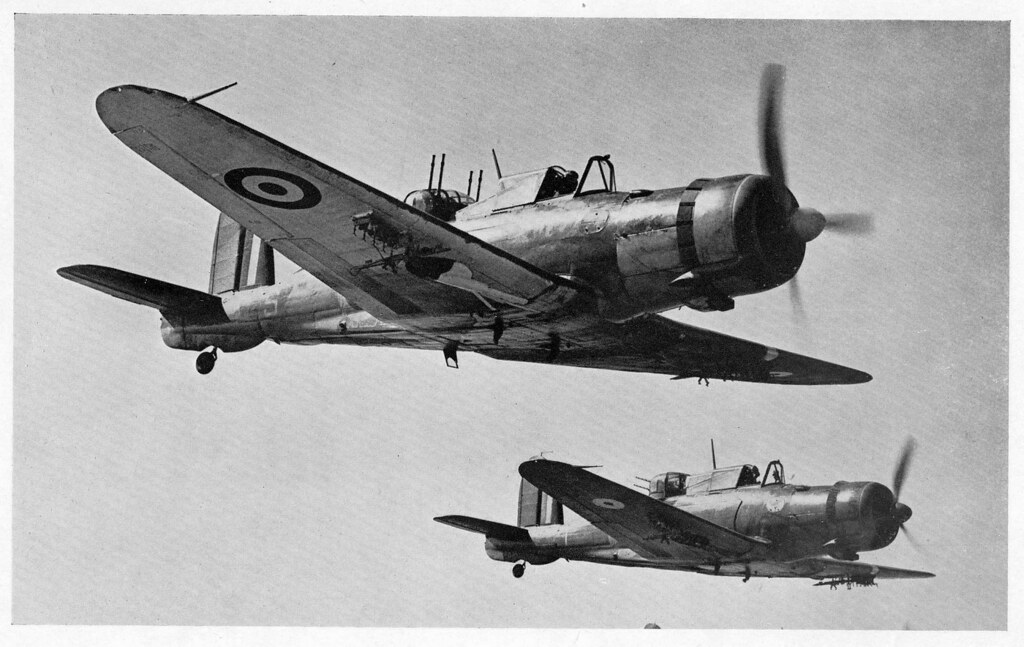
1. Blackburn Roc: The Turret Fighter That Couldn’t Fight
The Roc was the product of Britain’s brief infatuation with turret-equipped fighters at the end of the 1930s. Developed from the Blackburn Skua dive bomber, it replaced forward-firing armament with a four-gun power turret, anticipating that a slow-flying naval interceptor would sneak up on bombers and rake them without needing to bob and weave the entire airplane.
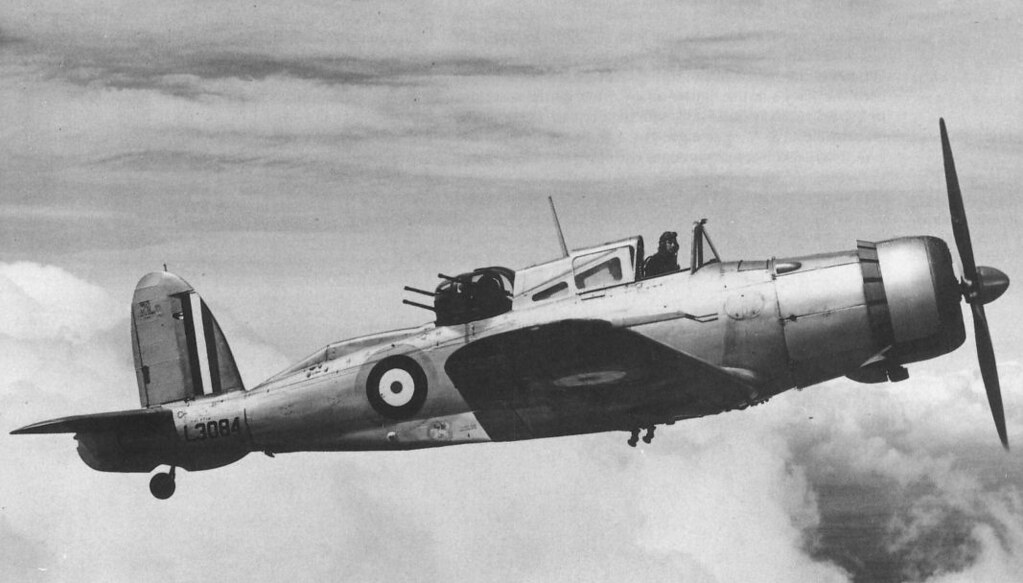
At sea, the defects were evident. The Roc was slow, underpowered, and not well-adapted to take off from carriers with significant payloads. Against enemy fighters, it was worthless too slow, having too poor a climb rate, and too lightly armed to survive combat. Its brief service life saw it serving on coastal patrol and target-towing duties, which could have easily been allocated to much cheaper aircraft. The turret fighter idea died with it, a victim of outmoded ideology gone wild against realities of modern aerial combat.
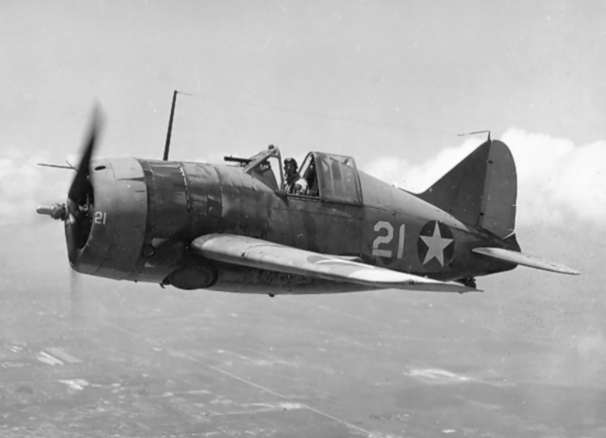
2. Brewster F2A Buffalo: Unfulfilled Promise to Weight and War
When the Buffalo came out, it was a step forward for the U.S. Navy its retractable landing gear, covered canopy, and early response seemed to be a giant leap over biplanes. But as armor, self-sealing fuel tanks, and other equipment were added, the weight of the aircraft ballooned. The performance that stunned test pilots vanished.
Under the hot sun of the Pacific, heavily laden Buffalos were facing off against foes with superior climb and acceleration. American, British, and Dutch airmen were decimated in 1941–42. Ironically enough, lighter export variants piloted by Finland against the Russians performed much better, showing the original design was sound before being weighed under weight creep. For the Navy, however, frontline service for the Buffalo was short and nasty.
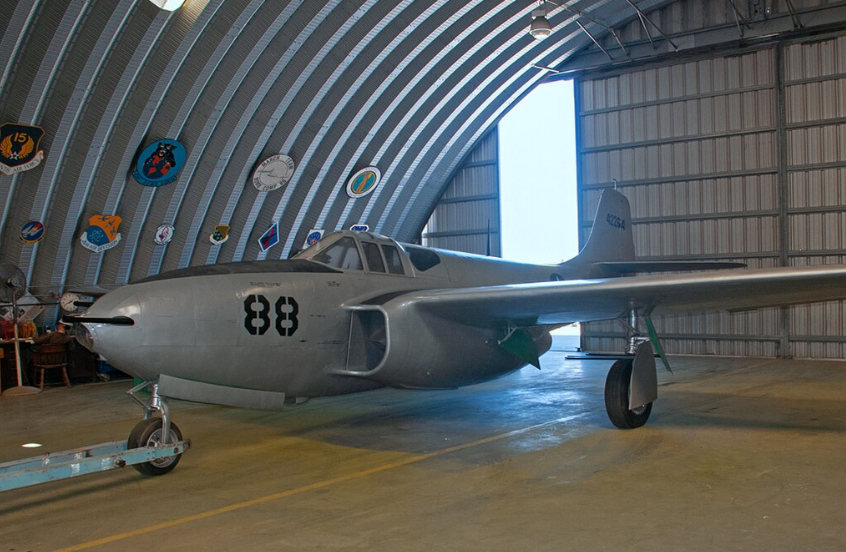
3. Bell P-59 Airacomet: America’s First Jet Which Could Not Leave Propellers Behind
The P-59 Airacomet was the first American jet fighter, but a not very competitive war bird. It was forced into production to demonstrate the turbojet technology, and so it left the factory with less powerful engines and speeds that late-war prop fighters could match and even beat.
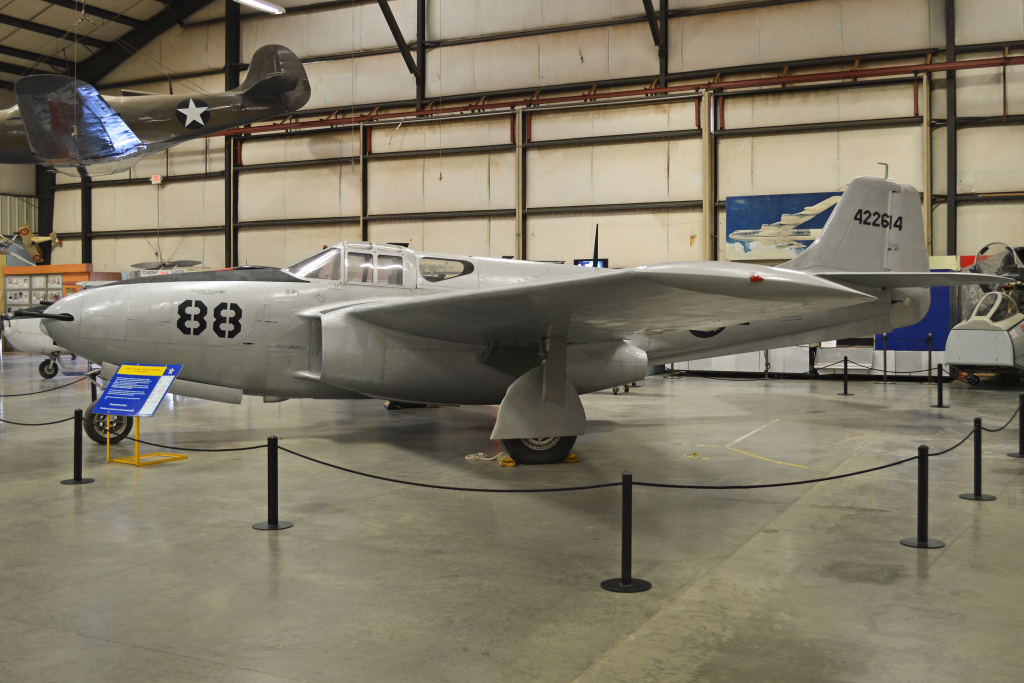
Its value was in training, not combat. Pilots learned the quirks of jet propulsion, and maintenance personnel adapted to new requirements for repairs. This investment of human resources paved the way for even better designs. But as a fighter, the P-59 was outmoded when it rolled off the production line, replaced even before it arrived, by more efficient jets.
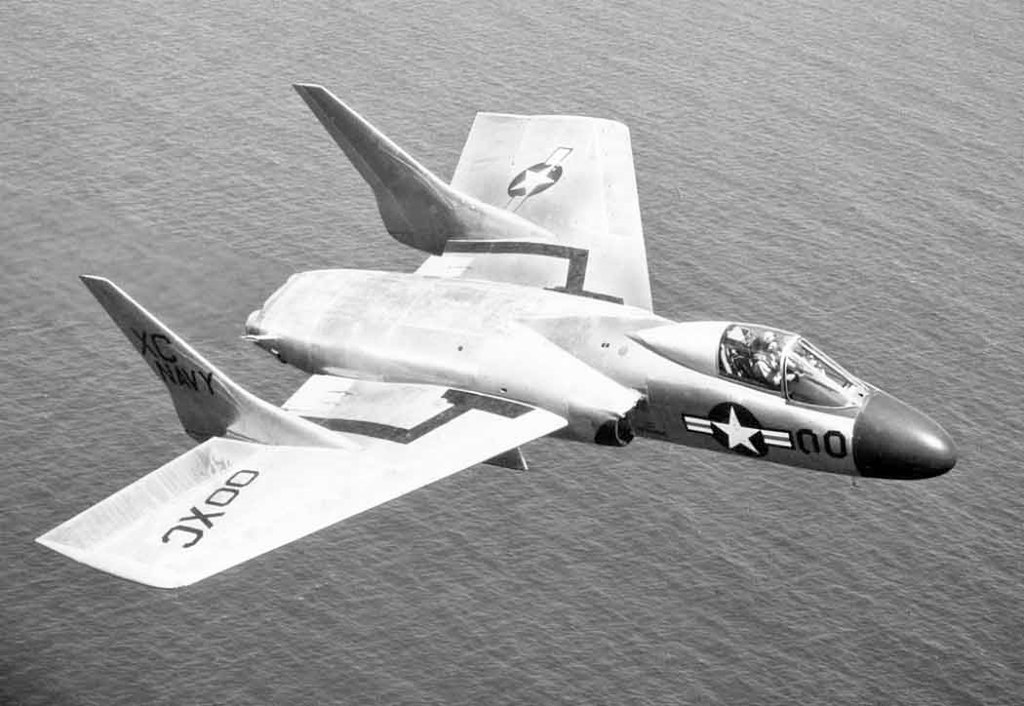
4. Vought F7U Cutlass: Daring Design, Fatal Flaws
The F7U Cutlass was a pre-emptively dramatic-looking airplane tailless, swept, and futuristic. But its radical airframe outpaced engine technology. The Westinghouse J46 engines never delivered the thrust or longevitiy necessary, leaving pilots to fly an under-powered and temperamental machine.
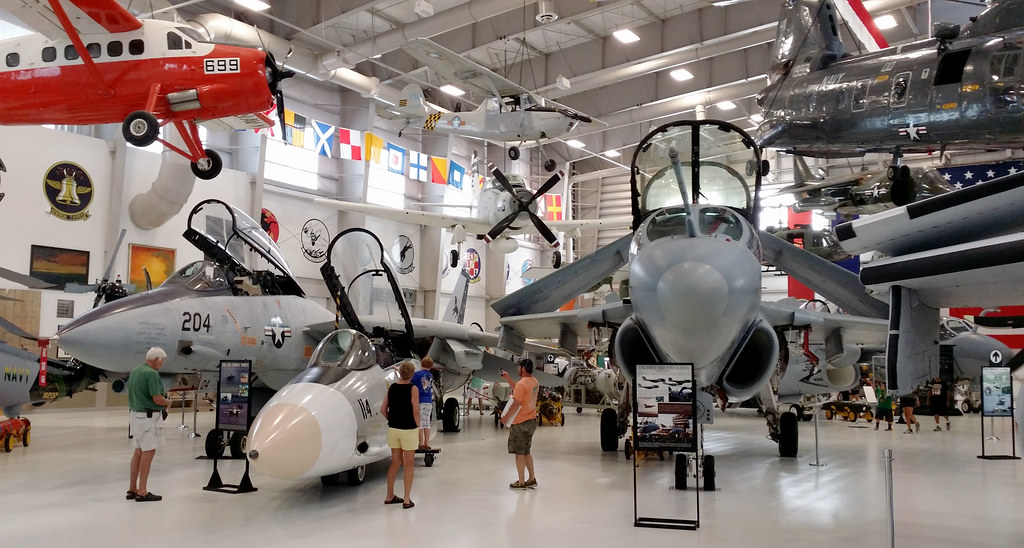
Carrier operations were hazardous. Long landing gear, poor low-speed flight characteristics, and chronic mechanical failures contributed to one of the worst safety records in U.S. Naval Aviation. More than 25 percent of operational Cutlasses were lost to accidents, with 21 naval flyers being killed. While certain pilots liked its roll rate and maneuverability when in the air, the maintenance burden was unrelenting no post-flight check ever came back clean. The Cutlass was a case study in the perils of rushing headlong with propulsion capability.
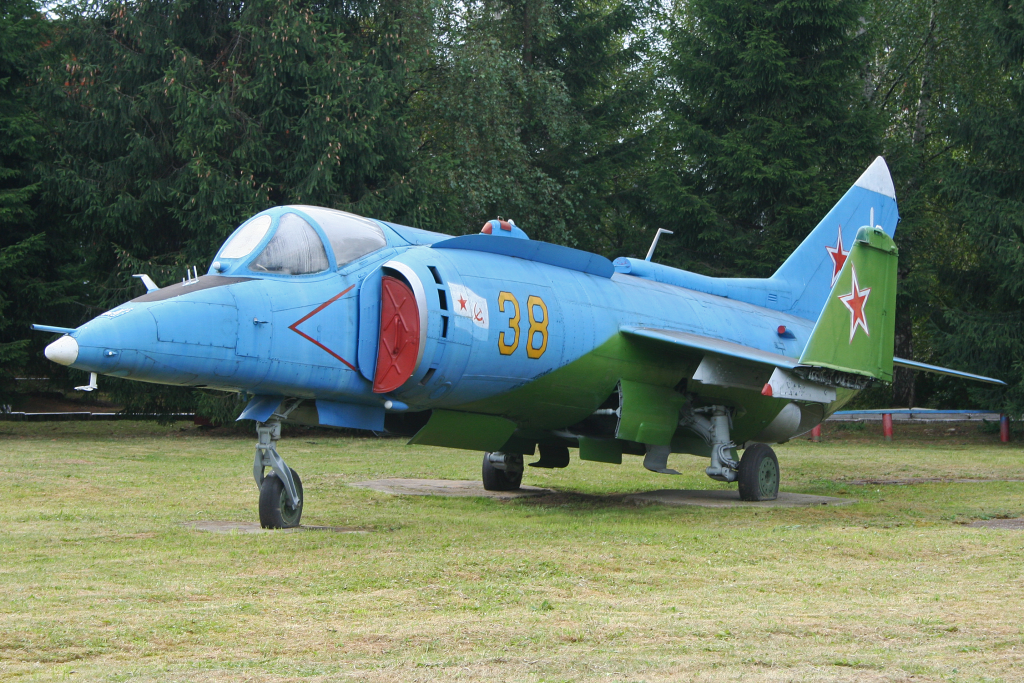
5. Yakovlev Yak-38 Forger: VTOL Without Reach or Teeth
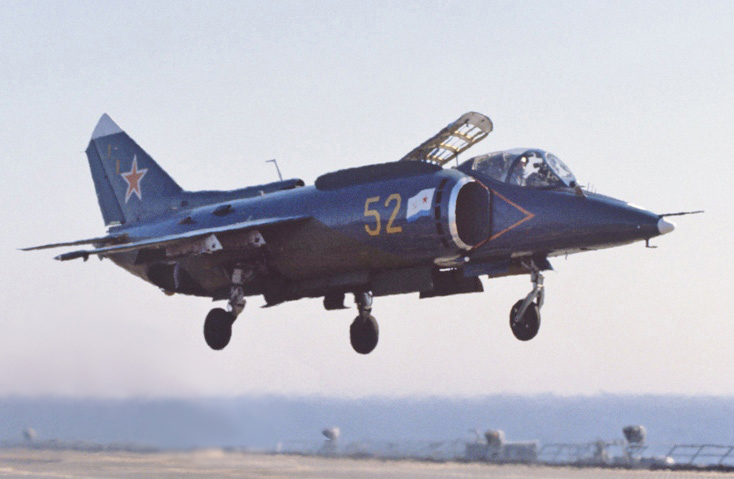
Soviet reaction to the British Harrier, Yak-38, was to fly from Kiev-class aviation cruisers. Its layout one vectored-thrust powerplant and two vertical lift engines accepted deck space constraints but imposed cataclysmic penalties. Gas-guzzling lift engines cut its combat radius to about 100 kilometers, and without a search radar, it could only score visual intercepts on nice weather days.
Operational experience was dismal. During hot weather, endurance dipped to a minimum of 15 minutes. Lift engines had a lifespan of around 22 hours on average, and the reliability was so poor that during the Kiev’s first Mediterranean cruise in 1976, only one Yak-38 out of six loaded on made it to the finish. Pilots detested and even feared flying the jet; some were reported to prefer being reassigned rather than flying it. As Soviet records show, almost one-third of the fleet was lost to accidents before the type was retired in 1991.
These five aircraft failed due to different reasons dinosaur thinking, runaway weight growth, immature engines, or politically motivated designs rather than combat needs. But each left a legacy. The Roc buried the turret fighter doctrine. The Buffalo warned against heavy-loading promising designs. The P-59 taught America how to fly jets. The Cutlass reinforced the need to match airframes with successful powerplants. The Yak-38 demonstrated the cold compromises of VTOL for defense of the fleet. In the unforgiving theater of military skies, that failure costs dearly, but its lessons guide the next generation of fighters.


