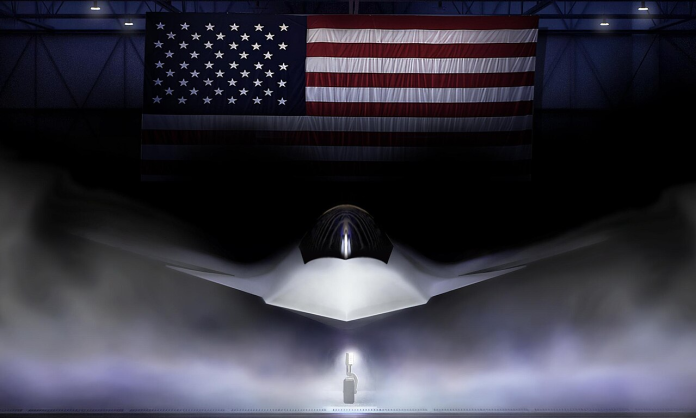
“Modernization is about deploying a set of assets that create particular challenges for the enemy,” General David W. Allvin stated earlier this year. That spirit is now encapsulated in the Boeing F‑47, the U.S. first sixth-generation crewed fighter aircraft, a platform designed to take giant strides well beyond the capabilities of the F‑22 Raptor that it will replace. Built on the Air Force’s Next Generation Air Dominance (NGAD) program, the F‑47 is set to be operational in the period 2025-2029, with a strategic turn in the air power balance.

1. A Strategic Leap Beyond Fifth‑Generation Fighters
While the rest of the world continues to evolve fifth‑generation designs, the U.S. has embarked on a sixth‑generation design that will control contested airspace for decades. The NGAD program is proposed as a “family of systems” based on the F‑47, supplemented by autonomous Collaborative Combat Aircraft (CCA) that will enhance its range and potency. With an estimated buy of over 185 airframes, the F‑47 will be the backbone of U.S. air superiority operations deep into the 21st century.

2. Radius and Speed for the Pacific Theater
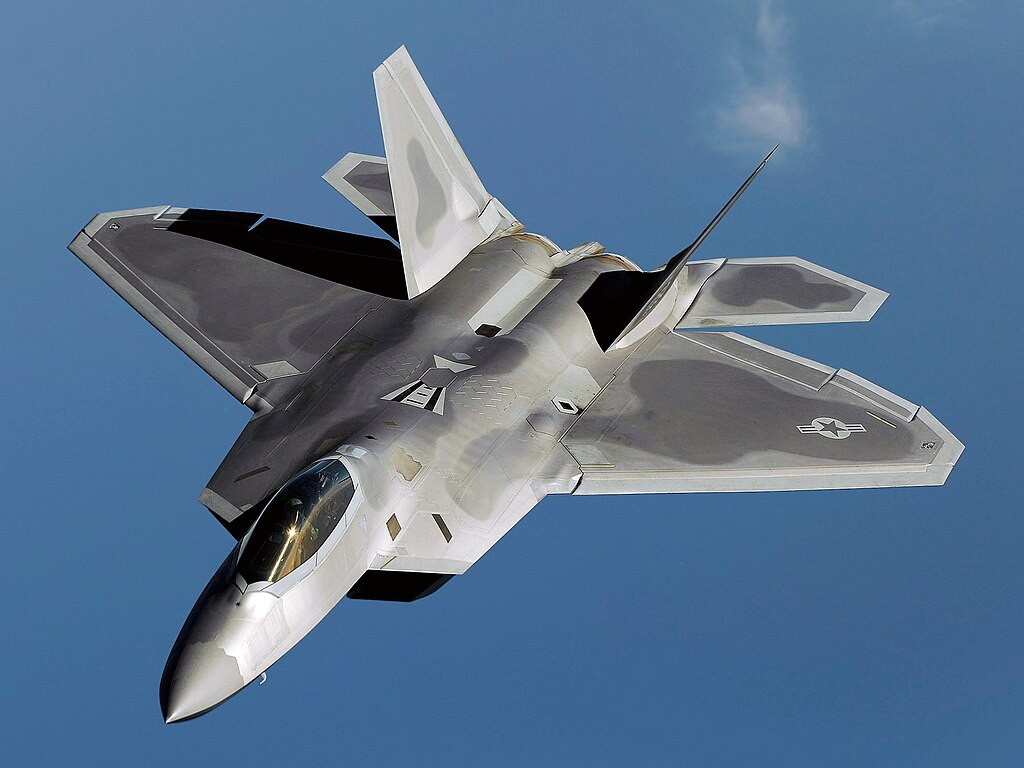
The F‑47 has a combat radius of more than 1,000 nautical miles a 70 percent improvement over the F‑22’s 590 nm and some 50 percent greater than the F‑35’s 670 nm. Tankers can stay further away from enemy air defenses using such an extended range, a vital plus in a Pacific war where distances are so great and enemy missile coverage is heavy. Its Mach 2+ top speed equals the Raptor’s speed while being faster than the F‑35’s Mach 1.6, allowing it to penetrate and disengage quickly in high-threat environments.
3. Stealth++ and Survivability
The F‑47 has been classified by the Air Force as “Stealth++,” a level ahead of the F‑22’s “Stealth+.” This implies sophisticated shaping, radar-absorbent material, and inlet designs that mask engine fan blades from radar reflections. The stealth profile of the aircraft is to make it invisible even in densely defended airspace, to provide first-strike capability as well as survivability during extended engagements.
4. Adaptive‑Cycle Propulsion
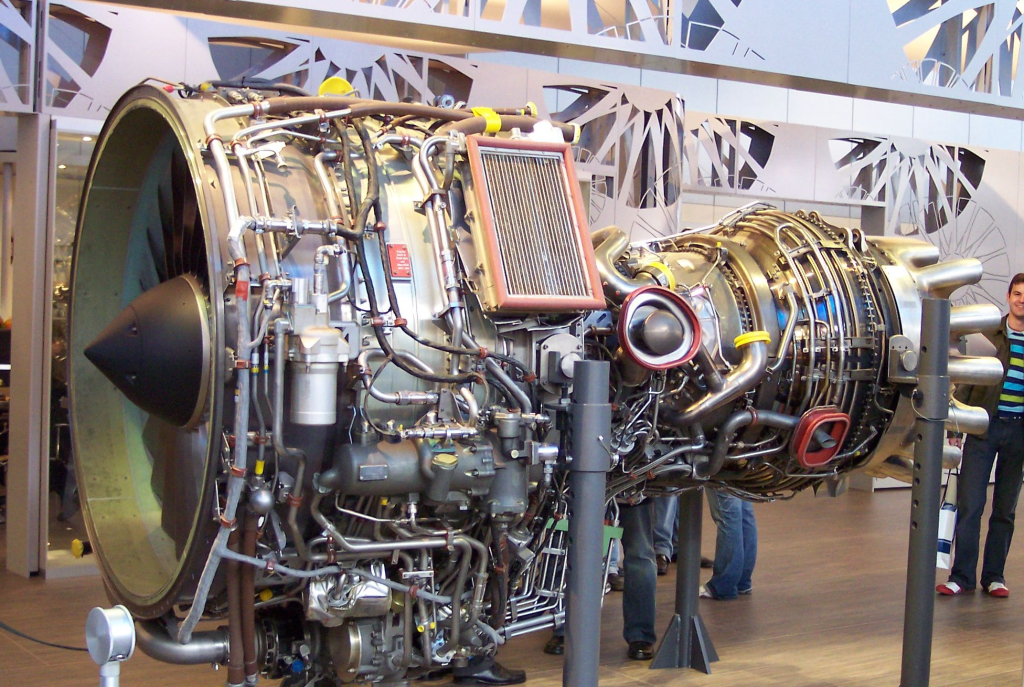
At the heart of the F‑47 will be next‑generation adaptive‑cycle turbofan engines from Pratt & Whitney or General Electric. These powerplants can shift between high‑bypass mode for fuel‑efficient cruising and low‑bypass mode for maximum thrust. This dual‑mode capability is essential for long‑range Pacific missions, allowing the jet to loiter undetected before switching to combat performance for supersonic intercepts. The engines will also provide excess electrical power for future sensors and computing, with embedded cooling systems to control thermal loads.
5. Loyal Wingmen Integration
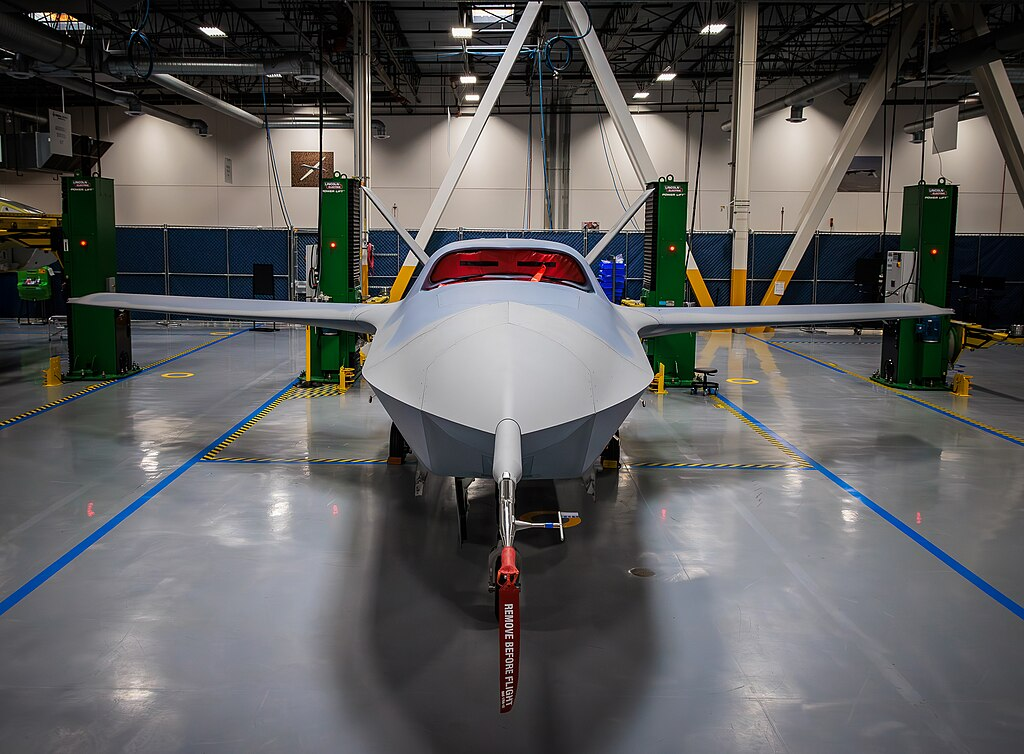
The F‑47 is built from the ground up to command jet‑powered CCAs like the General Atomics YFQ‑42A and Anduril YFQ‑44A. Those drones, which have a combat radius in excess of 700 nm, will be used for sensing, jamming, communications relay, and weapons delivery. Directed by the F‑47’s open‑architecture mission systems, they will be force multipliers taking enemy fire, extending sensor reach, and introducing missile capability without sacrificing the manned jet’s stealth.

6. Engineering Secrecy and Deception
In March, the Air Force made public artist drawings of the F‑47 that were notable for their canards and dihedral wings characteristics which would make the plane vulnerable to being detected. Officials subsequently conceded that the pictures “don’t accurately portray the aircraft” and might have been intentionally distorted in order to deceive foreign intelligence. The practice is reminiscent of previous U.S. attempts at hiding stealth designs until operational introduction.

7. Budgetary Commitment and Production Goals
The Pentagon has funded about $20 billion worth of Boeing work to develop the F‑47, with another $3.4 billion more budgeted in FY 2026 alone. Spending on NGAD for the period 2025–2029 is estimated at $28.48 billion, including development of CCA with a budget of $8.9 billion. Air Force Secretary Frank Kendall has said the manned NGAD aircraft will be “multiple hundreds of millions” a piece but in larger quantities than the F‑22, to achieve strategic mass.
8. Symbolism and Heritage
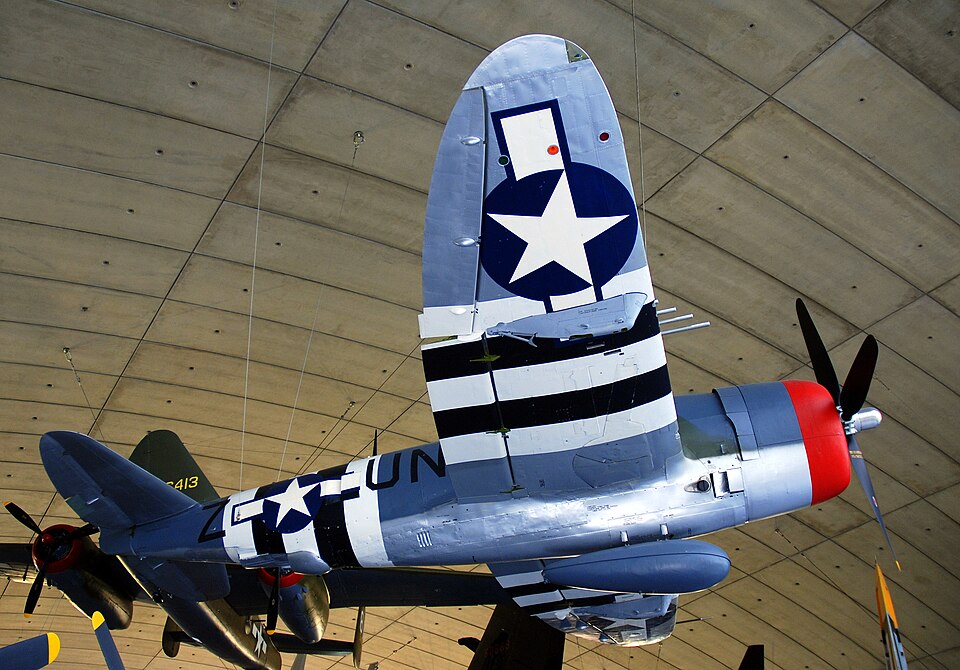
The F‑47 name commemorates the World War II P‑47 Thunderbolt, a tough, long‑ranging escort fighter which was instrumental in winning Allied air campaigns. The number also makes reference to the 47th President of the United States, locating the aircraft in a history of American military strength and leadership.

With its extreme range, high velocity, advanced stealth, adaptive propulsion, and smooth drone integration, the Boeing F‑47 is not only being designed as a fighter but as the hub of a networked combat system. According to General Allvin, it will be “matching capabilities to threats while keeping us on the right side of the cost curve,” a strategy that might be the hallmark of the next generation of air superiority.


