It starts with a science fiction-sounding question based on hard geology: if it had existed and vanished millions of years ago, would we ever know that a highly developed civilisation had existed? The Silurian Hypothesis, put forth by climatologist Gavin Schmidt and astrophysicist Adam Frank, puts this uncomfortable idea into scientific consideration. Their response is bleak. Reorganisation of most of Earth’s surface occurs in a few million years, obliterating nearly all evidence of previous urbanisation. Only faint, global chemical imprints, like asymmetrical carbon isotope ratios or microplastics trapped in seafloor sediments, may linger as a fading echo of bygone days.
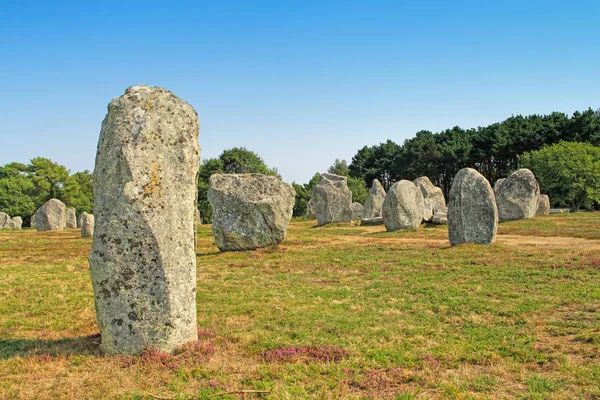
1. Megaliths and the Precision Problem
The alignment of the Great Pyramid of Giza to true north is precise to a fraction of a degree, and mathematical constants are encoded in its proportions. Equally impressive are the achievements at Stonehenge, whose sarsen circle is aligned with sunrise during solstices, and at the Moai of Easter Island, which was carved and moved over challenging terrain. These were feats that demanded control of surveying, load transfer, and material manipulation without the benefit of machinery. Archaeological methods of dating, from optically stimulated luminescence to radiocarbon dating of organic inclusions, establish their age but not the entire range of the engineering techniques used.
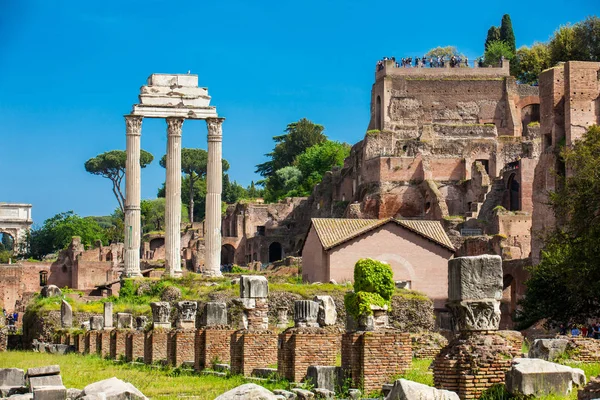
2. Roman Concrete and Self-Healing Stone
New concrete typically deteriorates within decades; Roman seawater concrete has survived more than 2,000 years of waves. Scientists analyzing harbor cores in Pozzuoli Bay discovered that water moving through the ash-lime matrix of a volcano ignited the formation of exotic minerals such as aluminum tobermorite and phillipsite. The entwined crystals contributed to increasing cohesion and fracture strength over time. More recent research at MIT and Harvard found that “hot mixing” using quicklime created lime clasts that, when added to water, recrystallized to seal cracks an ancient method of self-healing concrete. As MIT’s Admir Masic explained, “These reactions occur spontaneously and thus automatically mend the cracks before they propagate.”
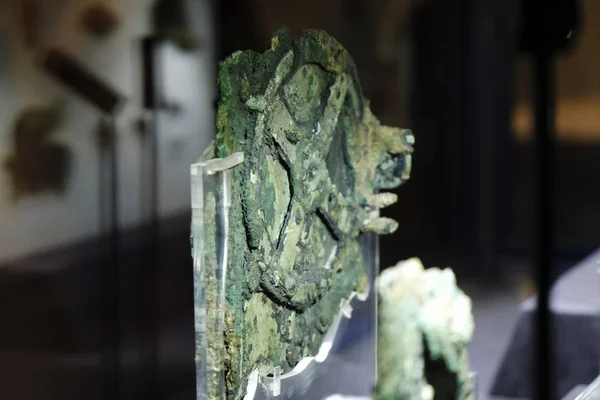
3. The Mechanical Astronomy of the Antikythera Mechanism
Unearthed from a 1st-century BCE shipwreck, the Antikythera Mechanism had a minimum of 30 precision-cut bronze gears, equivalent to 18th-century clockwork. X-ray tomography testified its capability to anticipate eclipses and planetary positions based on a differential gearing system. This machine, commonly referred to as the world’s first analog computer, proves that Hellenistic engineers already had a high level of kinematic understanding long before such sophistication resurfaced in Europe.

4. Damascus Steel and Metallurgical Mastery
Damascus steel blades were renowned for being razor-sharp with a patterned surface. Modern examination by metallurgical analysis reveals the existence of carbon nanotube-like structures and nanowires of carbides, the outcome of finely controlled temperature and impurities during crucible steel production. The lost technique by the 18th century suggests an intimate empirical knowledge of phase transformations in iron-carbon alloys.

5. Water Management Systems Beyond Their Time
The Maya constructed reservoirs holding more than 900,000 cubic meters of water, filtering pathogens through quartz and zeolite sands. Cattails and water lilies controlled water quality and represented royal power. The same level of ingenuity can be seen in the qanat systems in Persia and the aqueducts of Rome, which utilised gravity-fed channels and arches to provide clean water over hundreds of kilometres. These systems epitomise sustainable design principles applicable today for drought resilience.

6. Geological Hints of Lost Civilisations
If there had been an industrial society before the emergence of human beings, Schmidt and Frank contend, its record would be in chemical tracers: peculiar isotope ratios, strange sediment chemistry, or durable man-made molecules. Episodes such as the Palaeocene–Eocene Thermal Maximum, with a steep carbon isotope decrease and global warming, pose inquiring questions, although the existing evidence suggests natural explanations. More esoteric markers, for example, plutonium-244 from nuclear explosions, might last tens of millions of years.
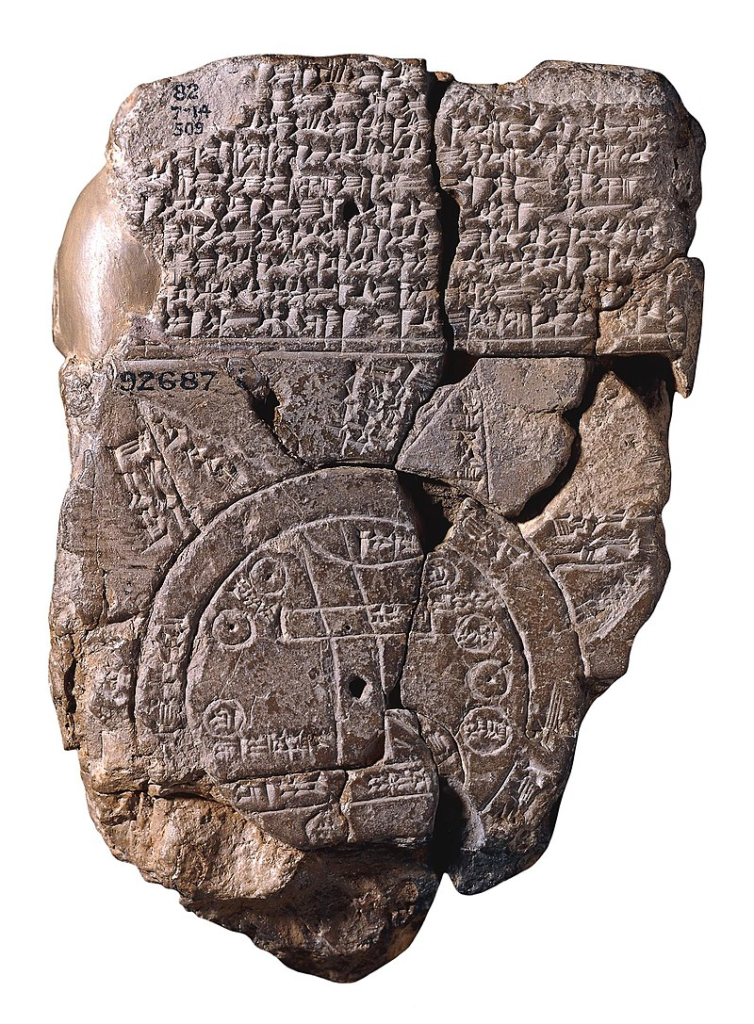
7. Myths as Encoded Records
Myths of ancient floods, from Mesopotamia’s Atrahasis to world deluge traditions, can mirror actual post-glacial sea level rise events. Certain galactic myths strangely echo ideas in contemporary physics. Quantum entanglement, though inaccurately portrayed as “spooky action,” relies upon its fundamental concept of non-classical correlations, which has metaphorical resonance in ancient tales of cosmic interdependence. Such echoes encourage interdisciplinarity, not as evidence of ancient lost science, but as cultural products inscribing accounts of the natural world.
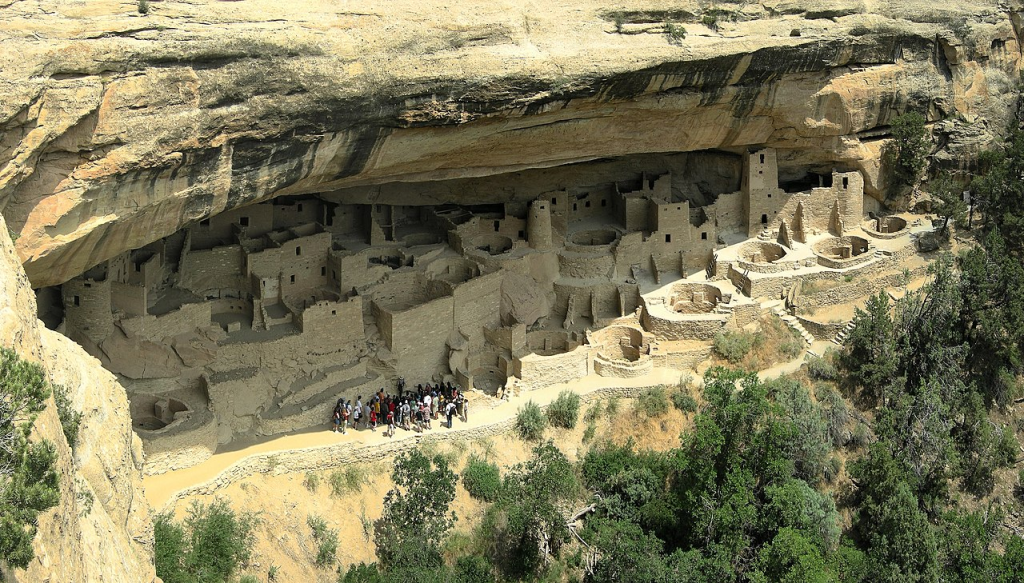
8. Climate-Responsive Architecture
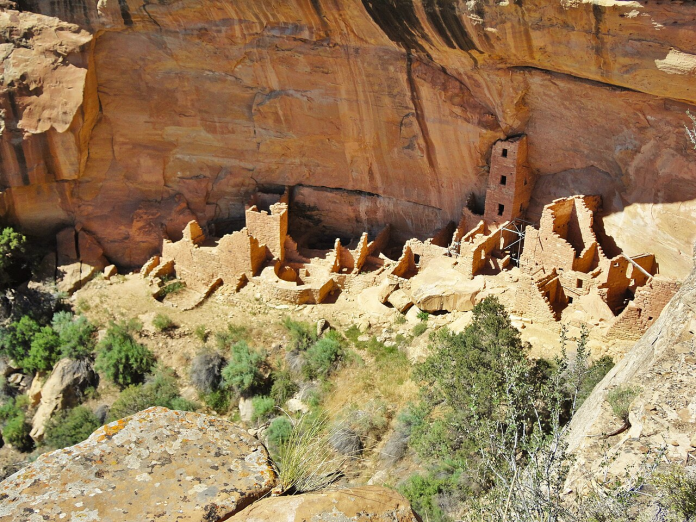
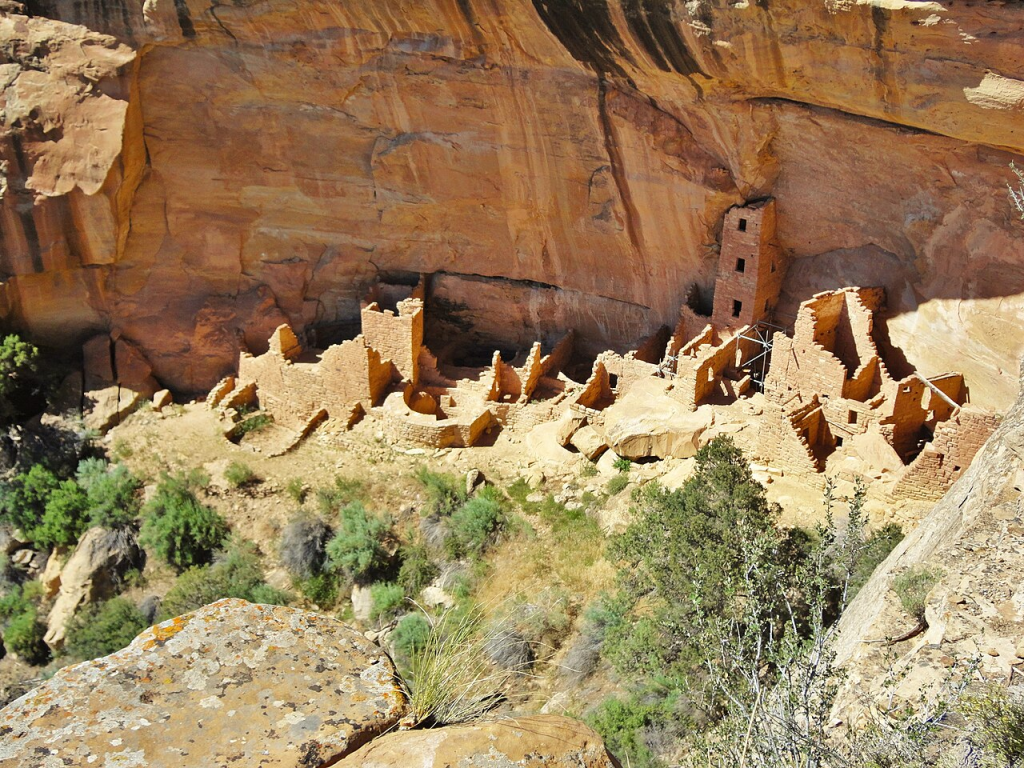
From Mesa Verde’s cliff dwellings to Persia’s wind-catching towers, architects maximised passive cooling, heating, and water harvesting. The selection of building material was climate-based: mud-brick in hot, dry Mesopotamia, limestone in Egypt, stone without mortar in Great Zimbabwe. These buildings reduced energy input while maximising comfort principles to be recovered by today’s sustainable architecture.
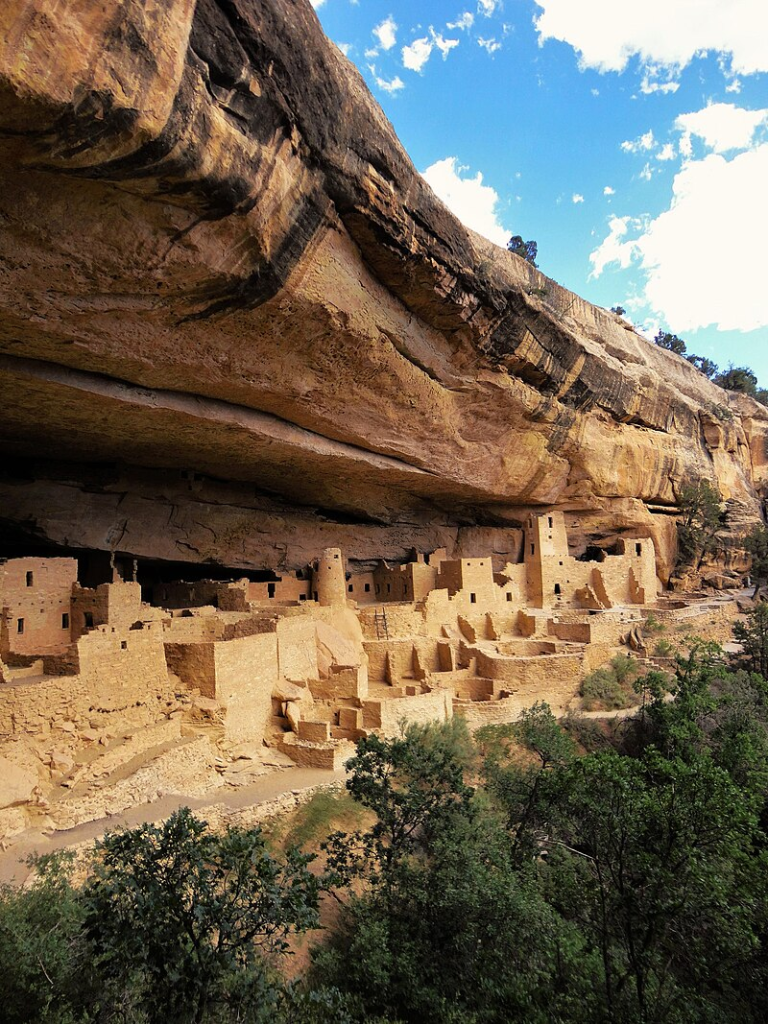
The intersection of archaeology, materials science, and geophysics is uncovering that ancient engineering was not primitive trial-and-error but rather a high-tech interplay of observation, experimentation, and adaptation. Whether or not a previously existing civilisation once inhabited this earth, surviving works of established antiquity challenge preconceptions about the boundaries of pre-modern technology, and remind us that innovation is not the exclusive preserve of the current era.


