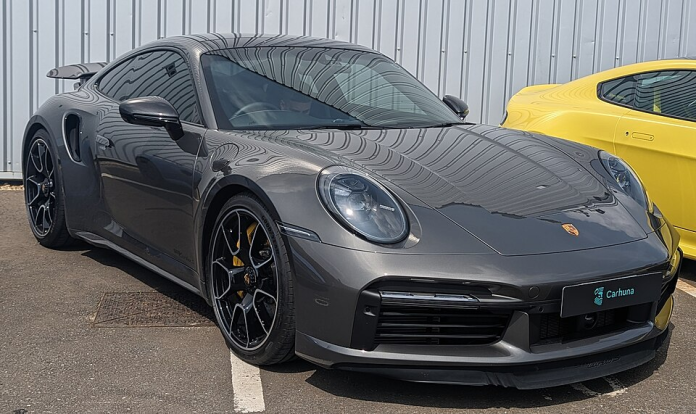
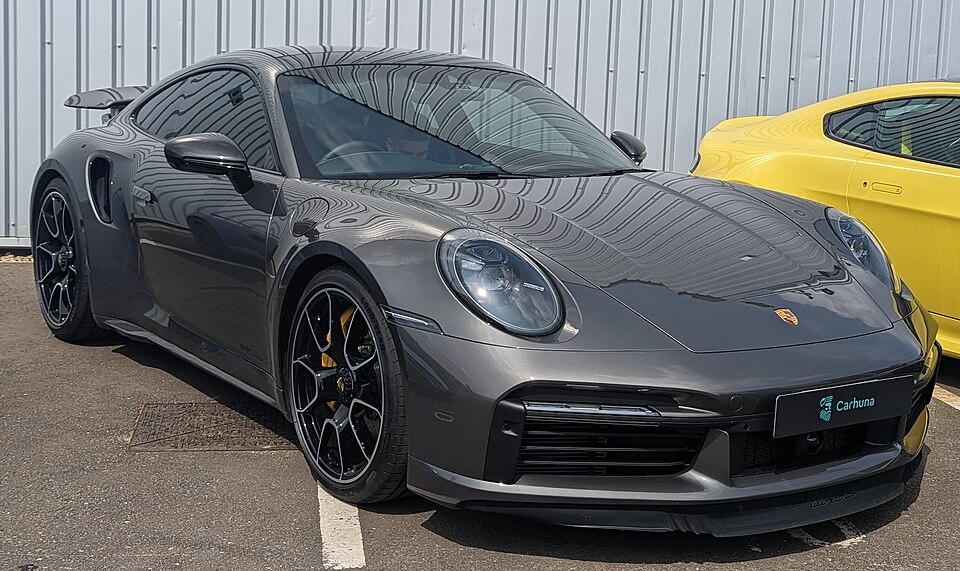
The new Porsche 911 Turbo S does not come as a simple upgrade, but as a thorough reengineering of one of the world’s most iconic performance motoring brands. With a hybridized twin-turbo powerplant, active aerodynamics tuned to racing sharpness, and a degree of customization that verges on bespoke coachbuilding, it is the most technically sophisticated road-going 911 ever.
1. T-Hybrid Powertrain with Dual eTurbos
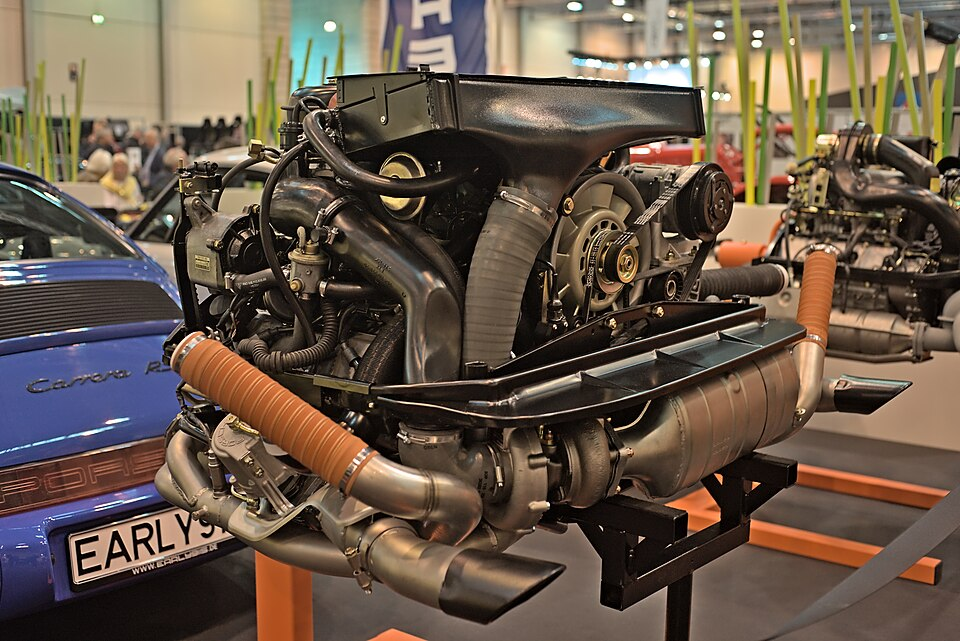
Underpinning the new Turbo S is Porsche’s advanced T-Hybrid system delivering 523 kW (711 PS) and 800 Nm of torque. In contrast to the 911 Carrera GTS and its single electric turbocharger, the Turbo S has two eTurbos each featuring an electric motor integrated onto the turbine shaft. The motors drive the compressor virtually in an instant, overcoming lag time and harvesting wasted exhaust energy without the need for a wastegate. The small 1.9 kWh, 400 V lithium-ion battery charges both the eTurbo units and an electric motor built into the eight-speed PDK transmission, supplying the Porsche Traction Management all-wheel-drive system. The payoff is a 0-100 km/h time of 2.5 seconds and a top speed of 322 km/h.
2. Nürburgring-Proven Performance Gains
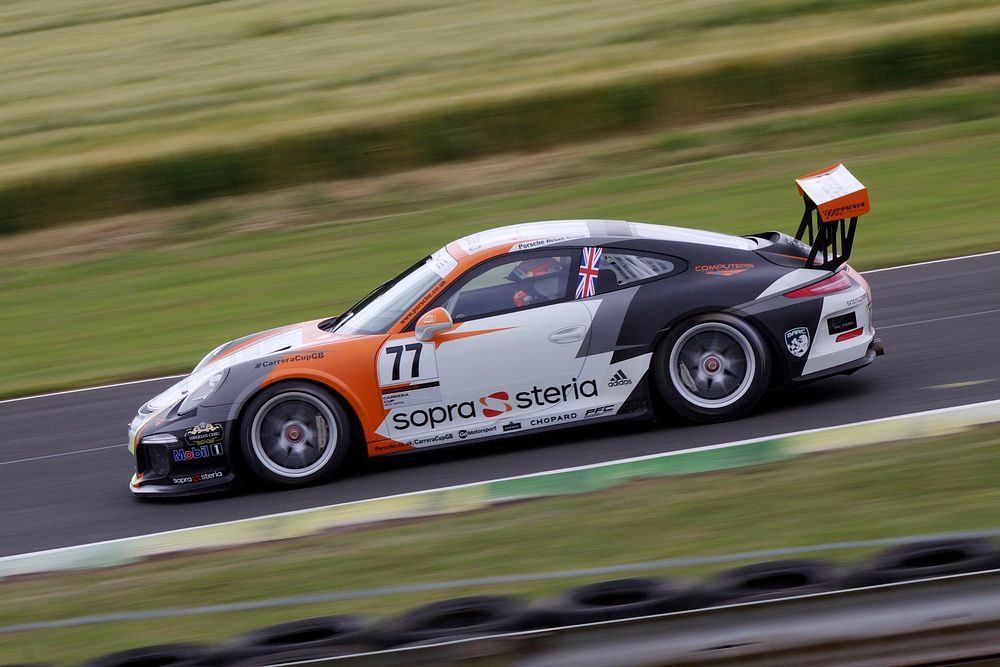
Even though it weighs 85 kg more than its predecessor, the hybridized Turbo S takes approximately 14 seconds less around the Nürburgring Nordschleife with a lap time of 7:03.92. Porsche Brand Ambassador Jörg Bergmeister, who lapped it, said, “You don’t notice the weight gain. On the contrary – the car is much more agile, has more grip and is much faster in all areas that matter on the track compared to its predecessor.”
3. Porsche Active Aerodynamics Expanded
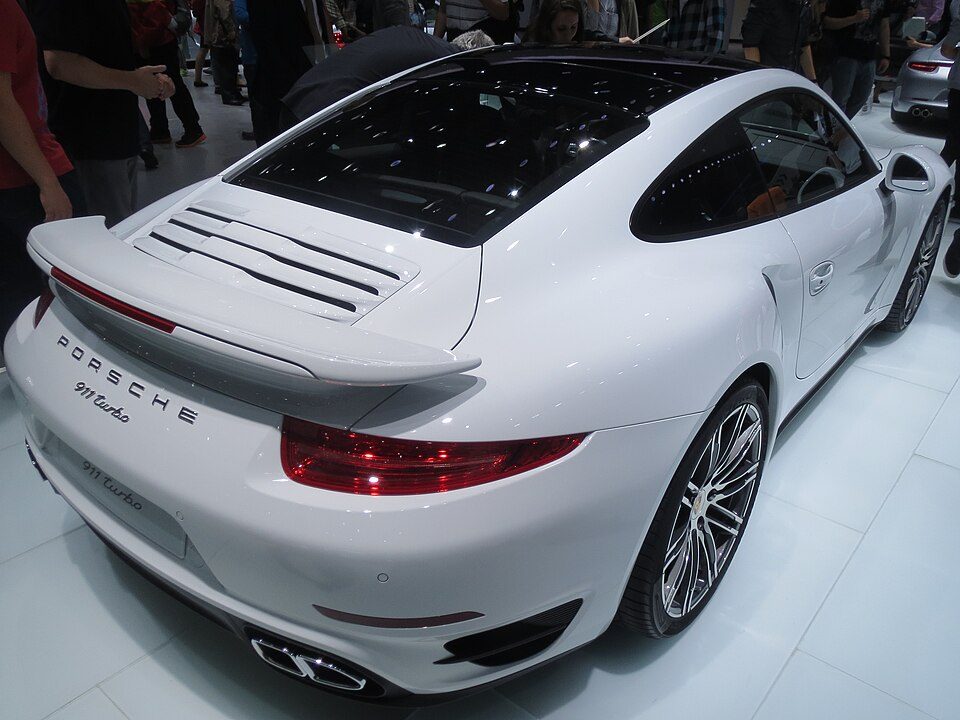
The Turbo S builds on Porsche Active Aerodynamics (PAA) with three active components: cooling air flaps, a segmented pneumatic front spoiler lip, and a more efficient, larger rear wing. The pieces adjust through eight configurations, reconciling drag and downforce for cruising at high speeds or stability in wet conditions. Downforce is 170 kg in Performance mode, and Eco mode retracts pieces to accomplish a drag coefficient of 0.33. Wet mode shifts aero balance rearward, enhancing stability on soaked surfaces, and an airbrake function deploys both spoiler and wing under high-speed braking to shorten stopping distances.
4. Largest-Ever PCCB Braking System
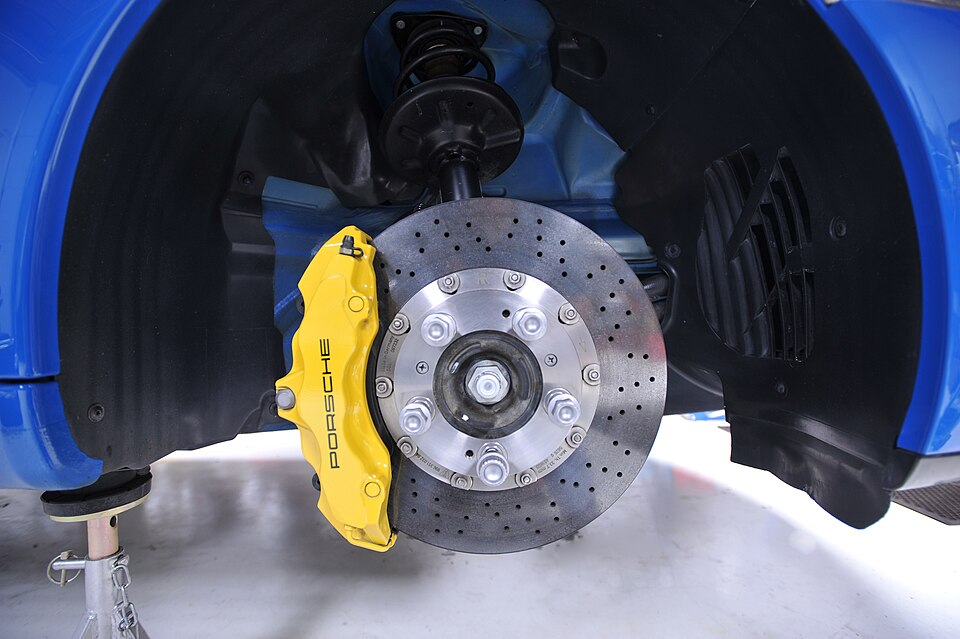
The Turbo S introduces Porsche’s biggest two-door ceramic composite brake system: 420 mm front discs and larger 410 mm rears, combined with motorsport-inspired pads. The Porsche Ceramic Composite Brakes weigh 50% less than cast-iron equivalents, cutting unsprung mass for more incisive handling and increased acceleration. Their carbon-fiber-reinforced ceramic construction is immune to fade under sustained heavy braking and has a service life many times longer than traditional systems.
5. Chassis Control through 400 V-Powered ehPDCC
The electro-hydraulic Porsche Dynamic Chassis Control leverages the hybrid’s 400 V system for quicker, more accurate anti-roll compensation. Cross-linked active coupling rods resist body roll, enhancing agility during transitions and stability during high-speed sweepers. A 400 V-driven front-axle lift, available as an option, is quicker than before, assisting city use without sacrificing track preparation.
6. Lightweight Titanium Exhaust and Engine Acoustics
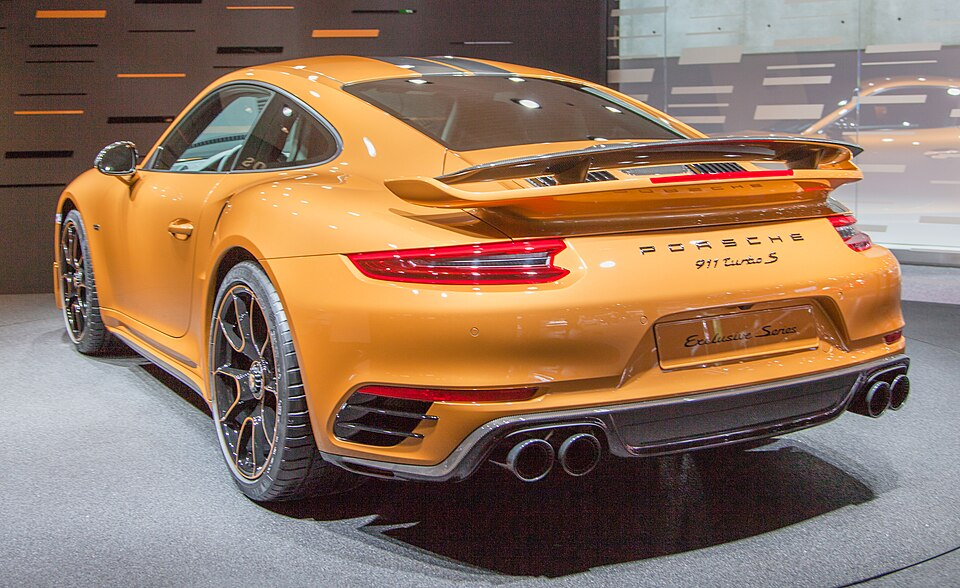
A new titanium sports exhaust with rear silencer integrated saves 6.8 kg of weight from the car body. The combination with asymmetrical cam timing in the 3.6-litre boxer engine results in a richer, more complex exhaust tone. Oval titanium tailpipe trims, optionally with a textured finish, add emphasis to the Turbo S’s visual and acoustic character.
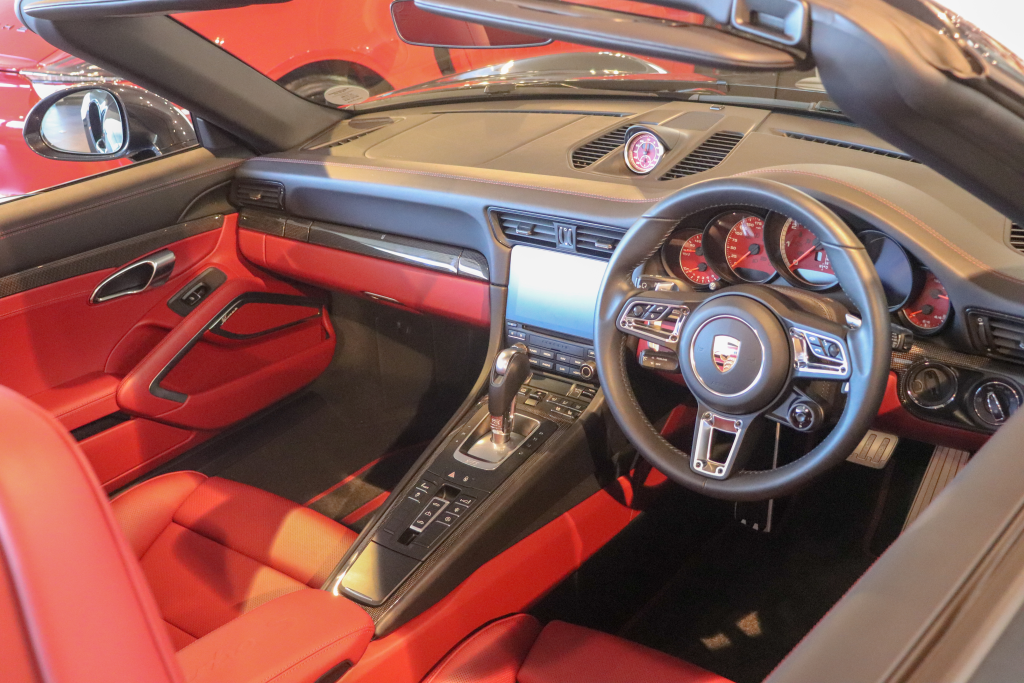
7. Turbonite Design Language
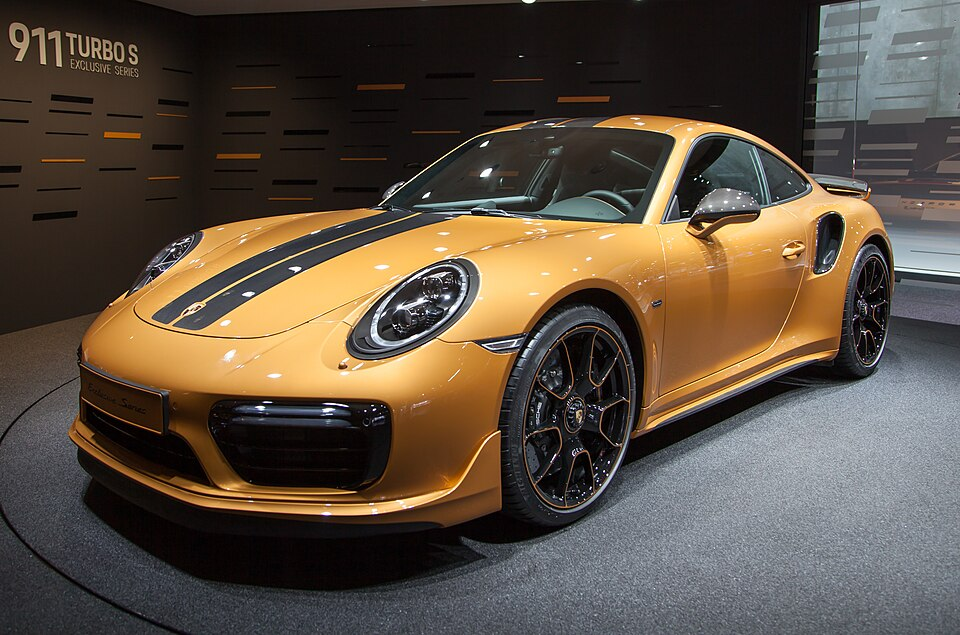
The Turbo S features Porsche’s cross-series Turbo design philosophy, with reserved Turbonite trim on the crest, badging, wheel centers, and interior components. The broadened body, functional rear intakes, and reworked fascia with larger ventilation slits highlight its mechanical function. Turbonite stitching, carbon-structured trim with neodyme accents, and a perforated microfiber headliner enhance the cabin’s tactile and visual beauty within.
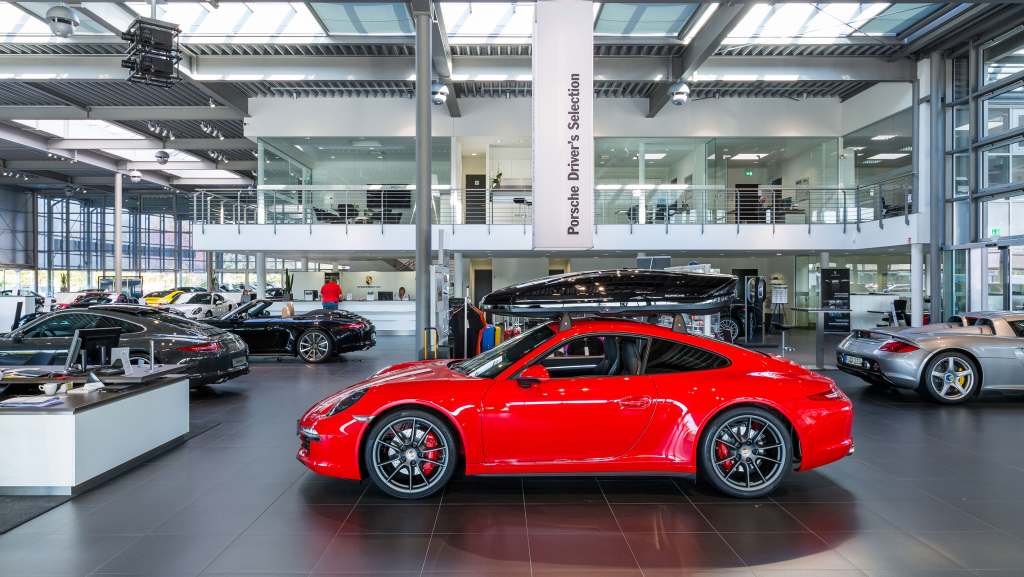
8. Porsche Exclusive Manufaktur Customization
Through Porsche Exclusive Manufaktur, customers are offered more than 100 Paint to Sample colors, carbon-fiber roof panels, Turbo Exclusive Design wheels with carbon blades, and even 50% lighter carbon-fiber wiper arms. Interior customization goes as far as contrast stitching, embossed leather, and painted keys, so every Turbo S is able to be customized to its owner’s preference.
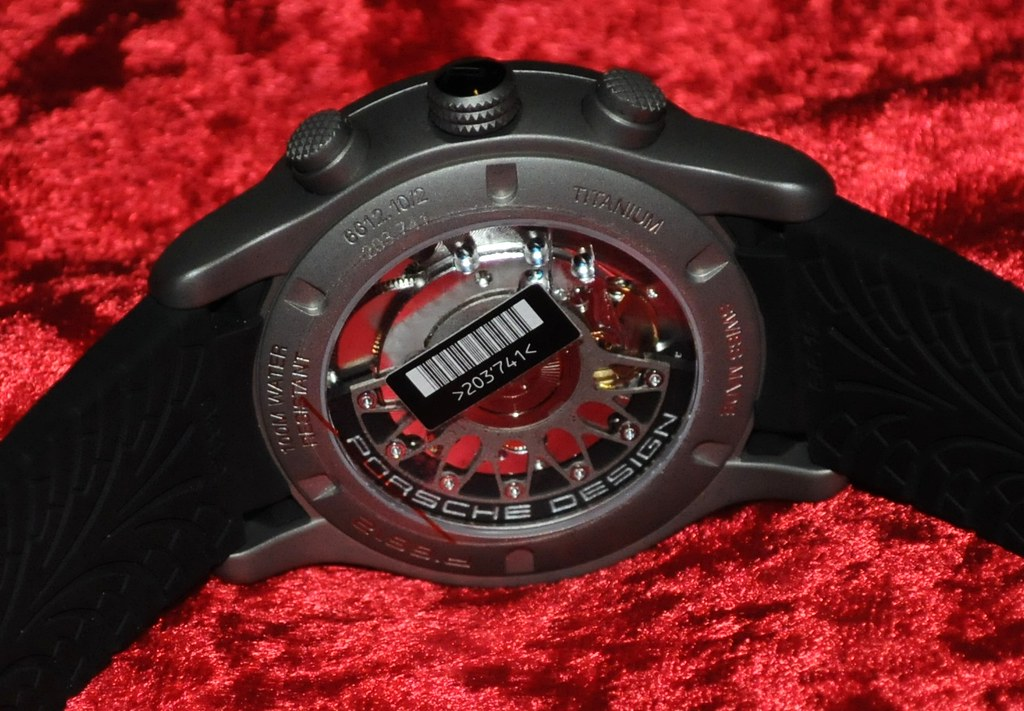
9. Engineering Translated to the Wrist
The Porsche Design Chronograph 911 Turbo S replicates the vehicle’s design in scale. Its titanium case, black titanium carbide finish, Turbonite accent on dial, and strap made from Porsche interior leather provide an immediate connection to the car. The COSC-certified WERK 01.200 movement with flyback feature and freely configurable rotor inspired by the car’s wheels locks mechanical watchmaking and automotive engineering together.
From its twin eTurbo hybrid powertrain to its adaptive aerodynamics and precision braking, the new 911 Turbo S isn’t merely quicker it is a demonstration of how engineering excellence can make every aspect of performance, efficiency, and driver involvement even better.


