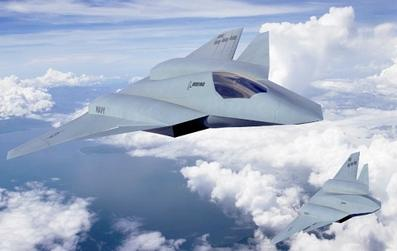
The competition to shape America’s air supremacy of the 2030s is playing out on two concurrent fronts: the U.S. Air Force’s Next Generation Air Dominance (NGAD) program around Boeing’s newly christened F‑47, and the U.S. Navy’s F/A‑XX, a carrier-capable air superiority fighter. Although both services are after different operational objectives, both platforms will combine advanced stealth, adaptive propulsion, and autonomous teaming with Collaborative Combat Aircraft (CCA). The outcome is a high-stakes competition that combines state-of-the-art aerospace engineering with strategic needs in the face of increasing Chinese anti-access/area-denial capabilities.
1. NGAD’s F‑47: The Air Force’s Sixth-Generation Spearhead
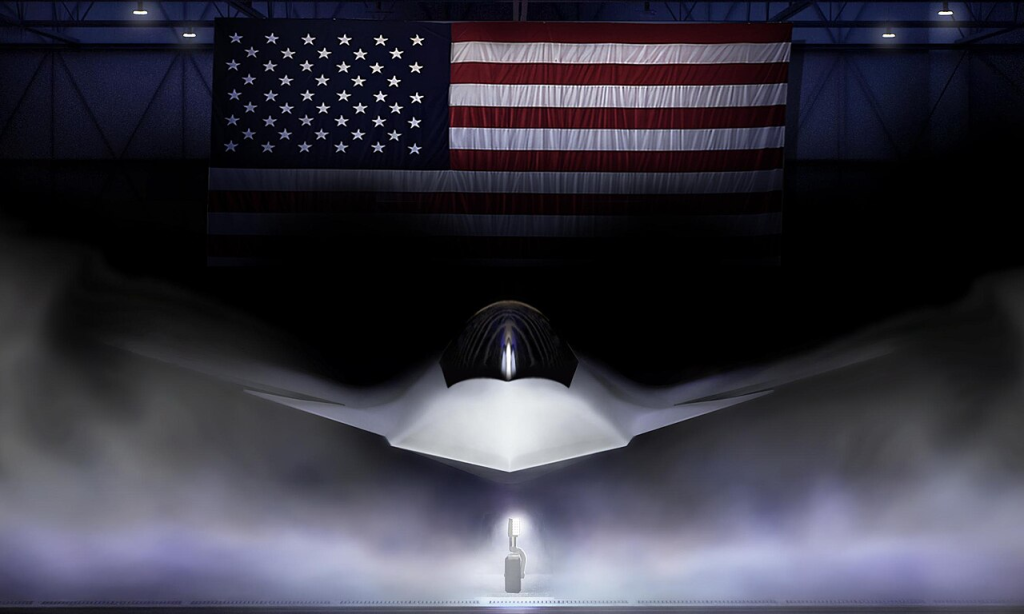
Announced in March 2025, the F‑47 is the Air Force’s first clean-sheet fighter since the F‑22. President Donald Trump referred to it as “the most advanced, most capable, most lethal plane ever made,” and Air Force Chief of Staff Gen. David Allvin referred to it as “a leap forward in securing America’s air dominance for decades to come.” The F‑47 is built with extreme range 1,000+ nautical miles combat radius and deep penetration survivability inside contested airspace, with a modular design to upgrade with future systems throughout its life cycle.
The plane’s design, emanating from DARPA’s Air Dominance Initiative and evolved through five years of clandestine X‑plane flight testing, seems to have a tailless planform with canard foreplanes, both stealthy and maneuverable. It will be the manned center of a “family of systems” consisting of CCAs, off‑board sensors, and space‑based assets.
2. Collaborative Combat Aircraft: Force Multipliers in Both Programs
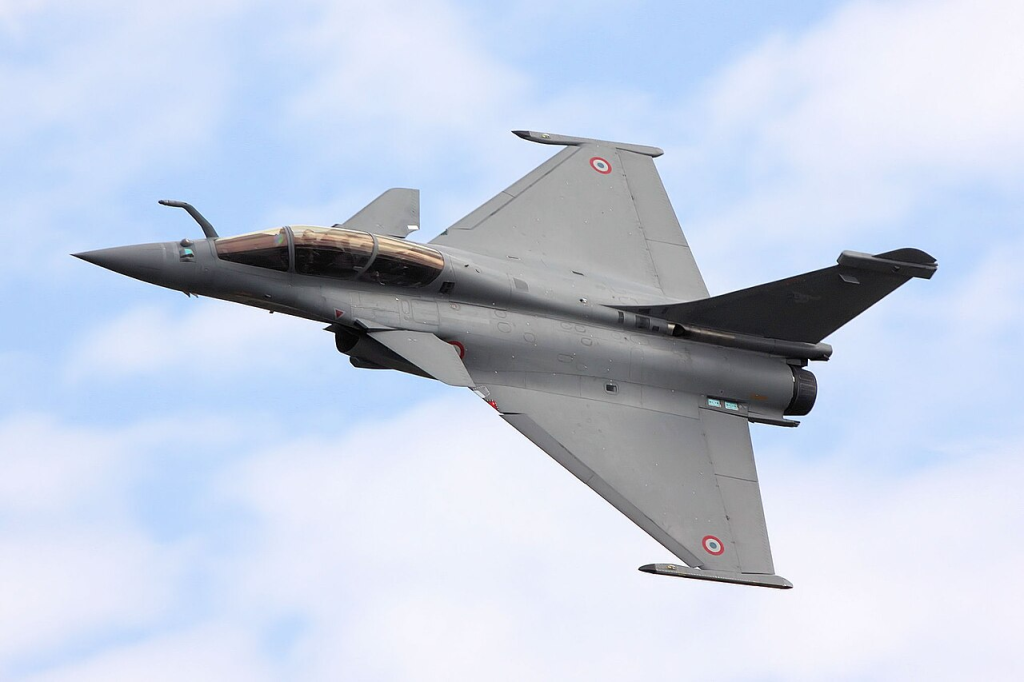
The Air Force intends to deploy a minimum of 1,000 CCAs, whose designs are being developed by Boeing, Anduril, General Atomics, Lockheed Martin, and Northrop Grumman. Some early test articles such as the YFQ‑42A and YFQ‑44A have already begun ground testing. Maj. Gen. Joseph Kunkel clarified that Increment 1 CCAs will be “missile trucks,” but Increment 2 will include electronic attack, resilient sensing, and diverse weapons.
The Navy, while behind in CCA design, has contracted several companies for carrier-capable proposals. Specs call for modularity, interoperability, and the capability to mitigate risk for manned platforms. As General Atomics’ C. Mark Brinkley explained, modifying established designs such as the YFQ‑42A for shipboard use leverages extensive carrier‑based unmanned heritage.
3. Adaptive Propulsion: The NGAP Advantage
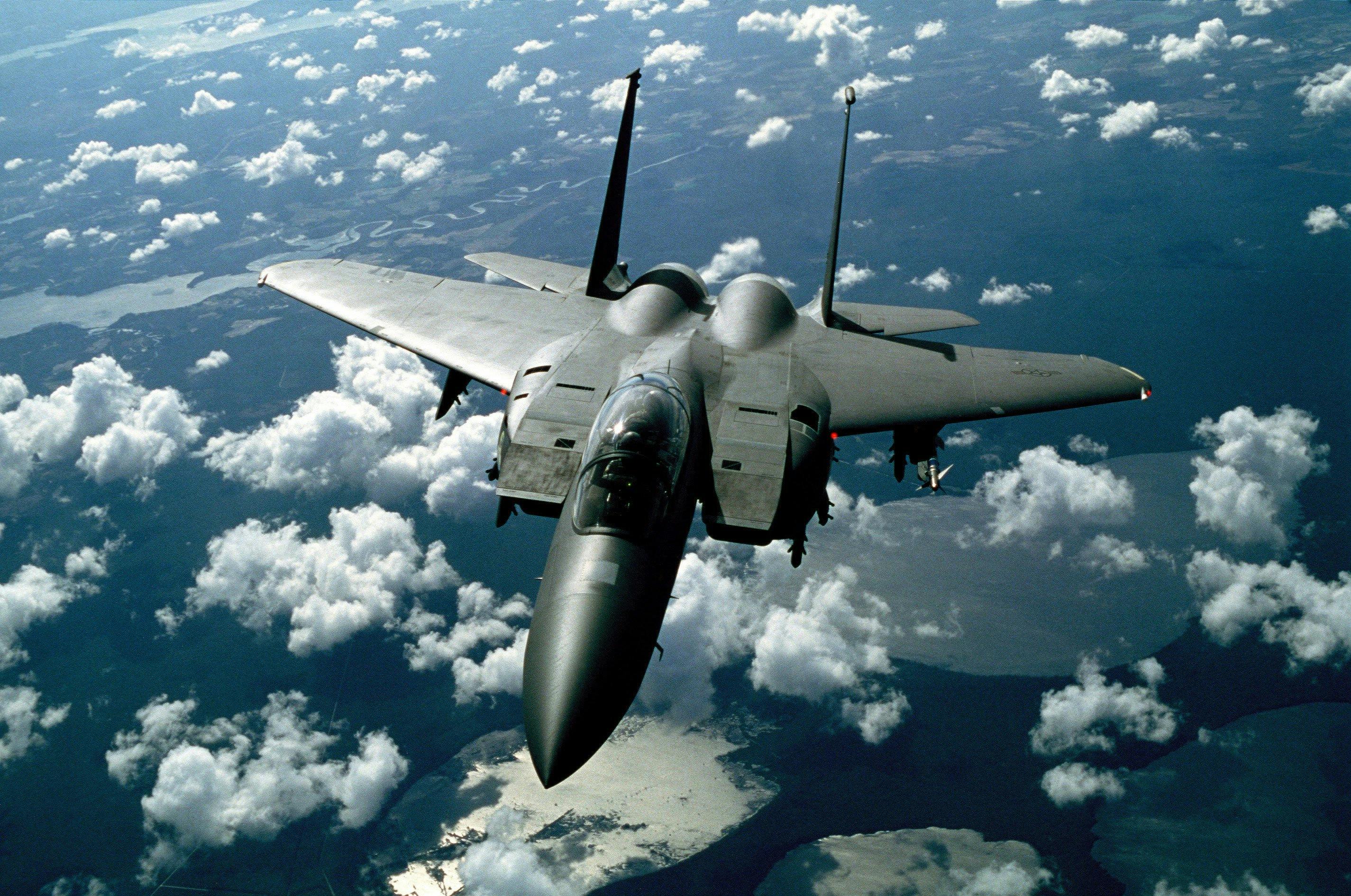
Both the F‑47 and possibly the F/A‑XX will see advantages of the Next Generation Adaptive Propulsion program, with GE’s XA102 and Pratt & Whitney’s XA103 having passed detailed design reviews. The engines use variable‑cycle technology to alternate between high‑thrust and fuel‑optimized modes, with advanced thermal management to enable directed‑energy weapons and high‑demand avionics. Such propulsion would increase range, allow supercruise, and power next‑generation hypersonic weapons.

4. F/A‑XX: The Navy’s Carrier‑Optimized Sixth‑Gen Fighter
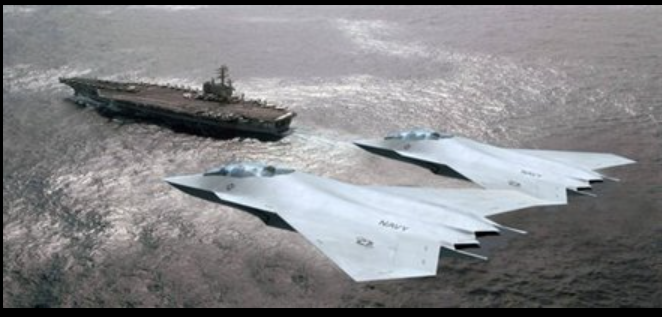
esigned to supersede the F/A‑18E/F Super Hornet, the F/A‑XX will emphasize strike capacity as a secondary air‑superiority mission. Navy art and Boeing’s Tailhook Symposium design concept propose potential canard foreplanes for low‑speed carrier approach stability, tailless stealth configuration, and a 25% greater range than today’s carrier fighters. Vice Adm. Daniel Cheever stressed its strategic application: “Sixth‑generation means air superiority in that timeframe in the future, which means sea control.”
5. Convergent Design Constraints
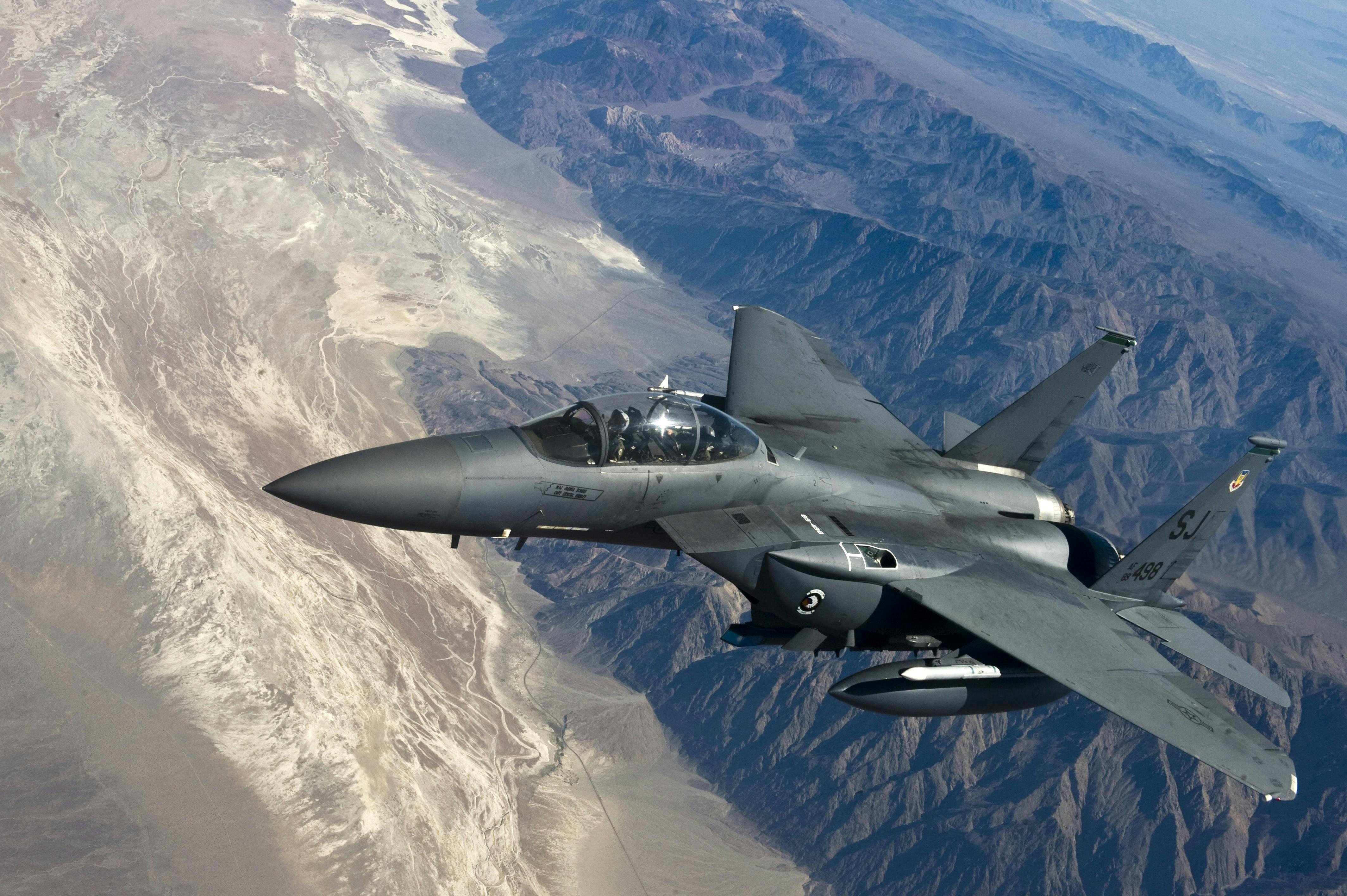
The Air Force F‑47 will be bigger perhaps in the 110,000‑lb class to accommodate Pacific theater range requirements, whereas the Navy limits the F/A‑XX to ~85,000 lb maximum takeoff weight for carrier operations. This impacts fuel capacity, payload, and engine choice: the F‑47 will be assumed to employ an all‑new adaptive powerplant, whereas the F/A‑XX can employ a derivative engine to weigh performance against naval integration.

6. Budget Fights and Industrial Capacity
The F‑47 program requires a multibillion‑dollar investment, but its per‑unit cost goal has been decreased from initial projections of $300 million to nearer the F‑35’s cost. The F/A‑XX for the Navy barely lived through FY2026 budget reductions after Congress reinstated more than $1 billion in R&D outlays. Boeing’s new Advanced Combat Aircraft Assembly Facility in St. Louis will make both planes simultaneously if it gets the F/A‑XX contract, taking advantage of commonality to cut costs and schedules.

7. Strategic Context: Countering A2/AD
Chinese combined air defenses will be expected to drive engagement ranges to 1,000 nautical miles by 2030, endangering U.S. enablers such as tankers and AWACS. Both NGAD and F/A‑XX are designed to penetrate these envelopes, using stealth shaping, sensor fusion, and CCA swarms to erode defenses. The objective is not blanket air superiority but “pulsed” superiority opening windows of control to enable strike operations.

8. Technology Integration and Future Flexibility
Open‑architecture systems and digital engineering are at the heart of both programs, allowing for rapid sensor, weapon, and autonomy upgrades. Decision aids powered by AI will control CCA formations, optimize sensor employment, and reconfigure tactics in real time. Navy Lt. Cmdr. Mark Jbeily highlighted the human‑machine trust issue: “How do we take that notion of trust and now apply it to collaborative autonomy, or manned‑unmanned teaming?”
The result of this dual-track development will determine U.S. airpower for decades to come. Whether the Air Force F‑47 or the Navy F/A‑XX gets there first, both are being constructed to help ensure that, as Gen. Allvin has said, “our dominance needs to be earned every single day” and that it an be extended deep into the most contested skies on the planet.


