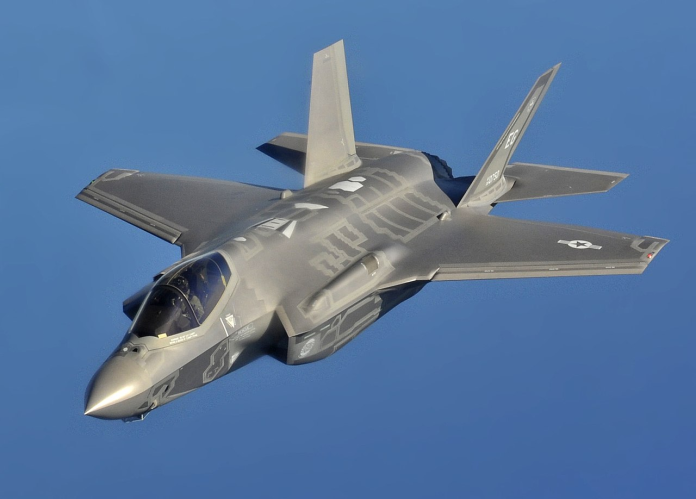
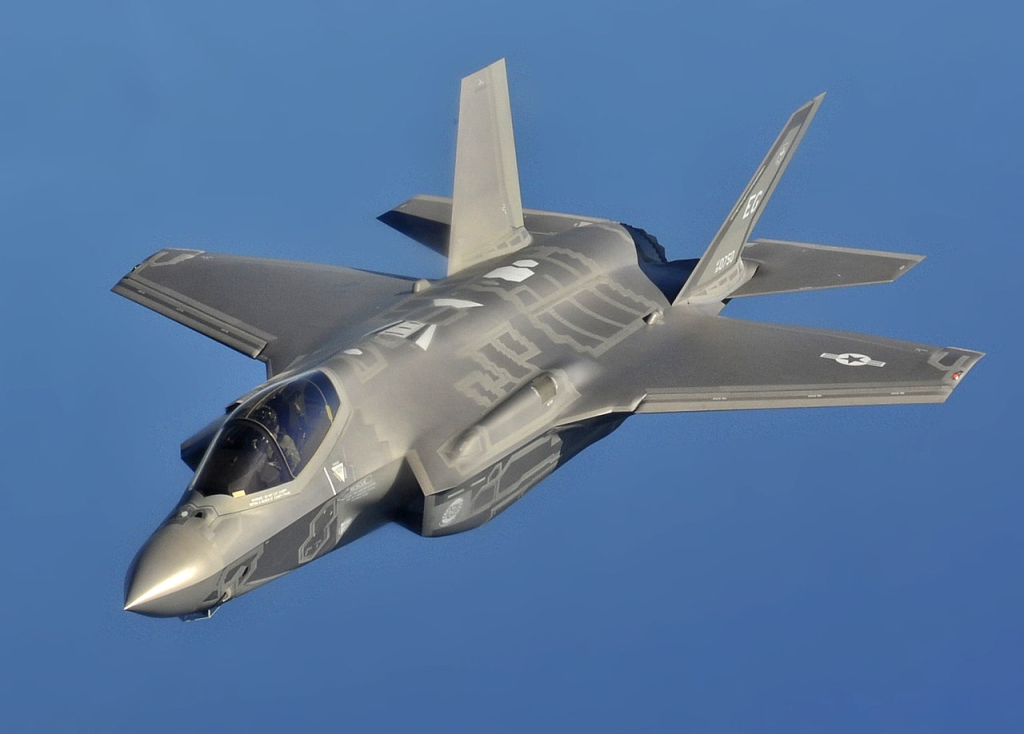
Why would a nation turn down what many consider the most advanced stealth fighter in the world? For India, the answer lies in a complex intersection of technology policy, defense strategy, and geopolitics. While the Lockheed Martin F‑35 Lightning II has demonstrated combat effectiveness in recent operations, New Delhi’s calculus extends far beyond raw performance metrics.
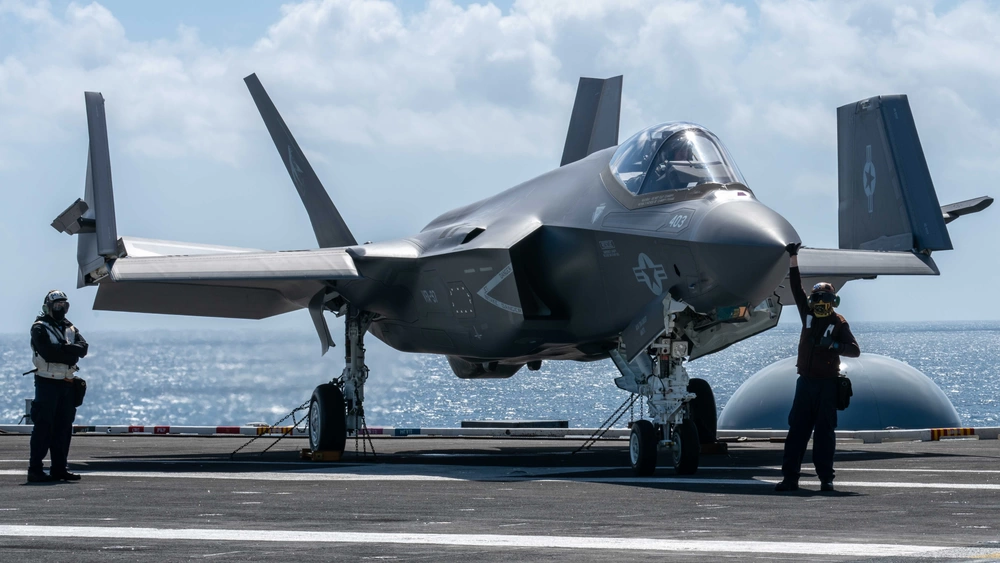
In the last year, tariff tensions, committed defense relationships with Russia, and India’s uncompromising “Make in India” posturing have coincided to shut the door on any short-term F‑35 buy. The decision is not an indication of the aircraft’s capability by most analyses, it surpasses its Russian counterpart, the Su‑57, but of the political, industrial, and security limitations that characterise India’s buying environment. This assessment deconstructs the most influential reasons for India’s denial, based on technical differences, a calculus of priorities, and the dynamics of global defence diplomacy.
1. No American Transfer of Technology to aid ‘Make in India’
Indian industrial policy insists on the inclusion of domestic production and technology transfer in key defense purchases. Washington has signalled unequivocally that the F‑35 program will not be available for foreign assembly lines or extensive technical cooperation. This is in stark contrast to Moscow’s willingness to license‑produce the Su‑57 in India, with Hindustan Aeronautics Limited identified as a potential hub. As Reuters reported, Rosoboronexport has pitched “full transfer of technology” and domestic assembly to insulate supply chains from Western sanctions. Without similar concessions from the U.S., the F‑35 offer fails to align with New Delhi’s long‑term goal of becoming a builder rather than a buyer.
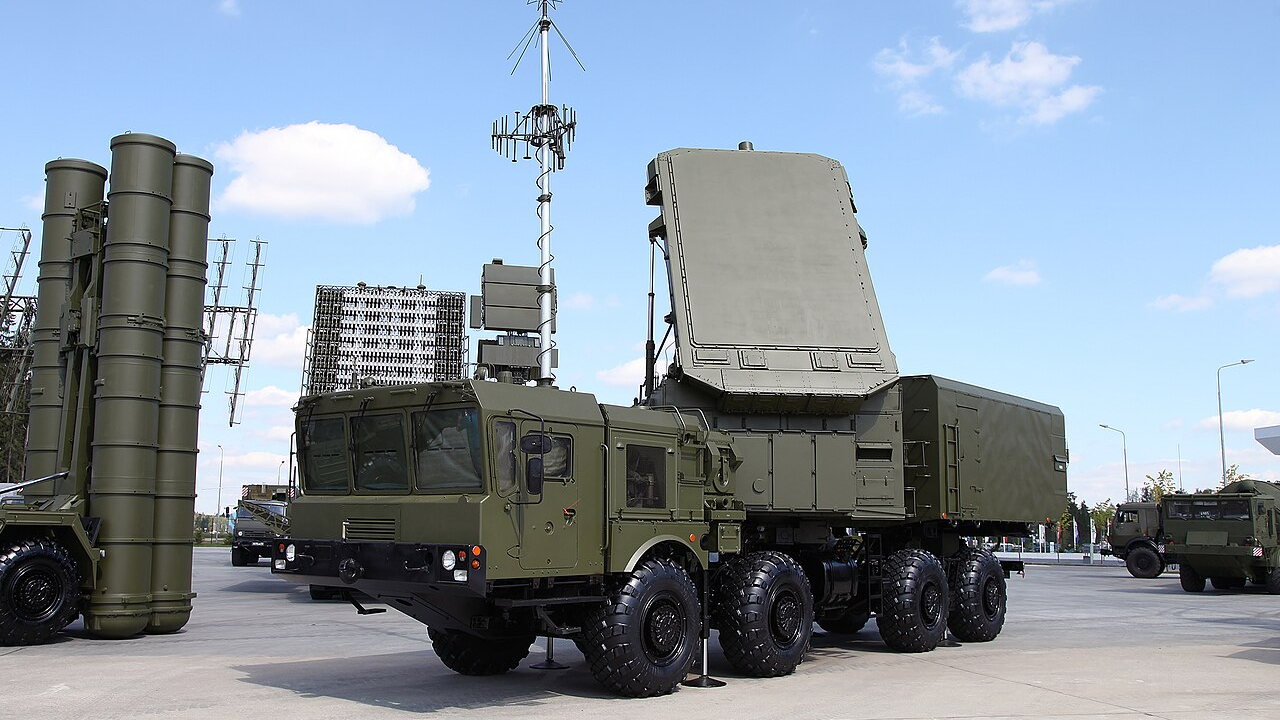
2. The S‑400 Air Defence System Is a Deal‑Breaker
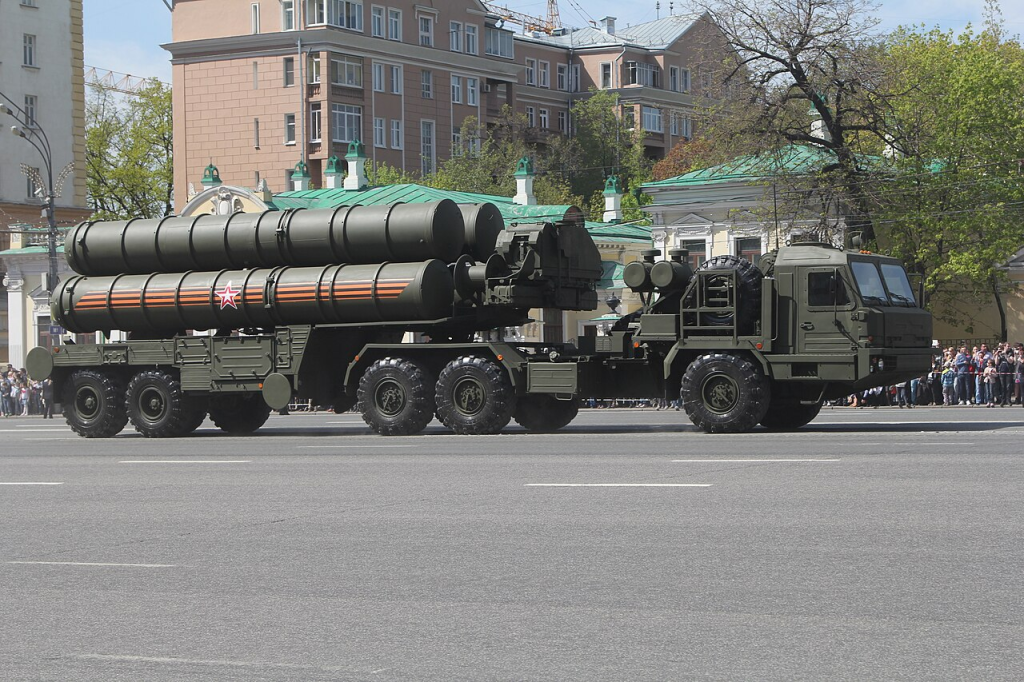
India’s use of the Russian‑produced S‑400 Triumf surface‑to‑air missile system presents an insurmountable barrier to F‑35 integration. The U.S. ejected NATO ally Turkey from the Joint Strike Fighter program over the same issues, citing the threat that the S‑400’s advanced radars might be used to catalog the stealth fighter’s signature. As explained in U.S. congressional debates on the Countering America’s Adversaries Through Sanctions Act (CAATSA), any nation flying both platforms risks inadvertently exposing the aircraft’s low-observability data. It is unrealistic to expect Washington to grant an exception to India when it denied one to a treaty ally.
3. Tariff Disputes Have Eroded Trust
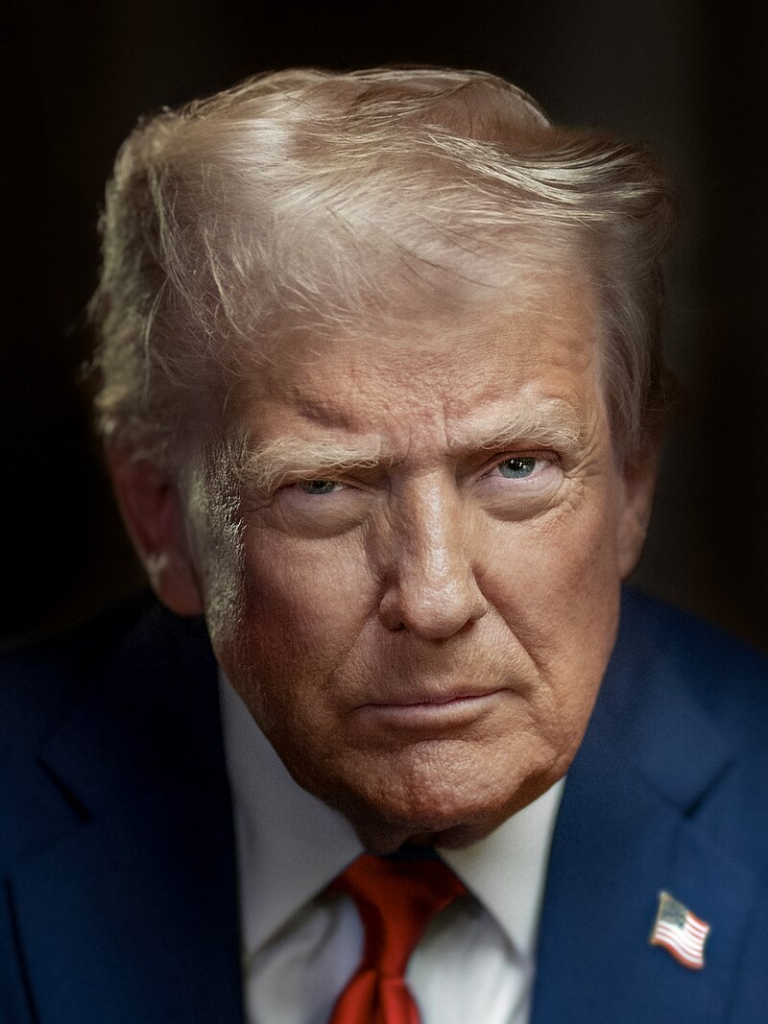
Commercial tensions have added to defence strains. President Donald Trump’s imposing of tariffs initially at 50%, subsequently 25% on Indian exports, was greeted in New Delhi with officials telling Bloomberg that there was “shock and disappointment.” These were cast as a response to India’s continued imports of Russian oil, highlighting how economic and strategic differences can seep into weapons talks. The political environment generated by these tariffs renders it challenging to pursue a multi‑billion‑dollar fighter sale that necessitates long-term bilateral goodwill.
4. Indigenous Fighter Programs Take Priority
India is heavily investing in its domestic fifth‑generation platforms, the Tejas Mk2 and the Advanced Medium Combat Aircraft, with initial flight plans set for late in the 2020s. To purchase the F‑35 would take resources and political capital away from these showpiece projects. Interim capability shortfalls will be addressed by licensed production of the Su‑57, which with all its limitations provide a stepping stone to indigenous designs. The strategy retains intellectual property in Indian hands and develops indigenous engineering capacity, a central objective of the national strategy for defense.
5. The Su‑57’s Industrial and Political Appeal
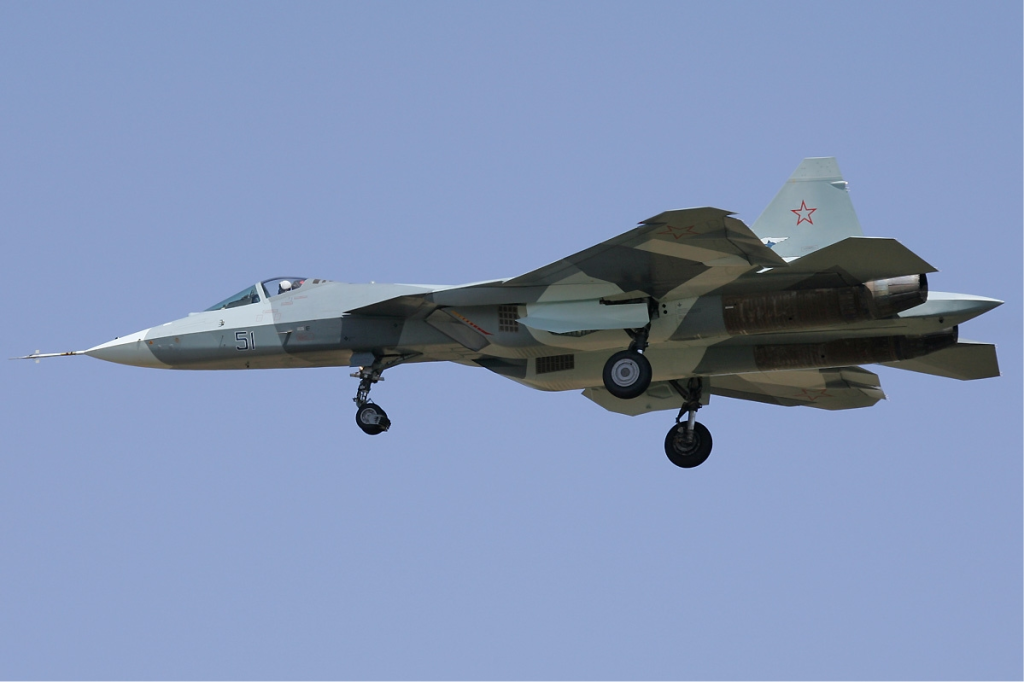
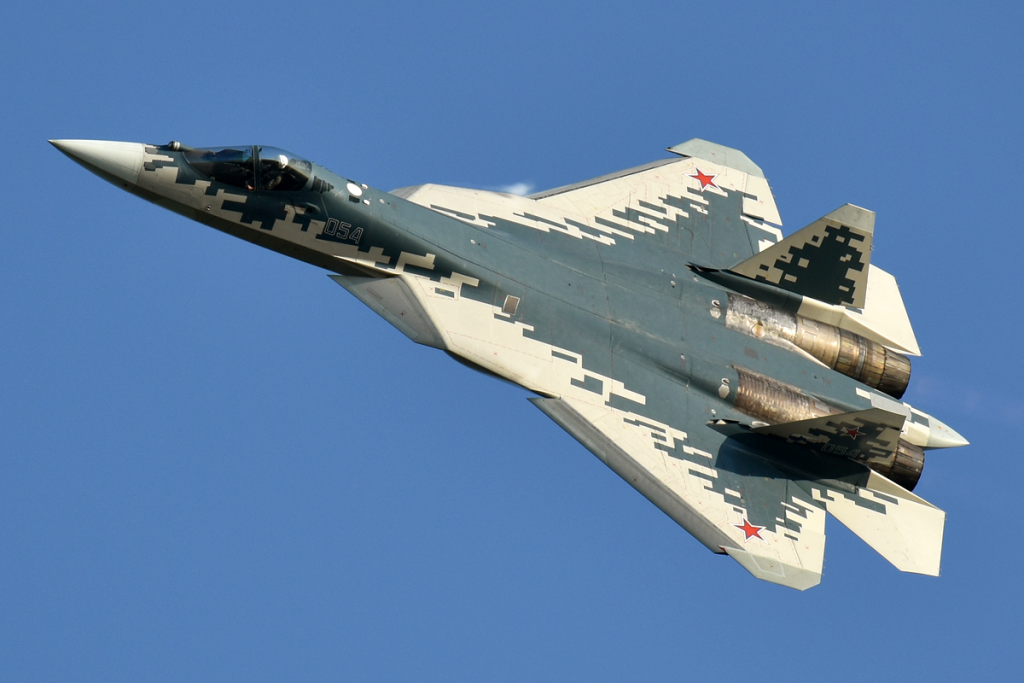
Technically speaking, the Su‑57 is considerably less stealthy than the F‑35. Aviation expert Abhirup Sengupta notes that Sukhoi’s own patent cites a radar cross‑section (RCS) between 0.1 and 1 m², comparable to a clean F/A‑18E Super Hornet and up to 1,000 times larger than the F‑35’s. Yet Moscow’s offer of local manufacture, technology transfer, and compatibility with India’s existing Russian‑origin fleet gives it political traction. As ANI previously reported, converting current Su‑30MKI production lines to the Su‑57 would save money and protect the program from sanctions interruptions.
6. Stealth Capability Gap Stark
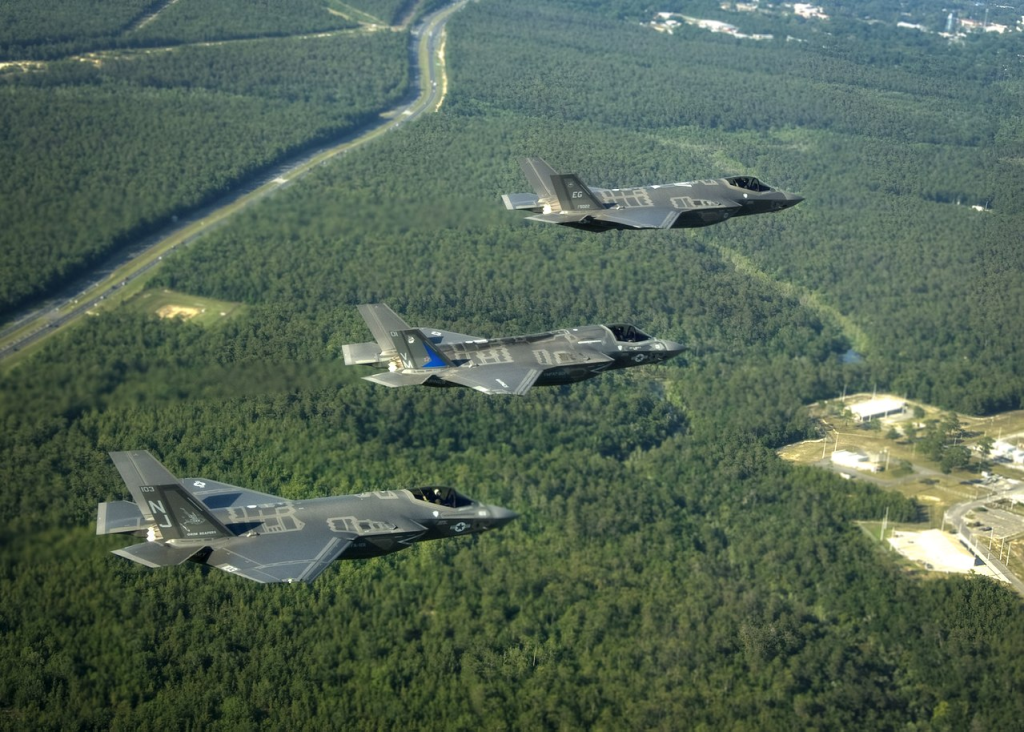
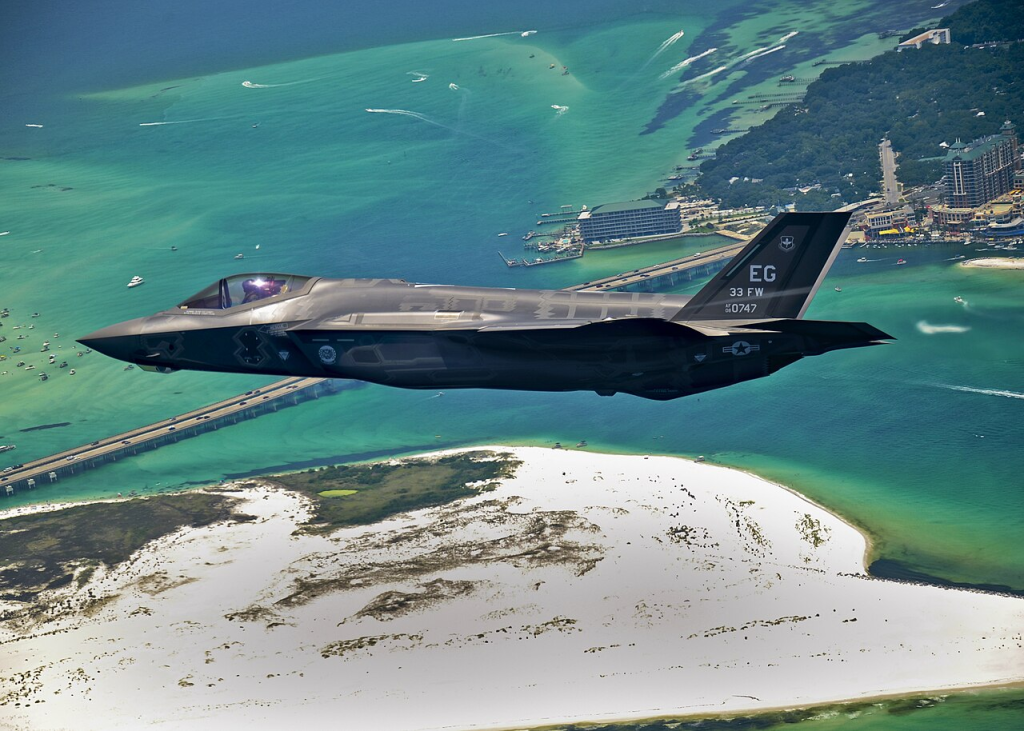
Operationally, the stealth of the F‑35 is in a different league. The frontal RCS of the Lightning II is estimated to be 0.0001 m², supported by next-generation radar-absorbent material, as opposed to the 0.1–1 m² RCS of the Su‑57. This equates to a detection range superiority of almost six‑fold, Sengupta suggests, which allows first‑look, first‑shot, first‑kill superiority. Israeli sorties against Iran during 2024 and 2025, which allegedly pierced Iranian air defenses without loss, have strengthened the aircraft’s combat credibility. Still, India seems content to trade diminished stealth for industrial advantages and strategic independence.
7. U.S. Security Fears Over Data Exposure
Aside from the S‑400 conundrum, Washington is cautious about subjecting the F‑35’s sensor fusion, electronic warfare suite, and mission data files to any environment in which Russian systems are in place. The concern is not just technical compromise but also the precedent it would create among other operators. As former Indian Army Gen. M.M. Naravane noted in remarks quoted by defense reporter Nikha P. Shekhar, the F‑35’s capability to “operate in contested airspace without being detected” is a significant draw against such competitors as China a capability that the U.S. is committed to defending.
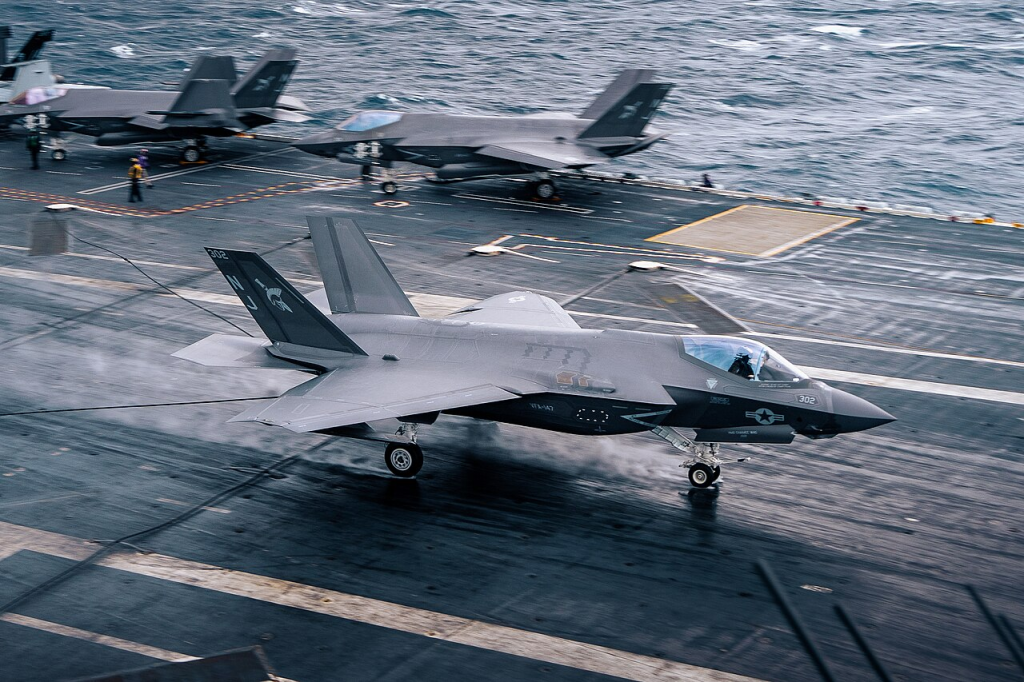
India’s spurning of the F‑35 is not a judgment call on the plane’s performance but a result of the limitations and priorities governing its defense buys. Industrial self‑reliance, geopolitical hedging, and maintaining strategic autonomy trump the temptation of unparalleled stealth. In this trade‑off, even the world’s best combat plane cannot surmount the aggregate burden of policy, politics, and partnership dynamics.


