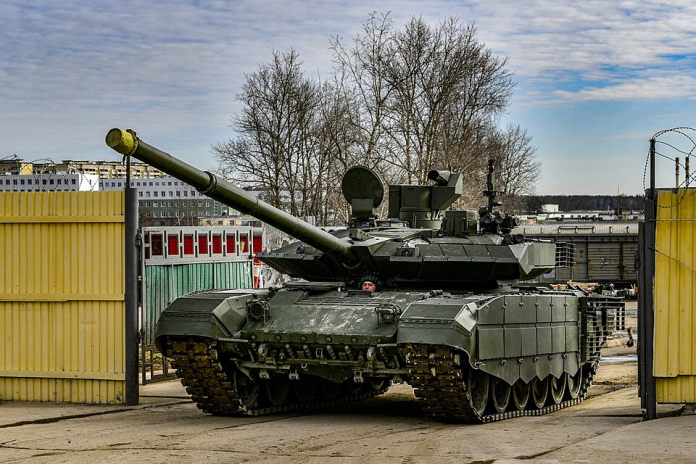
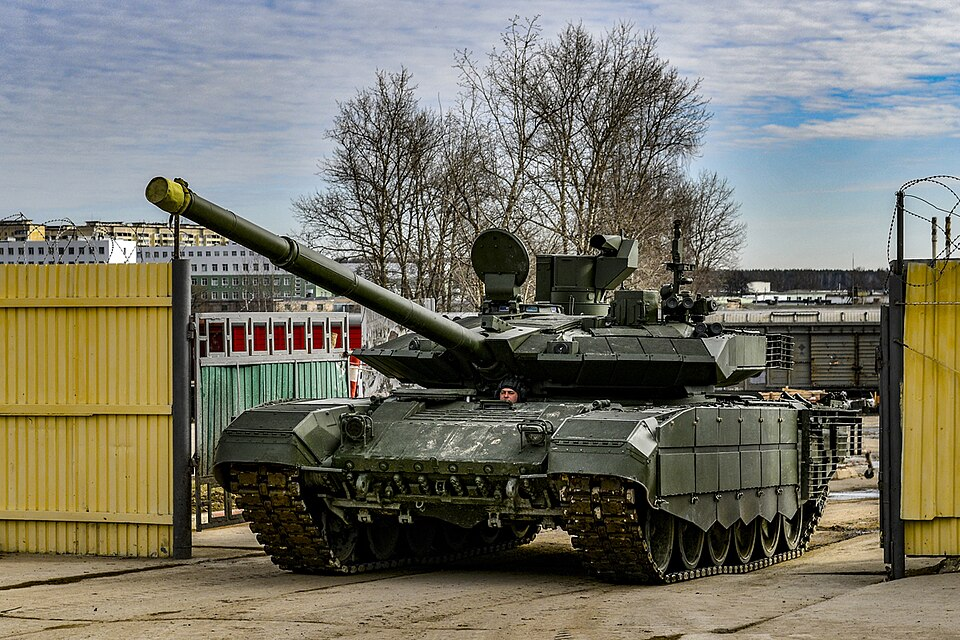
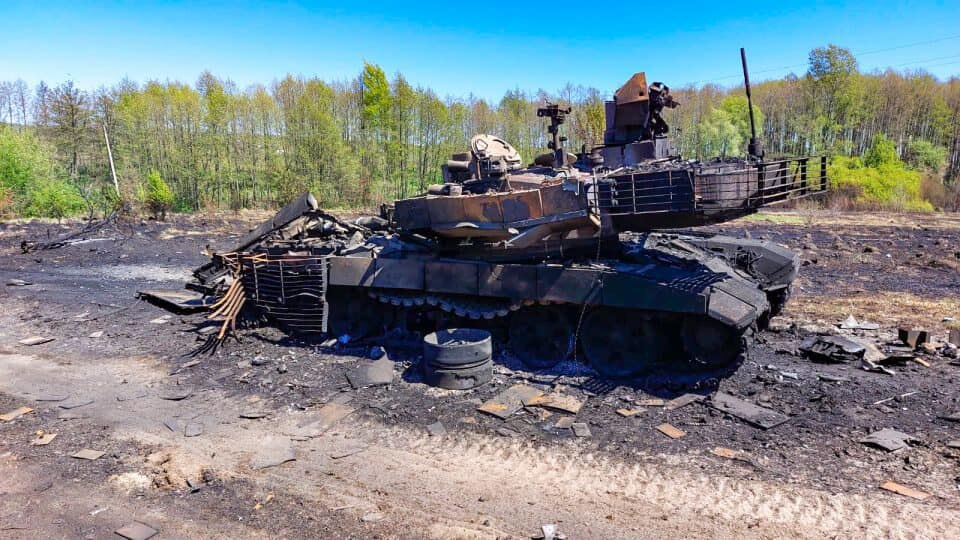
“Best tank in the world.” That was Vladimir Putin’s description of the T‑90M Proryv at one time. On August 17, Ukrainian drone pilots reduced that boast to a smoldering hulk on the battlefield.
The engagement, which was documented by Ukraine’s 429th Separate Unmanned Systems ‘Achilles’ Regiment, was more than a strategic victory. It provided a window into the future balance between new armor and unmanned systems, the changing composition of Russia’s tank force, and the weakness of its best vehicles.
For military technology analysts, the destruction of a $4.5 million main battle tank at the hands of relatively low-cost drones is more than a battlefield anecdote it is a case study in how new war is redefining the role, design, and survivability of armor forces.
1. The T‑90M’s Last Moments Under Drone Fire
Video distributed by Ukrainian forces captures the systematic destruction of the T‑90M first immobilized, subsequently attacked repeatedly until it caught fire. The attackers deployed small drones to precision-deliver the munitions, penetrating the tank’s armor and active protection systems. In addition to destroying a BM‑21 multiple rocket launcher, a Tiger armored vehicle, and a KAMAZ truck, the engagement was notable for the symbolic and financial worth of the T‑90M. At about $4.5 million per vehicle, it is Russia’s most advanced combat tank and losing one to drones highlights the increasing threat of low‑cost, networked attack systems.
2. A Tank Based on Heritage, Combatting in a New World
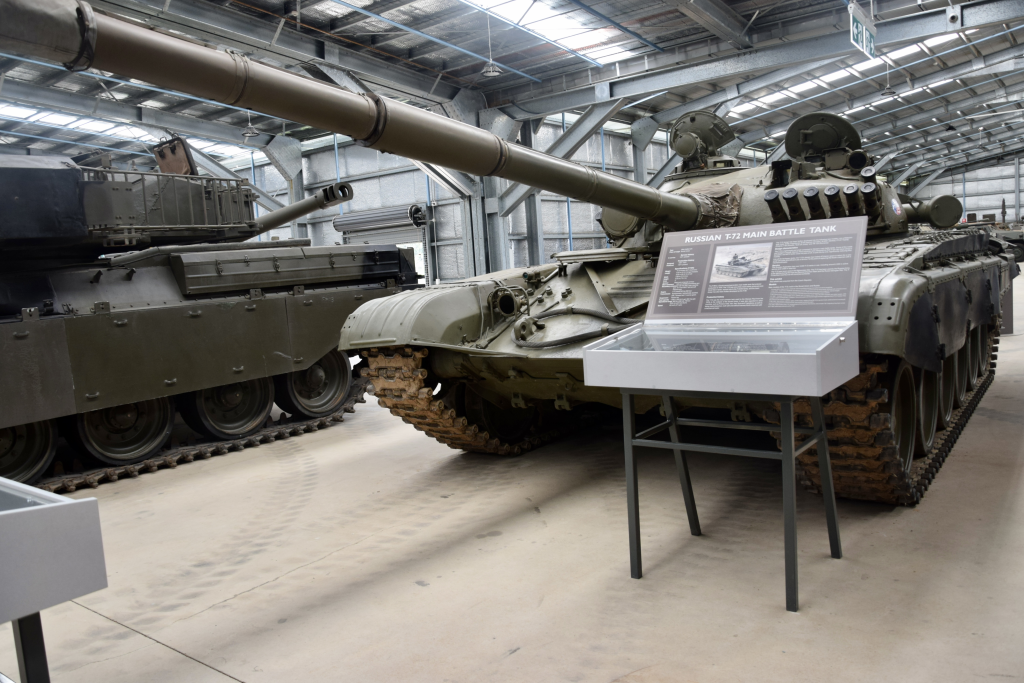
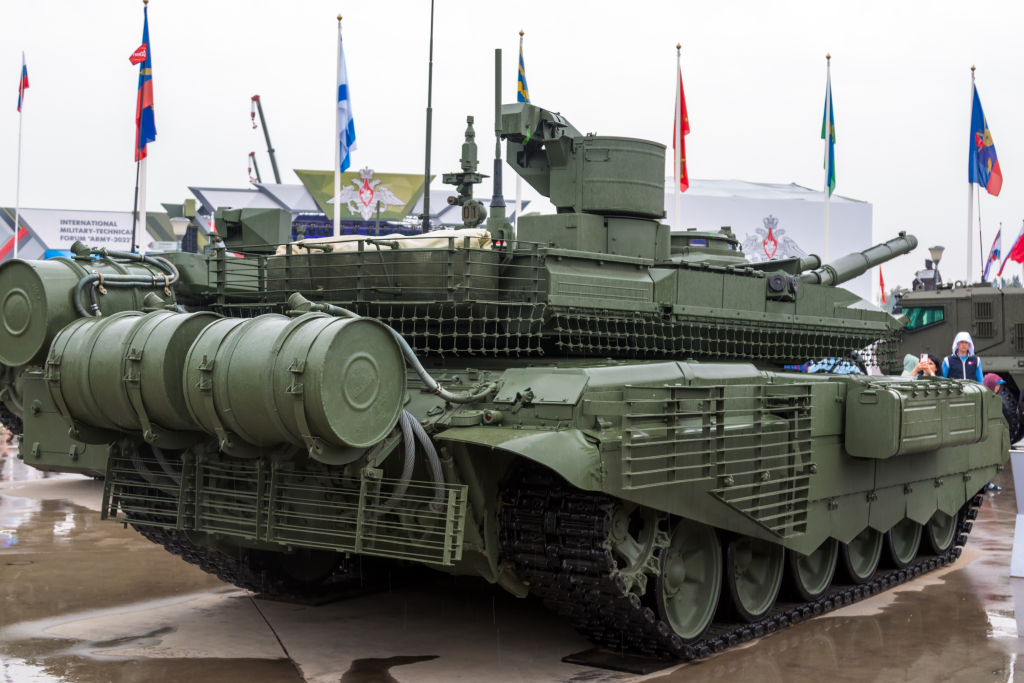
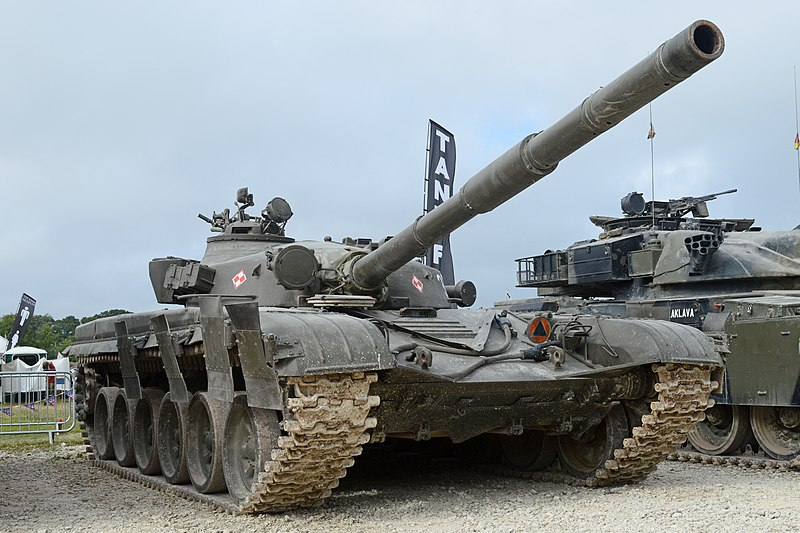
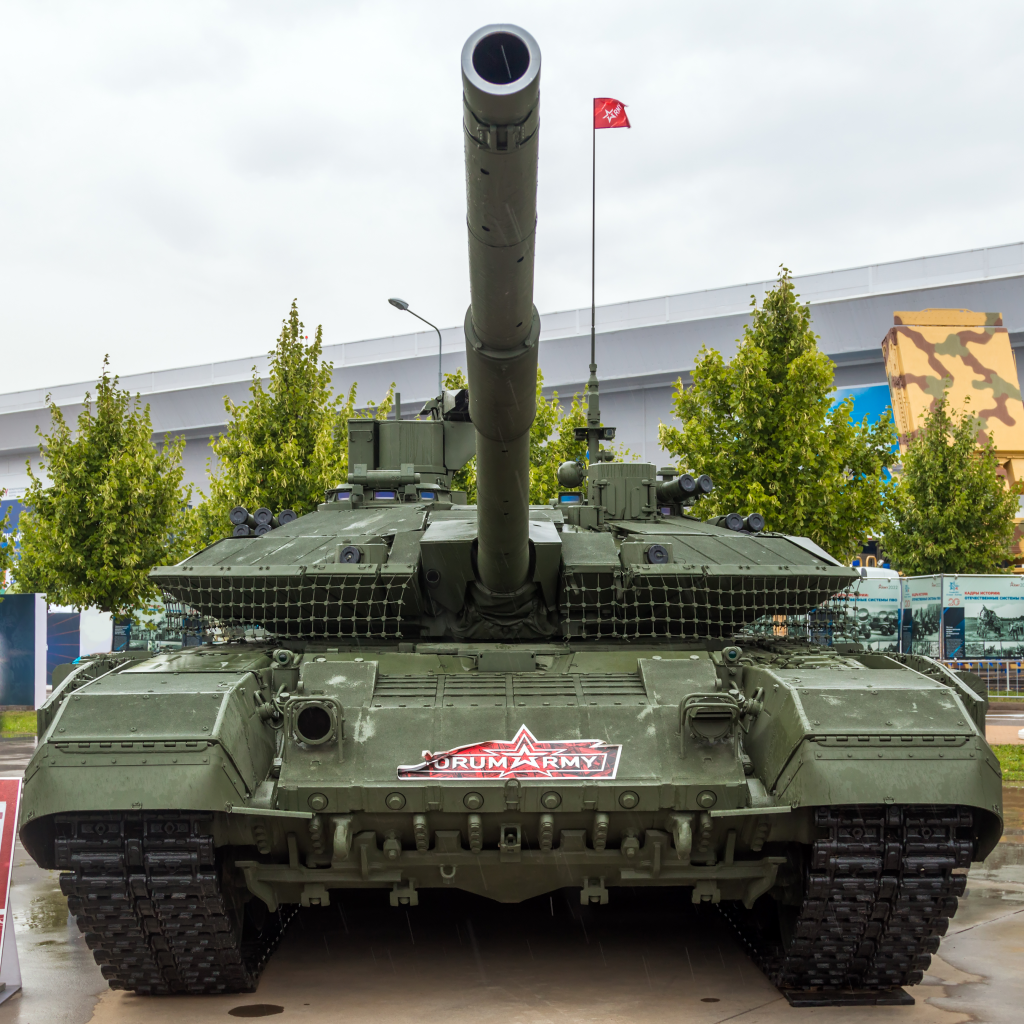
The T‑90M is an upgrade of the Soviet‑era T‑72 platform, fitted with Relikt explosive reactive armor, a 125mm 2A46 gun with Refleks anti‑tank missile capability, and enhanced optics and fire control. Those capabilities were designed to counter lessons from Syria, when the tank emerged from older U.S.‑produced TOW missiles. But as analyst Nathan Stueve pointed out in Small Wars Journal, its carousel ammunition storage unmodified from previous models is a deadly weakness. When penetrated, it can cause devastating turret ejection, the so‑called “jack‑in‑the‑box” effect.
3. Why Older Tanks Are Filling the Front
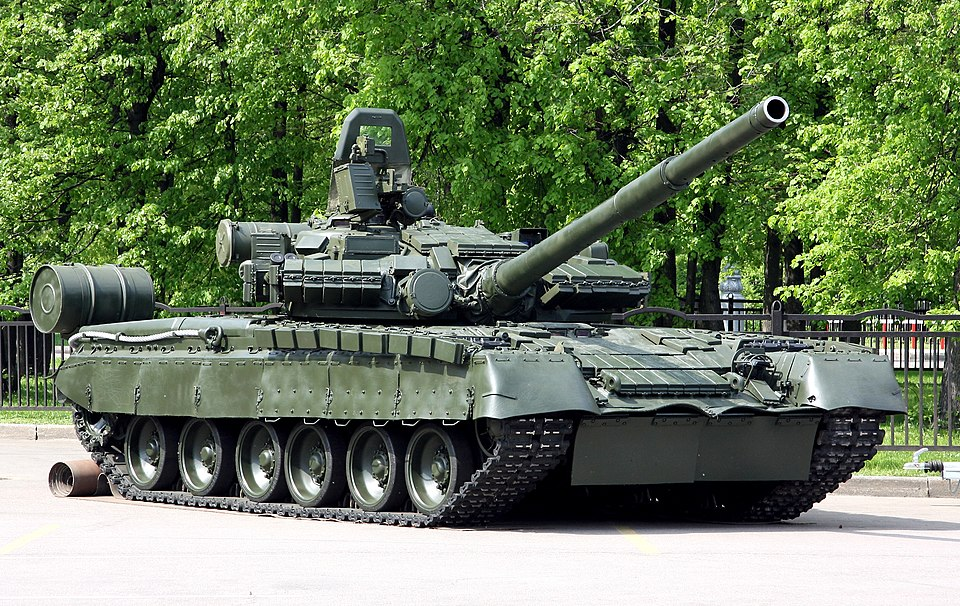
Open‑source loss data provided by Warspotting.net, broken down by Richard Vereker, reveals a general trend of Russian tank losses decreasing since mid‑2025, but with a caveat T‑62 losses have skyrocketed. Between March and July 2025, T‑62 losses increased by 2.5 times, indicating Moscow is putting more 1960s‑era vehicles into service. The probable explanation, says Vereker, is that newer tanks such as the T‑90M and T‑80 are being pulled back to reserve units in order to conserve them, so leaving older types to take the attrition.
4. The Drone Threat Russia Struggles to Counter
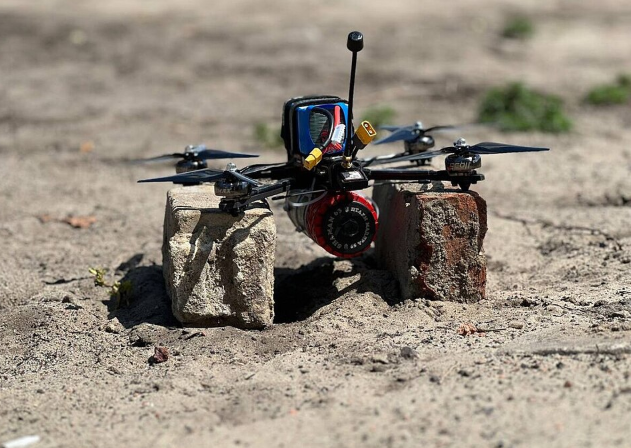
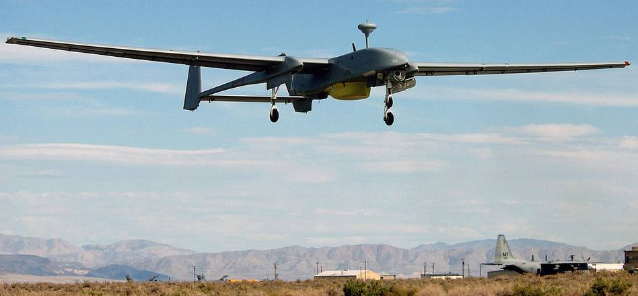
From FPV quadcopters to loitering munitions, Ukrainian unmanned systems have shown effective at targeting tanks’ top‑attack weaknesses. Top‑down attack profiles of the U.S.‑produced Javelin have knocked out T‑90Ms, but even ancient systems such as the Carl Gustaf recoilless rifle have been killers. Russian crews have gotten creative using ‘cope cages’ and even complete ‘turtle tank’ armor, but these efforts come at a mobility and situational awareness cost, and have enjoyed only limited success against skilled drone operators.
5. Battlefield Evidence of T‑90M Losses
Over 100 T‑90Ms have been destroyed, damaged, abandoned, or captured since 2022, according to Oryx-confirmed records. Some were captured intact when crews left them behind, providing Ukraine’s engineers with much-needed intelligence on their systems. While Russian industry can probably manufacture 40–90 new T‑90Ms per year, these losses are slow to replace particularly as overall Russian tank losses across all types number in excess of 3,500 visually confirmed cases.
6. Tactical Takeaways: Immobilize, Then Kill
Ukrainian forces tend to employ a two‑phase attack against heavy armor immobilize, then kill. Immobilize by way of track damage or engine strikes, then complete the kill with tactical precise‑strike capability. Not only does this strategy help to conserve rounds, but it also opens up possibilities for vehicle captures. In a few instances, captured T‑90Ms have been refurbished and put back into Ukrainian service, a valuable catch considering their relative rarity.
7. The Strategic Implication of a Single Kill
Although one lost tank does not change the course of the war, the perception does. The T‑90M is an image vehicle for Russia, paraded and sold on export. Every verified loss, particularly to low-cost drones, undermines its credibility and creates questions regarding the sustainability of the old-fashioned armor warfare in a sensor-hungry environment. As British intelligence estimated, the damage to reputation can be as great as the battlefield effect.
The August 17 attack on the T‑90M was more than a mere battlefield statistic. It distilled the clash between old-school armor design and the demands of contemporary, drone‑saturated warfare. For defense experts, it serves as a reminder that survivability is just as much a function of electronic warfare, counter‑UAV capabilities, and dispersed operations as it is armor thickness or gun caliber. In Ukraine, the tank is no longer outdated but it is no longer the sole, unchallenged monarch of the battlefield.


