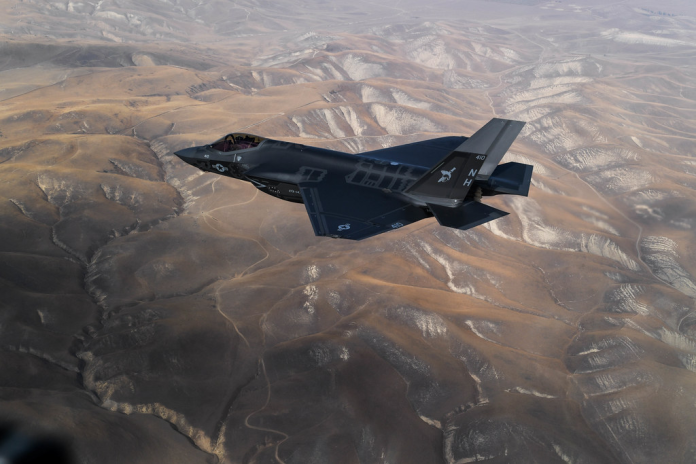
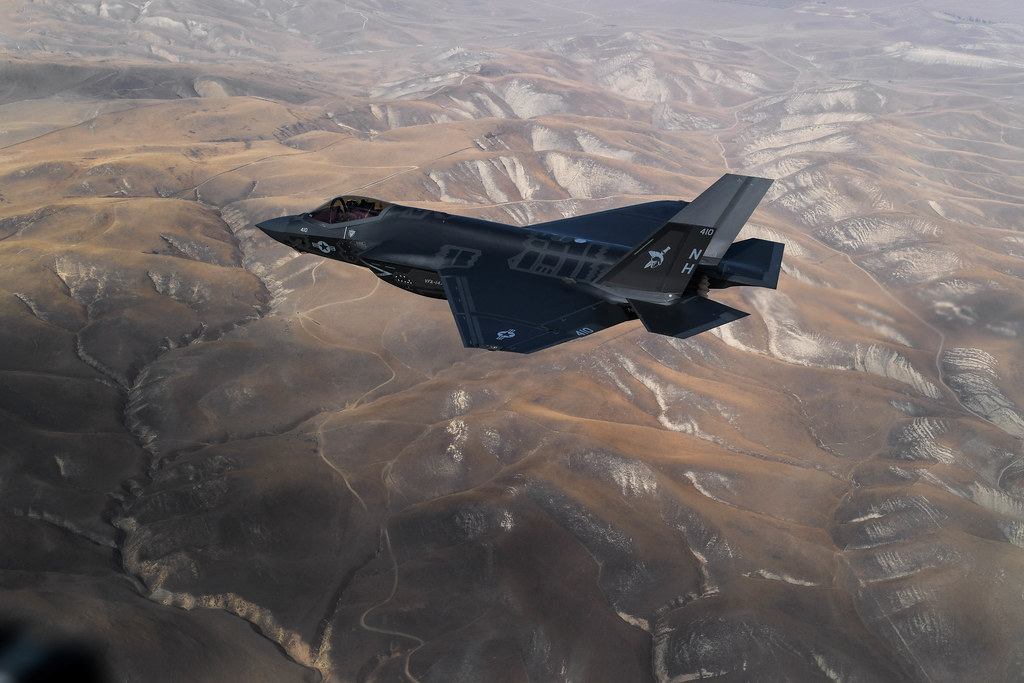
It doesn’t happen very frequently that a $100 million state‑of‑the‑art fighter plane is considered too powerful for Hollywood. But that’s precisely what befell the U.S. Navy’s F‑35C Lightning II in Top Gun: Maverick. The plane stealthy, sensor‑heavy, and deadly was relegated to the bench of one of the most flyboy‑heavy movies in years.
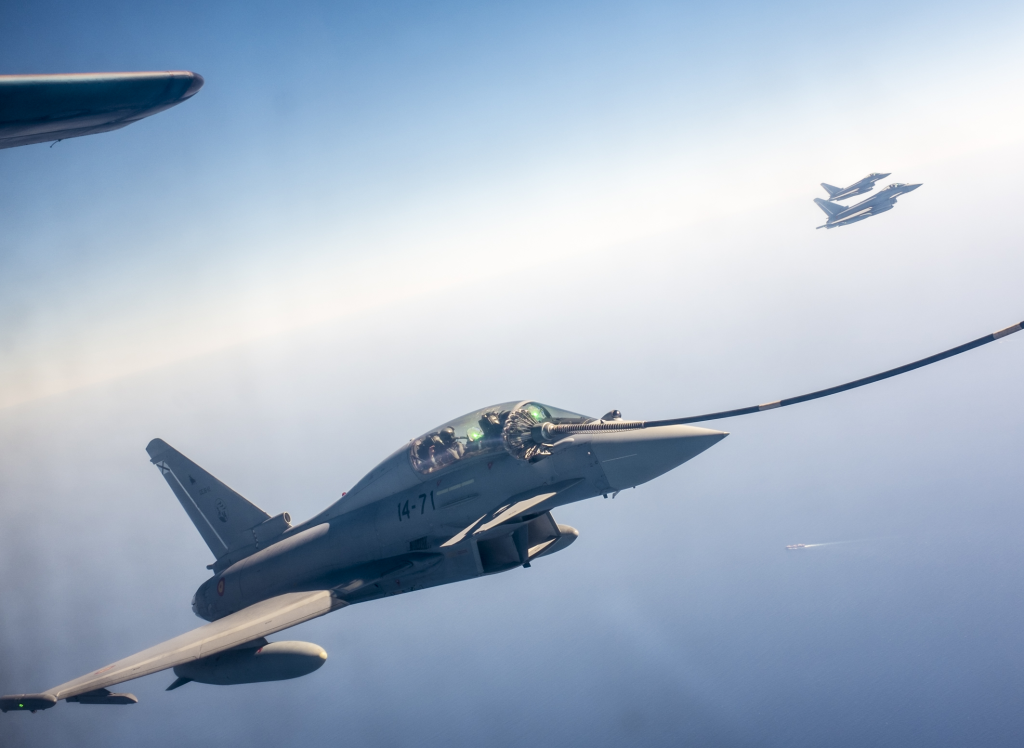
The exclusion wasn’t accidental. It was a calculated artistic decision informed by filmmaking necessities, working realities, and even fiscal prudence. From cockpit practicalities to the evolving nature of contemporary air warfare, the explanations unveil an intriguing intersection of real‑world technology with the necessities of storytelling.
For fans of air and military tech, the history provides more than for trivia’s sake it’s a study in how the most sophisticated fighting machines at times are the least cinematic on the big screen.
1. Too Good for Drama
Lockheed Martin F‑35 test pilot Tony “Brick” Wilson says the real‑life performance of the jet would have cut the films suspense in half. During a January 2024 Straight Arrow News interview, he explained: “The reason Maverick Top Gun didn’t use the F‑35 was because it would have made the movie boring. They would have launched off the carrier, they would have picked their way through the threat, they would have put the bomb on the target and come back undetected.”
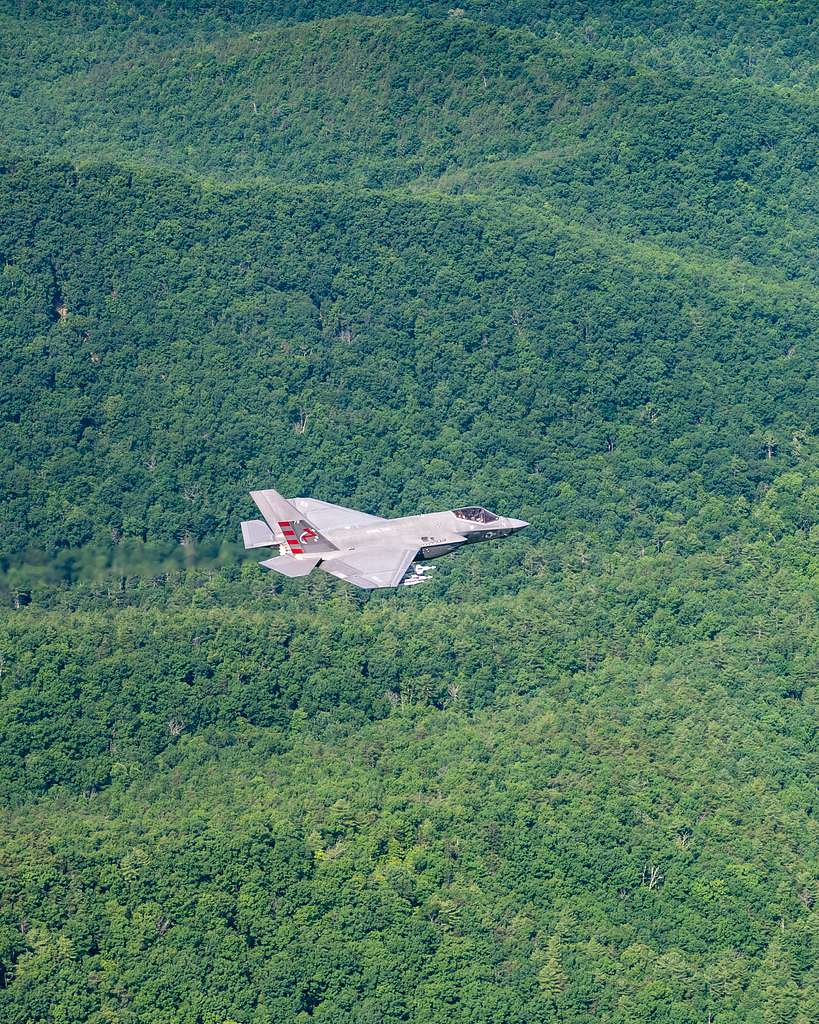
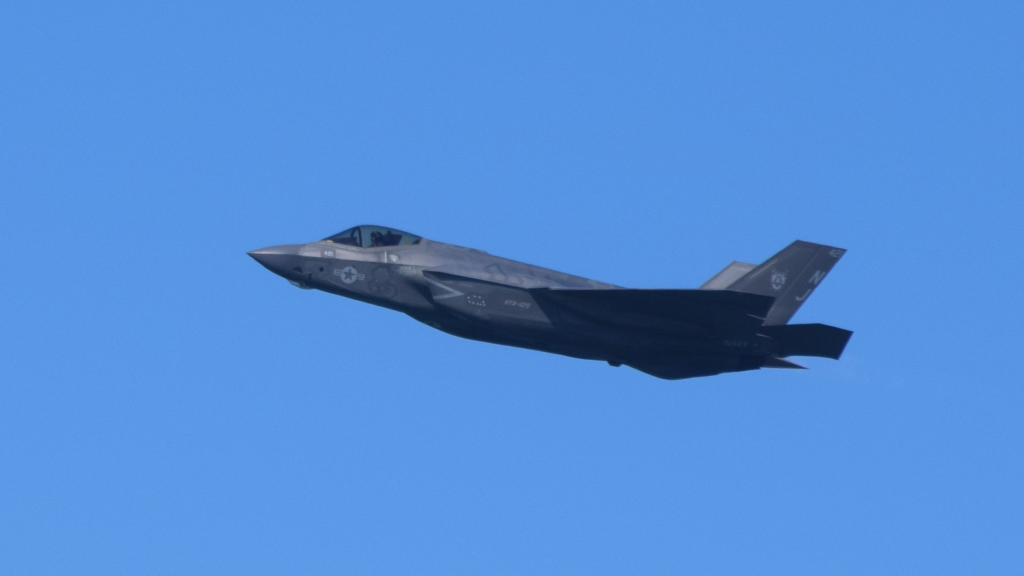
F‑35C stealth and sensor fusion capabilities enable it to sense, recognize, and defeat enemies at ranges way beyond visible range. At war, that is a deciding factor. On screen, it removes the dangerous low‑altitude entry and turning dogfights that characterized the film’s finale.
2. The Single‑Seat Problem
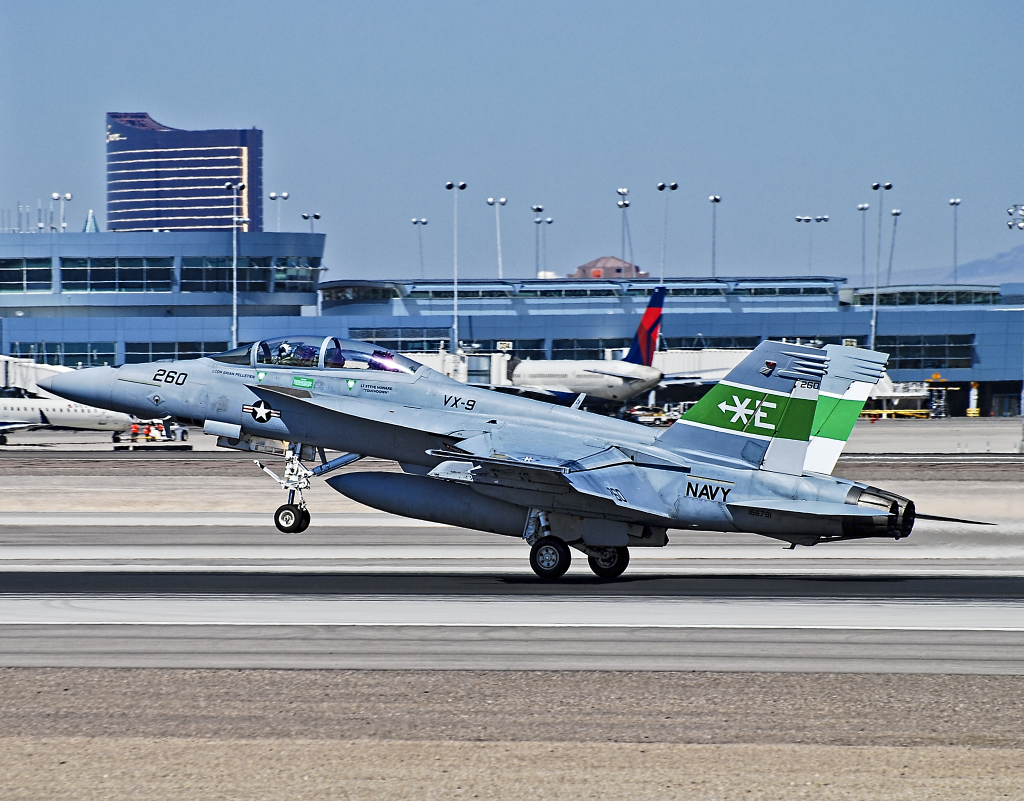
The F‑35C has only a single seat in its cockpit. For Top Gun: Maverick, that was a budget‑buster. The film depended greatly on in‑cockpit views of actors responding to high‑G flight. Two‑seat planes such as the F/A‑18F Super Hornet made it possible for a Navy pilot to take the stick while the actor occupied the back seat, surrounded by numerous camera views.
As reports had it, the twin‑cockpit arrangement also allowed for the interpersonal tension between weapons systems officer and pilot a crucial narrative element. A single‑seat version of the F‑35C could not match that dynamic without excessive CGI, something the filmmakers did not want to do.
3. High Stakes, High Costs
The estimated unit price of F‑35C is approximately $108.8 million, while that of an F/A‑18E/F is around $70.5 million. Replacing a Lightning II would have been astronomically more costly in the even less likely scenario of an accident occurring while filming.
Even lacking a mishap, costs of operation are high. The Congressional Budget Office stated that F‑35 operating and support costs topped $5 billion in 2023 across all models. For a production already dealing with the logistics difficulty of filming on board an operational carrier, the financial gamble of employing the Navy’s costliest fighter was difficult to support.
4. Built for Standoff, Not Showdowns
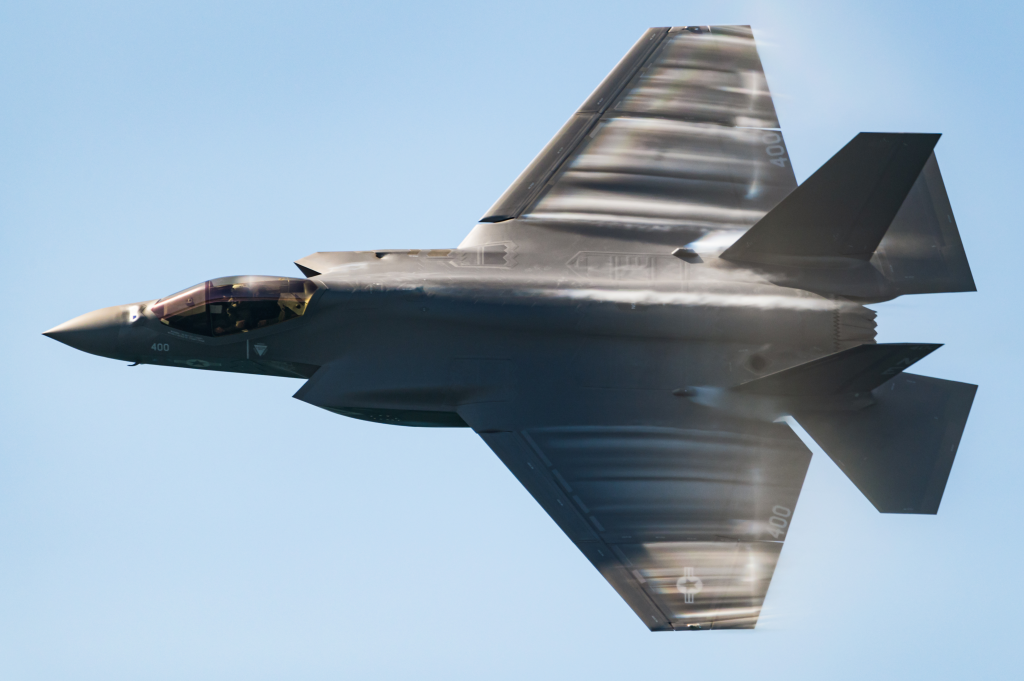
New fifth-generation fighter jets such as the F‑35C are built for standoff battles killing the enemy without ever making visual contact. As the Lexington Institute’s Dr. Daniel Goure described, the airplane is engineered to engage air defenses at range using a collection of onboard weapons and electronic warfare systems.
In practice, an F‑35C deployed on a SEAD mission would loiter high and at range, providing targeting information to other aircraft. That’s superbly tactical but not exactly eye‑catching compared to a dogfight with canopy‑view.
5. The SEAD Specialist
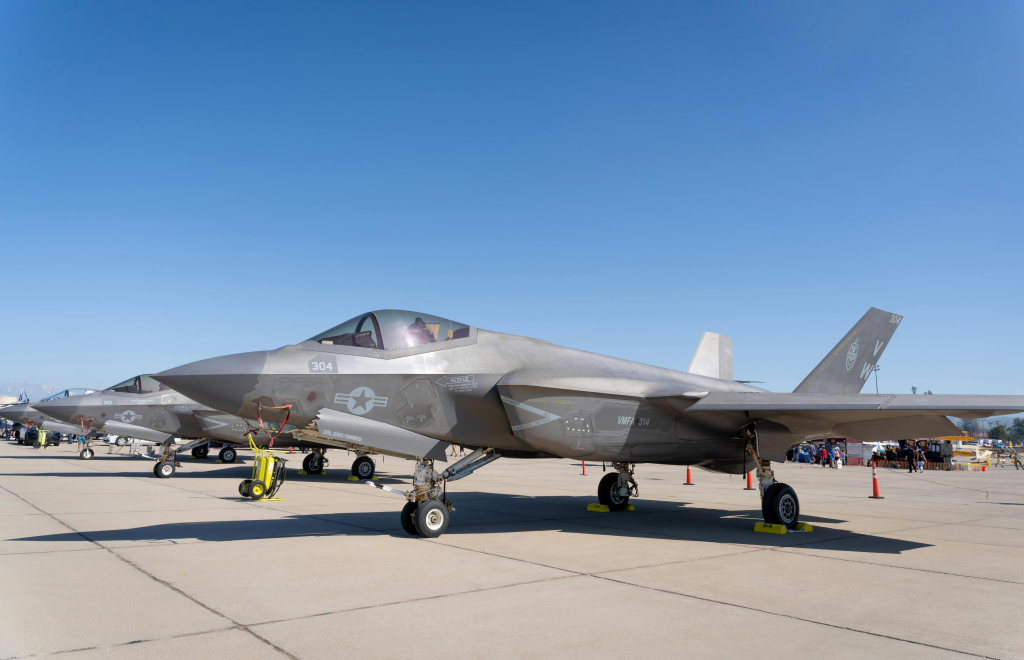
The F‑35’s Suppression of Enemy Air Defenses role is at its heart. Its stealth allows it to penetrate high‑frequency targeting radar, and its active electronically scanned array radar will see the threat out at long range. It can also serve as a survivable ISTAR platform, cueing missiles from non‑stealthy fighter assets safely outside adversary airspace.
This cooperative, networked air combat is the future of aerial warfare but it’s not conducive to the visceral, up-close‑and‑personal sequences fans want from a Top Gun movie.
6. Cinematic Suitability of the Super Hornet
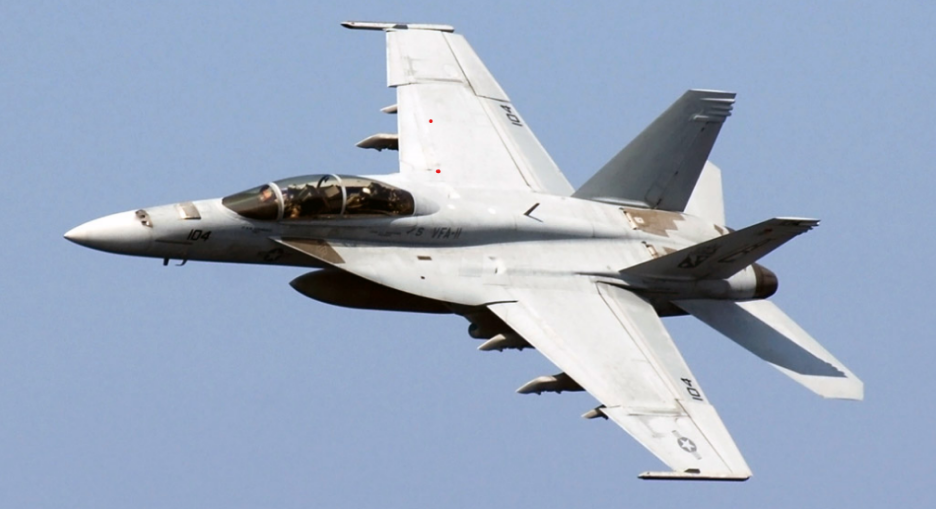
The F/A‑18E/F Super Hornet provided the ideal combination of real-world believability and cinematic versatility. Its two-seat F model allowed actors and camera packages, and its maneuverability and bubble canopy created visually stunning footage.
The Super Hornet’s durability and combat history also comforted the Navy and filmmakers. It could plausibly perform the imaginary mission and deliver the high‑G showmanship that characterized the franchise as a strike fighter.
7. A Navy Strategy That Splits Roles
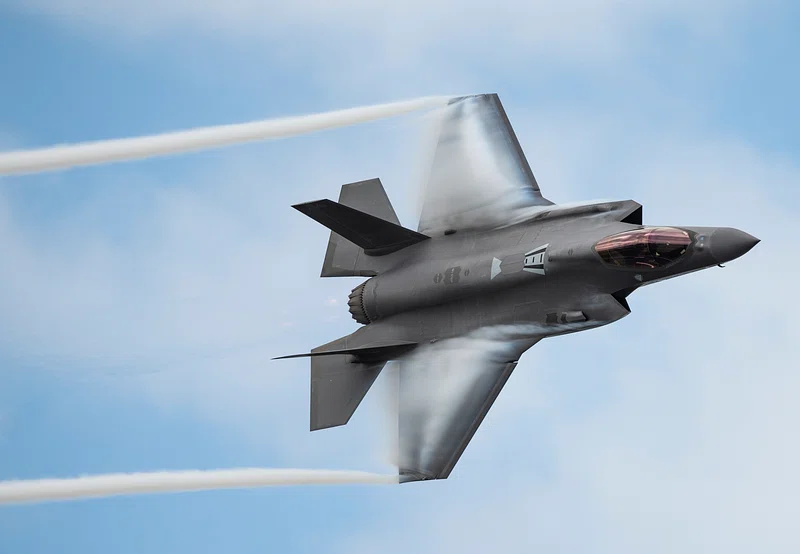
The Navy’s operational vision treats the F‑35C less as a lone wolf and more as a networked command node. As naval analyst Bryan Clark told USNI News, “We’re going to use the F‑35 more as an enabler and a strike lead and as a command and control platform than as a fighter platform on its own.”
That leaves carrier air wings to depend on Super Hornets for most strike missions, with F‑35Cs calling cues from the furthest reaches of detection. In a movie about pilots in the thick of combat, the enabling role is more difficult to dramatize than the spear-tip role.
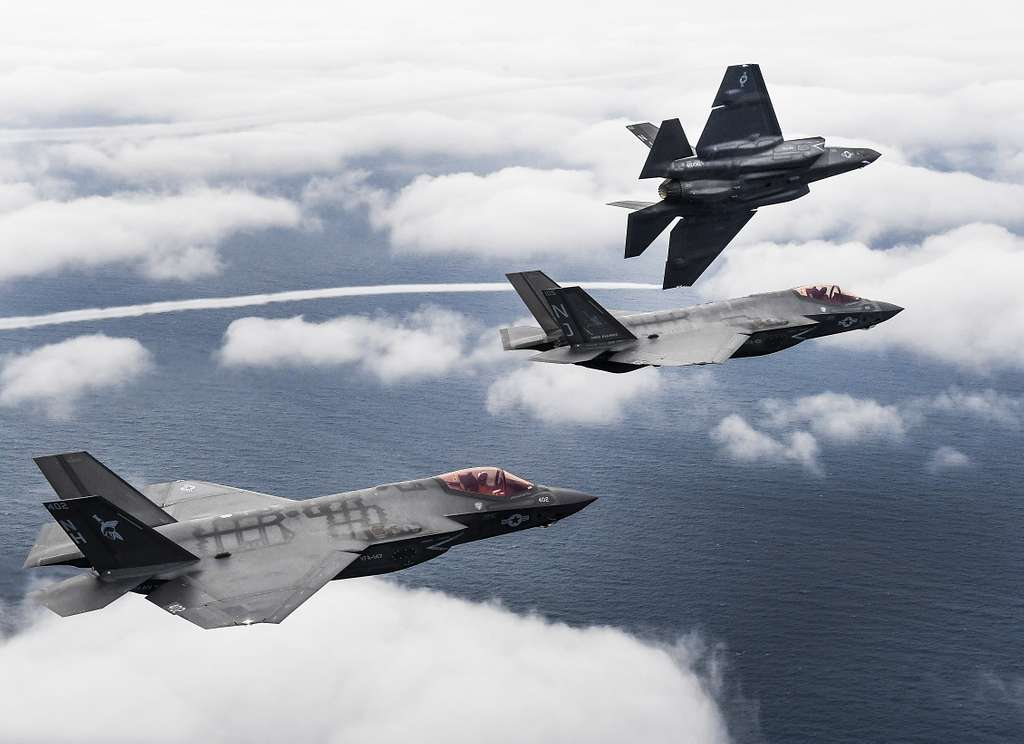
The F‑35C’s omission from Top Gun: Maverick wasn’t a slap at the plane it was a nod to the fact that its in‑world advantages don’t carry over so well to the realities of filmmaking. The Lightning II excels in the age of networked warfare, stealth penetration, and beyond‑visual‑range combat. The Super Hornet, on the other hand, is still the Navy workhorse for missions and films that require visible grittiness, noise, and spectacle. At the confluence of operational reality and cinematic narrative, the F‑35C’s best feature its stealthiness was why its people never got to see it operate.


