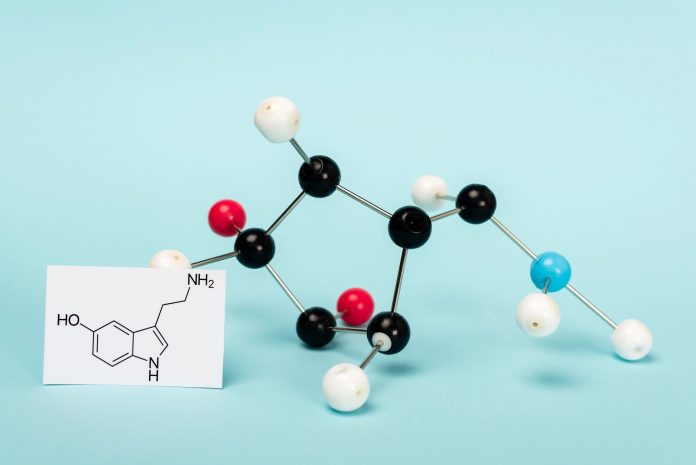
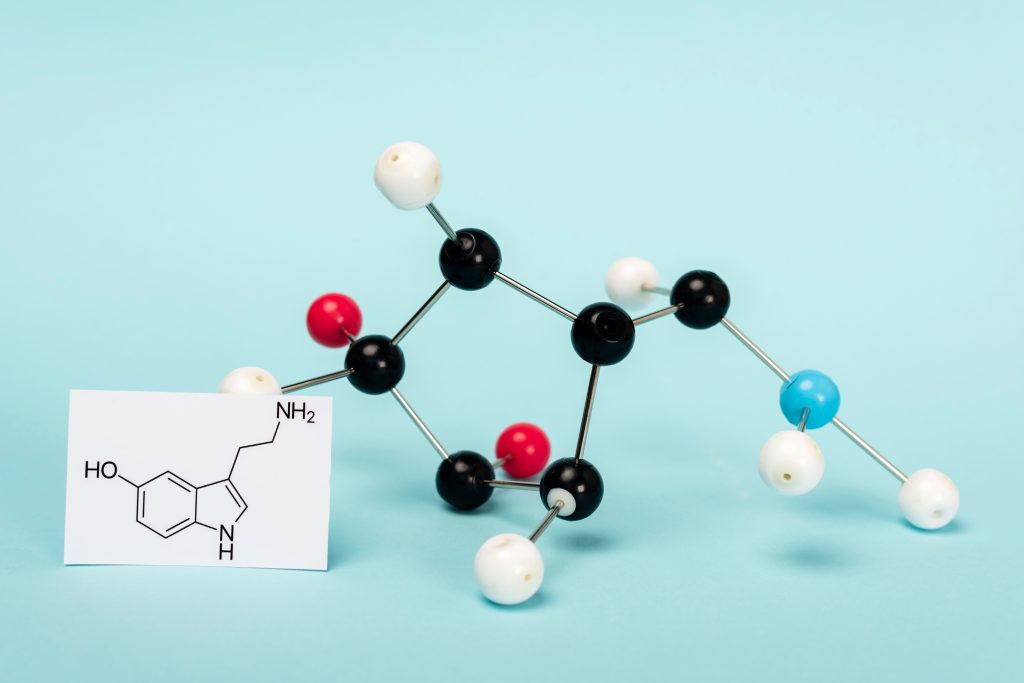
A molecule once dismissed as too unstable to exist in the universe has been intimidated into being in a laboratory, defying fundamental assumptions about the chemistry of the universe. Methanetetrol a so-called “super alcohol” for four hydroxy groups built on one carbon atom has now been synthesized under interstellar space-like conditions, unveiling a glimpse at counterintuitive and bizarre mechanisms ruling the molecular fabric of the cosmos.

1. Building Interstellar Ice in the Laboratory
The discovery began with a meticulous reproduction of the cold, radiation-drenched conditions within dense interstellar clouds. Scientists cooled a combination of water and carbon dioxide to below 10 K and formed ices under high vacuum conditions that are impossible in Earth’s surface environment but routine in the emptiness between stars.

To mimic the incessant bombardment of cosmic rays, the scientists bombarded these ices with high-energy electrons, a procedure proven to trigger complicated chemistry in the interstellar medium. As Ralf Kaiser of the University of Hawaiʻi at Mānoa emphasized, “This work pushes the boundaries of what we know about chemistry in space.” The result was the temporary formation of methanetetrol, a molecule whose existence had been elusive to chemists for over a century.

2. The Unlikely Synthesis of Methanetetrol
The formation of methanetetrol defies conventional chemical wisdom. By the Erlenmeyer Rule, molecules with multiple hydroxyl groups attached to the same carbon atom are unstable, able to dehydrate and decompose at nearly instantaneous rates. In the cold, radiation-saturated mantles of interstellar dust grains, however, such rules are reversed. The laboratory synthesis revealed that stepwise hydrogen addition and radical recombination the mechanisms of choice at ultra-low temperatures can form complex alcohols from simple precursors like carbonic acid. Computational quantum chemistry confirmed that while methanetetrol is thermodynamically unstable on Earth, it may be present as a transient molecule in the isolated, energy-reduced spaces of space even at 5 K.
3. Cosmic Rays: The Hidden Architects
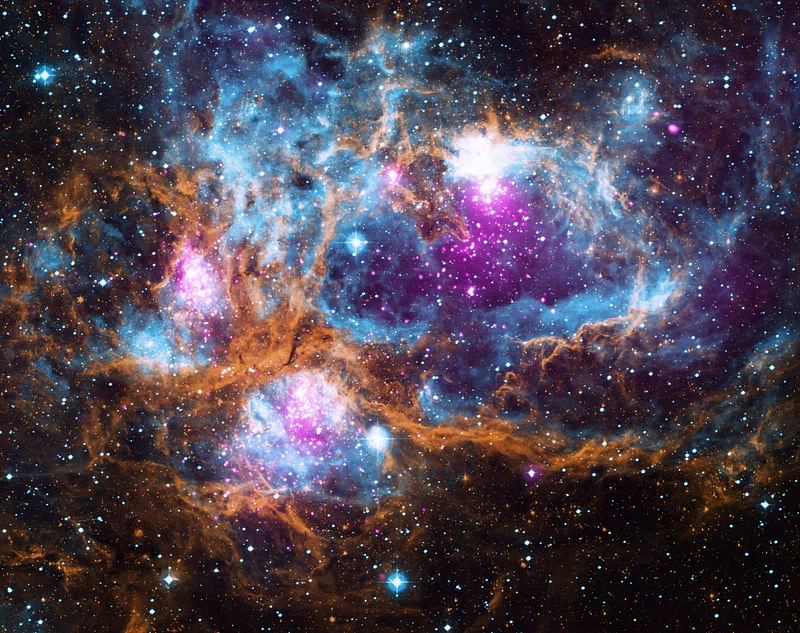
Supernova and other astrophysical particle high-energy particles, cosmic rays are the primary agents of molecular transformation in the interstellar medium. When such rays strike thick clouds, they release secondary electrons that can set off a chain of chemical reactions on and within icy grain particles. Not only do these disperse stable molecules, but also provide activation energy for the synthesis of unusual compounds like methanetetrol. As one paper notes, “The nanoparticle-grains composing these clouds are encased in an icy shell of frozen volatile material and are showered continually with high-energy radiation from the secondary particles produced in the track of a galactic cosmic ray” a process required for the production of complex organics.

4. Spectroscopy: Capturing a Molecular Phantom
Detection of such a transient molecule required a collection of advanced spectroscopic tools. As irradiated ices were gradually warmed, methanetetrol sublimed to the gas phase, where it was immediately excited by synchrotron vacuum ultraviolet photoionization and analyzed by reflectron time-of-flight mass spectrometry. The brief existence of the molecule destroyed virtually in an instant by light in the process of dissociative photoionization amounted to only a “fleeting glimpse.” Identification was based on the appearance of typical fragments, particularly the trihydroxymethylium ion, whose appearance at specific photon energies was a molecular signature for the presence of methanetetrol.
5. Counterintuitive Chemistry in the Interstellar Medium
The discovery of methanetetrol shows that interstellar chemistry is governed by very different rules than those that govern on Earth. “The detection of methanetetrol in space-simulation experiments demonstrates that the interstellar medium contains a counterintuitive and unexpected chemistry worthy of science’s attention,” wrote the researchers. Molecules deemed “impossible” by the standards of Earth would be routine intermediates in the irradiated depths of cold space. The diversity of such species means that the chemical makeup of the universe is richer and stranger than ever before imagined, with only 1 percent of interstellar chemicals perhaps yet to be discovered.

6. Astrobiological Significance and the Seeds of Life
The source of methanetetrol is meaningful in a profound way for the origin of life. Ryan Fortenberry has described it as a “prebiotic concentrate a molecular seed with potential to evolve into more complex organic systems under appropriate environmental conditions.” Its rapid breakdown yields water and hydrogen peroxide, which are vital to prebiotic as well as biological chemistry. The presence of such ephemeral “super alcohols” in interstellar ices would provide an arsenal of reactive intermediates to propel amino acid, sugar, and other precursor formation as these ices are delivered to newborn planets on comets and meteorites a scenario increasingly substantiated by laboratory and astronomical evidence.
7. The Challenges of Detection in Deep Space
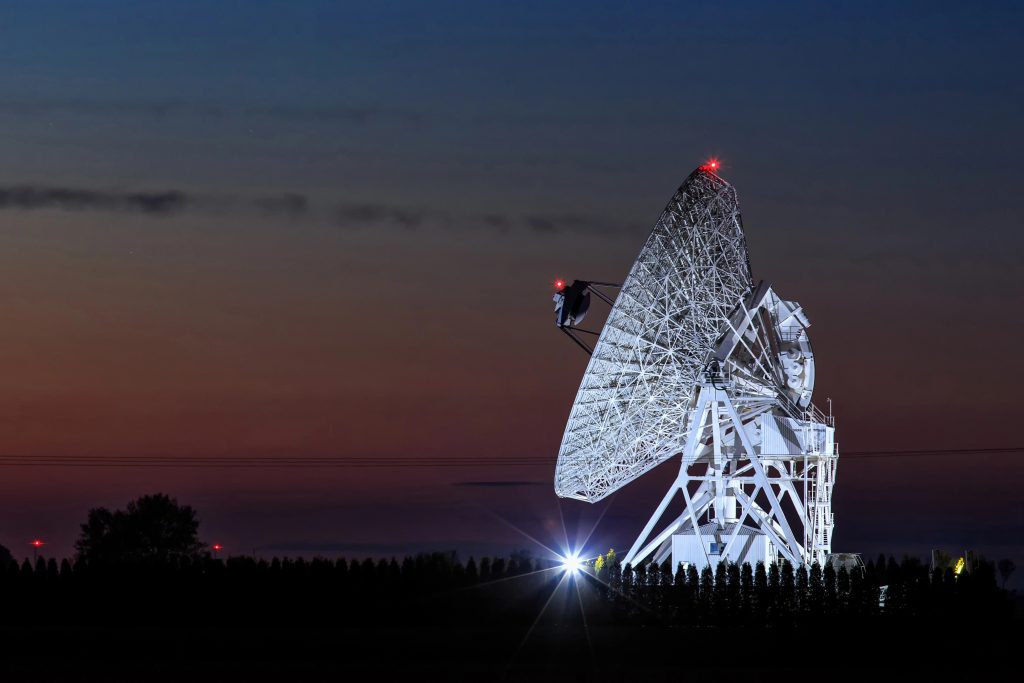
Even in the lab, it remains daunting to detect methanetetrol in the vast expanse of space. Since it is unstable, it won’t live long in the presence of starlight or energetic particles. Astronomers have to fall back on indirect signatures rotational transitions and fragment ions by employing radio telescopes and high-resolution spectrometers. The recent discovery of carbonic acid in the Sagittarius B2 molecular cloud, with the assistance of its huge dipole moment, holds promise that its related species could also be discovered. With ongoing improvements in spectroscopic techniques, the telltale fingerprints of “impossible” molecules like methanetetrol will become detectable in the dense spectra of interstellar clouds through instruments such as ALMA and NOEMA.
The synthesis and fleeting observation of methanetetrol contribute not only to the list of interstellar molecules but also to the creativity required for the exploration of the chemical origin of life. As reflected by Ralf Kaiser, “The chemistry of the interstellar medium is more exotic and a continual source of new discoveries in chemistry.”


