
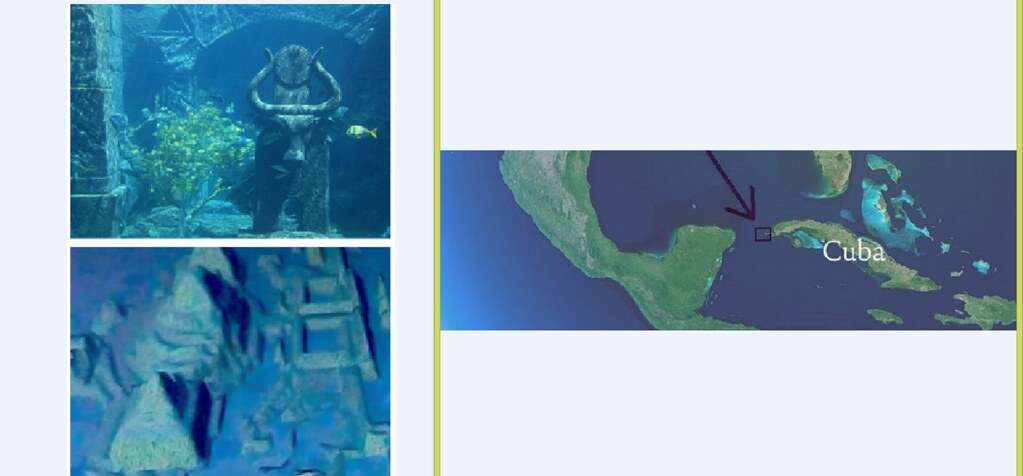
It’s a rightful wonder building that actually appears to have been perhaps a large city center,” marine engineer Paulina Zelitsky said in an interview with the BBC News in 2001, recounting the mysterious remains hidden deep off the Cuban coast. Twenty-plus years on, the find of this ancient sunken city continues to be contentious and intriguing to archaeologists, historians, and marine scientists alike.
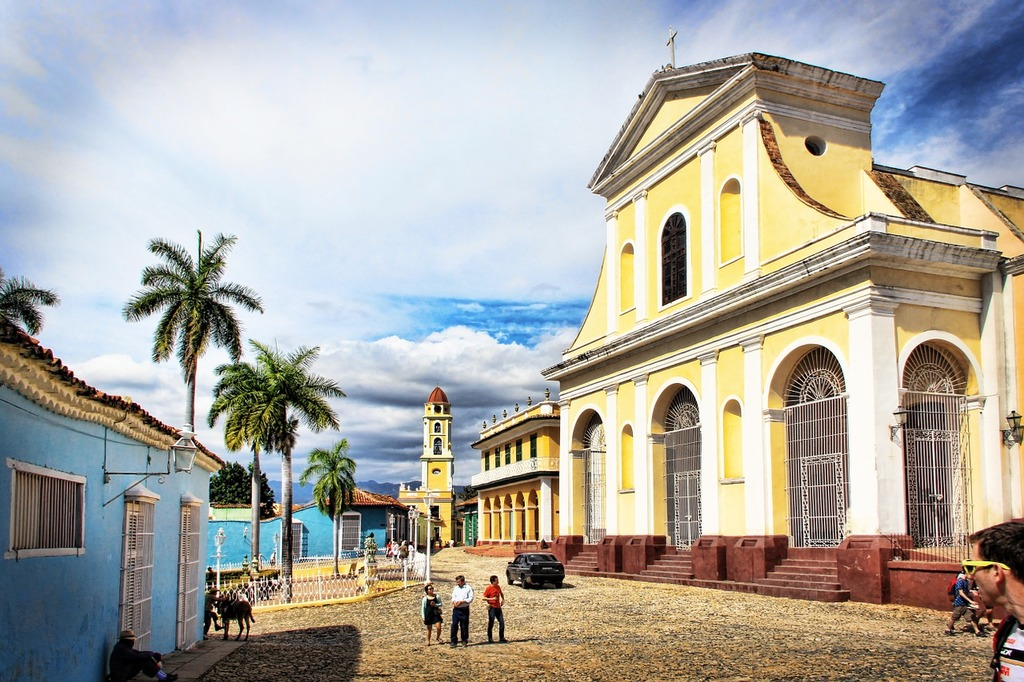
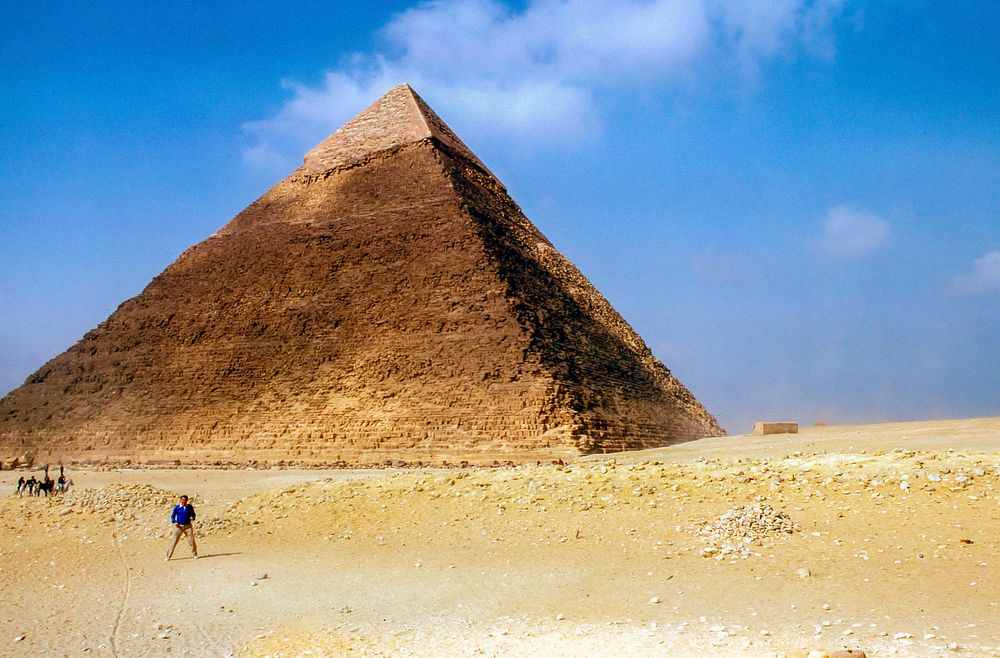
The discovery of geometric stone architecture in fact, possibly older than the Egyptian pyramids is turning traditional thinking on the ancient Caribbean upside down. State-of-the-art sonar and underwater robots allowed such a find, but the site in Cuba is remarkable in terms of its size, depth, and enigmas still surrounding it. This listicle goes in-depth about the most interesting things about the discovery, from the technological wonders that found it to the controversies and preservation issues that determine its fate.
1. The Astonishing Find That Shook Archaeology
Paul Weinzweig and Paulina Zelitsky, a Canadian-Cuban expedition team, found enormous stone structures about 2,000 feet under the ocean along the shoreline of Cuba’s Guanahacabibes Peninsula in 2001. Geometric shapes pyramids, circles, and huge blocks were seen on sonar images that had a structured appearance, similar to that of a city. Some of the blocks were as tall as 10 feet and seemed to be purposefully stacked, prompting urban plan similarities. As Zelitsky noted, “There is too much organisation, too much symmetry, too much repetition of form.” The site’s age estimate more than 6,000 years makes it a likely candidate to be older even than the earliest known cultures in the Americas, and it raises essential questions regarding lost cultures and migration routes.

2. Technological Advances Beneath the Waves
The lost city of Cuba would have been out of sight except for the use of sophisticated underwater equipment. Scientists applied side-scan sonar to survey the ocean floor, producing high-resolution images of the site’s symmetrical features. Remotely operated vehicles with high-definition cameras captured close-up photos, and autonomous underwater vehicles (AUVs) are now providing more and more accurate surveys in deep and dangerous zones. These technologies have revolutionized marine archaeology, as scientists can now record and analyze submerged sites with a minimum amount of disturbance a huge advancement for fragile, historic constructions.

3. Out of Place and Out of Time?
The depth and level of sophistication of the Cuban site have stirred outrage among experts. Cuban geologist Manuel Iturralde-Vinent explained, “It’s peculiar, it’s bizarre; we’ve never seen anything like it before, and we don’t know how to explain it.” He put the time it would take for the seabed to be that deep at a maximum of 50,000 years, a time prior to known sophisticated civilizations. Florida State University’s Michael Faught seconded the skepticism: “It would be really advanced for anything we would see in the New World for that time frame.” Scientists say the structures are natural, some that evidence of lost human achievement exists. Lack of follow-up expeditions, partly due to funding and political constraints, has allowed the mystery to endure.
4. Conservation and Ethical Issues
Conservation of underwater places like Cuba’s lost city is especially tricky. According to the Naval History and Heritage Command, conservation must begin as soon as an artifact or structure is uncovered. The best way is through non-destructive methods, and documentation in the form of written notes, drawings, and high-resolution photogrammetry becomes the ideal means of conserving context. One ethical imperative: “Once a site or its artifacts are destroyed or carelessly removed, there is no way to tap its information and reconstitute the story it could have told.” It is always a tightrope act, maintaining scientific interest and concern for heritage, particularly in the face of increasing sea levels and human activity endangering these non-renewable assets.
5. Underwater Cities as Biodiversity Hotspots Other than their cultural significance, sunken ruins can also be man-made living reefs
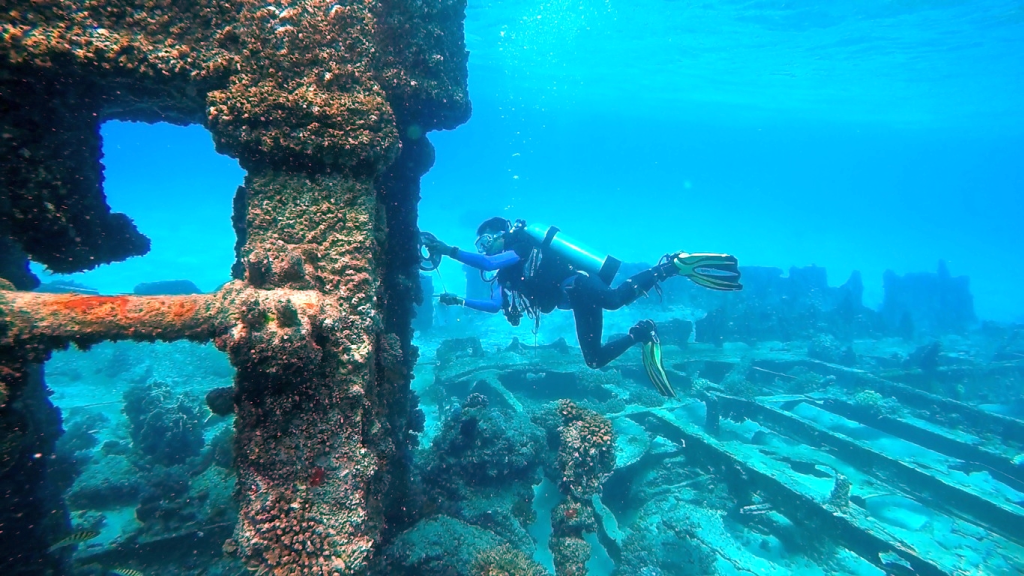
Shipwrecks, as noted by more recent research, possess hard surfaces upon which marine life can settle, supporting microorganisms up to corals and fish. The Cuban wreck, while itself mostly unpiloted, surely boasts its own pluralistic ecosystem. This double inheritance from nature and culture infuses another level of complexity to preservation efforts, since the ruins themselves are to be preserved along with the existing marine ecosystem on them.
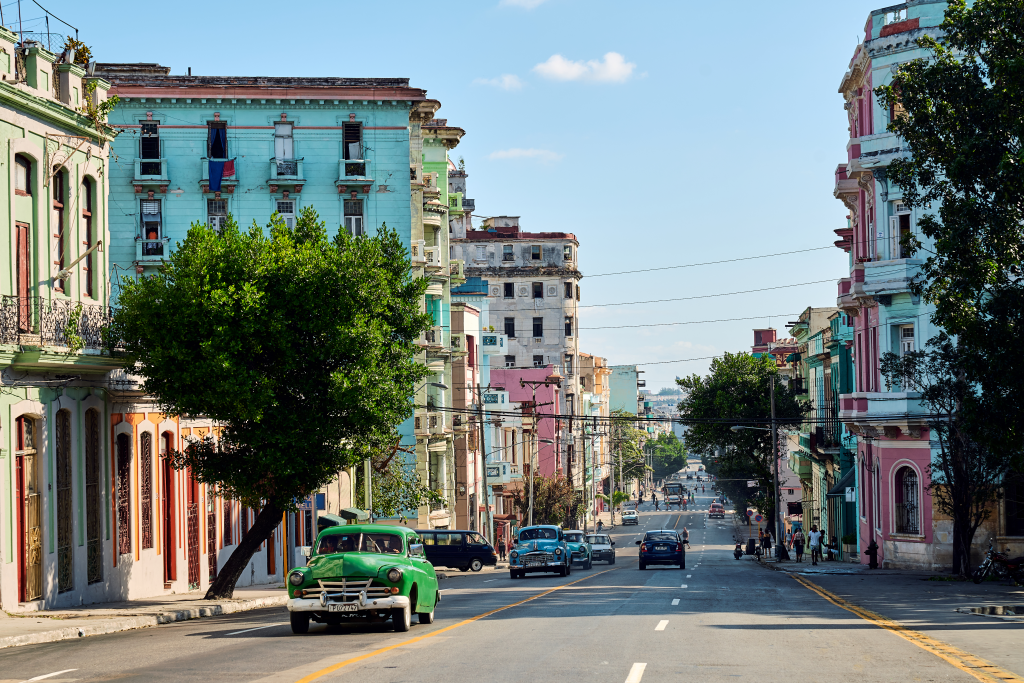
6. The Public Imagination and the Media
The Cuban lost city is making international headlines, with media reports spurring scholarly debate as well as public fascination. Atlantis parallels are rife, and social media types fantasize about secret histories and vanished worlds.
As Zelitsky warned, “It would be totally irresponsible to say what it was before we have evidence.” Yet the allure of the unknown remains a source of inspiration to new generations of adventurers and enthusiasts. The cultural tourism and educational value of the site is tremendous, but also demands wise management so that accessibility can be achieved without compromising preservation.
7. The Future: Technology, Access, and Preservation
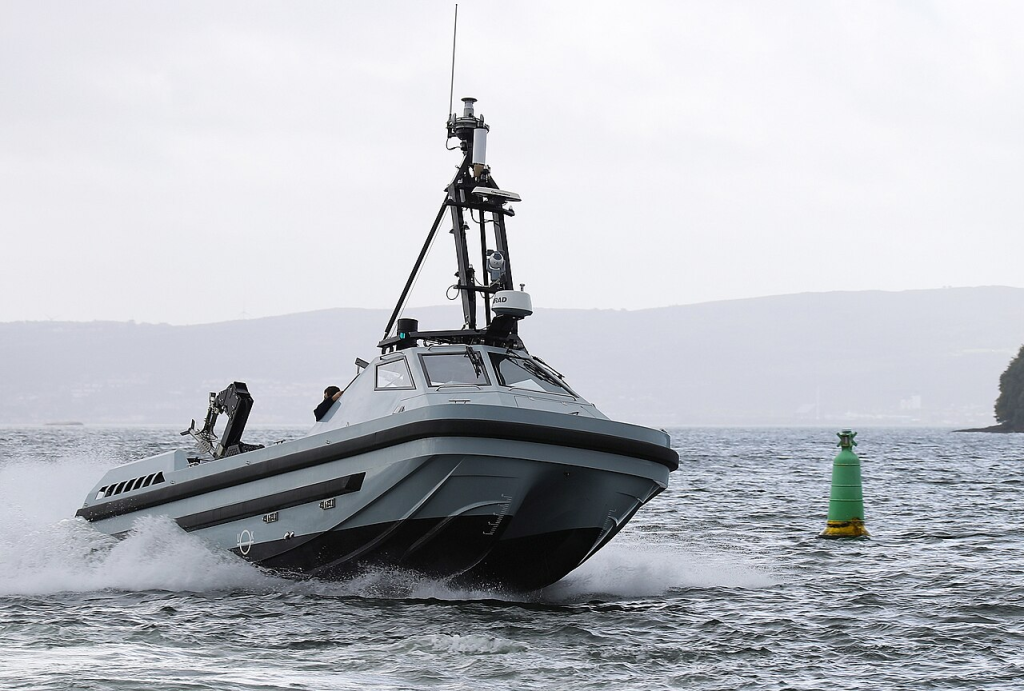
The future chapter in Cuba’s underwater city saga will probably be authored by technology and international coordination. Low-cost USVs and advanced imaging techniques are enabling accurate mapping and monitoring of areas with record-breaking resolution, even in shallow waters or hostile environments.
As Thomas Levy of UC San Diego explained, “The USVs are perfect for going into the shore to map and record.” New public education campaigns and legal structures such as Greece’s Accessible Underwater Archaeological Sites provide potential blueprints for navigating the tourism, scholarship, and preservation of the past. The Cuban site is an experiment in how the world will steward its submerged past. The sunken city off Cuba’s shore is an intriguing mystery a place of convergence for science, legend, and the continuous human endeavor to comprehend our past. As technology pushes new frontiers and conservationists improve their techniques, the insights gained from this find will inform not just the future of underwater archaeology, but also the way humanity cherishes and preserves its common heritage beneath the sea.


