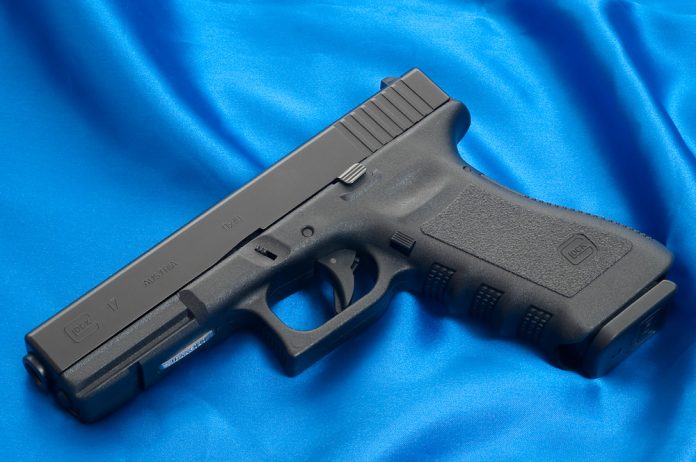
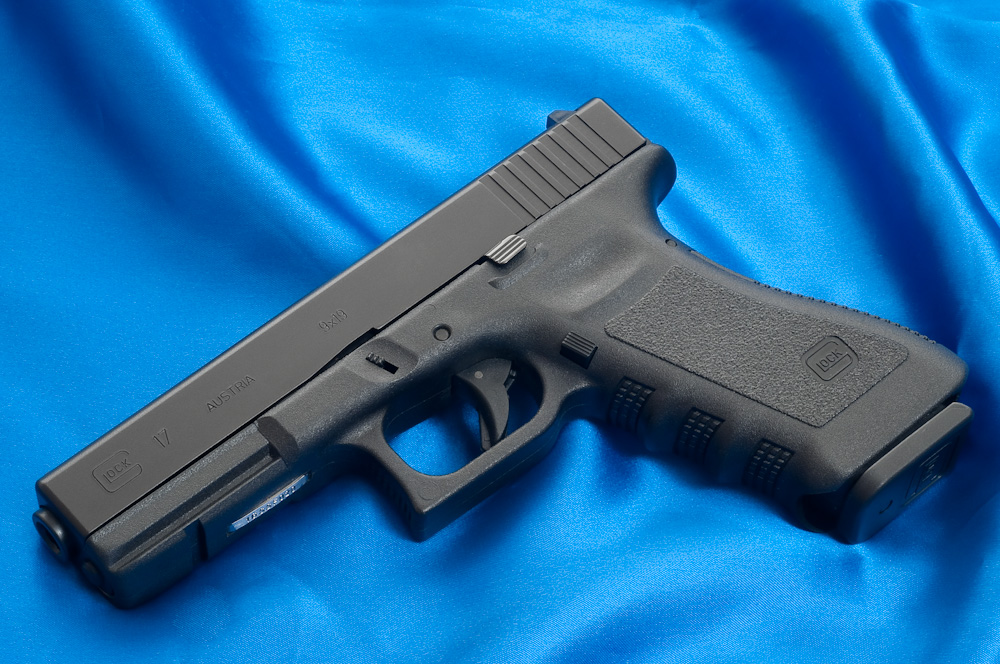
Glock’s latest product line reduction looks dramatic on paper, but the logic behind it is familiar to any manufacturer carrying too many variations for too long. When a company builds near identical pistols across multiple generations, calibers, frame sizes, and optics configurations, the catalog eventually becomes a production problem as much as a customer facing one.
The notable part is not simply that older models are disappearing. It is that the cuts point to a narrower future: fewer niche variants, more standardized configurations, and a stronger emphasis on pistols designed around modern sighting systems and simpler manufacturing workflows.
1. The catalog had become too crowded
Glock’s own explanation framed the move around future growth and innovation, saying it would reduce its current commercial portfolio in order to focus on the products that matter most going forward. That is corporate language, but the engineering implication is straightforward. A bloated product tree consumes factory capacity, logistics effort, and support resources even when many SKUs differ only slightly.
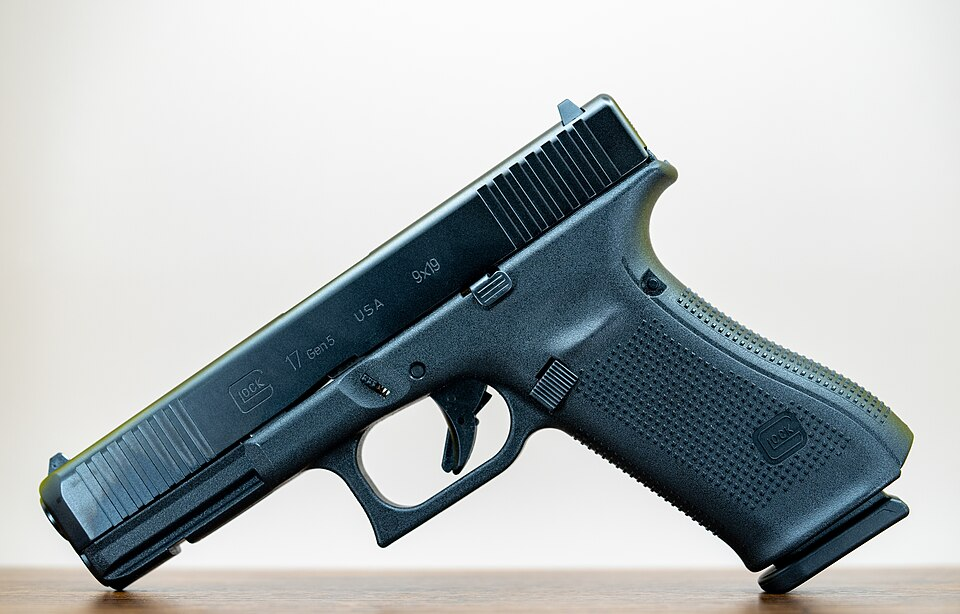
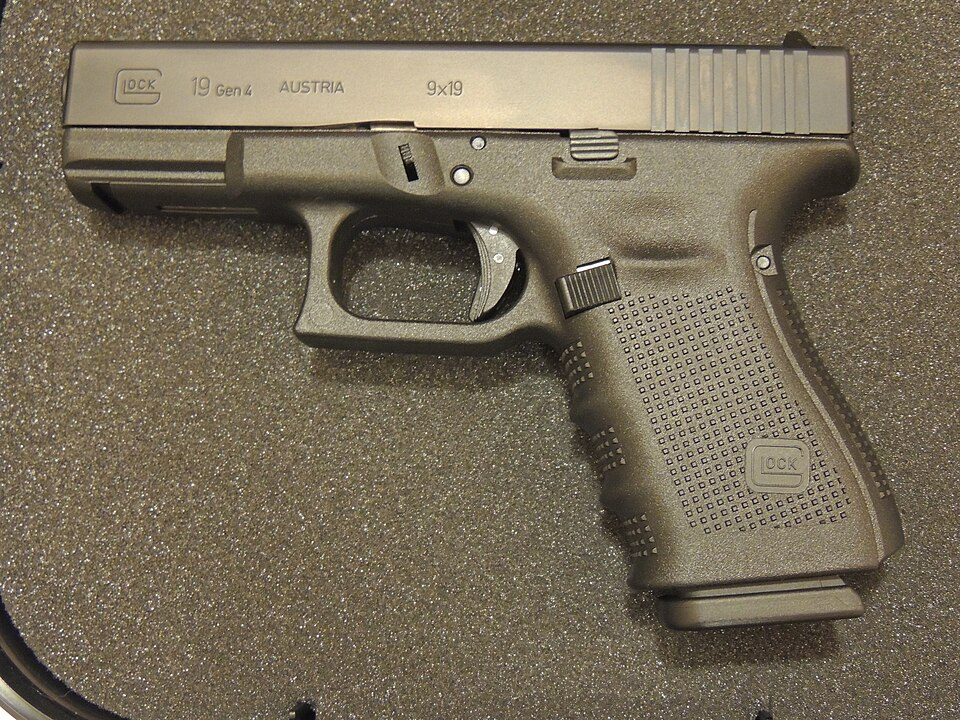
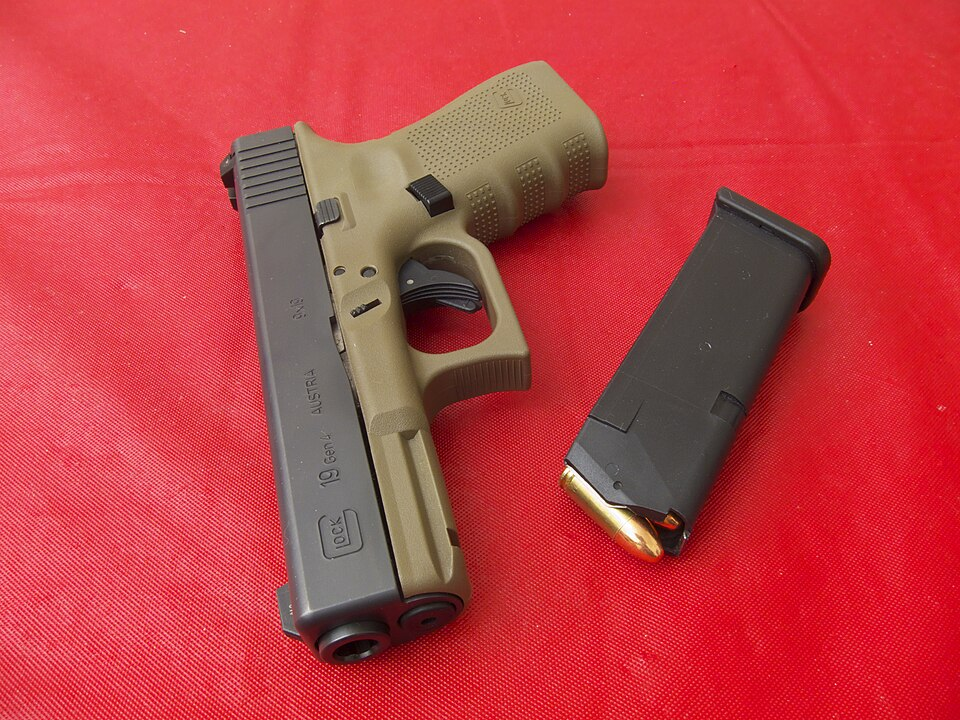
Generational overlap made the problem worse. Glock was still associated with Gen 3, Gen 4, and Gen 5 families at the same time, while also carrying MOS and non-MOS versions of similar pistols. For a manufacturer known for simplicity, that kind of menu starts working against the brand’s core strength.
2. Optics ready pistols are becoming the default, not the upgrade
The strongest technical clue is Glock’s long-term push around the Modular Optic System. The company describes MOS as a way to simplify mounting popular optics on certain Gen4 and Gen5 pistols, while its slimline pistols use dedicated cuts such as the SLIMLINE MOS and MOS-K configurations. That matters because optics are no longer a niche competition feature.
Glock’s own product language treats optical sights as tools for faster target acquisition and better accuracy at both short and long range. Once that becomes a baseline expectation, older non-optics configurations start looking like dead weight in the lineup. Cutting them is less about removing beloved models than about centering the catalog on where pistol design has already gone.
3. Low-volume calibers are expensive to keep alive
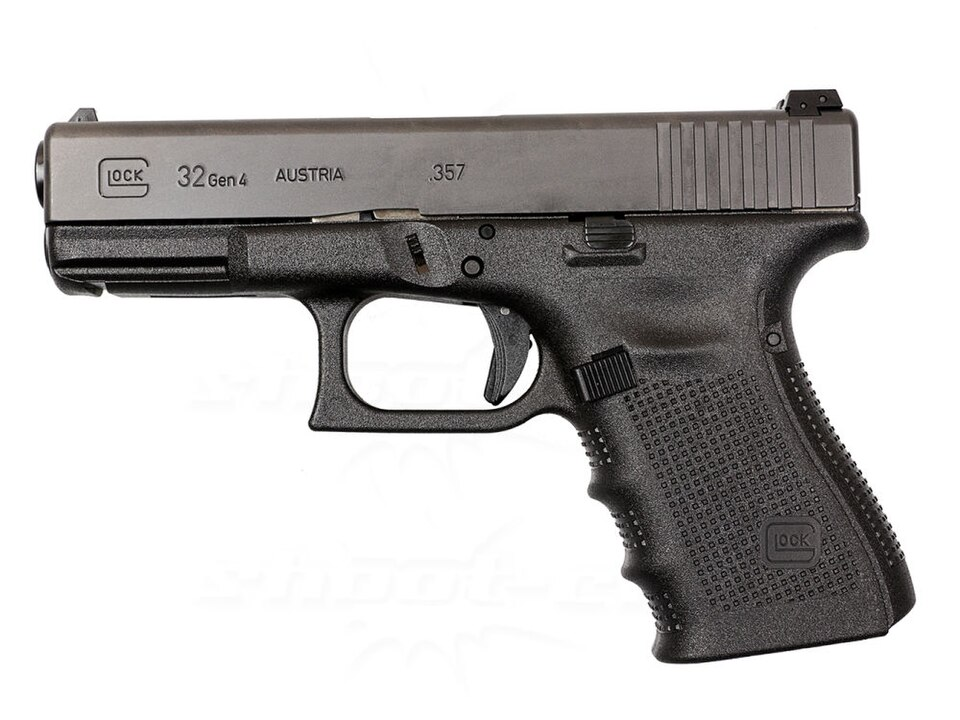
The biggest casualties appear in calibers that never matched 9mm’s commercial momentum. Variants in .357 SIG and .45 GAP were always more specialized, and several .40 S&W models were also swept up in the reduction. A broad catalog can look impressive, but every uncommon chambering creates its own demand forecasting, parts allocation, and production scheduling burden.
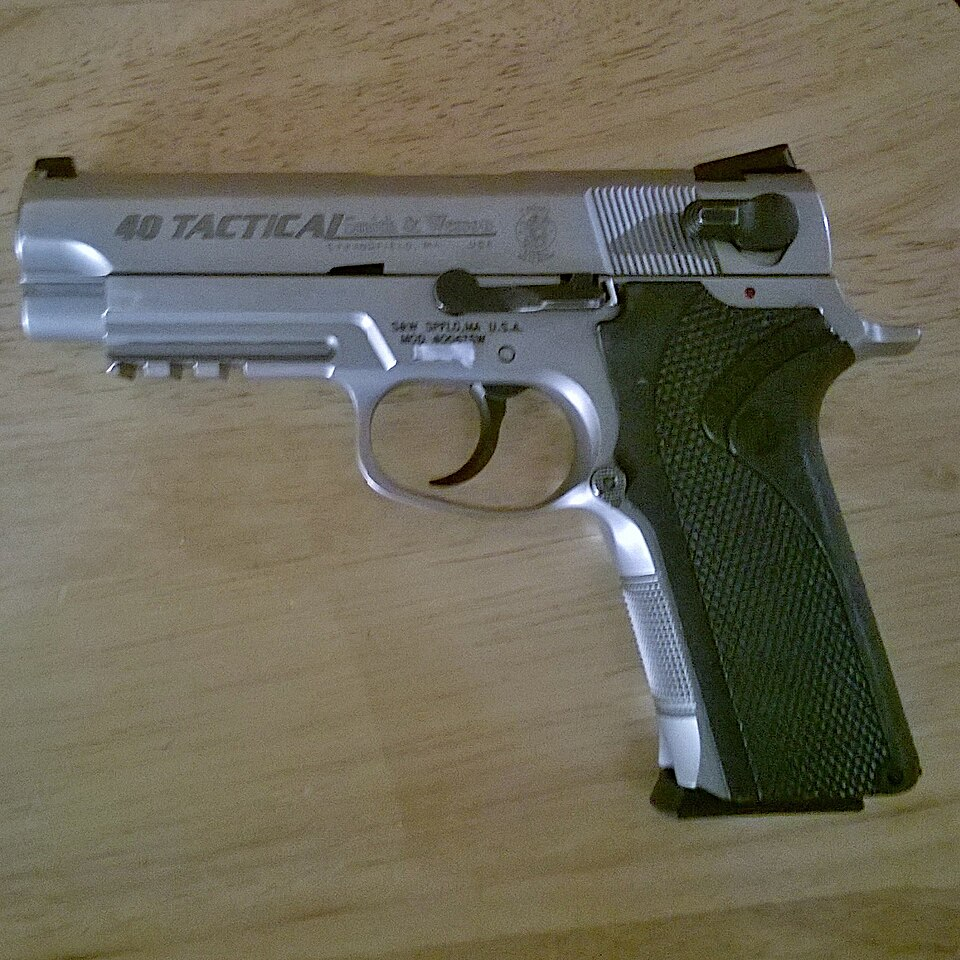
That burden grows when the sales volume is inconsistent. Even if the frame architecture is shared, the manufacturer still has to maintain distinct slides, barrels, magazines, and inventory streams. Over time, those niche options stop looking like breadth and start looking like friction.
4. Supporting multiple generations ties up manufacturing capacity
One of the less glamorous reasons is pure operations management. Firearms manufacturing is not just machining and assembly; it is serialization, inventory tracking, compliance recordkeeping, and movement control across the entire plant. Modern ERP systems in the industry are used to manage serialization and inventory management because every additional model complicates those processes.
A long catalog multiplies part numbers, work orders, quality checks, and warehouse handling. It also increases the odds of bottlenecks. Streamlining SKUs can free capacity without expanding the factory, which is often a more meaningful efficiency gain than adding another variation to the same pistol family.
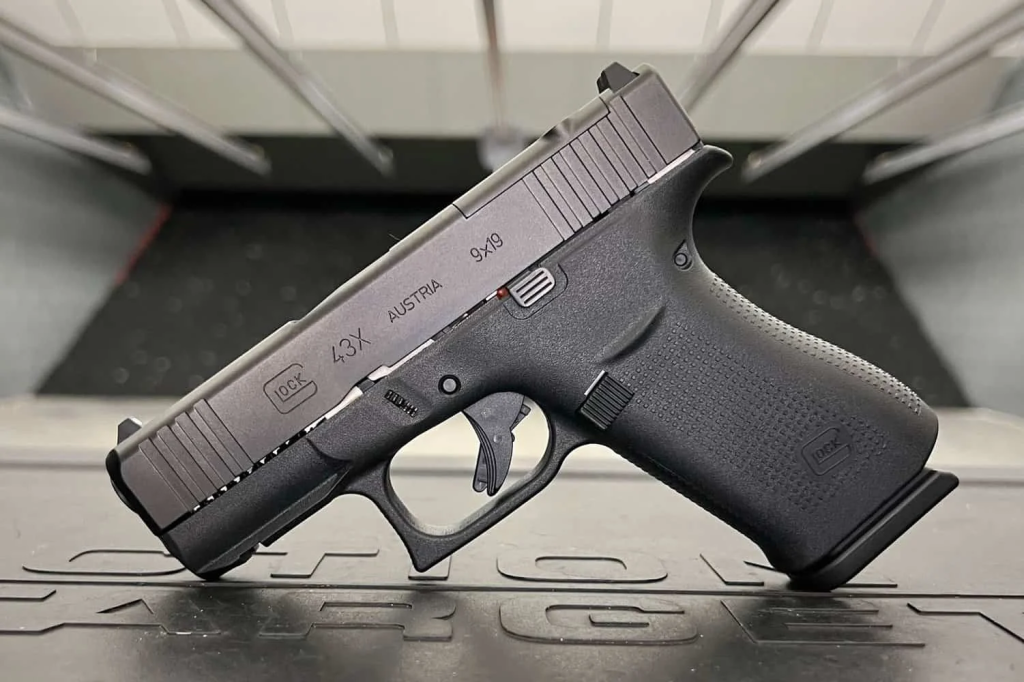
5. Glock appears to be prioritizing standardization over endless variation
For years, the attraction of Glock was interchangeability and a relatively simple manual of arms. Yet the commercial lineup gradually drifted toward a maze of “almost the same” pistols. Standardizing around fewer versions restores some of that original discipline. This is where the cuts become strategic rather than reactive. Fewer variants make it easier to maintain consistent parts support, streamline assembly, and keep training and documentation cleaner across the product line. In industrial terms, simplification is often a precondition for faster development later.
6. Some discontinued models were overlapping with better established favorites
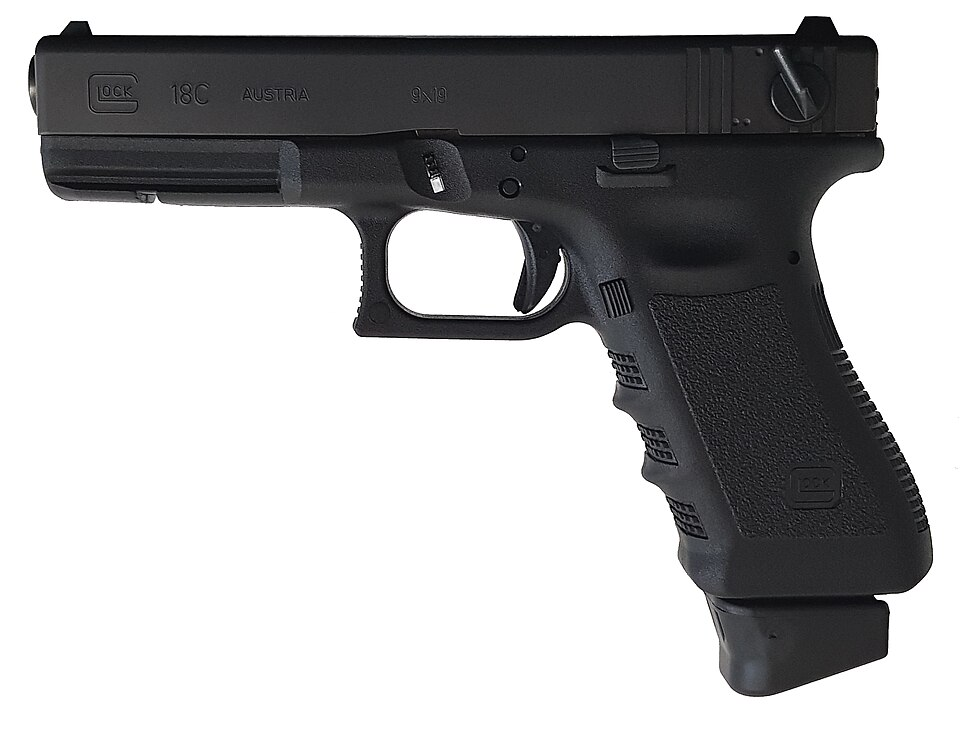
Not every model in a large lineup earns its own reason to exist. Some are legacy carryovers, some fill narrow use cases, and some are simply overshadowed by better known pistols in the same size class. When a customer base overwhelmingly gravitates toward a few flagship models, the long tail becomes harder to justify. That does not mean those pistols were flawed. It means they no longer carried enough distinct market function to survive a cleanup. A manufacturer can support a broad family for years, then decide that internal duplication is no longer worth the complexity.
7. The company is cutting without abandoning current owners
A discontinuation can sound harsher than it is. Glock indicated that affected pistols would still receive service parts and maintenance support, which changes the meaning of the move. This is not a declaration that existing models are obsolete in use. It is a declaration that they are no longer central to current production planning. That distinction matters. It allows Glock to reduce manufacturing sprawl while preserving confidence in pistols already in circulation.
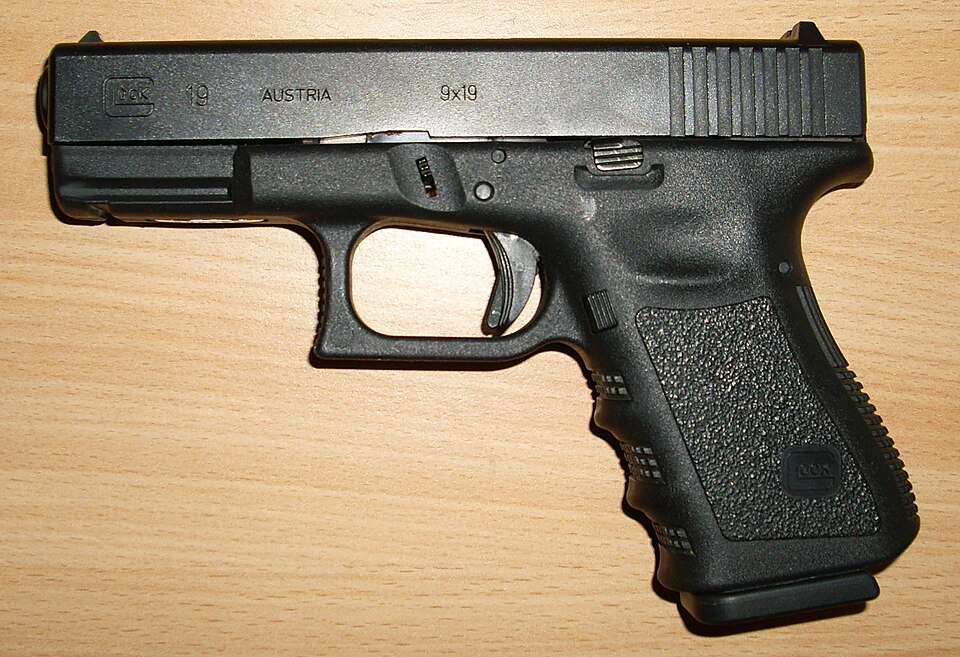
8. The surviving direction points to a leaner, more modern Glock lineup
The models being trimmed include older generations and several specialized variants, while the broader direction favors pistols aligned with newer mounting standards and a cleaner platform strategy. The result is less a purge than a reset. Glock is narrowing the field so that fewer products carry more of the company’s engineering attention. In practical terms, that means the future lineup is likely to look more uniform, more optics aware, and less cluttered by historical leftovers. For a company built on repeatable design, that is a very Glock-like solution.
What looks like dozens of quiet cancellations is really a manufacturing and product architecture story. The company is shrinking choice in order to simplify production, reduce overlap, and align its lineup with where handgun design has already moved. The important takeaway is not which individual model disappeared. It is that Glock’s catalog is being reshaped around standardization, optics compatibility, and fewer operational headaches behind the scenes.


