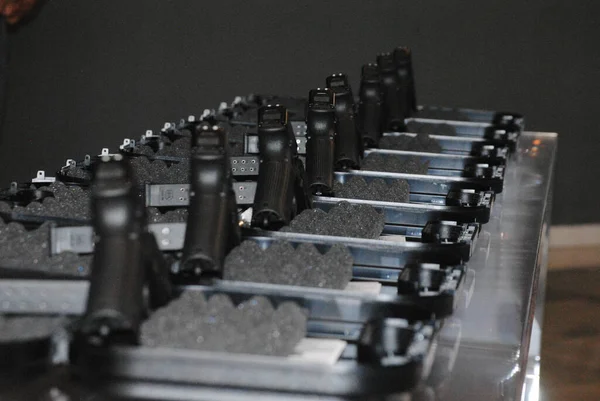
Glock’s latest lineup reset is less about a single pistol disappearing and more about a company redrawing the boundaries of its catalog. A large group of Gen 4 and Gen 5 models is being phased out while a new V Series takes shape, turning what once looked like routine product maintenance into a broader engineering and manufacturing shift. The interesting part is not the discontinuation itself. It is what the move reveals about design pressure, legal exposure, production complexity, and the industry-wide assumption that optics-ready handguns are no longer a niche format.
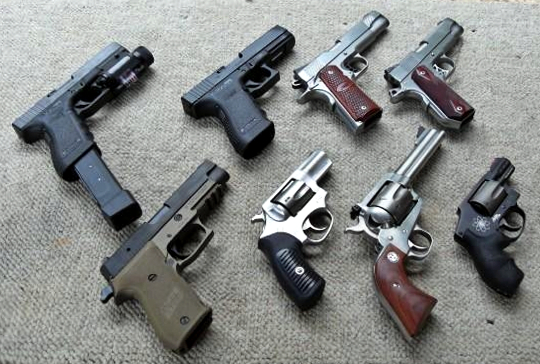
1. Glock is shrinking a bloated commercial catalog
One of the clearest reasons behind the overhaul is scale. By 2025, Glock’s commercial lineup had expanded into a maze of generations, calibers, MOS and non-MOS variants, long-slide models, competition configurations, and distributor exclusives. Glock said it was making “a strategic decision to reduce its current commercial portfolio” so it could focus on the products tied to future growth.
That matters from an engineering and logistics standpoint. A wide SKU count complicates parts inventories, production scheduling, quality control, and dealer stocking. Simplifying the lineup gives the company a more repeatable baseline platform and reduces the drag created by overlapping variants that serve similar roles.
2. The switch-conversion problem forced a design response
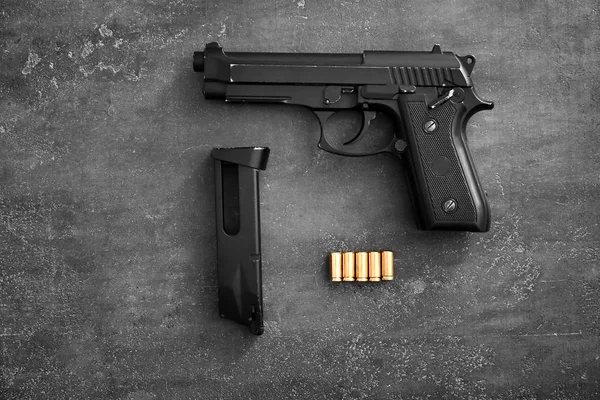
The strongest pressure point is the spread of illegal conversion devices commonly called Glock switches. These parts attach to the rear of compatible pistols and alter the firing cycle in a way that turns a semi-automatic handgun into a machine gun under federal law. Glock had long resisted the argument that the pistols should be redesigned around that threat, but the V Series appears to represent a direct engineering answer.

According to reporting on the new line, the revised pistols use a short steel rail to block switches from interfering with the firing mechanism. Earlier designs relied more heavily on a plastic feature that could be removed more easily. That change does not alter the pistol’s public identity much, but it changes the geometry where illegal conversion parts typically interact with the gun.

3. Legal pressure made redesign harder to avoid
Glock’s transition did not happen in a vacuum. Lawsuits from cities and state attorneys general, along with new legislation, increased the pressure around convertibility. Courts allowed several cases to continue, and California passed a first-of-its-kind ban on Glock handguns that can be converted to automatic fire with basic tools.
This did not merely create a public-relations problem. It challenged the long-running industry position that illegal modification is wholly separate from factory design. Once regulators and courts begin focusing on whether a product can be altered easily, manufacturers have an incentive to redesign even if they do not concede the underlying legal argument.
4. The V Series creates a new baseline platform
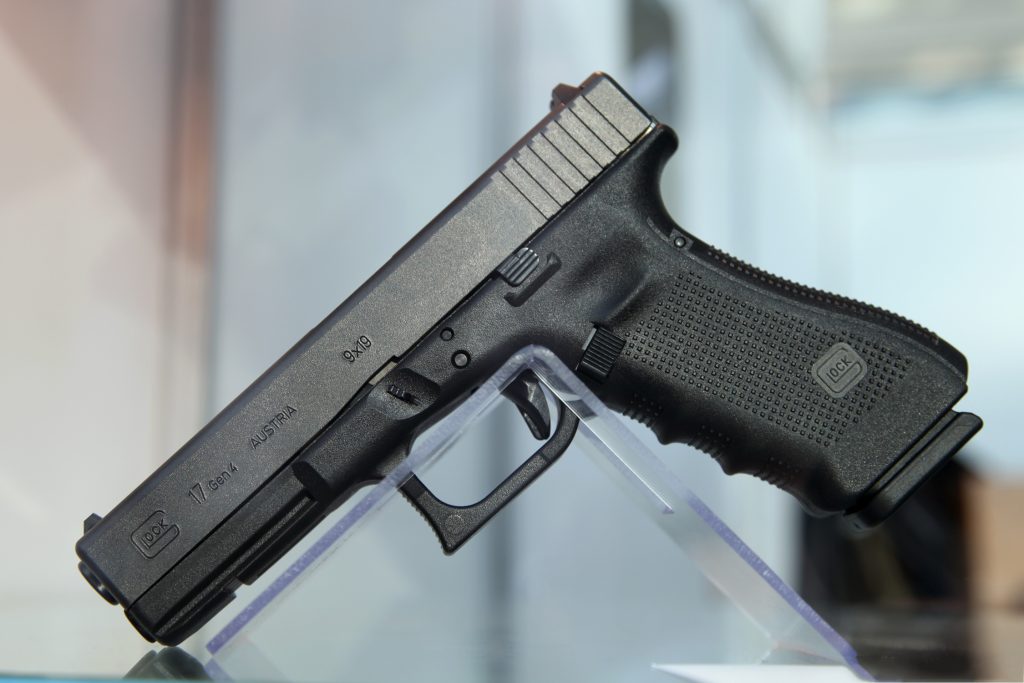
Glock described the incoming line in unusually plain industrial terms: “The GLOCK V Series is here to establish a baseline of products while simplifying our processes.” That wording points to a foundational platform strategy rather than a flashy generational leap. In practice, the V Series looks like a reset architecture. It preserves the familiar Glock layout and handling profile while standardizing the core pistol family around revised internals and fewer permutations. The company is not abandoning the formula that made the Glock 17 and Glock 19 central to law-enforcement, civilian, and competitive use. It is trying to make that formula easier to build, defend, and update.

5. Optics-ready is being treated as the future, not an accessory
One of the more telling details in the transition is that MOS-style capability remains central to the roadmap even though not every V model launches with it. Reference reporting indicated that MOS versions were expected in Q1 2026, which shows that optics-ready formats are not being sidelined. They are being repositioned into the next phase of the line.
That reflects a larger handgun trend. Red-dot optics have moved from competition and specialized defensive use into mainstream handgun setup planning. For manufacturers, optics cuts are no longer a premium side branch. They are becoming part of standard product planning, even when launch timing forces a staggered rollout.
6. Some older models no longer fit the new product logic
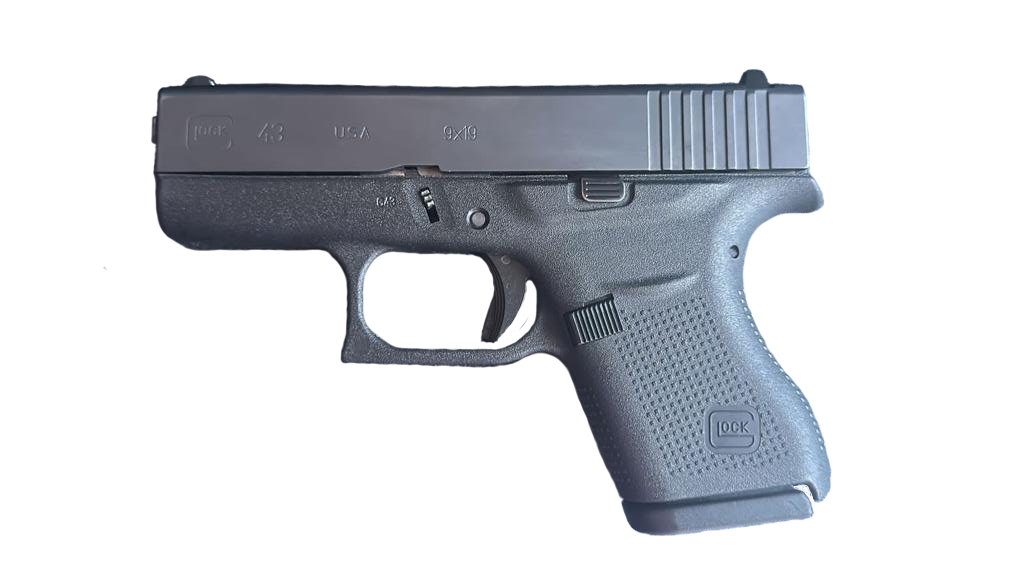
The pistols getting cut are not random. Many are older Gen 4 holdovers, MOS duplicates, or specialty chamberings that complicate the line without defining the brand’s future direction. Slimline pistols such as the 43, 43X, and 48 remain important because they occupy a clear role in concealed-carry demand, while many legacy full-size and compact variants increasingly overlap.
This is where catalog management becomes product strategy. When a company sees several models doing nearly the same job with slightly different cuts, finishes, or generation labels, discontinuation becomes a way to funnel attention toward a cleaner family of pistols with clearer upgrade paths.

7. The move protects accessory ecosystems while updating the gun
Major handgun redesigns can disrupt holsters, magazines, sights, and training familiarity. Glock appears to be avoiding that kind of shock. Reporting around the transition indicates that support for discontinued models remains in place, and the V pistols retain much of the familiar Glock profile and manual of arms. That is an important industrial choice. A pistol platform survives because of its ecosystem as much as its frame and slide. By changing the internal architecture tied to illegal conversion risk while keeping external continuity, Glock reduces the cost of transition for armorers, departments, retailers, and civilian owners who already live inside the platform.

Glock is not simply deleting pistols from a catalog. It is trimming away redundancy, hardening a design target that had become legally and politically exposed, and reorganizing its lineup around a more standardized future. The optics-ready push fits into that same logic. The modern service and carry pistol market increasingly treats red-dot compatibility as part of the default plan, and Glock’s reset shows that even a famously conservative handgun design now has to evolve around manufacturing efficiency, legal resilience, and sighting-system expectations all at once.


