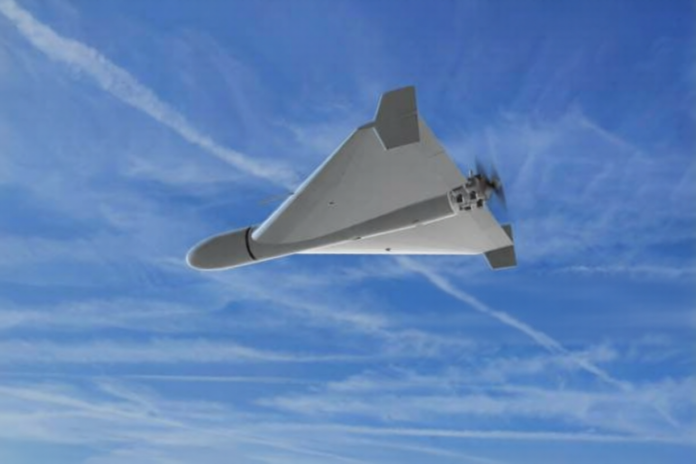
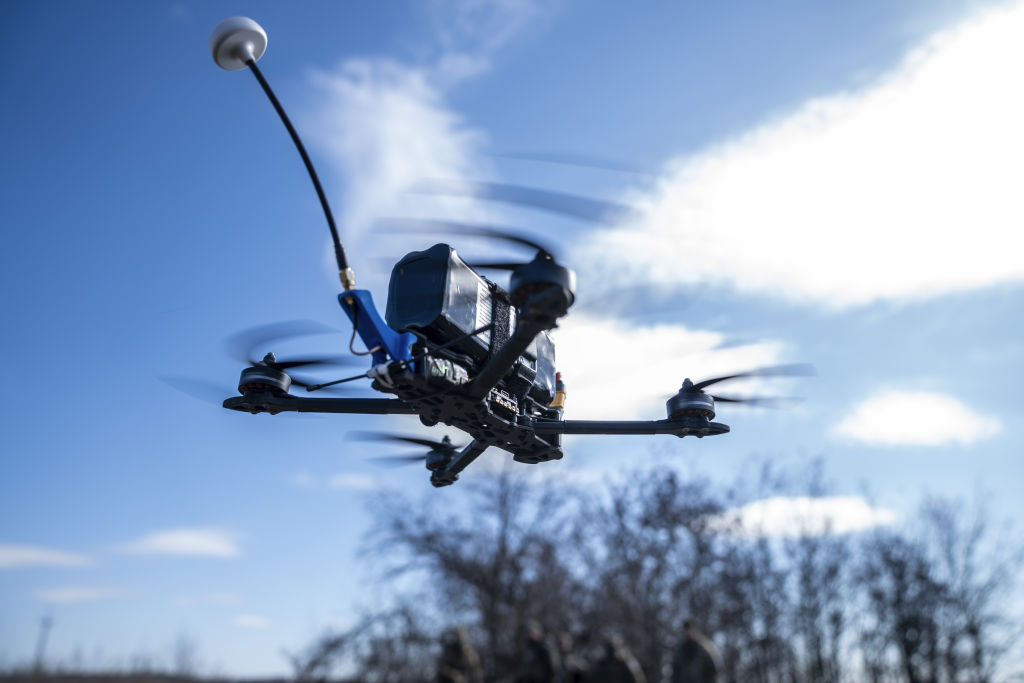
Air defense used to be defined by expensive missiles, fixed radars, and a punishing cost imbalance. Cheap attack drones changed that equation, and Ukraine’s response is pushing it in a different direction again. The next step is not simply more interceptors. It is a networked layer of interceptor drones that can be guided in groups, share tracks, and reduce the burden on the small number of pilots who can reliably hit fast-moving aerial targets in darkness, bad weather, and electronic interference.
1. Interceptor drones became a new low-cost air defense layer
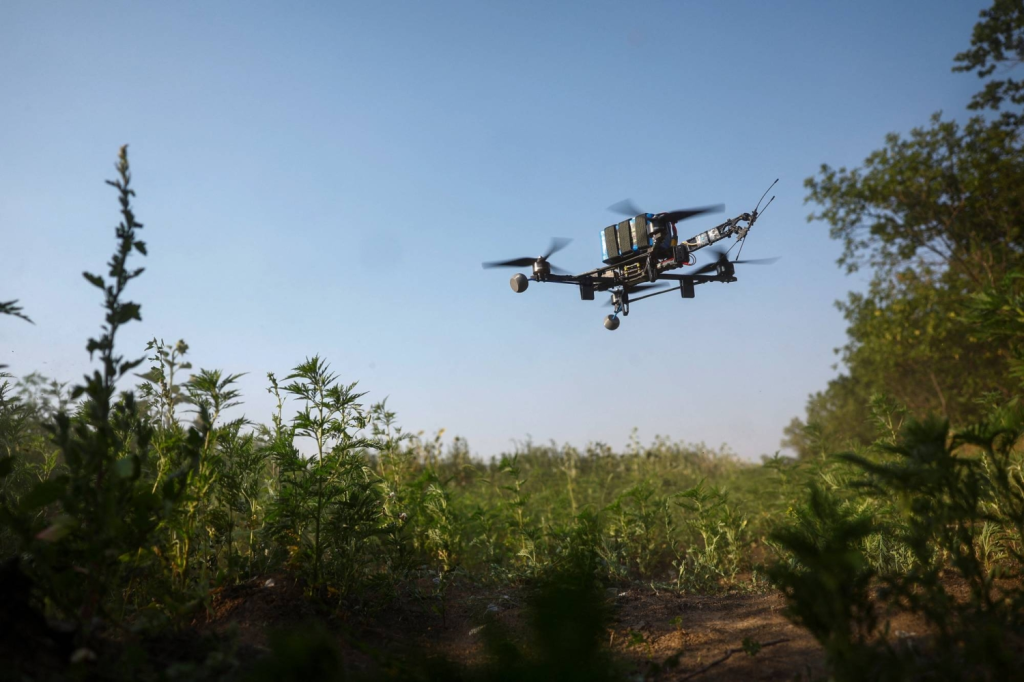
Ukraine’s interceptor drones moved from experimental concept to a major part of air defense because they attack the economics of mass drone raids. Instead of firing a missile worth hundreds of thousands or millions of dollars at a relatively cheap one-way drone, defenders can use much cheaper aerial interceptors to meet the threat closer to its own price range. That shift matters when attacks arrive in large numbers and traditional missile inventories are finite. The trend is already visible in operational data. According to Defense News, one in every three Russian aerial targets destroyed over Ukraine is now brought down by interceptor drones rather than guns or missiles. Around Kyiv, the share has been even higher during intense periods of attack.
2. Swarming is really about easing the pilot bottleneck
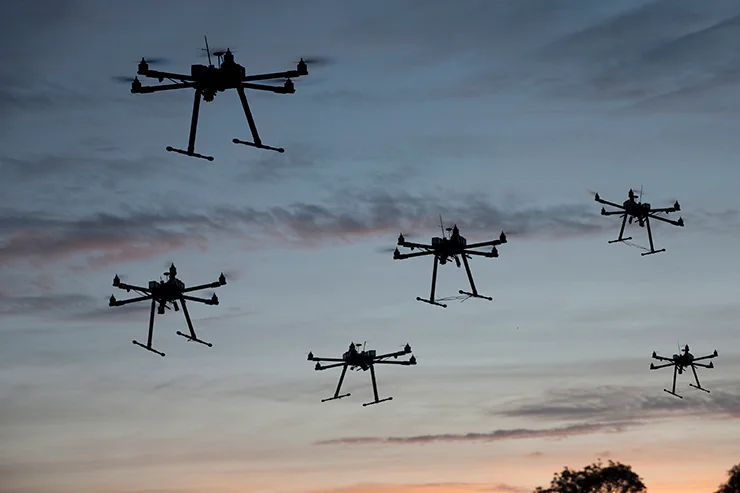
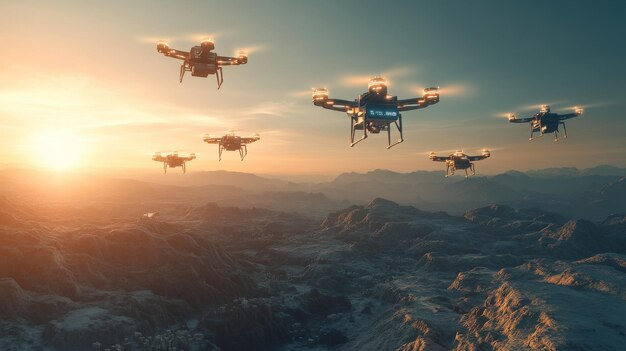
The most practical swarm concept under development is not a fully independent robot cloud. It is a control model in which one operator can manage multiple interceptor drones, either directly or with partial automation handling the hardest parts of the chase. That matters because interceptor flying is unusually demanding. Pilots must locate a small target at altitude, maneuver into a firing or collision position, and do it quickly enough to stop the drone before it reaches critical infrastructure. Ukrainian instructors have described interceptor qualification as a narrow skill set with a high washout rate, which makes operator scarcity as important as hardware supply.
3. Machine-to-machine coordination is the harder leap
Ukraine’s innovation groups and manufacturers are also working on drone-to-drone communication, which would let interceptors share position, target, and engagement data during flight. That capability could support handoffs between sectors, coordinated pursuit, and more efficient use of limited airborne assets.
It is also the more difficult problem. Wild Hornets, maker of the Sting interceptor, described current swarm behavior bluntly: “What is available now is a primitive algorithm that is ineffective in combat.” The immediate path appears to be incremental automation rather than sudden autonomy.
4. The real contest is sensors, guidance, and terminal accuracy
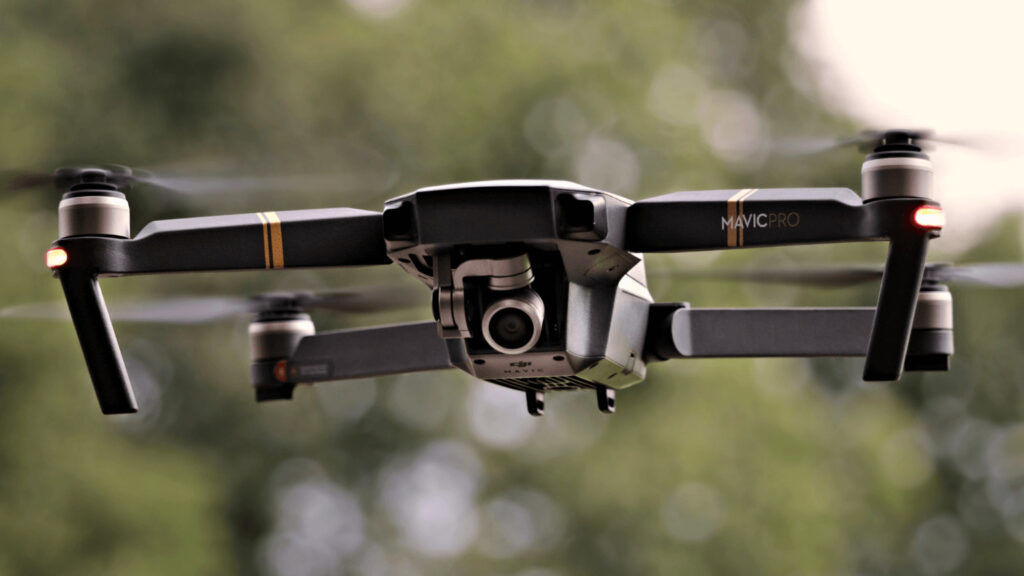
Swarm language can make the breakthrough sound like a software story, but the limiting factors are broader. Effective interception still depends on target detection, navigation under jamming, communications between drone and controller, and terminal guidance precise enough to avoid wasting multiple interceptors on one target.
Brave1 has identified those functions as the building blocks that must mature together before swarm operations become operationally useful. This is why better sensing keeps surfacing as the constraint. Ukrainian interceptor units told Defense News that better radar remains one of the main needs, because cueing the pilot into the right patch of sky is often the difference between a successful intercept and a wasted sortie.
5. Speed is forcing the technology upward
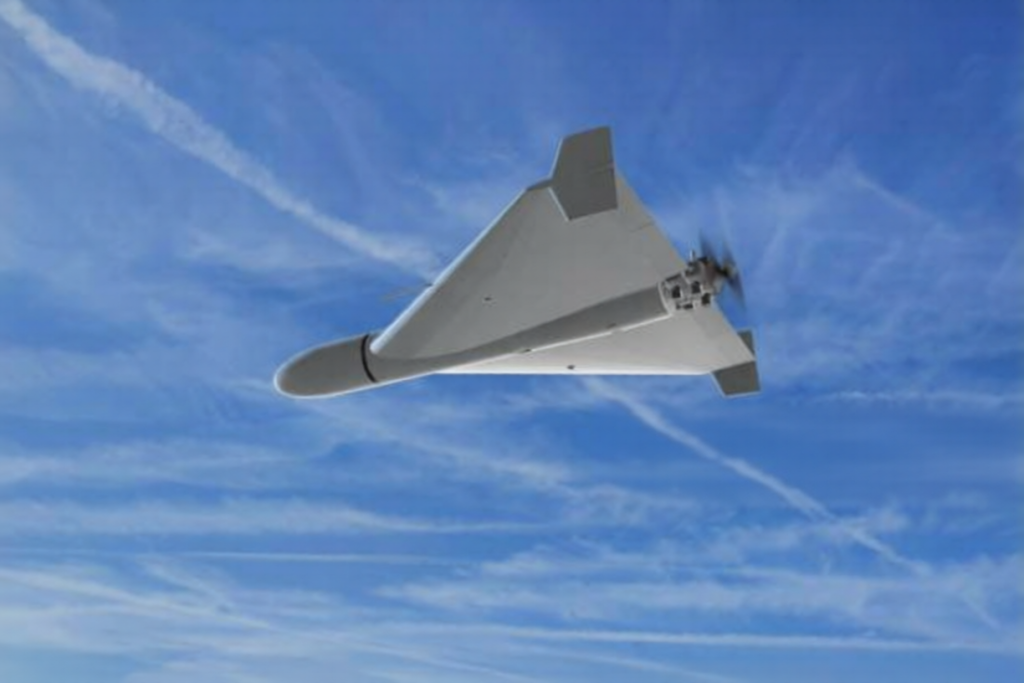
Interceptor drones were initially a response to reconnaissance systems and slower long-range attack drones. But the target set is changing. Faster variants, including jet-powered designs, compress reaction time and challenge the chase performance of today’s copter-based interceptors. That is why Ukraine’s development path now includes faster pursuit systems and improved terminal guidance. Some current Ukrainian interceptors already operate at speeds above 200 mph, but higher-speed threats are pushing designers toward new airframes, new seeker logic, and tighter sensor integration.
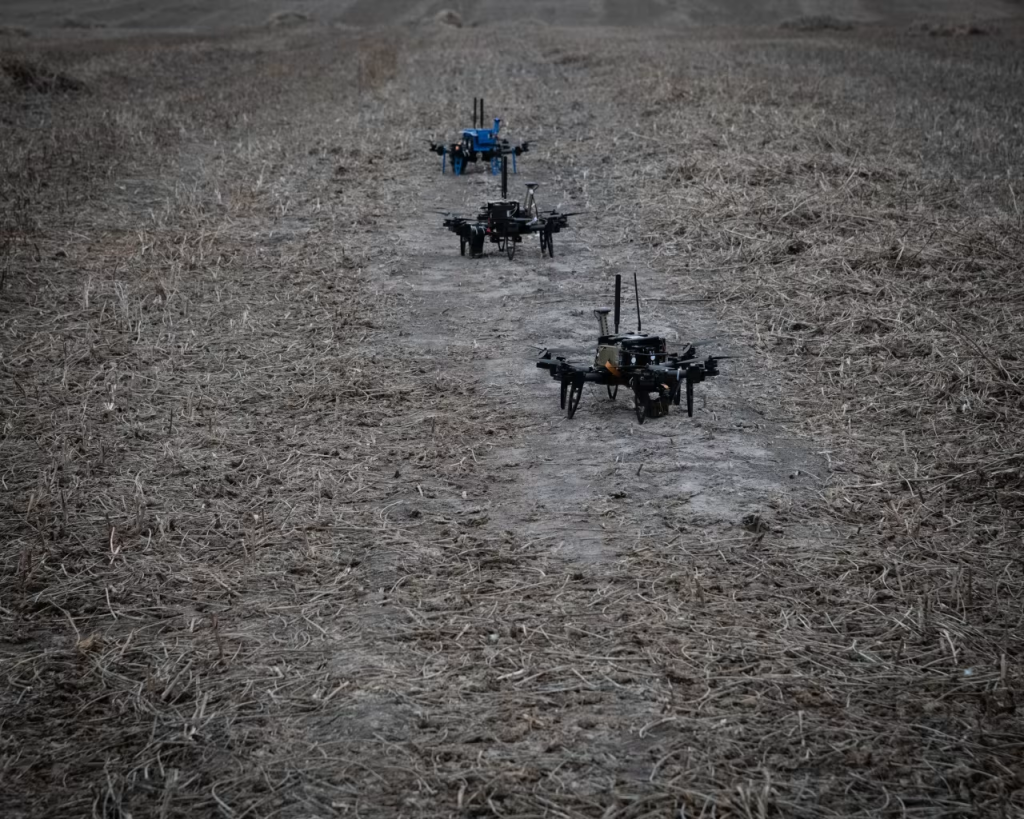
6. The broader lesson is reshaping Western defense planning
Ukraine’s interceptor effort is being watched closely because it addresses a problem larger militaries have not solved cleanly: how to stop large volumes of cheap drones without draining high-end air defense stockpiles. NATO’s senior modernization leadership has called hit-to-kill interceptors one of the more promising answers for European defense, and the Pentagon is moving in a similar direction with programs focused on human control of mixed autonomous swarms.
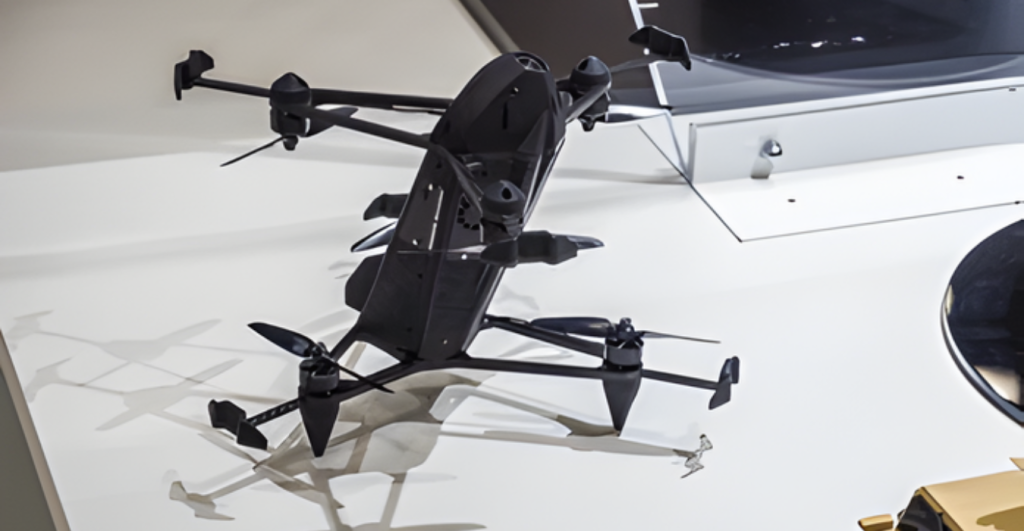
That wider shift is visible in the U.S. military’s $100 million Orchestrator Prize Challenge, which is aimed at letting operators command multiple drones without managing each aircraft one at a time. Ukraine’s work shows why that matters: the future of air defense is becoming as much a command-and-control problem as a missile problem.
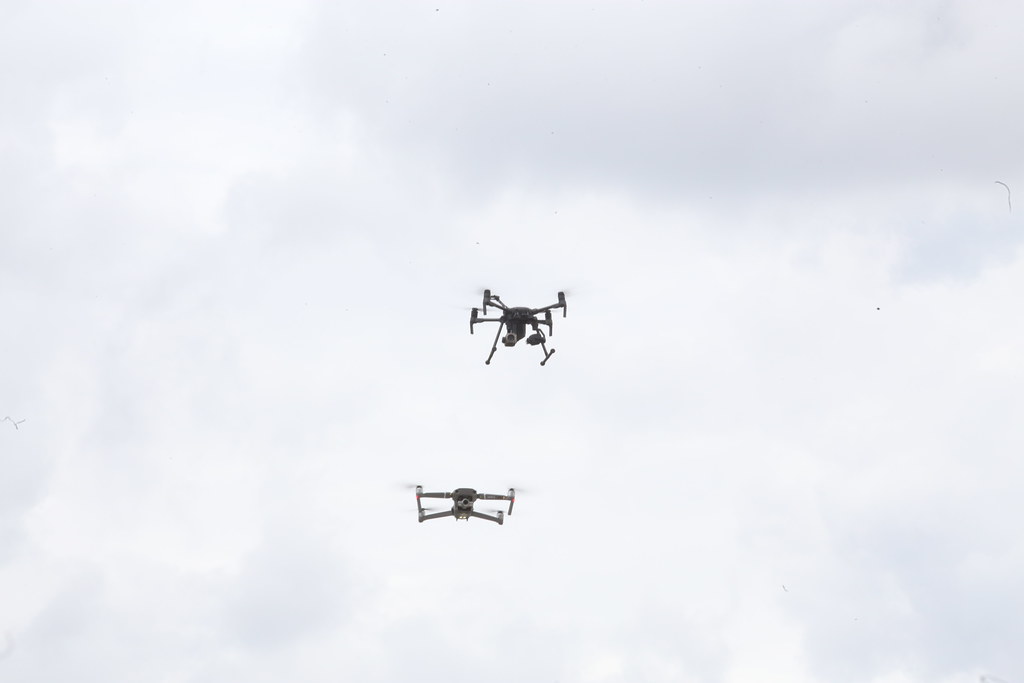
The result is a more layered model of protection. Missiles still matter for fast and heavy threats, but cheap interceptors, networked sensors, and limited autonomy are becoming the tools for defending against mass drone attacks at sustainable scale. Ukraine’s swarm effort fits squarely inside that transition. It is less about replacing people than about helping a small number of trained crews cover a much larger sky.


