

Some rifles earn their reputation through novelty. The Ruger 10/22 earned its place by making ordinary tasks easier on the gun, the factory and the shooter. Since its 1964 introduction, the little rimfire has remained unusually stable as a design. That consistency is not an accident. The 10/22 combined production-minded engineering with a feeding system tailored to the .22 Long Rifle cartridge, and the result was a semiautomatic that developed a reputation for working with minimal drama.
1. The receiver was designed around manufacturing reality
One of the most important choices was invisible to most owners. Ruger moved away from a more labor-intensive receiver concept and built the 10/22 around an aluminum receiver that suited investment casting. That decision reduced cost and weight, but it also forced the engineers to solve a practical assembly problem: a steel barrel and an aluminum receiver required different finishing processes. Rather than mate the parts first and risk damaging finished surfaces during final assembly, Ruger adopted a system that allowed the finished barrel to be joined to the finished receiver afterward. That approach made the rifle simpler to build consistently, and consistency in assembly often becomes consistency in function.

2. The barrel block simplified a difficult joint
The 10/22’s barrel attachment is one of its defining engineering moves. Instead of threading the barrel into the receiver in the usual manner, Ruger used a clamped V-block arrangement, described in the early barrel-block patent discussion. The original aim was not hobbyist customization. It was cleaner, safer installation in production. That matters because the barrel-to-receiver junction is one of the places where a small rifle can become needlessly fussy. By using a system that reduced handling damage and streamlined assembly, Ruger created a rifle less dependent on the kinds of manufacturing complications that can introduce variation. Decades later, shooters would celebrate the same system for making barrel changes straightforward, but the real contribution came first on the factory floor.
3. The rotary magazine fit the cartridge instead of forcing the cartridge to adapt
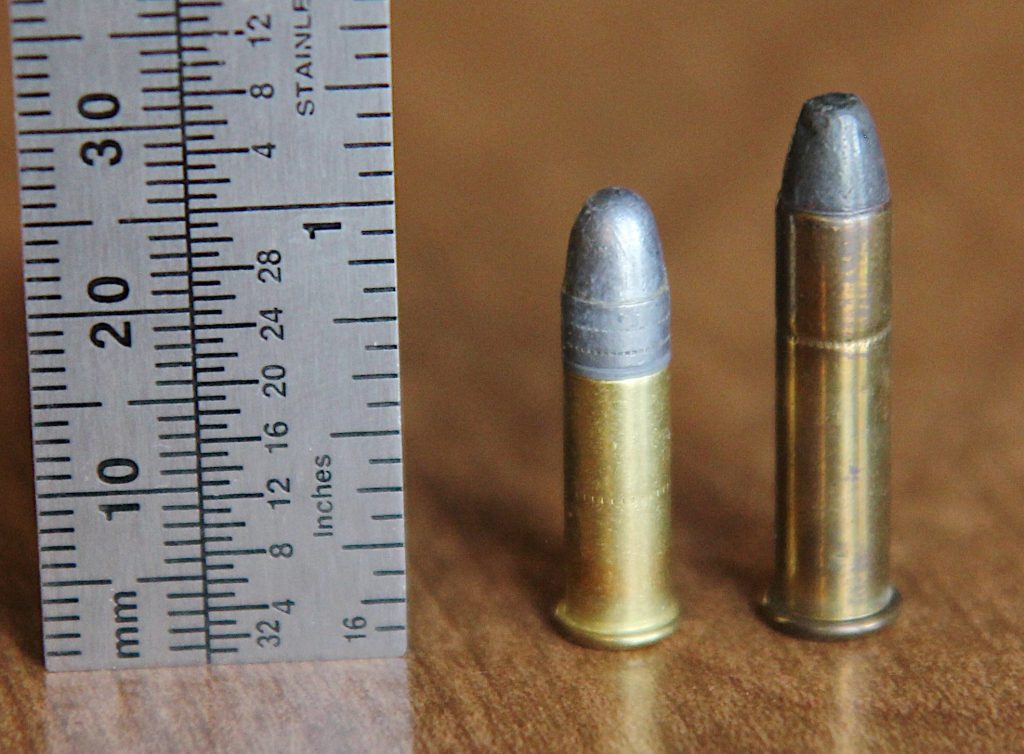
The .22 LR is a rimmed cartridge, and rimmed cartridges can be awkward in detachable magazines if the design does not control cartridge position carefully. Ruger’s answer was the 10-round rotary magazine, which presents each round at a consistent angle while isolating cartridges from one another. That solved more than one problem at once. A conventional box magazine can present the top round at slightly different angles as the stack rises and falls. With .22 LR, it can also invite rim lock if cartridges shift incorrectly. The rotary system avoided both issues, helping the bolt meet each cartridge in nearly the same way every time. Reliability in a rimfire autoloader often starts with feeding geometry, and the 10/22 was engineered around that fact.

4. The flush-fit magazine kept the rifle trim and usable
The magazine did not merely feed well. It also sat nearly flush with the stock line, giving the rifle a clean underside that did not snag or upset balance the way a protruding magazine can. For a light field rifle or training rifle, that was a practical advantage rather than a styling flourish. That compact package helped preserve the carbine’s easy handling. A reliable rifle that is also simple to carry, rest and reload tends to stay in use, and long service life in real hands is part of how a design proves itself.
5. The bolt was intentionally slowed down
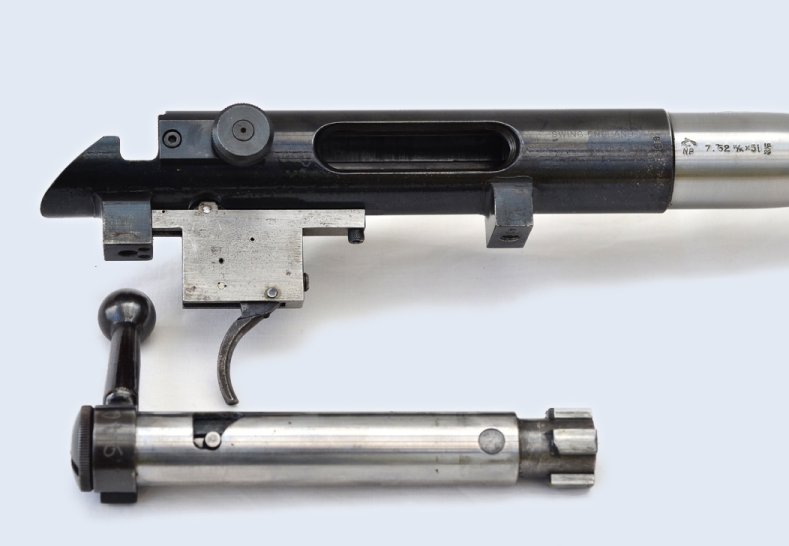
Rimfire semiautomatics live or die by timing. The magazine has to lift a cartridge in time, the bolt has to travel with enough speed to cycle, and everything has to happen without battering the action. Ruger engineer Harry Sefried addressed that balance with what American Rifleman describes as a “breechblock decelerator”. By giving the bolt a camming action that arrested part of its rearward motion without adding extra parts, the design moderated cycle speed. In period testing cited by American Rifleman, the 10/22 posted a cyclic rate of 945 rounds per minute, notably slower than several competing rimfires of the era. That slower rhythm helped the magazine keep up and reduced unnecessary violence inside the action, both of which support dependable operation over time.
6. The action stayed mechanically straightforward
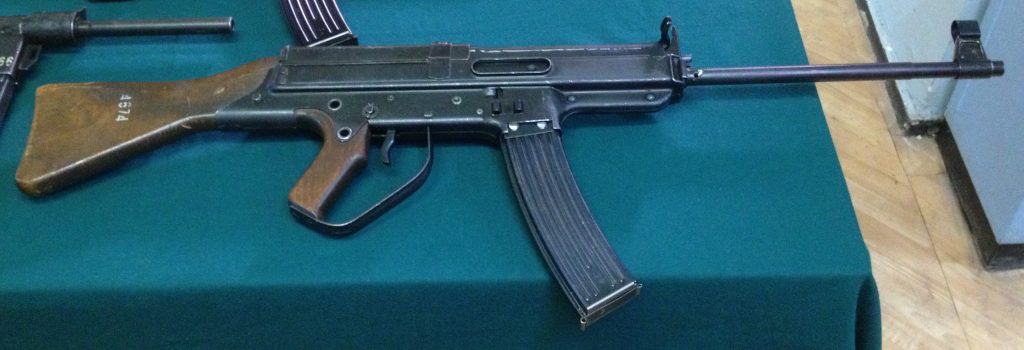
The 10/22 is a blowback-operated semiautomatic, and that simplicity is part of the point. It does not rely on a more complicated operating system to run a mild cartridge. Fewer interacting systems generally mean fewer opportunities for tolerance stacking, timing conflicts or maintenance-sensitive behavior.

Its layout also borrowed from earlier carbine ideas without becoming burdened by them. The rifle retained a handy profile and practical stock geometry, while the low recoil of .22 LR allowed Ruger to omit heavier structural features that had been necessary on larger carbines. The end product handled like a centerfire carbine in miniature but functioned with rimfire economy.

7. The core design was good enough to resist constant reinvention
Many successful firearms are revised repeatedly because the original recipe left obvious room for correction. The 10/22 is notable because its basic architecture endured. Stocks, sights, finishes and later takedown variants expanded the line, but the underlying operating concept remained recognizable for decades.
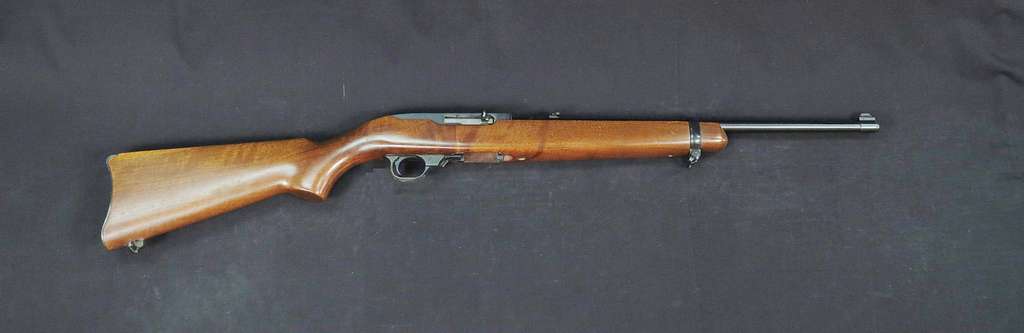
That durability reflects a design that got the fundamentals right: easy assembly, controlled feeding, moderated bolt speed and a compact overall package. America’s best-known .22 did not become reliable through one dramatic breakthrough. It became reliable because several smart, restrained engineering decisions worked together from the beginning.


