Service pistols are supposed to be replaceable. Newer materials arrive, optics become standard, and procurement cycles move on. Yet some handguns keep showing up in specialized inventories long after their supposed successors take over the spotlight. That persistence usually comes down to a narrow set of traits: reliability under hard use, controls that remain predictable under stress, and a design mature enough that armorers and shooters know exactly what it will do. These five pistols represent that kind of staying power.
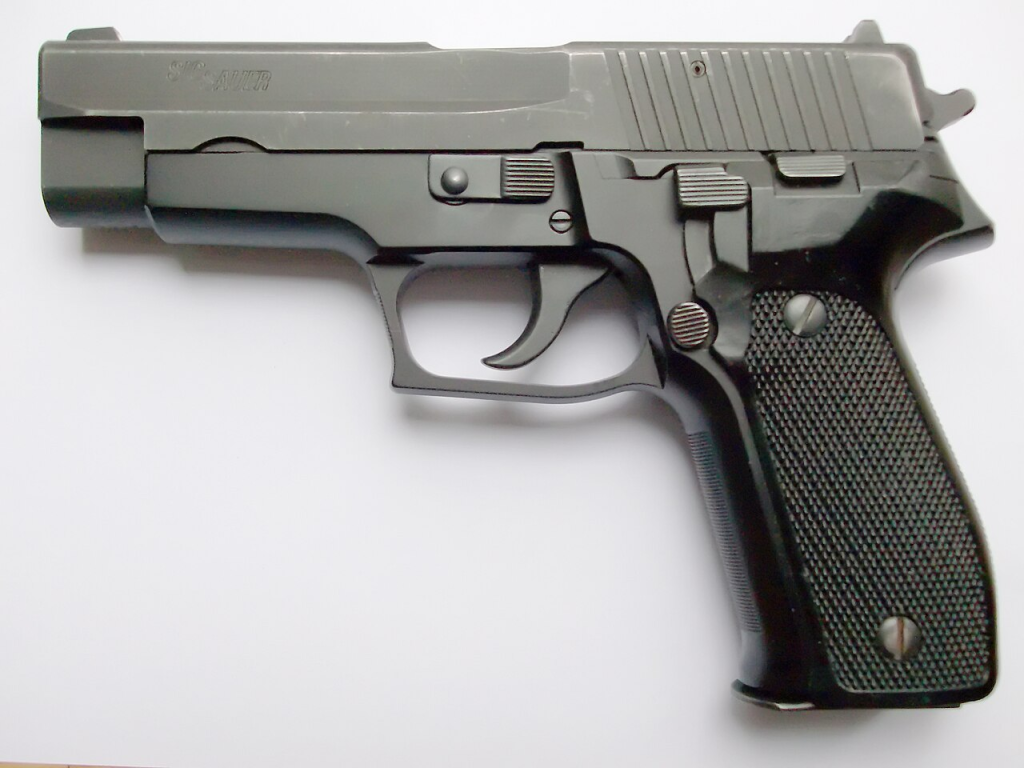
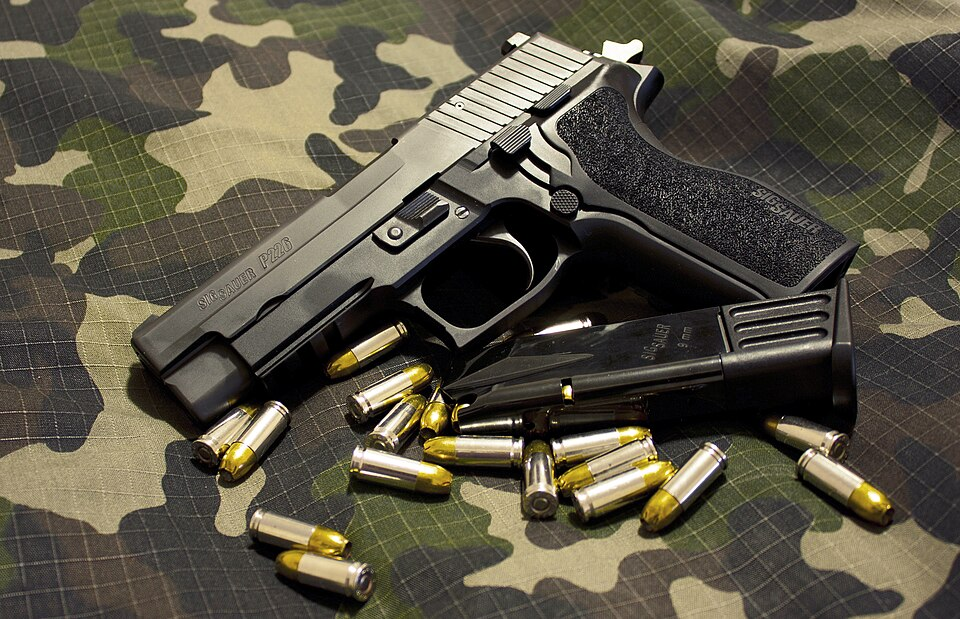
1. SIG Sauer P226
The P226 earned its reputation in the 1980s as a full-size alloy-frame sidearm built around a double-action/single-action system, a decocking lever, and a high-capacity magazine. It emerged from the U.S. military’s XM9 competition, where only the Beretta 92SBF and the SIG P226 satisfactorily completed the trials, even though the final contract went elsewhere on package cost.
What kept the pistol relevant was not a single headline-making feature, but a very balanced layout. Its weight helped tame recoil, its slide profile made the gun easy to track in rapid fire, and its control scheme stayed consistent once users learned the DA/SA rhythm. That formula appealed to organizations that valued mechanical predictability over trend-driven redesign.
The platform also adapted without losing its identity. Naval variants added corrosion-minded details, and later models gained rails and night sights while preserving the same operating logic. The result was a handgun that felt modern enough to update, but old-school enough to trust. That combination is why U.S. Navy SEAL teams started using the SIG P226 in the 1980s and why the pistol remained a benchmark long after striker-fired designs became the institutional default.
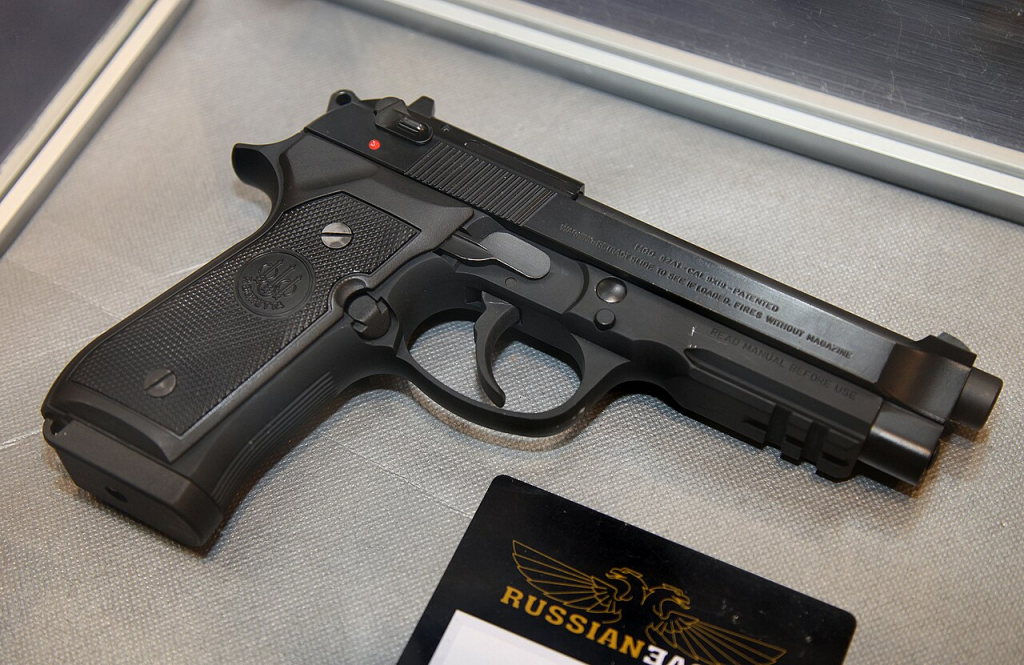
2. Beretta 92 / M9
The Beretta 92 family lasted because it delivered an unusually smooth-shooting 9mm package at duty scale. Its alloy frame kept mass manageable, while the open-slide design and locking-block system gave the pistol a reputation for soft recoil and reliable cycling.
In American service, the M9 was adopted in 1985 and stayed in uniform for decades. That longevity was not just bureaucratic inertia. The pistol’s 15-round magazine, ambidextrous safety-decocker, and forgiving recoil impulse made it accessible to a wide range of shooters, which matters in any organization trying to standardize training across very different skill levels.
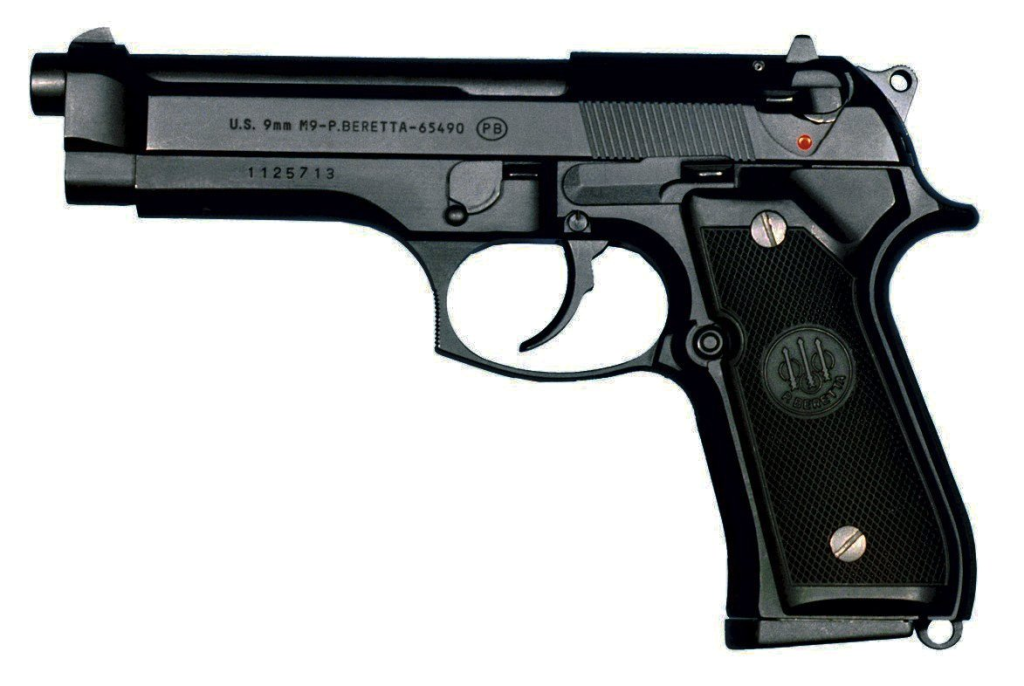
Its record also includes engineering corrections that extended its life rather than ending it. Early slide failures led to design changes, including the enlarged hammer pin system that prevented a cracked slide from leaving the frame. Later updates added rails and magazine improvements for harsher environments. Even after its replacement era began, Beretta highlighted test data claiming one malfunction every 19,090 rounds in lot acceptance testing, reinforcing the pistol’s long-standing image as a highly dependable combat sidearm.
3. Glock 19
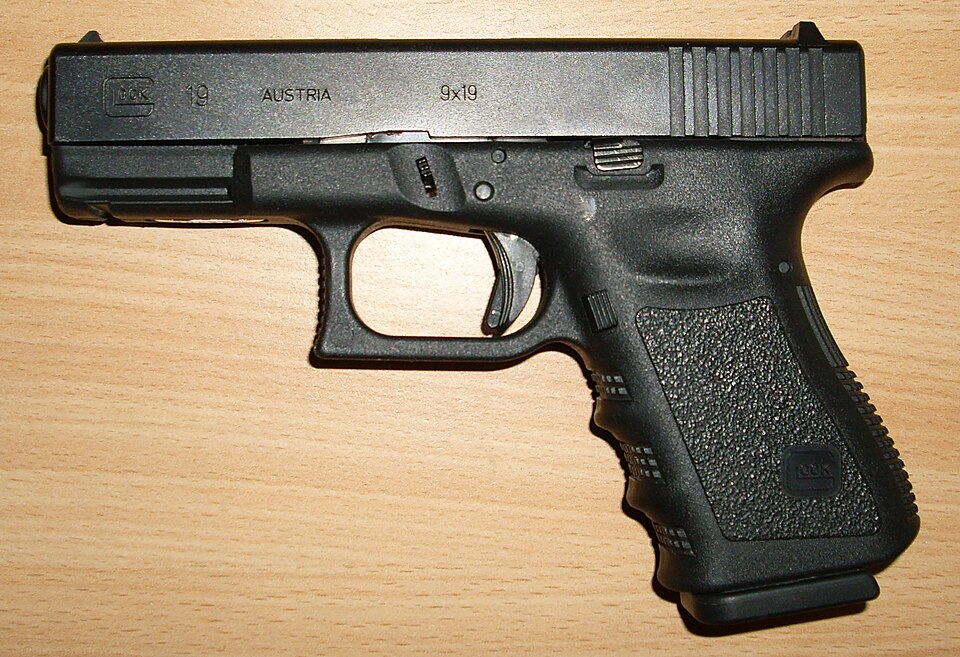
The Glock 19 became the compact pistol that refused to stay in a niche. Originally valued for being smaller than a full-duty handgun without becoming difficult to shoot, it grew into a sidearm that could handle concealed roles, overt carry, and accessory-heavy special-operations use with the same basic frame.
Its staying power rests on simplicity. The design strips down easily, uses minimal external controls, and offers a consistent striker-fired trigger from the first shot to the last. That matters in organizations where a handgun may be carried by personnel with very different mission profiles, but all of them need the same manual of arms.
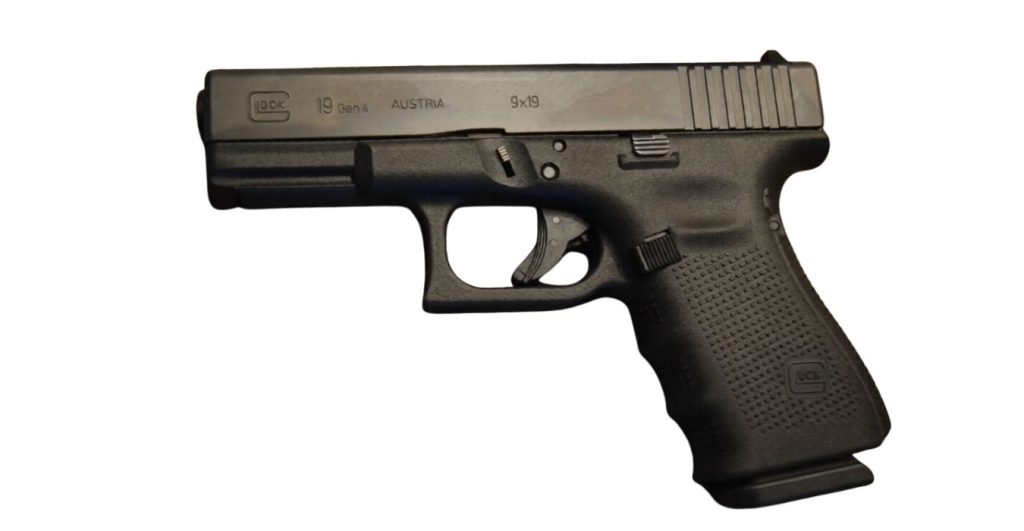
Elite units also embraced the pistol because it could stretch beyond its compact label. Optics-ready cuts, weapon lights, suppressor-capable barrels, and larger magazines all fit into the same ecosystem. According to one former Special Forces operator, the G19 was chosen to fulfill a very specific requirement by U.S. Army Special Forces for a compact pistol, then expanded into broader use because the platform passed endurance testing and proved versatile enough for far more than plainclothes work.
4. Colt M1911
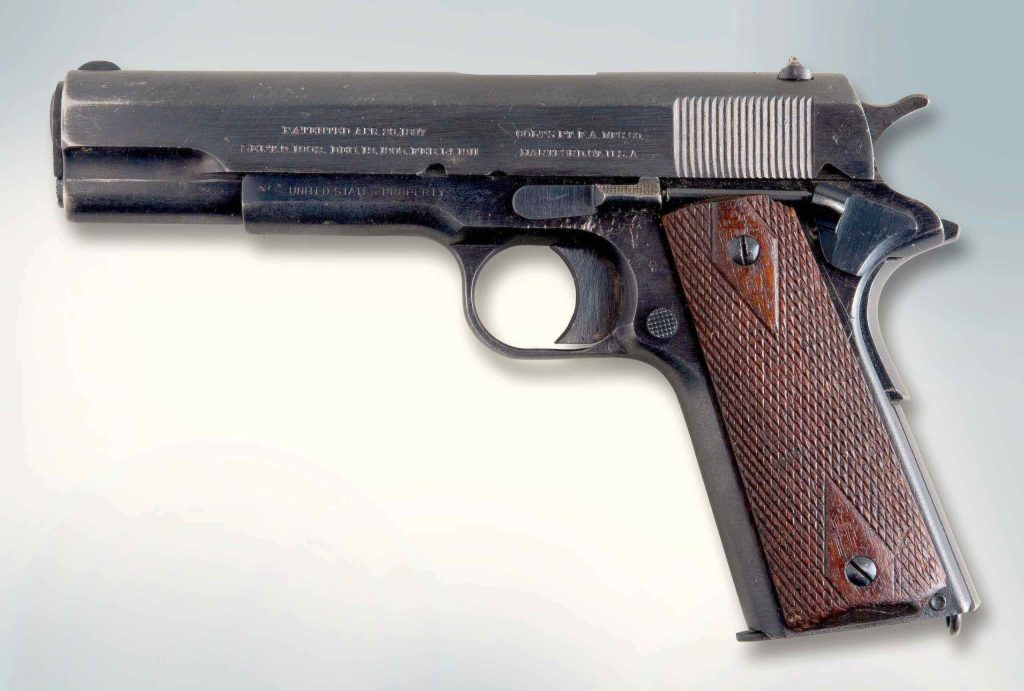
The M1911 is the oldest pistol on this list, but its long afterlife in specialized use says a great deal about how experienced shooters evaluate sidearms. Its steel frame, slim grip, and single-action trigger gave it a level of shootability that many users continued to respect even after double-stack 9mm pistols became the norm.
For elite elements, the appeal was never about novelty. It was about familiarity, precision, and a manual of arms that generations of armorers understood in detail. The pistol had already served as the standard U.S. sidearm from 1911 into the 1980s, and that immense institutional memory helped keep it viable in selective roles.
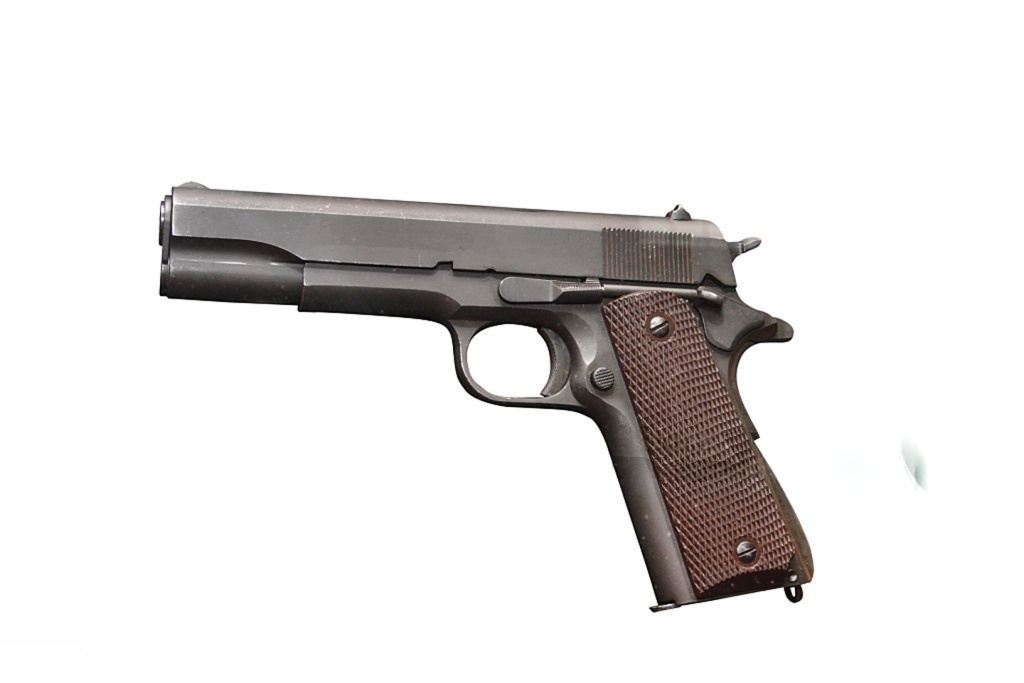
That said, the M1911 endured as a specialist’s choice rather than a universal answer. It remained useful where users prioritized trigger quality and a narrow profile, but it gradually gave ground as newer generations trained on polymer pistols and higher-capacity 9mm platforms. Even so, its continued presence in elite inventories for decades after official replacement remains one of the clearest examples of a combat handgun outliving its era.
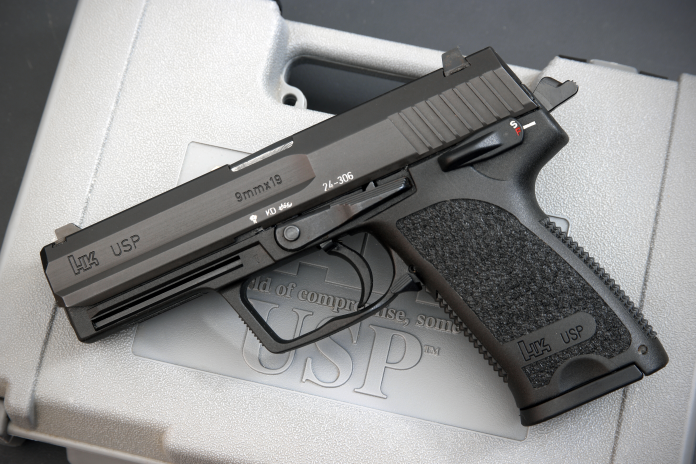
5. Heckler & Koch USP
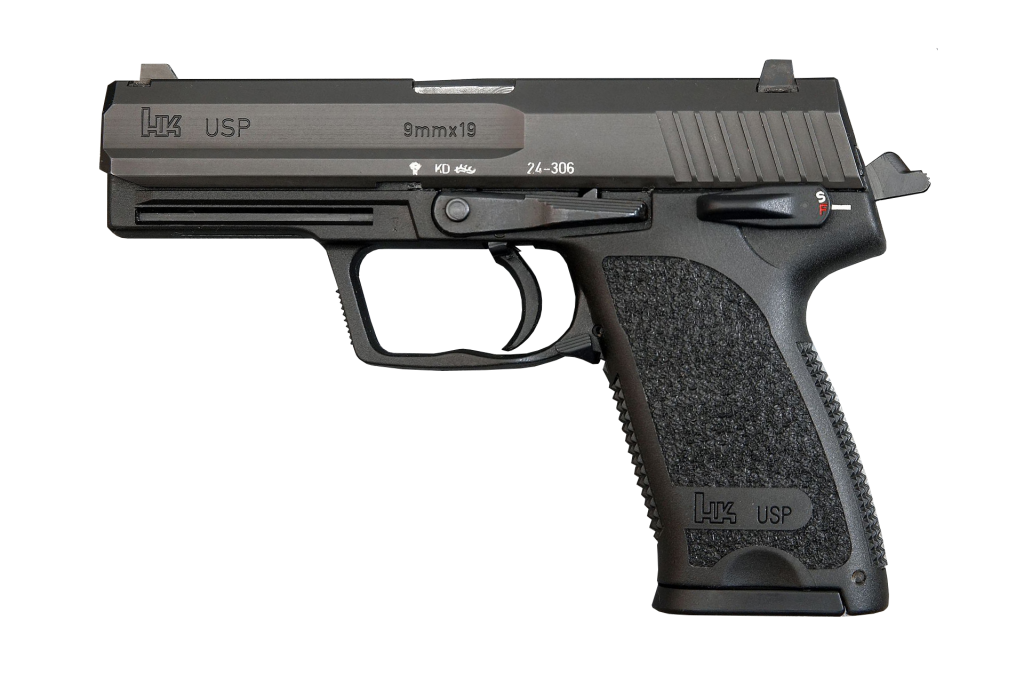
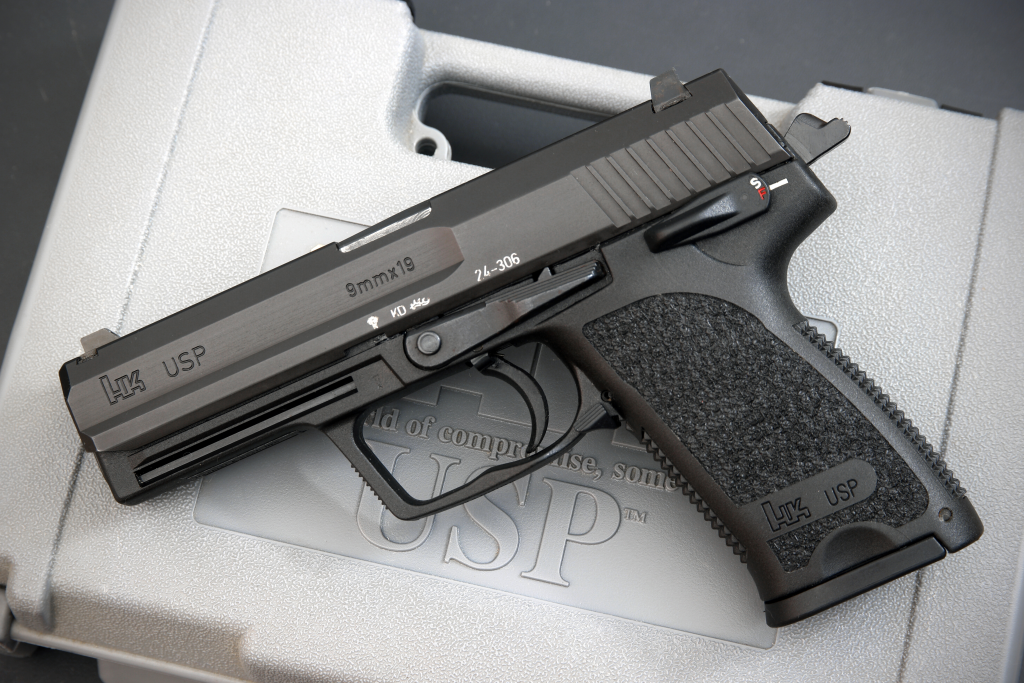
The USP arrived later than the classic metal-frame sidearms, but it earned a similar kind of institutional respect. It was designed as a hard-use service pistol from the outset, with an emphasis on durability, conservative operating systems, and controls that could be configured to match different organizational preferences.
That adaptability helped the pistol fit units that did not want to force every shooter into one trigger doctrine. Depending on variant, the USP could support safety-and-decocker arrangements, decock-only setups, or other control schemes while retaining the same overbuilt core architecture.
Its reputation came from being practical rather than elegant. The slide and operating system were built with longevity in mind, and the pistol gained a following among users who wanted a sidearm that tolerated heavy use without feeling experimental. In a field crowded with lighter and newer designs, the USP stayed relevant because it answered a very old requirement: a fighting handgun that simply keeps working.
These pistols survived wave after wave of replacement because elite users tend to keep what still solves real problems. In specialized service, a sidearm does not need to be fashionable; it needs to be reliable, controllable, and easy to support over time. That is why some combat handguns never really disappear. They become fixtures, not because institutions refuse to modernize, but because certain designs reached a level of utility that newer alternatives still struggle to surpass.


