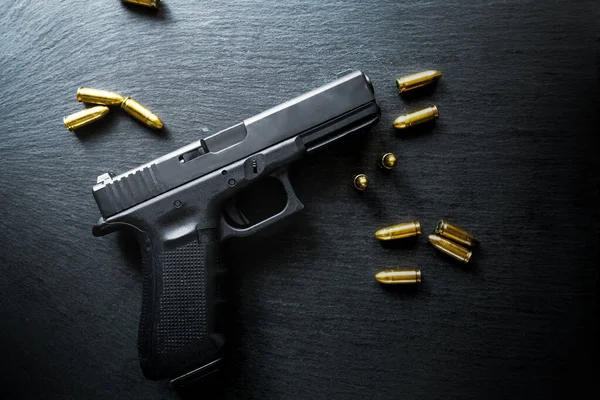
High-capacity 9mm pistols did not become standard through a single invention. The shift happened in stages, as several designs proved that larger magazines, manageable recoil, and service-grade durability could coexist in sidearms meant for soldiers, police forces, and eventually civilian shooters. Some of these pistols introduced the format early. Others normalized it by pushing adoption into institutions that had resisted change. Together, they moved the double-stack 9mm from an interesting option to the default pattern for modern service handguns.
1. Browning Hi-Power
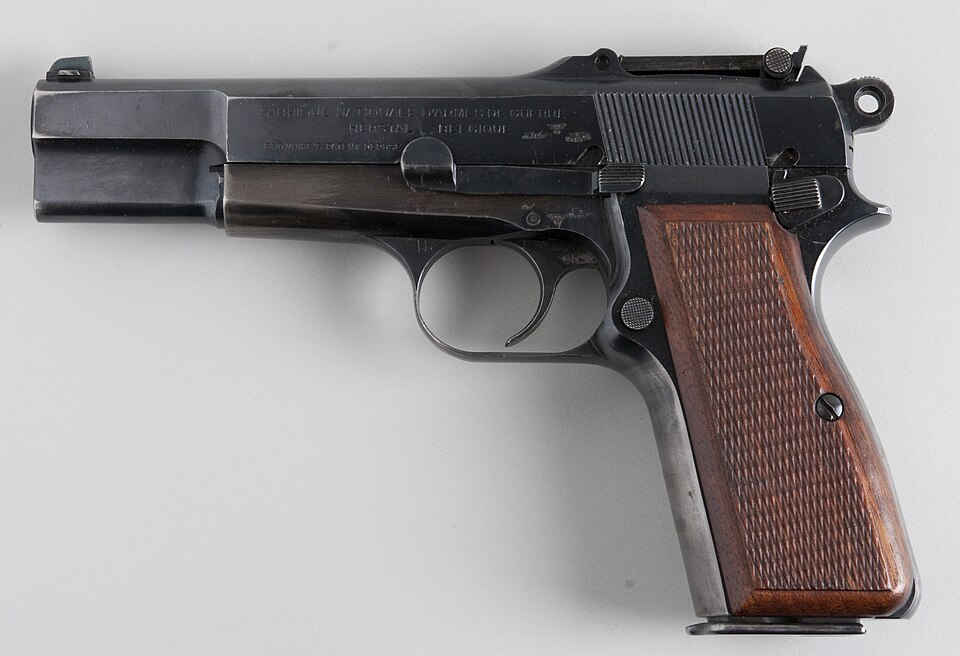
The Browning Hi-Power established one of the key ideas that later service pistols would build on: a 9mm handgun with a double-stack magazine that still felt reasonably compact in the hand. Its standard 13-round capacity was significant for its era, and its long service life gave that format legitimacy well before polymer frames and striker-fired systems took over. Its influence continued decades later in specialized use. Photographic evidence from British counterterror units showed Browning Hi-Powers equipped with extended magazines likely holding 20 to 25 rounds, illustrating that even elite users were already pushing beyond standard capacity when the mission demanded it. The pistol’s basic architecture proved that more ammunition in a fighting handgun was practical, not exotic.
2. CZ 75
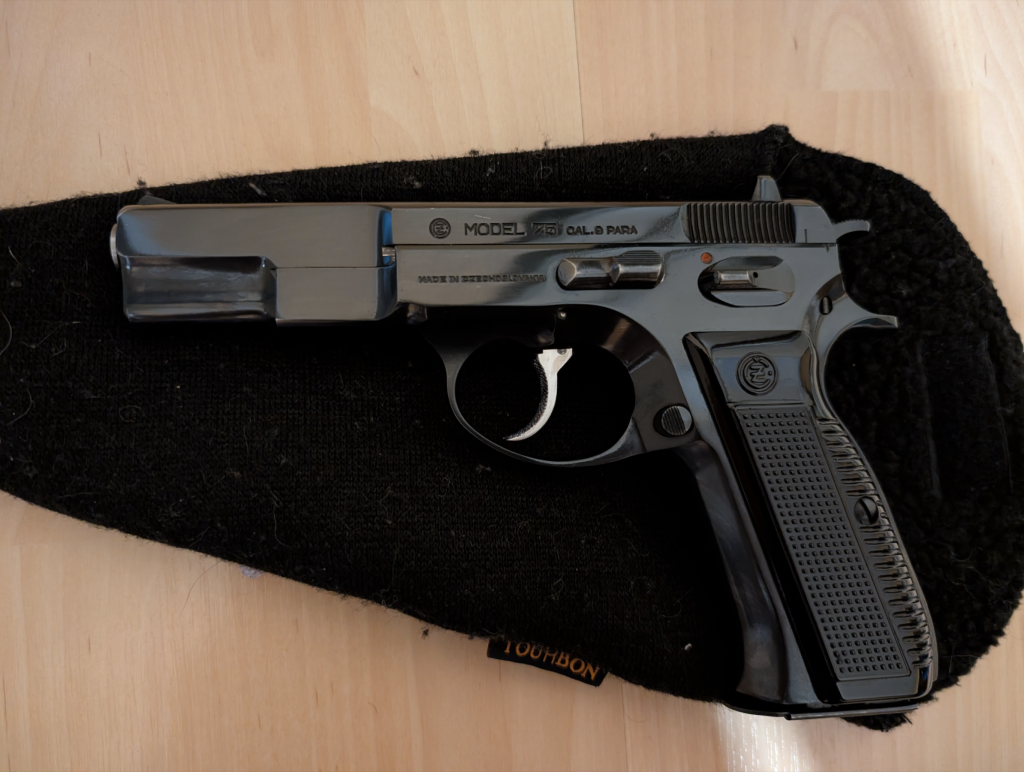
The CZ 75 helped normalize the idea that a high-capacity 9mm did not need to abandon the familiar feel of an all-metal service pistol. Introduced in the mid-1970s, it combined a double-stack magazine with ergonomics that many shooters found unusually natural, making higher capacity seem less like a compromise and more like an upgrade. That mattered because it softened the transition away from older single-stack sidearms. For many later pistols, the lesson was clear: magazine capacity would win wider acceptance if the gun still pointed well, handled predictably, and retained duty-ready durability.
3. Smith & Wesson Model 39
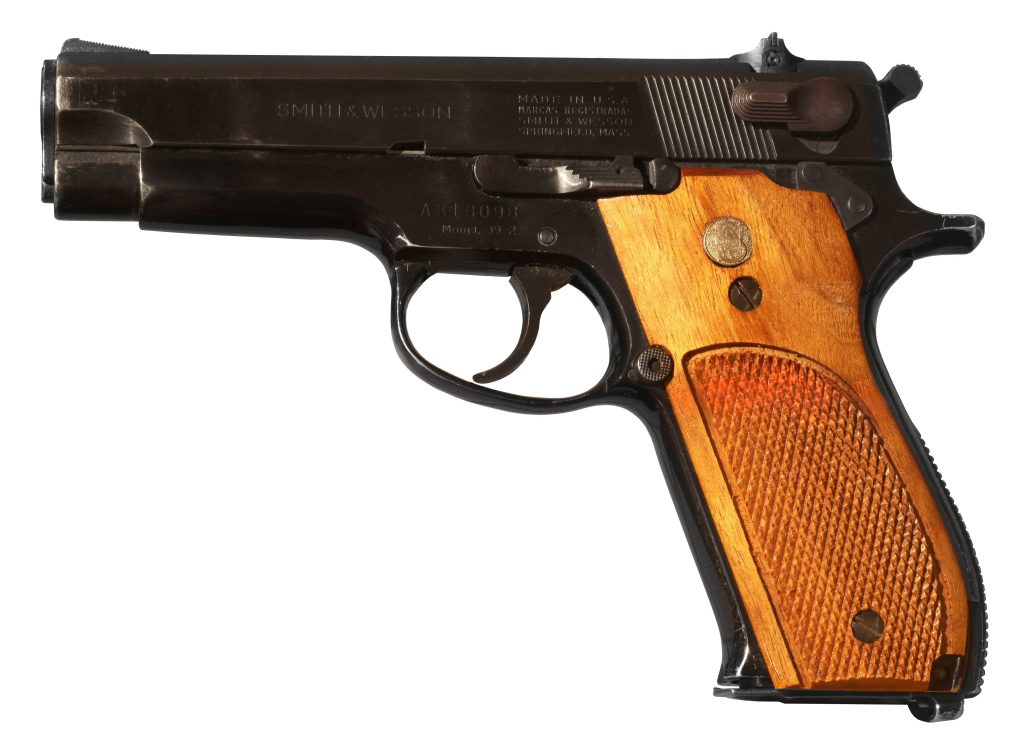
The Model 39 was not a high-capacity pistol, but it belongs in this story because it helped move American shooters and institutions toward the 9mm cartridge itself. Before large-capacity 9mm sidearms could dominate, the caliber had to gain broader acceptance in a market long attached to revolvers and larger-bore automatics. As one of the notable early American 9mm semi-automatics, it served as a bridge design. It familiarized users with the cartridge, the service-pistol role, and the practical advantages of semi-automatic handguns. High-capacity successors benefited from that groundwork.
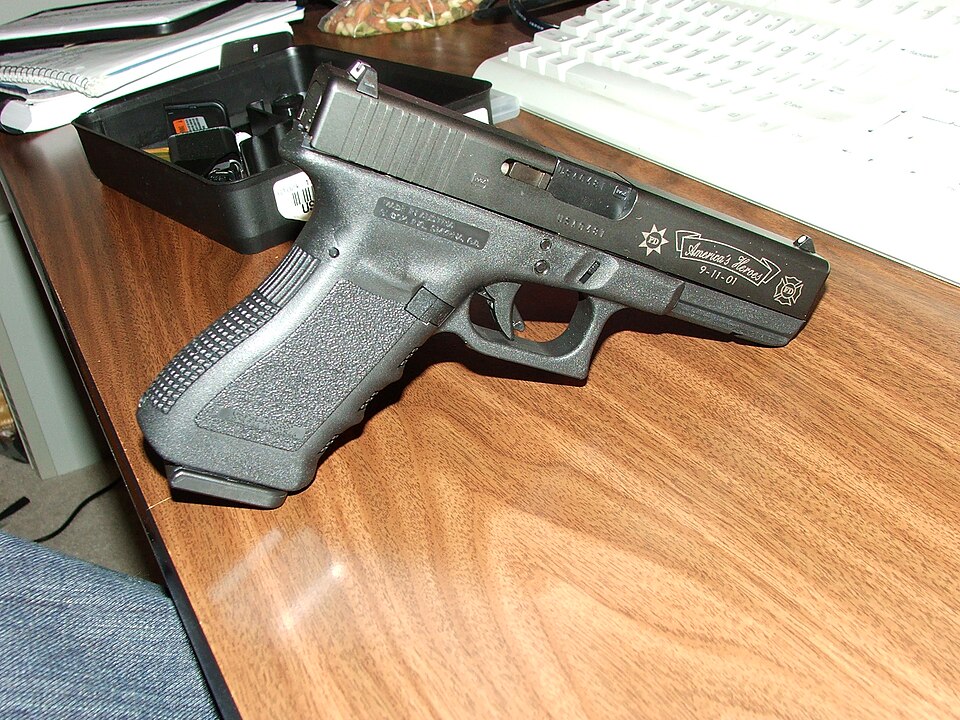
4. Glock 17
The Glock 17 changed the category more dramatically than any other pistol on this list. Developed for Austrian military trials in the early 1980s, it paired a lightweight polymer frame with a striker-fired mechanism and a standard 17-round magazine in a full-size service pistol. That combination became the modern template. Its arrival disrupted old assumptions. Many officers initially focused on the fact that it was “made of plastic,” yet widespread service use and extensive endurance results shifted the conversation from novelty to performance. Reports of Glock pistols routinely exceeding 30,000 rounds with limited parts replacement reinforced the design’s reputation for durability. More importantly, the Glock 17 showed that high capacity could come with reduced weight, simple maintenance, and consistent operation. After that, competitors had to respond.
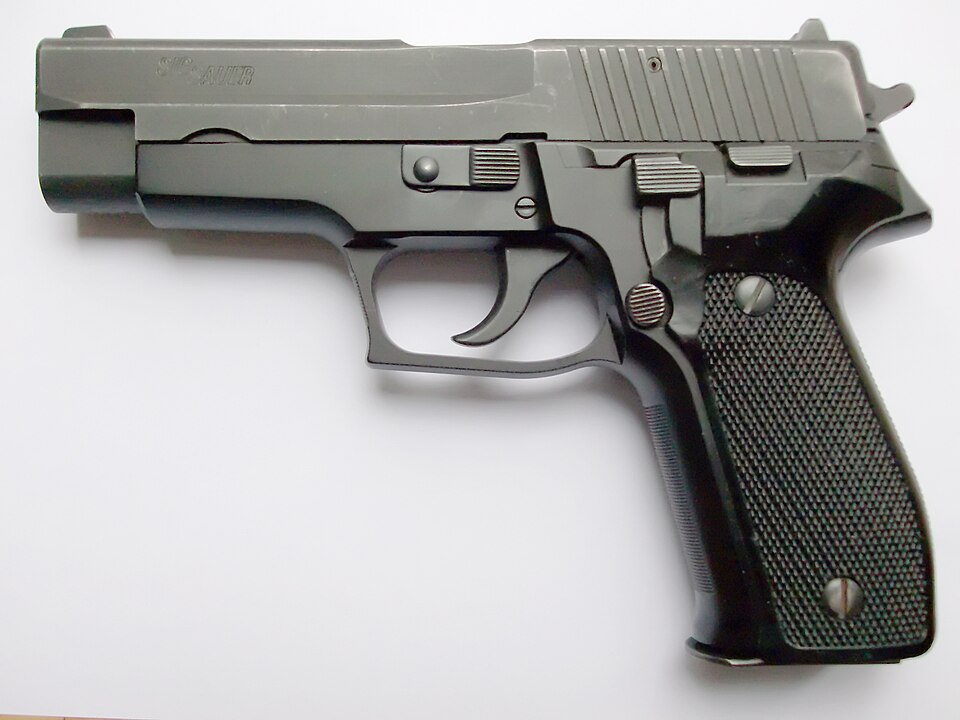
5. SIG Sauer P226
The P226 proved that the high-capacity 9mm could thrive even among organizations that preferred traditional metal-framed pistols with double-action/single-action triggers. It delivered duty-grade capacity and reliability without demanding a complete change in manual of arms for users uncomfortable with striker-fired systems. Its adoption by prominent military and police units gave the double-stack 9mm format further institutional credibility. In the British special operations world, it also followed the Hi-Power into service, continuing the visible preference for higher-capacity sidearms in demanding roles.
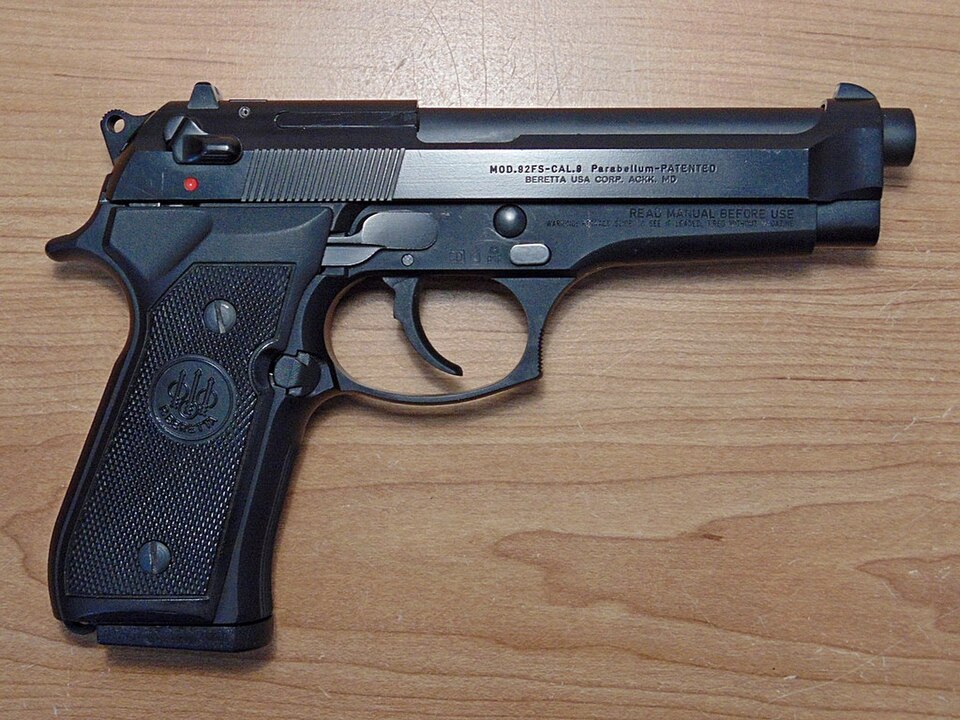
6. Beretta 92FS
The Beretta 92 family brought high-capacity 9mm to an enormous international audience. Large, alloy-framed, and unmistakably a product of the pre-polymer era, it nevertheless carried the magazine capacity and shootability that modern service sidearms needed. For many shooters, it was the first double-stack 9mm that felt fully mainstream. Its broad military profile amplified that effect. The design’s U.S. service variant, the M9, replaced the M1911 in 1985 and remained a reference point for reliability for decades. Beretta later highlighted lot testing in which new M9 pistols averaged one malfunction per 19,090 rounds. Even critics who viewed the platform as large and mechanically dated had to acknowledge what it accomplished: it made a 15-round 9mm sidearm look normal in uniformed service.
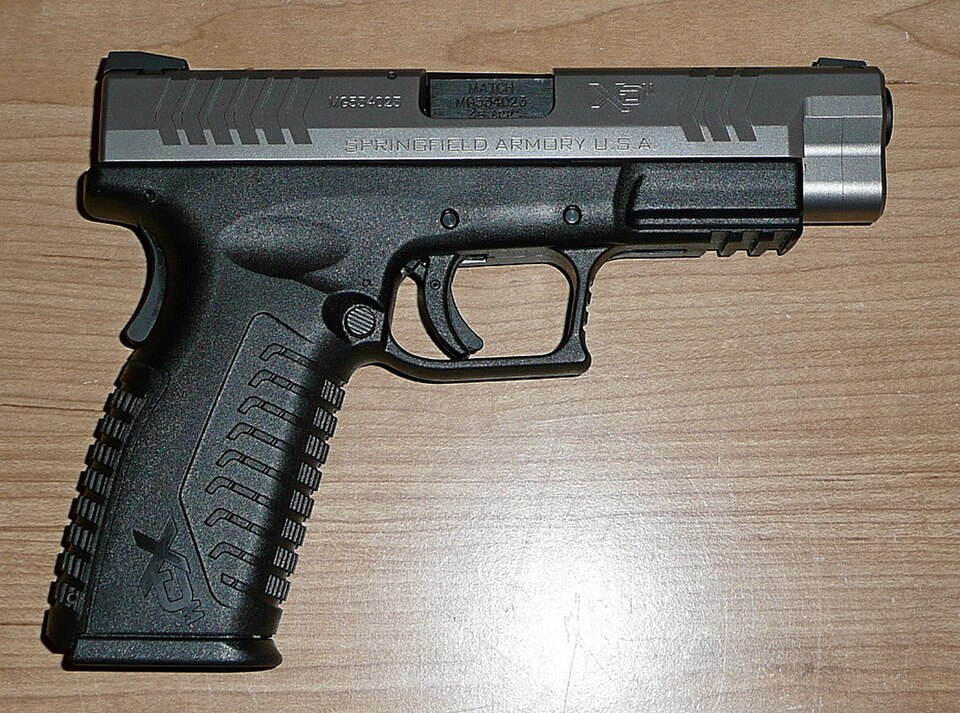
7. Springfield XD
The Springfield XD arrived after Glock had already redrawn the market, but it mattered because it helped broaden the polymer, striker-fired, high-capacity formula across another large section of buyers. Once multiple manufacturers offered similar capacity in similarly light, duty-capable frames, the concept was no longer tied to one brand’s identity. That stage of market development was important. Mainstream dominance does not come from innovation alone; it comes when a pattern spreads widely enough that consumers, agencies, and competitors all treat it as standard practice.
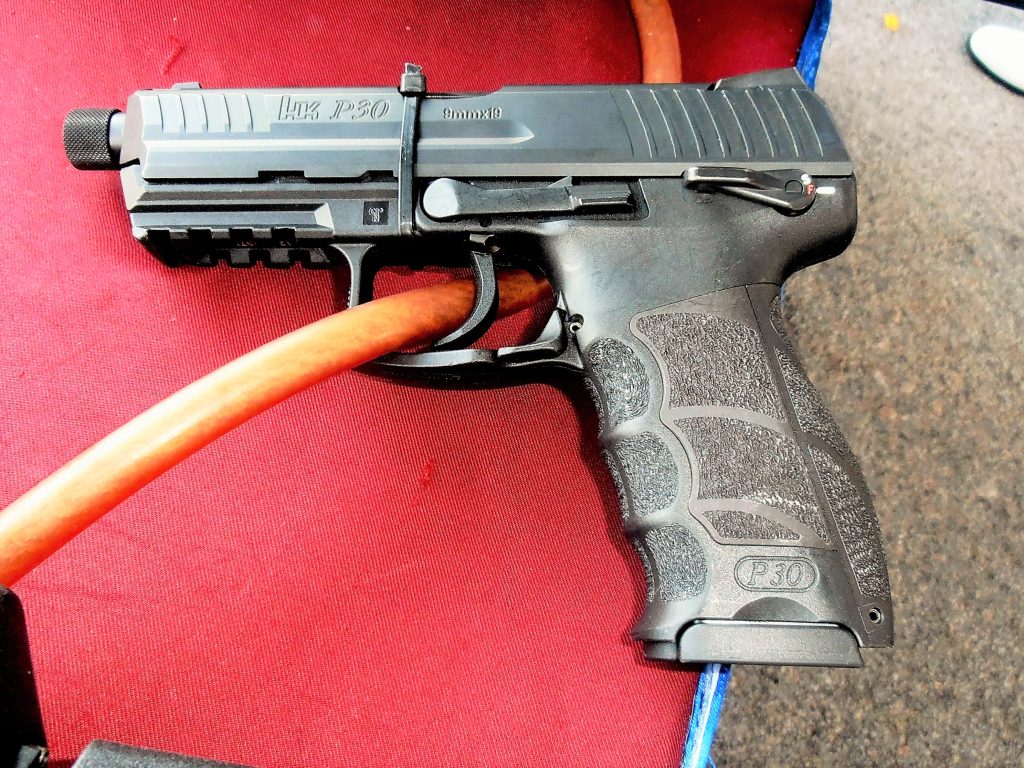
8. Heckler & Koch P30
The P30 represented a later phase in the evolution of the high-capacity 9mm: refinement rather than disruption. By the time it arrived, large-capacity service pistols were already accepted, so the engineering emphasis shifted toward grip modularity, control placement, and adaptability for a wider range of users. That design logic says a great deal about how far the format had come. Capacity was no longer the headline feature requiring justification. It was the baseline, and the real competition was over ergonomics, durability, and how well the pistol fit modern training and duty requirements.
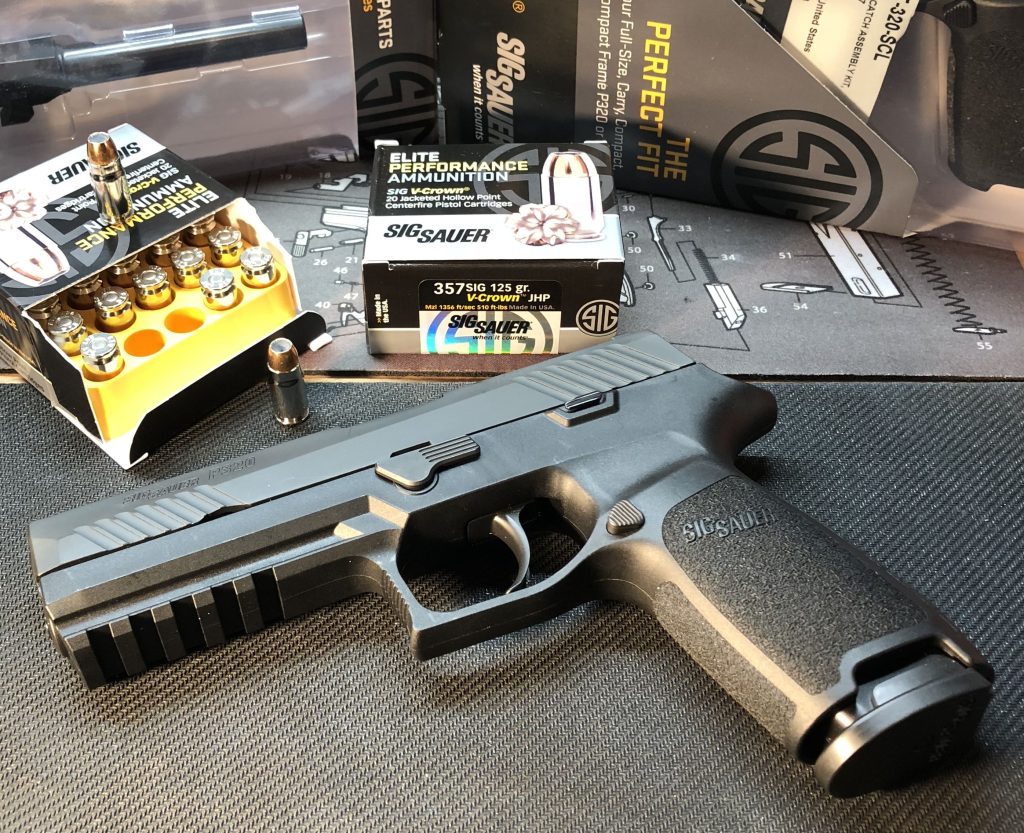
9. SIG Sauer P320
The P320 belongs in this list because it reflects the end state of the transition. A modular, striker-fired, high-capacity 9mm service pistol is no longer a radical idea; it is the accepted center of the handgun market. The P320 did not invent that formula, but its success showed how thoroughly the industry had absorbed it. By this point, the arguments had shifted away from whether a service pistol should be a double-stack 9mm. The remaining debates concerned modularity, trigger systems, controls, and configuration options. That is what mainstream victory looks like for a design concept.
The path to the modern service pistol was not a straight line. It ran from steel-framed pioneers like the Hi-Power and CZ 75 to institutional workhorses like the Beretta 92 and P226, and then into the polymer era defined by the Glock 17 and the many pistols that followed its lead. Seen together, these nine handguns chart the moment when extra rounds stopped being a specialty feature and became an expectation. High-capacity 9mm did not simply arrive; it was normalized, one influential pistol at a time.


