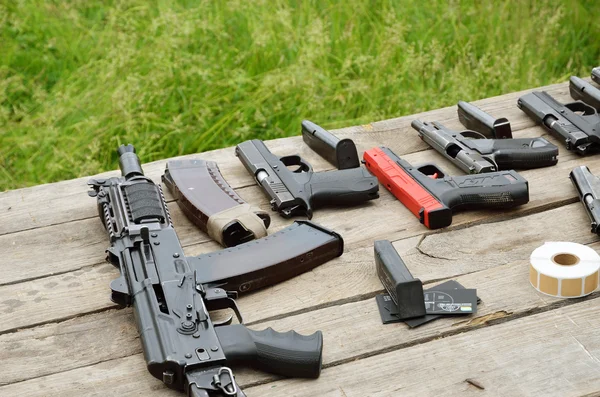
A firearm does not earn trust by looking good in a catalog or carrying a familiar brand on the receiver. It earns trust when the trigger, action, sights, and materials all hold up under real use. That gap between promise and performance explains why certain models keep showing up in regret stories. Some were built around clever ideas that never quite worked in practice. Others chased a low price, light weight, or unusual feature set and gave up too much in reliability, handling, or durability along the way.
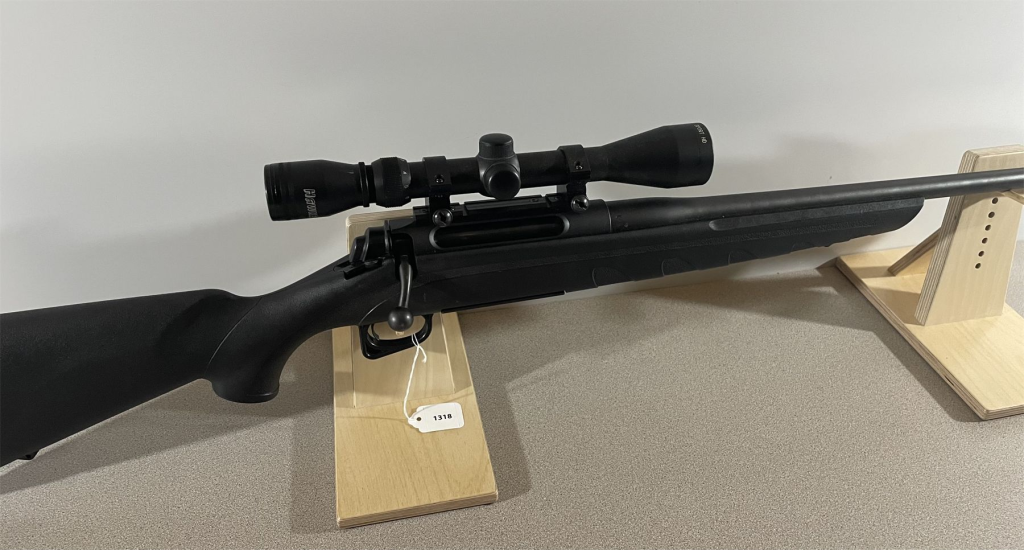
1. Remington 770
The Remington 770 tried to occupy the budget bolt-action slot, but owners often found that low cost came with too many compromises. Complaints centered on a rough, binding bolt stroke, a flimsy stock, and magazine hardware that could become a problem under recoil. A hunting rifle does not need luxury-grade fit, but it does need dependable feeding, consistent lockup, and enough rigidity to support real-world accuracy. The bigger lesson was quality control. The reference material on firearm defects notes there is no independent premarket testing of guns for safety purposes, which helps explain how poorly sorted designs can still reach buyers. In this class, competing rifles earned stronger reputations with fewer headaches.
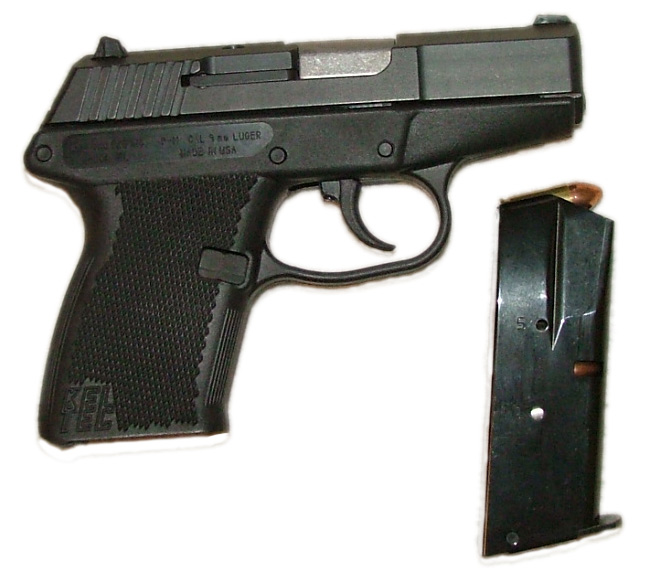
2. KelTec P11
The P11 appealed to buyers who wanted a compact 9mm that was easy to conceal and inexpensive to own. What many got instead was a pistol that asked too much of the trigger finger and gave too little back in control. Its long, heavy pull made clean hits harder than they needed to be, especially in a small handgun already working against recoil and grip comfort. That pattern matches a broader problem in ultra-compact pistols. As the reference coverage on carry handguns points out, very small autos often operate with tight timing windows, leaving less margin for ammo variation, spring wear, and shooter technique.
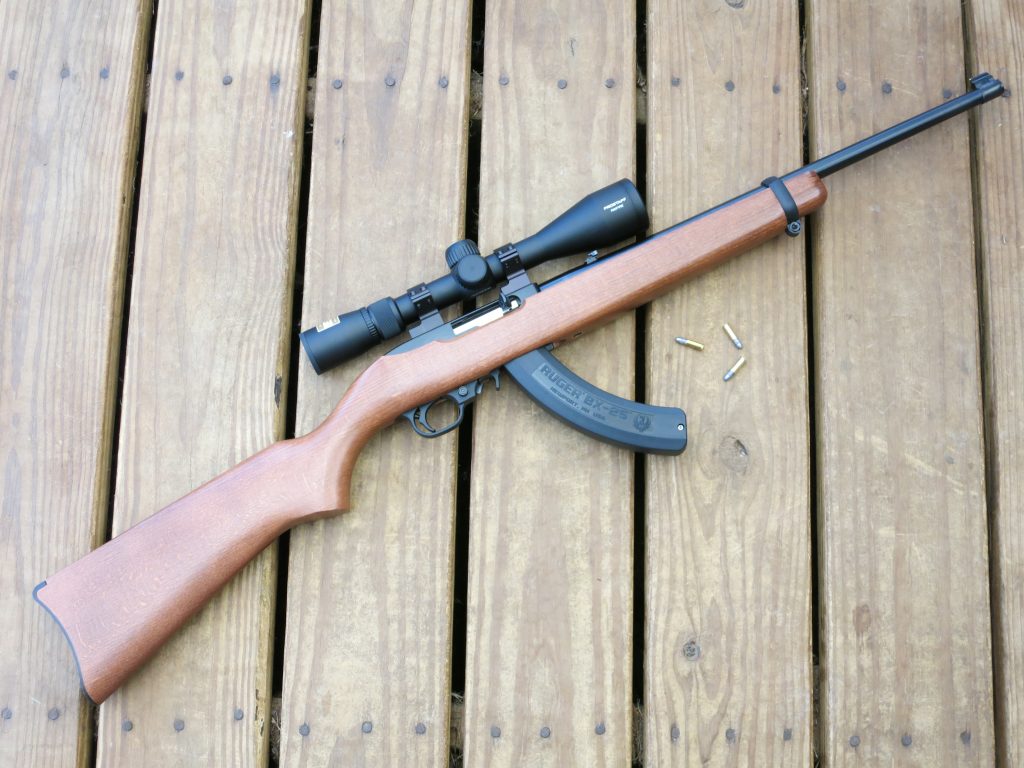
3. Mossberg Blaze
The Blaze looked attractive on paper because it was extremely light and chambered in affordable .22 LR. For casual plinking, that seems like a safe formula. The trouble was that many shooters came away with the impression of a rifle built too far around low weight and low cost, with plastic-heavy construction, mediocre sights, and uneven feeding. A rimfire rifle can be simple without feeling disposable. The Blaze often landed on the wrong side of that line, which made it hard to view as a serious training rifle or a long-term range companion.
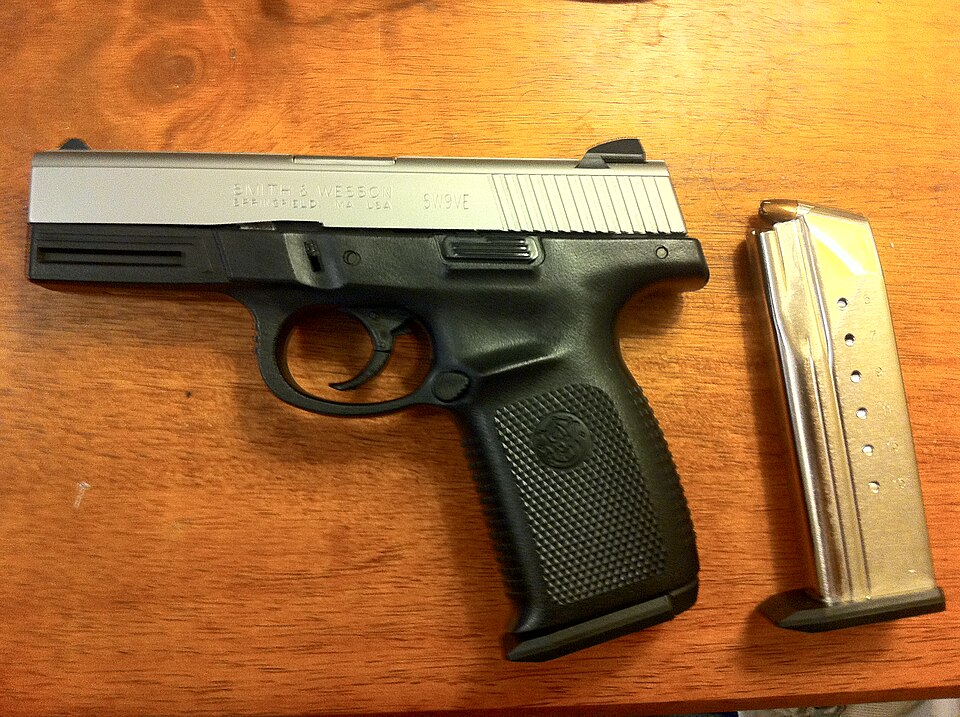
4. Smith & Wesson Sigma 9VE
The Sigma 9VE had the outline of a practical striker-fired service pistol, but its trigger became the defining issue. Shooters routinely described it as heavy, gritty, and slow to reset, turning fast follow-up shots into work. A defensive-style handgun lives or dies on shootability, and a bad trigger can undermine the rest of the package. The reference material on troubled pistols shows the Sigma family also developed a reputation for misfires and feeding problems in early examples. Even when later production improved, the model never fully escaped that first impression.
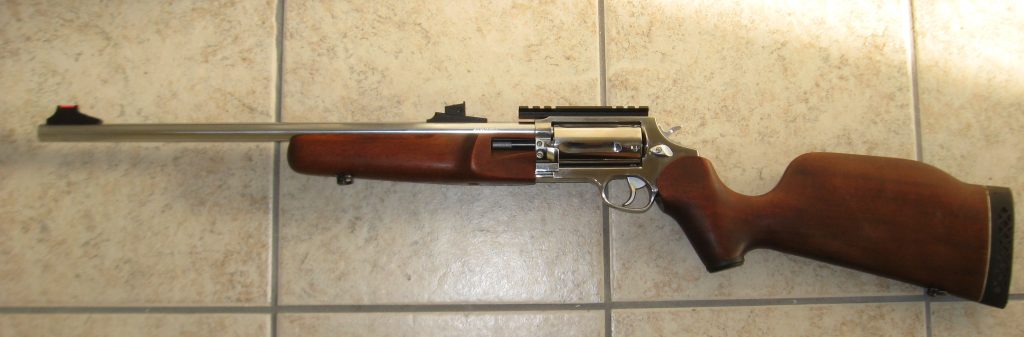
5. Rossi Circuit Judge
The Circuit Judge sold versatility: revolver operation in a rifle format, with the ability to fire both .45 Colt and .410 shotshells. That kind of cross-purpose concept gets attention fast. It also tends to create tradeoffs that become obvious once the novelty wears off. Owners found the platform awkward, only modestly accurate with bullets, and unimpressive with shotshells. The cylinder gap blast was another issue that pushed this design away from practical field use and toward curiosity-piece status.
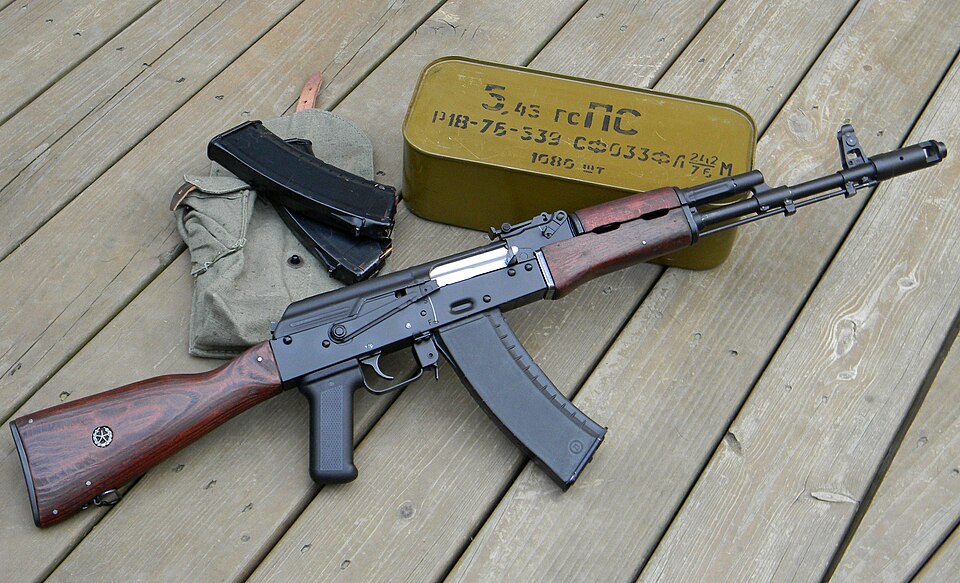
6. Century Arms C39v2
The C39v2 entered a crowded AK market with a milled receiver and domestic production, which should have been a strong selling point. Some shooters liked the trigger and magazine compatibility, but others reported inconsistent accuracy and premature wear in key components. That is a serious problem in a platform valued as much for hard-use durability as for accuracy. AK buyers usually accept weight or rough finish if the rifle runs for a long time. When durability becomes uncertain, the whole reason for choosing that pattern starts to weaken.
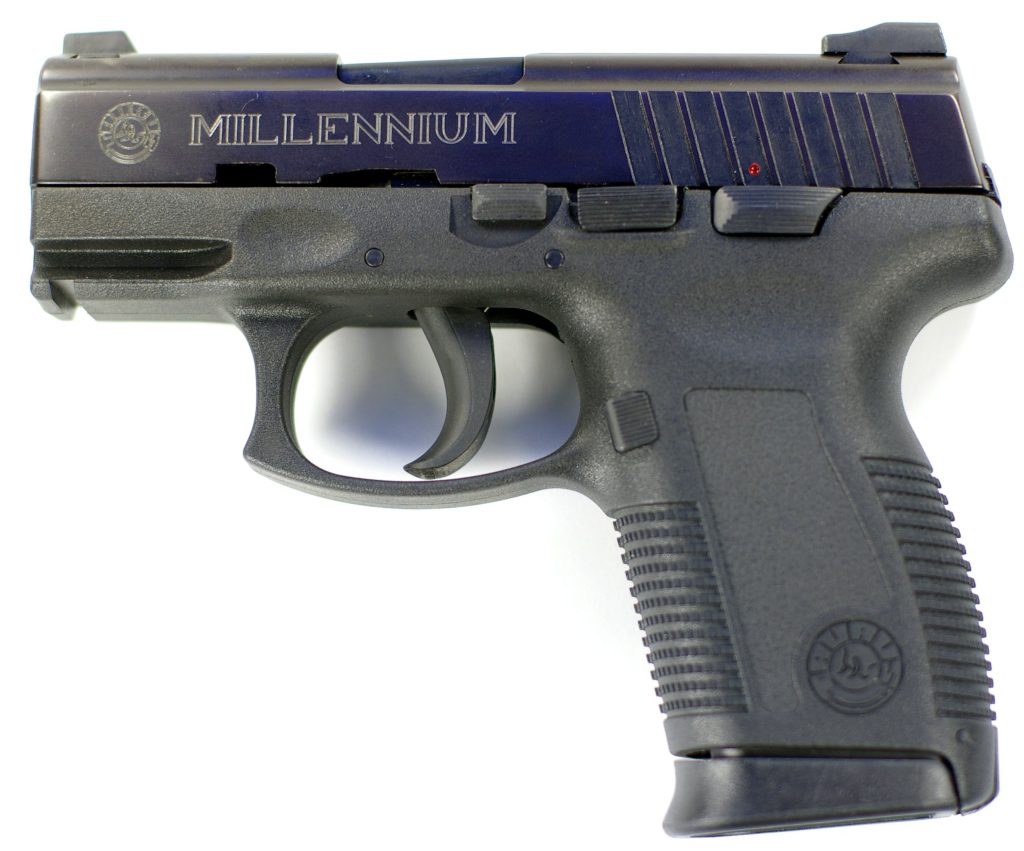
7. Taurus PT145 Millennium Pro
On paper, the PT145 Millennium Pro offered a lot: .45 ACP power in a small, easy-to-carry frame. In use, many shooters ran into the same familiar compromises that trouble compact defensive pistols when they are pushed too far. Recoil was snappy, the grip was short, and the trigger behavior did not inspire much confidence. Reports of feeding issues and failures to lock back mattered even more because this was marketed as a serious carry-sized handgun. Trust fades quickly when a pistol feels demanding in the hand and inconsistent in the cycle.
8. ATI Omni Hybrid AR
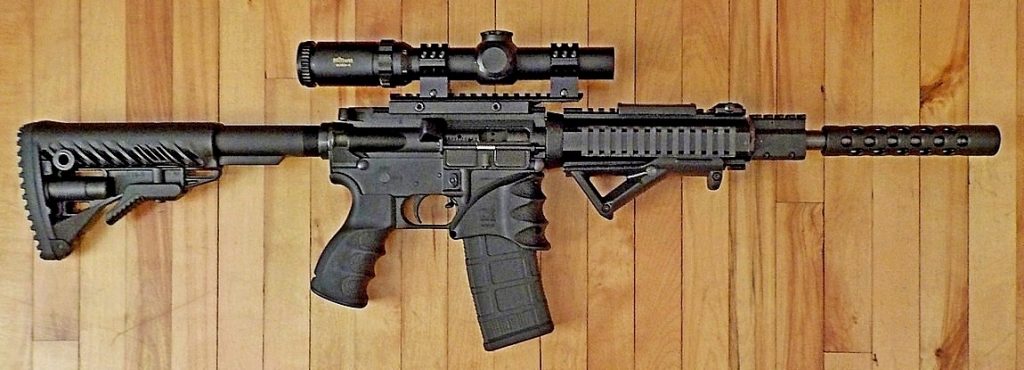
The Omni Hybrid AR leaned hard into polymer construction to cut weight, but the execution raised concerns that went beyond personal taste. Shooters described flex around the buffer tube area, soft controls, and inconsistent accuracy. In an AR-pattern rifle, rigidity is not just a cosmetic trait; it affects longevity, feel, and confidence in the system.
Debates over polymer longevity continue, but even favorable views usually acknowledge material tradeoffs. One technical discussion cited firearm polymers as commonly being based on Nylon 6 with reinforcing additives, yet shooters still remain cautious when polymer replaces structural parts traditionally made from aluminum or steel.
9. Chiappa M1-22
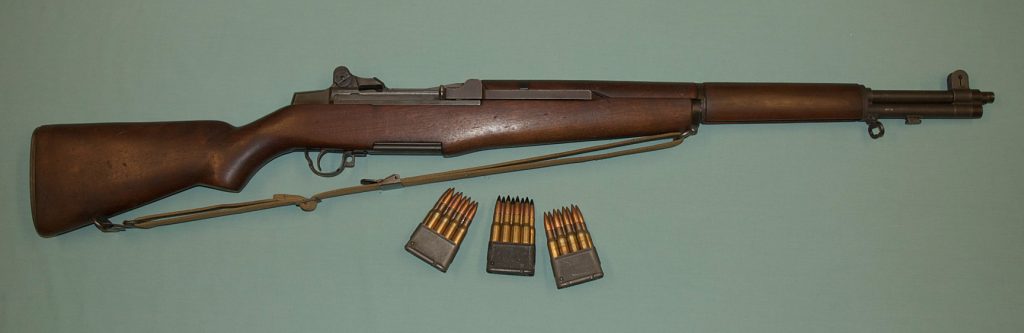
The M1-22 had an easy hook: classic M1 Carbine looks in a rimfire trainer. That styling gave it instant appeal with buyers who wanted nostalgia without centerfire cost. The problem was that appearance could not offset recurring feeding failures and sluggish cycling. Magazine weakness only made matters worse. A .22 rifle can forgive a lot, but it cannot keep interrupting a magazine string and still feel worthwhile as a trainer or plinker.
The models on this list missed in different ways, but the pattern is consistent. Buyer’s remorse usually shows up when a firearm asks the owner to excuse too much: a bad trigger, poor reliability, weak materials, awkward handling, or a concept that worked better in theory than on the range. That is why experienced shooters tend to value boring strengths over flashy ideas. When a gun runs cleanly, points naturally, and keeps doing both over time, regret rarely enters the conversation.


