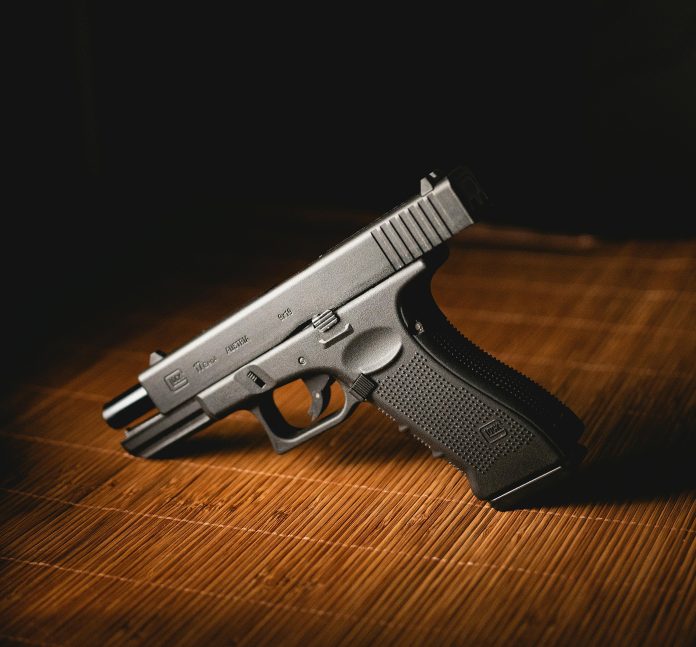
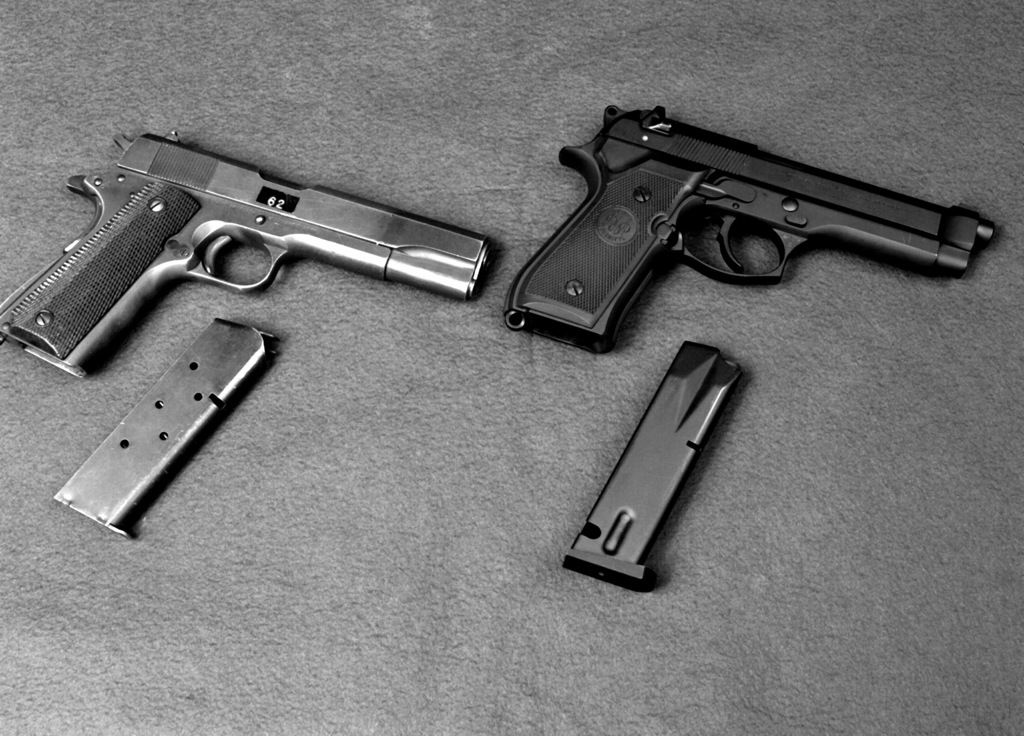
The 1911-versus-polymer debate stays alive for a simple reason: both platforms solve different problems well. One leans on a century-old formula of steel, a single-action trigger, and slim lines. The other reflects decades of service-pistol evolution centered on lighter weight, higher capacity, and fewer external controls.
For daily carry, the real dividing line is not old versus new. It is which compromises show up after hours on the belt, during inconsistent practice, and when weather or maintenance starts working against the gun.
1. Weight changes whether the pistol gets carried
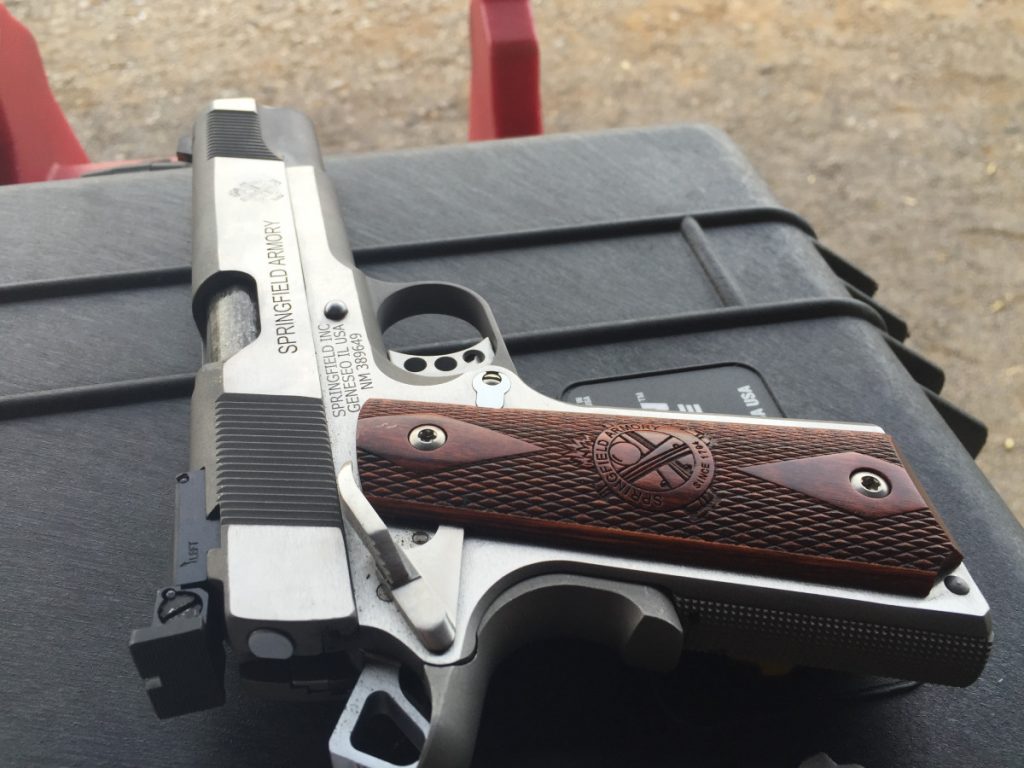
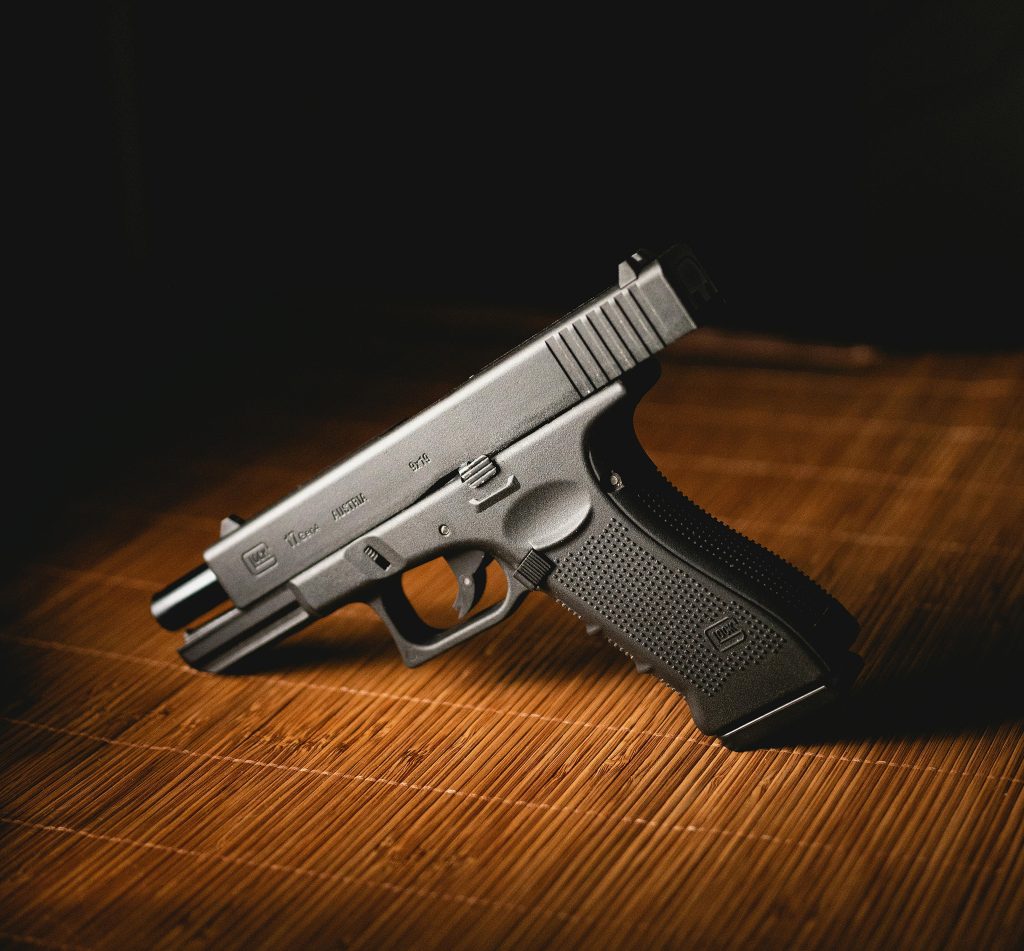
A steel 1911 commonly lands in the 35-to-40-ounce range unloaded, and that mass does two different jobs at once. It helps settle the gun in the hand and softens recoil, but it also changes belt choice, holster comfort, and how tolerable the gun feels by the end of the day. Polymer carry pistols cut that burden sharply, with the Glock 17 weighing 24.87 ounces unloaded. That gap is not academic. A heavier pistol often rewards committed carriers, while a lighter one is more likely to stay on the body instead of being left behind.
2. Trigger design teaches different habits
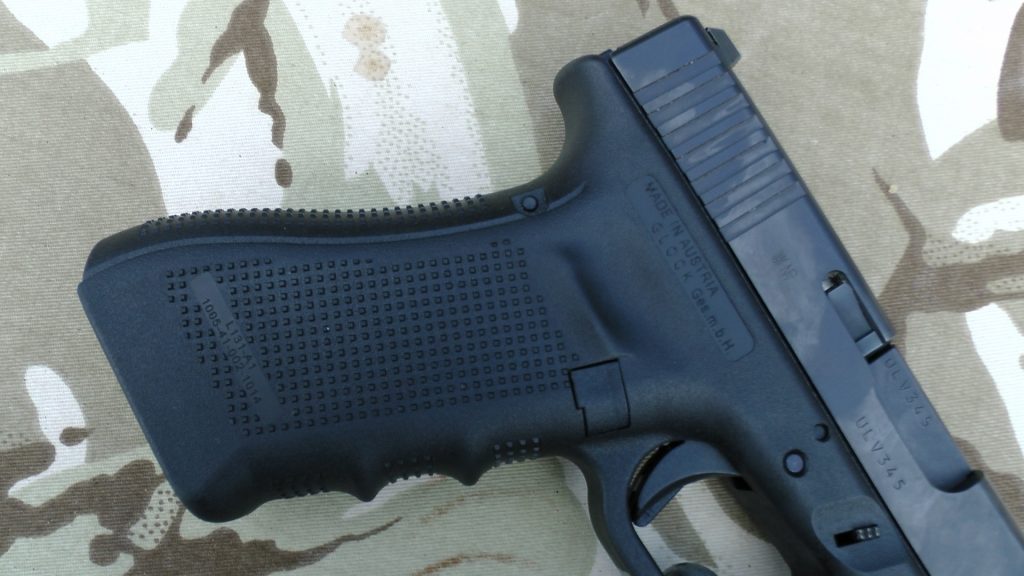
The 1911’s trigger remains the benchmark for a short, crisp break. It can make deliberate shooting feel almost effortless, especially when accuracy at distance matters. That same clean break also exposes sloppy finger placement and weak trigger discipline immediately. Striker-fired guns give up some refinement, but they answer with consistency. The pull tends to feel more uniform from the first shot to the last, which helps shooters who want repeatable handling without mastering a more specialized trigger system.
3. Capacity comes with a concealment penalty
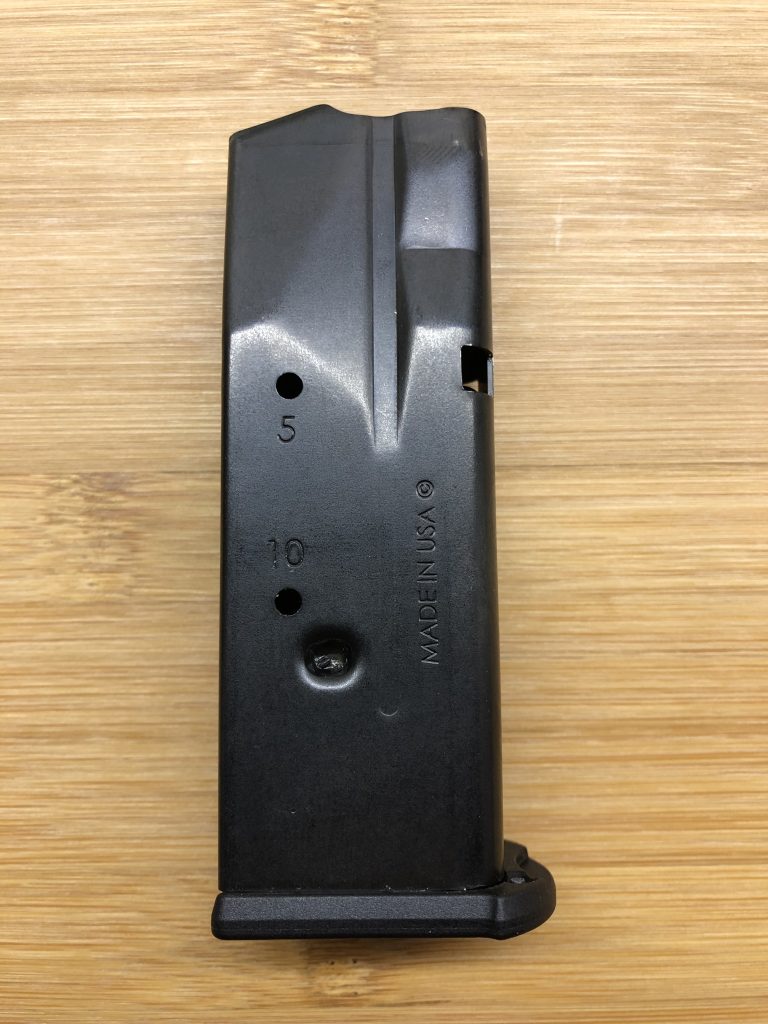
Traditional 1911 magazines usually hold 7 or 8 rounds in .45 ACP, and even many 9mm versions do not approach the capacity of a modern double-stack. Polymer pistols routinely deliver 15 to 18 rounds in service-size form, a shift that began decades ago with designs like the VP70 introduced in 1970 with an 18-round magazine. The trade-off is grip bulk. A 1911 stays slim and easy to hide across the waistline, while a higher-capacity polymer gun usually asks the carrier to conceal a thicker frame and fuller grip.
4. Neglected maintenance hurts one platform faster
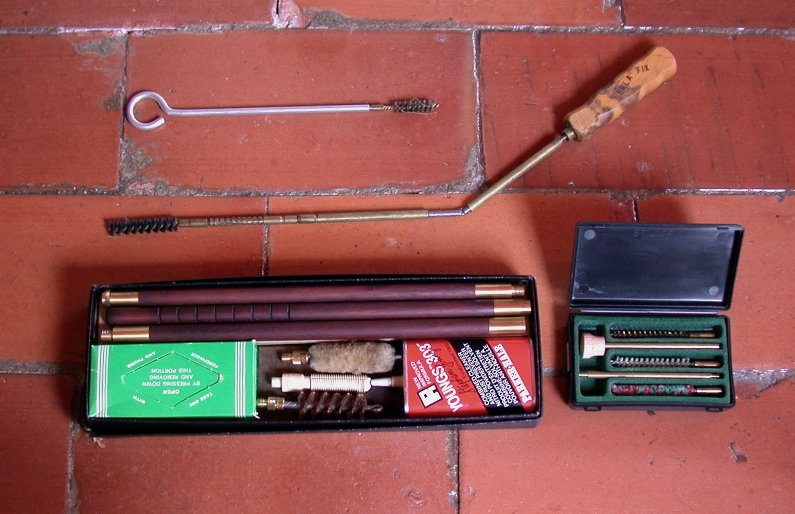
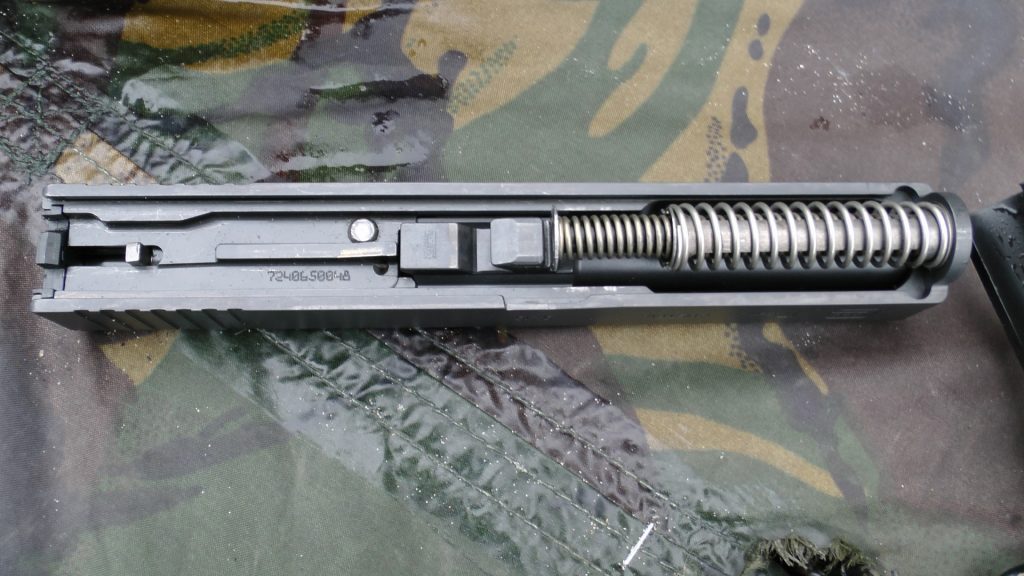
A good 1911 can run exceptionally well, but it usually asks for proper lubrication, decent magazines, and closer attention to cleanliness. Tight fitment, one of the traits that makes some examples feel so refined, can also reduce tolerance for dirt or dry rails. Polymer service pistols built around broader operating margins have long built their reputation on the opposite behavior, including reports of nearly 10,000 rounds without cleaning before noticeable sluggishness appeared in a Glock 17. That kind of endurance is one reason many shooters treat polymer pistols as lower-maintenance tools rather than machines that demand routine rituals. The distinction is less about mythology than about how much attention the owner is realistically willing to give the gun.
5. Sweat and humidity punish steel differently
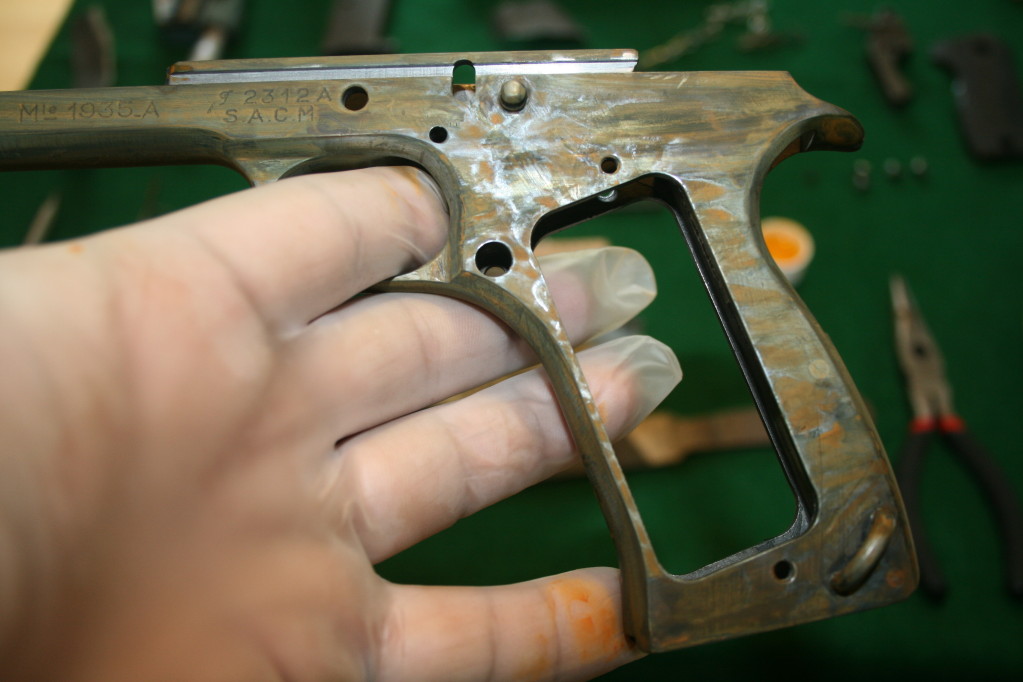
Daily carry creates a harsh environment. Sweat gets into screws, under grip panels, and around small parts. Carbon steel can rust quickly if care slips, and even stainless steel is not immune. Polymer removes one major vulnerability because the frame itself does not corrode. Metal parts still matter, which is why surface treatment counts; Glock’s protective finish is commonly described as ferritic nitrocarburizing, intended to improve corrosion resistance on the slide and other steel components.
6. Tight tolerances can become a field tax
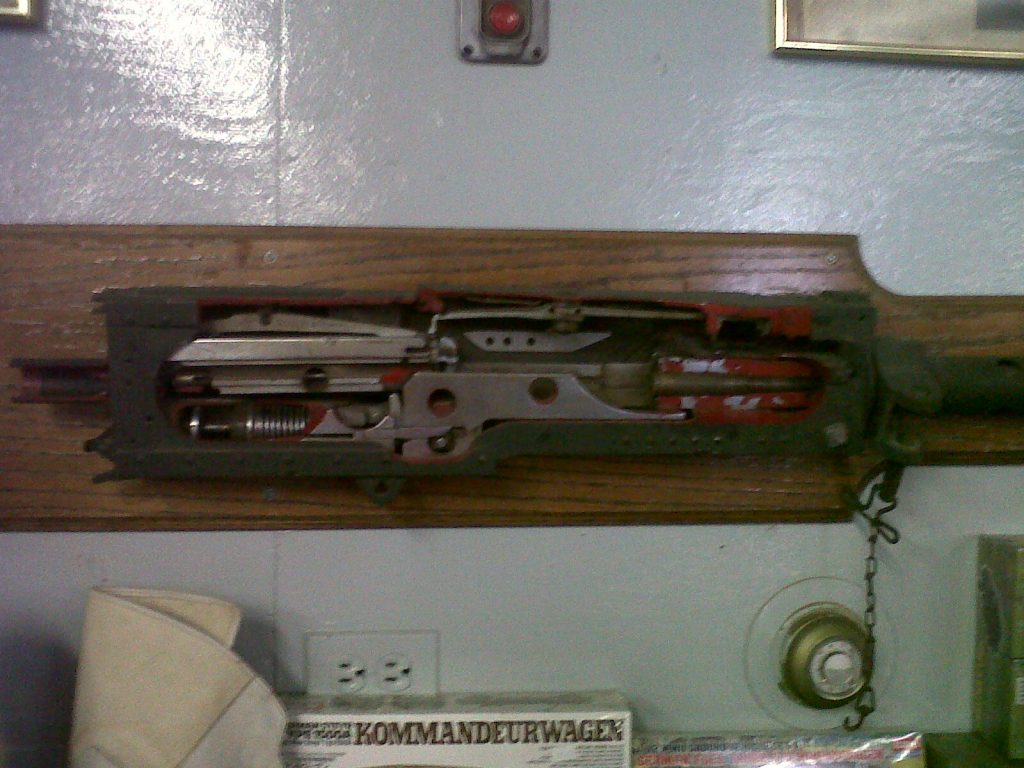
The 1911 often feels precise because many examples are fitted closely, with little wasted movement in the action. On a clean range, that can translate into a smooth, almost mechanical elegance. In mud, cold, grit, or congealed lubricant, the same formula can become less forgiving. Polymer duty pistols generally accept more contamination before they start slowing down. That difference helps explain why many outdoors, foul-weather, and hard-use shooters favor designs with looser operating margins and fewer demands for perfect conditions.
7. Recoil feel is not the same as recoil energy
Steel-frame pistols tend to feel planted. Their extra mass resists movement and can make follow-up shots feel flatter, especially in full-size guns. Competitive shooters often describe heavier guns as more forgiving because they mask small flaws in grip and recoil control. Polymer frames respond differently. Some flex slightly under recoil, creating a longer, sharper impulse that many shooters notice once they spend time with both materials. The gun may be easier to carry, but it often asks the shooter for cleaner technique.
8. Manual safeties demand repetition, not admiration
A 1911 carried in condition one depends on a thumb safety and grip safety working with a practiced drawstroke. In trained hands, that system can be very fast and very secure. It also places a premium on repetition, because every presentation depends on deliberate manipulation under stress. Most striker-fired polymer pistols reduce the process to internal safeties and a consistent trigger press. That simplified control layout removes steps, but it shifts even more responsibility to holster quality and disciplined trigger contact.
9. The platform choice reflects training style as much as taste
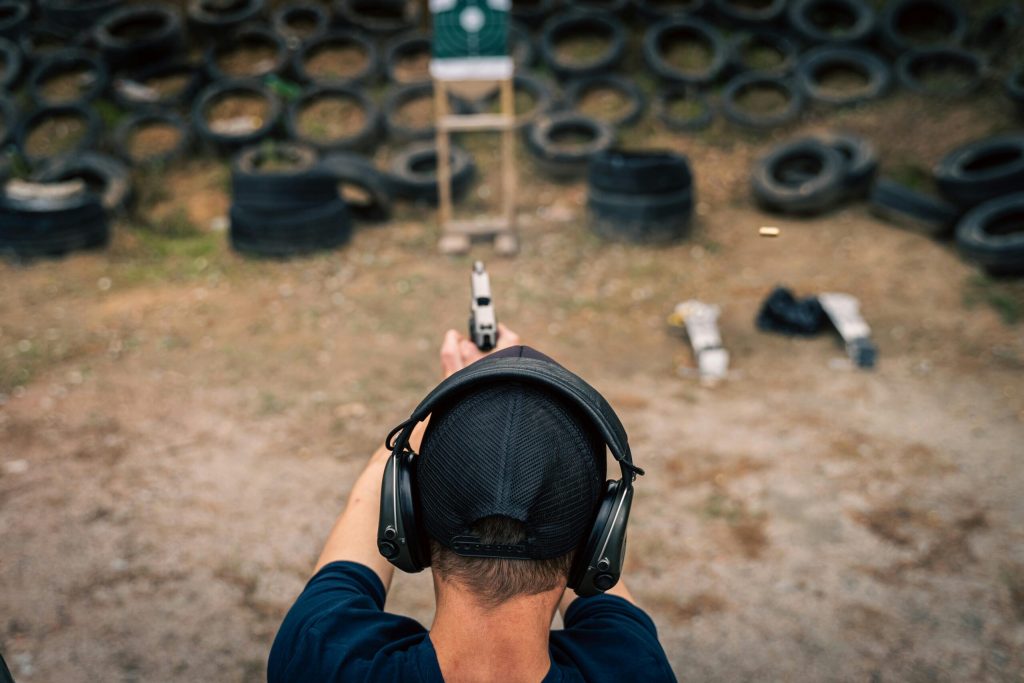
The 1911 often rewards shooters who enjoy refinement, maintenance, and mastering a more demanding manual of arms. Its trigger, slim profile, and natural pointing characteristics still keep it relevant. Polymer pistols speak to a different priority set: easier carry, broader reliability margins, and simpler operation. That is why the argument rarely ends. The choice is not really about nostalgia or modernity; it is about whether the carrier wants a pistol that rewards attention or one that asks for less of it day to day.
In practice, both designs remain effective because each solves a different set of carry problems. The better fit is usually the one aligned with real habits: how often the pistol gets worn, how much training time is available, and how much maintenance discipline the owner actually keeps. Once the comparison is framed that way, the debate stops sounding tribal and starts looking mechanical. One gun offers precision, feel, and slim steel confidence. The other offers lighter carry, more ammunition on board, and a wider margin when conditions get messy.


