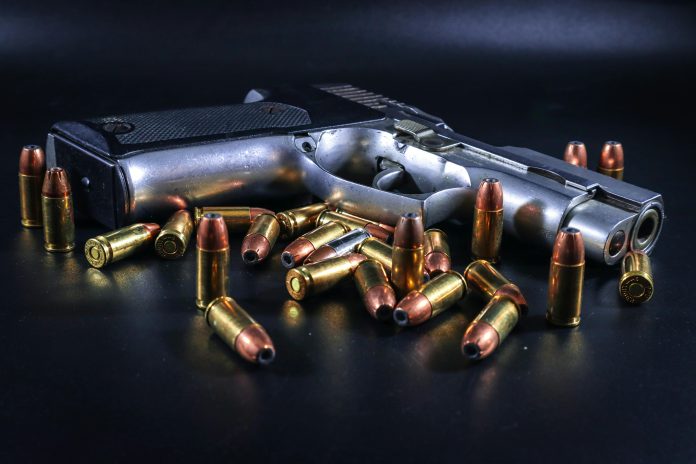
Handgun caliber arguments tend to get loud long before they get precise. Once testing moves past folklore and into gel, short barrels, clothing barriers, recoil control, and ignition reliability, a clearer pattern appears: some handgun rounds ask the shooter to accept a very small performance cushion. That does not make these cartridges useless. It does mean they come with tradeoffs that matter more in compact defensive handguns than many caliber debates admit.
1. .22 Long Rifle
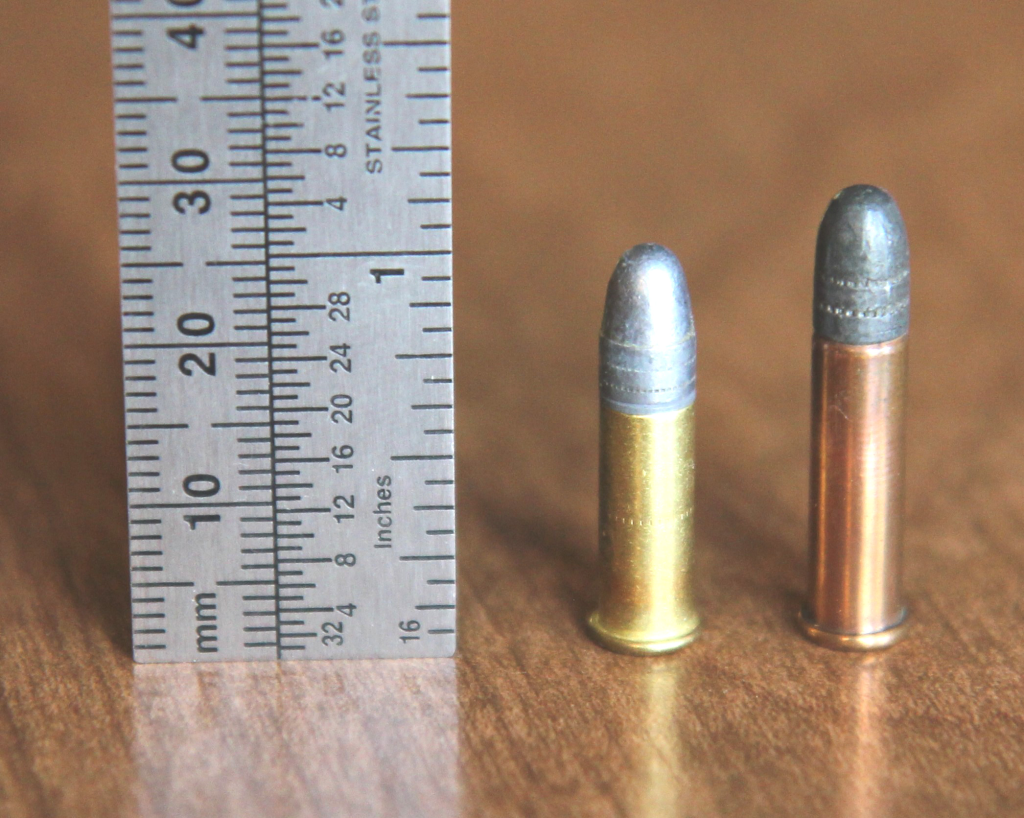
.22 LR remains one of the most common handgun chamberings because recoil is mild and pistols can be extremely compact. The problem is that the cartridge starts with two built-in disadvantages for defensive use: low bullet weight and rimfire ignition. In pocket-size handguns, velocity drops further, and the round often struggles to meet the FBI’s 12- to 18-inch penetration standard. Expansion is rare from very short barrels, and when expansion does occur, penetration usually gets worse. The result is a cartridge with little room for imperfect shot angle, heavy clothing, or mechanical inconsistency.
2. .25 ACP
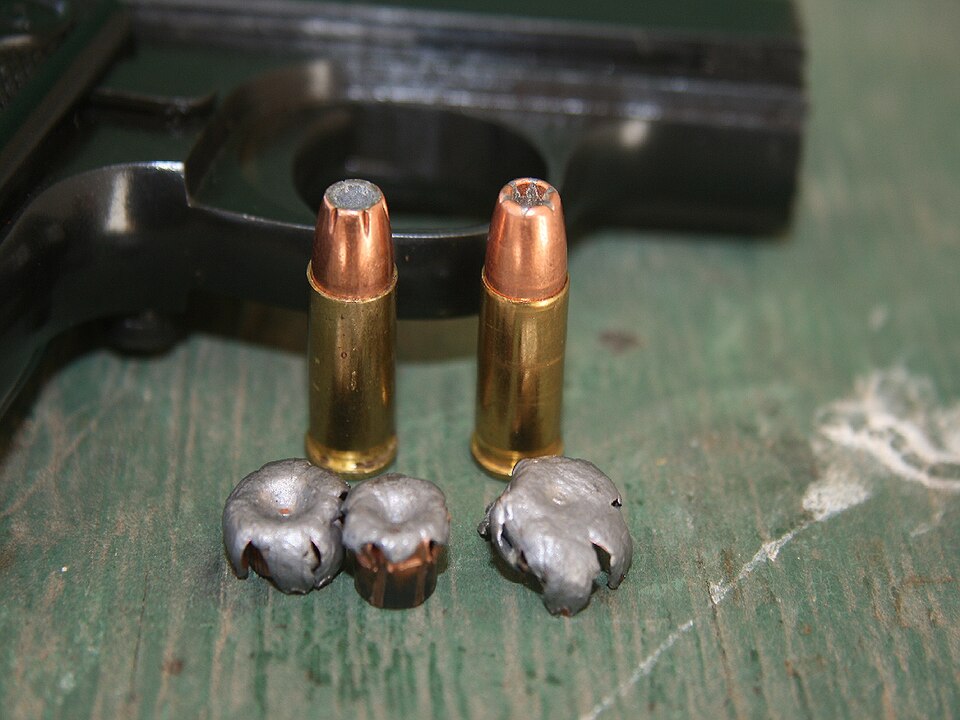
.25 ACP was designed to improve on tiny rimfire pocket pistols by using centerfire ignition, and that remains its main technical advantage. Balletically, the gains are modest. Testing repeatedly shows that .25 ACP has trouble reaching meaningful penetration depth, even with full metal jacket loads. That leaves the cartridge dependent on ideal circumstances rather than reserve performance. In modern terms, it survives more as a legacy deep-concealment round than as a strong answer to current defensive standards.
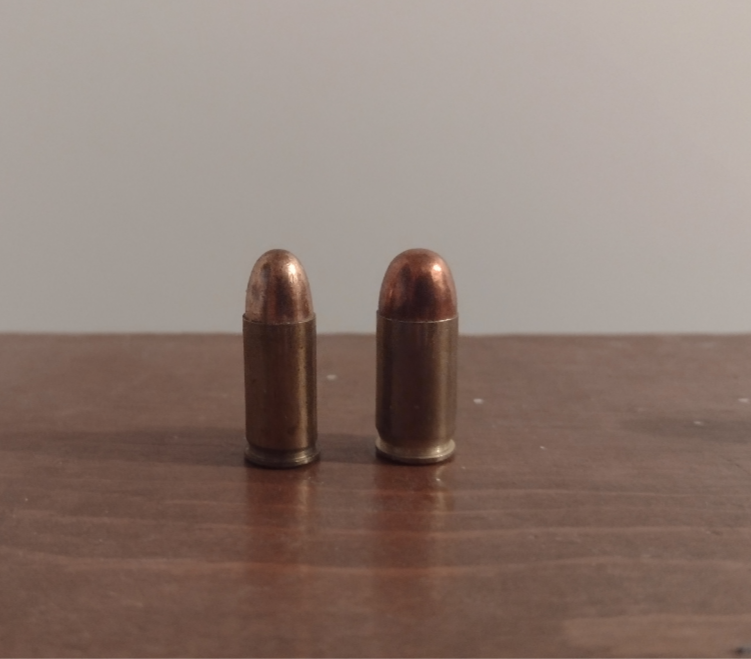
3. .32 ACP
.32 ACP sits in an awkward middle ground. It can sometimes reach acceptable depth, but often only when loaded with FMJ rather than modern expanding bullets. That trade gives it penetration at the cost of a larger wound channel, which is a familiar compromise in older pocket calibers. The cartridge also remains tied to small pistols with abbreviated sights, limited handling, and reduced ballistic headroom. For shooters relying on compact carry guns, .32 ACP is often a case study in how a cartridge can be workable without being forgiving.
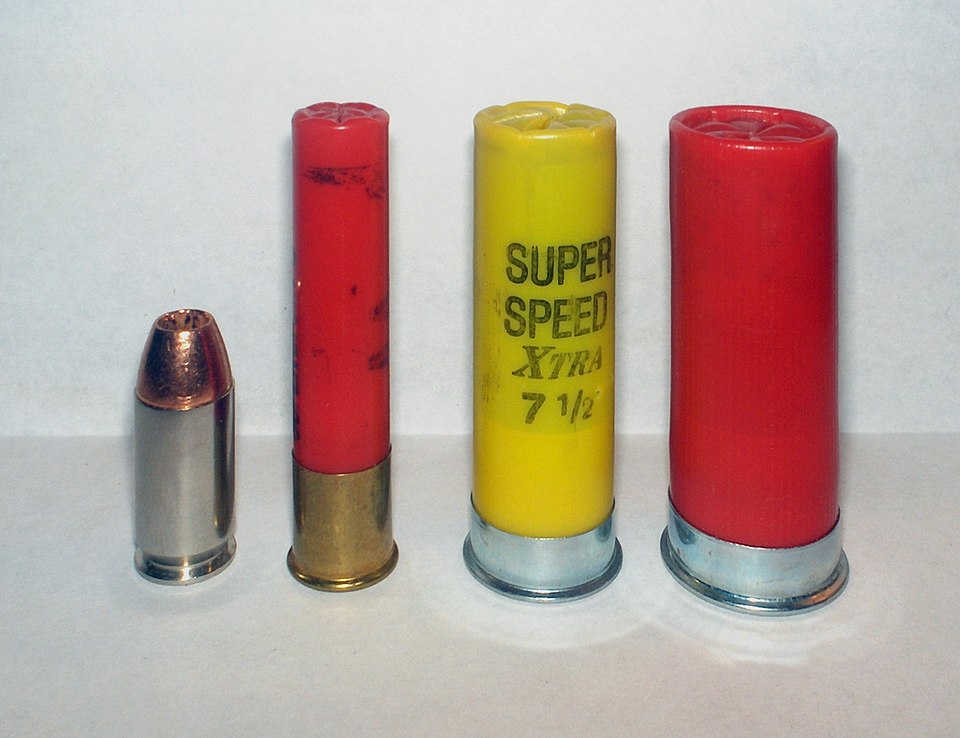
4. .410 Bore From Handguns
.410 shotshell revolvers look persuasive on first impression. The bore is large, the payload is unconventional, and the promise of spread suggests easier hits. From handgun-length barrels, that promise gets cut down by physics. Birdshot loads are shallow penetrators, and even buckshot loads can lose effectiveness once barriers enter the test sequence. The cartridge’s real limitation is not drama at the muzzle but the difficulty of getting enough straight-line depth from pellets launched out of a short revolver barrel.
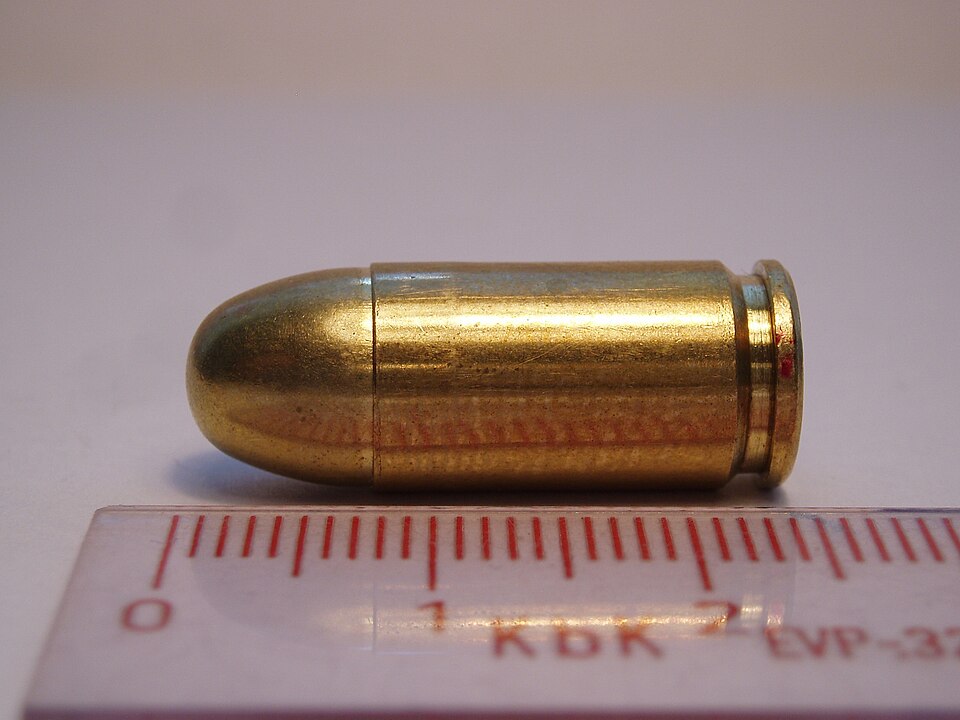
5. .380 ACP With Poor Load Selection
.380 ACP is not automatically a weak choice, but it is one of the most load-sensitive carry calibers in widespread use. Fast, lightweight hollow points can expand well and still stop short of adequate depth, especially from very small pistols. That is why the caliber often performs acceptably only when paired with carefully chosen ammunition and a platform that preserves enough velocity to do useful work. In other words, .380 ACP can clear the bar, but it does not tolerate careless ammo selection.
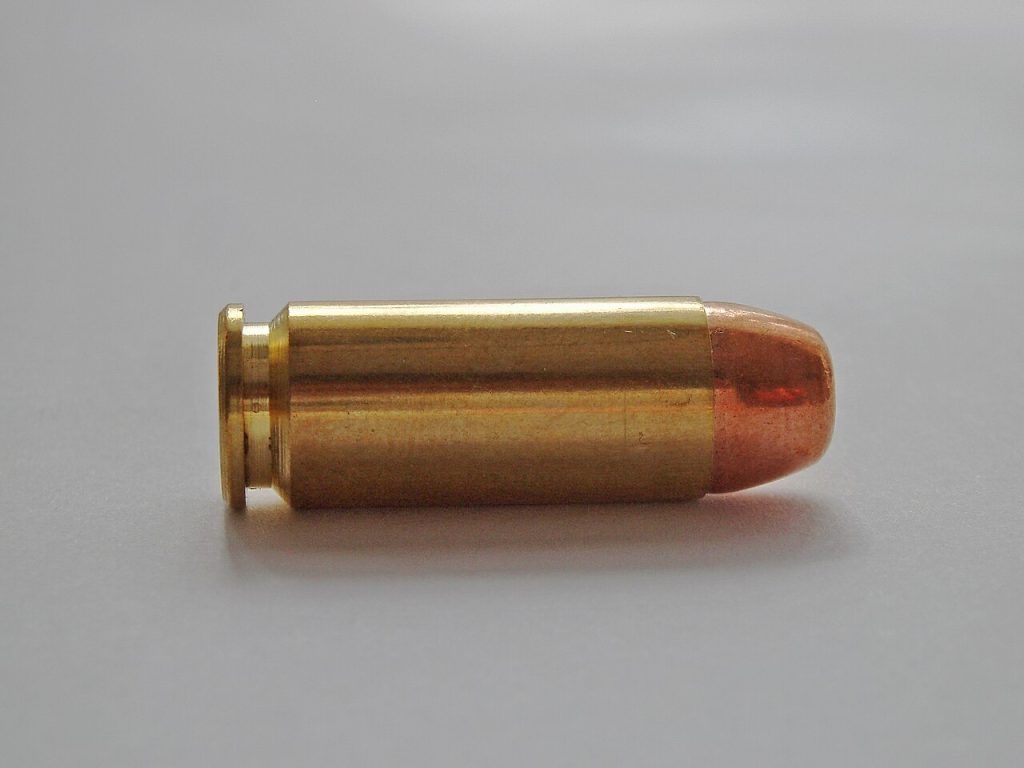
6. 10mm Auto
10mm Auto lands on this list for the opposite reason as the pocket calibers. It brings substantial power, but that power creates a control problem for many shooters. Recoil, muzzle blast, and the potential for deeper-than-desired penetration can all work against fast, accurate follow-up shots. Modern defensive handgun research has pushed the conversation away from “more energy always wins” and toward hit quality, controllability, and bullet construction. A hard-hitting cartridge still becomes a liability when it slows recovery between shots or encourages a shooter to carry a larger pistol less consistently.
7. .38 Special From Ultra-Short Barrels
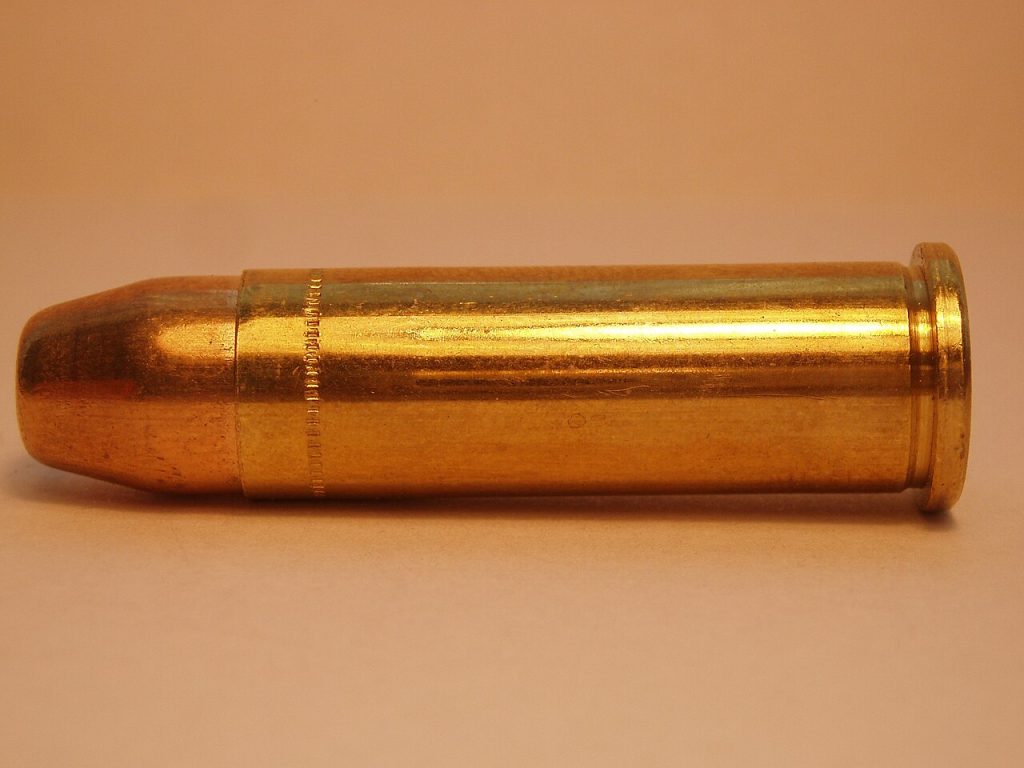
.38 Special has a long defensive history, but barrel length changes the equation. In snub-nose revolvers, velocity loss can be severe enough to reduce hollow-point expansion and narrow the cartridge’s margin for acceptable penetration. Standard-pressure loads often fare worse, while +P loads may recover some performance at the cost of sharper recoil in lightweight revolvers. The cartridge itself is not outdated; the problem is how much performance a two-inch-class barrel can strip away from it.
8. .44 Magnum
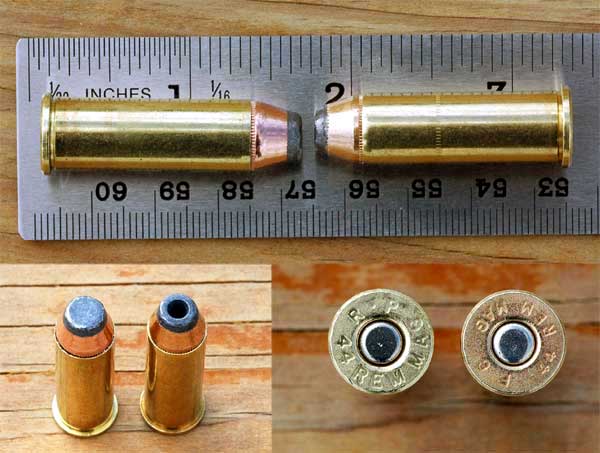
.44 Magnum offers a very different kind of compromise. It has power to spare, but handguns are not rifles, and excessive recoil in a large-frame revolver can lengthen split times and reduce practical accuracy. Overpenetration also becomes a larger concern when a cartridge built with hunting-level authority is used in defensive settings. This is where the broader handgun lesson comes back into focus: more force is not the same thing as more useful performance. When the round outruns the platform and the shooter, the extra power stops being free. The larger takeaway is not that a headstamp alone determines success.
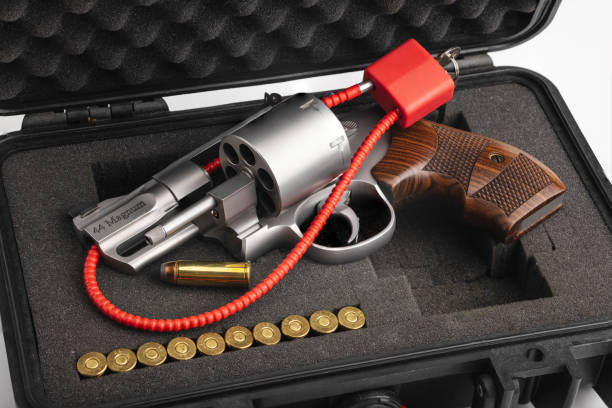
Across handgun research, the same principles keep resurfacing: penetration matters first, expansion comes after that, and controllability often decides whether a cartridge’s paper advantages survive real-world use. That is why many long-running caliber arguments now sound smaller than they used to. As retired FBI firearms veteran Bill Vanderpool put it, “It was more a matter of bullet construction than caliber.” The rounds on this list are the ones that either start with too little ballistic reserve, lose too much from short barrels, or ask for more recoil management than most everyday carriers can afford.


