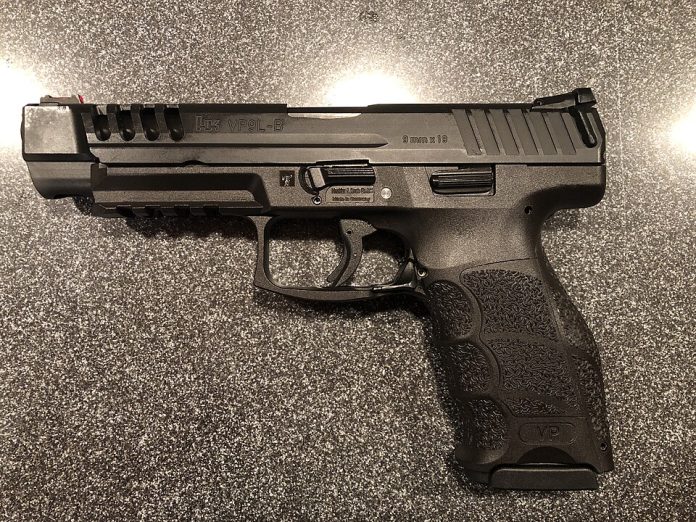
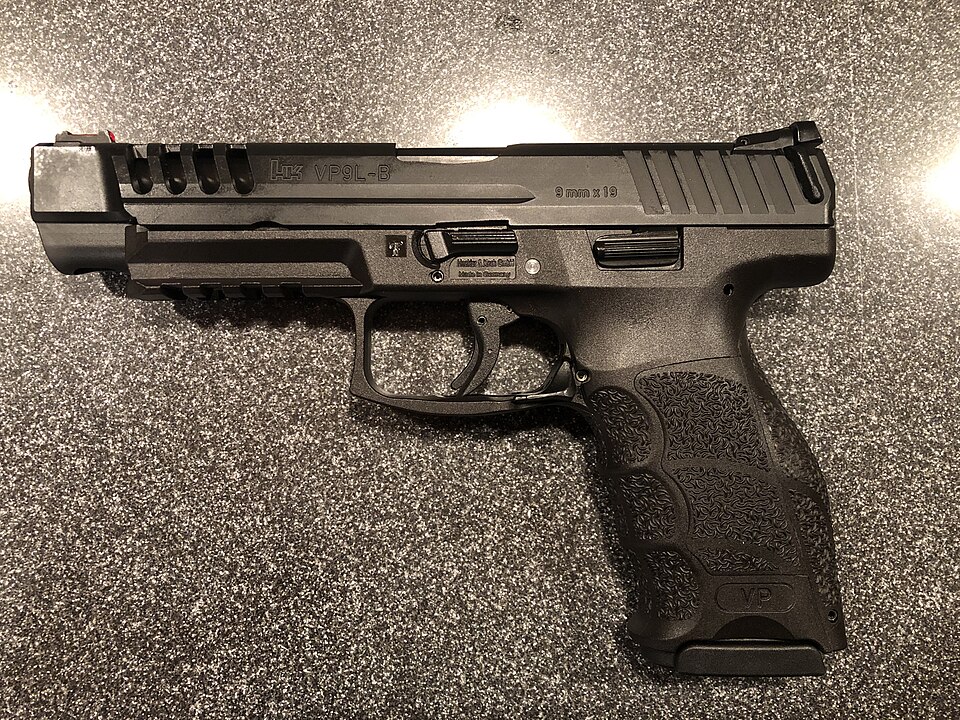
Striker-fired pistols dominate modern handgun conversations, but the trigger is still where the terminology gets sloppy. One group treats striker systems as inherently inferior, another treats them as the default answer, and both often collapse different mechanical designs into one catchall label. The better way to read a pistol trigger is to separate ignition type from trigger behavior. That makes it easier to see why take-up, wall, break, reset, and safety handling can vary so widely even when two pistols are both called striker-fired.
1. Striker-fired does not mean a totally new ignition system
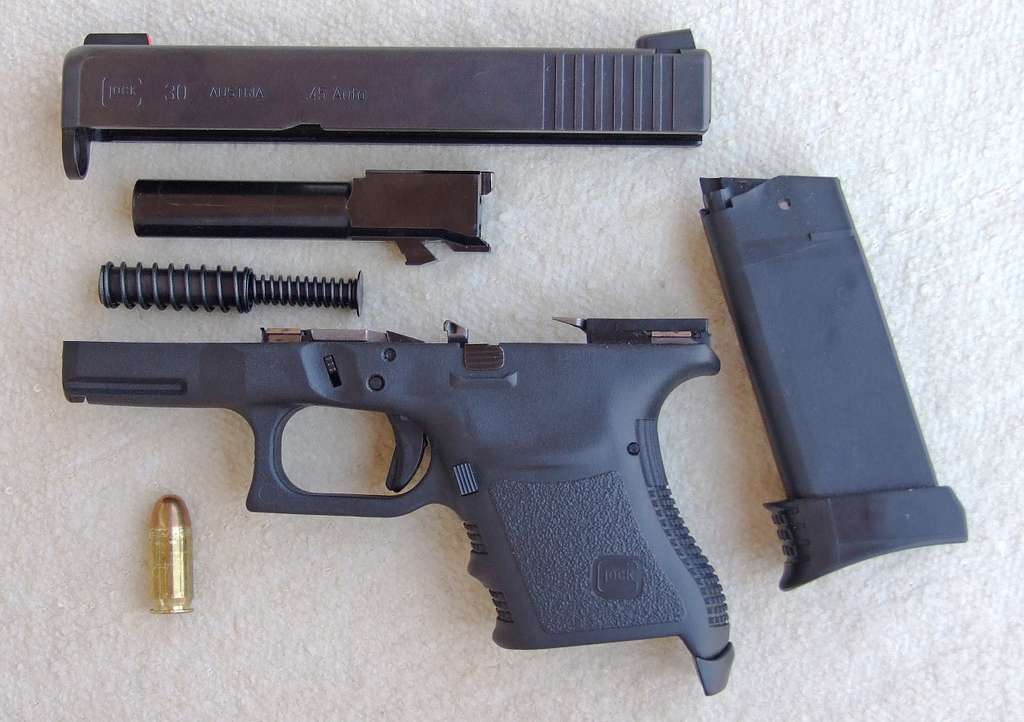
Many shooters still use “hammerless” as if it describes a completely different class of handgun. What it really describes is the absence of an external hammer. A striker-fired pistol uses an internal striker to ignite the primer, but that does not automatically make the design simpler, safer, or more advanced than a hammer-fired gun. That distinction matters because striker systems are not a recent invention dressed up as a modern breakthrough. The format became mainstream after the Glock 17 popularized striker-fired service pistols, but the mechanism itself predates the polymer-pistol era by decades.
2. “Mushy” is a feel description, not a technical verdict
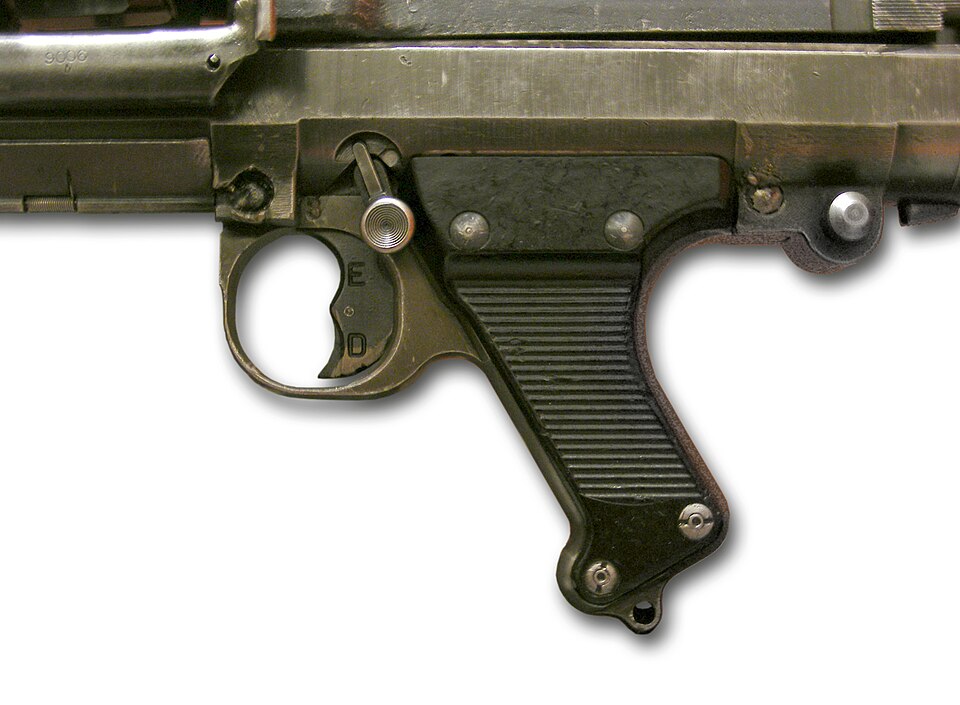
Few trigger complaints get repeated more often than “mushy,” and few mean less without context. Shooters usually use the word to describe long take-up, a rolling press, or a wall that feels less defined than a crisp single-action break. There is a real mechanical reason the complaint appears so often. In many striker-fired designs, part of the trigger stroke is still doing work against spring tension before release. As one experienced poster put it, “For me, all striker fired guns have a mushy trigger. Its the act of compressing the striker spring.” That observation describes one possible cause, but it does not settle the entire question. Geometry, sear engagement, spring rates, trigger shoe shape, and internal leverage all change how that motion reaches the finger.
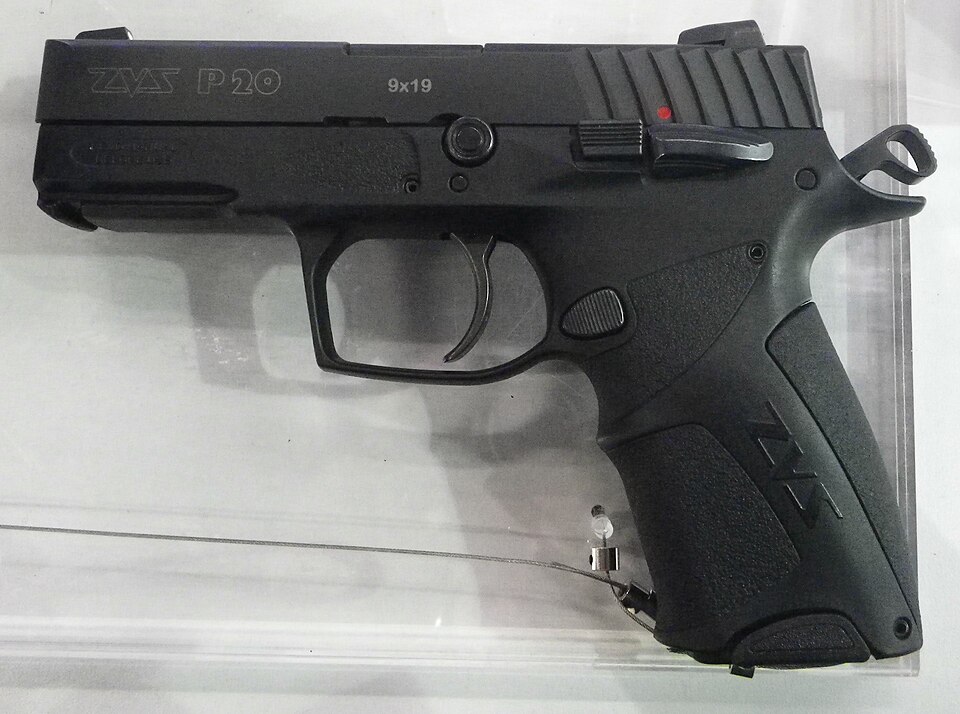
3. One striker-fired pistol can feel nothing like another
Ignition type is not a promise of uniform trigger feel. Two striker-fired pistols can differ sharply in pre-travel, wall firmness, break character, overtravel, and reset length, even when they are aimed at the same duty or carry market. This is where marketing language creates confusion. Some systems are partially cocked, some complete more work during the trigger press, and some operate close enough to single-action behavior that even instructors and engineers argue over classification. The IALEFI discussion on trigger semantics notes that some striker-fired pistols are fully cocked before the trigger simply releases the striker. That helps explain why shooters can compare two striker-fired guns and come away with completely different impressions.
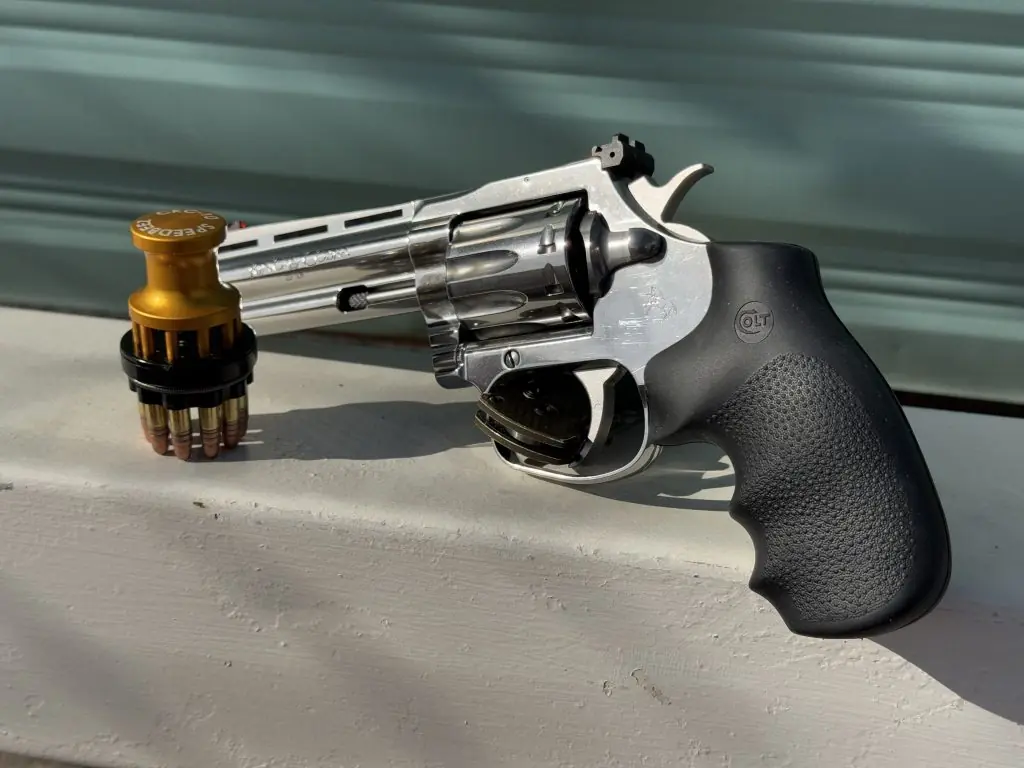
4. Double-action is not automatically harder to shoot well
Longer and heavier do not always mean less shootable. Double-action systems demand a different press, but skilled shooters often exploit that longer stroke for deliberate control, especially on first-shot discipline and distance work. Traditional DA/SA pistols also split the trigger job into two distinct stages: a longer first press and shorter follow-up shots.
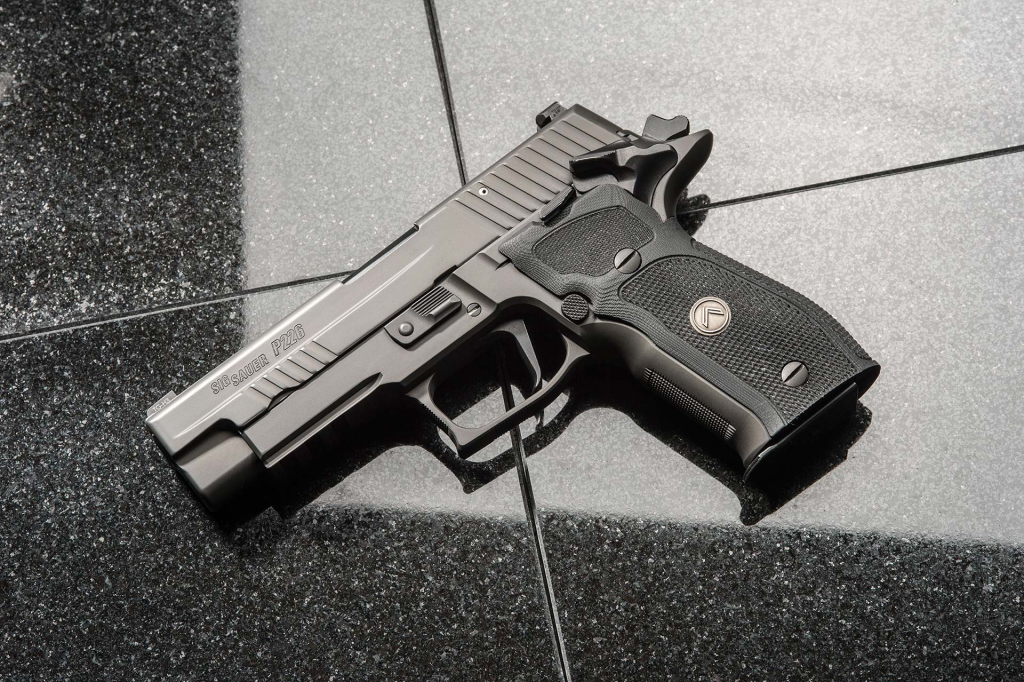
That rhythm changes timing and confirmation habits. Some shooters shoot striker-fired pistols faster. Others find that a double-action first shot encourages cleaner trigger management rather than degrading it.
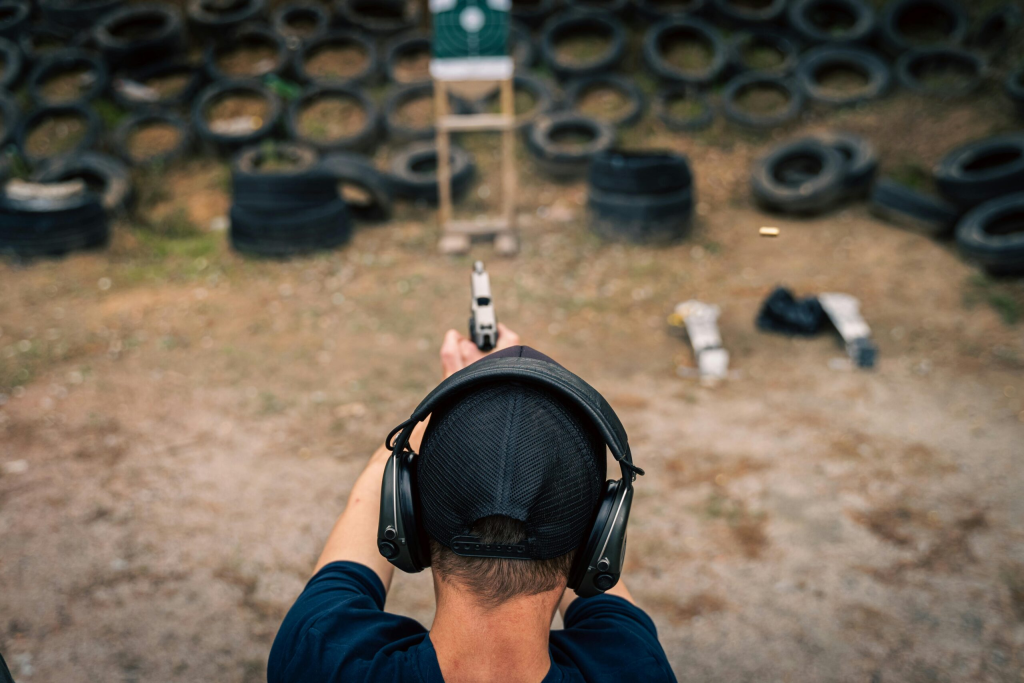
5. No external hammer does not equal safer handling
Safety is not granted by silhouette. A hammer gives an immediate visual or tactile cue about its status, while striker-fired pistols usually hide those conditions inside the slide. Neither format replaces disciplined handling. This becomes especially important during reholstering and other high-stress gun handling. The IALEFI article warns that short, light trigger pulls can be easier to discharge during re-holstering if clothing or gear enters the trigger guard. The trigger system and the user’s habits matter more than whether a hammer is visible from the outside.
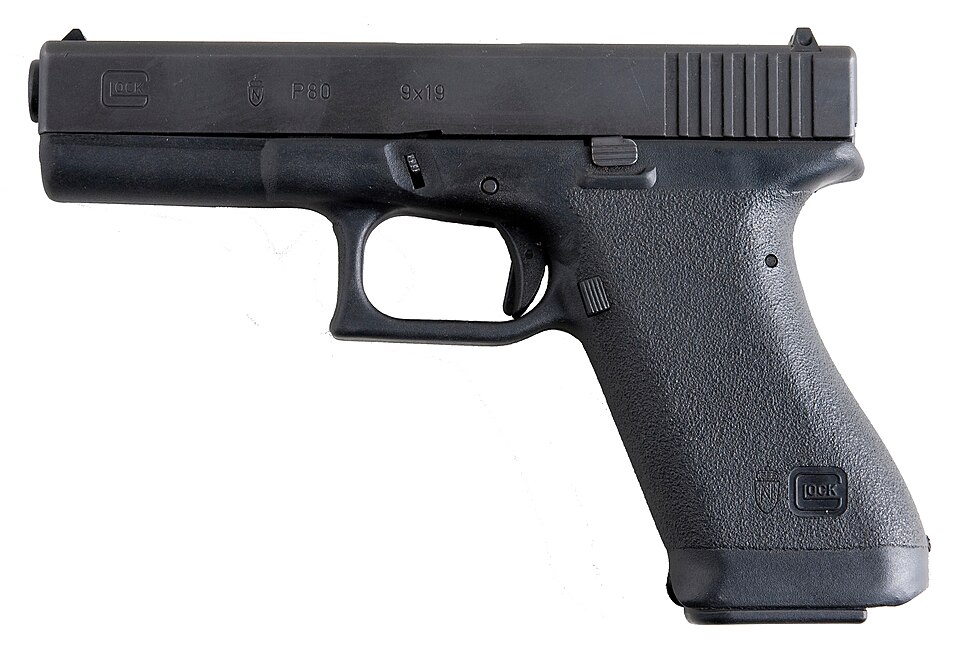
6. Glock made striker-fired pistols mainstream, not original
Glock’s place in handgun history is secure because it normalized the modern polymer-framed striker-fired duty pistol. That commercial success reshaped law enforcement adoption, training culture, and what many shooters now think of as the default handgun format. But invention is a separate claim. Historical overviews have long pointed to earlier striker concepts, including credit to John Moses Browning for an earlier striker-fired concept. That broader timeline matters because it places striker ignition in the category of established engineering, not one-company magic.
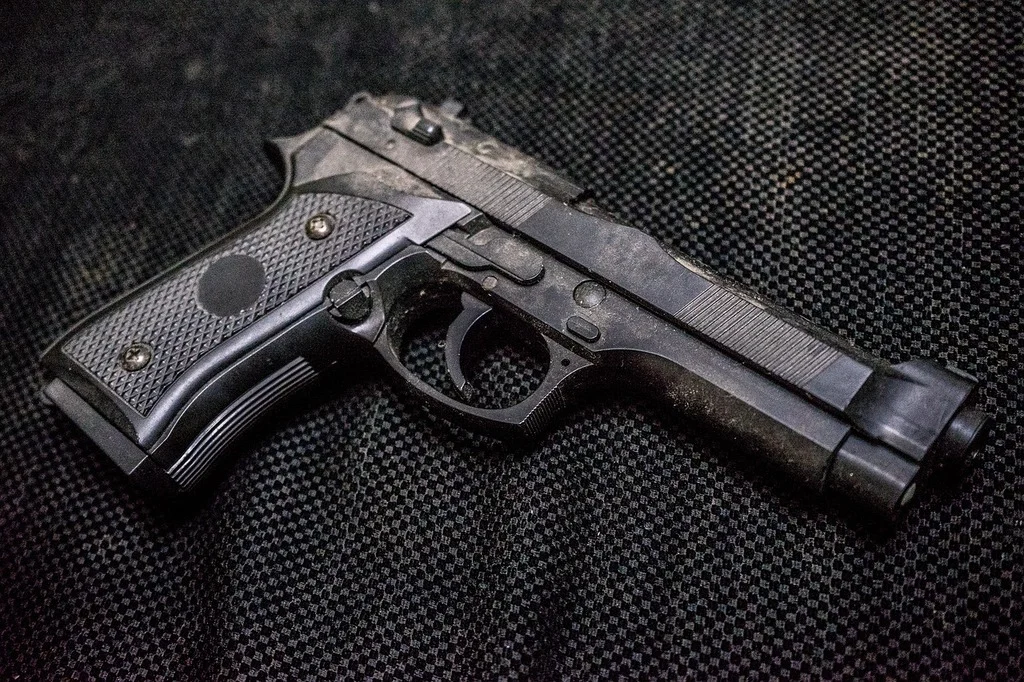
7. Aftermarket trigger parts cannot rewrite core mechanics
A new trigger shoe can improve leverage, finger placement, or comfort. Kits can also alter reset feel and parts interaction. There are dedicated packages for models such as the SIG P320 and P365 trigger lines, and those changes can be meaningful in use. Still, replacement parts do not erase the architecture underneath. How the striker is tensioned, how the sear releases, how springs stack during the press, and where the wall forms are built into the system. A pistol can feel better after modification without becoming a different trigger design in any fundamental sense.

The recurring mistake in striker-fired debates is treating labels as performance data. “Striker-fired,” “double-action,” “safe,” and “mushy” all hide too much unless the actual mechanics are described. When shooters talk in concrete terms about take-up, wall, break, reset, and handling discipline, the mythology fades fast. What remains is a much clearer engineering discussion about how each pistol really works.


