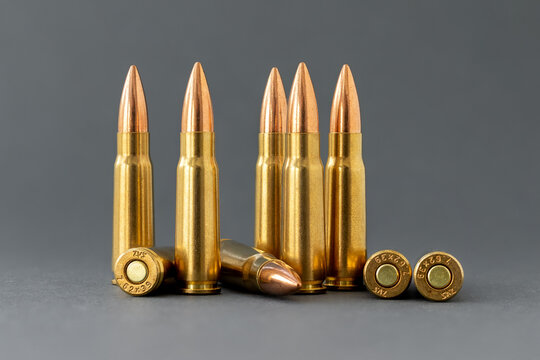
Elk cartridges tend to get discussed in extremes. Some hunters chase flat trajectory above all else, while others focus on bullet diameter, raw energy, or the heaviest load a shoulder can tolerate. The more durable lesson is simpler: elk demand penetration, reliable bullet upset, and enough retained speed to keep both working when distance stretches. That is why older standbys still matter. A cartridge does not stay relevant on elk by nostalgia alone. It stays relevant because it launches bullets with enough sectional density, enough practical reach, and enough terminal authority to keep doing hard work in big country.
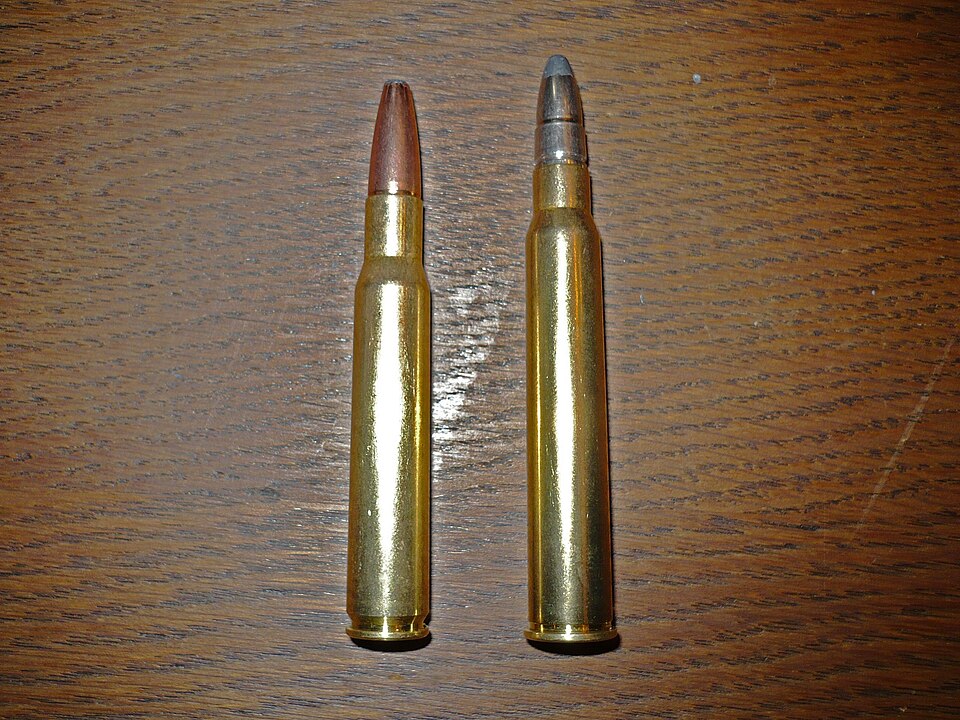
1. .30-06 Springfield
The .30-06 remains one of the most complete elk rounds ever standardized because it balances bullet weight, reach, and recoil without leaning too hard in any one direction. Its lasting edge is case capacity. Compared with the .308 Winchester, it generally carries about 100 to 125 fps more velocity with similar bullet weights, and that margin becomes more meaningful with 180-grain and heavier bullets.
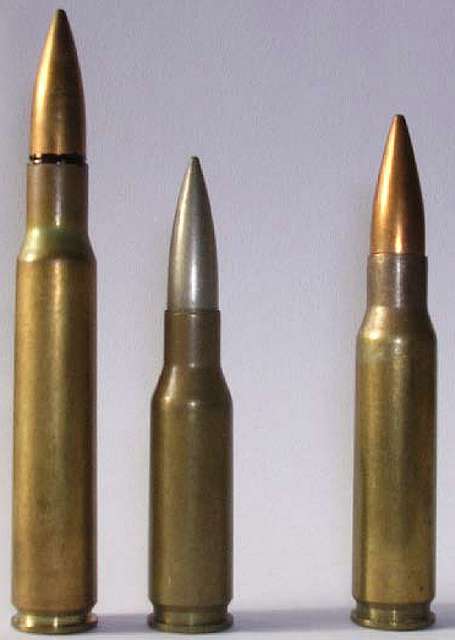
It also benefits from bullet flexibility. Loads from 150 to 180 grains are common, but elk hunters often favor 165- to 180-grain bullets because those weights combine useful sectional density with broad terminal options in bonded, partitioned, and monolithic designs. The cartridge does not need magnum recoil to stay effective, and that matters in field shooting positions where clean execution matters more than theoretical energy.
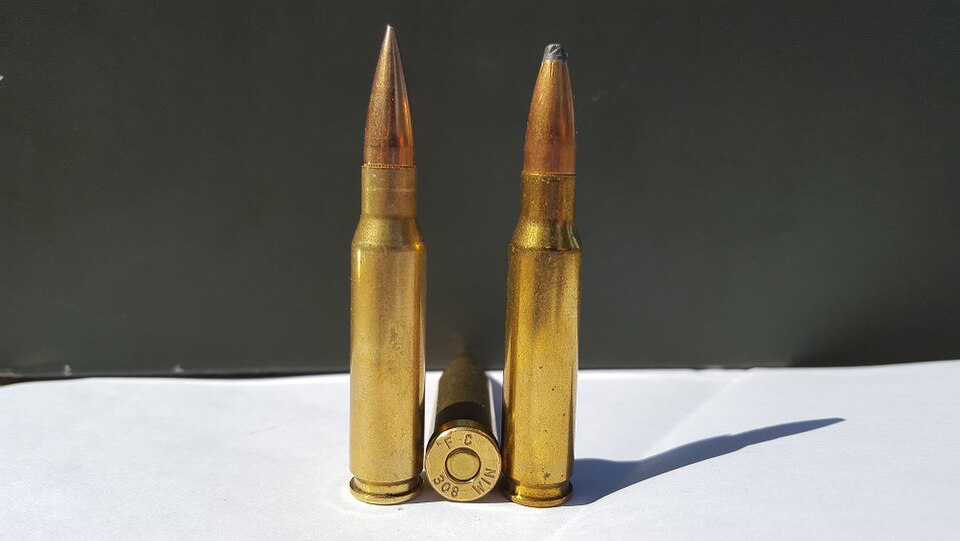
2. .308 Winchester
The .308 Winchester has spent decades proving that efficient design can stay deadly on large game. It trails the .30-06 slightly, but not enough to dismiss it in elk country. Modern loads generally lag by only 80 to 100 fps, while recoil is lighter and rifles are often built on shorter actions, which keeps package weight manageable.
Its sweet spot is practical hunting, not bragging rights. With sturdy 165- to 180-grain bullets, the .308 still carries the penetration profile elk hunters look for, especially when impact velocity stays in the working range of the chosen bullet. The cartridge also pairs well with the principle that higher sectional density supports deeper penetration, which is a major reason heavy-for-caliber .30 bullets have held their place for so long.
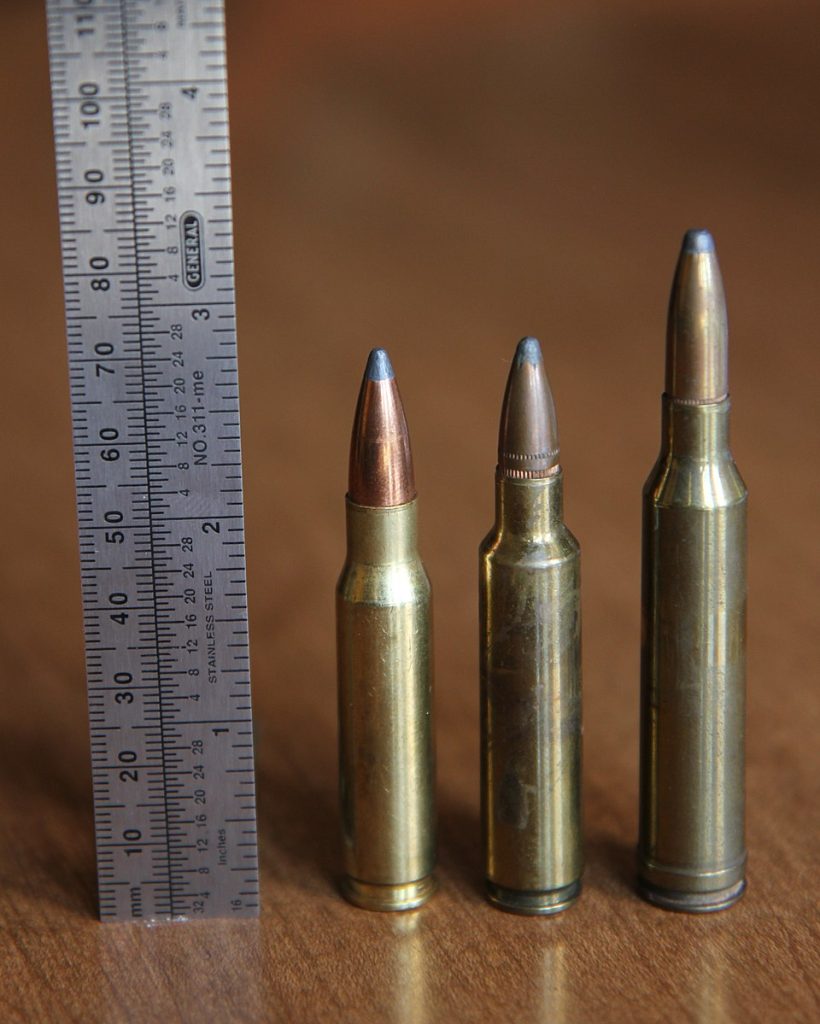
3. 7mm Remington Magnum
The 7mm Remington Magnum became a western staple for a reason. It shoots flatter than the .30-06, hits harder at distance, and does it without a dramatic recoil penalty. That combination still makes it one of the safest all-around answers for elk in open country. Heavy 7mm bullets are a major part of the formula. With 160- to 175-grain projectiles, the cartridge blends high ballistic coefficient with strong sectional density, helping it hold speed, resist wind drift, and drive deep after impact. Older load data with a 175-grain bullet showed 1500 ft-lbs of energy to around 450 yards, and modern bullet design has only strengthened the cartridge’s long-standing reputation.
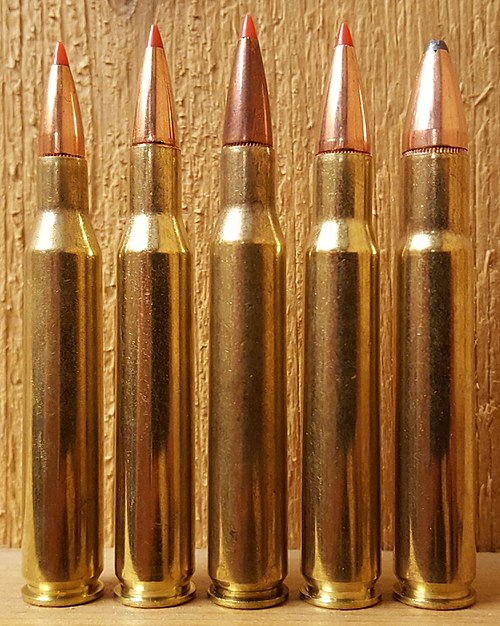
4. .270 Winchester
The .270 Winchester is often discussed as a deer cartridge first, but modern bullet construction has made it harder to underrate on elk. Its strength is efficient exterior ballistics with moderate recoil, which helps more shooters place shots well from improvised field positions. With sleek 130- to 150-grain bullets, the .270 shoots flatter than many traditional elk rounds and gives up less downrange energy than older assumptions suggest. It does not rely on sheer bullet mass. Instead, it works by driving well-constructed bullets fast enough to maintain expansion while still carrying enough shank to penetrate vitals. In the hands of a disciplined shooter, it remains fully relevant.
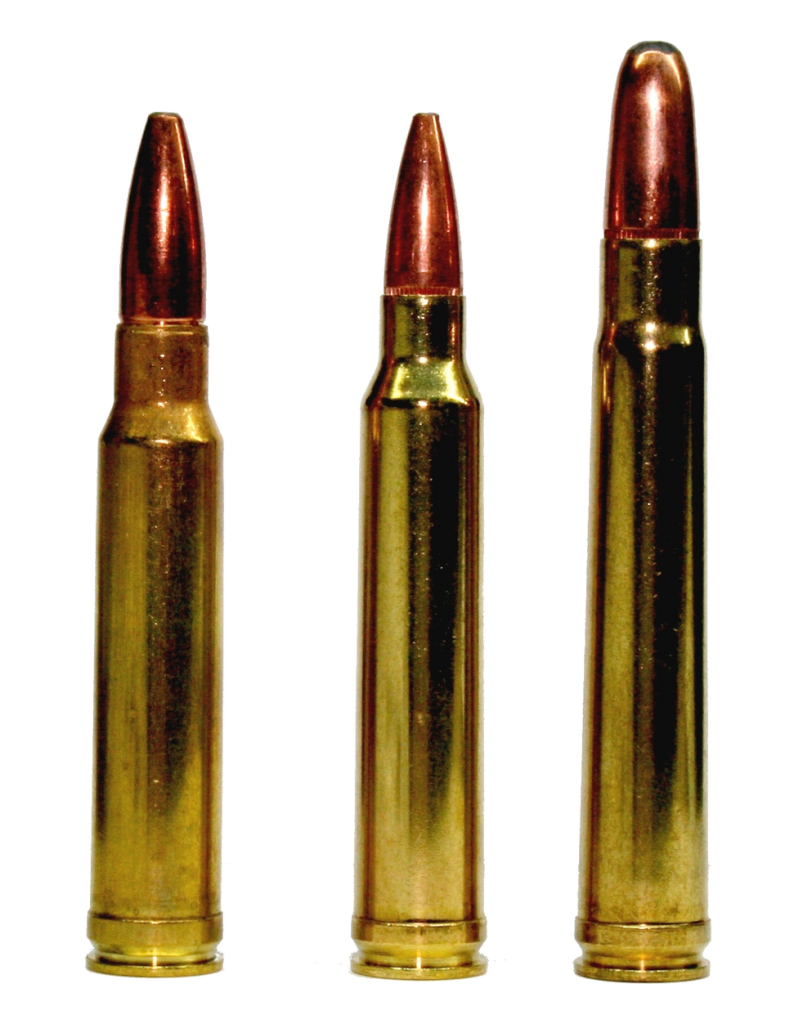
5. .300 Winchester Magnum
The .300 Winchester Magnum still occupies the middle ground between standard cartridges and the heavy magnums that many hunters shoot less well. It throws 180-grain bullets fast enough to make downrange performance look easy, yet it remains common, proven, and versatile across timber and open basins alike.
That versatility is the key. A 180-grain .30-caliber bullet gives the cartridge excellent reach without sacrificing frontal authority or penetration. Field & Stream noted that a 180-grain Swift Scirocco load from the .300 Win. Mag. carries more than 3300 foot-pounds at the muzzle, which helps explain why it remains such a common benchmark for elk performance. Recoil is real, but so is the payoff.
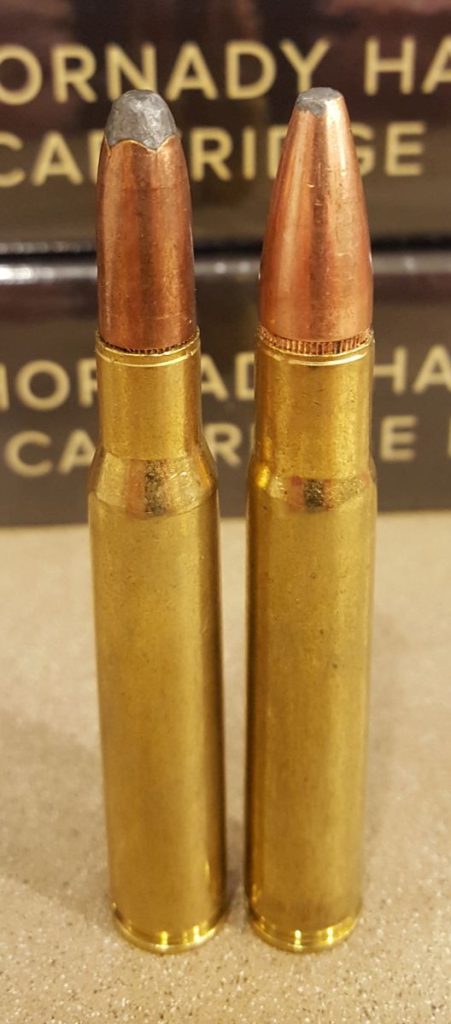
6. .35 Whelen
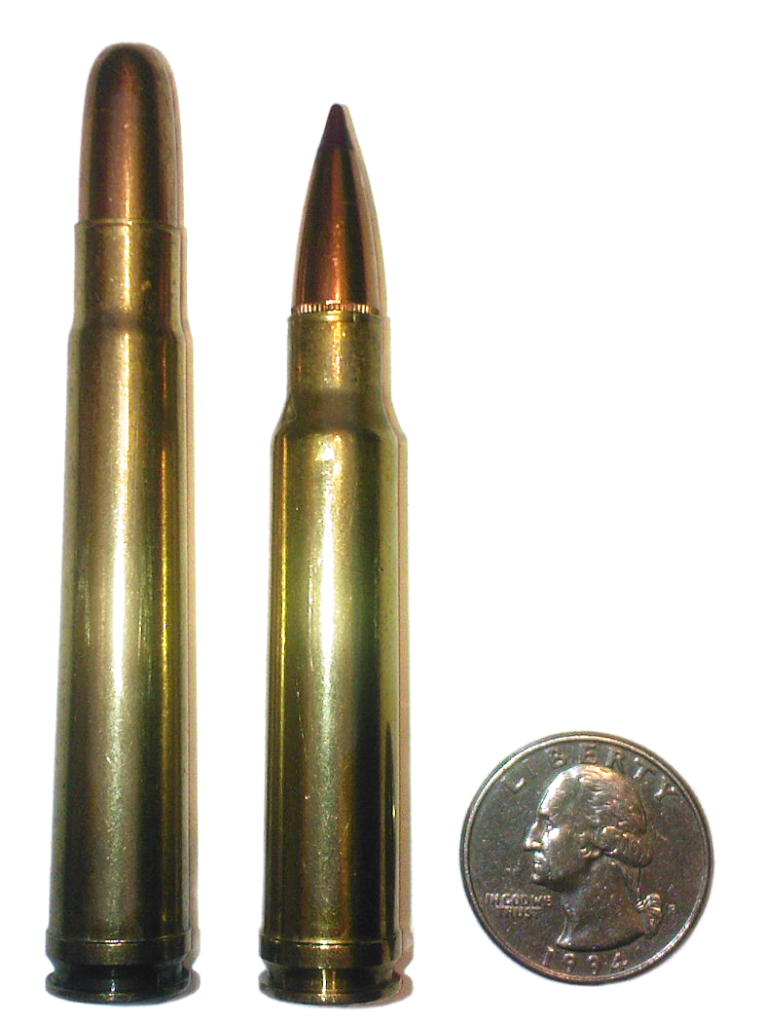
The .35 Whelen survives because elk have never required fashion. Built by necking up the .30-06 case to .358 caliber, it emphasizes frontal area and heavy bullets over long-range sleekness. Inside ordinary hunting distances, that recipe is still brutally effective. Its real appeal shows up in broken country and dark timber, where shots are often shorter and impact authority matters more than a laser-flat arc. With 225-grain bullets, the Whelen carries enough mass and diameter to drive through heavy tissue from less-than-perfect angles. It recoils more than the standard .30s, but it also delivers the kind of straightforward terminal effect that has kept it in elk camps for generations.
7. .338 Winchester Magnum
The .338 Winchester Magnum remains the answer for hunters who want extra margin on the largest bulls and do not mind recoil. It is not subtle, but elk cartridges do not earn longevity by being subtle. What keeps the .338 relevant is not just muzzle energy. It is the combination of heavy bullets, large frontal diameter, and enough velocity to hold useful trajectory farther than old big-bores usually could. With 225-grain bullets, it offers deep penetration and broad wound channels in the same package. That makes it one of the few cartridges on this list that still feels oversized on paper and entirely sensible in the field.
The cartridges that still hit hard on elk are not all the newest, fastest, or most specialized. They are the ones that keep enough bullet integrity, retained speed, and practical shootability to solve the same problem year after year. That is also why bullet choice never becomes secondary. Sectional density, construction, and impact velocity matter as much as the headstamp, and these seven cartridges have endured because they continue to support all three.


