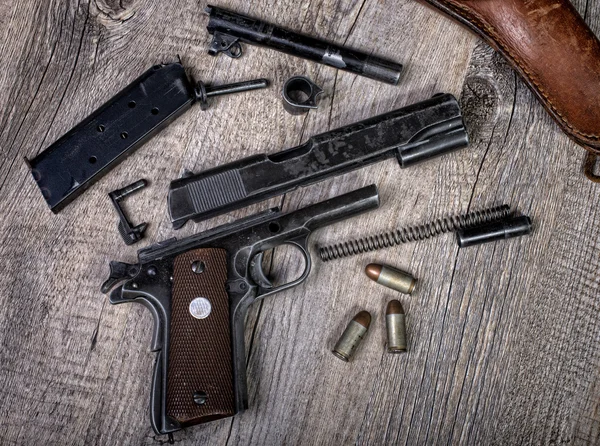
Firearm design changes constantly, but a few operating systems keep showing up in hard-use roles for a simple reason: they continue working when dirt, water, rough handling, and long service lives expose weak points. The mechanisms that endure are not always the newest, lightest, or most fashionable. They are the ones that solved reliability problems in ways shooters could verify on the range and in the field.
That staying power matters more than cosmetic trends. From revolvers with tightly managed lockwork to rifles that evolved through painful early lessons, these systems remain relevant because their basic engineering still answers the same question: what keeps firing when conditions stop being cooperative?
1. Double-action revolver lockwork
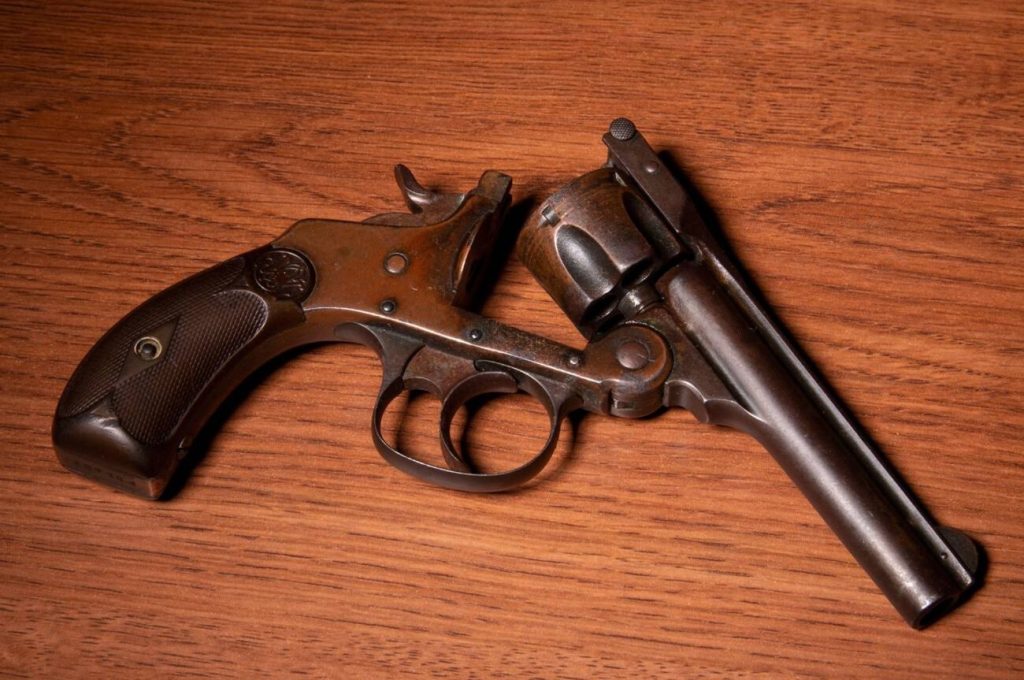
The double-action revolver remains one of the clearest examples of a mechanism built around mechanical certainty. Its cycle depends on the trigger or hammer unlocking the cylinder, rotating it, and locking the next chamber before the shot breaks. That sequence is why revolver timing still matters so much. As detailed in the distinction between timing and alignment, timing governs when the cylinder locks, while alignment governs where the chamber sits relative to the bore at ignition.
When the lockwork is correct, the system tolerates neglect in ways many shooters still value. Each chamber is already loaded and indexed mechanically, with no magazine spring, feed ramp, or reciprocating slide required to chamber the next round. That simplicity at the point of firing is the core of the revolver’s reputation. It is also why properly fitted service revolvers continue to hold credibility even in an age dominated by self-loaders.
2. Traditional exposed hammer DA/SA pistols
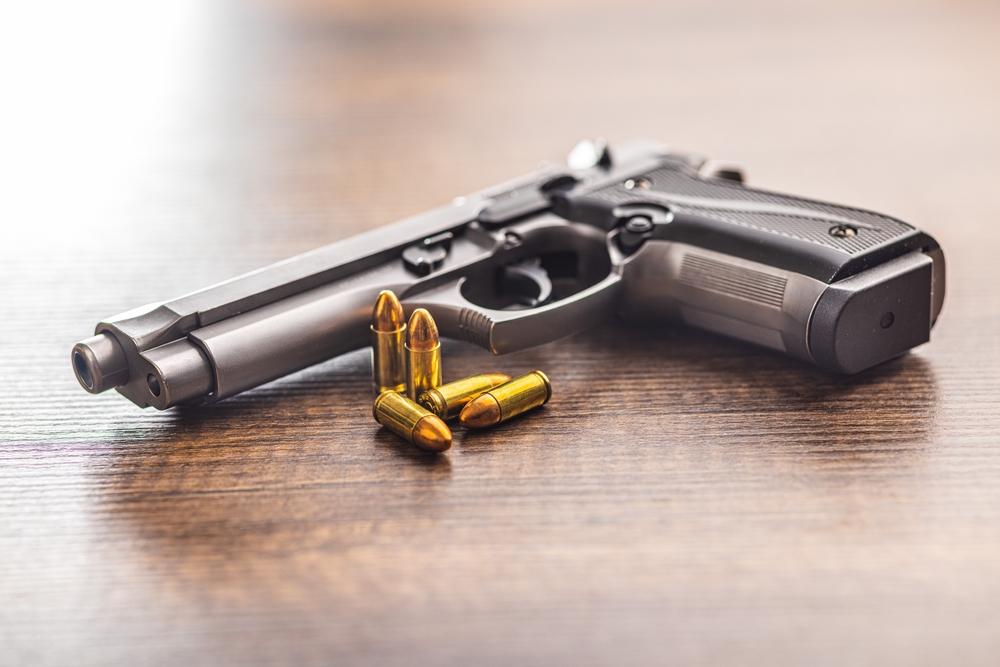
Double-action/single-action pistols stay in circulation because they separate the first heavy trigger stroke from later lighter shots without abandoning a proven hammer system. The exposed hammer gives visual and tactile status, and the ignition energy comes from a mechanism shooters have trusted for decades in pistols such as the Beretta 92, CZ 75 family, and SIG P-series.
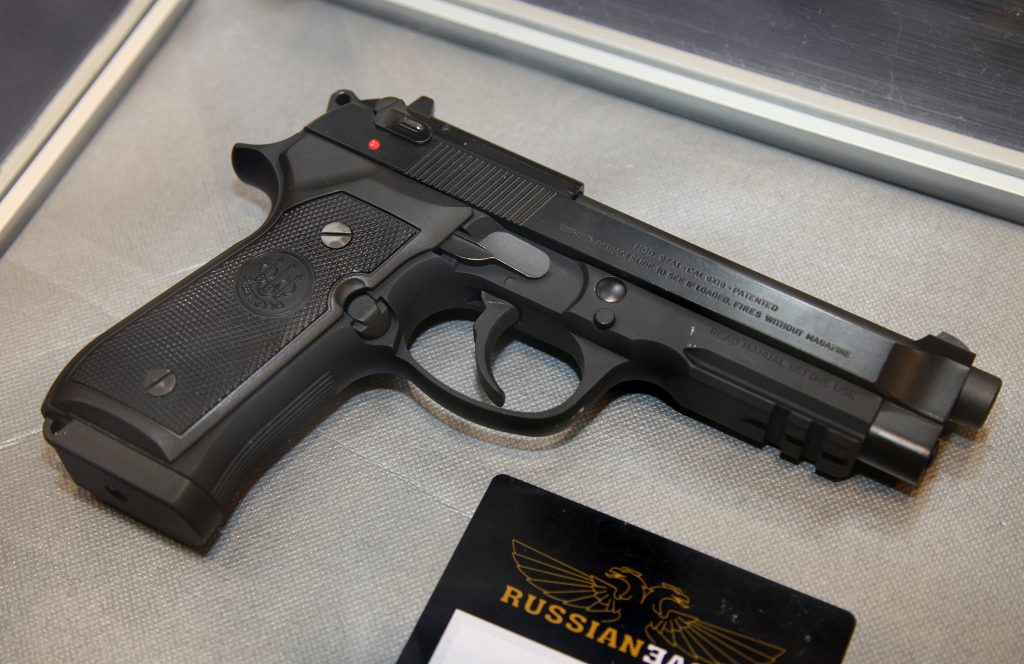
That trust is tied to durability, but also to behavior under adverse conditions. One argument in favor of hammer-fired pistols points to water-related hydrolocking concerns in some striker systems, where water in the striker channel can slow the firing pin enough to cause light strikes. Hammer-fired designs avoid that exact vulnerability by delivering impact through a different path. The result is a mechanism that many shooters still regard as especially reassuring when a pistol may be wet, cold, or heavily fouled.
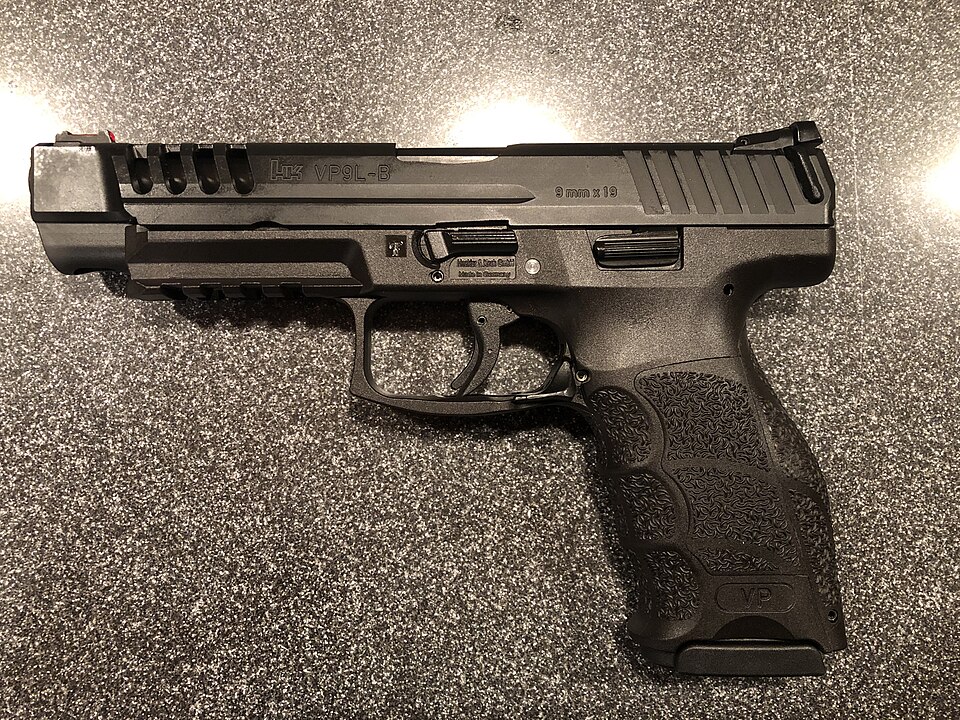
3. Striker-fired pistol actions
Striker-fired pistols earned their place not through nostalgia but through ruthless simplification. A modern striker system encloses the ignition parts inside the slide, reducing external snag points and keeping the mechanism compact. The design also tends to reduce part count compared with classic hammer-fired pistols, a trait often cited as a contributor to easier maintenance and fewer potential failure points.
That matters in bad conditions because contamination has fewer exposed places to interfere with the firing cycle. The operating logic is also easy to learn: consistent trigger feel from shot to shot, no external hammer to manage, and straightforward field stripping. These qualities help explain why polymer-framed striker pistols became the default hard-use sidearm format across so much of the shooting world, even while older hammer systems kept their following.
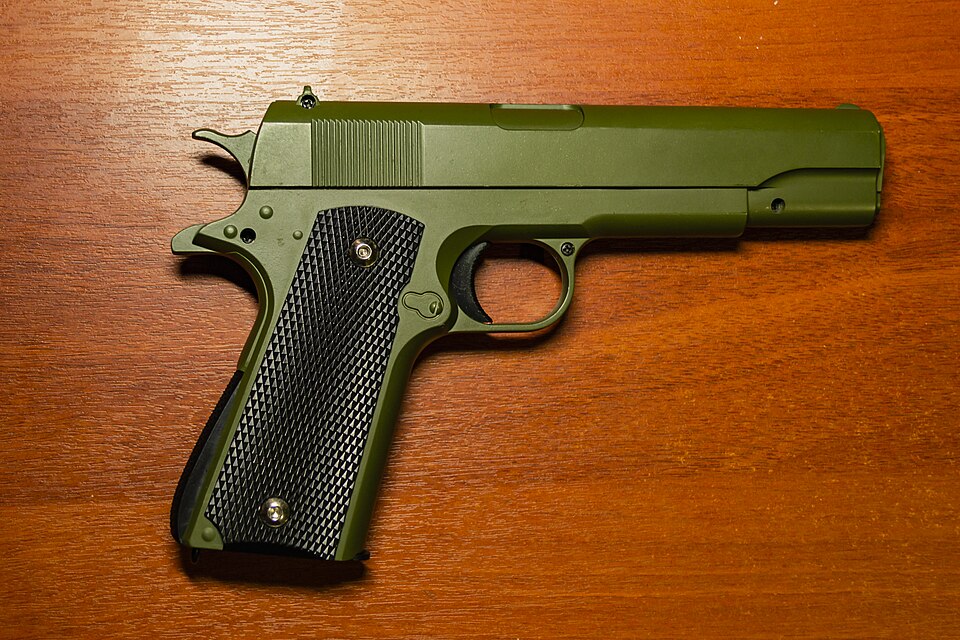
4. The 1911 sliding trigger and single-action fire control
The 1911 endures partly because its trigger does not pivot like most modern pistol triggers. It slides in grooves machined inside the frame, producing a straight-to-the-rear press that many shooters still associate with precise control. That geometry changes how pre-travel, engagement, creep, overtravel, and reset are experienced, and it helps explain why the platform remains respected long after newer systems took over the duty market.
Its reputation is not based on simplicity alone. It comes from how predictable the fire-control path can feel when the pistol is properly built. In demanding conditions, predictability matters. A positive reset, a clean break, and a trigger path that rewards consistent finger placement are still reasons serious shooters keep the 1911 in circulation for specialized roles.
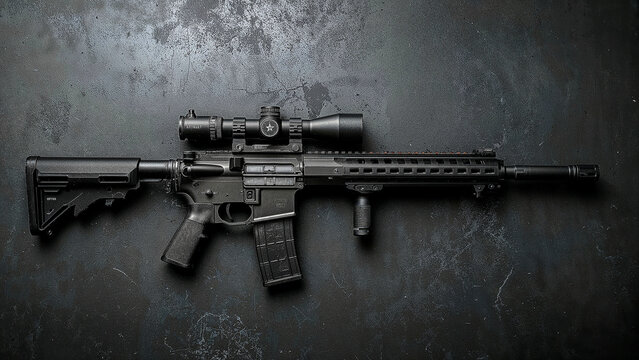
5. The AR-pattern direct-impingement gas system
The AR-15 platform survives because its core operating system proved adaptable after early failures forced major corrections. The rifle’s history includes well-documented reliability problems in early military service, especially when rifles were inadequately maintained and early support fell short. Later changes such as the chrome-plated bore and chamber in the M16A1 helped address extraction and corrosion issues that had undermined confidence.
That evolution matters more than mythology. The gas system routes propellant gas through the tube and back into the action to cycle the bolt, keeping the rifle light and controllable while enabling a highly modular layout. It is a mechanism that became trusted not because it was flawless from the start, but because it responded well to engineering fixes, training, and support. Long-term confidence often comes from exactly that kind of refinement.
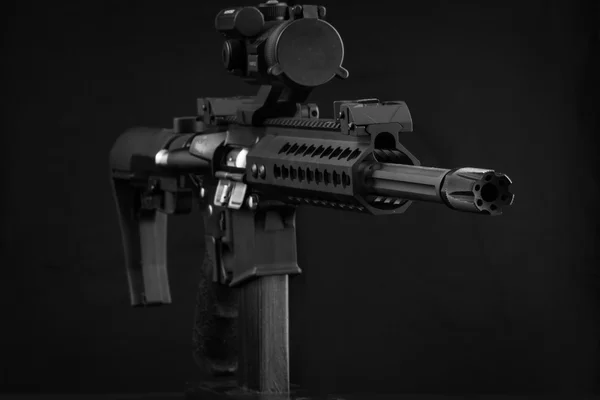
6. Rotating bolt lockup in AR-pattern rifles
Separate from the gas system, the rotating bolt remains one of the AR platform’s most durable ideas. Locking lugs engage the barrel extension directly, creating a strong, repeatable lockup that supports accuracy as well as reliability. Because the upper and lower receiver arrangement is modular, the rifle can be disassembled quickly for cleaning and inspection without changing the underlying locking principle.
This is one reason the platform adapted so well across different barrel lengths, configurations, and chamberings. The mechanism did not need to be reinvented each time the rifle evolved. A good lockup system does not draw attention to itself. It simply repeats the same job under heat, fouling, and high round counts.
7. Fixed-chamber repeating systems in revolvers
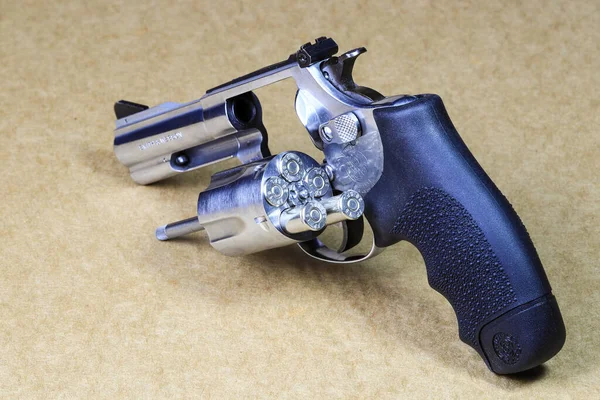
Revolvers appear twice on this list for good reason. Beyond the lockwork itself, the fixed-chamber concept gives each round its own ready-to-fire position without depending on a magazine to feed cartridges into a separate chamber. That arrangement removes an entire class of stoppages tied to feeding geometry, magazine condition, and slide velocity. There are still technical demands, especially correct timing and alignment, and those tolerances are not casual matters. But when the gun is in spec, the mechanism remains hard to dismiss.
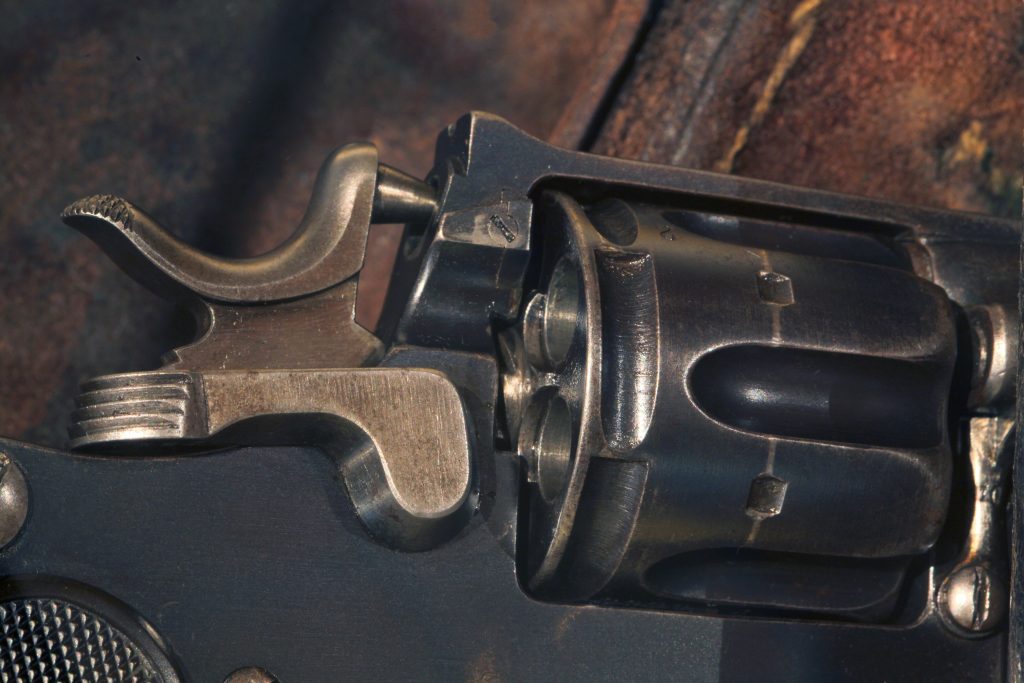
In miserable weather, with mixed ammunition, or after long periods of carry, that direct chamber-to-bore sequence still makes mechanical sense to shooters who value certainty over speed. The gun mechanisms that last are usually the ones that balance complexity with control. Some use fewer parts, some rely on older lockwork, and some became reliable only after painful redesigns. What ties them together is not age or style. It is the fact that their engineering keeps answering the same test, year after year: keep the gun working when the environment stops helping.


