Army sidearm trials have never been simple brand contests. They have worked more like engineering stress screens, forcing handgun makers to prove what survives heat, corrosion, dirt, rough handling, long firing schedules, and the procurement math that turns a stoppage into a contract problem. That is why certain trials still matter long after the winning pistol leaves front-line service. They changed the definition of a duty handgun in the United States, and many of the features now treated as standard were once hard-fought answers to failures exposed in Army testing.
1. Aberdeen made handgun testing a repeatable science
The Army’s sidearm standards did not begin with one famous pistol. They began with a testing culture. Aberdeen Proving Ground helped establish the institutional model for measured, documented weapons evaluation, where claims had to survive instrumentation, environmental controls, and formal pass-fail logic. That mattered because handguns stopped being judged mainly by reputation or user familiarity. Ballistic ranges, corrosion testing, and environmental labs pushed sidearm programs toward auditable procedures. Even when later competitions were run elsewhere, the same mindset carried forward: round counts had to be defined, failure categories had to be recorded, and a pistol had to perform under conditions harsher than an ordinary qualification range.
2. The 1907-1911 trials turned endurance into the deciding test
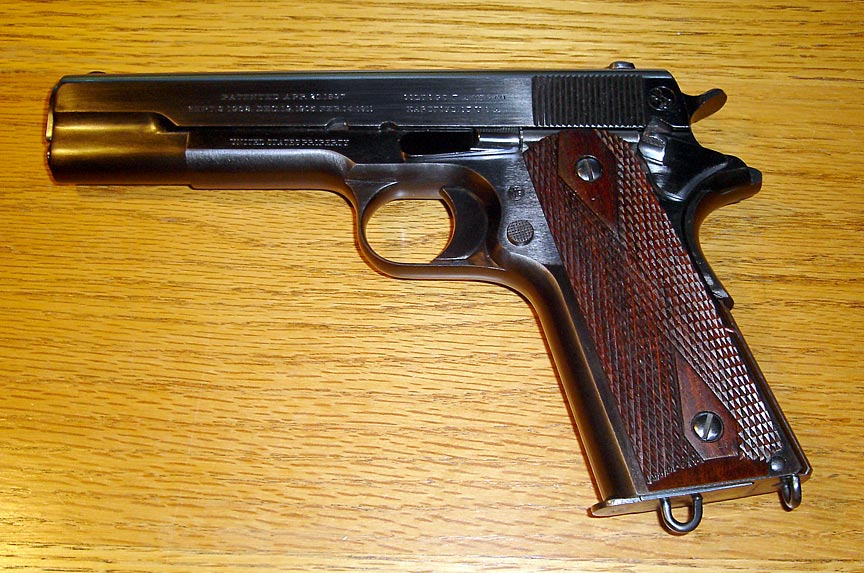
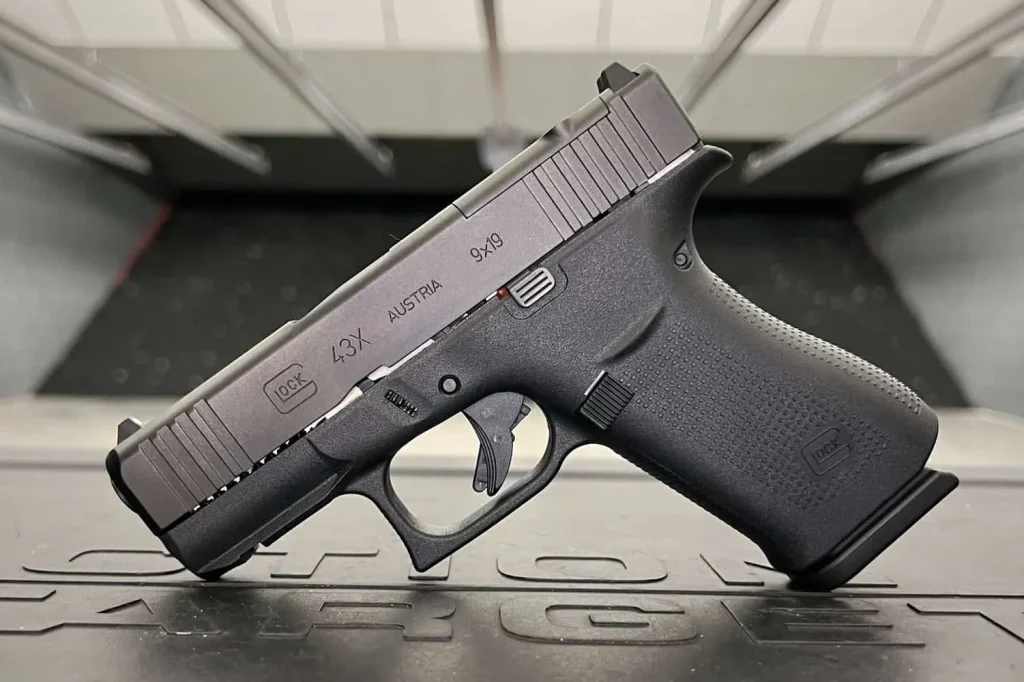
The early .45-caliber trials began with a crowded field that included Colt, Savage, Luger, Bergmann, revolvers, and more experimental designs. The Army was not only choosing a pistol, but deciding whether self-loading handguns could truly replace proven revolvers for service use. The field narrowed only after reliability, rust resistance, maintenance, and practical handling were tested over time. Colt and Savage emerged as the final serious contenders, while other designs stumbled on crude manufacture, feeding problems, light primer strikes, or excessive complexity. The decisive benchmark came in the 6,000-round head-to-head test in 1911, where Colt completed the ordeal without recorded malfunctions and Savage did not. That result did more than secure the M1911. It cemented the idea that a service pistol had to keep working when hot, fouled, and repeatedly stripped apart.
3. The .45 control pistol benchmark forced new designs to match old resilience
Later Army testing did not discard the past. In the XM9 era, evaluators used a .45-caliber control pistol as a baseline for adverse-condition reliability. That created a tension that shaped handgun development for decades. Modern 9mm pistols offered higher capacity, different safety systems, and often better mechanical accuracy. But they were still expected to show performance comparable to a looser-fitting .45 that had a reputation for tolerating grit and debris. That benchmark changed the way “good enough” was defined. A new sidearm could not simply be advanced on paper; it had to prove it could survive the same dirt tolerance soldiers already trusted.
4. The 1984 mud and saltwater tests made environmental survival non-negotiable
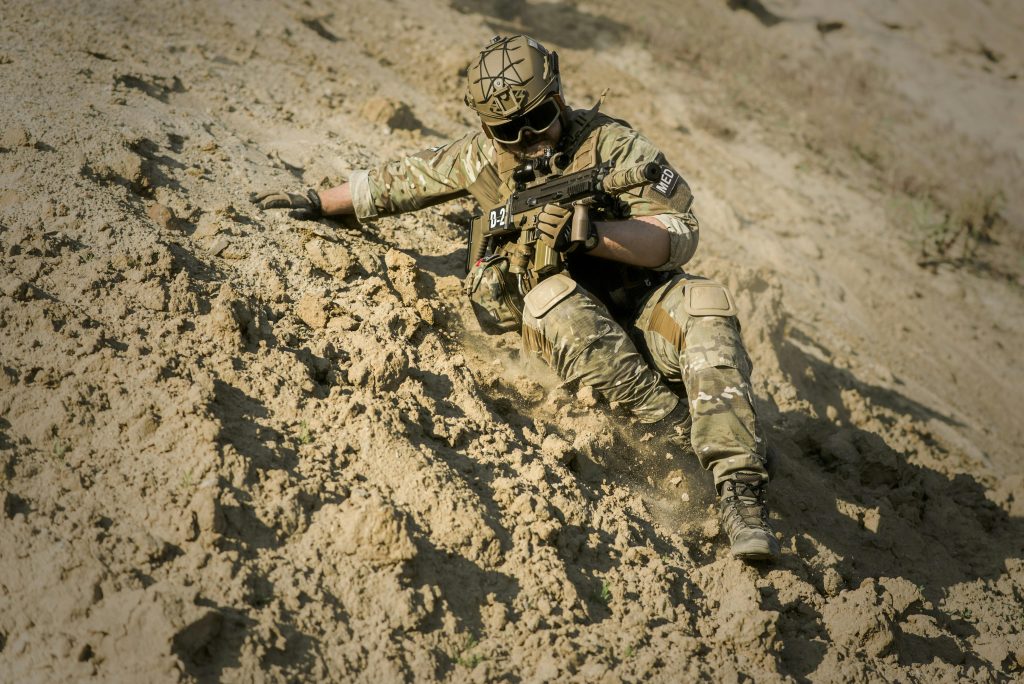
Few trial elements had more lasting influence than the Army’s decision to formalize abuse testing. In the 1983–1984 XM9 program, candidates were pushed through mud exposure, saltwater immersion, humidity cycles, drop tests, and extended firing schedules. Environmental resistance stopped being a desirable trait and became part of the contract threshold. The mud procedure exposed a familiar tradeoff in handgun design: tight fit can help accuracy, but it can also leave less room for contamination between moving parts. The saltwater requirement did something equally important. It shifted attention away from slides and barrels alone and toward magazines, springs, pins, and finishes that fail quietly over time. A pistol that looked excellent on a clean range could be disqualified by corrosion pathways or by magazines that stopped feeding after repeated exposure.
5. XM9 changed reliability from a claim into a scoring system
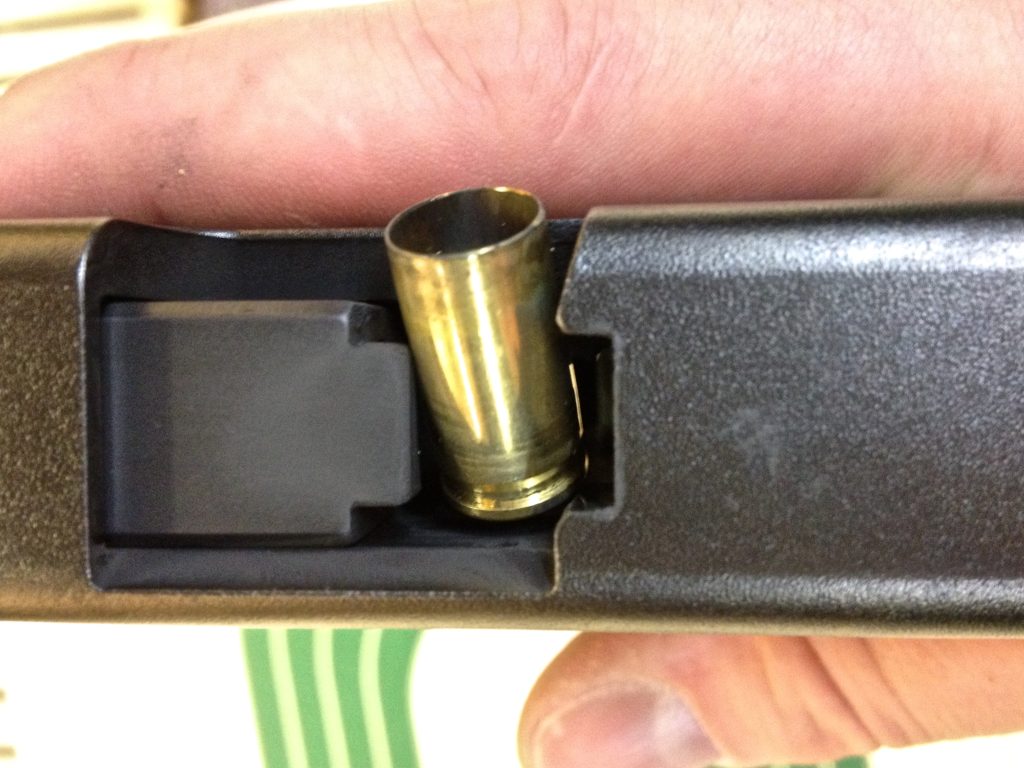
One of the biggest technical shifts in Army pistol history was procedural. The late-1970s and XM9-era programs increasingly used measurable reliability figures rather than institutional confidence or anecdotal impressions. Mean rounds between failures became a competitive language, and stoppages were sorted by severity instead of lumped together. In practice, that meant a handgun could no longer hide behind a strong reputation. Class I stoppages, longer delays, and maintenance-level failures all affected how evaluators interpreted performance. The broader result was a new procurement habit: reliability became a behavior under test conditions, not a slogan attached to a maker. That framework still shapes how service pistols are discussed today.
6. The failed XM10 competition showed how process can undermine confidence
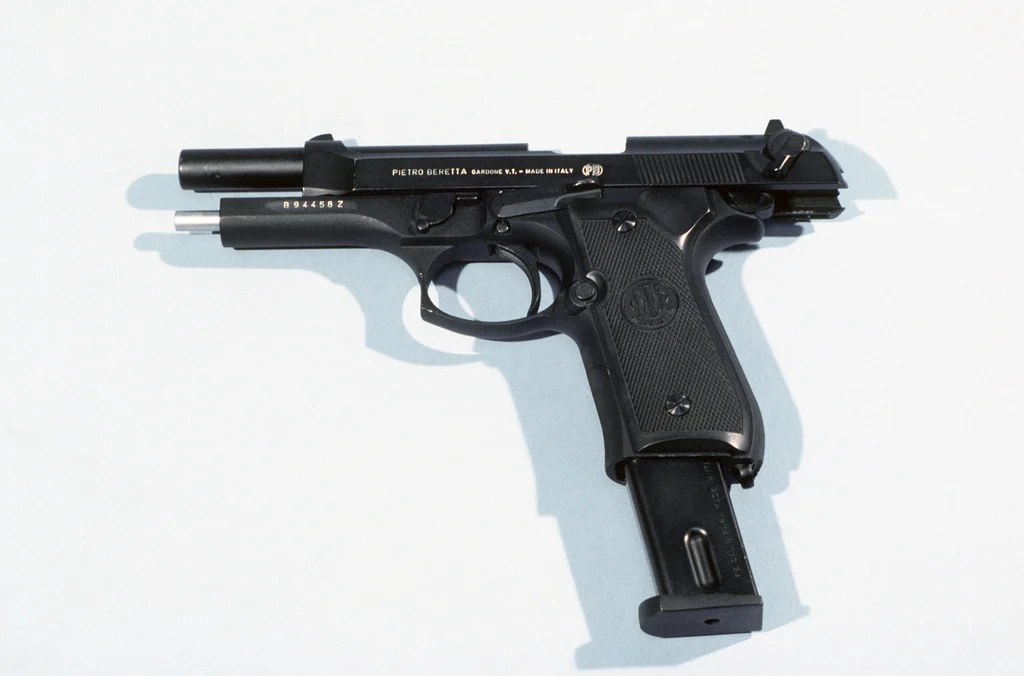
Not every Army trial became influential because it worked well. Some mattered because they exposed how fragile trust can be when the process itself looks compromised. After controversy surrounding the M9 selection, the Army ran the 1988 XM10 follow-up. The competition drew so little confidence that even a museum archive preserved a mocking image of an “XM10” hot dog-shaped squirt gun posed with the actual contenders.
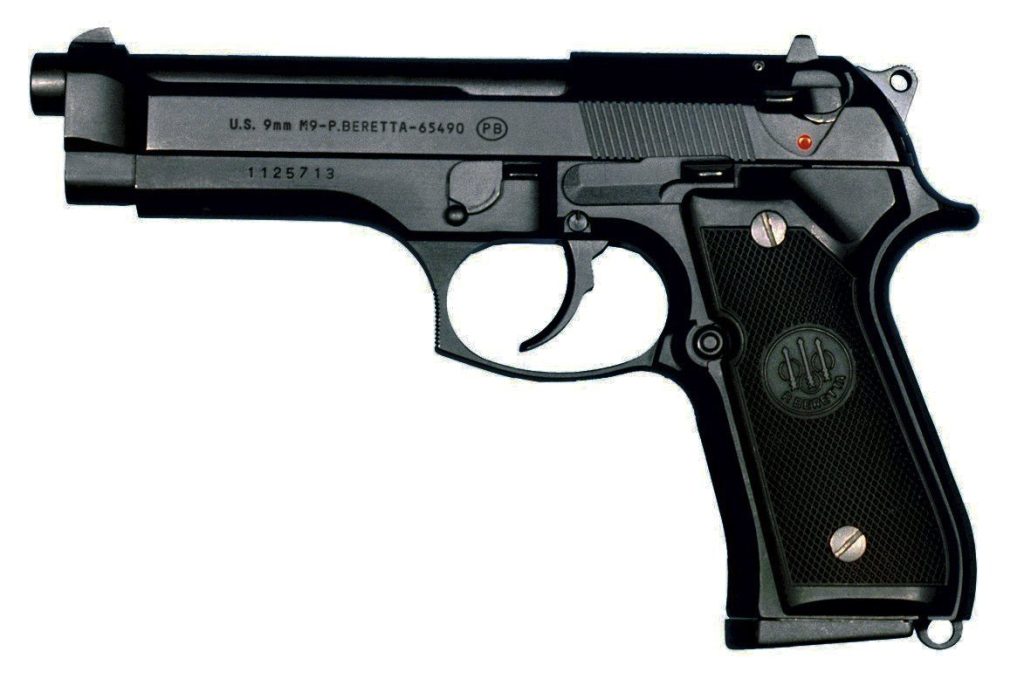
The underlying lesson was serious. A sidearm program needed more than technical data; it needed transparent rules, credible participation, and conclusions manufacturers could not dismiss as procedural theater. That failure helped reinforce stricter expectations for later handgun acquisitions.
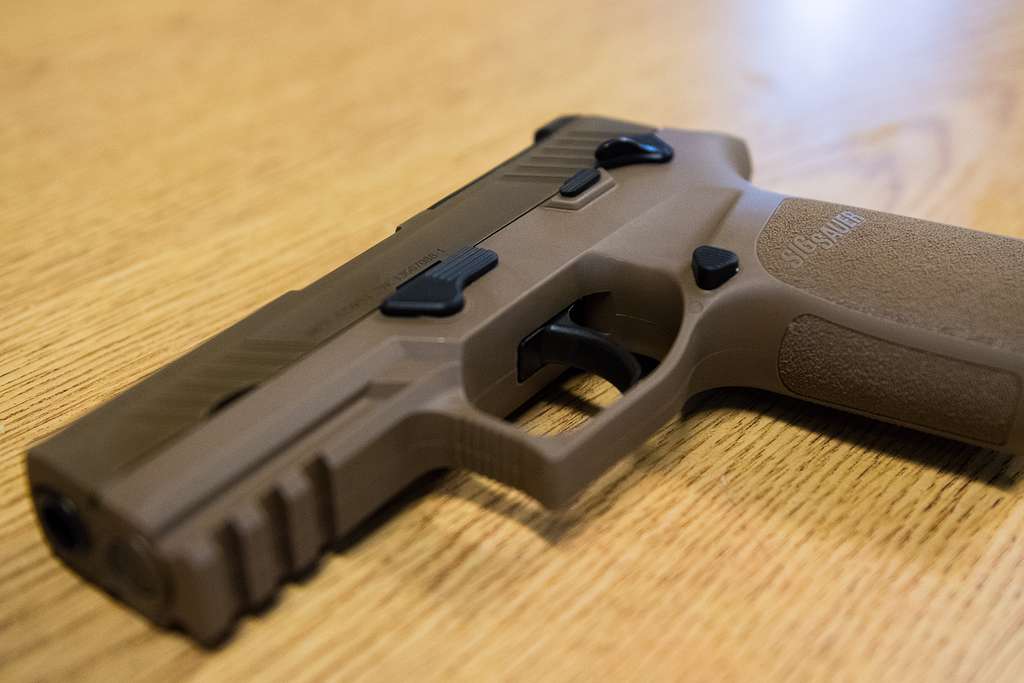
7. XM17 proved that adoption no longer ends the engineering story
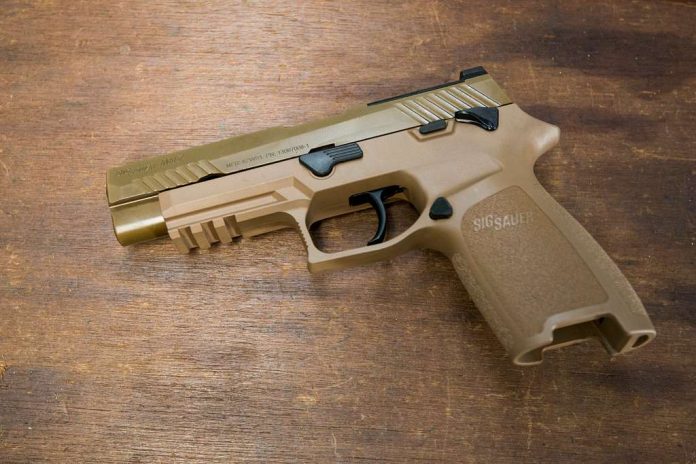
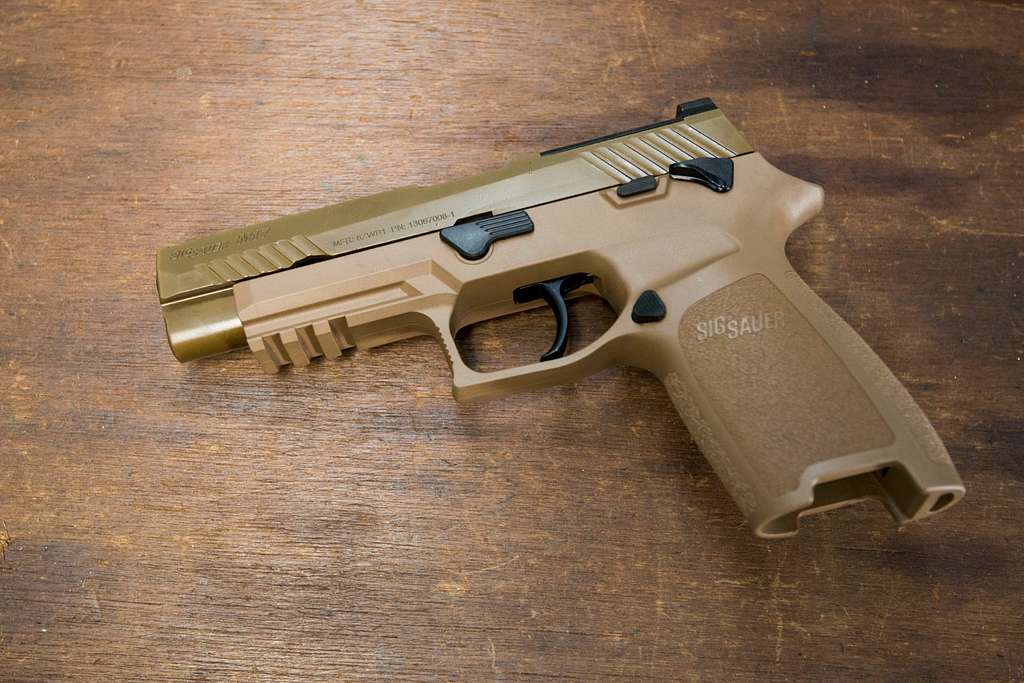
The Modular Handgun System competition moved the focus again. By the 2010s, the Army wanted not just reliability and safety, but adaptability: interchangeable grip sizes, accessory support, suppressor compatibility, and long service life. The winning P320-based design became the M17 and M18, reflecting a new idea of what a general-issue pistol should be. But the trial also exposed a modern procurement reality. According to phase two testing was not completed before selection, and later product verification identified drop-fire concerns that required trigger-group changes. The significance was larger than one handgun.
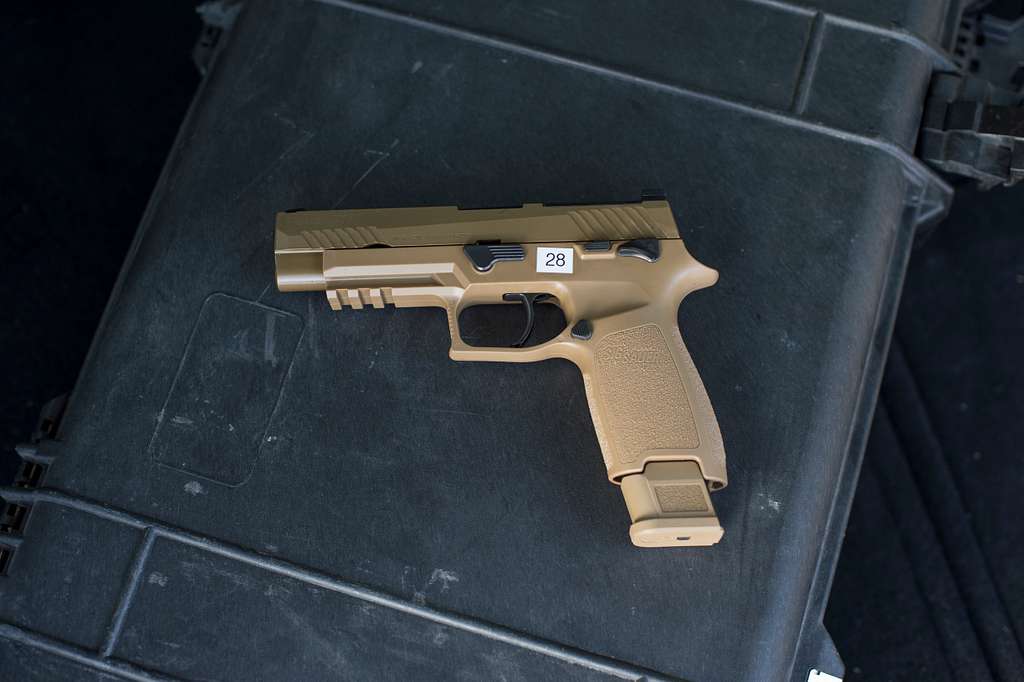
Army pistol competitions had reached a point where modularity, ergonomics, accessory integration, and post-award verification all belonged in the same engineering conversation. Selection was no longer the finish line. It was one checkpoint in a longer validation cycle. Taken together, these trials rewired how U.S. service handguns are built and judged. Endurance, corrosion resistance, stoppage classification, mission-length reliability, safety systems, and modular fit all became harder requirements because Army testing made weak points visible. That legacy outlived every individual winner. Once the Army defined how a sidearm had to fail, recover, resist the environment, and keep running, manufacturers across the handgun market had to design for the same realities.


