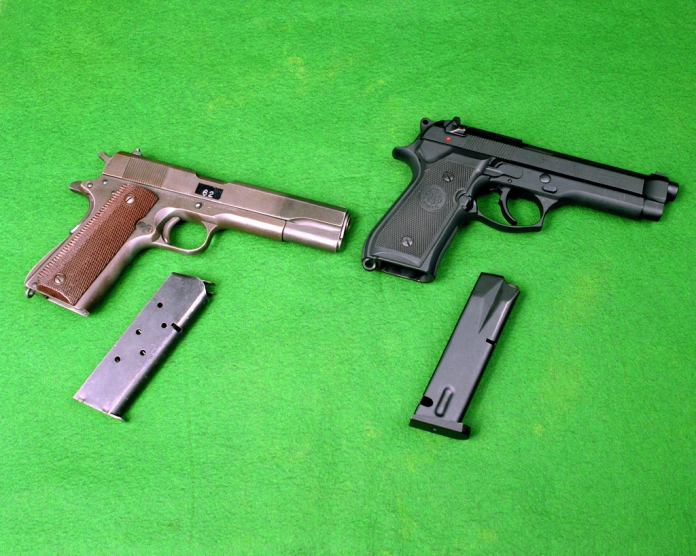
A military sidearm rarely decides a campaign on its own. What it does reveal, often with unusual clarity, is what an army thinks matters at close range: power, capacity, safety, maintenance burden, and the hard reality that a handgun is usually the last tool left when everything else goes wrong.
The U.S. Army’s holsters tell that story across more than two centuries. From single-action cavalry revolvers to modular 9mm pistols, a few handguns stand out not just because they were issued, but because they marked a shift in doctrine, ammunition, or engineering.
1. Colt Single Action Army
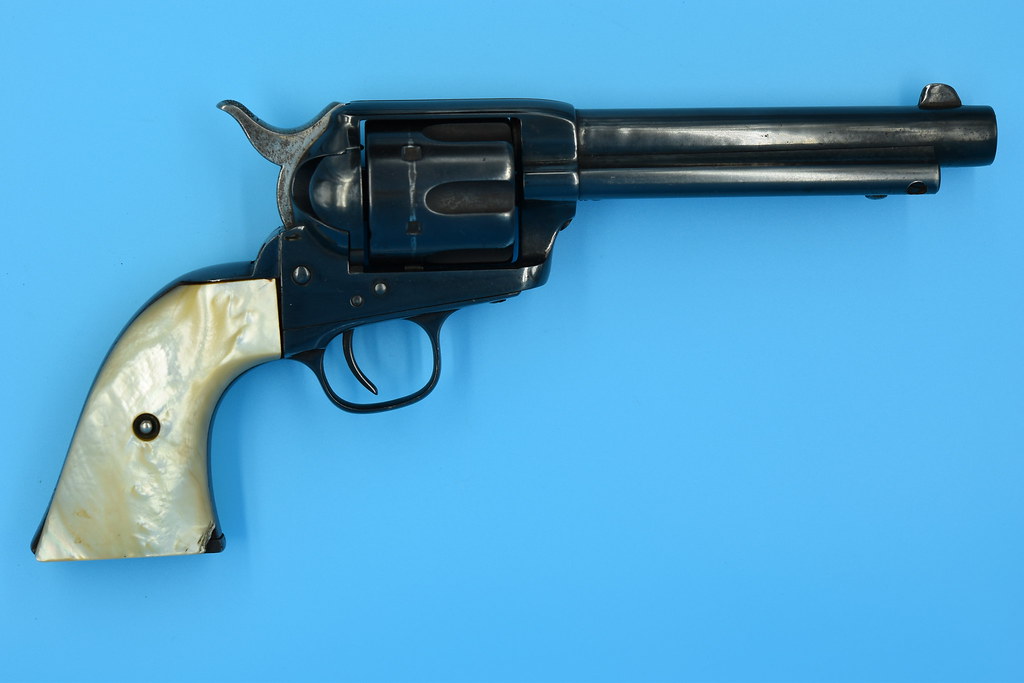
The 1873 Colt Single Action Army gave the post-Civil War Army a rugged metallic-cartridge revolver that fit the demands of mounted service. Chambered in .45 Colt and built around a solid topstrap frame, it replaced a generation of less convincing sidearms and became one of the clearest symbols of the frontier Army.
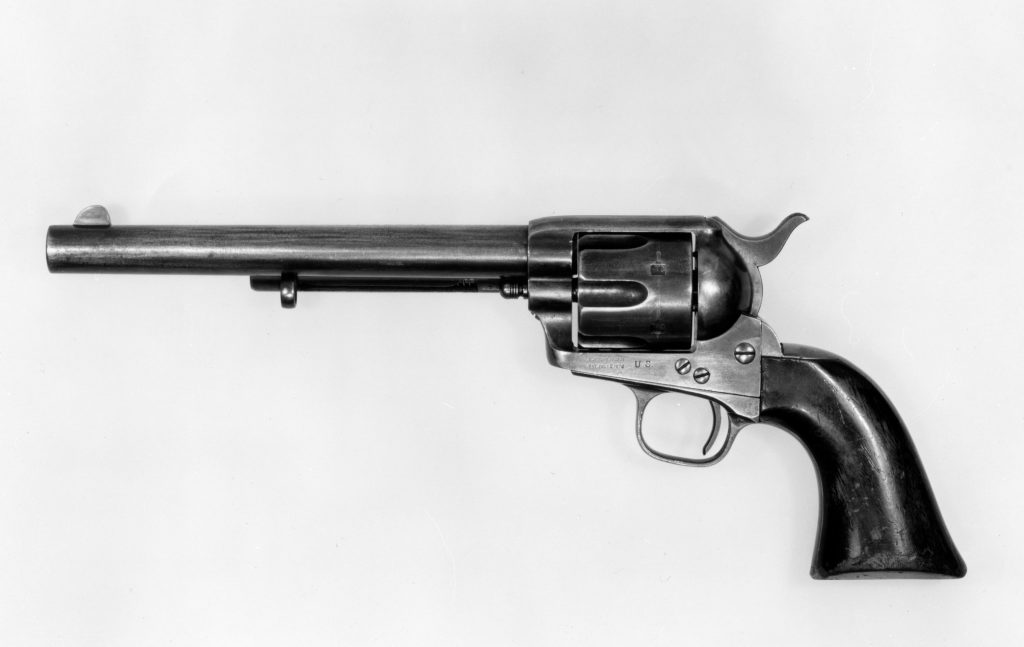
Its importance went beyond image. The revolver helped normalize a durable, practical service handgun for troops operating far from supply lines, where simplicity and repairability mattered as much as raw power. Later sidearms would become faster and safer to reload, but the Single Action Army established the idea that a standard-issue handgun needed to survive hard field use before anything else.
2. Colt M1911 and M1911A1
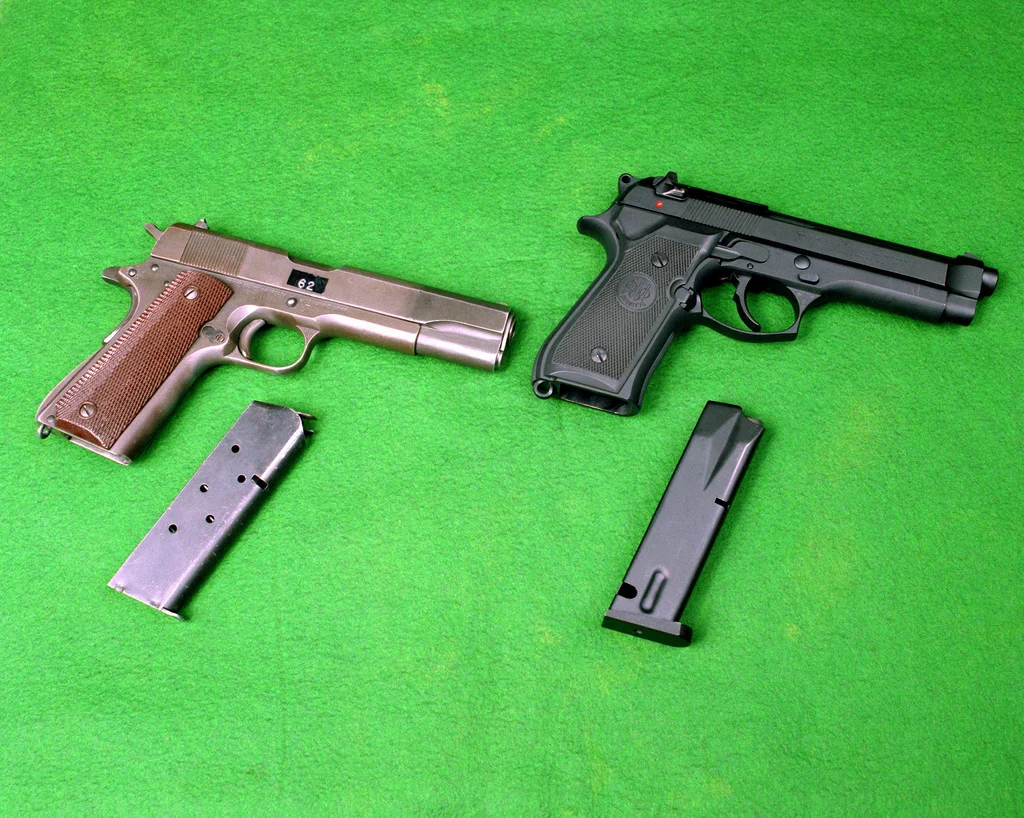
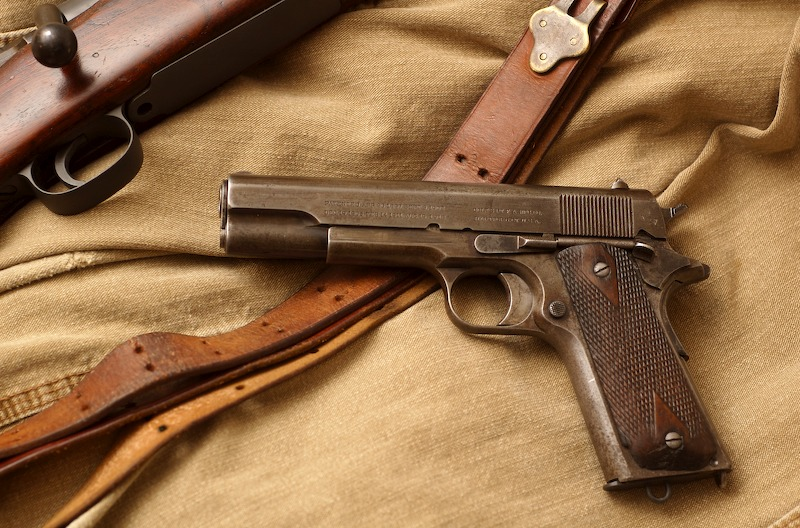
If one Army sidearm became a benchmark, it was Browning’s M1911. The pistol emerged after the Army lost confidence in .38-caliber revolvers during fighting in the Philippines, then proved itself in the 1911 trials by firing 6,000 rounds without any jams or malfunctions. That feat still hangs over every later service-pistol debate.
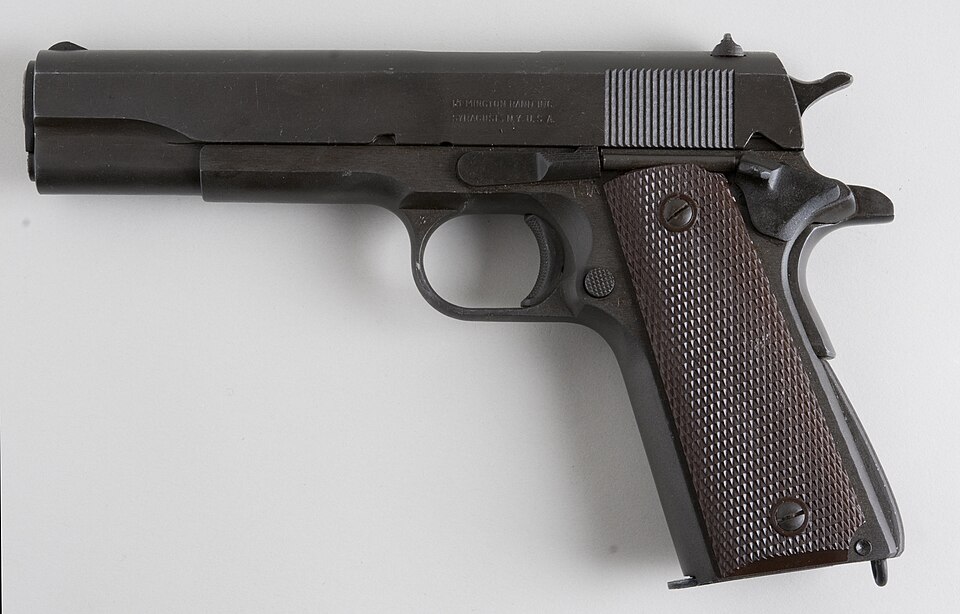
Adopted in 1911, the .45 ACP pistol brought the Army into the semi-automatic era with a design that balanced reliability, fight-stopping reputation, and unusually clean mechanical layout. The later M1911A1 refinements in 1926 improved handling without changing the core formula. Through World War I, World War II, Korea, and Vietnam, the pistol earned a standing that few military handguns ever reach. It stayed in standard Army service until 1985, giving it nearly eight decades in uniform, and even then the design did not disappear from American military use.
3. Colt and Smith & Wesson M1917 Revolvers
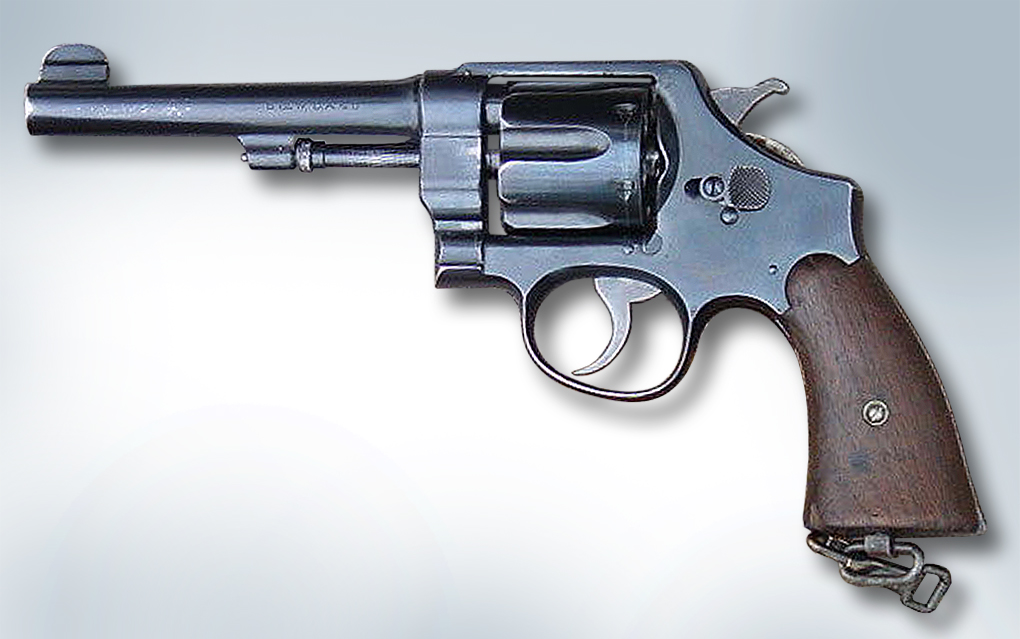
Some influential sidearms are famous because they were meant to be temporary. The M1917 revolvers fit that category perfectly. When wartime production could not deliver enough M1911 pistols, the Army turned to large-frame Colt and Smith & Wesson revolvers modified to fire .45 ACP. The technical trick was the half-moon clip, which let a revolver handle rimless automatic-pistol cartridges.
That adaptation was more than a stopgap; it showed how quickly ordnance designers could bend existing hardware to meet a surge requirement without changing ammunition. In service, the M1917 preserved .45-caliber commonality and gave troops a sidearm that was blunt, durable, and easy to understand under pressure. It remained useful well after the emergency that created it.
4. Beretta M9
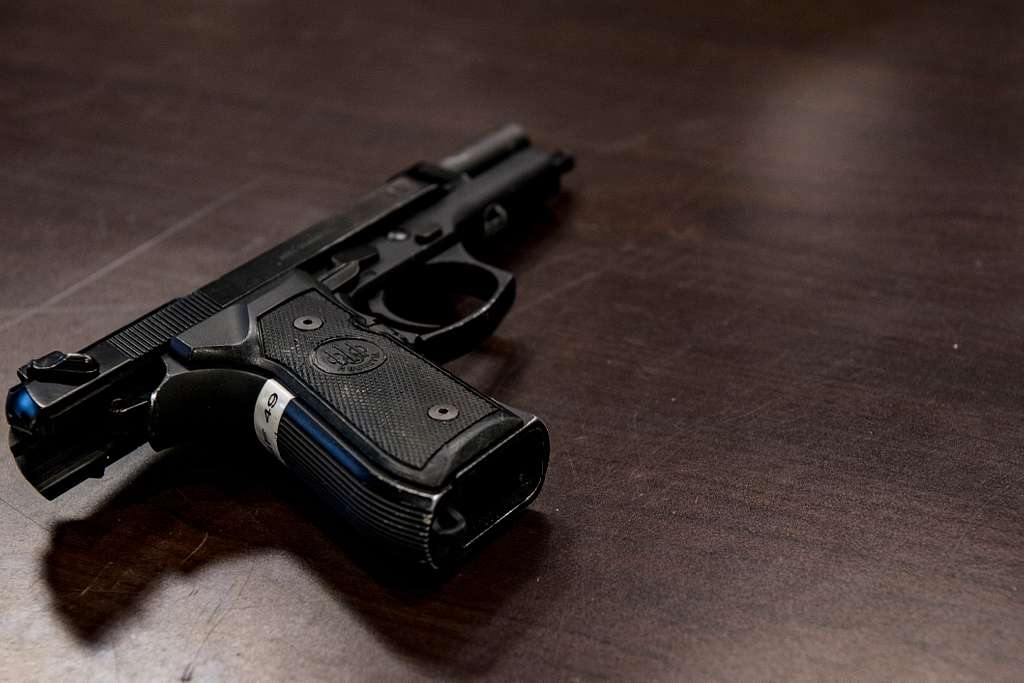
The Beretta M9 represented a different kind of turning point: not more power, but standardization, capacity, and alliance compatibility. After a long and contentious trial process, the Army chose the Beretta over the SIG P226 in 1985, with both pistols technically acceptable and Beretta winning on the total package cost. In Army testing, the finalists posted 2,877 and 1,750 mean rounds between failure, numbers that reflected how seriously reliability had become part of the selection culture.
The M9’s 15-round magazine, double-action/single-action system, and 9×19 mm chambering were a major break from the old .45 service pistol. Critics never stopped arguing about caliber, but the design delivered lighter recoil and more onboard ammunition, and it fit the NATO requirement that had helped drive the whole program. Its reputation became tangled with maintenance issues, aging inventory, and early ammunition-related failures, yet much of that controversy says as much about support systems as about the pistol itself. The later M9A1 added a rail and improved desert-focused magazines, extending the platform’s usefulness in a very different era of military service.
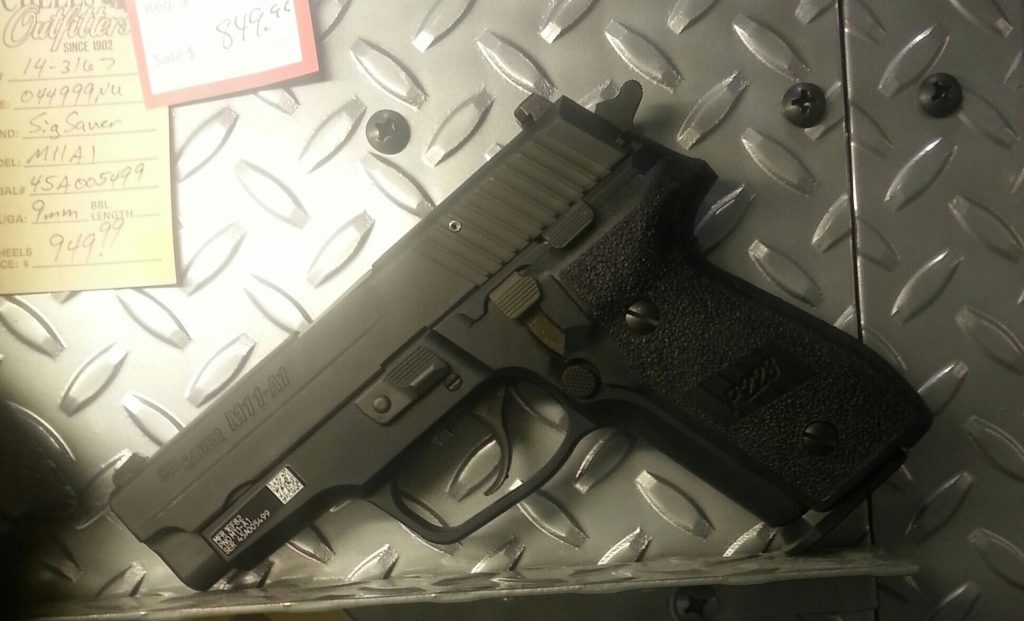
5. SIG Sauer M11
The M11 never served as the Army’s universal sidearm, which is exactly why it matters. Based on the compact P228, it filled the gap between full-size issue pistols and specialized carry needs for investigators, protective details, and other personnel who needed something smaller without giving up service-grade reliability. That niche role highlighted an important shift in Army thinking: one pistol does not fit every mission.
Aberdeen testing found that over four dozen different types of sidearms have appeared in Army history, and the M11 is part of that broader lesson. Compact handguns were no longer backup curiosities; they had become purpose-built tools for specific jobs where concealability, manageable size, and dependable operation mattered more than maximum magazine capacity or full-length sight radius.
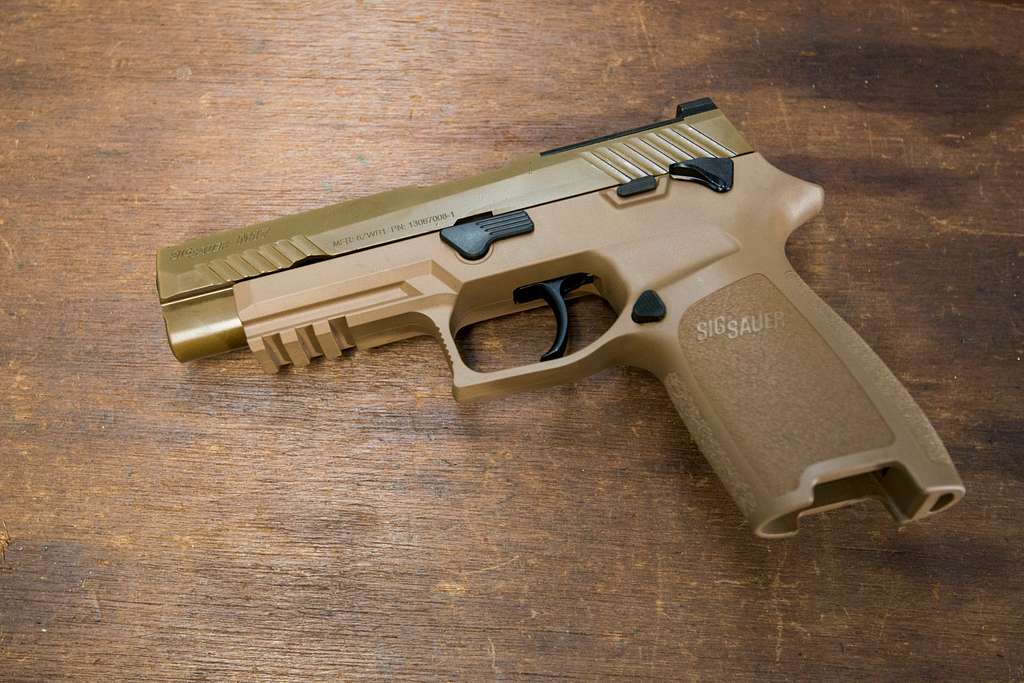
6. SIG Sauer M17 and M18
The current Army sidearm family marks the modular age. Selected in 2017 under the Modular Handgun System program, the M17 and M18 moved the Army away from the all-metal, hammer-fired template that had defined standard service pistols for decades. The new guns were built around a chassis-based concept with optics-ready slide cuts, accessory rails, corrosion-resistant finishes, and a standard 17-round magazine.
Just as important, the M17/M18 program reflected a larger shift in what the Army expected from a handgun platform. The sidearm was no longer just a fixed configuration to be issued and forgotten. It had become a system that could support lights, suppressor kits, modern sights, and a more adaptable fit across different users and roles. The transition also closed the long chapter opened by the M9, with Army plans calling for full replacement of legacy pistols by the late 2020s. In engineering terms, that makes the M17 less a simple successor than a reset of the service-pistol template.
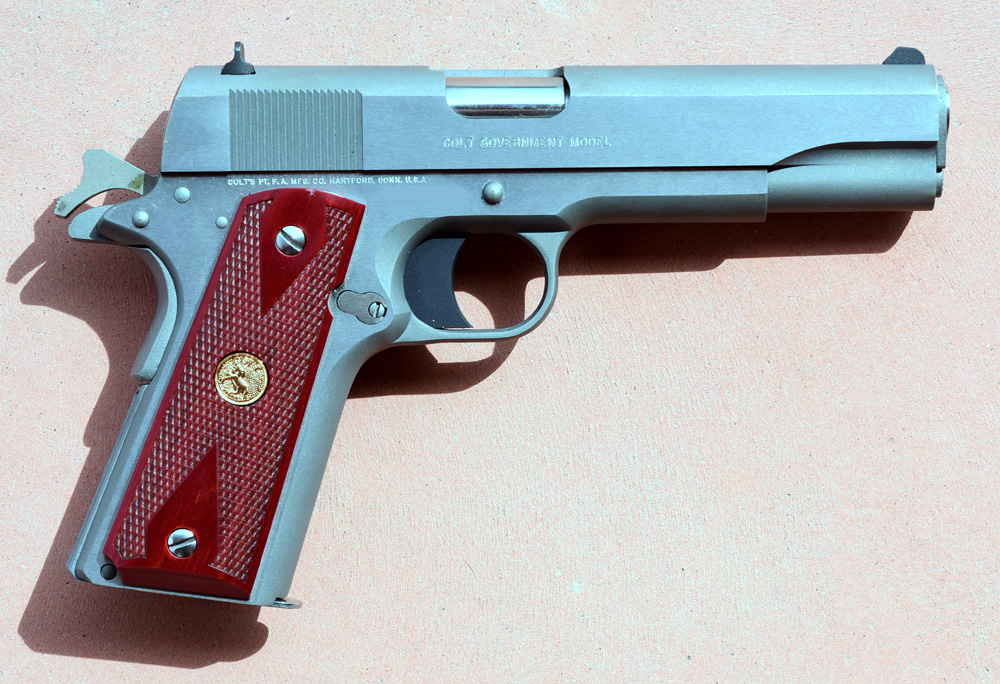
Put together, these sidearms chart the Army’s changing priorities with unusual precision. The early holsters favored rugged simplicity, the M1911 era emphasized power and trust, the M9 years highlighted standardization and capacity, and the M17 generation reflects modularity and system integration. That is why the Army’s best-known sidearms remain more than collectible names. Each one marks a moment when handgun design had to answer a different question about how soldiers fight, carry, maintain, and survive.


