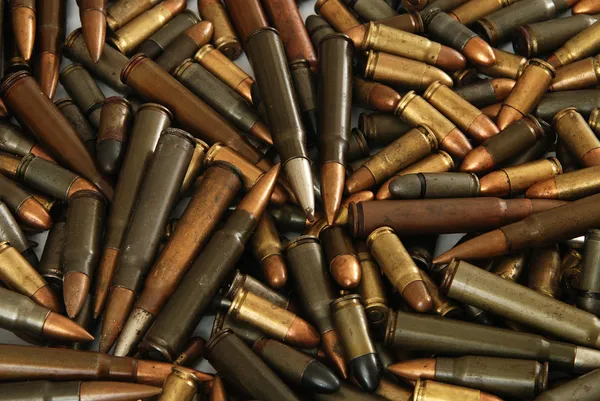
Range ammo rules are often less about caliber alone and more about what the projectile or case is made of. A box that looks ordinary at the bench can become a problem the moment a rangemaster puts a magnet to it. That is why shooters get turned away with ammunition they assumed was acceptable. Indoor backstops, steel targets, fire risk, ricochet management, and even brass-recovery policies all shape what a range will or will not allow.
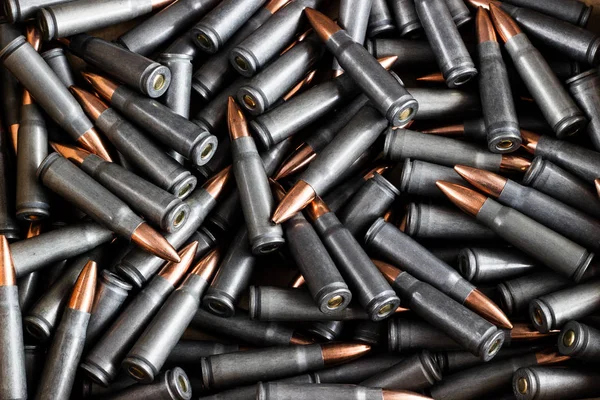
1. Bi-metal jacket rifle ammo
This is one of the most common reasons a shooter gets stopped at check-in. Many inexpensive imported rifle loads use a bi-metal jacket, which usually means a steel jacket under a thin copper wash. The bullet is not literally magnetic on its own, but it will attract a magnet because it contains steel, as explained in bimetal jacket construction.
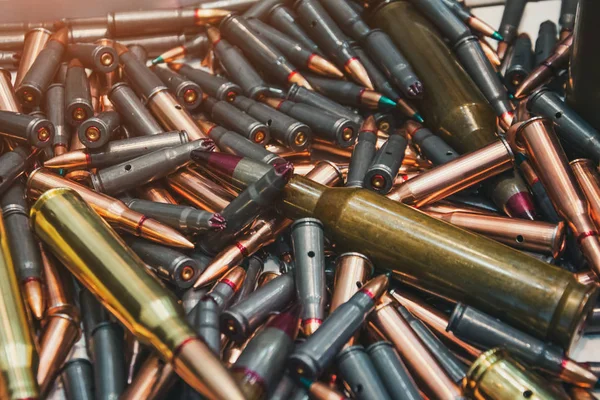
Ranges often ban these loads because steel in the bullet can increase wear on backstops and target systems. Operators also associate them with more spark potential on steel or concrete and a higher chance of fragments coming back in undesirable directions. Shooters usually run into this issue with Russian-pattern calibers, but the problem is not the caliber itself. It is the steel in the projectile.
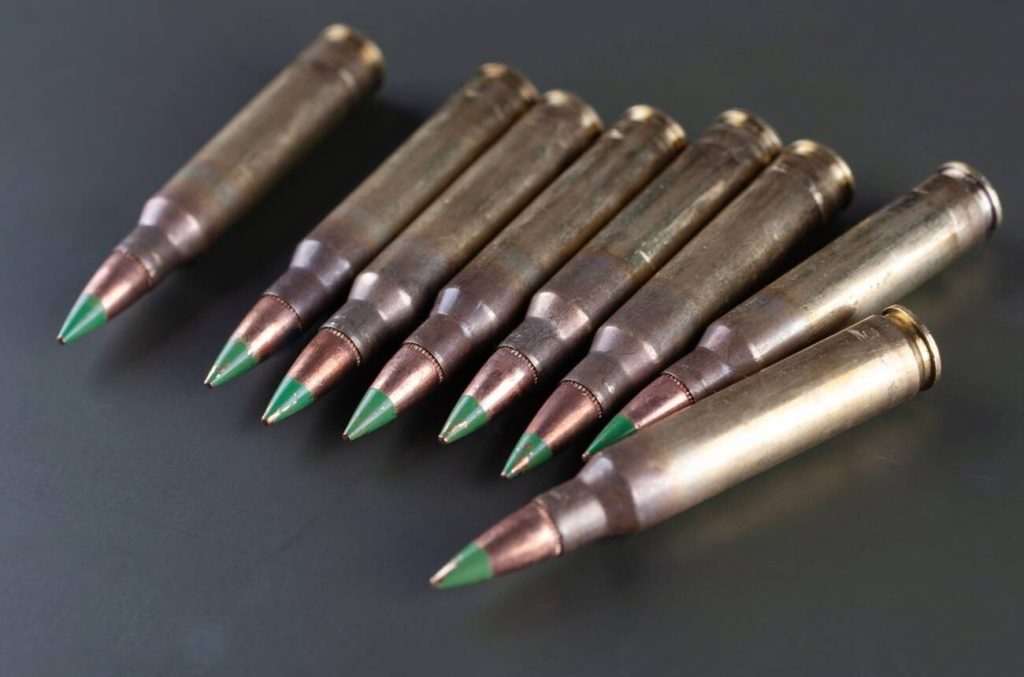
2. M855 and other green-tip 5.56 loads
Green-tip 5.56 gets rejected so often that many shooters treat it as a separate category. The reason is straightforward: M855 uses a bullet with a small steel penetrator in the front, which is why all M855 cartridges have magnetic bullets. That does not automatically make it armor-piercing.
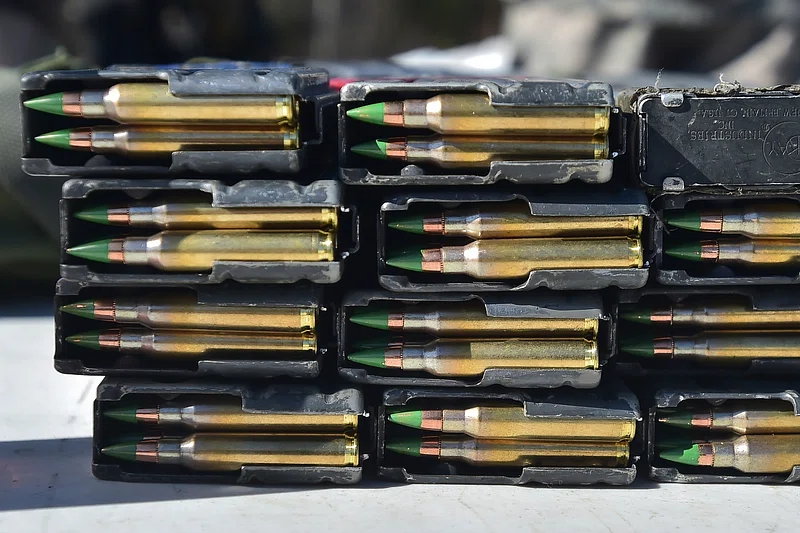
Multiple references note that M855 does not fit the federal definition commonly cited in those debates. But range policy is not built around that argument. It is built around wear, sparks, ricochets, and the way steel-core or steel-containing bullets interact with traps and steel plates. Indoor facilities are especially likely to block it, while outdoor ranges may allow it on paper targets but prohibit it on steel.
3. Steel-core surplus ammunition
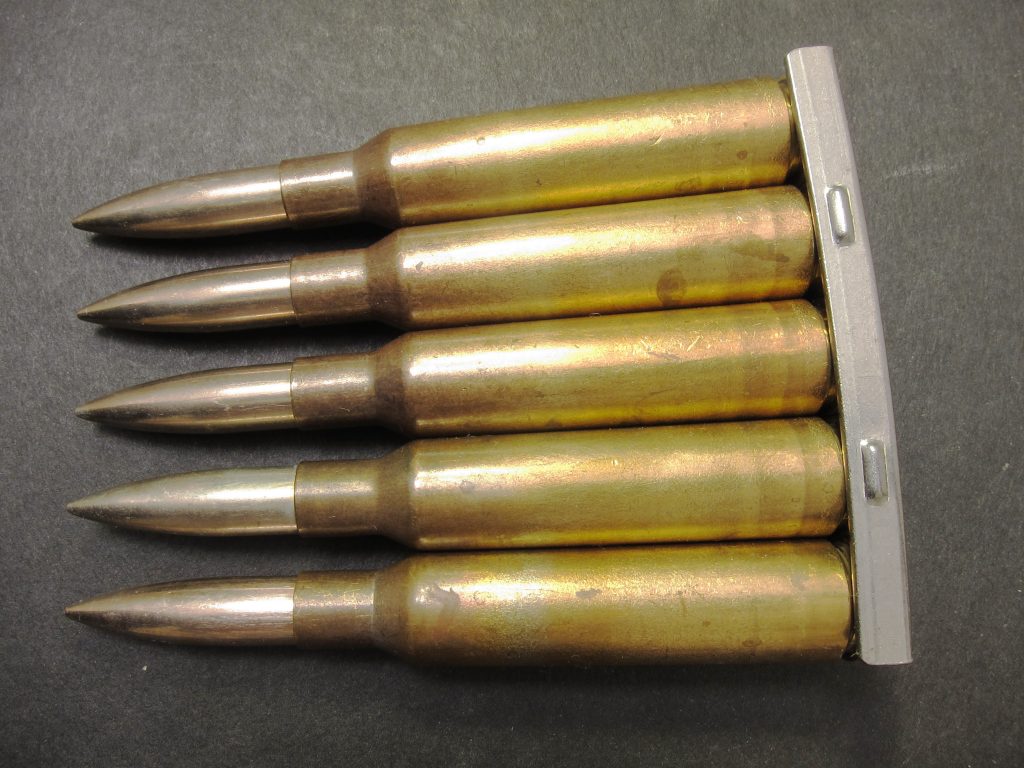
True steel-core surplus loads are at the top of many banned-ammo lists. These are the rounds range staff worry about most when the target system uses steel bullet traps or when outdoor lanes back up to steel targets, rocky ground, or dry vegetation. Ammunition in this category can damage traps faster than standard lead-core ball ammo and can create more serious maintenance issues over time.
It is also why ranges that use the phrase “range safe ammo” usually define that term around lead-core, copper-jacketed bullets rather than anything containing steel. In practical terms, steel-core surplus is one of the easiest ways to fail the magnet test and one of the hardest types of ammo to argue past once the rule is posted.
4. Steel-cased ammo at brass-only ranges
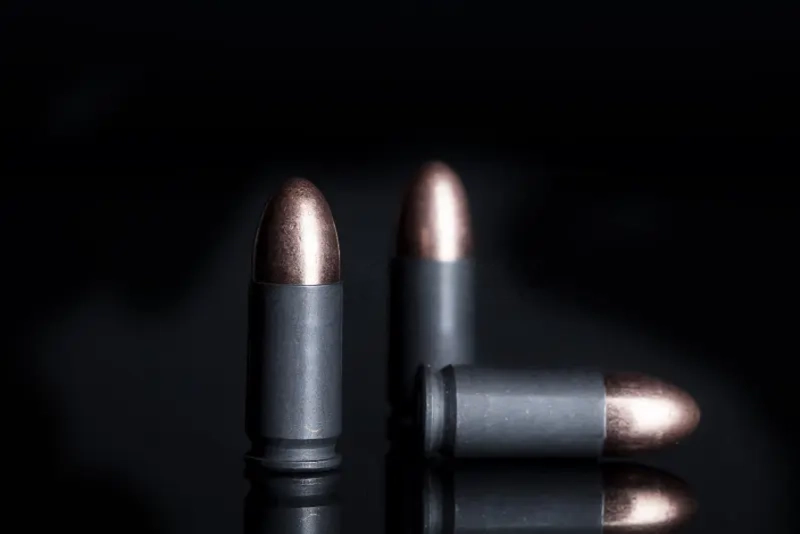
Steel cases do not automatically create the same hazard as steel in a bullet. That distinction matters. A steel case is not the same thing as a steel-core or bi-metal projectile. Even so, some facilities reject steel-cased ammunition outright. Sometimes that happens because staff assume steel-cased ammo probably also carries a magnetic bullet, which is often true with imported budget loads.
Other times the reason is simpler: ranges sort and resell spent brass, and mixed steel cases create more labor with less value. The result is the same for the shooter standing at the counter. If the range has a blanket no-steel policy, steel-cased ammo gets turned away whether the bullet is the real issue or not.
5. Ammo that fails a magnet test despite “normal” packaging
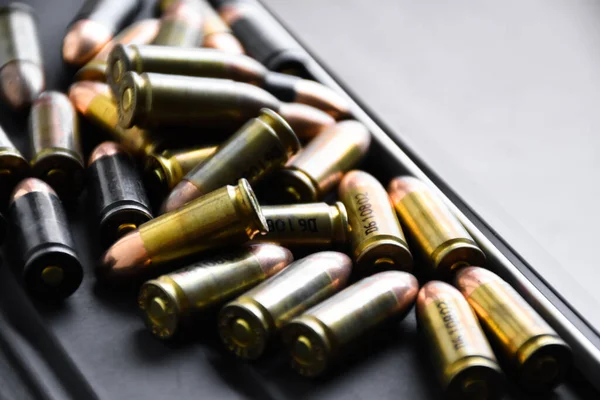
Not every rejected load is obvious from the box. Some cartridges come in brass cases and still fail because the bullet itself contains steel. That is what catches many shooters off guard with certain 5.56 loads and some imported rifle ammunition.
Range staff do not usually debate brand reputation when a magnet settles the question in seconds. If the projectile attracts a magnet, many facilities stop the conversation there. That is why the safest pre-range habit is to test the bullet, not just the case, especially when the packaging is vague or when the load comes from a line known for mixed specifications. A weak pull still counts.

6. Specialty lead-free loads that use steel projectiles
Lead-free does not automatically mean range-safe. Some non-lead ammunition uses copper and passes without issue, but some specialized loads rely on steel or other hard materials that trigger the same restrictions ranges apply to magnetic ammo. This matters because a shooter may assume “environmental” or “lead-free” labeling makes the round easier to use anywhere. In reality, ranges are looking at the projectile’s interaction with the facility, not the marketing category.

If the bullet contains steel, the same concerns remain: trap damage, harder impact on steel targets, spark risk, and the possibility of ricochets. The pattern behind most range rejections is simple. The problem is rarely the headstamp and often the bullet. Shooters avoid most counter surprises by checking range rules before arrival and by testing unfamiliar rifle ammo with a magnet at home. If the projectile contains steel, many ranges will treat it as a non-starter, whether the box says green tip, surplus, steel case, or nothing useful at all.


