Polymer handguns dominate modern issue lists, but they did not erase the logic behind older steel and alloy pistols. In specialist circles, certain metal-framed designs still matter because weight, balance, trigger systems, and long established maintenance knowledge continue to solve practical problems. That staying power is not really about sentiment. It is about controllability, mechanical familiarity, and the fact that some older pistols were engineered so well that newer platforms still get measured against them.
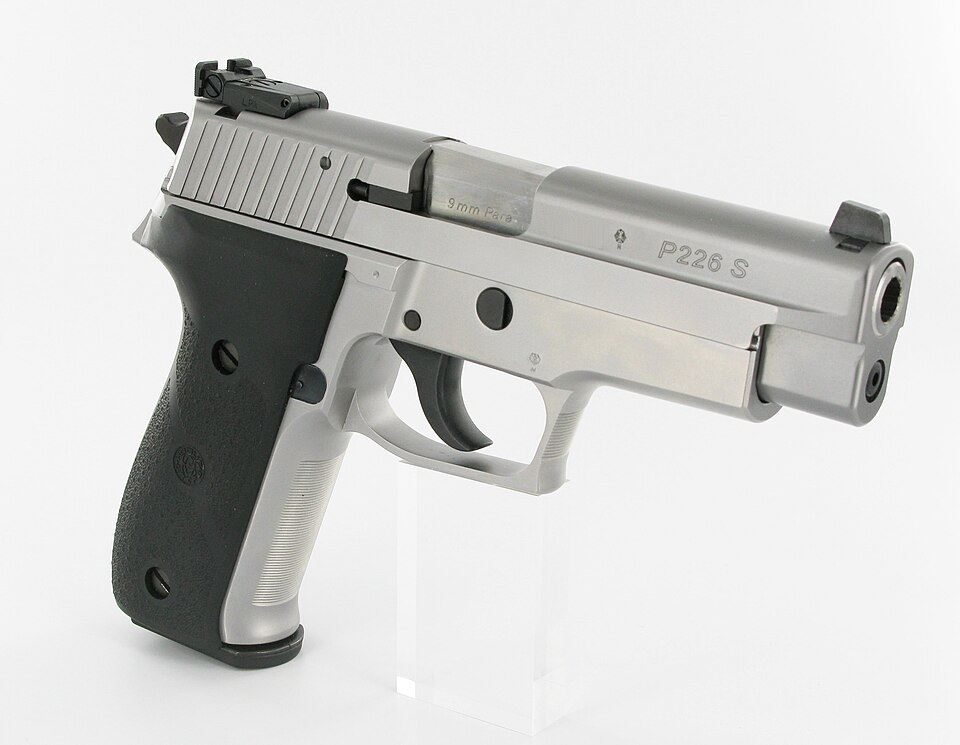
1. SIG Sauer P226
The P226 remains one of the clearest examples of a service pistol whose reputation was built on hard use instead of novelty. Its alloy frame, full-size layout, and DA/SA trigger system give it a calm, settled feel in rapid fire, which helps explain why trained users have long regarded it as easy to run well when time pressure rises.
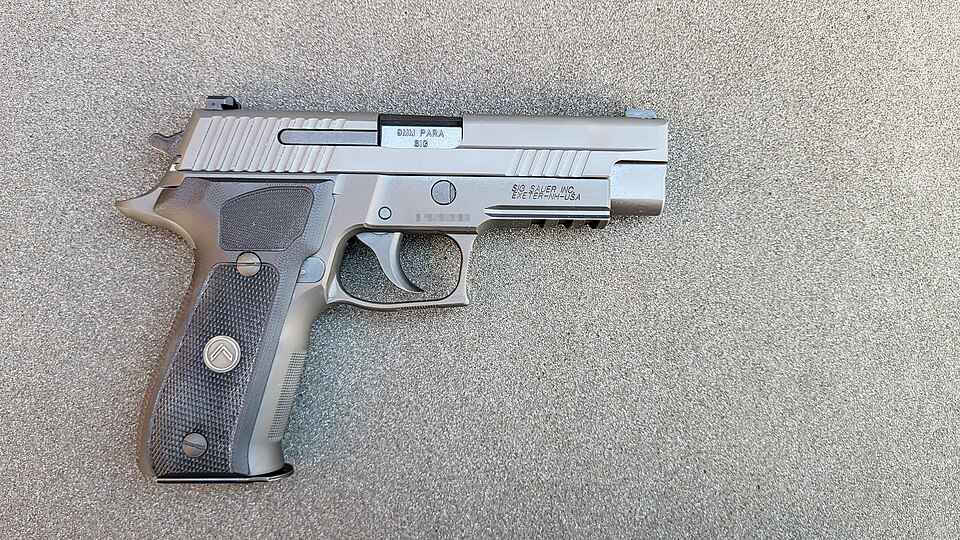
The design also gained unusual credibility from naval and special-operations use. The SEAL-specific evolution eventually produced the Mk 25, which added a standard M1913 Picatinny rail and SIGLITE night sights while preserving the core operating system. Even after special units moved toward more compact striker-fired pistols, the P226 kept its standing as a benchmark for reliability, corrosion resistance, and predictable recoil behavior. That combination is why the pistol still gets discussed as more than a legacy sidearm.
2. Beretta 92/M9
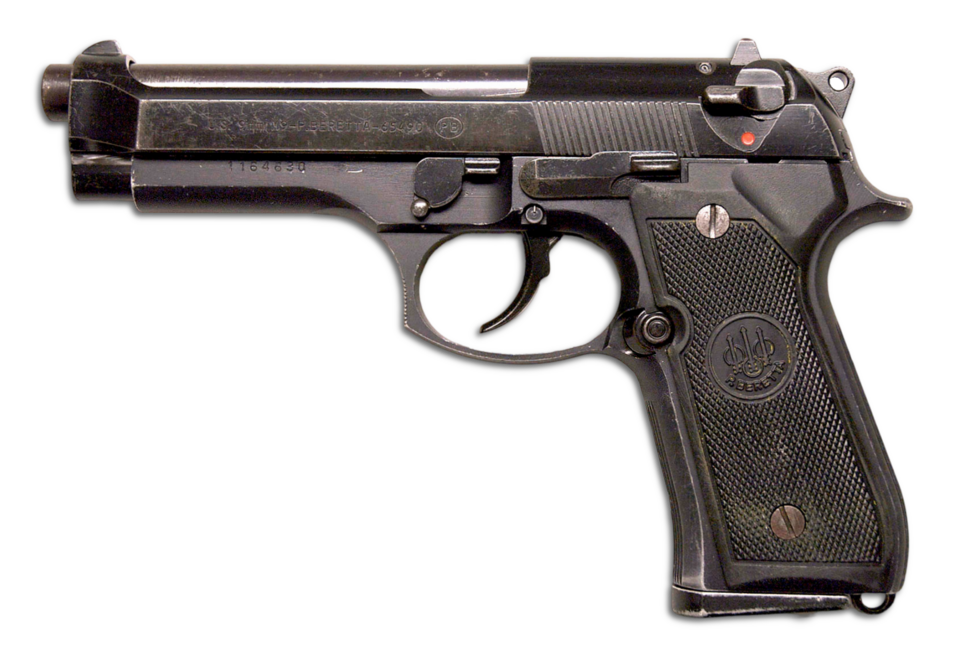
The Beretta 92 family lasted in front-line institutional service longer than many service pistols ever do. Its open-slide profile, alloy frame, direct-feed magazine geometry, and locking-block system created a pistol with a very distinctive shooting character: soft recoil, smooth cycling, and strong practical accuracy in a duty-size package.
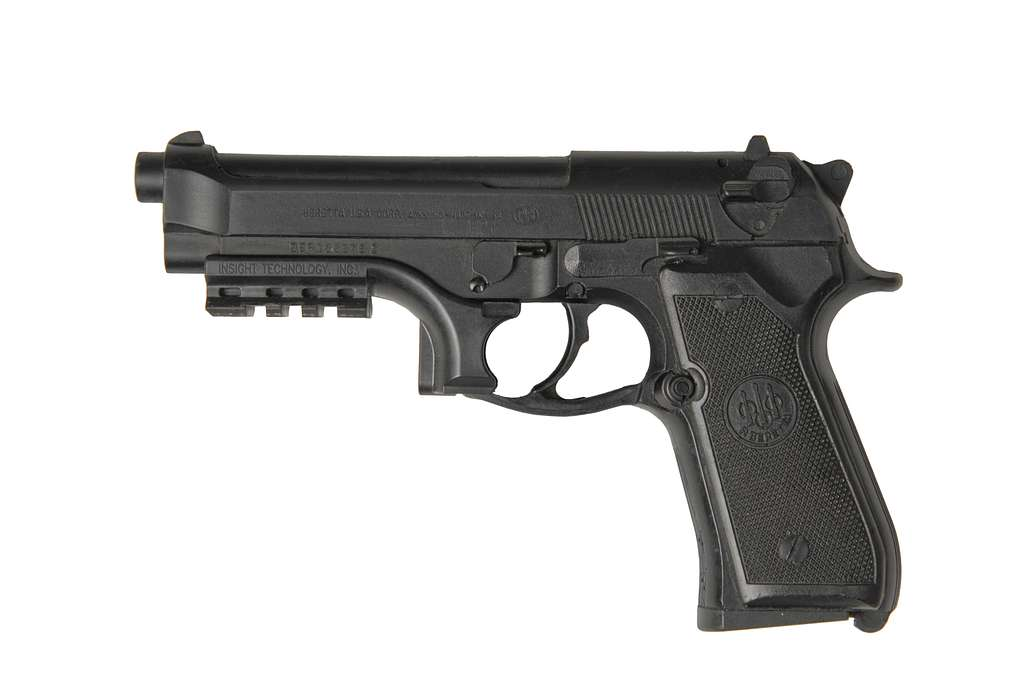
Its engineering story is a major reason it still stays relevant. Beretta’s open-slide system was designed to reduce feeding and ejection issues, while the falling locking block gave the pistol a notably linear feel in recoil. The platform also evolved repeatedly, from early 92 variants through the M9A1, M9A3, and M9A4, showing that the design never really froze in the 1980s. The longer institutional arc matters too, especially after the last M9 rolled off the assembly line in 2021. Even with criticism over size and controls, the Beretta remains one of the clearest proof points that an older metal pistol can stay viable when the original engineering was sound.
3. CZ 75
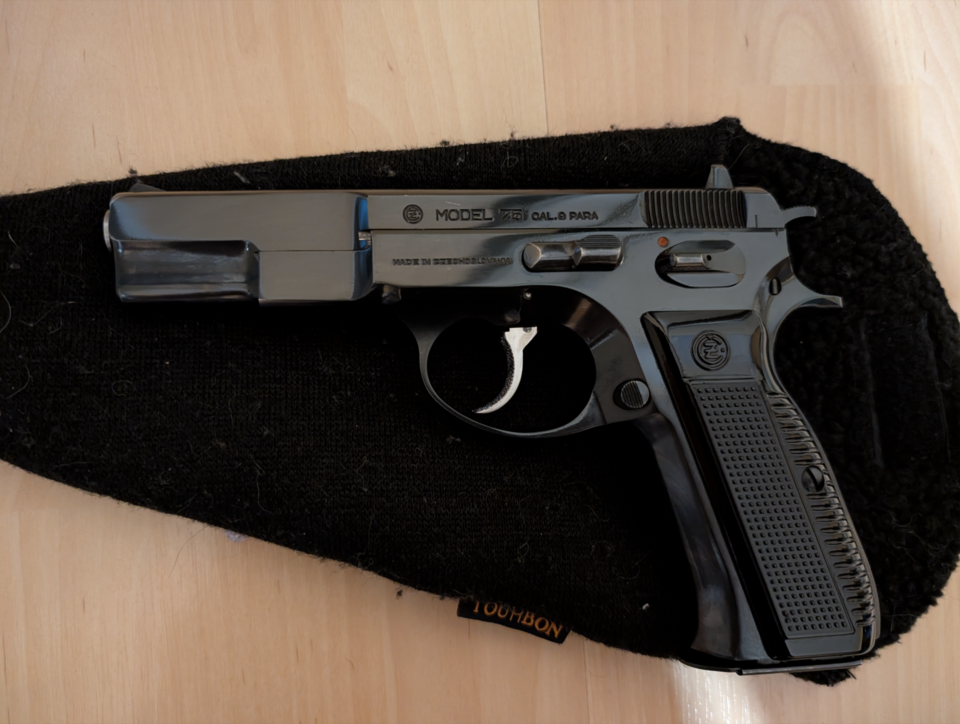
The CZ 75 built its reputation in a different way: it simply fit shooters extremely well. Its all-steel construction, internal slide rails, and low bore profile give it a planted, almost gliding feel that still stands out even in a crowded field of modern pistols. That matters because shootability is often the real dividing line between a merely durable sidearm and one that expert users genuinely trust. The CZ 75’s grip shape became one of the most copied in handgun design, and the pistol’s influence spread widely because Cold War politics limited patent protection and encouraged imitation. Nearly half a century after its debut, the CZ 75 still represents a formula many newer guns chase: weight low in the hand, controllable recoil, and a trigger system that can serve both deliberate first-shot control and fast follow-ups.
4. Smith & Wesson Model 686
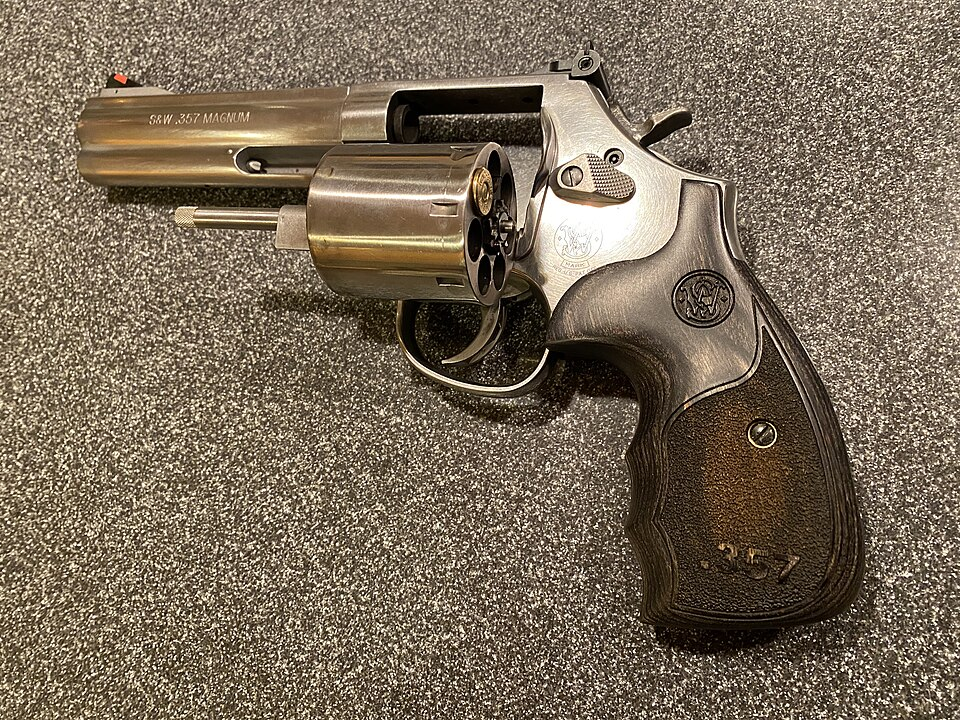
The Model 686 stands apart from the rest of this group because it proves the conversation is not limited to semiautomatics. Built on Smith & Wesson’s L-Frame and chambered in .357 Magnum, it was designed to absorb sustained use while preserving the smooth double-action pull that made serious revolvers effective for generations.
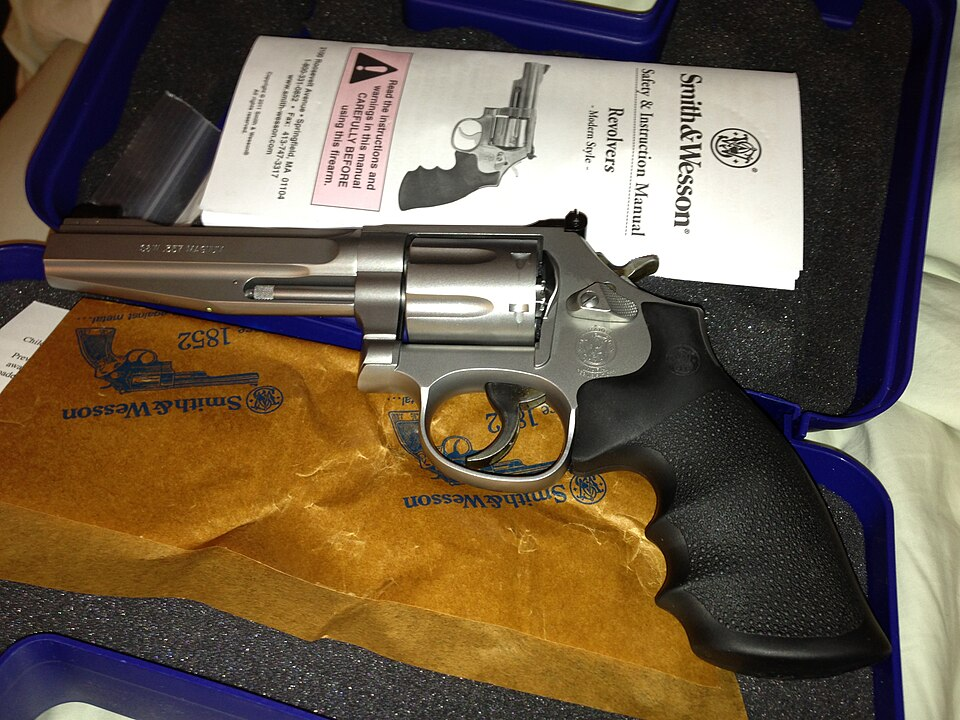
Its appeal is mechanical transparency. There is no magazine to blame, no slide cycle to diagnose, and no question about what the trigger is doing from shot to shot. The stainless-steel construction supports hard service in rough environments, and the gun’s weight helps tame recoil in a way lighter platforms cannot easily match. Capacity is the obvious tradeoff, but that has never been the point of the 686. The reason it still enters elite-sidearm conversations is simpler: a good example delivers highly predictable double-action performance and long-term durability.
5. Browning Hi-Power
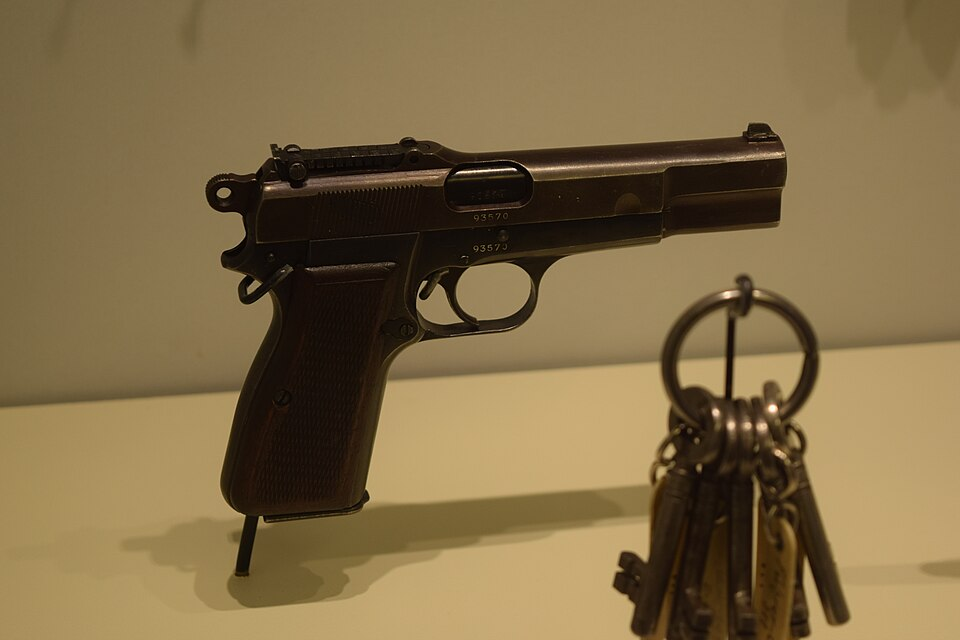
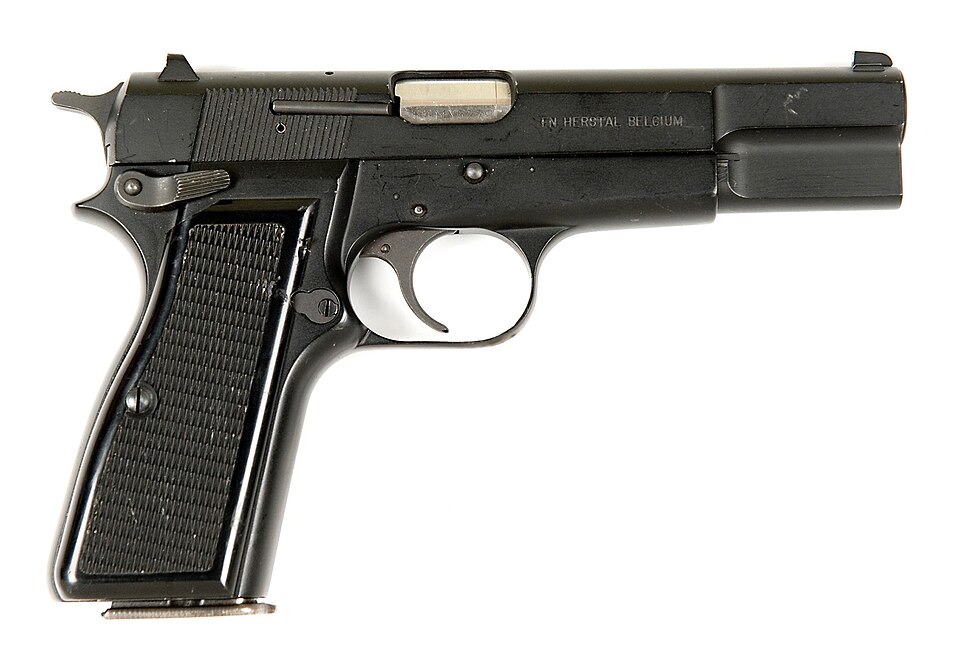
The Hi-Power earns its place because it introduced a balance of slim dimensions, steel-frame stability, and double-stack capacity long before that combination became normal. For many experienced users, the pistol’s biggest strength was never raw specifications. It was how naturally it pointed.
That ergonomic advantage carried the design through decades of military and police use around the world. The original concept offered a 13-round magazine capacity at a time when that was a major step forward, and its grip shape helped make first-shot alignment feel intuitive. Later standards exposed its limits, especially around trigger consistency and upkeep demands, but the Hi-Power remains one of the clearest examples of how much handling qualities can matter. It is still part of the conversation because modern handgun design never stopped borrowing from its basic strengths.
What links these five pistols is not age alone. Each one solved a real problem in sidearm design, whether that meant reducing muzzle flip, improving first-shot control, increasing practical capacity, or creating a platform armorers could keep running for decades. That is why metal handguns still have a place in serious discussions in 2026. Lighter polymer frames won the broad market, but these older pistols continue to define the tradeoffs that matter when reliability, balance, and accountable hits are the real standard.


