Cartridge trends move faster than field reality. A round can fall out of magazine covers and rifle catalogs without losing the traits that matter when a hunter is breathing hard, shooting off a pack, or trying to settle a reticle through brush and bad footing.
The cartridges below have stayed useful for one reason: they help ordinary hunters make better shots under ordinary conditions. Some lean on frontal diameter, some on efficient bullet design, and some on recoil mild enough to keep practice productive instead of punishing.
1. .338 Federal
The .338 Federal solves a specific problem cleanly. It gives hunters a bigger bullet in a short-action rifle without dragging them into full magnum recoil, all by using the .308 Winchester case opened up to .338 caliber. That design gives it strong close-to-medium-range authority, especially on larger-bodied game where bullet diameter and weight still matter.
In one representative comparison, it can launch a 200-grain bullet at 2,700 fps, which helps explain why it earned a reputation as a compact, hard-hitting option for elk, moose, and timber hunting. It does not pretend to be a wind-cheating long-range darling. Its value shows up inside the distances where many real hunting shots actually happen, and where a short rifle that carries easily can be a real advantage.
2. 7mm-08 Remington
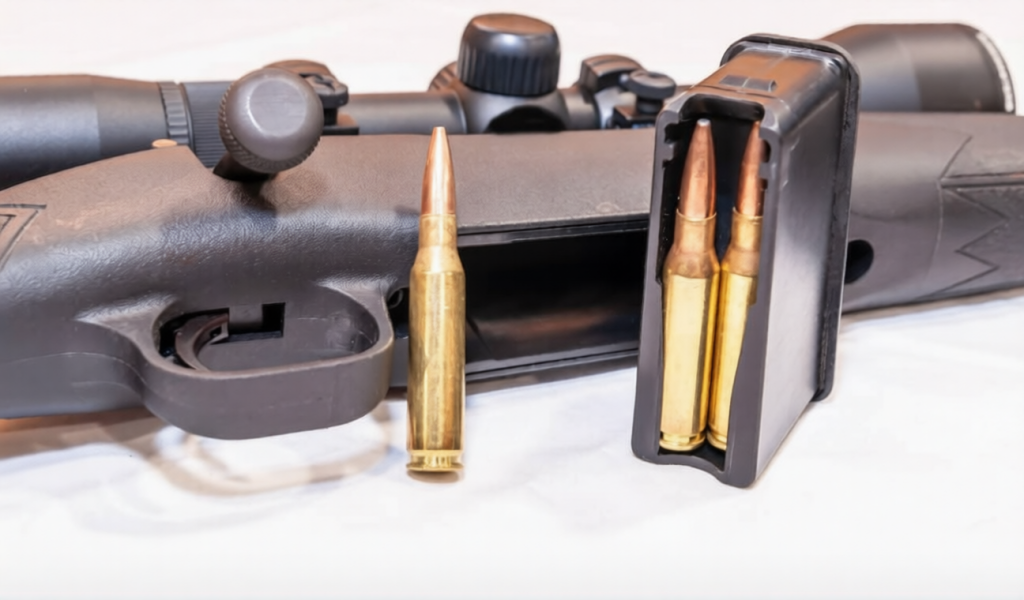
The 7mm-08 Remington may be the best example of a cartridge getting overshadowed without becoming less practical. Built from the .308 case necked down to 7mm, it combines light recoil, efficient powder use, and enough bullet weight to cover a wide share of North American big-game hunting. Its appeal is easy to understand in the field. It can drive a 150-grain bullet to around 2800 fps while keeping recoil around 12 foot-pounds in a typical hunting rifle, a level that makes practice easier for many shooters.
That matters because recoil management is not a side note; it is often the difference between a clean trigger press and a flinch. Even recoil-focused guidance still places 7mm-08 among the better low-recoil elk options for hunters who need shootability more than raw horsepower. In a trim short-action rifle, it remains one of the simplest ways to get a mountain-ready, woods-capable, all-day-carry setup that does not punish its owner at the bench.
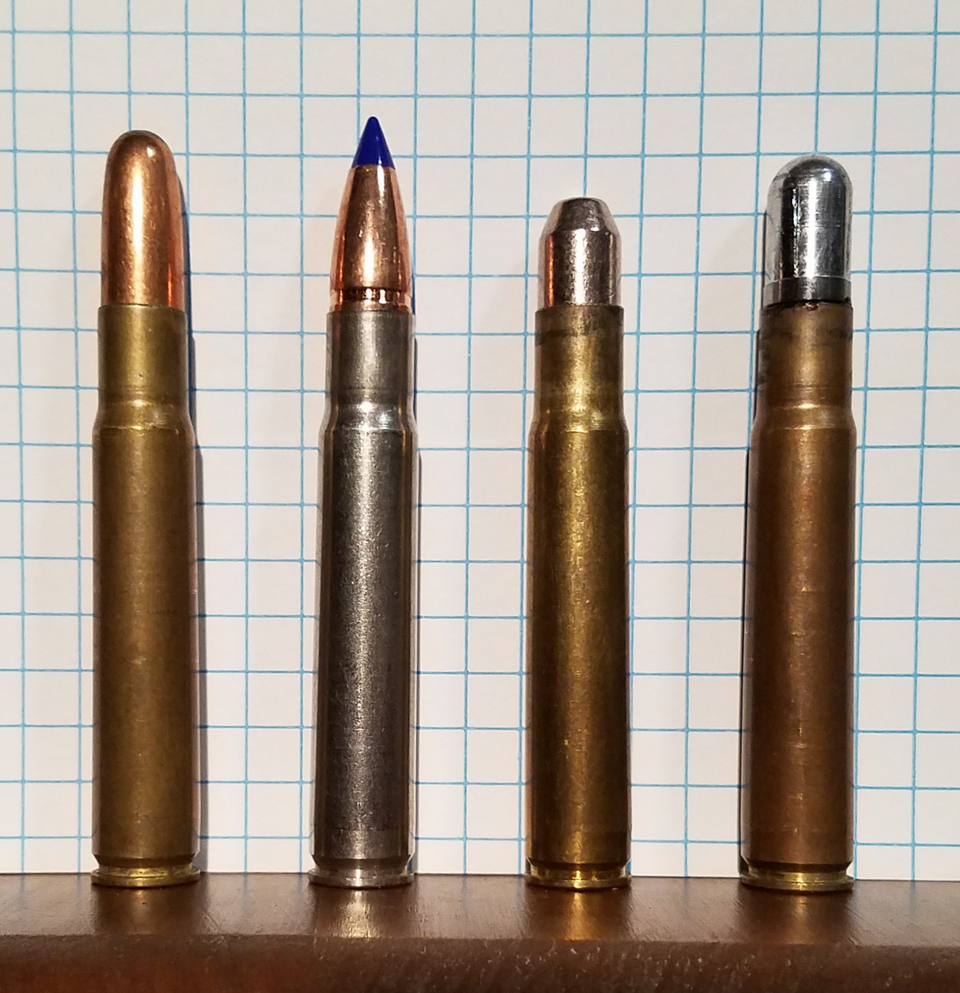
3. .35 Whelen
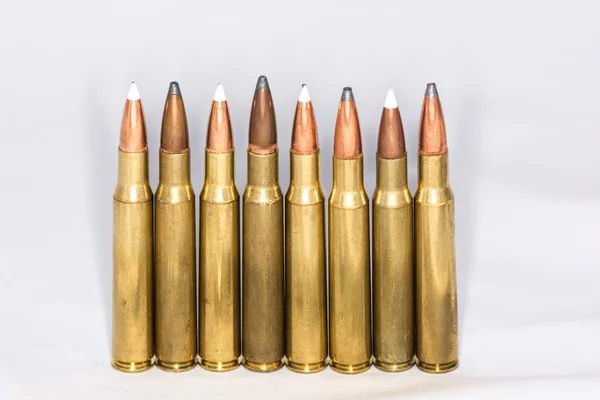
The .35 Whelen has never depended on fashion. It survives because medium-bore cartridges still do something many hunters value deeply: they hit with authority, penetrate well, and tend to make short-range encounters feel less theoretical. Based on the .30-06 case necked up to .358, the Whelen pushes heavy bullets from a standard-length action without the blast profile associated with bigger magnums.
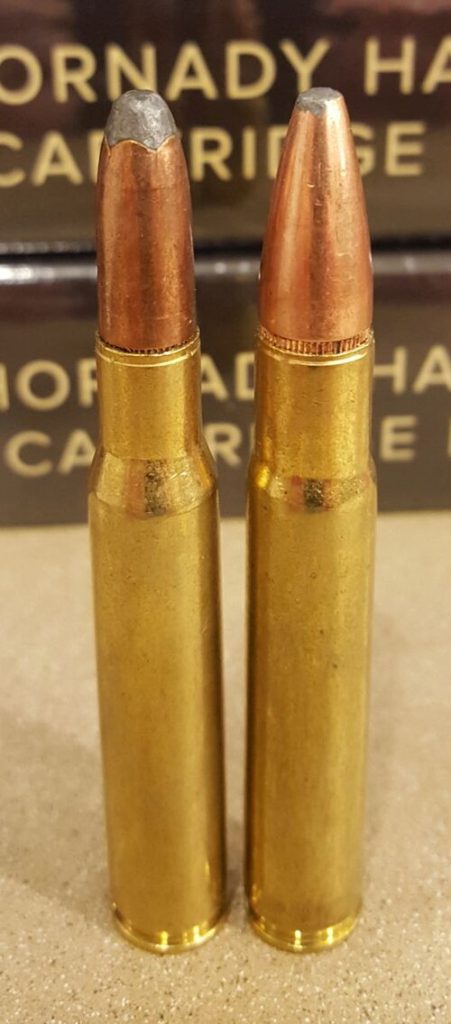
Its reputation has always centered on bullet behavior after impact rather than on a flat trajectory chart. That remains the point. Medium-bore specialists still describe the .35 Whelen as a hard-hitting and versatile “un-magnum” performer, and the cartridge keeps that status because it covers elk, moose, black bear, and thick-cover work with unusual confidence. For hunters who prefer momentum and frontal area over speed-driven hype, the Whelen still occupies very solid ground.
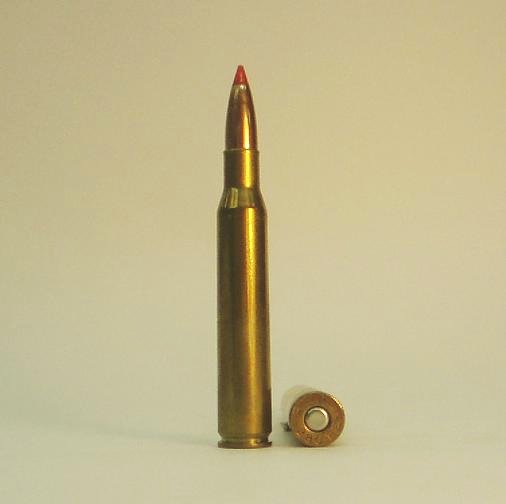
4. .280 Remington
The .280 Remington lives in a strange middle ground. It never developed the cultural pull of the .270 Winchester or the broad default status of the .30-06, yet its actual hunting balance remains hard to dismiss. Using the .30-06 case head and 7mm bullets, it offers reach, manageable recoil, and bullet flexibility that extends from lighter deer loads to heavier bullets suitable for tougher game and more difficult angles.
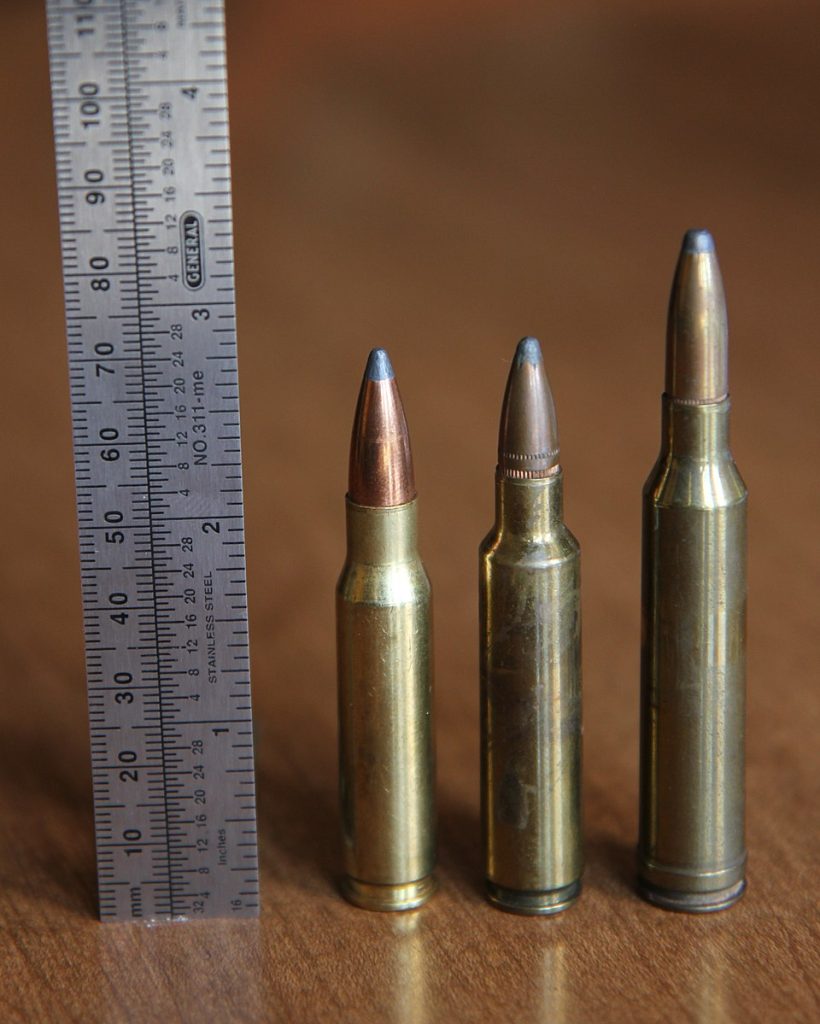
That range is a large part of its staying power. The cartridge can handle bullets up to 175 grains, giving it access to the sectional density that has long made 7mm hunting bullets so respected. It is the kind of round that does not demand attention, but keeps rewarding hunters who want one rifle to cover open country, mixed terrain, and realistic shot distances without stepping into heavier recoil classes.
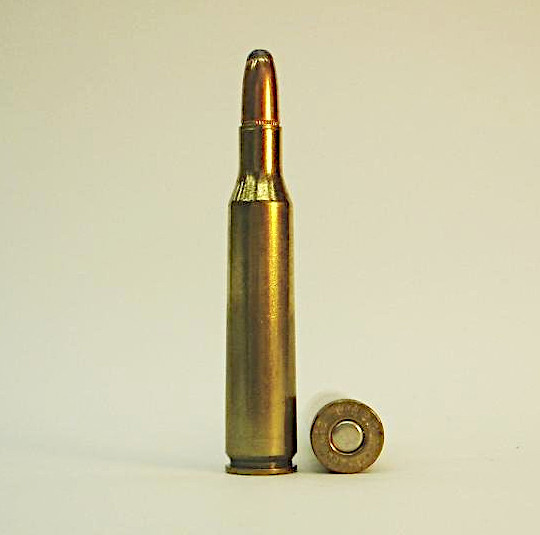
5. .257 Roberts
The .257 Roberts remains one of the best examples of an old idea that still feels modern in use. It offers mild recoil, enough speed for deer and pronghorn, and more field versatility than its low profile suggests. Derived from the 7×57 Mauser, the Roberts has always occupied useful ground between ultra-light deer rounds and harder-kicking all-around cartridges. Its market story is unusual because it exists as two different cartridges in practical terms, with stronger +P loadings bringing modern rifles closer to the performance the design always hinted at. That matters because bullet construction has improved far more than the cartridge itself needed to.
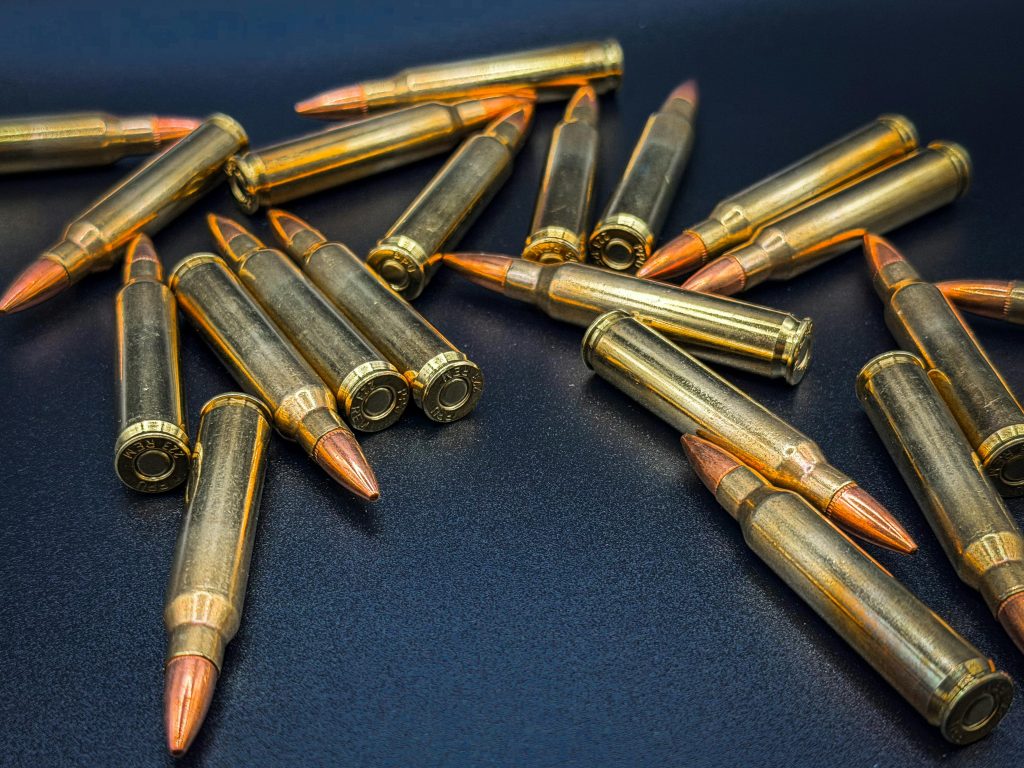
With better controlled-expansion bullets now common, the Roberts continues to offer the same thing it always did: enough power for medium game, little enough recoil to encourage steady practice, and none of the drama that often gets mistaken for effectiveness. All five cartridges point to the same lesson. Hunting performance is not only about speed, novelty, or whichever chambering is drawing the most shelf talk in a given season. It is about what happens when the position is awkward, the shot window is brief, and the hunter still has to break a clean shot. In that moment, controllable recoil, useful bullet weight, and honest field manners still count for more than trendiness.


