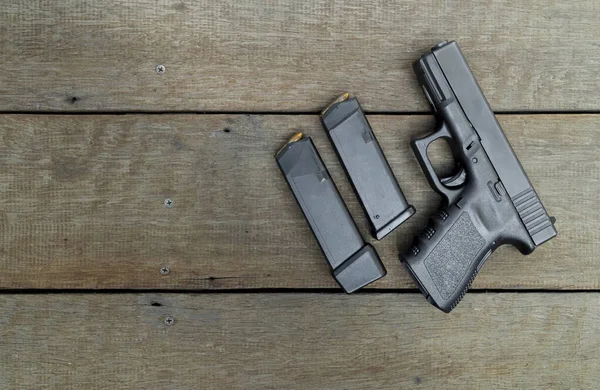
The modern 9mm service pistol did not emerge from a single breakthrough. It was built through decades of experimentation in materials, action types, magazine design, and duty requirements, with each generation borrowing from the one before it. Some handguns became legends because they won contracts. Others earned their status by influencing how later pistols were sized, carried, or engineered. These 10 models still define what shooters expect from a modern sidearm.
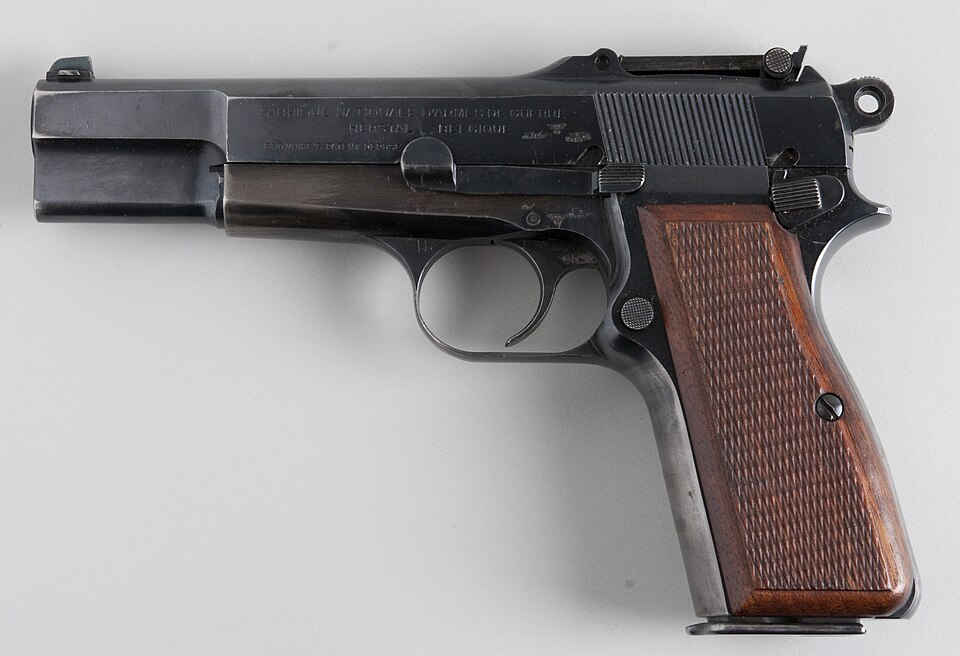
1. Browning Hi-Power
The Browning Hi-Power helped establish the high-capacity 9mm pistol long before “wonder nine” became a common label. Its double-stack magazine gave service handguns a new benchmark, and its slim profile showed that capacity did not have to come with excessive bulk. Its long service life reinforced that influence. The British Army adopted the Hi-Power in 1954, and special operations users pushed the design further with extended magazines and specialized carry rigs. Modern staggered-stack pistols owe a clear debt to that early formula of capacity, shootability, and portability.
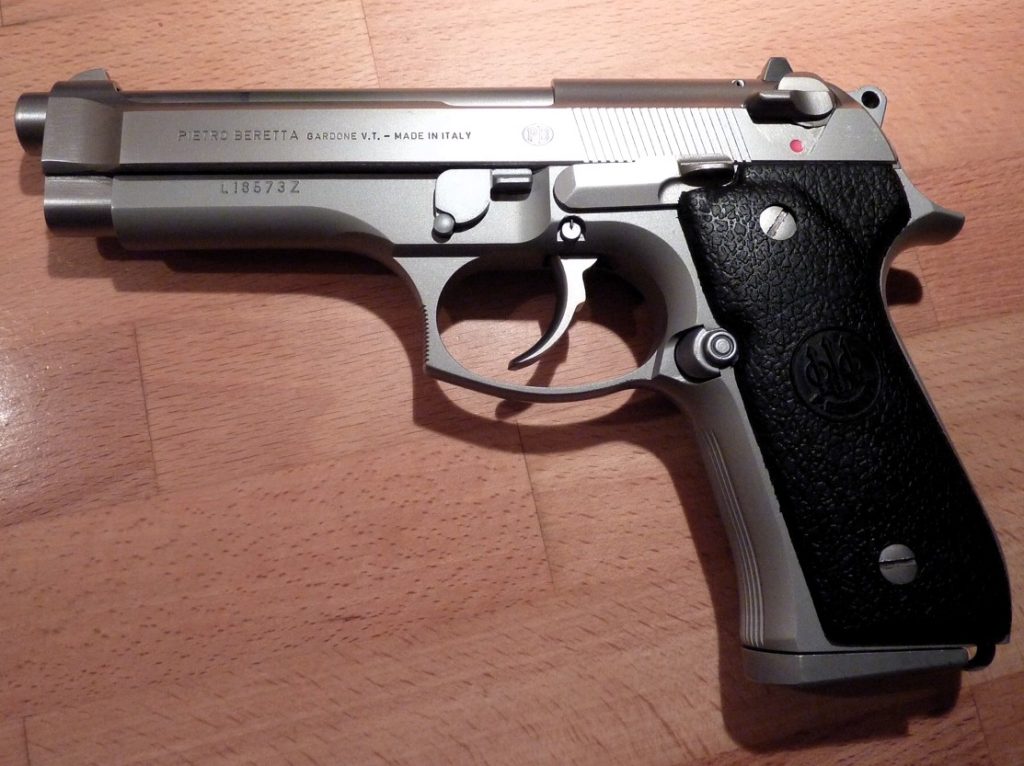
2. Beretta 92/M9
The Beretta 92 family made open-slide architecture and a full-size alloy-frame 9mm famous around the world. Its layout emphasized smooth feeding, controllable recoil, and strong practical accuracy, traits that kept it relevant for decades in military and law-enforcement circles. Its reputation also highlights a lasting engineering lesson: service life depends on maintenance as much as design. Field experiences varied widely, but the 92 platform remained a reference point for how a large-frame 9mm could balance capacity, reliability, and handling. Even current duty pistols still chase that same blend of soft recoil and fast follow-up shots.
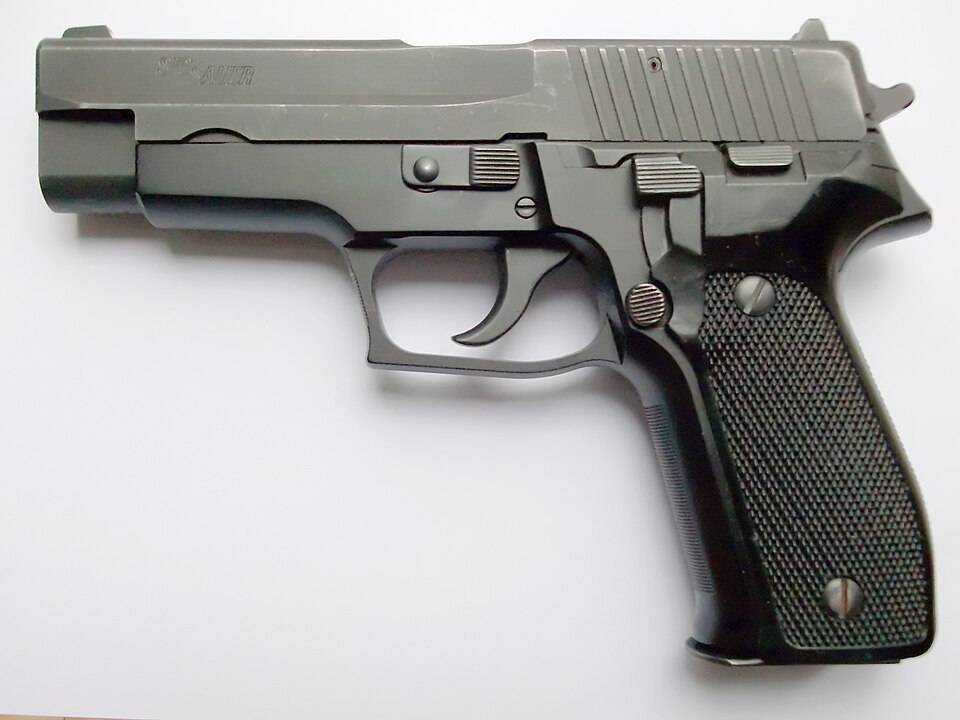
3. SIG Sauer P226
The P226 turned the traditional double-action/single-action service pistol into a refined fighting handgun. Developed for the XM9 trials, it adapted SIG’s earlier concepts into a 15-round 9mm with strong ergonomics and robust construction. Its influence reached far beyond the competition it did not win. The pistol entered the XM9 competition in 1984 and later built a formidable reputation with elite units and major agencies. The P226 proved that an all-metal sidearm could combine durability, accuracy, and adverse-condition performance without feeling oversized or crude.
4. Glock 17
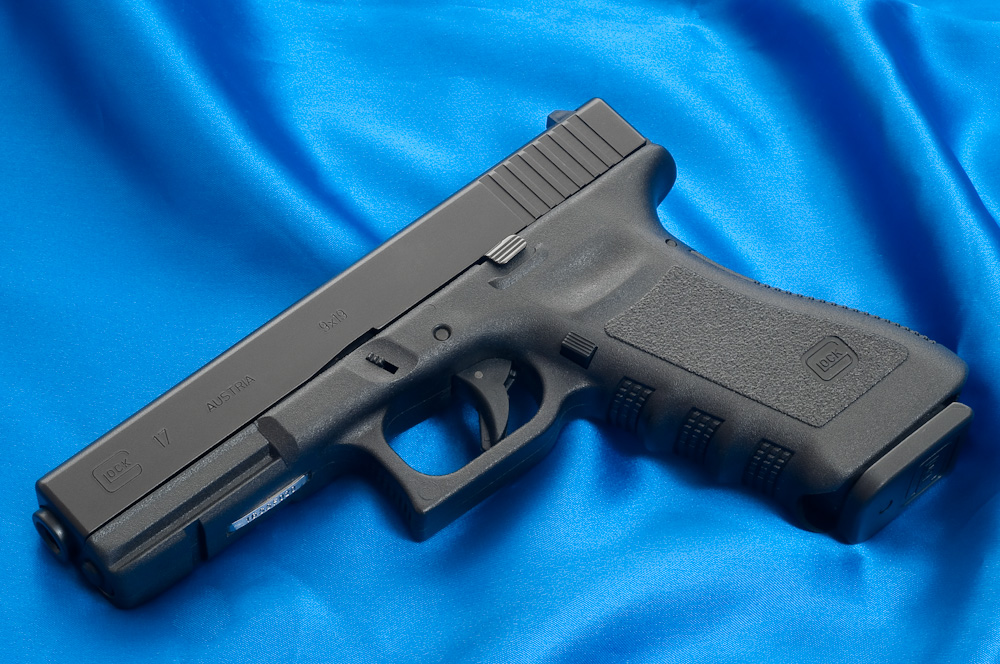
The Glock 17 changed the center of gravity of the pistol market. Its polymer frame, striker-fired operation, and low part count offered a radically different answer to the service-pistol question at a time when metal-framed double-action designs dominated. That shift was not just cosmetic. Glock notes that the pistol was accepted by the Austrian Army in 1983, after a design process centered on simplicity, internal safeties, and readiness under pressure. The formula became the template for the modern duty handgun: lighter weight, consistent trigger pull, easier maintenance, and fewer controls to manipulate.
5. Glock 19
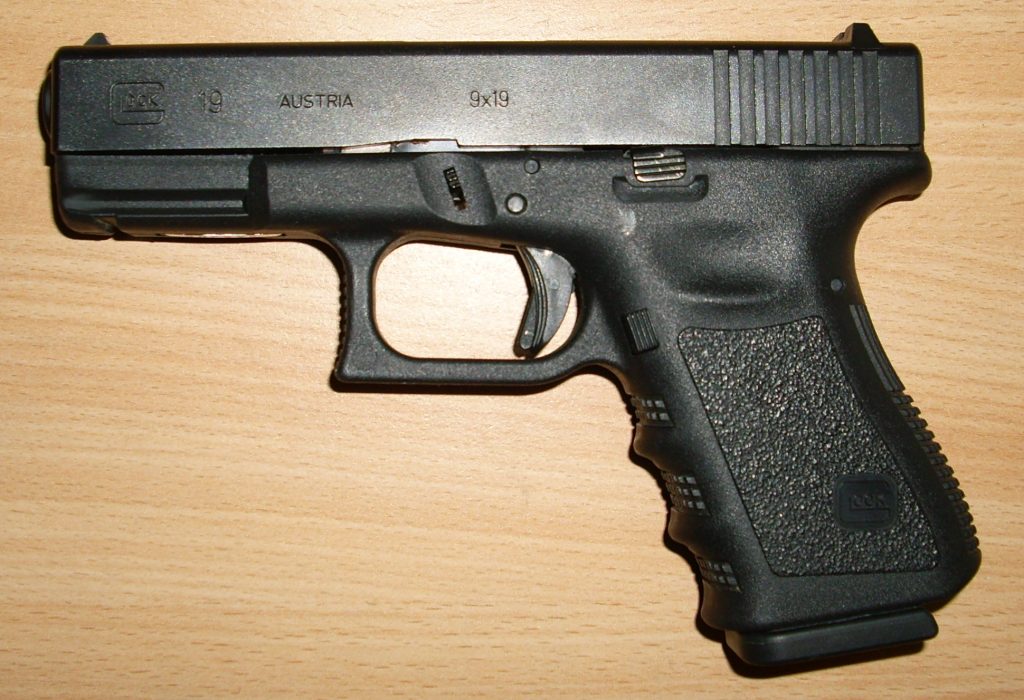
The Glock 19 refined the polymer striker-fired idea into a more flexible format. By trimming the service-size Glock 17 into a compact package, it created the now-familiar crossover role between concealed carry and duty use. That balance became one of the most copied concepts in handgun design. Introduced in 1988, the Glock 19 showed that a pistol could be compact without sacrificing practical fighting capacity. Much of today’s midsize 9mm market follows that exact blueprint.
6. Walther P38
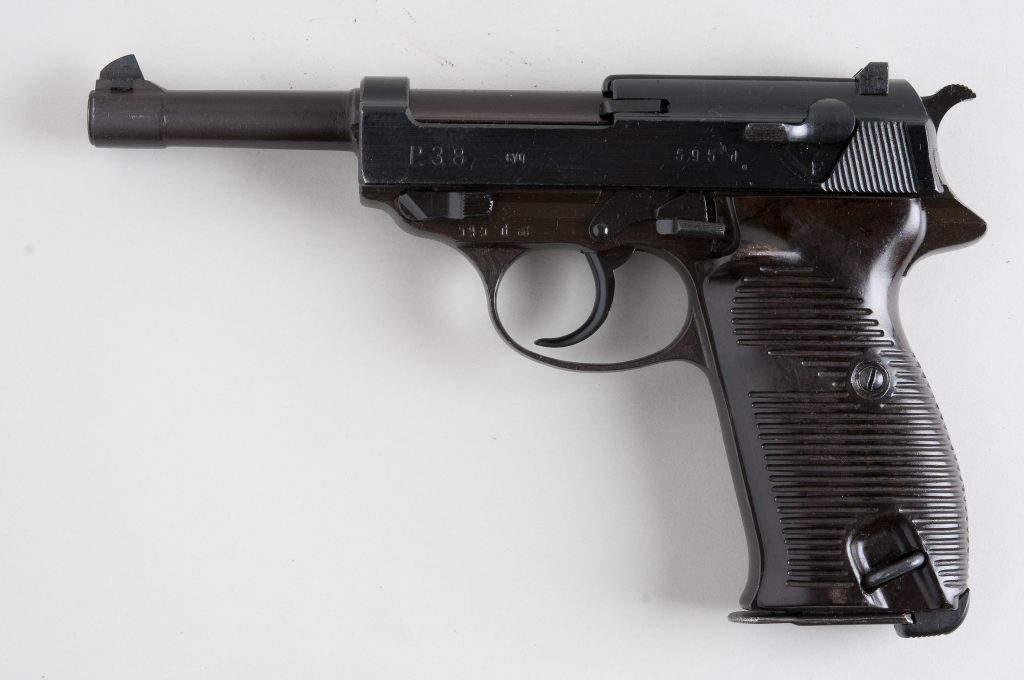
The Walther P38 belongs on this list because so many later service pistols were, in one way or another, reactions to it. Its double-action/single-action system and decocking approach shaped military sidearm thinking for generations. Later pistols were often judged by whether they improved on the P38’s handling, safety, or manufacturing logic. The fact that Glock originally sought to replace aging service concepts associated with that era shows how long the P38’s shadow extended across handgun development.
7. SIG P210
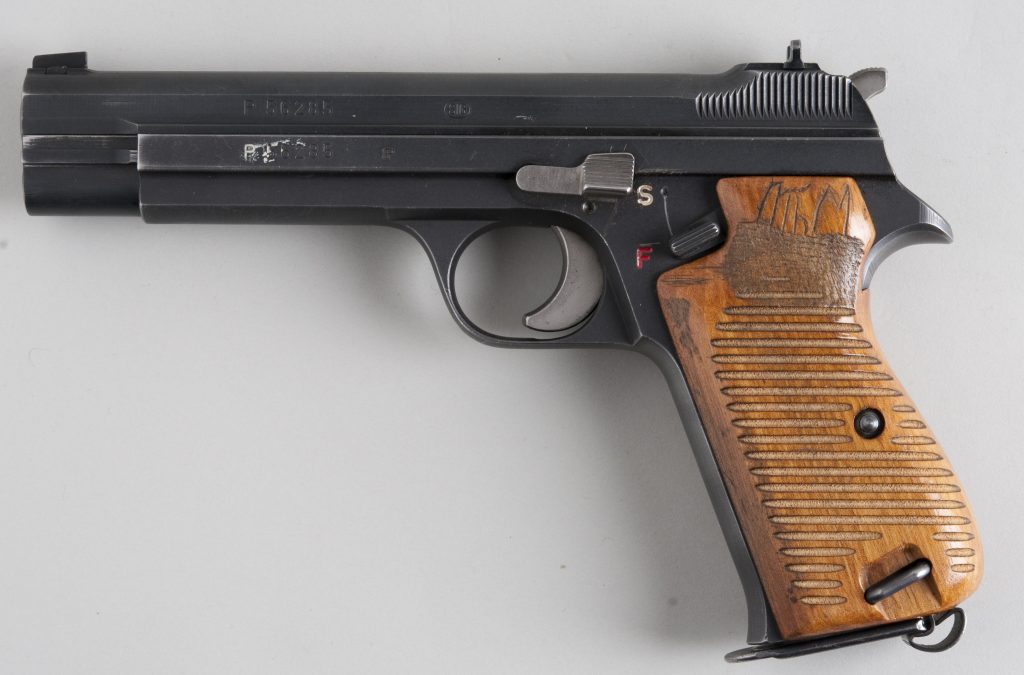
The SIG P210 never became the universal duty sidearm that some later pistols did, but it set an enduring standard for precision. Its reputation for excellent fit, accuracy, and disciplined engineering influenced what designers and shooters expected from a premium 9mm. That matters because later designs, including the P226, were shaped in part by the need to retain SIG’s quality while becoming more practical and economical. The P210’s legacy lives on whenever manufacturers try to blend service reliability with match-grade refinement.
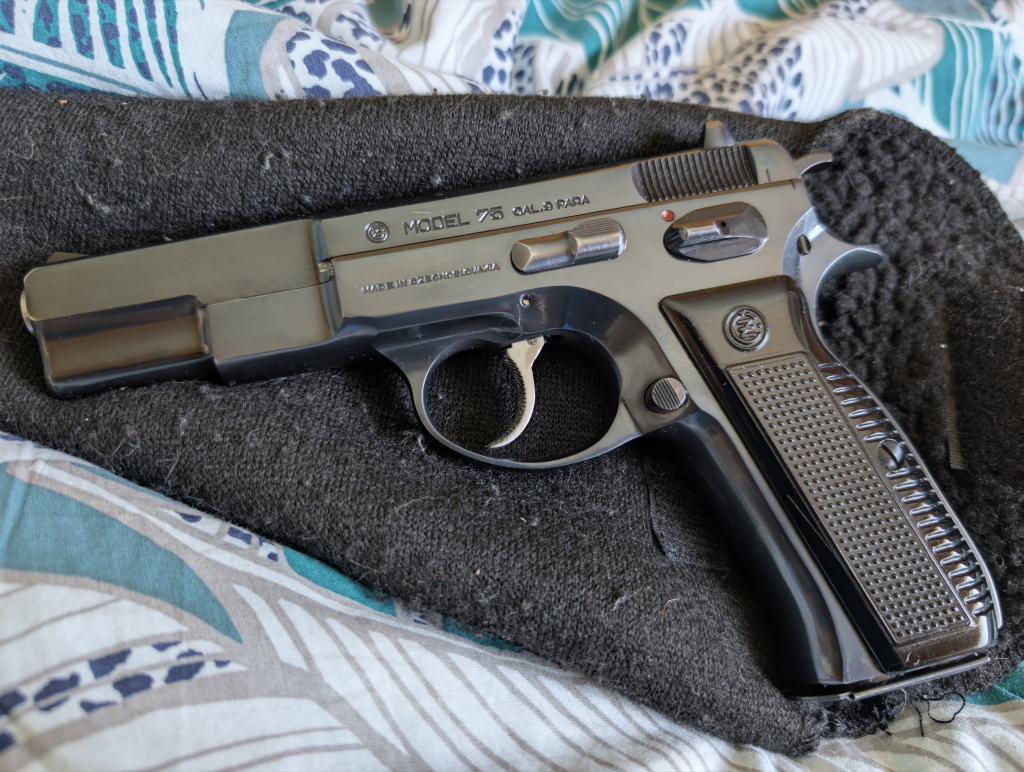
8. CZ 75
The CZ 75 helped define the ergonomic high-capacity steel-frame pistol. Its grip shape, internal slide rails, and natural pointability created a layout that many shooters still regard as one of the best in the 9mm world. Its influence spread through clones, competition pistols, and modern duty handguns that borrowed from its feel even when they changed the operating system. The CZ 75 demonstrated that a service pistol could be mechanically robust while still feeling unusually intuitive in the hand.
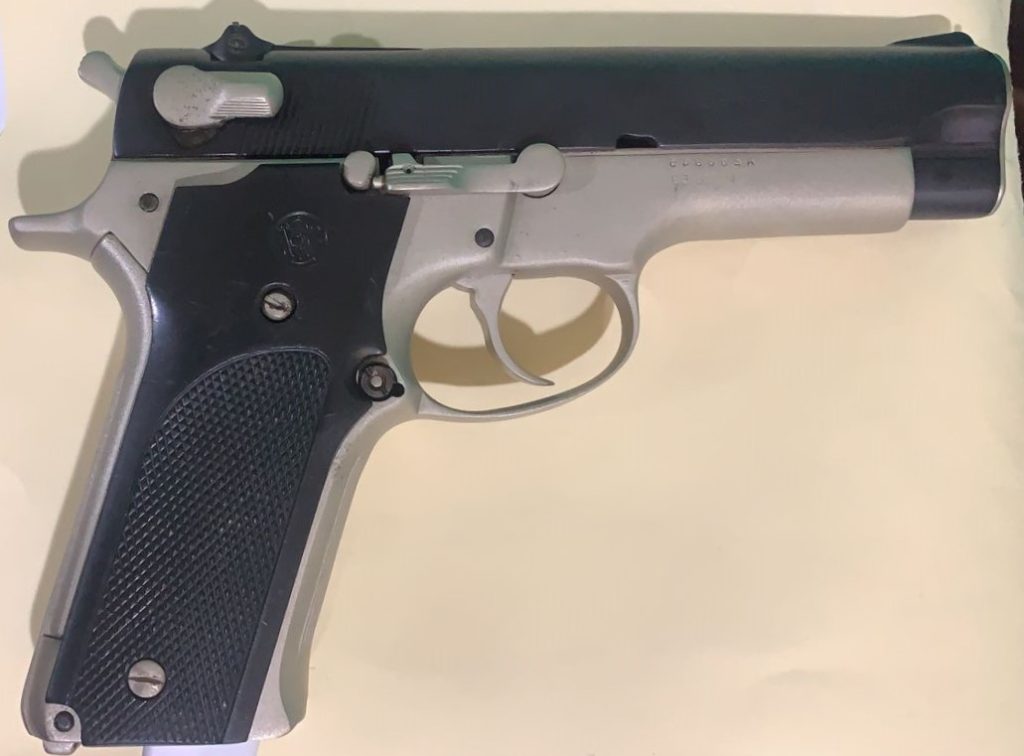
9. Smith & Wesson Model 59
The Model 59 was one of the early American statements that higher-capacity 9mm pistols represented the future. It brought double-stack magazine thinking into a market that had been shaped for years by single-stack and revolver traditions. Its long-term influence is less about current popularity than about timing. It helped normalize the idea that service sidearms should carry more ammunition as standard, an assumption that now underpins nearly every serious duty pistol design.
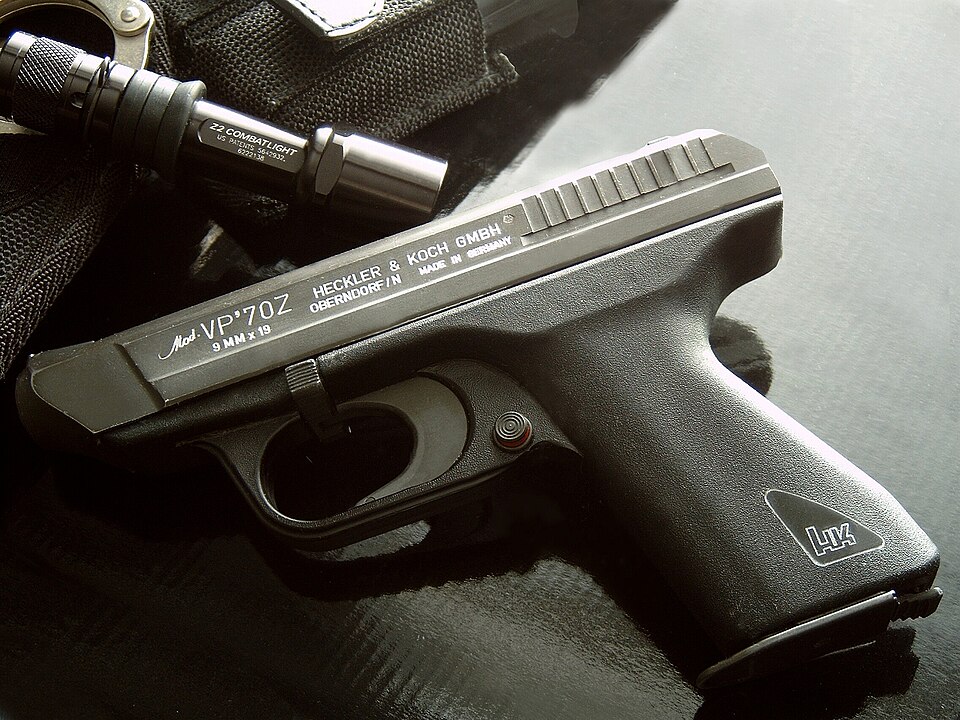
10. Heckler & Koch VP70
The HK VP70 was far ahead of its time. Its polymer construction arrived years before the market was ready to fully embrace the idea, and that alone secures its place in the design lineage of modern 9mm pistols. It was not the pistol that perfected the concept. But it proved that lightweight synthetic frames were technically possible, opening the door for later designs to refine the idea into something commercially dominant. In that sense, the VP70 was less a final product than an early signal of where sidearm engineering was heading.
These pistols did not all influence the market in the same way. Some changed manufacturing, some changed carry formats, and some changed expectations about capacity, accuracy, or reliability. Together, they explain why the modern 9mm sidearm looks the way it does: compact but not too small, high-capacity without being unwieldy, and engineered around simplicity, durability, and fast practical use.


