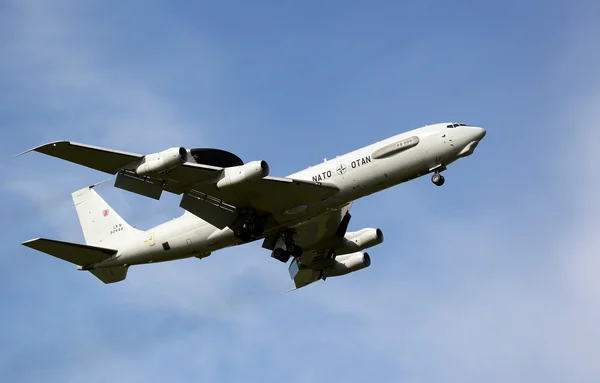
The damage to a U.S. E-3 Sentry on the ground did more than remove a single aircraft from service. It put renewed attention on one of military aviation’s least glamorous but most decisive categories: the airborne command-and-control platform that helps every other aircraft see farther, react faster, and stay coordinated.
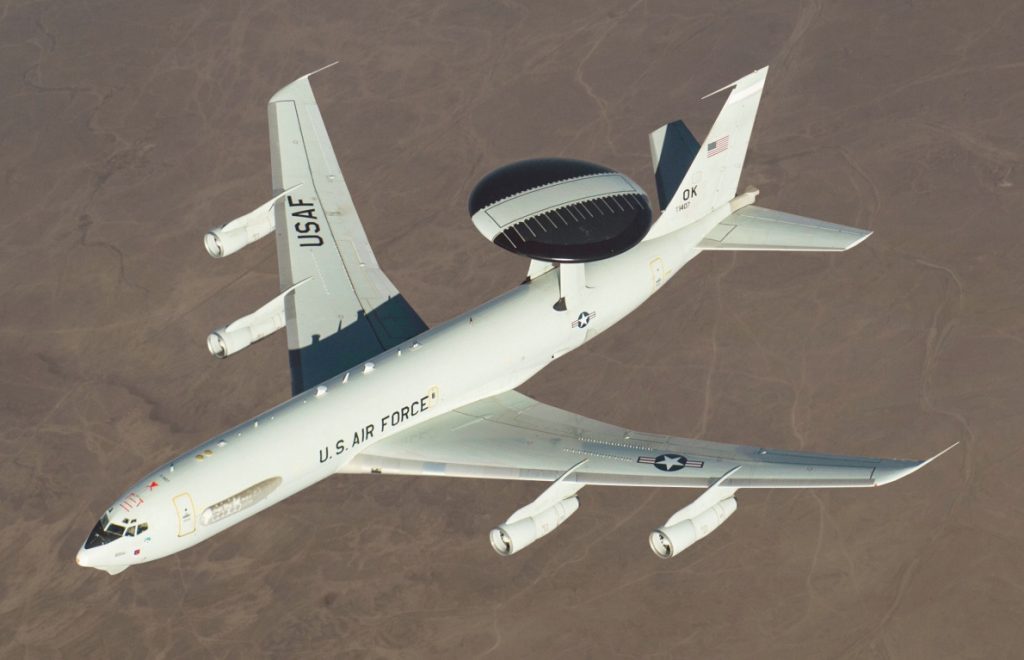
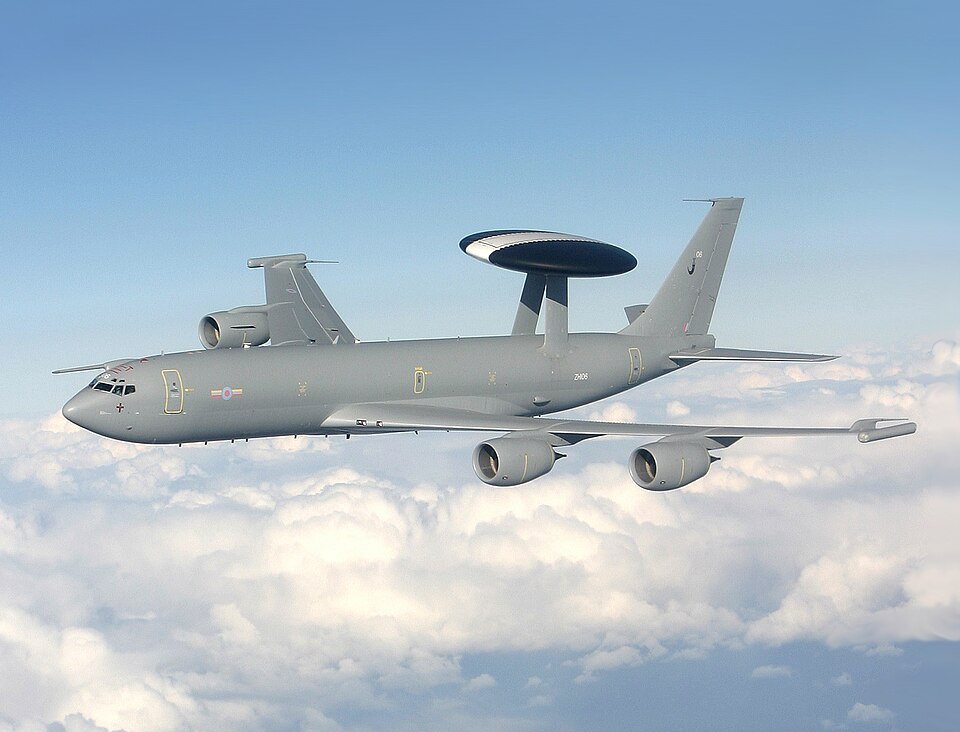
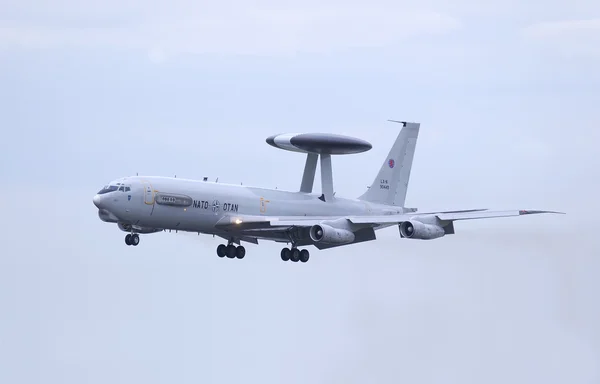
The E-3 is easy to recognize by the large rotodome above its fuselage, but its importance comes from what happens inside. It is not simply a radar truck in the sky. It is a flying battle-management node, and when one is lost or disabled, the real issue is not symbolism. It is the gap left in surveillance, coordination, and protection for the wider force.
1. The E-3 is a command center, not just a radar aircraft
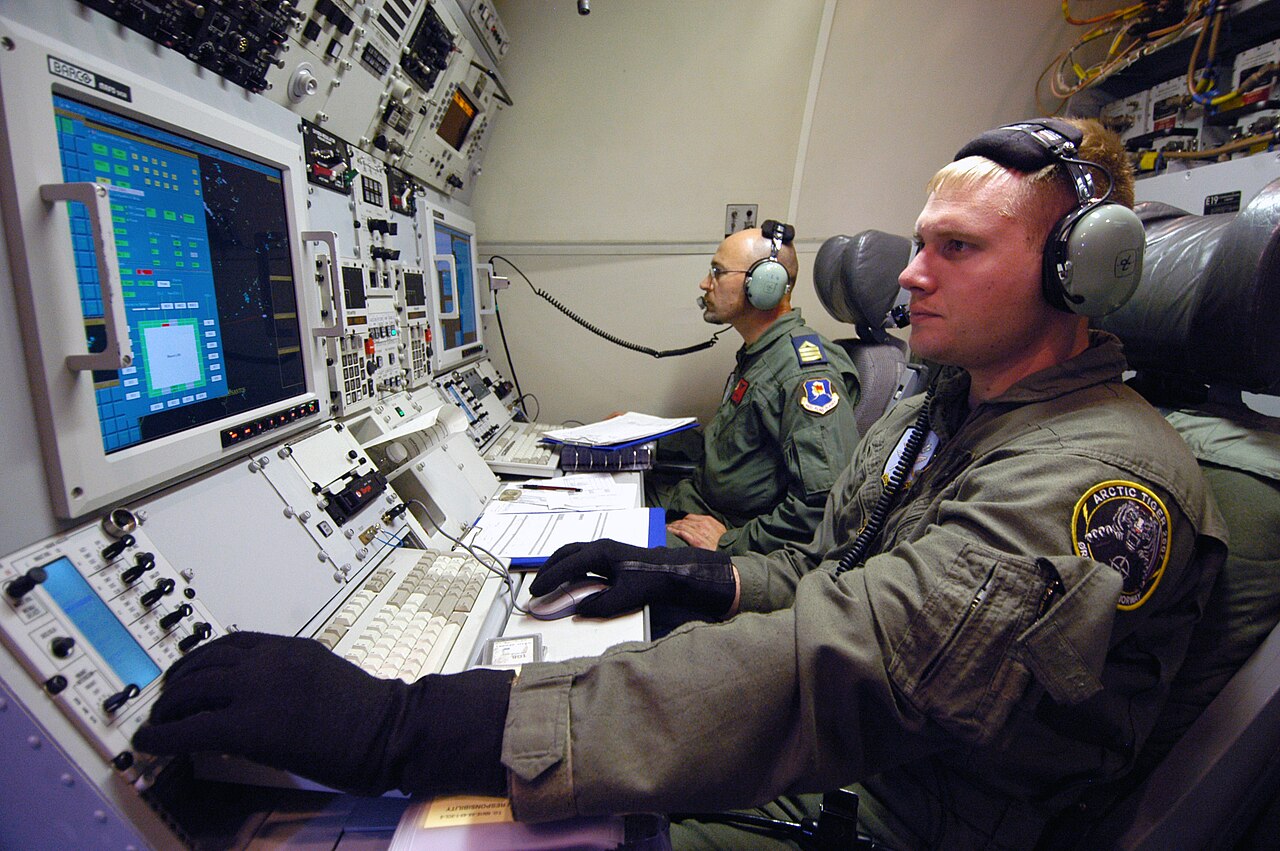
The U.S. Air Force describes the E-3 Sentry as an aircraft built for airborne warning, surveillance, and battle management, with radar range of more than 250 miles. That range matters, but the aircraft’s real value comes from combining detection, identification, tracking, and command functions in one platform. Its mission crew can sort friendly, neutral, and hostile activity, pass that picture to commanders, and direct fighters or other assets in real time. In practical terms, the E-3 helps turn separate aircraft, ships, and missile defenses into a connected network rather than a cluster of independent systems.
2. Ground vulnerability has become a central weakness
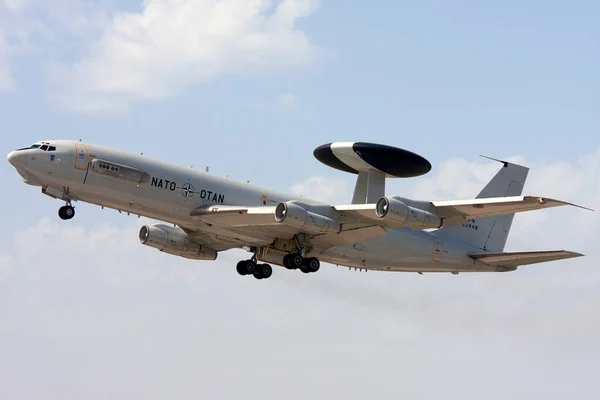
“It’s a big deal,” said Peter Layton, a former Royal Australian Air Force officer and visiting fellow at the Griffith Asia Institute. “It highlights that large aircraft are vulnerable on the ground and need active defense. That is hard to do all the time, sometimes it fails.” That point reaches beyond one damaged airframe.
Large support aircraft are expensive, slow to replace, and physically conspicuous at major bases. Their size and mission equipment make dispersal harder than it is for smaller tactical aircraft. Once parked, even a highly capable airborne sensor becomes a fixed target that depends on layered base defense, warning time, and sheltering arrangements that may not always be available.
3. AWACS aircraft still fill gaps that satellites cannot
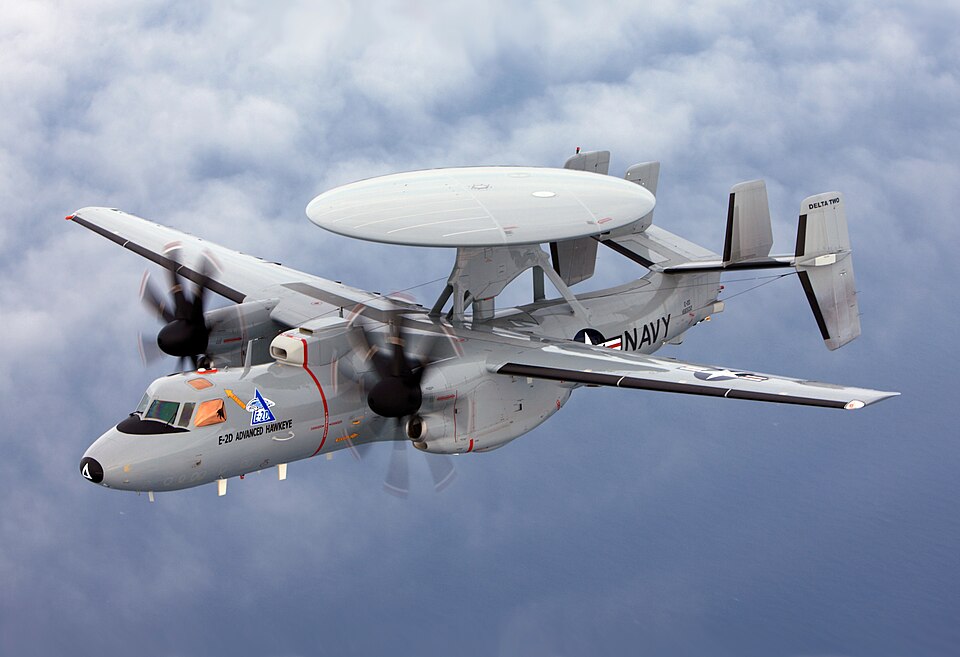
AWACS platforms remain in service because they do something space-based systems do not do as easily: they loiter, adapt, and manage a fast-changing fight in real time. Reference reporting on current doctrine and fleet planning shows the Air Force has been weighing airborne early warning against space-based alternatives and E-2D aircraft, but neither option cleanly replaces the E-3’s theater-wide command-and-control role.
Satellites can contribute wide-area sensing, yet they do not function like an airborne controller that can reposition, stay on station, and immediately redirect fighters as tracks evolve. That is why even in an era of advanced sensors, militaries still keep large airborne early warning aircraft near the center of air operations.
4. Losing one aircraft can create coverage and coordination gaps
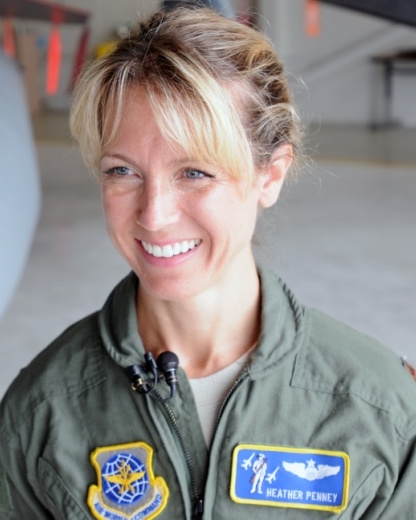
The direct tactical problem is not only fewer radar scans. It is fewer battle managers. Heather Penney, a former F-16 pilot and defense analyst, told Air & Space Forces Magazine that “the loss of this E-3 is incredibly problematic, given how crucial these battle managers are to everything from airspace deconfliction, aircraft deconfliction, targeting and providing other lethal effects that the entire force needs for the battle space.” That kind of disruption affects more than strike aircraft. Tankers, defensive patrols, maritime surveillance, and ground-based air defenses all benefit from the same shared picture. Remove one airborne coordinator, and the strain shifts outward across the rest of the architecture.
5. The replacement plan is still unsettled
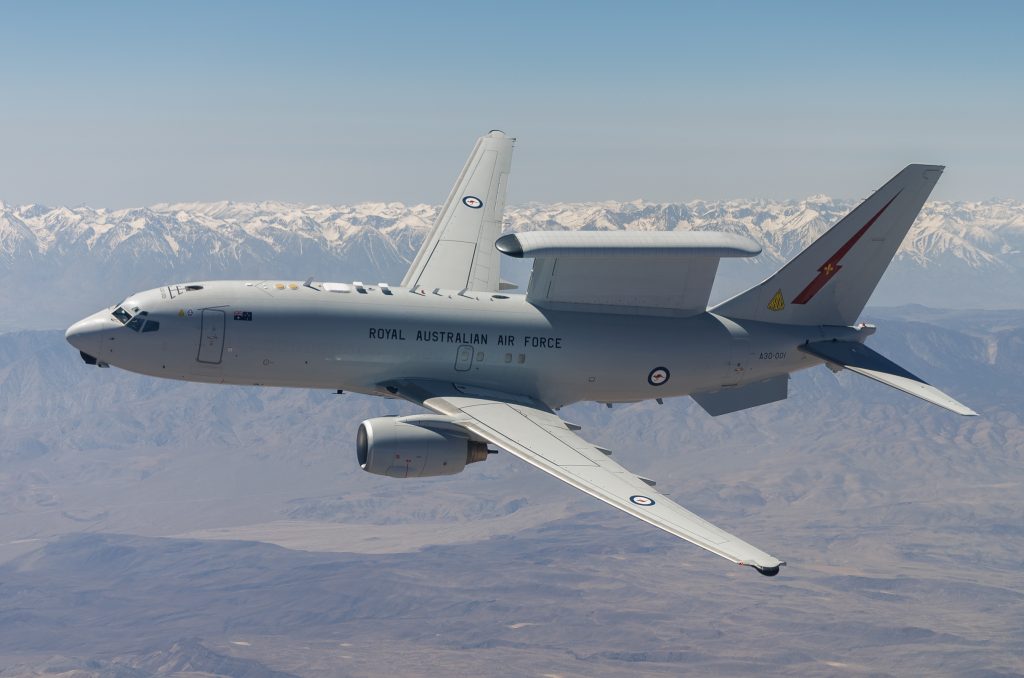
The E-3 has been aging for years, and its intended successor has not arrived on a stable path. The Boeing E-7 Wedgetail had been selected as the next step, but the Pentagon later moved to cancel the program over delays, cost growth, and survivability concerns, while Congress pushed back with additional funding for continued prototyping.
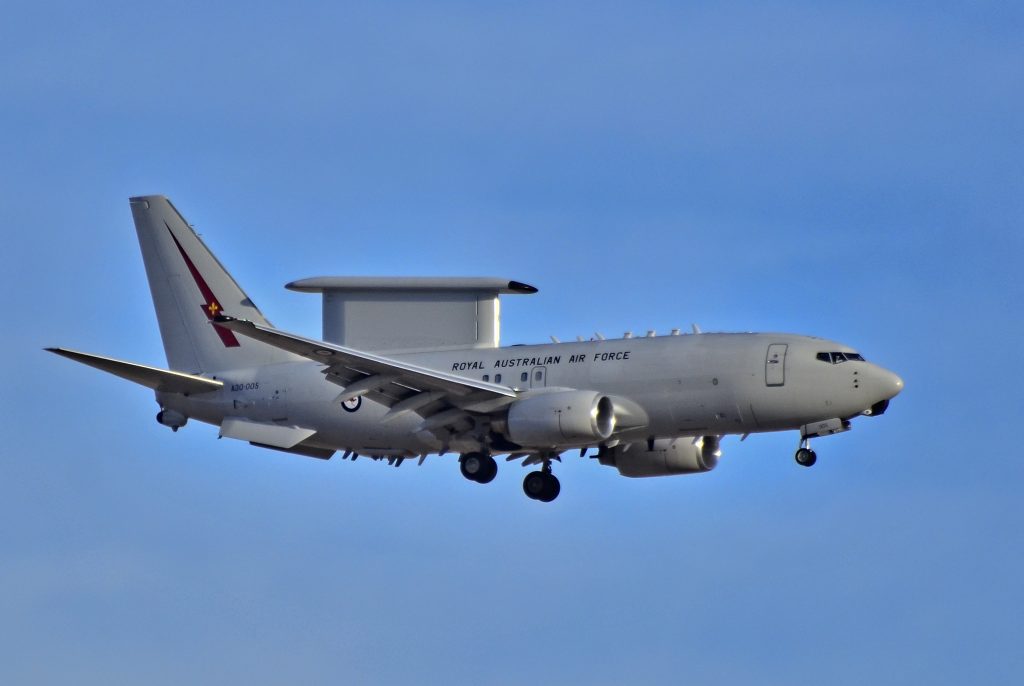
That leaves the broader issue unresolved. The Air Force is trying to retire an old fleet while still depending on its function. A damaged or destroyed E-3 therefore lands in a force structure debate that was already unsettled before any missile struck a parked aircraft.
6. Survivability now depends as much on emissions and networks as armor
AWACS aircraft have always been high-value targets, but the threat picture has broadened. Modern anti-radiation missiles, long-range interceptors, and electronic warfare systems all pressure aircraft that must emit powerful signals to do their job. A 2025 survivability study on AWACS and anti-radiation threats examined how radar design and deception techniques could help reduce vulnerability, underscoring a basic reality: these platforms are indispensable partly because they radiate so much information, and vulnerable for the same reason.
That contradiction defines the category. The more an airborne warning aircraft reveals to friendly forces, the more it risks revealing about itself to an adversary. The broader lesson is not about one damaged aircraft alone. It is about the shrinking margin for losing specialized enablers that hold modern air operations together. As long as air forces continue to rely on flying battle-management nodes, the real engineering challenge will not be only building the next radar aircraft. It will be keeping that aircraft alive on the ground, in the air, and inside an electromagnetic environment designed to find it.


