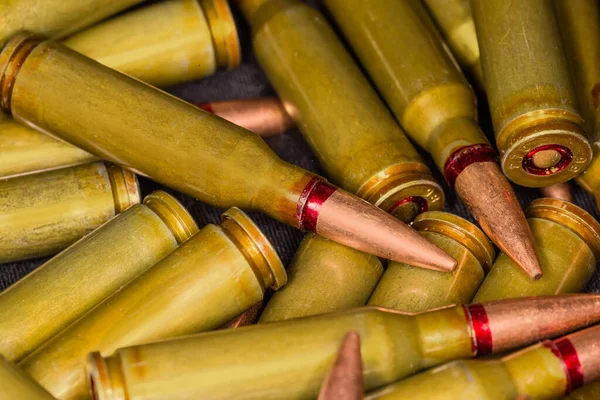
Some cartridges build a reputation that keeps growing long after their real field role should have stayed narrower. The pattern is familiar: a round works well for one job, then years of camp talk, platform popularity, and a few dramatic stories turn it into a supposed answer for almost everything. That does not make any of these cartridges bad. It means their image often outruns the blend of recoil, bullet construction, retained velocity, penetration, and practical shot angles that actually decide results in the field..
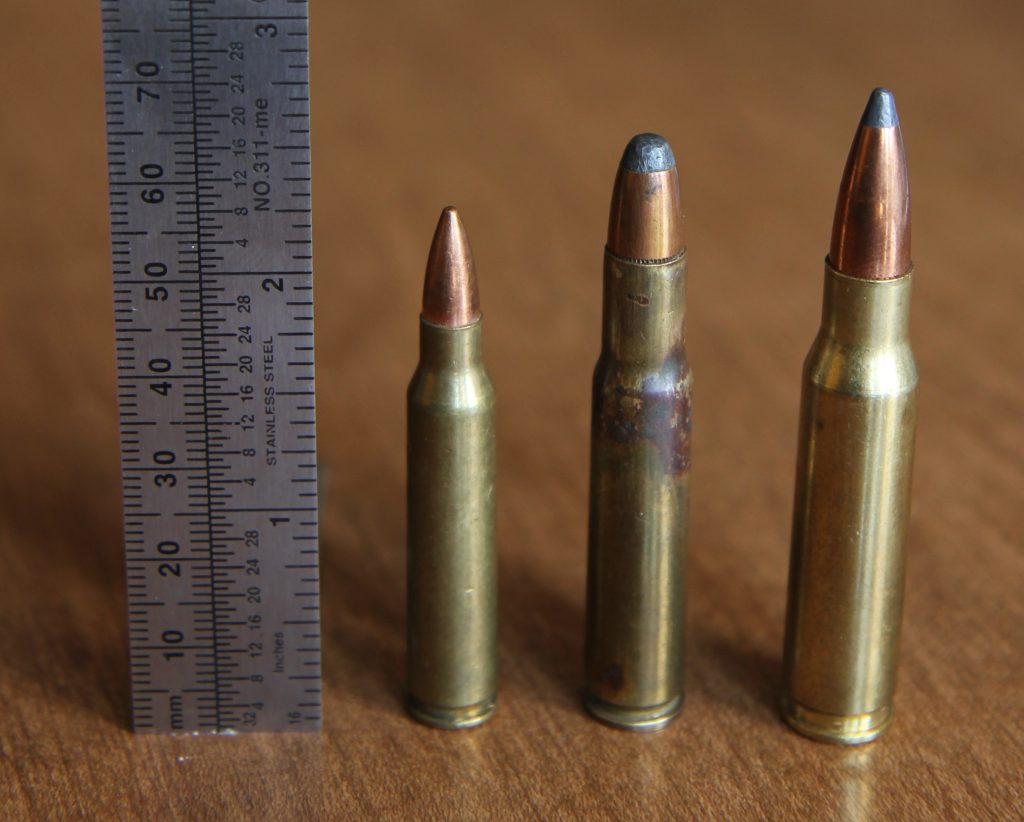
1. .223 Remington
The .223 Remington is easy to shoot well, widely available, and accurate in a huge number of rifles. Those traits matter. They also help explain why so many hunters talk about it as though precision alone can erase its limits on larger animals. Its biggest strength is shootability, not brute authority. That distinction matters because mild recoil can improve practice and trigger control, a point reinforced by recoil thresholds that disrupt field accuracy.
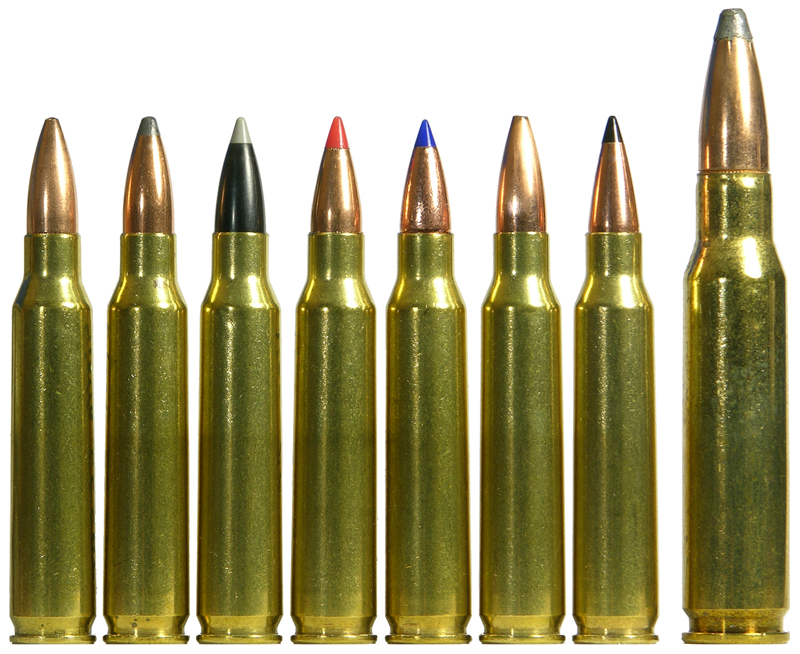
But even with better shot placement and modern bullets, the .223 still depends on a smaller margin for error than traditional deer-class rounds. Heavier bullets and proper twist rates help, yet they do not transform it into a forgiving option for heavier-bodied game or difficult angles. Its popularity also owes much to military adoption and platform support, which is not the same thing as broad hunting authority.
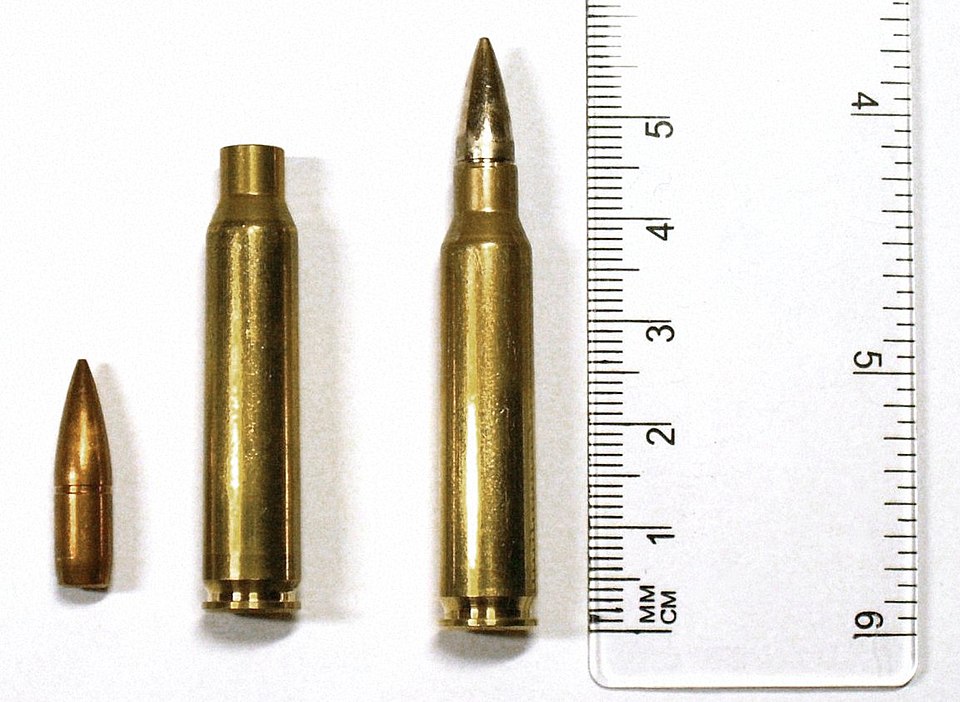
2. 5.56 NATO
Because it lives so close to the .223, 5.56 NATO inherits many of the same claims. Slightly higher pressure and velocity in many loads give it a little more edge, but not enough to move it into a different hunting class. Its reputation is shaped by service use, magazine capacity, and controllability in lightweight rifles. Those are meaningful strengths in their intended context. In hunting terms, though, it remains a small-bore cartridge whose success depends heavily on impact velocity and bullet behavior. As terminal ballistics research has shown, bullet design matters as much as caliber, and sometimes more, but design still cannot override the cartridge’s narrower operating envelope on larger game.

3. .22-250 Remington
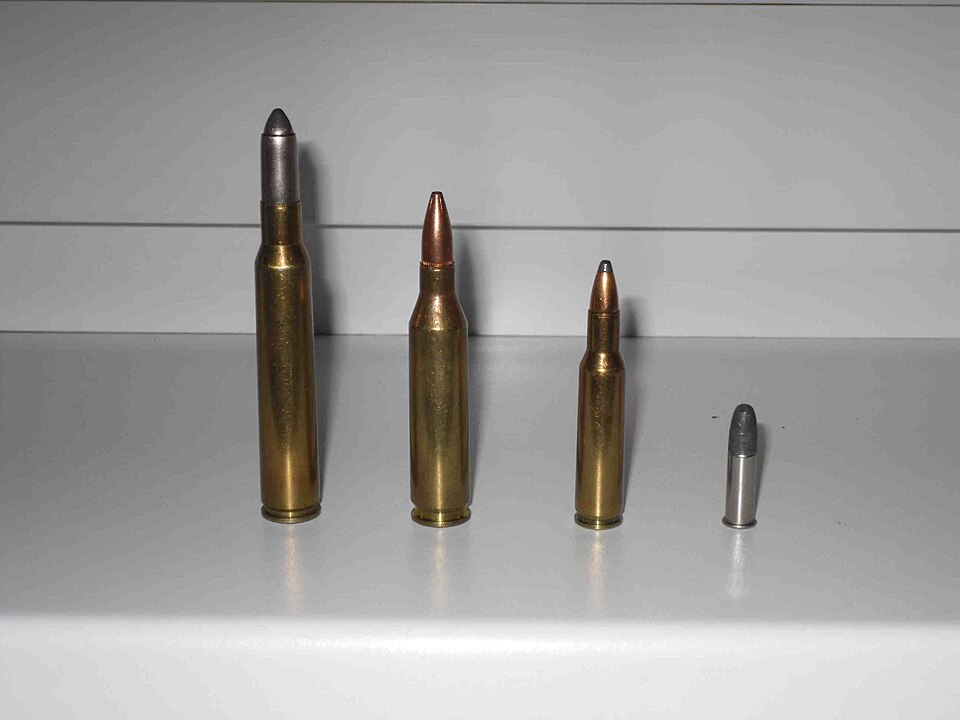
The .22-250 Remington is one of the most impressive specialist rounds ever made. It is fast, flat, and devastating on varmints and predators. That performance is exactly why hunters sometimes ask it to do jobs better left to bigger cartridges. Speed creates confidence, but velocity by itself is not a complete answer. A flat trajectory looks persuasive until distance, wind, and bullet mass begin to matter more than muzzle speed. The .22-250 can hit hard on light targets, yet it still relies on relatively light bullets that do not offer the same penetration reserve expected from classic deer cartridges. It remains a superb precision tool, just not a universal hunting round.
4. .243 Winchester
The .243 Winchester may be the clearest case of a cartridge that is both proven and overextended. On deer and pronghorn, it has earned its place for decades, especially for hunters who benefit from manageable recoil and rifles they can practice with often. The trouble starts when that success gets stretched into heavy-game confidence. Modern bullets have improved what moderate cartridges can do, including reliable expansion across wide velocity windows, but bullet advances do not erase the .243’s smaller diameter and lighter-for-task feel on elk-sized animals. It kills cleanly in the right lane. It simply offers less penetration margin when angles worsen, bones intervene, or body size increases.
5. 7.62x39mm
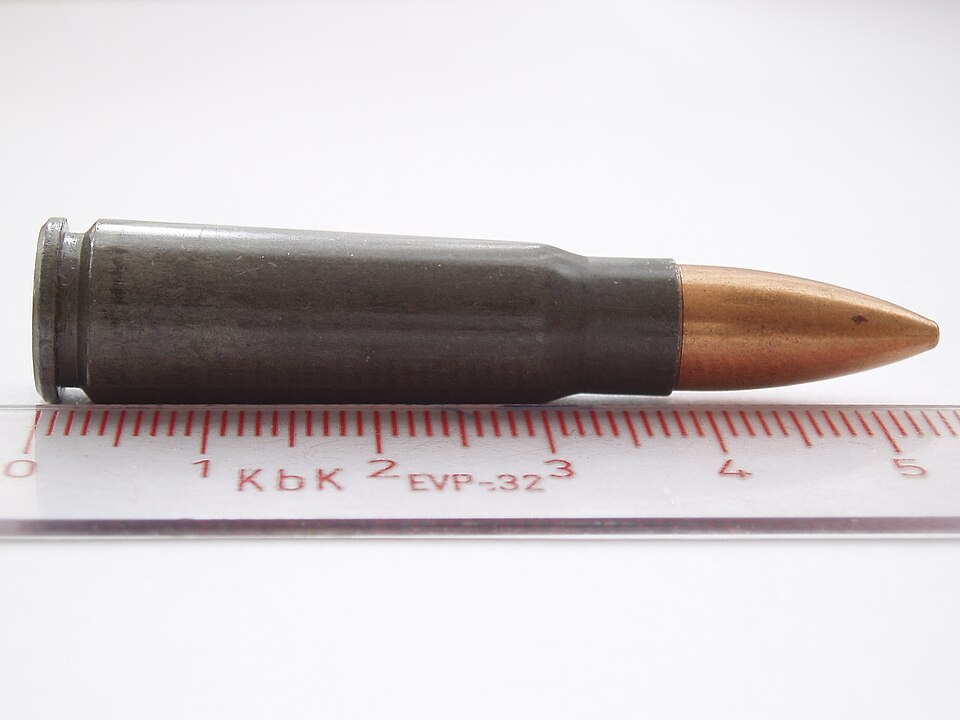
The 7.62×39 has a practical, workmanlike reputation for good reason. It throws a heavier bullet than .223-class rounds, stays manageable in light carbines, and does useful work at modest distance. Where expectations drift is in how often that heavier bullet gets mistaken for broad versatility. Compared with 5.56, it starts with more muzzle energy, but its trajectory gives up ground quickly. A representative comparison shows substantially more drop at 400 yards, which reinforces its short-range nature. On deer-sized game inside sensible distances, it can perform well with proper bullets. Beyond that, the cartridge runs out of reach and forgiveness faster than its reputation suggests.
6. .30 Carbine
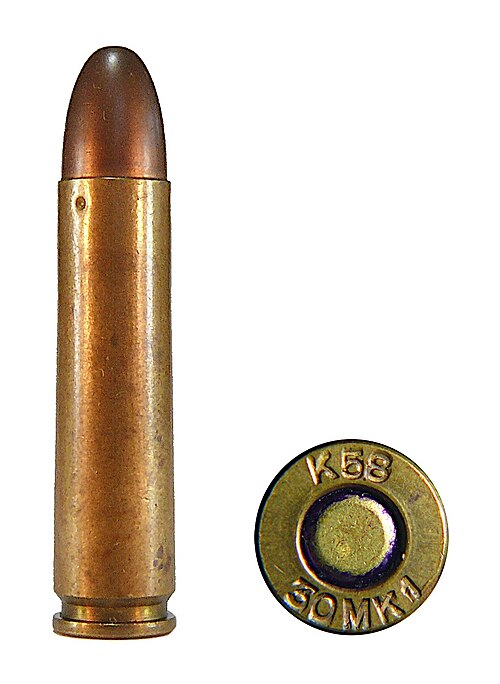
The .30 Carbine survives on history, familiarity, and the appeal of light, handy rifles. It was built around a compact carbine role, and in that role it made sense. Its hunting reputation has always been harder to defend. Ballistically, it lives much closer to powerful handgun territory than to mainstream rifle cartridges, and that gap shows up quickly as distance increases. Long-running criticism of the round as short-ranged and underpowered reflects that reality. Historical significance does not change its narrow practical envelope.
7. .17 HMR
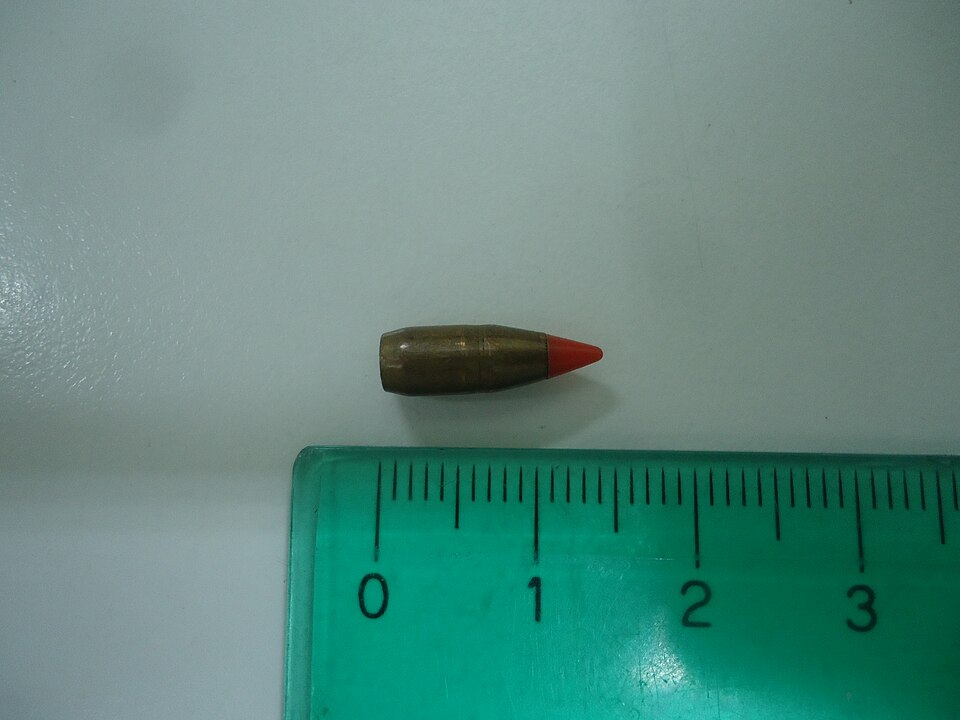
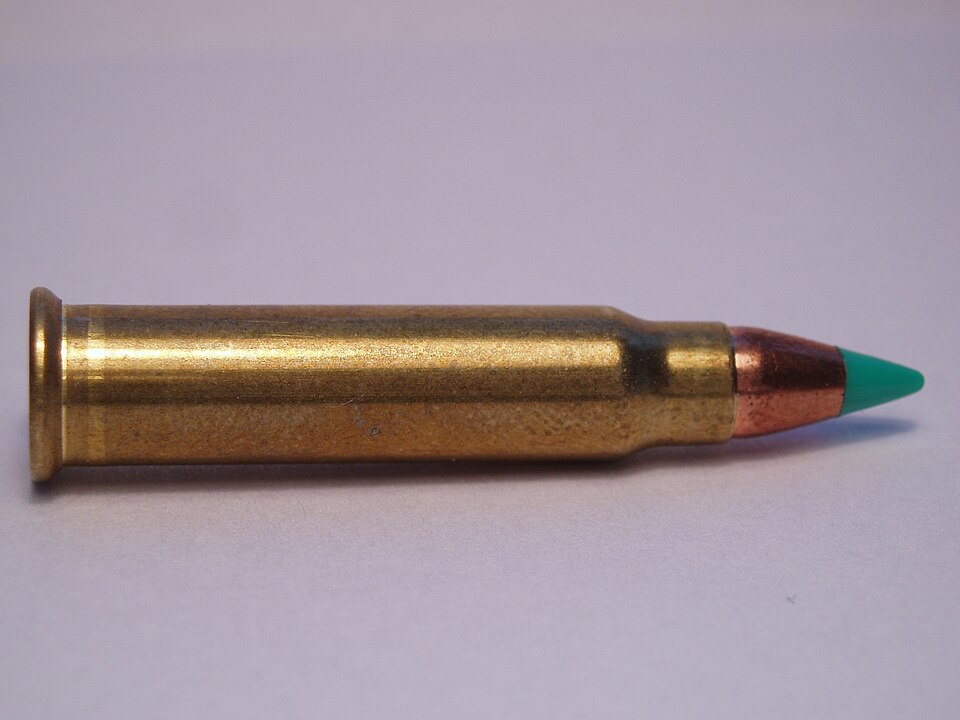
The .17 HMR is one of the easiest cartridges to love. It is flat-shooting for a rimfire, low recoiling, and often impressively accurate on tiny targets. That precision is also what makes it so easy to overrate. Small groups and dramatic varmint hits can create the impression that accuracy alone expands the cartridge’s role. It does not. The .17 HMR remains firmly in the small-game category, where its light bullet and limited energy make sense. Wind drift, limited penetration, and fragile terminal performance all show up quickly once targets get bigger or conditions get less forgiving.
The common thread is not failure. It is mismatch. A cartridge can be popular, useful, and even excellent while still getting asked to do more than its design supports. That is why cartridge judgment belongs to field conditions, bullet choice, distance, and animal size rather than reputation alone. Hunters usually get into trouble not by choosing a bad round, but by mistaking a specialized one for a broad answer.


