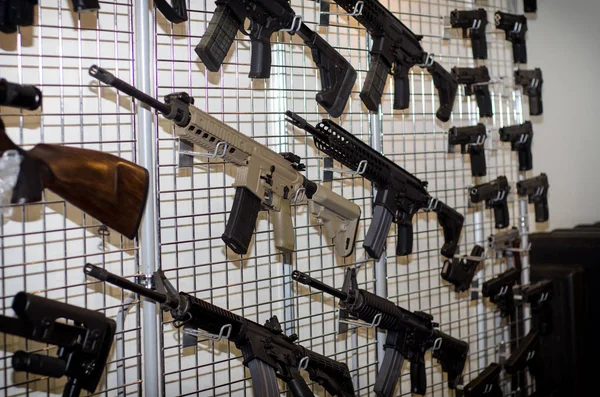
Some firearms survive as collectibles. Others survive because later designers never really stopped borrowing from them. The modern range is full of red-dot-ready pistols, modular rifles, and refined actions, but many of their core ideas were worked out decades earlier. Trigger feel, feed reliability, controlled extraction, high-capacity handgun layouts, and user-swappable rifle configurations did not arrive all at once. They were established by a handful of designs that kept solving problems long after their launch dates stopped sounding current.
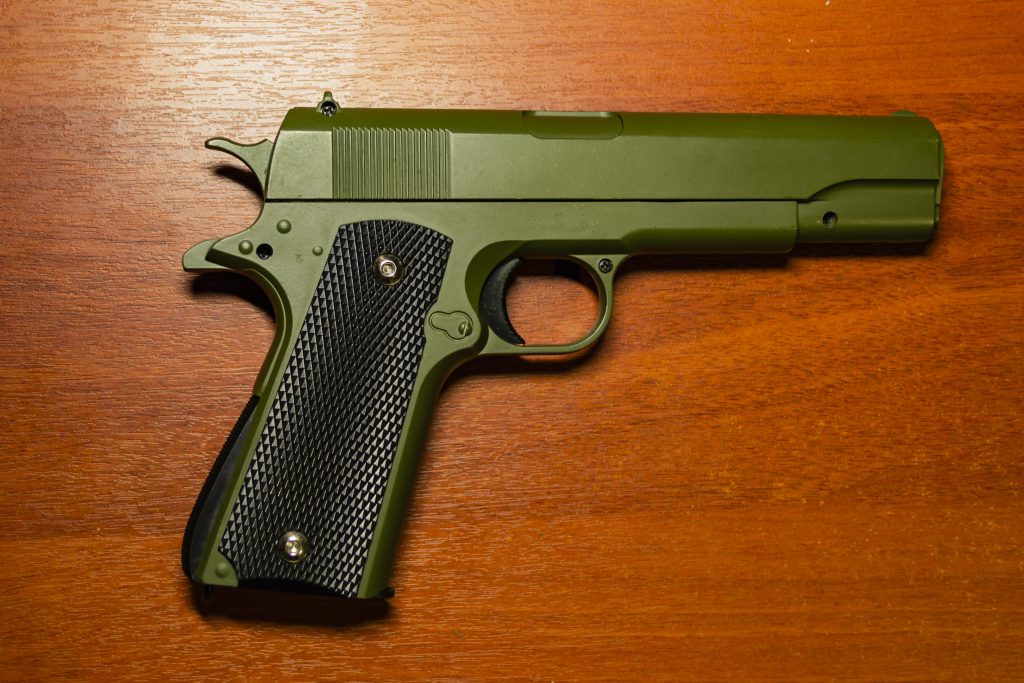
1. Colt 1911
The 1911 still defines what many shooters mean when they talk about a clean pistol trigger. John Moses Browning, credited with 128 firearm patents, gave the platform a straight-pull single-action trigger, slim grip, and unusually natural pointability. Even with its original 7-round magazine, the pistol built its following around shootability rather than raw capacity.
That is why the design refuses to disappear from serious range conversations. Its steel frame helps calm recoil, the controls encourage deliberate handling, and the trigger remains a benchmark that newer pistols are still judged against. Plenty of modern handguns are lighter, simpler to mount optics on, or easier to carry in bulk. The 1911 still matters because it showed just how much practical accuracy and control can come from a trigger system done right.
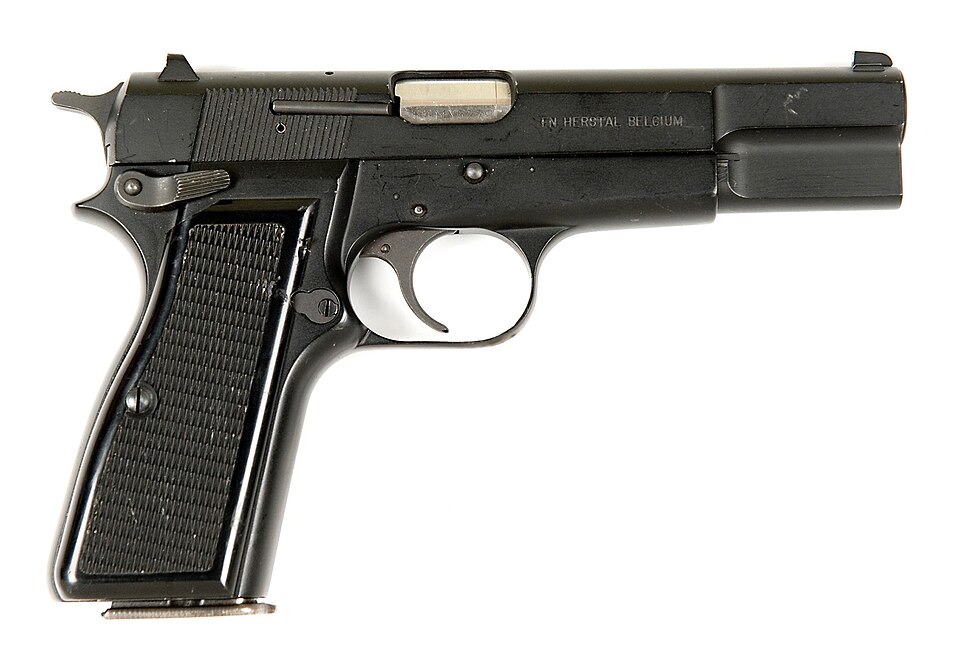
2. Browning Hi-Power
If the 1911 taught the market about trigger quality, the Hi-Power showed where service-pistol capacity was heading. Browning began the design, and Dieudonné Saive completed it with a double-stack magazine that brought the pistol to 13 rounds, a major jump for its era. The result was a slimmer-than-expected high-capacity sidearm that influenced what later duty pistols would try to become. Its importance goes beyond magazine count.
The Hi-Power proved that a fighting pistol could offer serious capacity without turning the grip into a brick, and that balance changed expectations for military and police handguns across the world. It served with the armed forces of over 50 countries, then kept echoing into the present through modernized clones and the 2022 FN High Power redesign. Even where newer striker-fired pistols dominate, the Hi-Power’s grip shape, single-action feel, and high-capacity blueprint still read like an early draft of the modern 9mm.
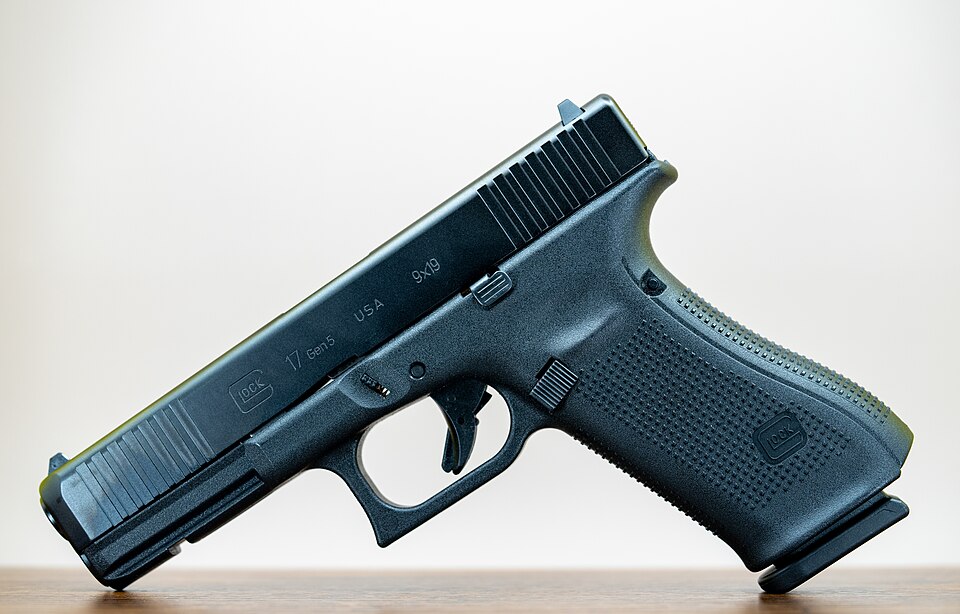
3. Glock’s Polymer Service Pistols
Glock changed the baseline more than the exception list. When the Glock 17 appeared in 1982, the idea of a serious service pistol built around a polymer frame still looked unconventional. That stopped quickly. Light weight, corrosion resistance, a striker-fired system, and a famously low parts count turned the pistol into the formula that competitors would spend decades refining.
The bigger legacy was standardization. Glock did not just sell a successful pistol; it normalized the architecture now seen across the duty-handgun market. The simple manual of arms, durable finish, and easy maintenance pushed the industry toward pistols that treated ruggedness and simplicity as starting points, not premium features.
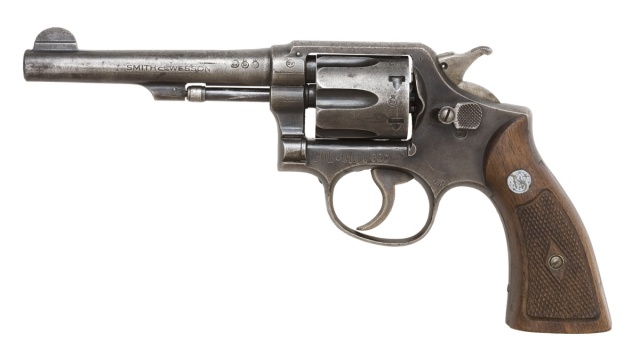
4. Smith & Wesson and Colt Double-Action Revolvers
Before semiautomatics took over most range lanes, double-action revolvers established the standard for trigger smoothness and mechanical timing. Models such as the Smith & Wesson Model 10 and Colt Python are still reference pieces for shooters who care about lockup consistency and a well-managed double-action pull. The Python’s reputation was tied closely to hand fitting.
Former Colt Custom Shop superintendent Al De John described that work directly: “We had to hone all the parts, including inside the sideplates.” That kind of refinement is why these revolvers still come up whenever experienced shooters talk about what a great action should feel like. Even in a world dominated by polymer pistols, the best double-action revolvers remain the language many shooters use to describe trigger craftsmanship.
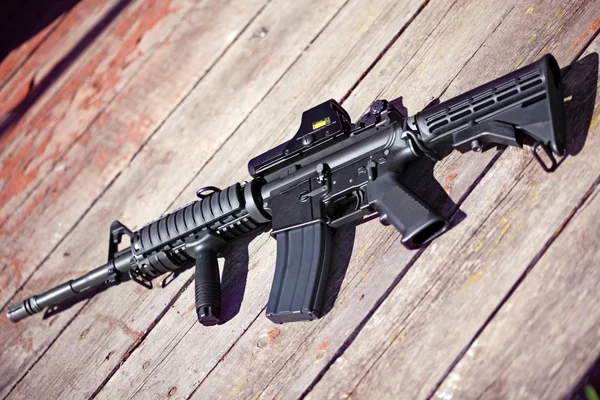
5. AR-15
The AR-15 turned the rifle from a fixed configuration into a user-configured system. Eugene Stoner’s platform made it normal to swap uppers, change calibers, mount optics easily, and rebuild a rifle around a task instead of replacing the whole gun. Even the often-misread name traces back to ArmaLite Rifle, not “assault rifle.”
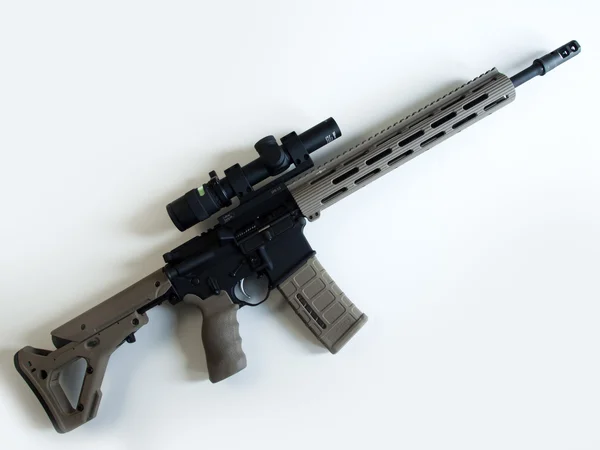
That modular logic now shapes much of the modern range. The two-part receiver, huge aftermarket, easy accessory mounting, and caliber flexibility turned the rifle into an ecosystem rather than a single product. By 2020, more than 20 million AR-15-style rifles had been sold in the United States. That number says less about one company than about one design idea winning outright: shooters increasingly expect a rifle to adapt with them.
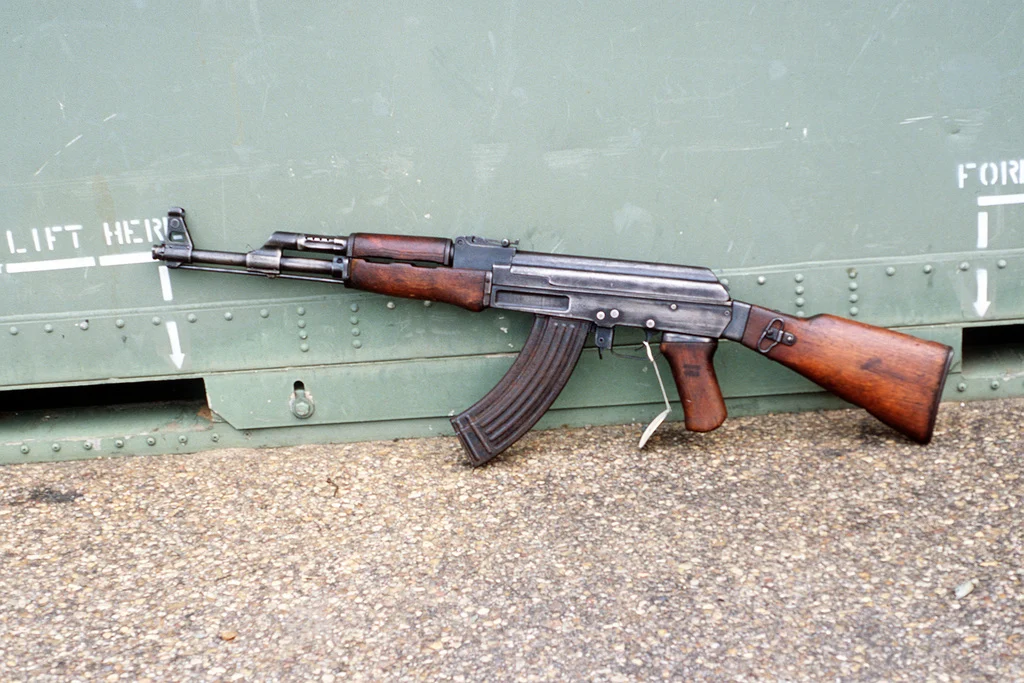
6. AK-47
The AK-47 became famous for a different engineering lesson. Where some rifles chase refinement, the Kalashnikov family showed how forgiving geometry, stout magazines, long feed-lip control, and generous operating margins can create reliability under ugly conditions. That reputation was not built by mystique alone. The platform’s rock-in magazine system adds leverage, its feed path is notably direct, and its controls favor function over elegance.
The broader Kalashnikov family is commonly estimated at around 100 million rifles produced worldwide, and that scale reflects more than politics or export history. It reflects how strongly simple, tolerant design can travel. The AK remains the classic case study in what happens when engineers prioritize dependable feeding and operation above almost everything else.
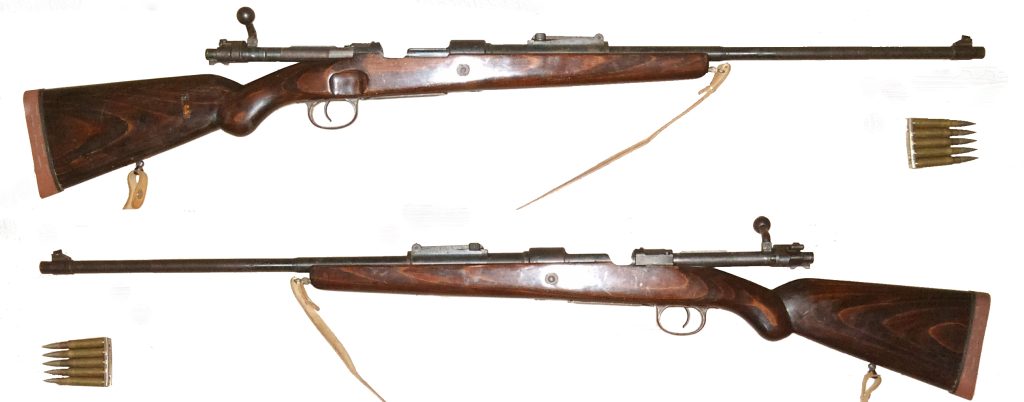
7. Mauser 98
The Mauser 98 still sits underneath countless conversations about bolt-action dependability. Its massive claw extractor and controlled-round-feed system gave shooters control over the cartridge from magazine to chamber to extraction, and that mechanical authority never went out of style. Modern sporting rifles continue to borrow that logic because the problem never changed. A rifle cycled quickly, awkwardly, or under stress still benefits from secure feeding and extraction.
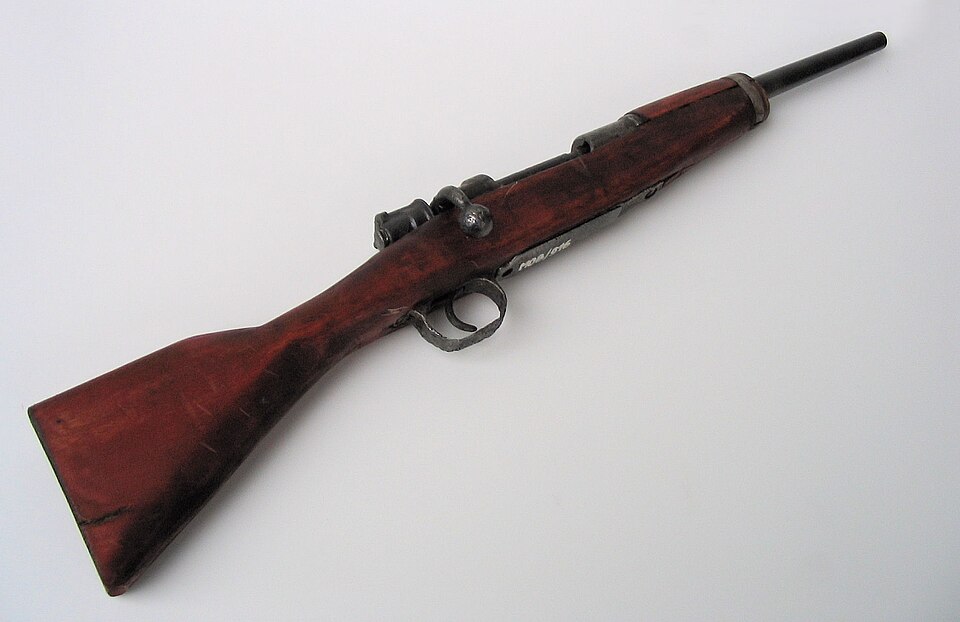
The Mauser 98 did not become influential because it was old enough to earn respect. It became influential because later bolt guns kept proving how hard it is to improve on a system that gets the fundamentals so right. These designs lasted because each one solved a stubborn problem in a way later firearms kept repeating. Some established the standard for triggers, some redefined capacity, and others turned reliability or modularity into design doctrine. The materials and manufacturing have changed. The mechanical lessons have not.


