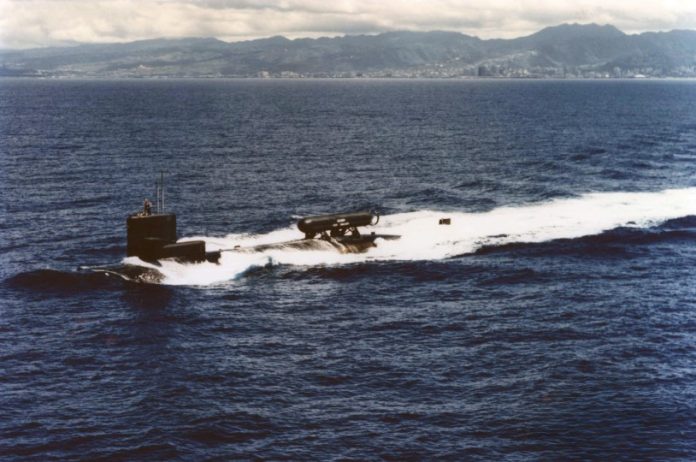
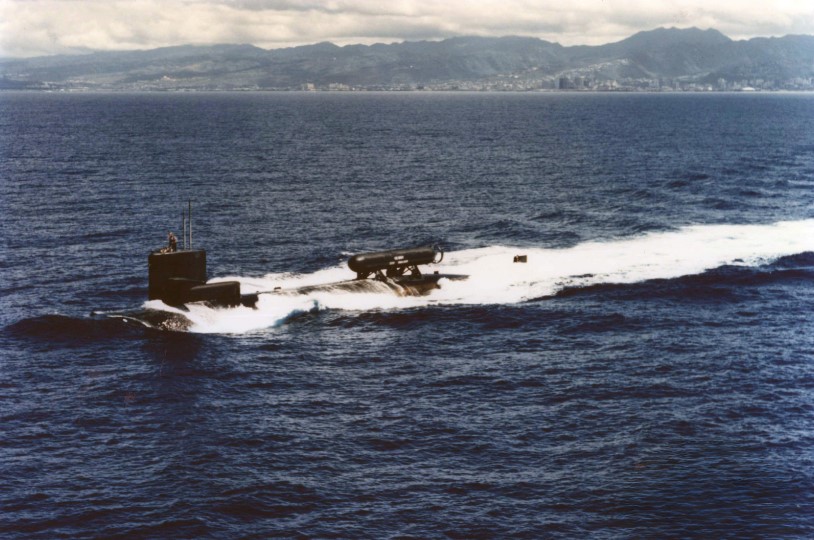
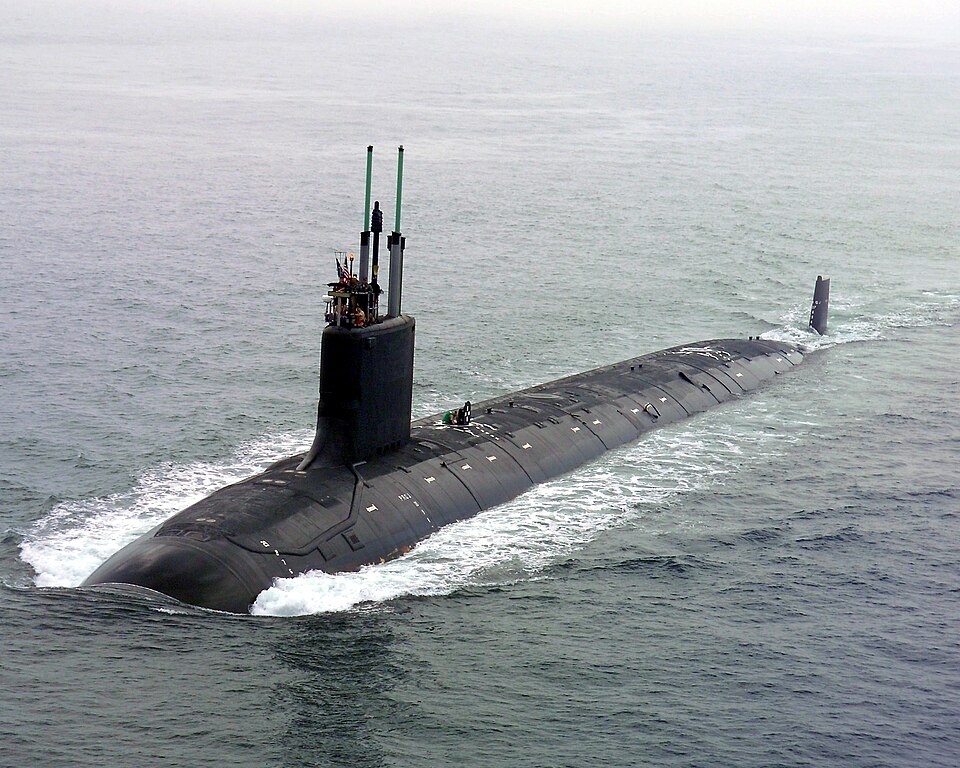
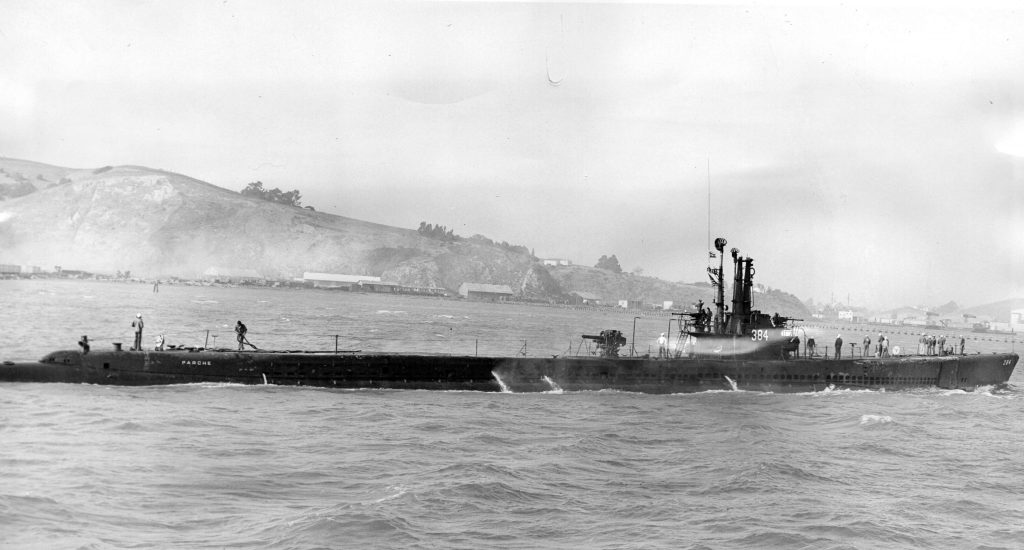
What made USS Parche unusual was not that it was secret, but that it turned a fast attack submarine into a precision seabed intelligence tool. The boat began as a Sturgeon-class nuclear submarine, then evolved into a platform built for cable taps, diver deployment, and recovery work in waters the Soviet Union treated as protected space. That shift mattered far beyond one Cold War mission. Parche helped define a model of undersea espionage built around stealth, engineering, and patient data collection, a model that still echoes in the age of global fiber-optic infrastructure and specialized submarines.
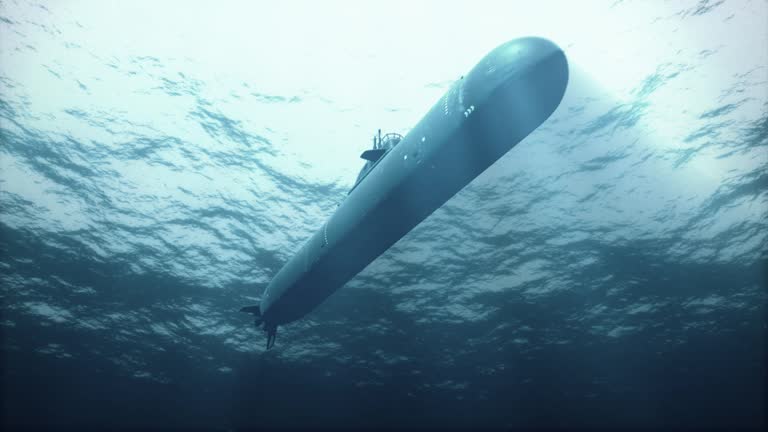
1. It turned the seabed into an intelligence target
Parche’s most enduring role was inheriting and sustaining the work associated with Operation Ivy Bells, a joint U.S. intelligence effort aimed at Soviet naval communications. The target was an undersea cable in the Sea of Okhotsk linking major Pacific Fleet nodes, including Petropavlovsk and Vladivostok.
Rather than attacking ships or shadowing patrols alone, this mission treated fixed infrastructure on the ocean floor as a strategic source of information. That was a major conceptual leap. A submarine was being used not just as a hunter, but as a quiet engineering platform that could sit, work, and leave with intelligence gathered from a cable the Soviet side considered secure.
2. It proved wiretapping could be done without cutting the line
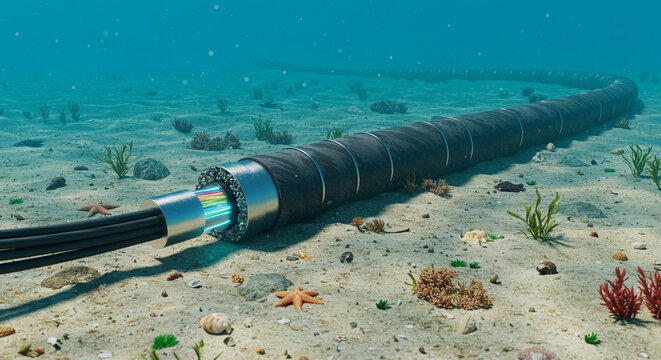
The technical brilliance of the cable mission was that the tap did not require physically breaking the cable. Divers and equipment wrapped a device around the line and collected signals by induction, avoiding the kind of damage that would immediately reveal tampering. Publicly available accounts describe a non-intrusive tapping method precisely because a breach could have exposed the operation at once.
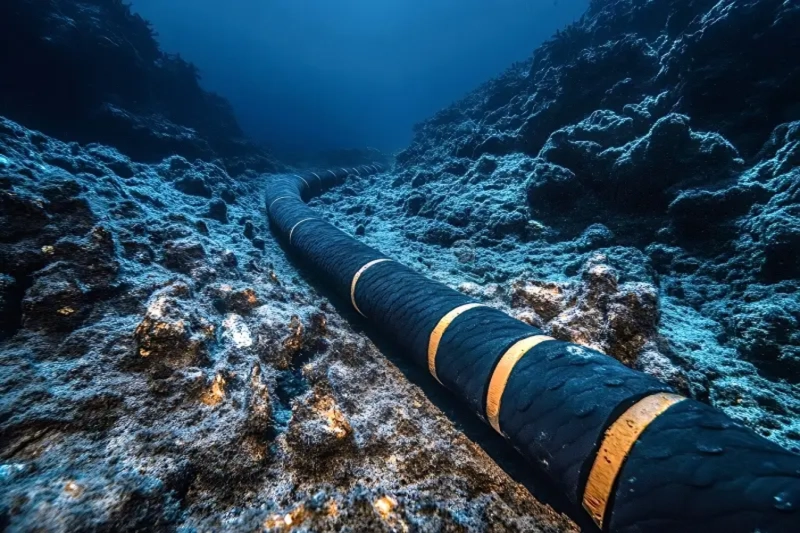
That approach combined stealth with patience. Early recordings were difficult to exploit because multiple voice channels were carried together, but later efforts improved separation and processing. The result was not a dramatic one-time intercept. It was a sustained pipeline of naval communications gathered over time.
3. It showed how far a submarine could be rebuilt for one mission
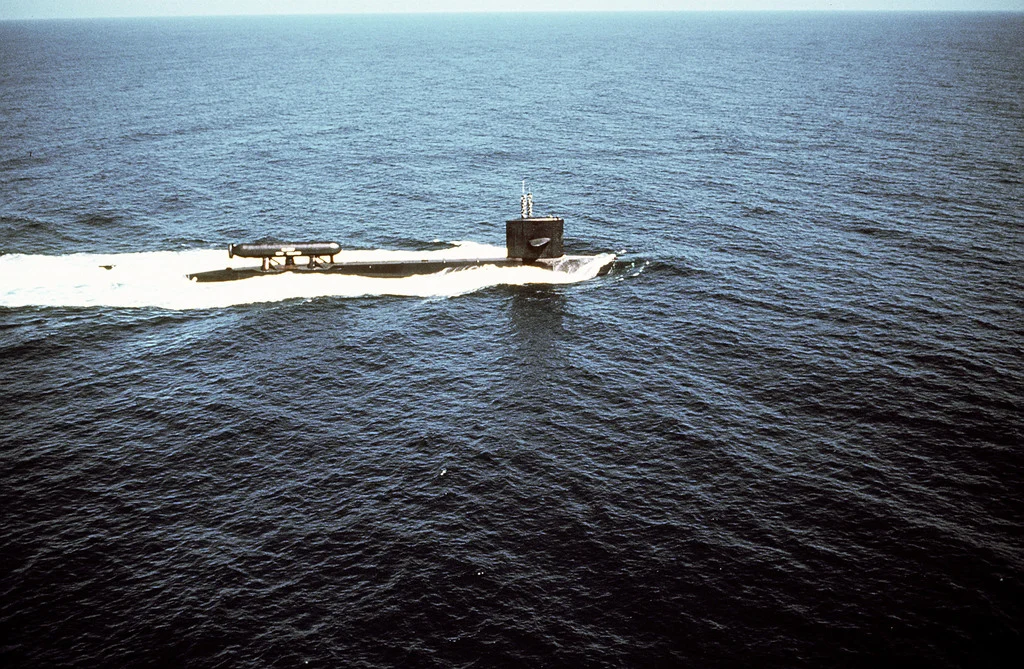
By the end of its career, Parche barely resembled the attack submarine it started as. Its major refits added extra hull volume, specialized sonar, cameras, armored lighting, diver lock-out support, and thrusters for close seabed maneuvering. In practical terms, the submarine became a workshop, sensor suite, and delivery vehicle for covert undersea tasks rather than a conventional torpedo-focused platform. That redesign came with tradeoffs. Much of the original weapon capacity was sacrificed to make room for mission gear, illustrating a hard engineering truth in naval design: every specialized capability costs space, weight, and flexibility somewhere else.
4. It blended signals intelligence with physical recovery missions
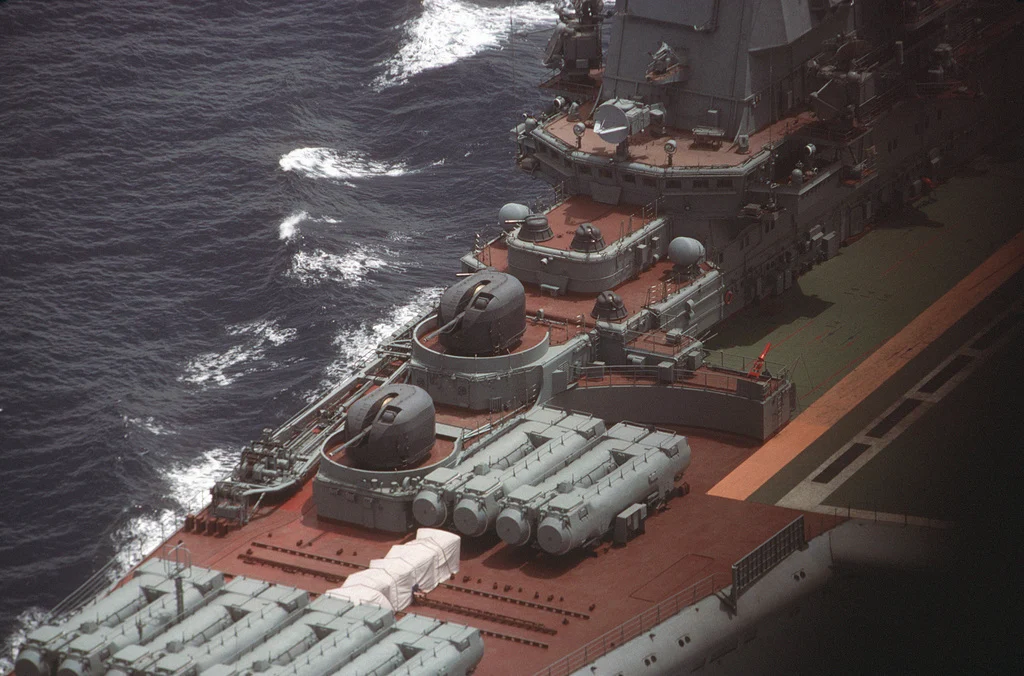
Parche’s reputation was not built on cable work alone. Cold War accounts also tie these submarines to recovery of missile debris from Soviet test areas, including fragments from the SS-N-12 anti-ship missile. In one widely cited description, divers recovered debris in huge quantities, and the material was later analyzed in the United States to refine understanding of Soviet guidance systems.
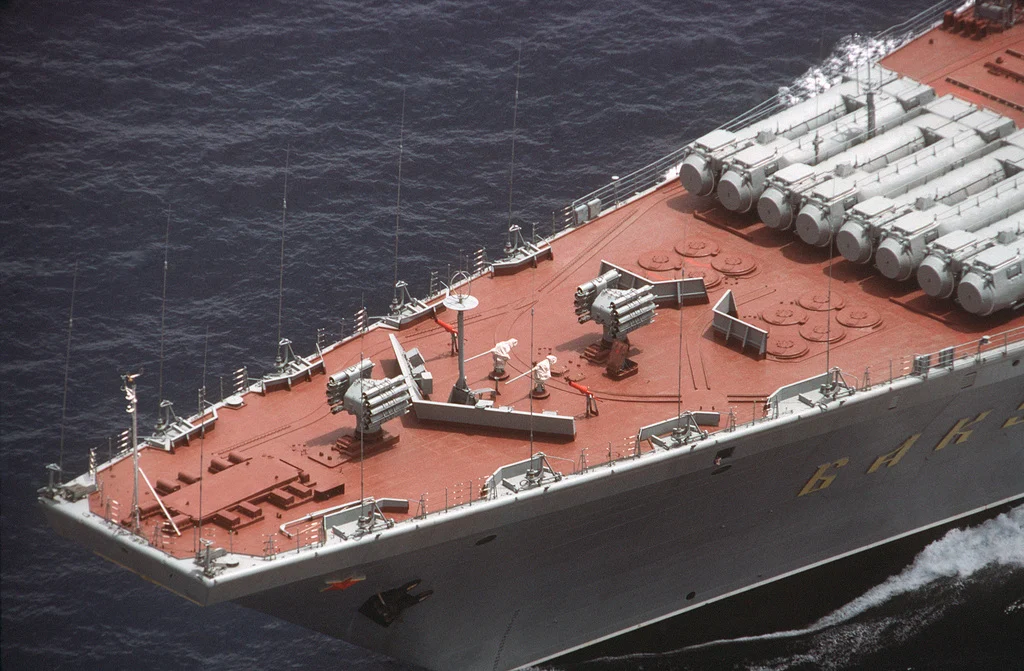
That combination of tasks is what made Parche distinctive. It could listen, observe, deploy divers, and help retrieve hardware from the seafloor for technical exploitation. Few platforms are remembered for doing both signals collection and underwater recovery at such a high level.
5. It established the template for modern U.S. spy submarines
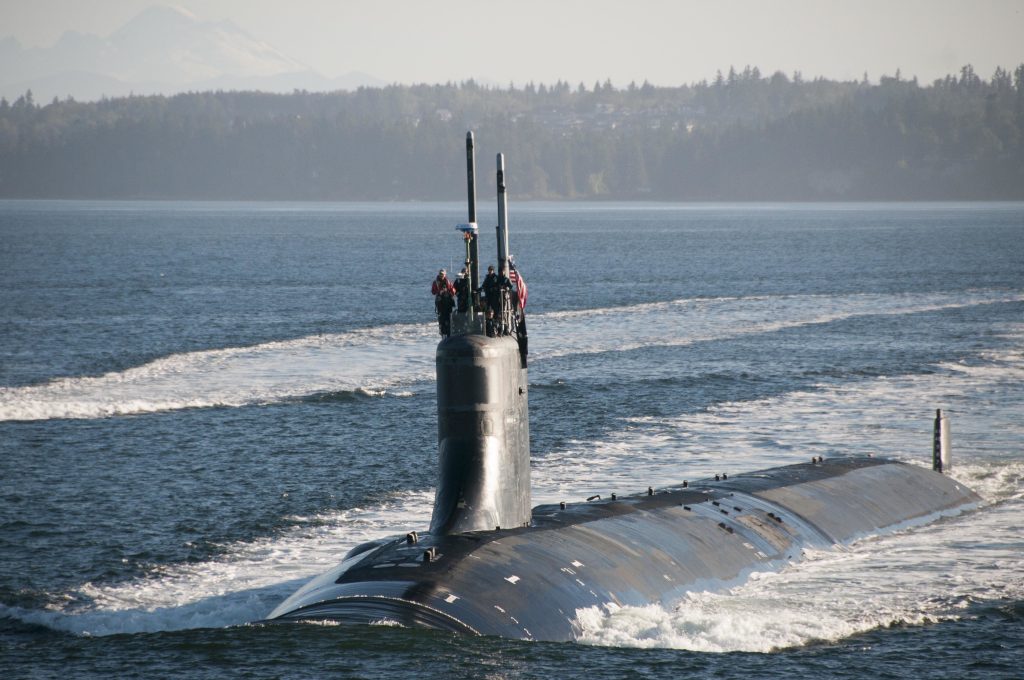
Even after Parche retired in 2004, the mission did not disappear. Its legacy carried forward into the heavily modified USS Jimmy Carter, a Seawolf-class submarine with a Multi-Mission Platform for undersea operations. That continuity says as much about infrastructure as it does about submarines: cables, sensors, and seabed systems remain strategically important.
Parche also stood out for the extreme security culture around its work. Public accounts linked similar missions to emergency scuttling charges if capture ever became unavoidable, a reminder that the real value on board was often not the hull itself, but the equipment, methods, and data it carried. USS Parche is still discussed because it captured a turning point in naval technology.
It demonstrated that the ocean floor was not empty space between fleets, but a contested layer of infrastructure, sensors, and hidden access points. That idea has only grown more relevant. In an era shaped by subsea communications networks, offshore energy systems, and unmanned underwater vehicles, Parche’s deeper legacy is not nostalgia for Cold War secrecy. It is the recognition that engineering control below the surface can shape strategy far above it.


