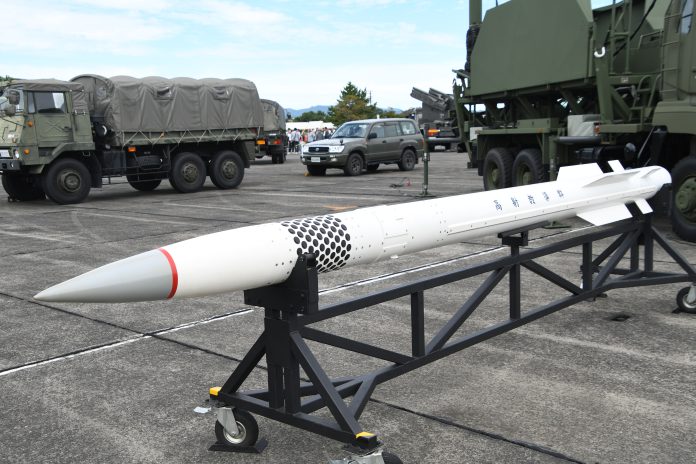
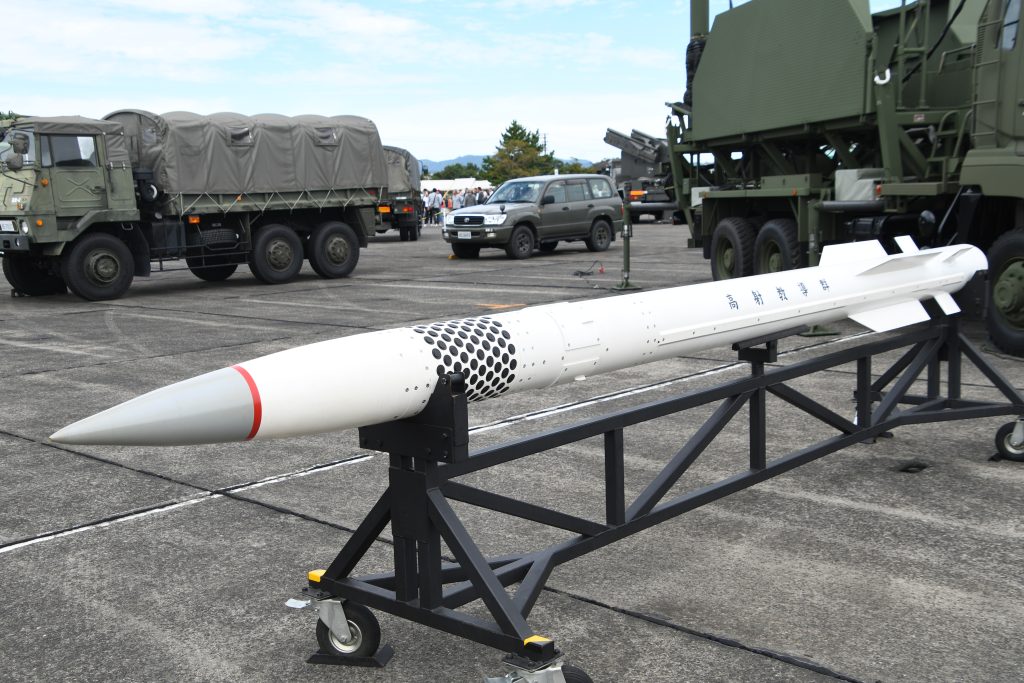
The Pentagon’s latest production push is less about adding another weapons contract and more about solving a hard industrial problem: modern missile combat can burn through inventories much faster than factories can replace them. That pressure is showing up across the U.S. arsenal. Air and missile defense interceptors, long-range strike weapons, and newer precision missiles have all been used heavily enough to expose the same vulnerability production lines for advanced munitions are still far slower than wartime demand.
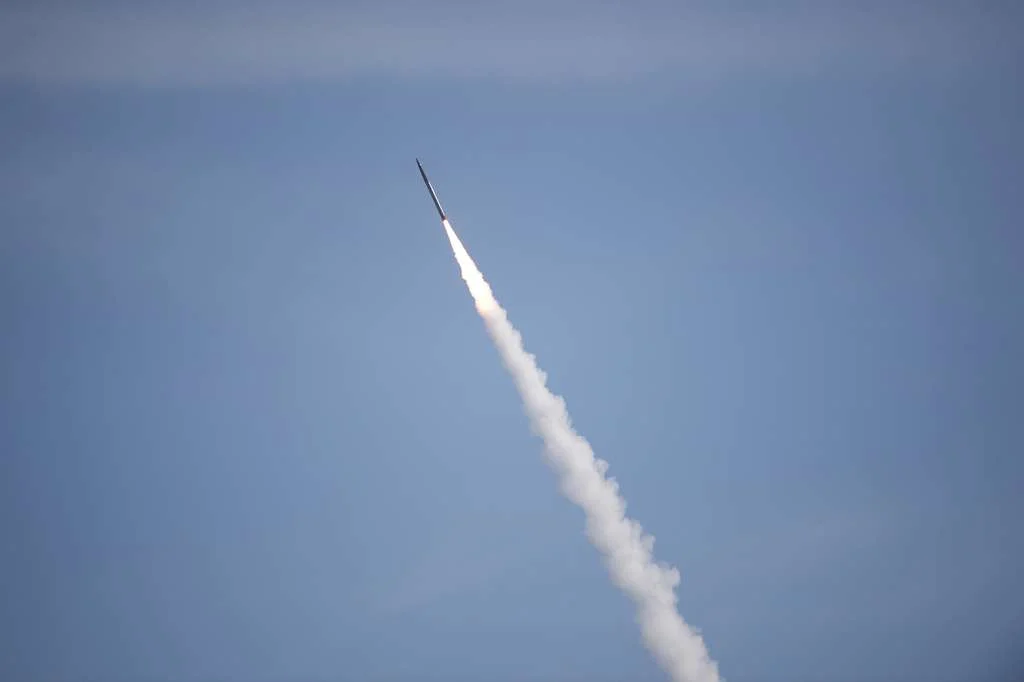
1. THAAD interceptors are difficult to replace once they are fired
The Terminal High Altitude Area Defense system sits near the top of the missile-defense ladder, built to destroy short-, medium-, and intermediate-range ballistic missiles in the last phase of flight. Its interceptors do not rely on a blast-fragment warhead near the target. They use hit-to-kill guidance, which puts unusual importance on the seeker, the infrared sensor package that identifies and tracks an incoming missile.
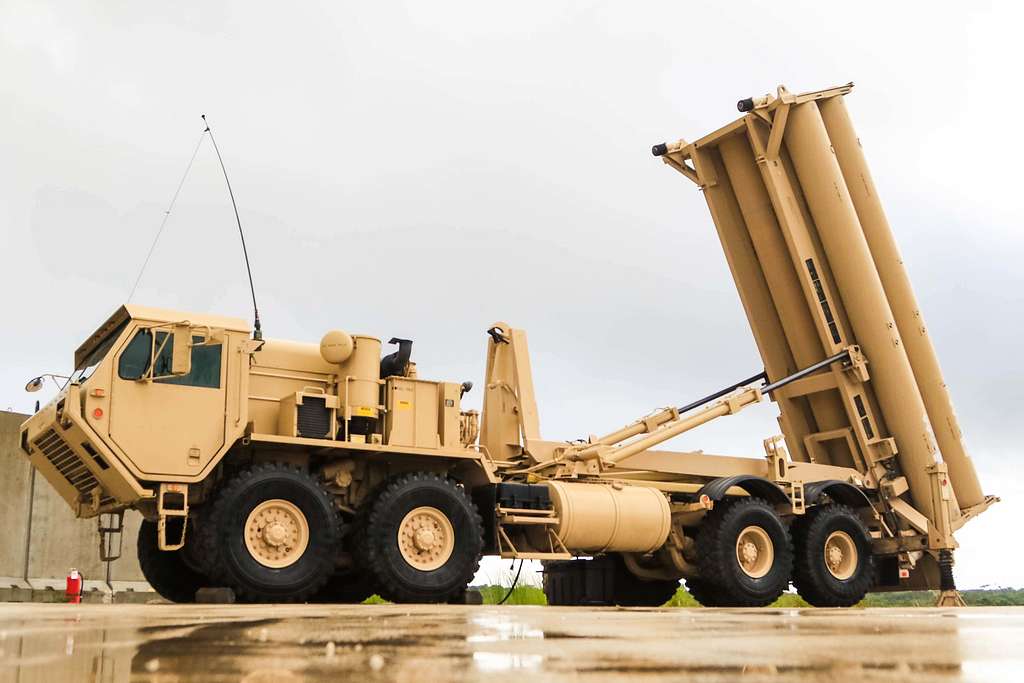
That is why the Defense Department’s move to quadruple the production of seekers for THAAD interceptors matters as much as boosting final missile assembly. Lockheed Martin has also said interceptor output is set to rise from 96 per year to more than 400 over time. The bottleneck is not only the missile body, but the high-end electronics and sensors inside it. Defense officials and lawmakers have treated THAAD as a warning case because more than 150 THAAD interceptors were fired during a recent regional air-defense campaign, a consumption rate that turns inventory into a manufacturing challenge almost immediately.
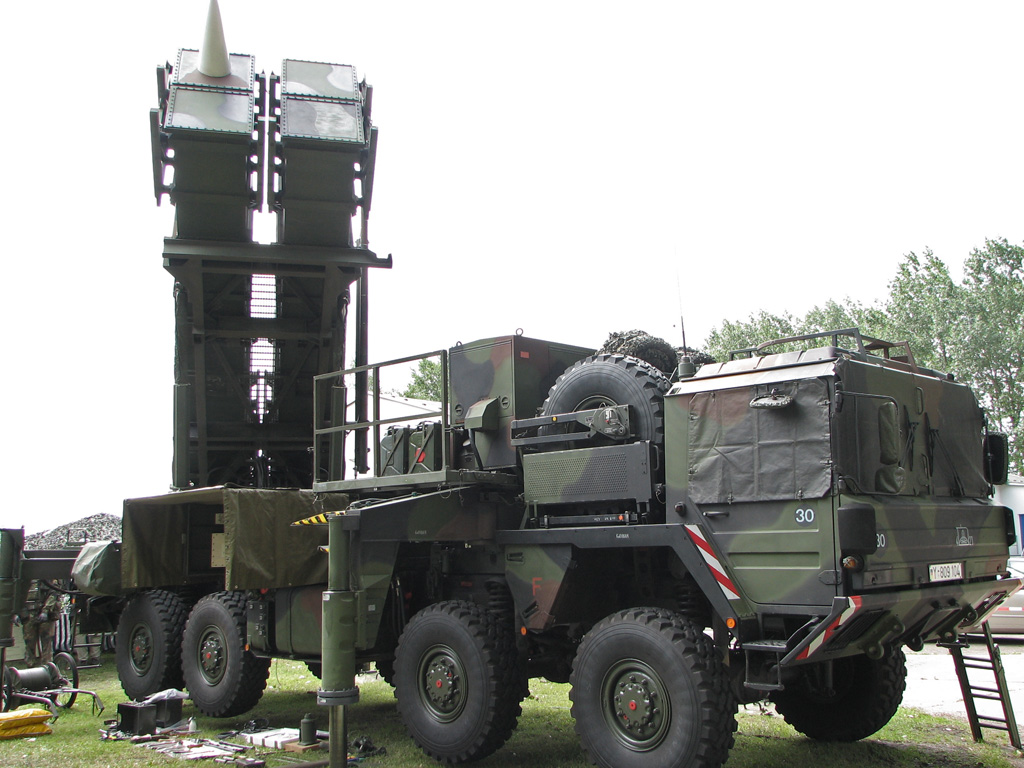
2. Patriot remains the alliance workhorse, which makes demand harder to satisfy
Patriot batteries do more than protect U.S. forces. They anchor the air defense of allies across Europe, the Middle East, and Asia, creating a wider and more persistent draw on interceptor production. The PAC-3 increase from 600 annually to 2,000 under a seven-year arrangement shows how large that demand signal has become.
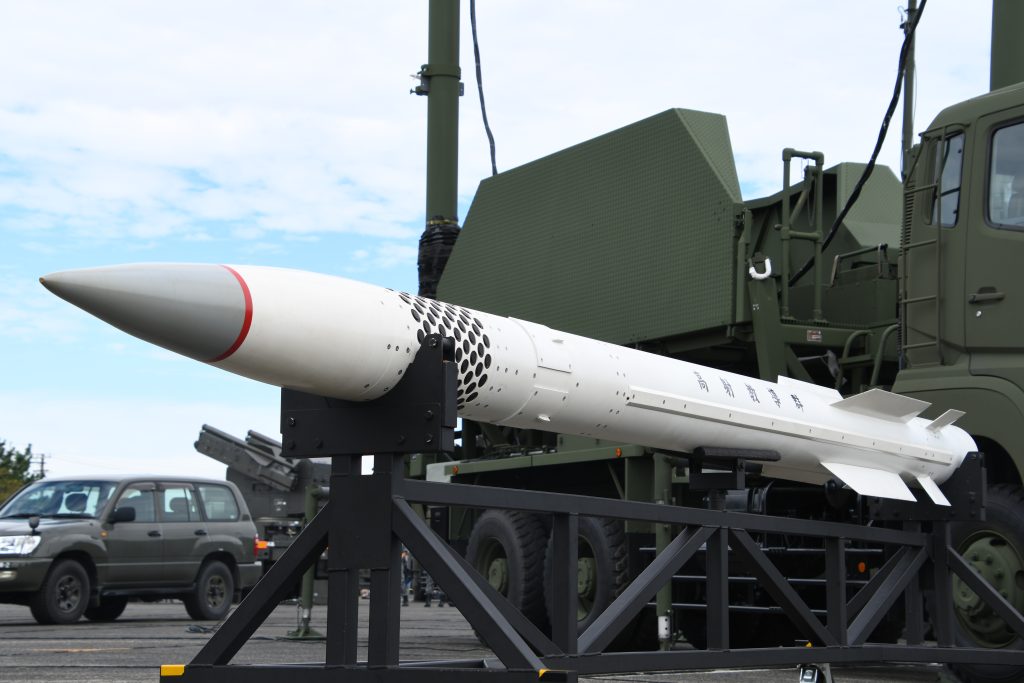
Patriot’s value comes from flexibility. The system combines radar, command-and-control, launchers, and interceptors to defend against ballistic missiles, cruise missiles, drones, and aircraft. It is also a globally shared system, with 19 countries operating Patriot. That broad user base improves interoperability, but it also means every surge requirement competes against existing foreign demand, training needs, and replenishment schedules. In practical terms, Patriot is not just a missile; it is a long queue.
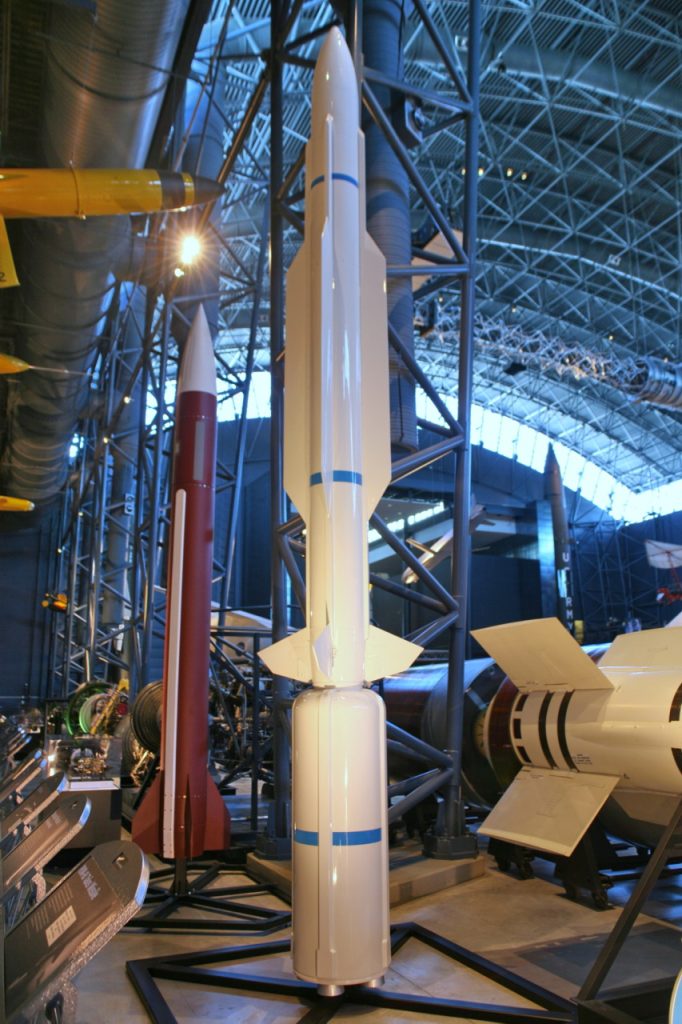
3. SM-series missiles are exposing the Navy’s inventory dilemma
The Standard Missile family covers several different jobs, and that is exactly why it matters. SM-6 can engage aircraft, cruise missiles, and some ballistic missile threats in terminal defense. SM-3 variants focus on ballistic missile interception. When naval forces face layered air and missile threats, these missiles become routine expenditures rather than rare strategic assets.
Raytheon’s plan to lift SM-6 production to over 500 per year from 125 reflects that reality. The same is true for planned increases in SM-3 Block IB and Block IIA output. A weapon family designed for high-end fleet defense is now being used often enough that the industrial base must act like a sustained support system, not a boutique supplier of premium interceptors.
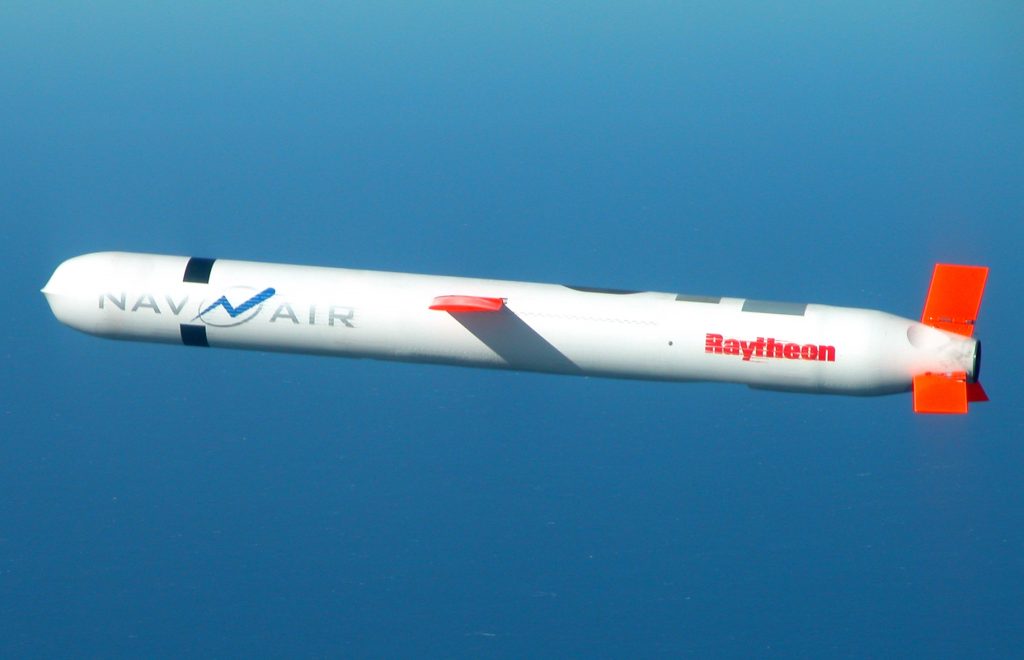
4. Tomahawk is old by design, not obsolete by age
The Tomahawk has been in service since the early 1980s, yet its production line is being pushed above 1,000 missiles per year. That longevity says something important about missile design. A weapon can remain central if its guidance, targeting, and mission flexibility continue to match modern operational needs.
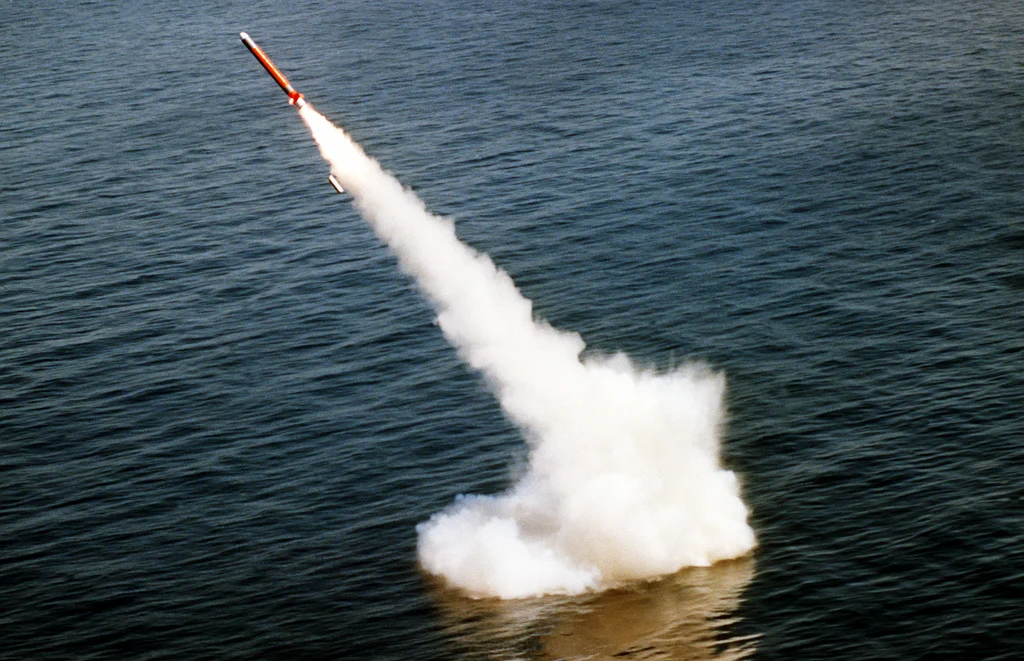
Tomahawk still fills a crucial niche: long-range precision strike from ships and submarines, including the Maritime Strike variant for moving targets at sea. Its guidance stack GPS, terrain matching, and onboard scene comparison helps explain why it remains relevant. But the real issue is industrial tempo. According to the source material, Tomahawks can take up to two years to produce. That lead time collides with a world in which large salvos can be spent in days.
5. Precision Strike Missile shows how new weapons become urgent very quickly
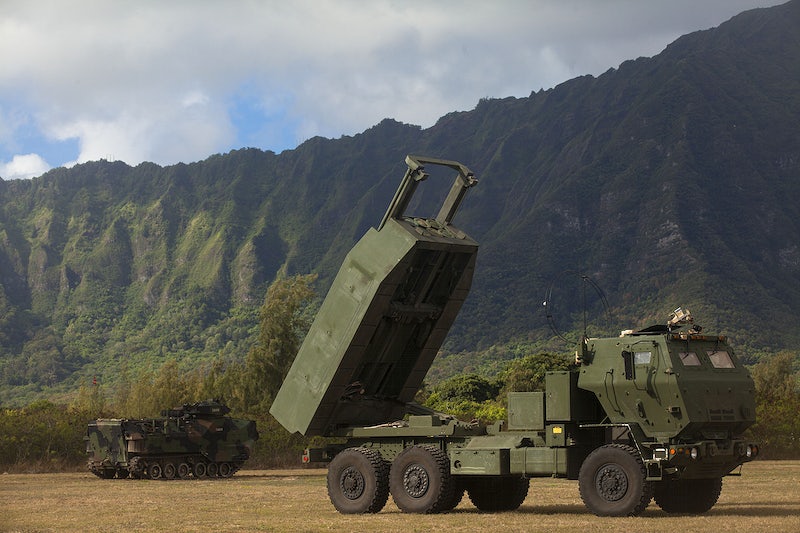
PrSM was introduced as the Army’s successor to ATACMS, but it is already moving from modernization program to high-priority munition. The missile is fired from HIMARS and is meant to give ground forces deeper, faster strike reach against high-value targets. The Pentagon and Lockheed Martin are now aiming to raise output to 400 per year, and Lockheed has described the production effort as part of a wider industrial expansion tied to a $4.94 billion contract award from the prior year. Adm. Brad Cooper called the missile’s combat use “a historic first” and “an unrivaled, deep-strike capability.”
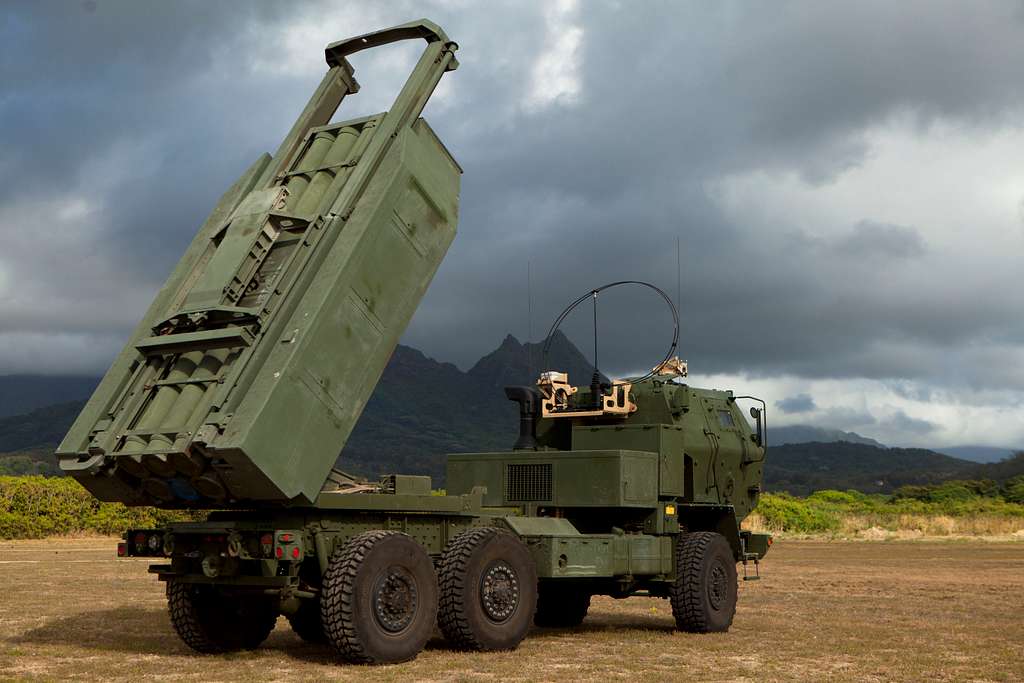
That language captures why newer systems can move rapidly from limited fielding to mass-production pressure: once commanders trust the capability, demand accelerates faster than factories were originally built to handle. The larger pattern is not tied to one missile. It is the collision between advanced guidance technology, global demand, and production timelines measured in years rather than weeks.For the U.S. defense industrial base, the real contest is no longer only about designing better munitions. It is about whether the country can manufacture enough of them, at speed, across multiple theaters without turning every future contingency into a stockpile math problem.


