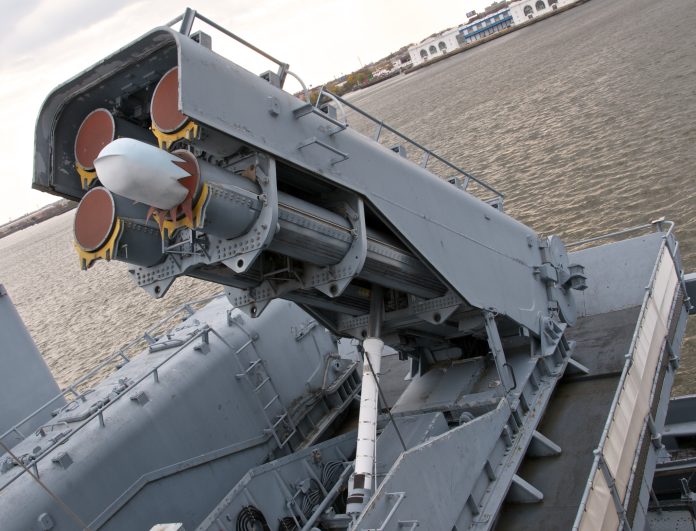
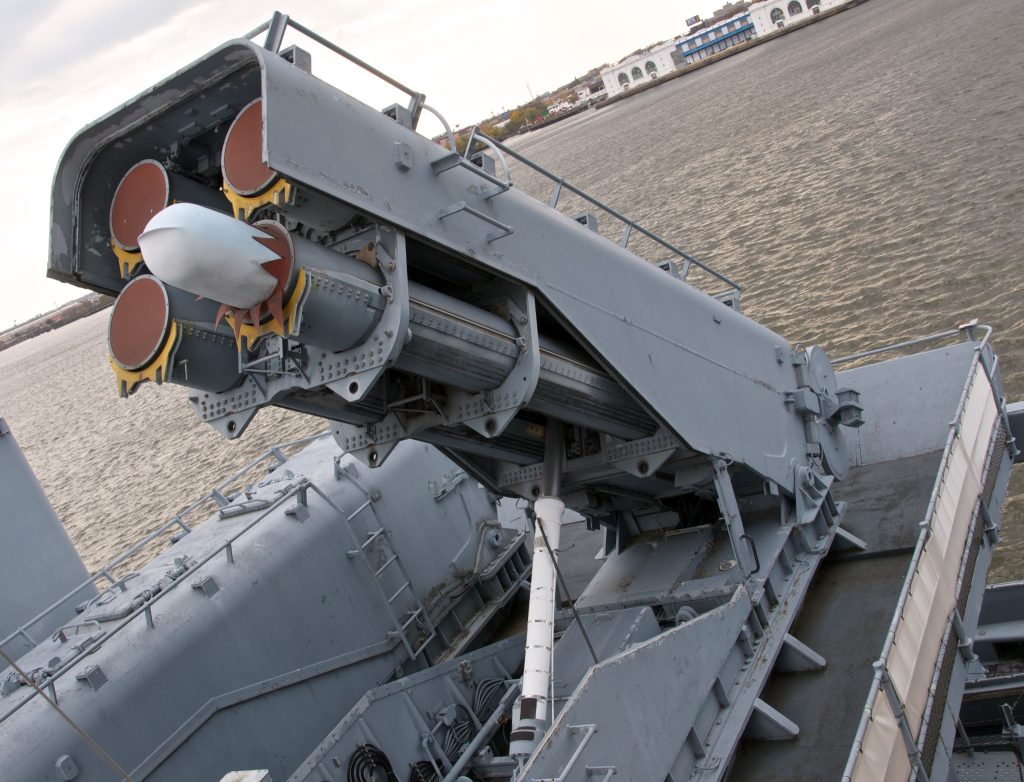
Firing hundreds of long-range cruise missiles in a matter of weeks does more than demonstrate striking power. It exposes how quickly a modern precision arsenal can be consumed when a weapon designed for opening blows becomes a routine instrument of sustained operations. The Tomahawk sits at the center of that tension. It remains one of the U.S. military’s most mature long-range strike systems, but recent usage has sharpened a broader industrial question: whether a decades-old missile can keep pace with 21st-century demand without creating risk elsewhere in the force.
1. Tomahawk was built for reach, not limitless volume
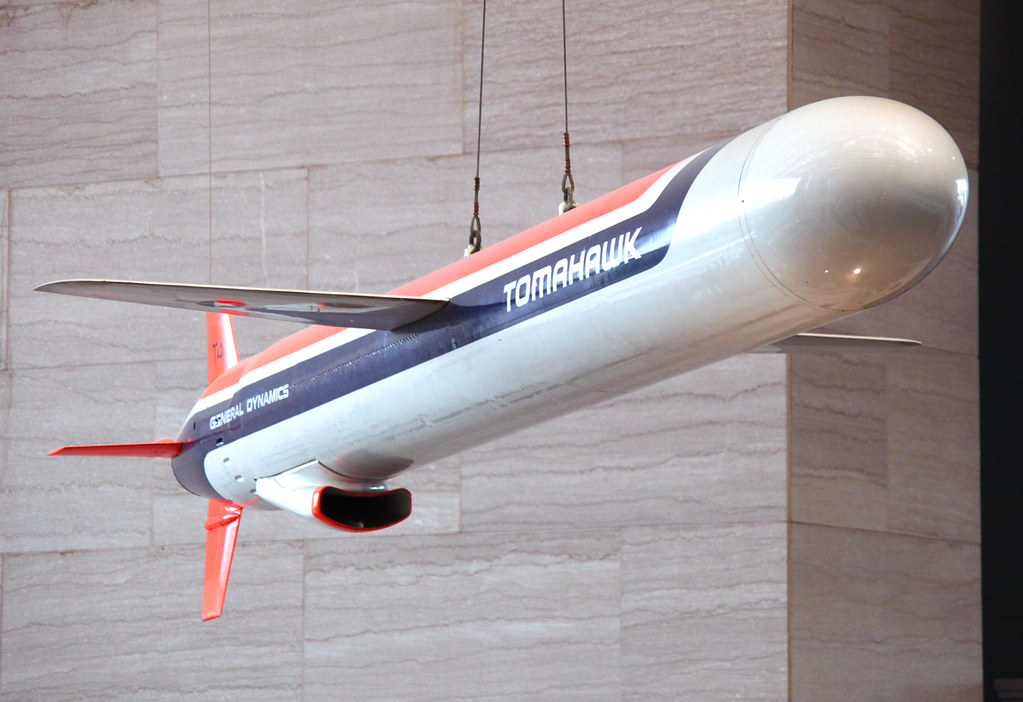
The missile’s core appeal is straightforward: it allows ships and submarines to hit defended targets from long distance without sending pilots into hostile airspace. According to Tomahawk can be launched from over 140 U.S. Navy ships and submarines, giving the Navy a deep bench of launch platforms for early-wave strikes.
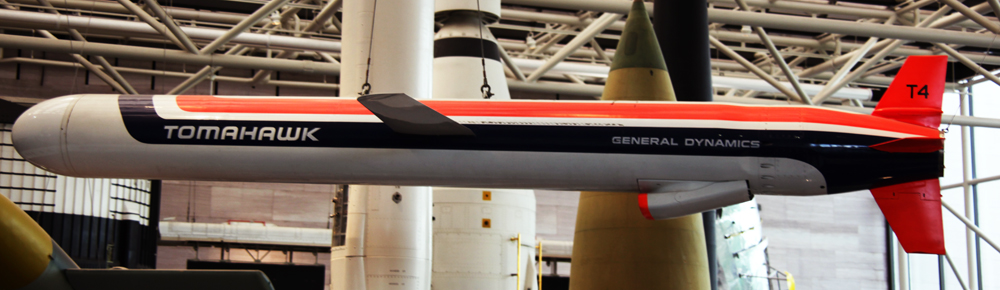
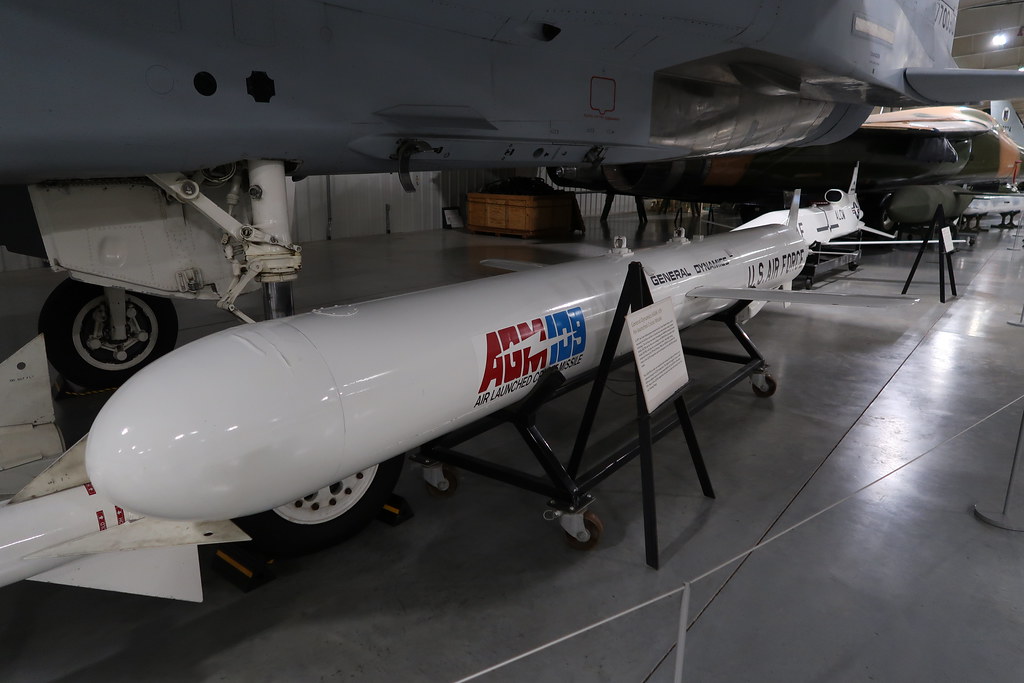
Its engineering explains why commanders keep returning to it. Tomahawk flies at low altitude, uses layered guidance methods including GPS, inertial navigation, terrain contour matching, and digital scene matching, and has been steadily refined from Cold War origins into a flexible strike weapon with in-flight retargeting and loiter capability. That combination makes it useful against air defenses, command nodes, airfields, and other fixed targets that are difficult to reach quickly with crewed aircraft.
2. Heavy use turns a tactical advantage into a stockpile issue
The central problem is not whether Tomahawk works. It is whether the inventory can absorb sustained firing without weakening other contingencies. The main article’s reported figure of 850 missiles used in four weeks points to an exceptionally high burn rate for a munition that is neither simple nor fast to replace.
Reference reporting adds context: recent U.S. use also included roughly 30 Tomahawks in one strike package and more than 135 in fighting against the Houthis, showing that the missile has shifted from occasional punitive use to repeated operational demand across multiple theaters. That pattern matters because stockpile pressure builds cumulatively, not one operation at a time.
3. Production is rising, but manufacturing speed still lags battlefield demand
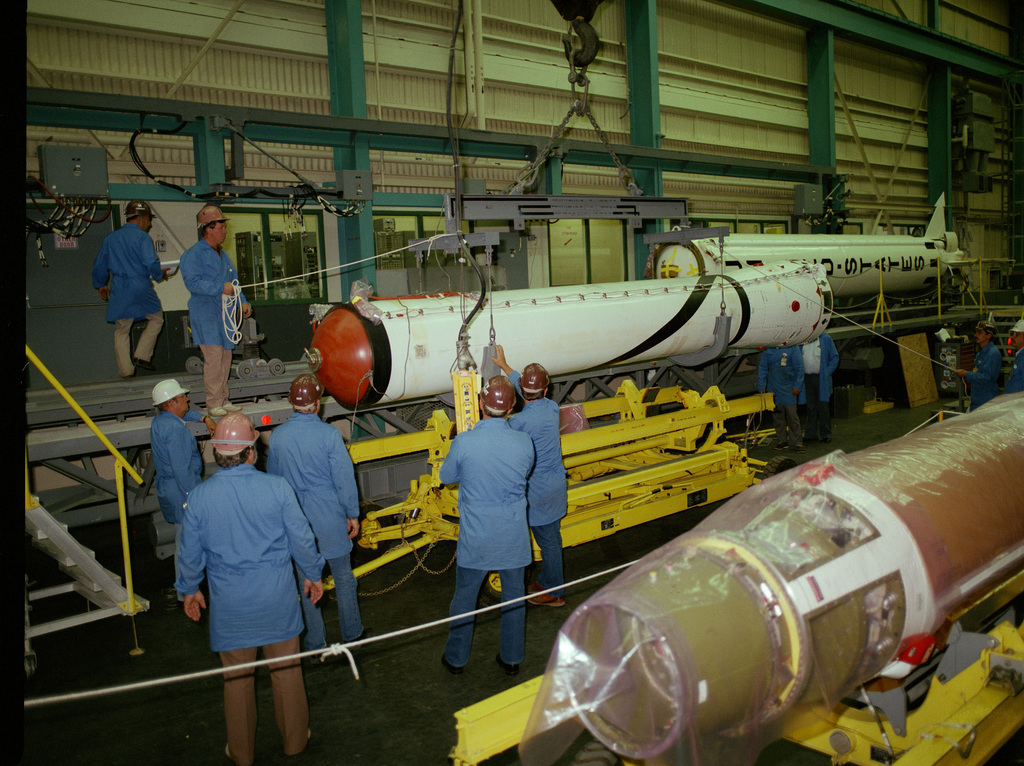
The Pentagon and industry are already reacting. Raytheon is set to increase output of Tomahawk land-attack and maritime-strike missiles to more than 1,000 per year, a major jump that reflects both demand and official concern over missile depth. Even so, replenishment is not instantaneous.
Multiple references note that a Tomahawk can take up to two years to build, while factory expansion, recertification work, parts supply, and workforce growth all add delay. A surge announcement can change future capacity, but it does not refill launch cells already emptied. That gap between firing rate and industrial recovery is now one of the defining engineering constraints in missile warfare.
4. The missile is being modernized while it is being consumed
Tomahawk is not a frozen design. The Navy continues converting older missiles to Block V standard, adding improved navigation, hardened electronics, and in some versions the ability to engage moving ships at sea. A recent Navy effort seeks to upgrade 35 to 96 Tomahawks with maritime seeker suites, part of a wider modernization path.
That creates a second strain on the system. The same industrial base is expected to replenish fired missiles, recertify existing Block IV rounds, expand Maritime Strike Tomahawk inventory, and support allied orders. Modernization improves capability, but it also competes for factory attention, specialized components, and time.
5. Tomahawk’s real significance is what it says about future high-end war
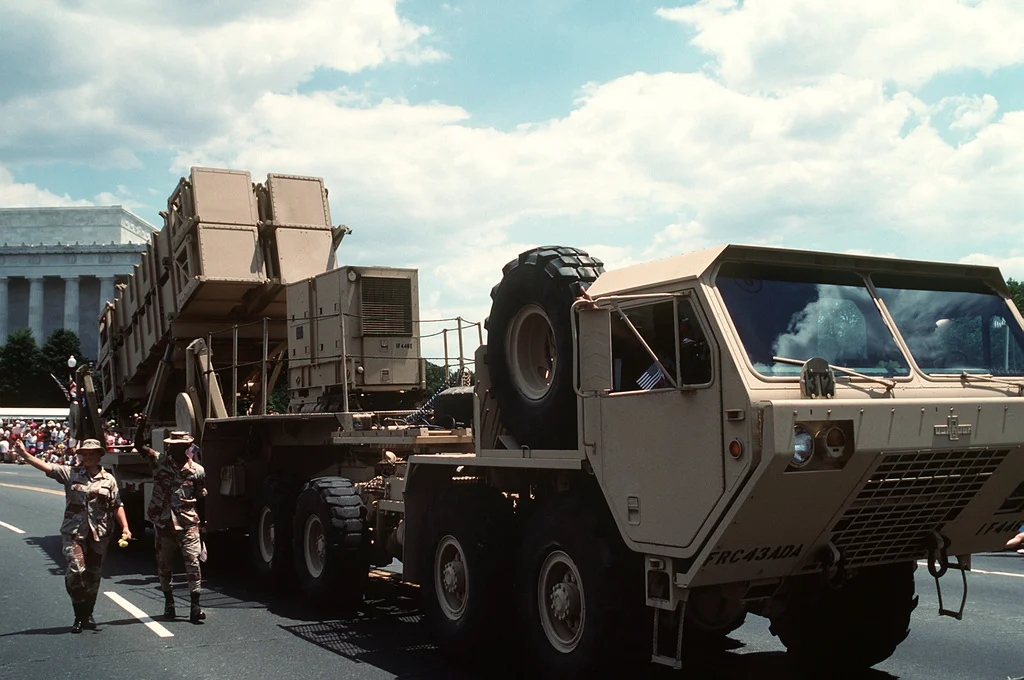
Recent Pentagon production moves are not limited to Tomahawk. THAAD, Patriot, SM-series missiles, and the Precision Strike Missile are all seeing accelerated output because long-range strike and air defense weapons are being consumed faster than earlier planning assumptions allowed. That is the larger lesson behind Tomahawk’s burn rate: advanced militaries now use premium munitions at industrial scale. One Australian analysis warned that current usage and replenishment rates raise wider readiness questions for the Indo-Pacific.
Tomahawk is therefore more than a single missile story. It is a visible indicator of how strategy, shipboard firepower, software-driven upgrades, and factory throughput are now tightly connected. The missile still offers what navies value most in the opening phase of a conflict: reach, precision, and reduced exposure for crews. But the engineering marvel is no longer just the weapon in flight. It is the industrial system behind it, and whether that system can sustain the pace modern operations demand.


