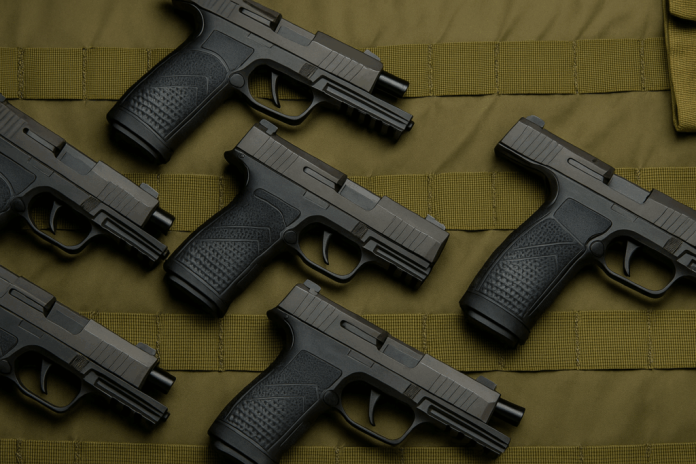
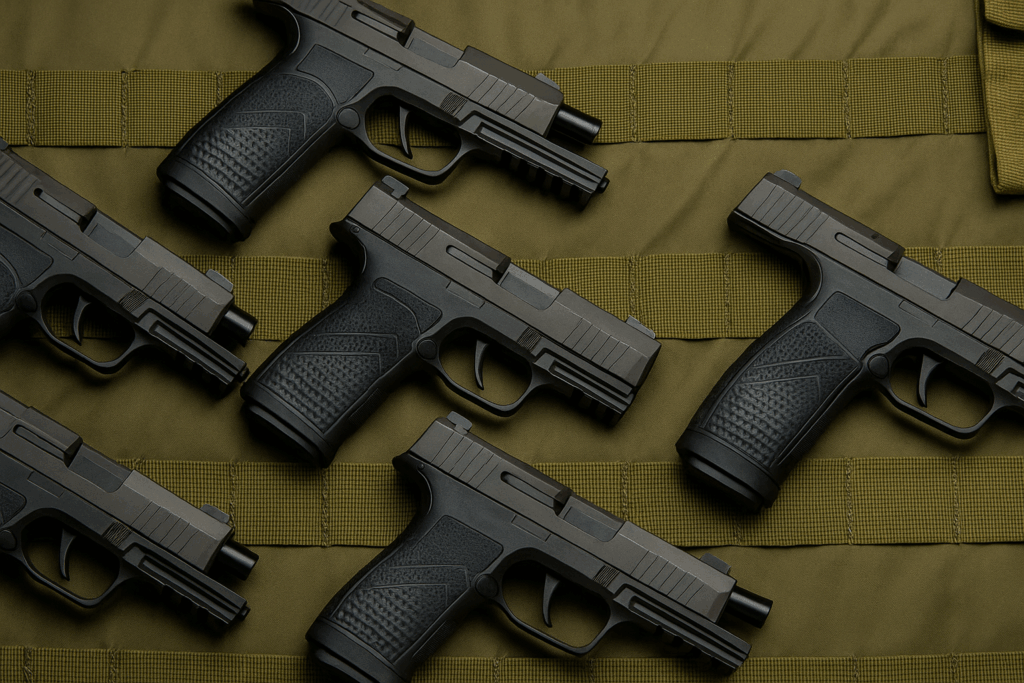
Legal carry problems rarely begin with dramatic behavior. They usually start with ordinary assumptions: a permit issued in one state should work in the next, a missing firearm can be reported later, or a parts swap on a familiar platform cannot possibly change a gun’s legal status. That is where trouble tends to enter. Firearm law is often less about intent than classification, location, timing, and paperwork, which means a lawful owner can cross into criminal exposure without any visible change in routine.
1. Assuming a home-state carry permit works everywhere
Concealed carry reciprocity is not a universal national rule. It operates through state-by-state recognition, and those arrangements can be full, partial, or absent entirely. A permit holder can be lawful at breakfast, cross a border by lunch, and suddenly be subject to a different carry standard because states retain the authority to regulate concealed carry within their borders. The legal risk is not limited to whether another state recognizes the permit. Even when it does, the carrier must follow that state’s rules on prohibited locations, transport, notification duties, and weapon handling. Reciprocity reduces friction, but it does not import the home state’s rules along with the permit.

2. Treating permit recognition as the only rule that matters
Travel mistakes often come from stopping the research too early. A gun owner may confirm that a destination recognizes an out-of-state permit and never check the rest of the legal framework. That shortcut misses the point of reciprocity itself: recognition and compliance are separate issues. Some jurisdictions impose location restrictions that differ sharply from neighboring states. Others regulate how a firearm must be stored in a vehicle or whether a carrier must disclose possession during a stop. A legal carrier who ignores those local requirements can face charges without ever drawing the firearm.
3. Waiting too long to report a lost or stolen gun
A missing firearm creates legal exposure that can widen with every passing hour. At the federal level, individual owners do not face a universal reporting mandate, but there’s no similar federal requirement for individual gun owners the way licensed dealers do. That gap matters because states increasingly impose their own deadlines. As of 2025, 17 states have adopted this policy requiring prompt reporting of lost or stolen guns. Once a state has such a law, delay itself can become the offense. The problem gets more serious when a recovered gun later appears in another investigation, because the missing report can look less like oversight and more like concealment.
4. Thinking theft makes the owner legally irrelevant
Some owners treat theft as the end of their responsibility. In practice, it can become the beginning of scrutiny. Reporting laws are used not only to document a missing firearm but also to help investigators identify suspicious buying patterns and false theft claims tied to trafficking or straw purchasing cases. That broader enforcement role is one reason late reporting can draw attention. According to ATF data cited in 2025 coverage, firearms stolen from private citizens account for nearly 95 percent of all guns stolen in thefts. Once a gun falls out of the owner’s control, the legal system tends to focus on records, timelines, and whether the owner acted promptly.
5. Adding a stock to a short-barreled pistol build without registration
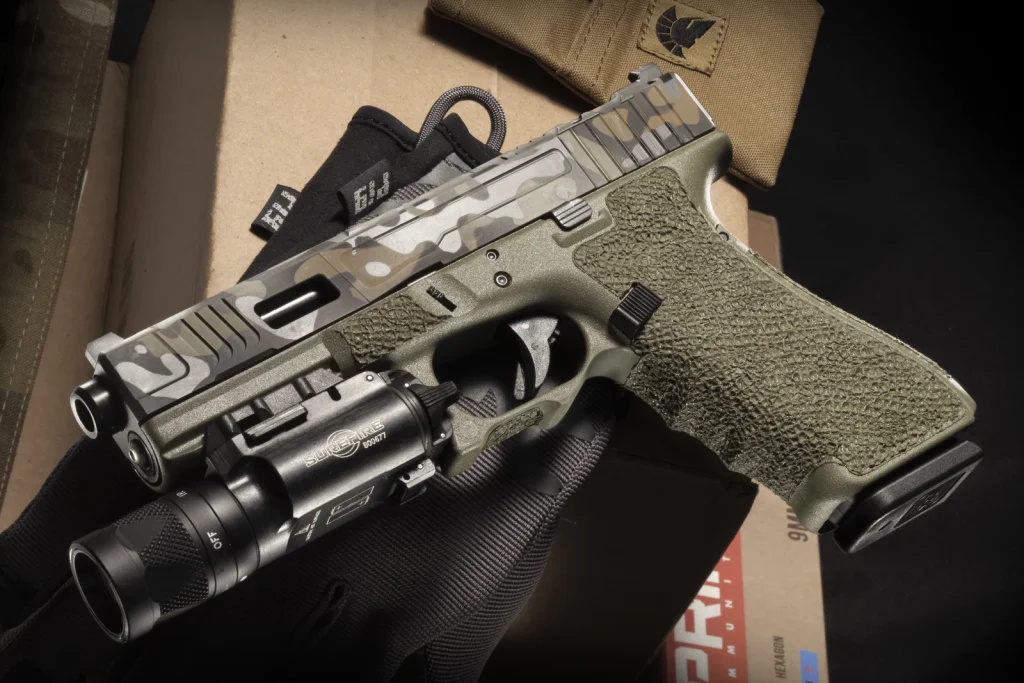
The modular rifle world creates one of the easiest classification traps in firearms law. On AR-style platforms especially, a lawful pistol can become a federally regulated short-barreled rifle the moment a stock is added while the barrel remains under 16 inches. The danger is that the setup may still look normal to the owner. Under the National Firearms Act, that configuration is not just a casual modification problem. It can be an unregistered NFA firearm, and the penalties described in the reference material include felony exposure, major fines, and prison time. The mechanical change is small; the legal change is not.
6. Misreading barrel length and overall length
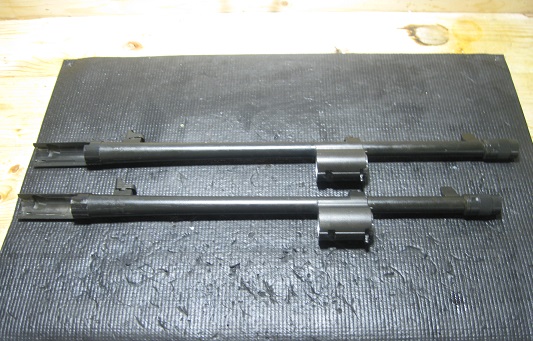
Measurement errors create legal problems because firearm classification depends on exact dimensions, not estimates. A removable muzzle device does not count toward barrel length, and overall length has to be measured by the applicable standard, not by visual approximation. This catches owners who assume a listed barrel spec, a compact stock, or a muzzle attachment automatically keeps the firearm compliant. In the reference material, a rifle under 16 inches of legal barrel length or under 26 inches overall can move into NFA territory. A measurement mistake does not stay a workshop mistake once the firearm is possessed in that configuration.
7. Installing a vertical foregrip on a pistol
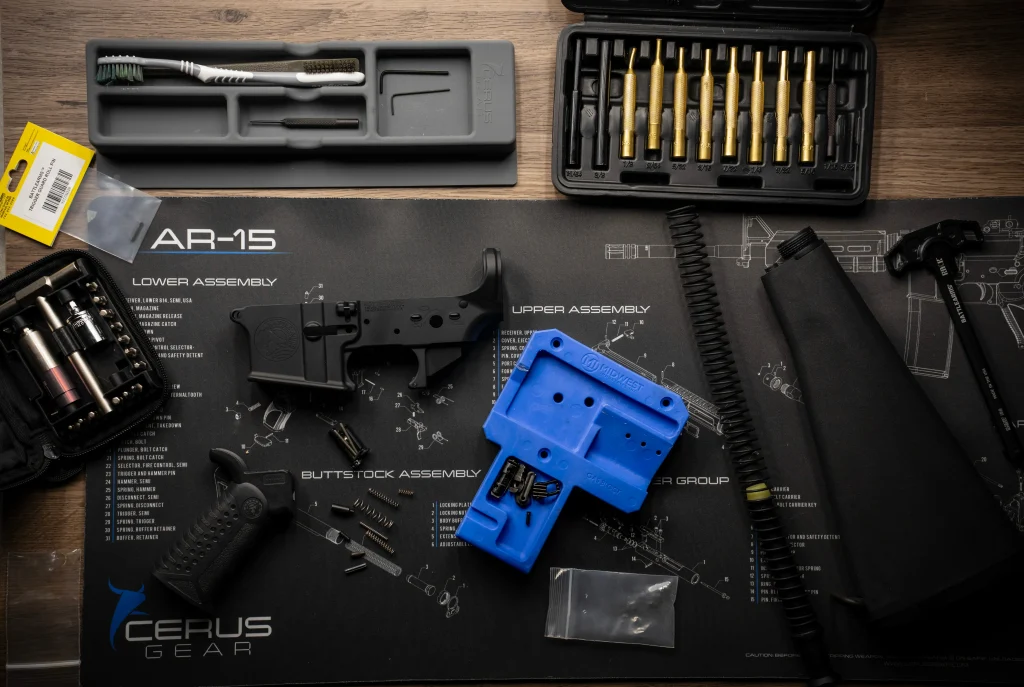
A vertical foregrip can look like a minor ergonomic accessory. Legally, it can be far more than that. On the AR platform, the reference material notes that adding a vertical foregrip to a pistol may reclassify it as an “Any Other Weapon,” a category regulated under the NFA. That distinction is the kind of quiet legal shift that catches owners off guard. The firearm may fire the same cartridge and use the same receiver, but classification turns on design features, not consumer intuition. Accessories are not always legally neutral.
8. Keeping the parts for an illegal configuration even when nothing is assembled
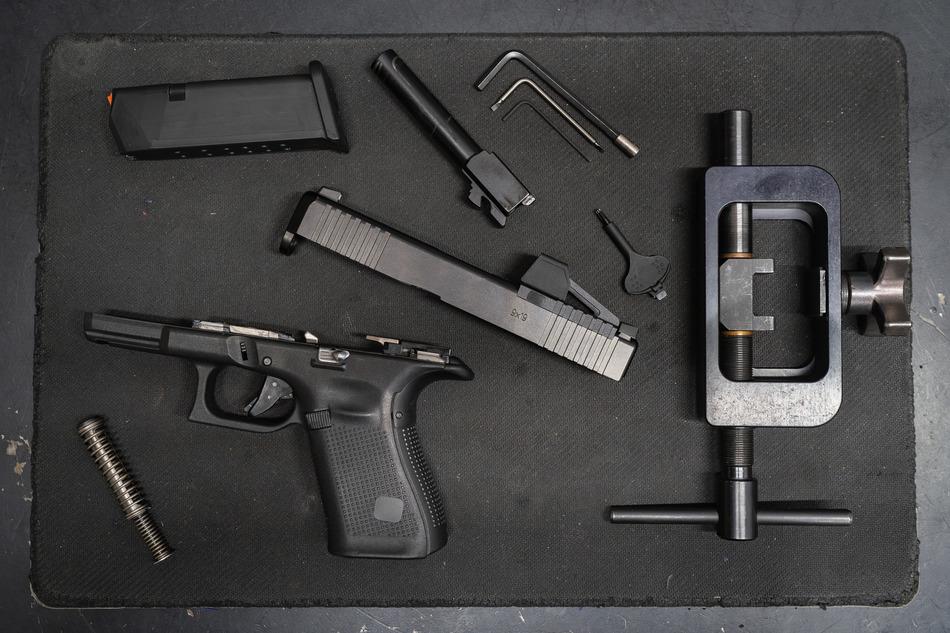
One of the least intuitive risks is constructive possession. A gun owner may believe there is no issue because the short upper, stocked lower, or suppressor-related components are stored separately. Federal firearms law does not always stop at what is assembled on the bench. The reference material describes constructive possession as exposure created by possessing the components needed to assemble an unregistered NFA item. That means the legal problem may exist before the build is completed.
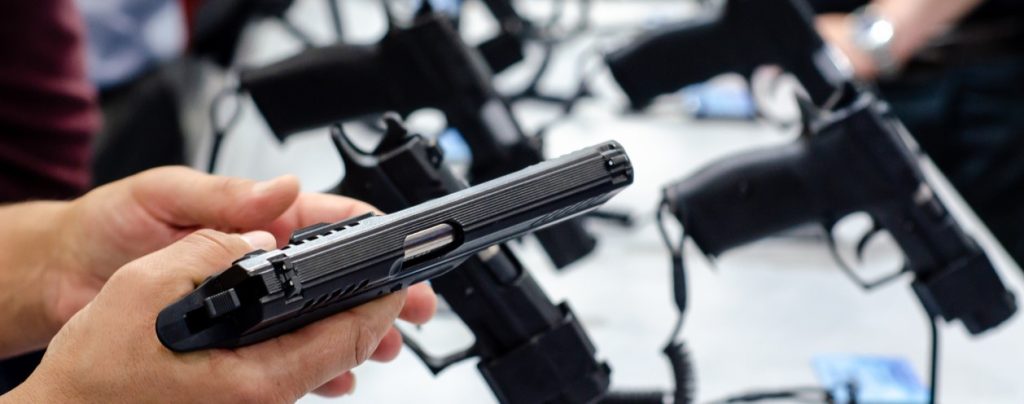
In a category driven by configuration, parts combinations can matter almost as much as the finished firearm. The common thread in these mistakes is not recklessness. It is overconfidence in informal rules learned from habit, other owners, or the physical appearance of the gun itself. Legal carry remains highly dependent on jurisdiction, reporting duties, and technical classification. When those details are ignored, the line between lawful possession and criminal charges can move without warning.


