What does a multibillion-dollar combat loss sheet really reveal? In this case, less about headline numbers than about the parts of the U.S. force structure that are hardest to replace, hardest to protect, or both.
The damaged aircraft, drones, carrier spaces, and radar systems tied to recent operations point to a wider engineering problem: modern forces depend on a small number of exquisite platforms, layered defenses, and long logistics tails. Once missiles and drones begin finding those pressure points, the bill is measured not only in dollars, but in capacity, readiness, and replacement time.
1. F-15E losses showed how expensive air superiority gaps become
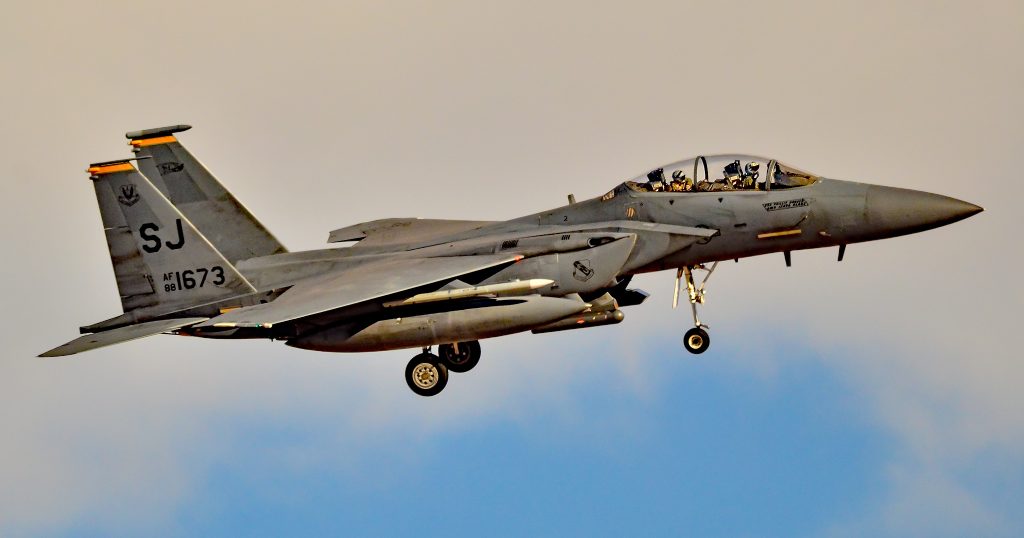
The loss of three F-15E Strike Eagles in a friendly-fire incident stands out because it removed a proven deep-strike and interdiction platform in a single episode. Even when crews survive, replacing advanced fighters is not a routine warehouse exercise. Aircraft in this class anchor missions that demand payload, range, and crew coordination, and every lost airframe narrows available combat mass. For planners, the lesson is straightforward: attrition does not have to come from enemy fire alone to reshape force availability. A fighter inventory under stress must absorb combat risk, maintenance demand, and identification failures at once.
2. The F-35 emergency landing highlighted the fragility of premium stealth capacity
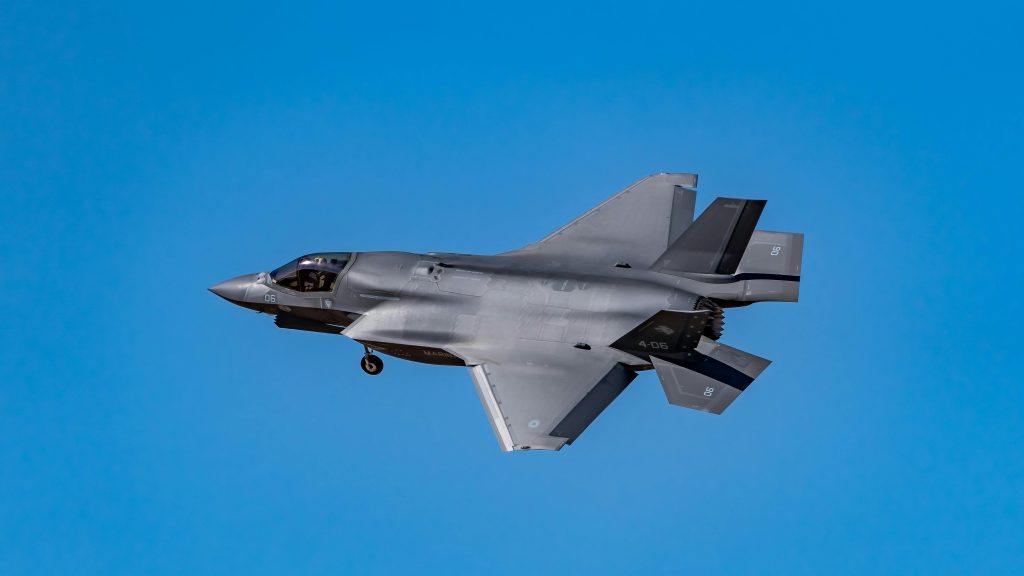
An F-35A forced into an emergency landing carries significance beyond the status of a single jet. Stealth aircraft are central to penetrating defended airspace, suppressing threats, and preserving freedom of action for less survivable aircraft. When one of those jets is damaged or sidelined, the impact lands on mission planning as much as on maintenance crews. That pressure rises because stealth fleets are not interchangeable with older fighters. Their value rests in specialized sensors, low observability, and networked targeting, making each unavailable aircraft a disproportionate loss in practical combat capacity.
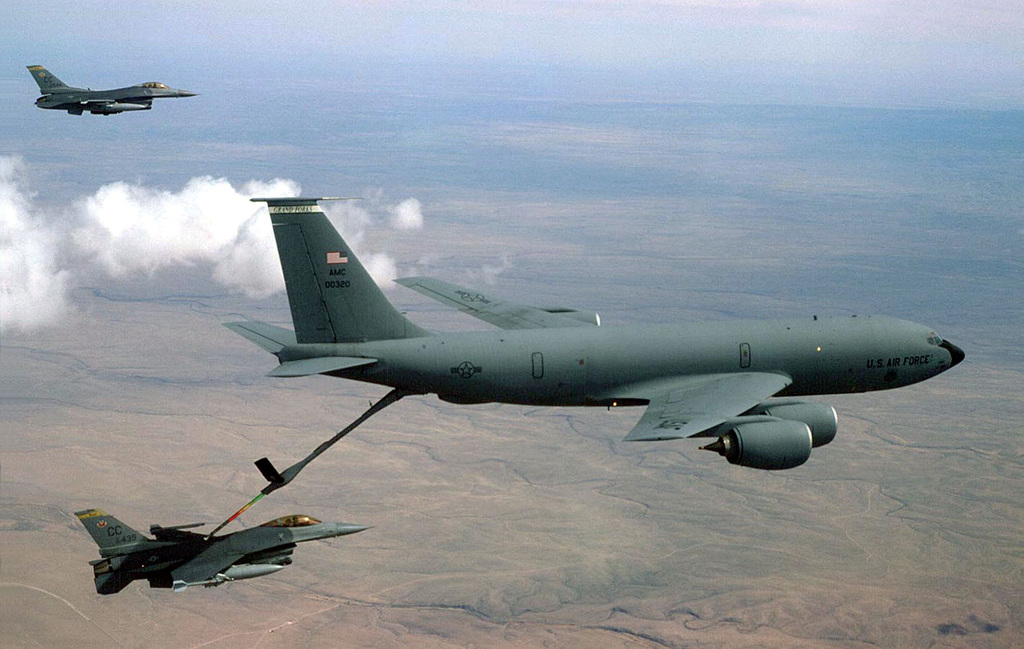
3. KC-135 damage underscored the hidden vulnerability of air warfare: fuel
Fighters draw attention, but tankers make the entire air campaign possible. The crash of one KC-135 and damage to five more exposed a neglected truth of modern combat aviation: range is manufactured in the air. Without refueling aircraft, strike packages shrink, patrol times contract, and options disappear fast. The replacement issue is even sharper because the KC-135 is an aging fleet. Boeing stopped building the type decades ago, leaving the newer KC-46 as the logical successor. That makes tanker losses not just a matter of replacing airframes, but of accelerating a modernization path already under strain.
4. MQ-9 losses revealed how quickly drone attrition can consume capacity
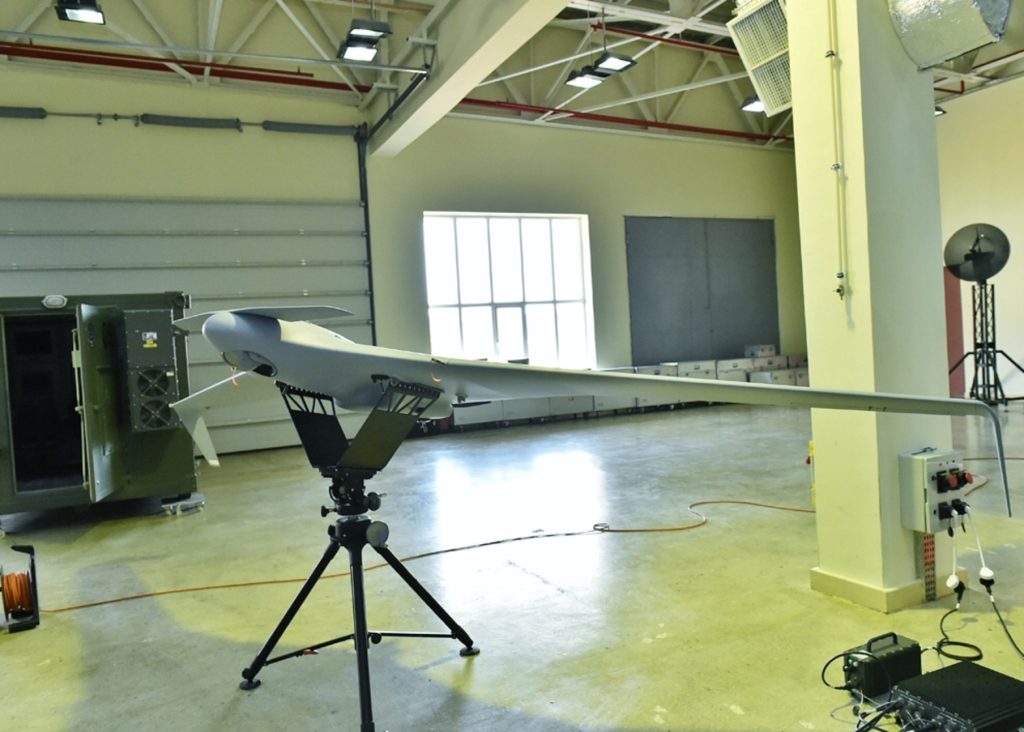
More than a dozen MQ-9 Reapers reportedly lost in a short period is a reminder that unmanned does not mean expendability without consequence. Reapers handle surveillance, targeting, and strike tasks that reduce pressure on crewed aircraft, but sustained attrition can hollow out that advantage. It also matters that the older MQ-9 configuration is no longer in production, pushing attention toward newer variants such as the MQ-9B. That turns battlefield drone losses into an industrial issue. Quantity matters in unmanned warfare, and replacement pipelines matter just as much.
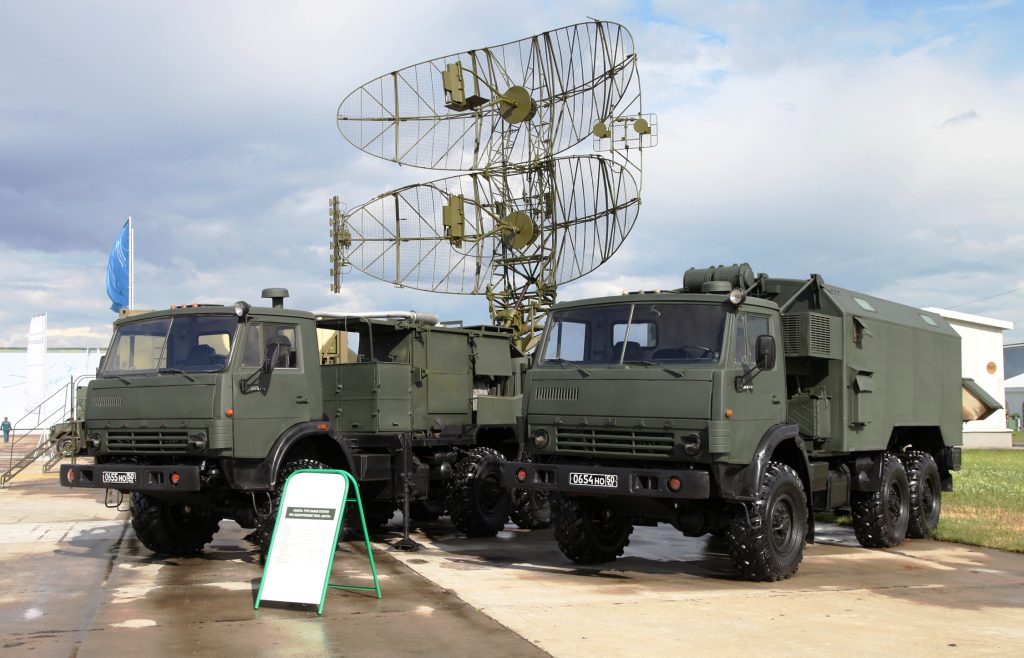
5. Radar strikes may have mattered more than aircraft damage
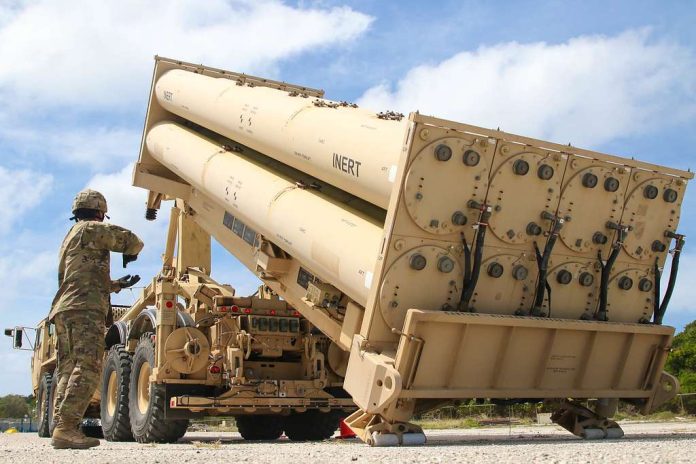
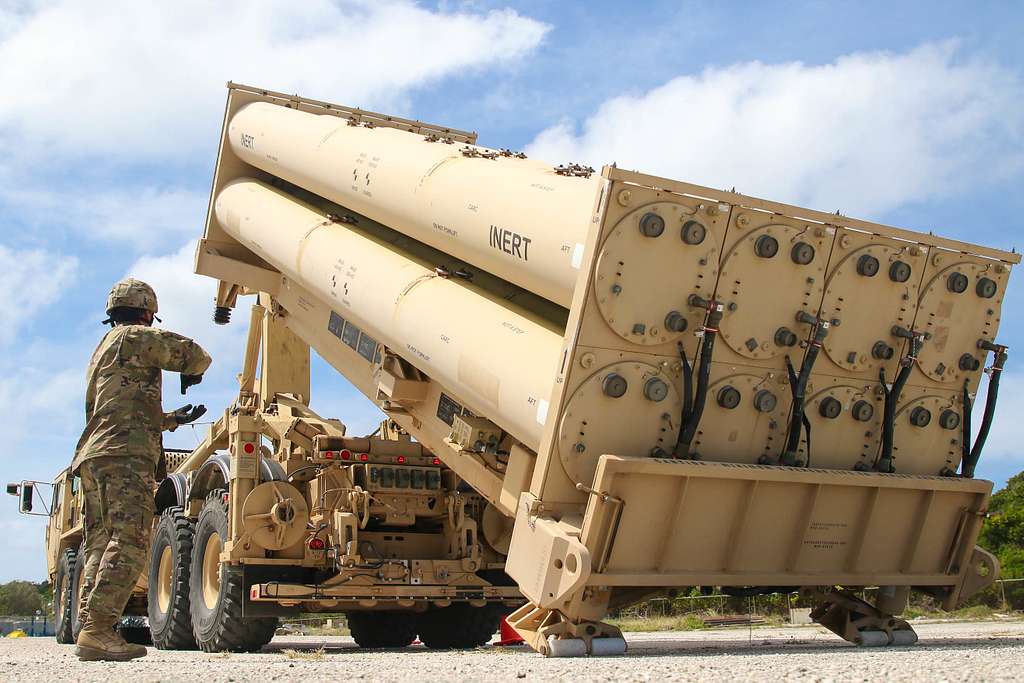
The most consequential losses may have been on the ground. A THAAD-linked AN/TPY-2 radar and damage involving a large early-warning radar in Qatar point to the real center of gravity in missile defense: sensing. Interceptors cannot engage what radars do not detect, classify, and track in time. That is why missile defense architecture is built in layers. Systems such as THAAD, Patriot PAC-3, SM-3, and SM-6 rely on radar and battle-management networks as much as on the missiles themselves. Lockheed Martin has also been pushing PAC-3 MSE integration into Aegis to expand layered defense options at sea. The concept is simple even if the engineering is not: more sensing paths and more intercept layers create better odds against saturation attacks. When a high-end radar is damaged, an entire defended region can become thinner, not just blinder.
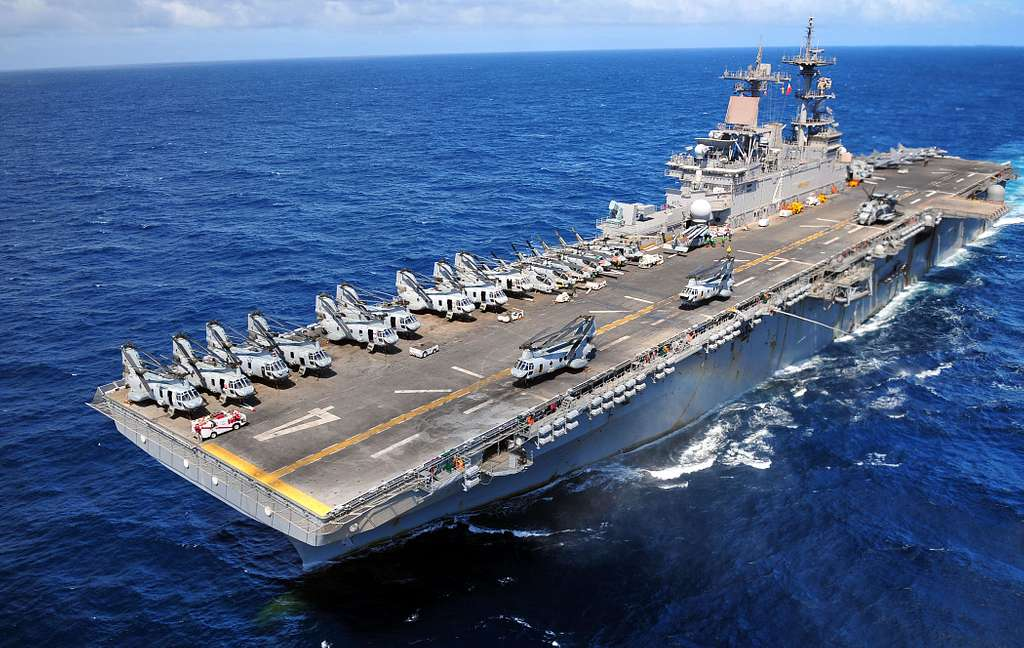
6. USS Gerald R. Ford damage reinforced a basic carrier problem
A fire aboard USS Gerald R. Ford was not combat damage, yet it still removed availability from one of the Navy’s most complex assets. That matters because carriers are valuable precisely because they combine airpower, mobility, and persistence in one hull. Any disruption to that package has outsized operational effects.
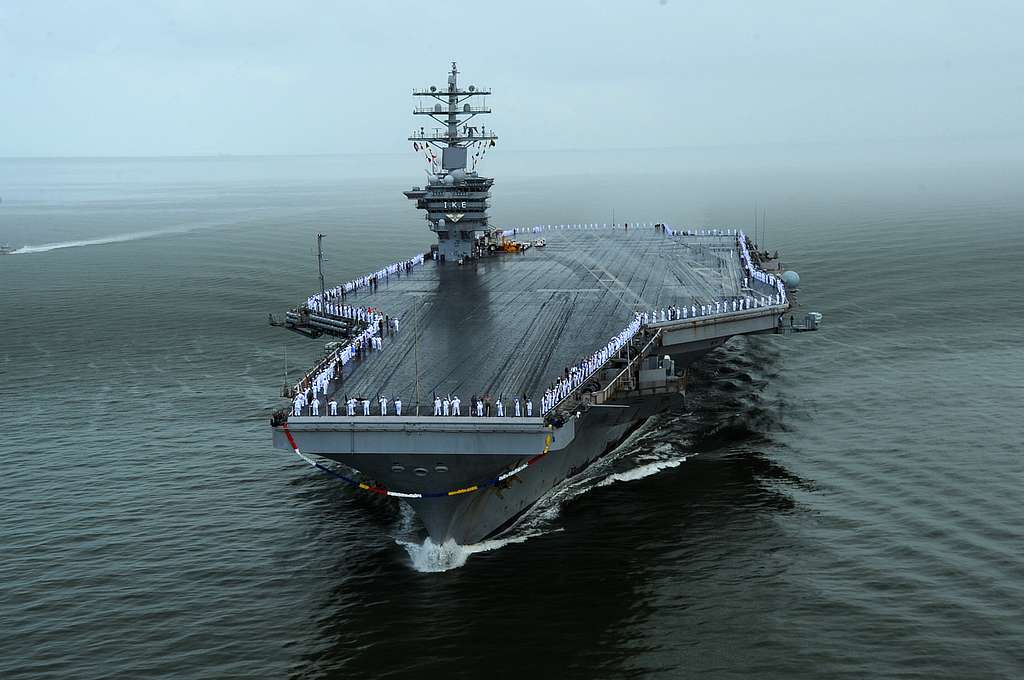
Carrier defense remains layered, from escort ships to onboard systems and embarked aircraft, but naval analysts have increasingly focused on saturation threats from missiles and unmanned systems. A recent U.S. Naval Institute argument described unmanned systems as a priority for carrier defense, especially when mass attacks threaten to overwhelm traditional magazines.
7. The deeper issue was not damage alone, but replacement speed
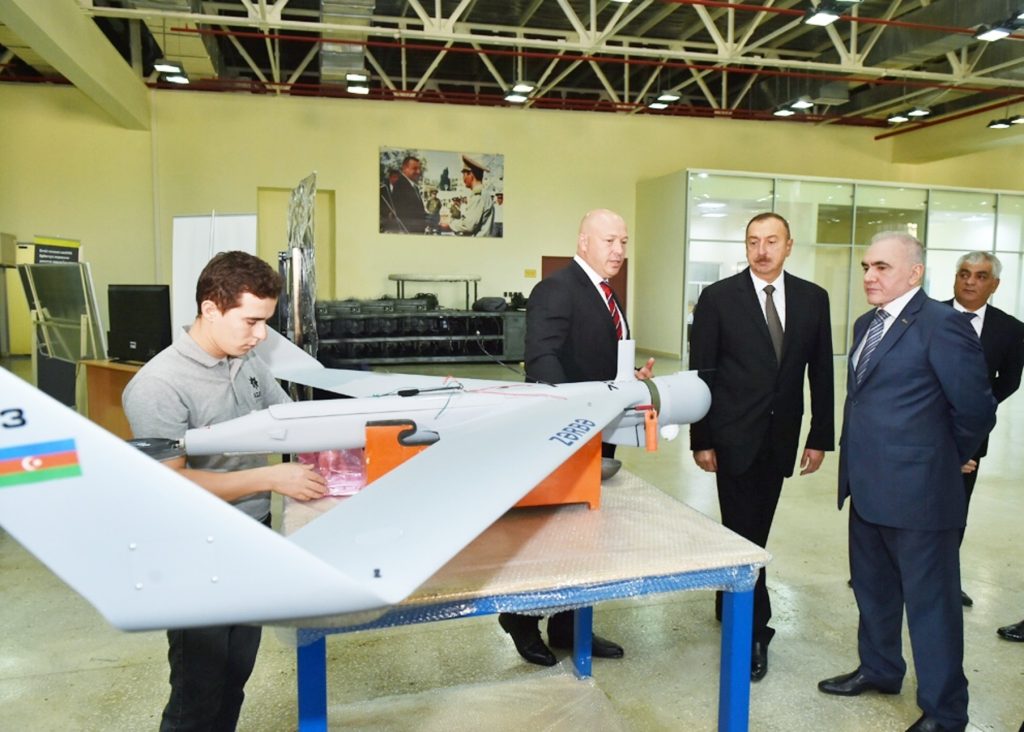
Every item on the list points to the same structural issue: modern U.S. military power depends on platforms and sensors that are expensive, specialized, and often slow to replace. Some are no longer in production in their current form. Others depend on long manufacturing cycles, tight supplier networks, and limited annual output. That makes the real question less about a single week’s battle damage than about industrial resilience.
Interceptors, tankers, stealth aircraft, drones, and strategic radars all sit inside different production timelines. Once losses begin cutting across all of them at once, the stress moves from the battlefield to the defense base. The takeaway is not simply that advanced equipment was damaged. It is that the strain fell on the connective tissue of American power projection: refueling, sensing, layered missile defense, and the small pool of systems that hold the wider force together.


