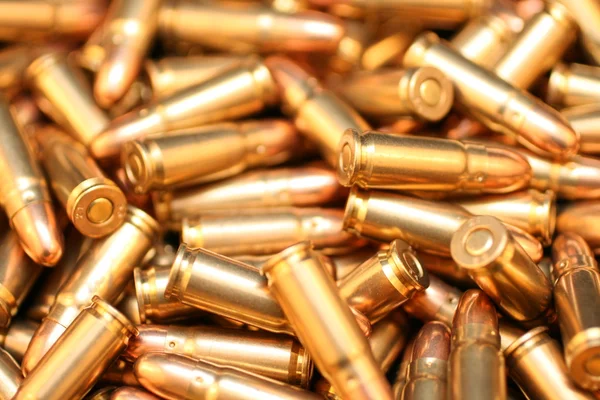
Handgun caliber debates rarely end at the range. The harder question is not which round can be lethal, but which ones keep enough performance in reserve when clothing, short barrels, imperfect angles, and human stress start working against the shooter. That is where many older, smaller, or niche handgun cartridges begin to fall apart.
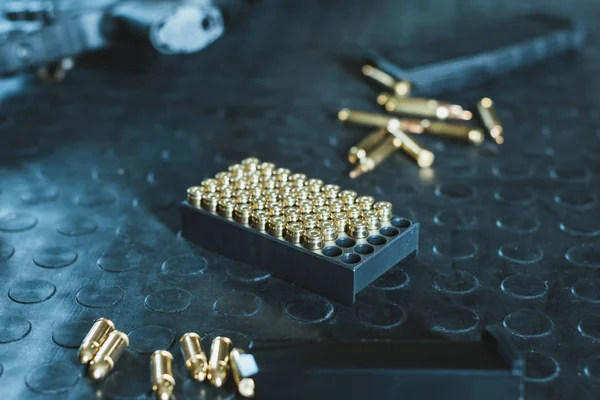
Modern testing and real-world incident data continue to point in the same direction: penetration and consistency matter more than mythology, and the weakest handgun rounds leave very little room for anything to go wrong.
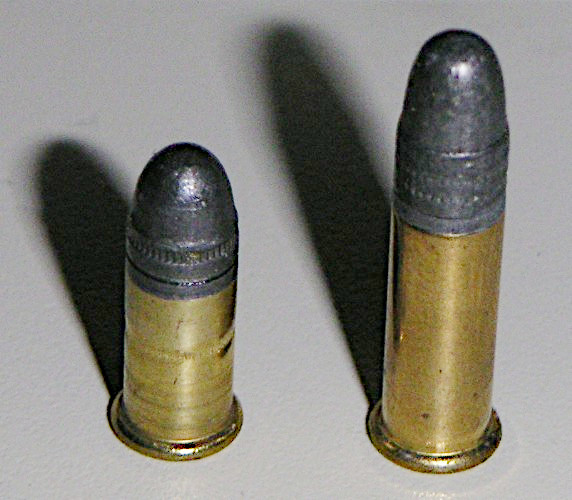
1. .22 Short
The .22 Short still has a place in firearms history, and its appeal is easy to understand. Recoil is minimal, noise is low, and small pistols chambered for it are easy to handle. For casual plinking or very small pest control, it remains mechanically charming. Its problem is simple. The cartridge does not bring enough penetration or disruption for serious defensive or hunting use. Modern wound-ballistics thinking has moved away from energy slogans and toward the requirement to reach vital anatomy, and 12 to 18 inches in gelatin remains the standard reference point. .22 Short sits well outside what serious users look for when outcomes matter.
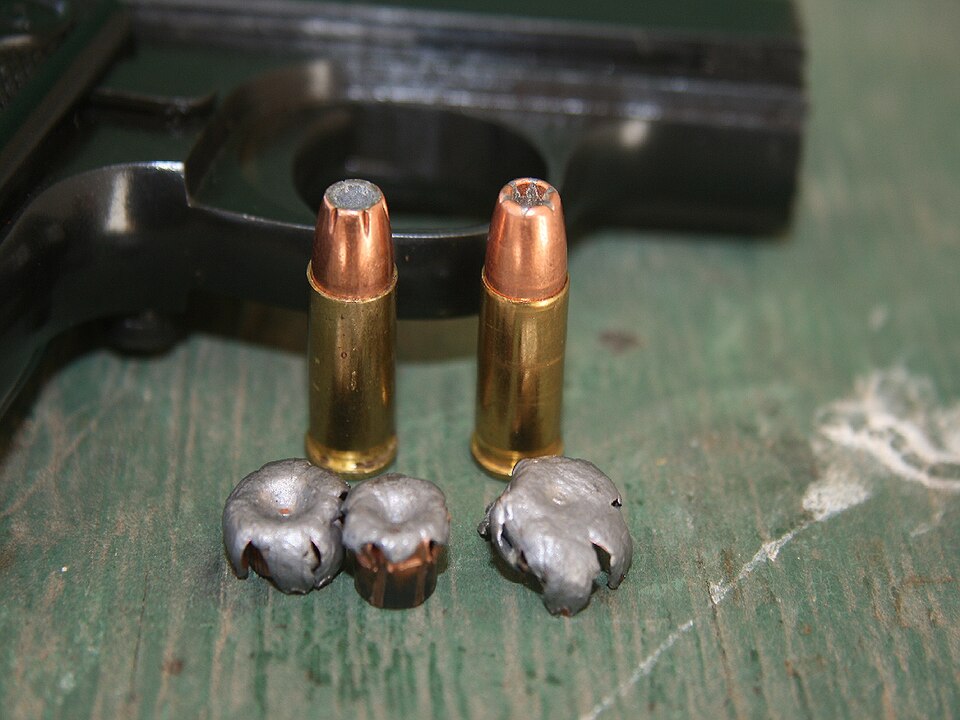
2. .25 ACP
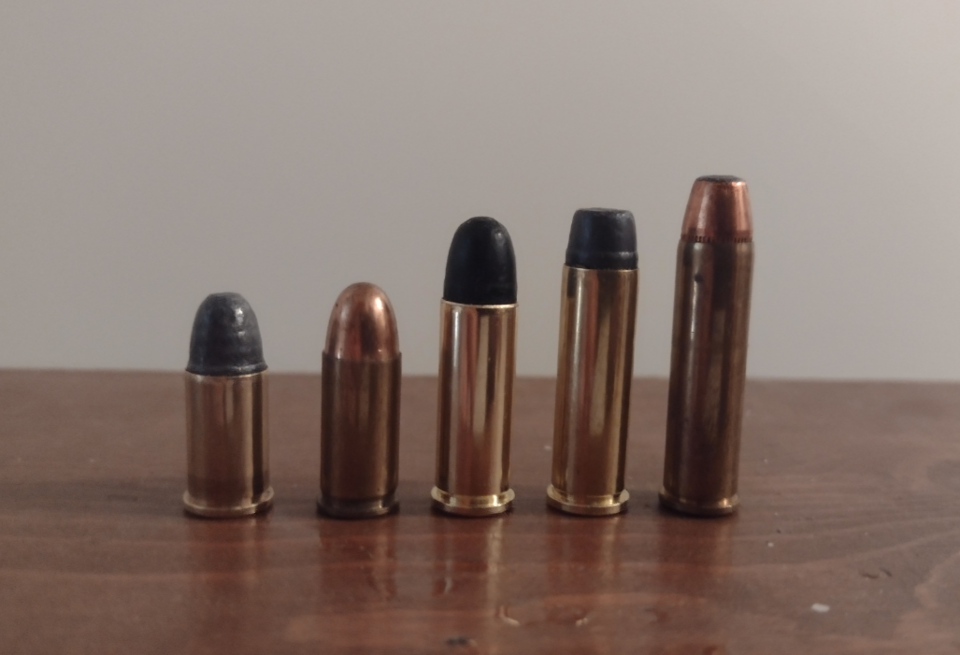
John Browning’s .25 ACP was meant to solve one legitimate problem: rimfire reliability in tiny pocket pistols. As a centerfire cartridge, it does offer a cleaner ignition system than .22 rimfire, which helped it survive for decades in vest-pocket handguns. But reliability at the primer does not fix weak terminal performance. In pocket-pistol gel testing, .25 ACP loads showed shallow and inconsistent penetration, with even FMJ loads failing to impress. Real-world incident data also places it near the bottom tier, with a higher failure-to-stop rate and more rounds needed on average than mainstream service calibers. That combination explains why the cartridge survives as a curiosity more than a serious modern choice.
3. .32 S&W
The original .32 Smith & Wesson belongs to a different handgun era. It was built around compact revolvers, low pressure, and modest recoil, and it served a large civilian market when expectations for defensive handguns were far lower than they are now. Today, the cartridge is overshadowed not only by larger service rounds but by its own descendants. Testing on the broader .32 family shows how much modern performance depends on velocity and bullet construction; even .32 S&W Long and newer .32 variants can show respectable results only when the load and barrel length cooperate. The original .32 S&W lags well behind that baseline, which leaves it mainly in antique revolvers and collector circles.
4. .410 Bore From a Handgun
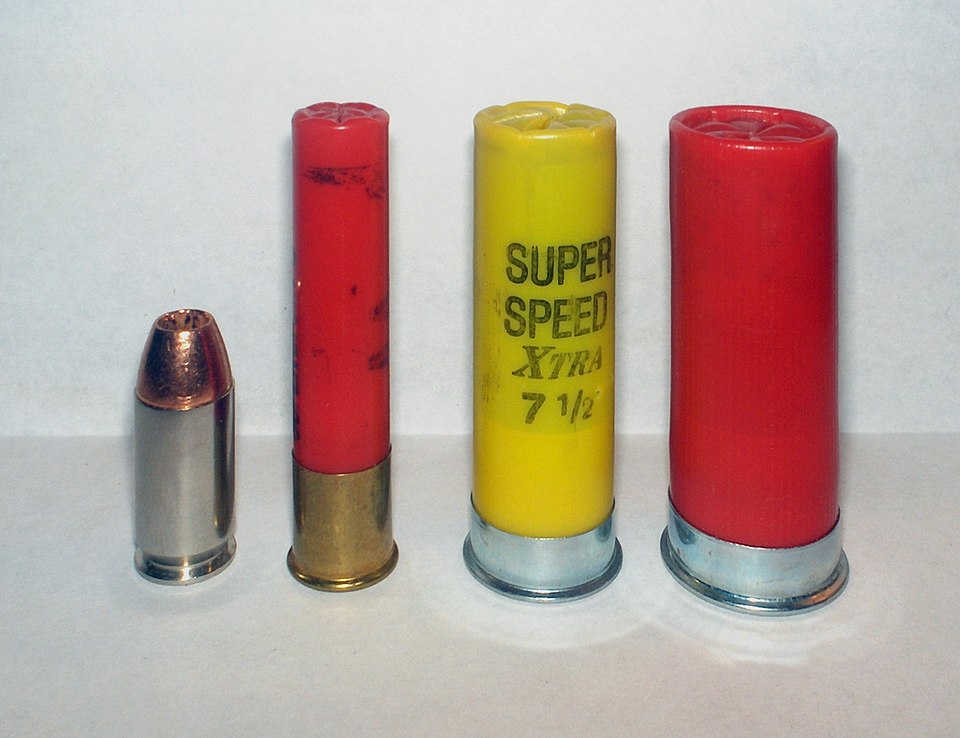
A .410 revolver looks formidable, and that visual impression has done a lot of work for the platform. The idea sounds persuasive on paper too: multiple projectiles per trigger press should increase the odds of a fight-stopping hit. Short-barreled handguns change the equation. Buckshot pellets lose velocity, patterns open, and individual projectiles carry limited mass and energy. Some loads can reach useful penetration in bare gelatin, but performance often becomes less dependable through heavy clothing, and lighter shot loads are especially weak. For a handgun cartridge, the tradeoff is harsh: more spread often comes with less depth, and handgun terminal ballistics still depends first on crushing tissue deeply enough to matter.
5. .22 LR in Defensive Handguns
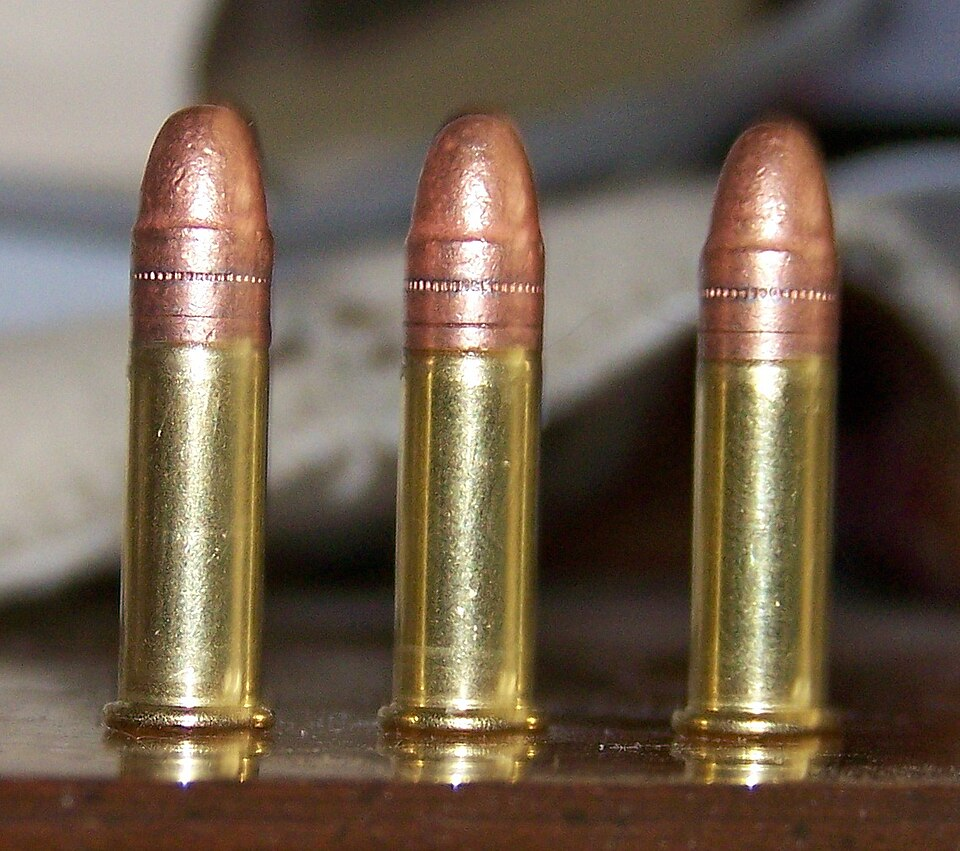
.22 LR is the cartridge almost everyone has fired, and for good reason. It is soft-shooting, common, and easy to practice with. In a rifle, it is excellent for small game. In a handgun used defensively, the cartridge becomes much less convincing. Short barrels cut velocity, and rimfire ignition adds another variable at the worst possible time. In one large compilation of nearly 1,800 real shootings, .22 LR showed a 31 percent failure-to-stop rate despite often requiring multiple hits. That does not make it harmless. It does show how little margin the caliber provides when shot placement is imperfect, penetration is reduced, or the attacker does not stop psychologically.
6. .380 ACP With the Wrong Load
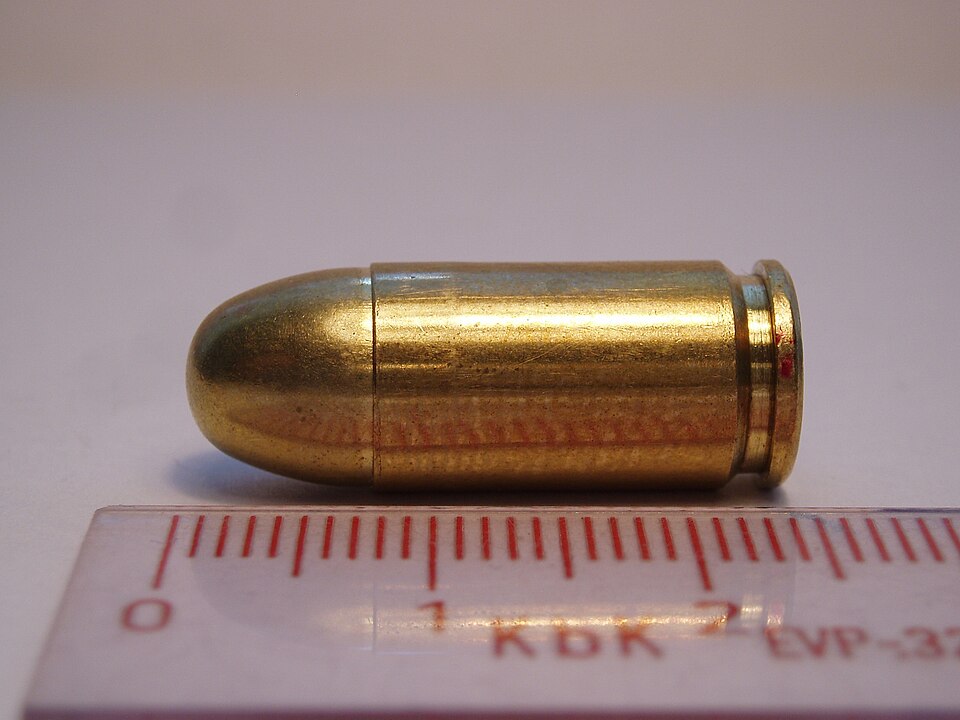
.380 ACP is not automatically a weak choice, but it is one of the easiest calibers to get wrong. In compact pistols, bullet design and velocity matter so much that two loads in the same gun can behave like entirely different cartridges. That is why .380 sits on this list only in a specific form: poorly matched ammunition, especially FMJ used as a shortcut. Some expanding .380 loads come close to accepted standards, while others fall short once barriers are added. Full metal jacket loads may improve straight-line penetration, but they can also reduce the bullet’s ability to create a broader wound channel. Compared with modern service calibers, .380 operates on a narrower edge, and that edge gets thinner in tiny carry guns.
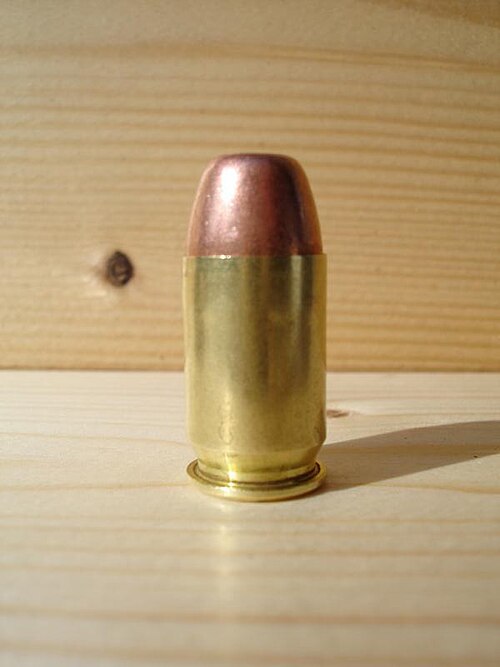
7. .45 GAP
.45 GAP was designed to compress .45 ACP-like performance into a shorter cartridge so pistols could use smaller grip frames. It was an engineering answer to a real packaging problem, not a gimmick. Its weakness was not raw capability. It was redundancy. As bullet design improved across common service calibers, the practical differences among duty rounds shrank, while 9mm gained favor because it was easier to shoot accurately and quickly. A retired FBI ballistic-program figure summarized that shift bluntly: “Technical advances have resulted in very efficient bullets. Forty-S&W pistols are usually 9mms with bigger bores. The nines have proven to hold up better.”
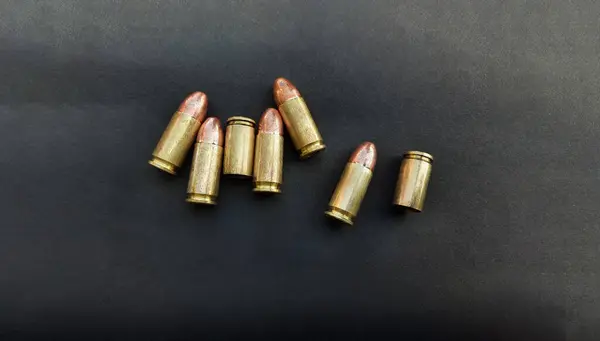
In that environment, .45 GAP offered too little benefit to justify its limited pistol support and shrinking ammunition ecosystem. The pattern across all seven calibers is clear. The problem is not whether any handgun round can injure or kill. The problem is whether the cartridge still performs when the shot is obstructed, the barrel is short, the target is moving, and only imperfect hits are available. Modern defensive doctrine keeps circling back to the same fundamentals: adequate penetration, controllability, and repeatable performance. Calibers that cannot deliver those three qualities consistently have become harder to defend, no matter how familiar, nostalgic, or visually impressive they may be.


