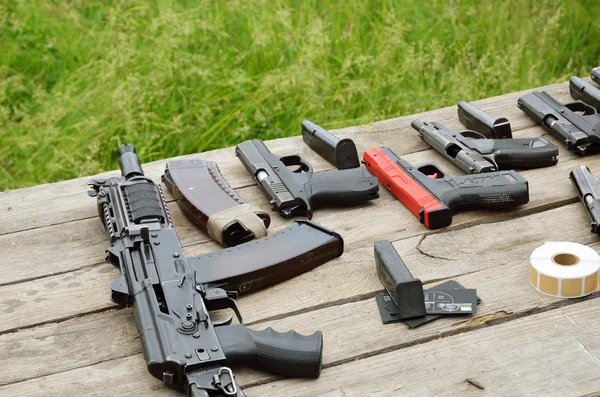
Polymer handguns dominate modern procurement, but a small group of older steel and alloy pistols continues to hold institutional trust. Their staying power is not really about nostalgia. It comes from how well certain designs solved reliability, recoil control, maintenance, and handling long before accessory rails and optics cuts became standard talking points.
Some of these sidearms stayed relevant because elite users kept finding practical reasons to hold onto them. Others remained important because later service pistols were lighter or cheaper, but not always better suited to hard use. Together, they show why handgun engineering can outlast fashion by decades.
1. SIG Sauer P226
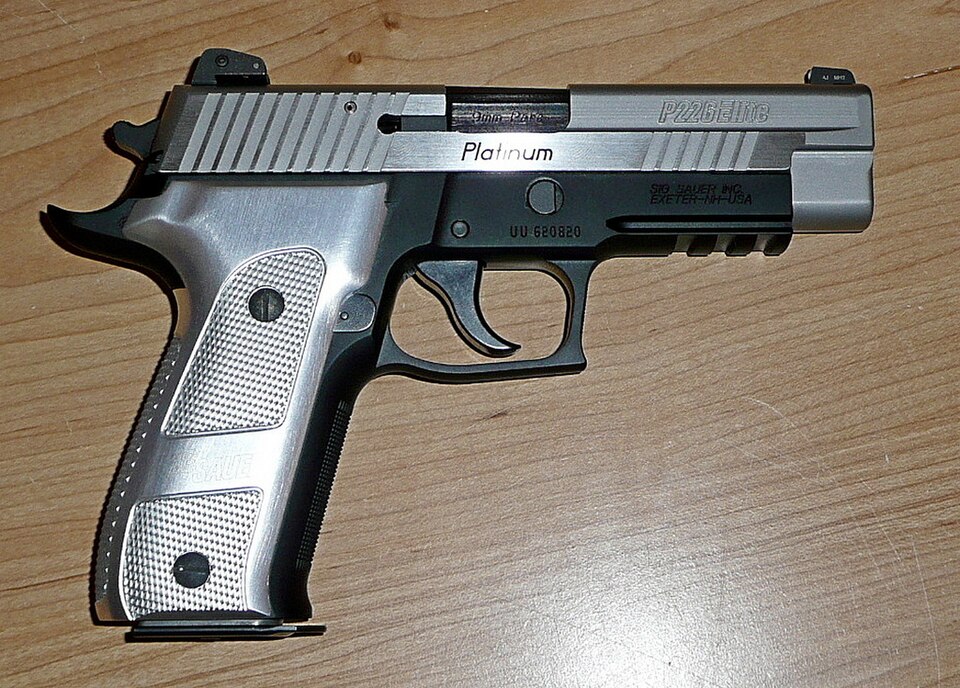
The P226 remains one of the clearest examples of a metal-framed service pistol that earned long service through function rather than image. Developed for the U.S. military’s XM9 trials, it lost the larger contract but still built a reputation in specialized circles for controllability, accuracy, and a layout that was easy to run under pressure. Its double-action/single-action system and decocking lever gave trained users a familiar, repeatable manual of arms without relying on a frame-mounted manual safety.
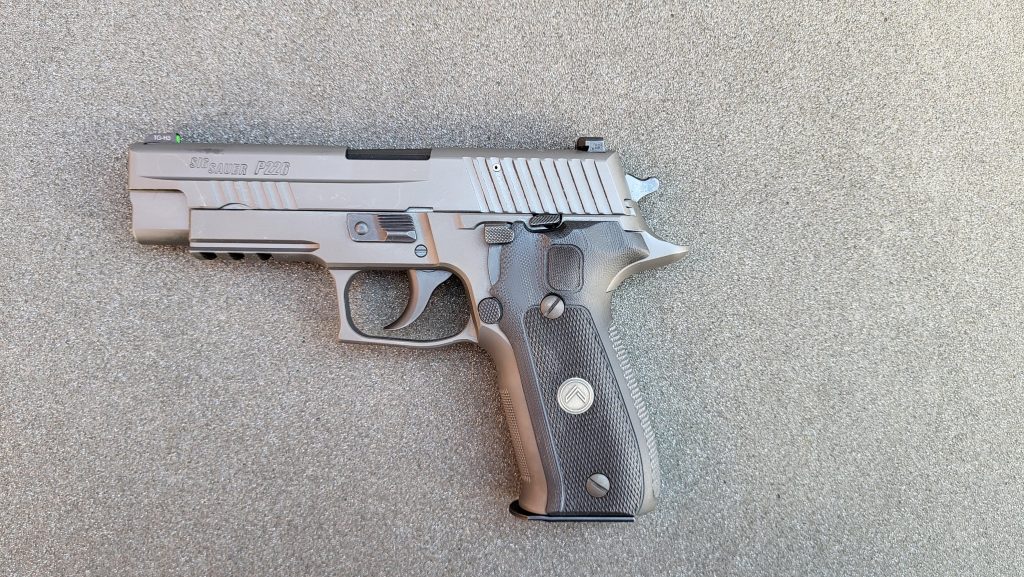
Its elite-unit reputation is tied most closely to the SEAL community, where the pistol’s corrosion resistance and ruggedness mattered in maritime use. The later Mk 25 variant added features associated with that mission set, including corrosion-resistant internal components and phosphate-coated controls. The all-metal format also helped keep recoil behavior predictable, which is one reason the platform stayed respected even after lighter pistols became widespread..
2. Beretta 92 Series
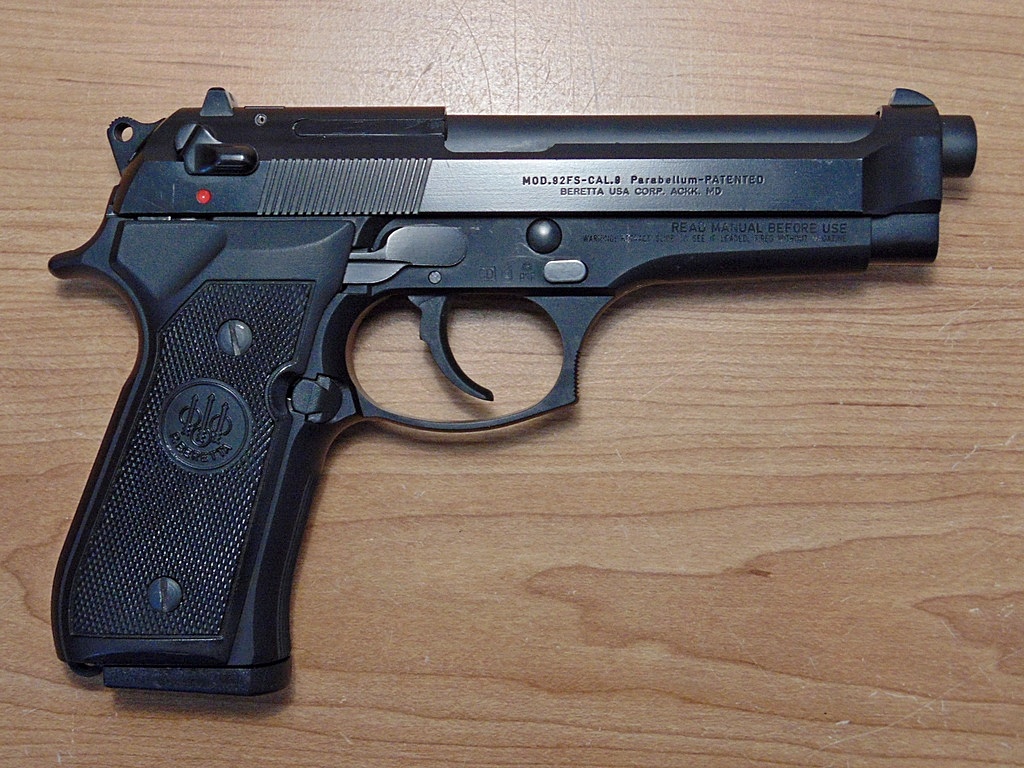
The Beretta 92 became globally recognizable for one simple reason: it scaled well from police service to military adoption. Its open-slide architecture, alloy frame, and locking-block action made it distinct from many Browning-pattern pistols, and the design’s feeding and ejection characteristics helped build its long-running reputation for smooth operation.
Its U.S. M9 chapter often gets reduced to arguments about replacement programs, but the more interesting technical story is how the pistol kept evolving. The 92FS added an enlarged hammer pin to retain the slide in the event of a catastrophic failure, and later variants modernized the platform with rails, revised grip geometry, optics-ready slides, and higher-capacity magazines. That long design arc matters. A handgun introduced in the 1970s still exists in updated duty forms because the original mechanical package had enough headroom to adapt.
It also left a larger design legacy than many service pistols receive credit for. Ambidextrous controls, high-capacity 9mm packaging, and durability-focused refinements helped make the 92 series a template that later handguns either borrowed from or deliberately reacted against.
3. Smith & Wesson Model 686
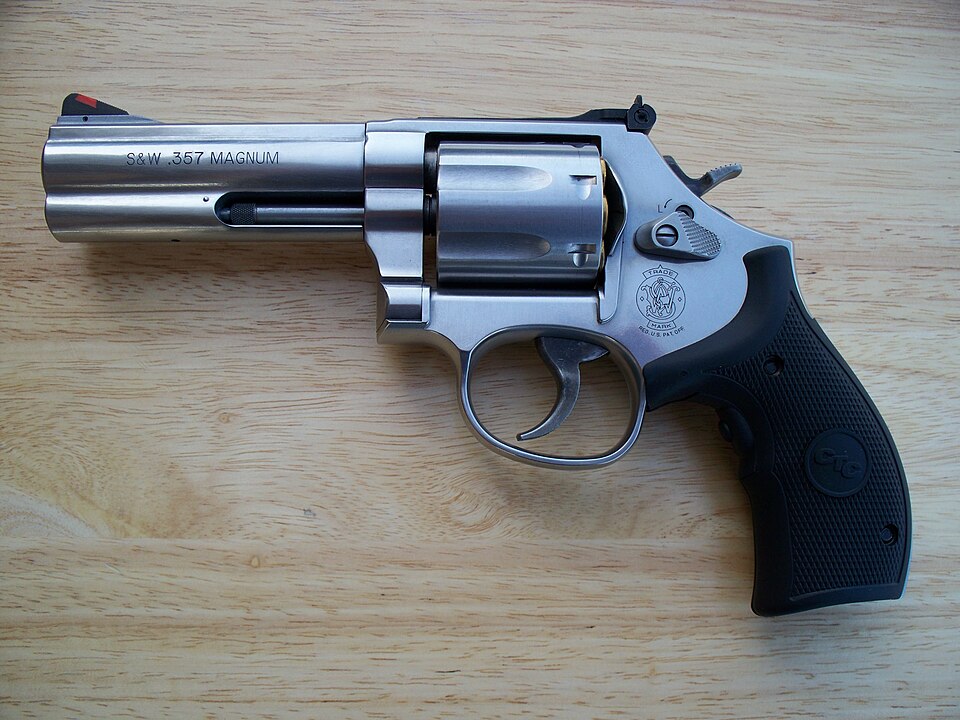
The Model 686 stands apart from the rest of this list because it is a revolver in a world that moved hard toward self-loading pistols. Yet that is also the point. When absolute mechanical simplicity, heavy-frame durability, and magnum-capable strength mattered more than ammunition capacity, the 686 kept its place. Built on Smith & Wesson’s L-frame, the revolver was designed to handle full-power .357 Magnum use more comfortably than smaller predecessors.
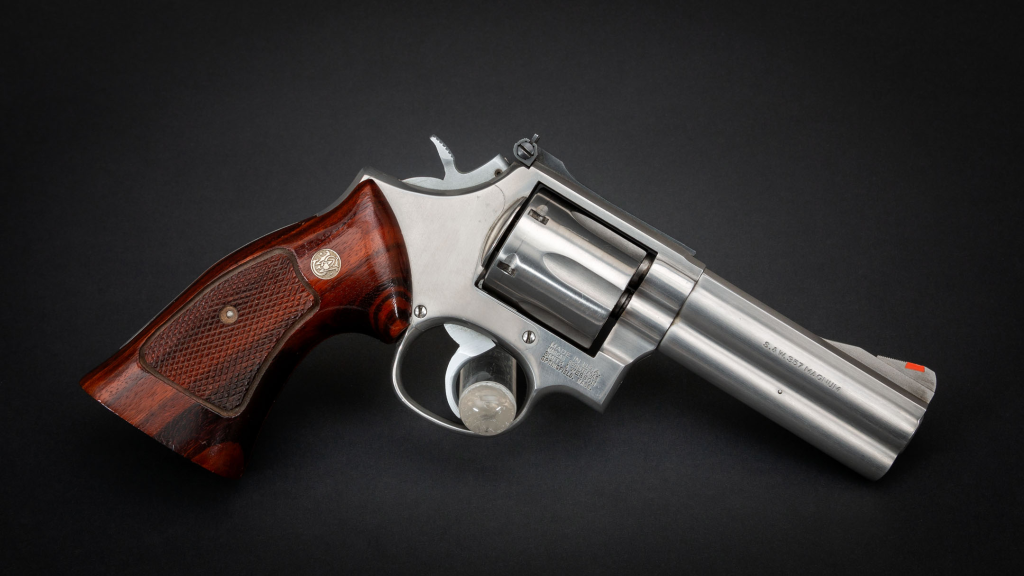
Its stainless-steel construction gave it excellent resistance to hard service conditions, while the weight of the gun reduced muzzle rise and made double-action strings more manageable than many lighter revolvers. Adjustable sights and a reputation for long-term timing stability helped make it a sidearm that aged unusually well. For specialized users, the appeal was straightforward: no magazine sensitivity, no slide cycle to interrupt, and a trigger system that could be mastered for very deliberate, repeatable use.

4. CZ 75
The CZ 75 is one of the most influential military-style pistols ever produced, even though its influence is sometimes easier to see in other guns than in headlines about itself. Introduced in 1975, it paired an all-steel frame with internal slide rails, a feature that helped give the pistol a low-profile slide feel and a reputation for stable tracking in recoil. Its ergonomics also became one of its defining strengths, with a grip shape that many shooters found unusually natural.
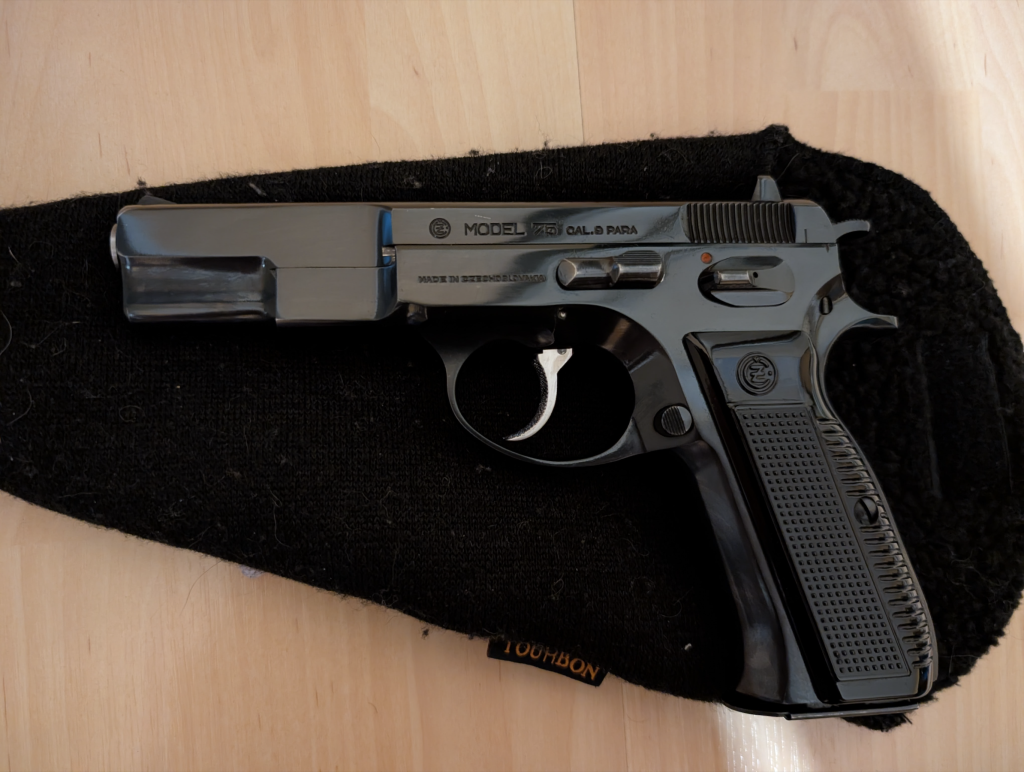
Cold War politics prevented broad Western patent protection, and that turned the CZ 75 into one of the most copied handgun patterns of its era. Militaries and security forces in several countries fielded it or local derivatives, while tactical versions such as the SP-01 kept the design relevant much later. The platform’s real achievement was balance: capacity, shootability, and durability arrived in one package before the “Wonder Nine” concept fully took over service-pistol thinking.
5. M1911
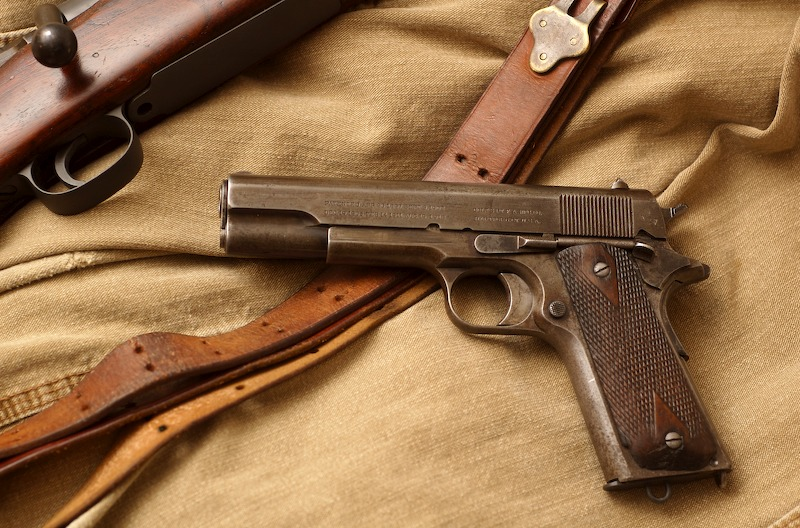
No metal-handgun list aimed at serious service history can ignore the M1911. Even after formal replacement in U.S. service, the design never really disappeared from specialized inventories. Its appeal rested on a slim single-stack frame, a crisp single-action trigger, and an unusually deep well of user confidence built over generations. The pistol’s reputation was forged early, including the famous 6,000-round Army trial that helped establish Browning’s design as a benchmark for service reliability. Later users kept returning to it for different reasons: some valued the trigger, some the cartridge, and some the platform’s tunability for close-quarters roles. Marine Corps variants and special-operations use kept proving a larger point that matters in engineering terms: a century-old architecture can survive if the core mechanics remain sound and supportable.
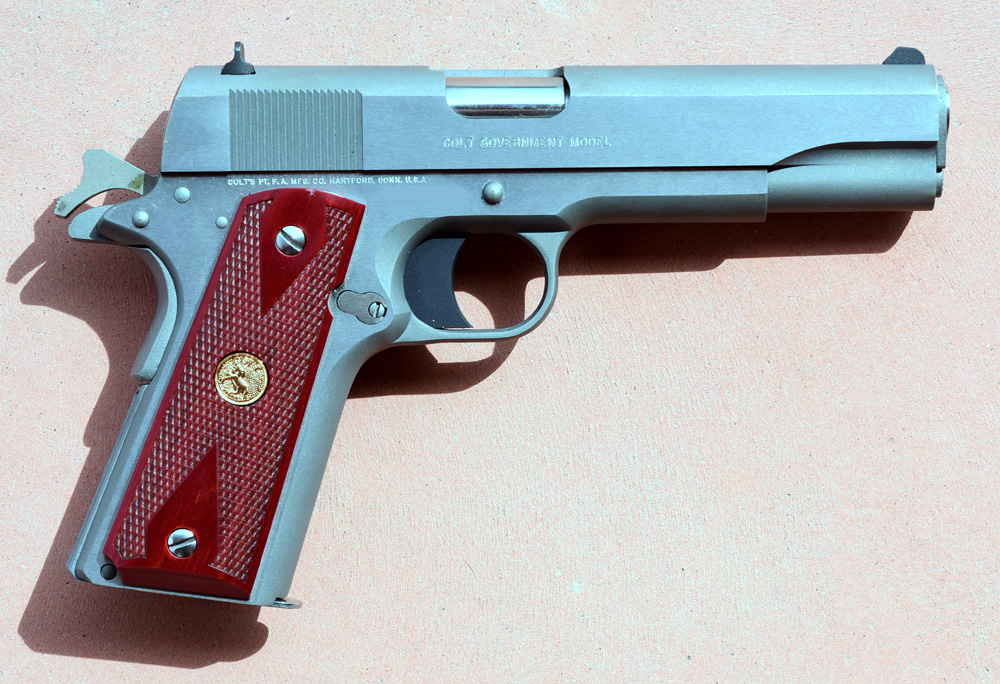
That does not make the M1911 universal. It does explain why it remains one of the few pistols old enough to be called historic while still being treated as operational equipment. These handguns did not survive into the modern era by accident. Each solved a different problem well enough that elite users kept accepting the tradeoffs: weight in exchange for control, metal construction in exchange for durability, and older operating systems in exchange for familiarity and trust. That is the real pattern behind long-lived sidearms. The designs that stay in service are usually the ones that keep working after trends move on.


