Cartridge fashion changes faster than field results. New headstamps promise flatter trajectories, sleeker bullets, and fresh bragging rights, yet a lot of hunters still carry rifles built around older ideas that solve the real problem: placing a dependable bullet well without taking a beating from recoil and blast.
That is why a handful of less celebrated rounds continue to matter. They are not relics, and they are not novelty picks. They are practical designs that balance case efficiency, bullet weight, rifle handling, and terminal behavior in ways that still make sense for deer woods, mountain country, and mixed-bag big game hunting.
1. .338 Federal
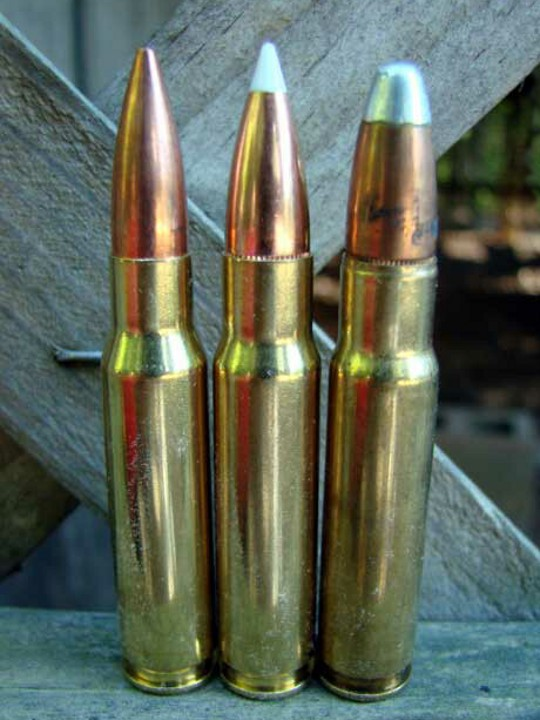
The .338 Federal remains one of the cleanest examples of short-action efficiency. Built by necking up the .308 Winchester case to accept .338-inch bullets, it gives hunters a wider frontal diameter and heavier projectiles without moving into magnum recoil or long-action rifle size.
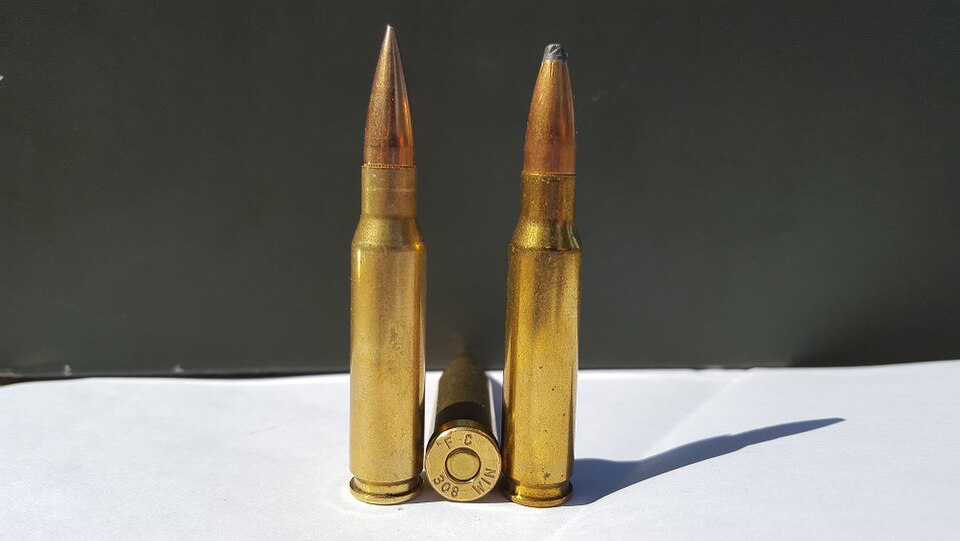
That formula makes particular sense at normal hunting distances. In a direct comparison, the cartridge can drive a 200-grain bullet at 2,700 fps, giving it a strong short-range energy advantage over the parent .308. The tradeoff is easy to understand: it is not a wind-cheating long-range specialist, but inside the ranges where many shots are actually taken, it hits with authority. Reference testing and field use have also noted that it does not recoil dramatically harder than a .308, which helps explain why it keeps appealing to hunters who want a compact rifle for deer, black bear, elk, and similar game.
2. 7mm-08 Remington
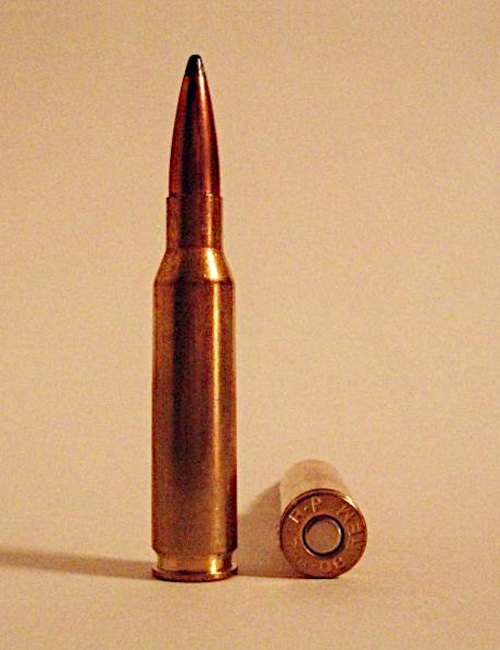
The 7mm-08 Remington may be the most balanced cartridge in this group. It takes the .308 case in the opposite direction from the .338 Federal, necking it down to 7mm and creating a round that blends mild recoil with enough reach for most North American hunting. Its enduring strength is flexibility. Factory loads commonly center on 120 and 140 grain bullets, though the cartridge can stretch wider than that, and it benefits from the long-standing 7mm reputation for useful sectional density and efficient bullet shapes.
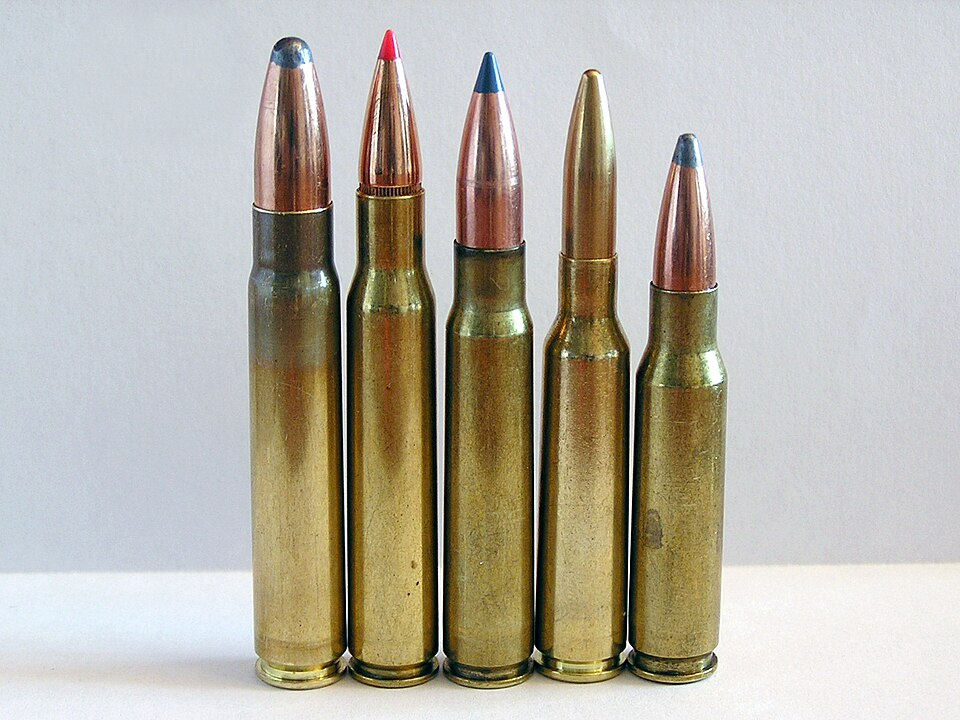
Performance data from hunting coverage has shown it can retain about 1,500 foot-pounds of energy at 300 yards, while still remaining comfortable enough for recoil-sensitive shooters and lightweight rifle builds. That combination matters because lighter rifles are easier to carry, but only if the shooter can still fire them well from field positions.
3. .35 Whelen
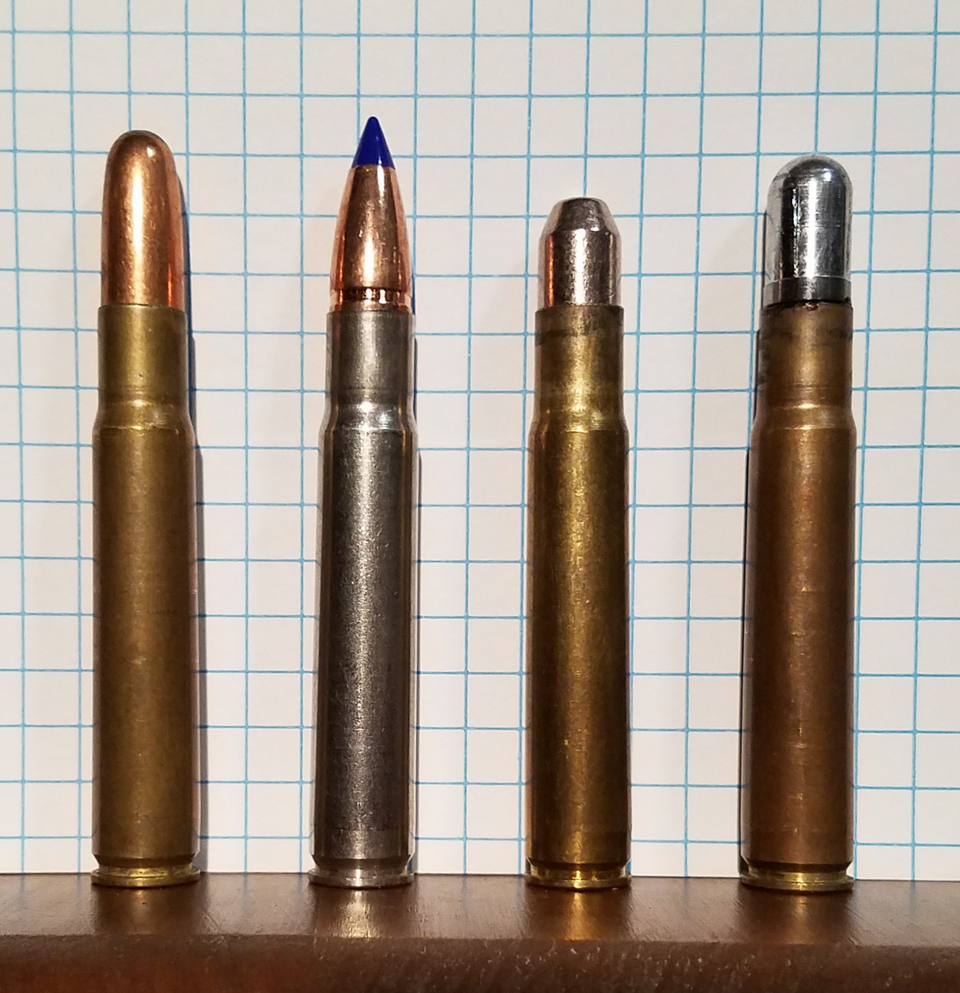
The .35 Whelen has never depended on trend appeal. Its appeal is mechanical and direct: neck the .30-06 case up to .358 caliber, launch heavier bullets at sensible velocity, and get strong penetration from a standard-length action. For larger-bodied game inside ordinary hunting distances, the cartridge’s logic is hard to miss. It does not rely on extreme speed to make bullets work, and that can be an advantage when bullet integrity matters more than velocity headlines.
Bullet design remains central to the cartridge’s reputation. As one technical explanation of terminal performance puts it, “your bullet is the only true connection between you and the game you hunt. If it fails, you fail.” In the .35 Whelen, that principle is especially clear: broad frontal area, solid bullet weights, and moderate impact speeds combine to produce the straight-line penetration that made the cartridge a long-running favorite for hunters who prefer decisive close- to mid-range performance.
4. .280 Remington
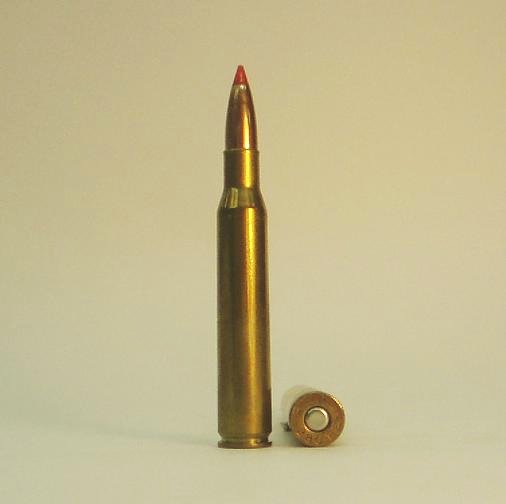
The .280 Remington has spent much of its life trapped between more famous neighbors. It never had the momentum of the .270 Winchester, and it never enjoyed the broad cultural grip of the .30-06, but its engineering has always been sound.
It gives hunters access to the 7mm bullet family in a standard-length rifle, with the ability to use heavier hunting bullets without defaulting to magnum recoil. That matters more than ever because bullet construction has become a larger part of cartridge performance than simple muzzle velocity. The .280’s real edge lies in available bullet weight, particularly when deeper penetration and steadier on-game behavior matter. In practice, that leaves it sitting in a useful middle lane: flatter and slimmer than many .30-caliber options, but more versatile with heavier bullets than the .270.
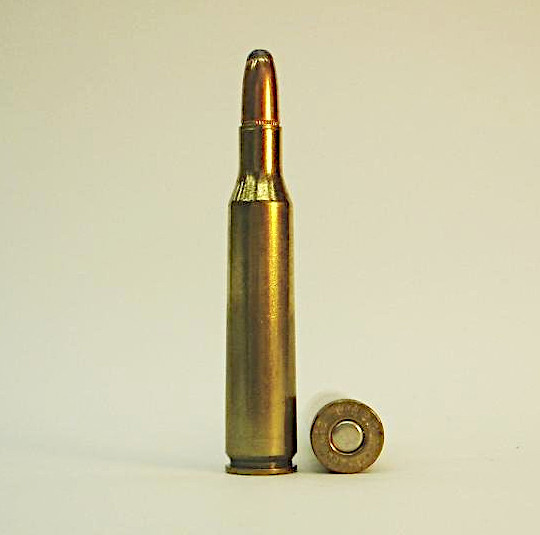
5. .257 Roberts
The .257 Roberts still looks modest on paper, which is one reason it gets underestimated. In the field, its reputation has long rested on something less flashy and more useful: enough speed for deer and pronghorn, light recoil, and shootability that encourages better shot placement. Its technical story is unusually interesting. The cartridge remains the only rifle cartridge with an official “+P” designation, a detail that reflects how much performance was left untapped by earlier factory loadings. Modern hunting coverage has highlighted 110 to 117 grain loads running in the 2,900 to 3,000 fps range, which helps explain why experienced shooters still describe it as far more capable than its reputation suggests. It also stays easy on the shoulder, and that makes it relevant for hunters who value consistency over raw output.
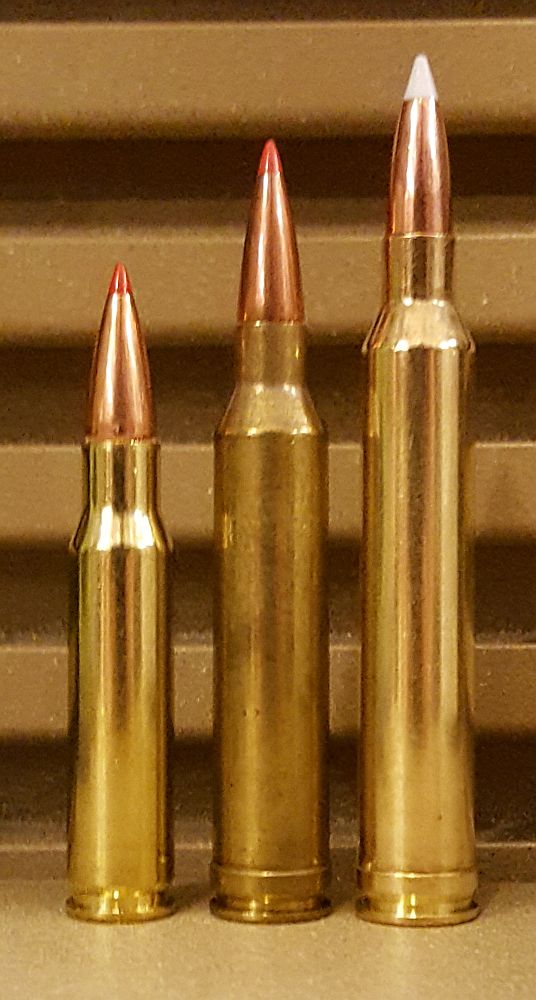
None of these cartridges survives on nostalgia alone. Each one keeps a foothold because it solves a real field problem, whether that means a short-action thumper, a mild all-rounder, a standard-action heavy hitter, a flexible 7mm, or a light-kicking quarter-bore. The common thread is not age. It is restraint. Efficient cases, practical velocities, and bullets matched to real hunting distances still matter, and these five cartridges continue to prove it.


