Elite units do not keep a sidearm in service out of sentiment. A pistol survives in specialist inventories because it solves hard problems: corrosion, concealment, durability, controllability, and the ability to keep running after heavy training cycles. That helps explain why a small group of handguns continues to dominate conversations around special-operations sidearms. Some are compact and modular. Others are heavier metal-frame pistols built to absorb punishment. All five earned their place by matching a demanding mission profile rather than chasing novelty.
1. Glock 19
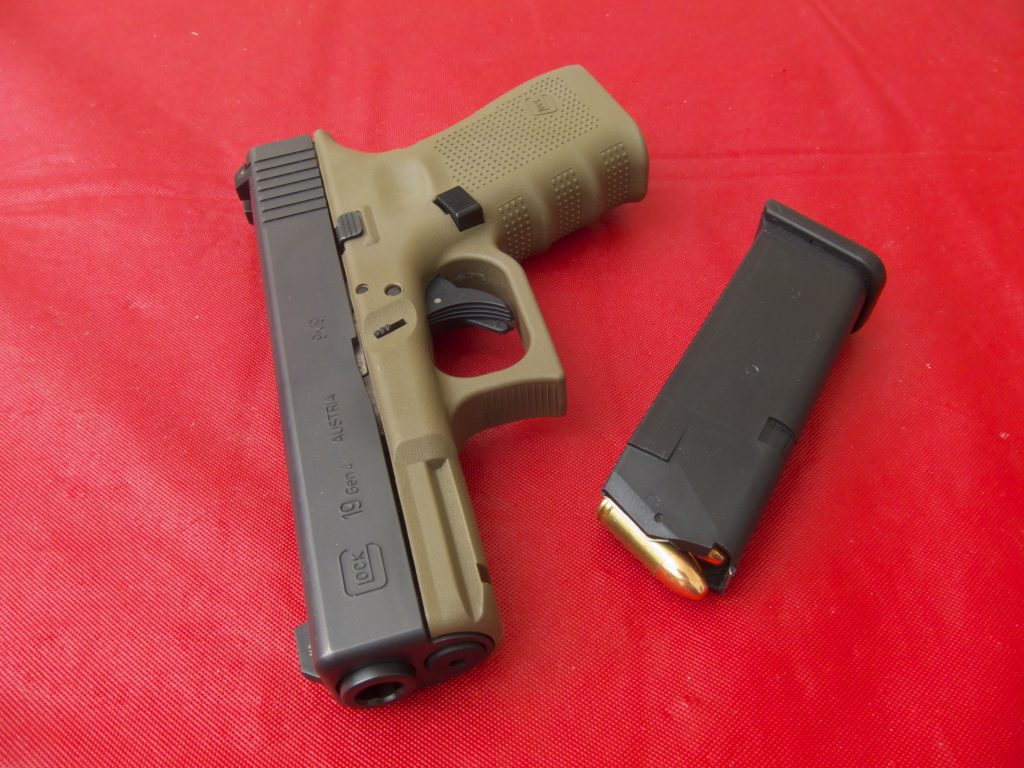
The Glock 19 remains the most obvious example of a service pistol that crossed from conventional duty use into elite-unit preference through sheer practicality. Its compact footprint lets it bridge two jobs at once: concealed carry in low-visibility work and full-capacity use in overt roles. That middle-ground sizing mattered enough that U.S. Army Special Forces adopted it for a compact-pistol requirement, and the platform later spread across other specialist organizations.
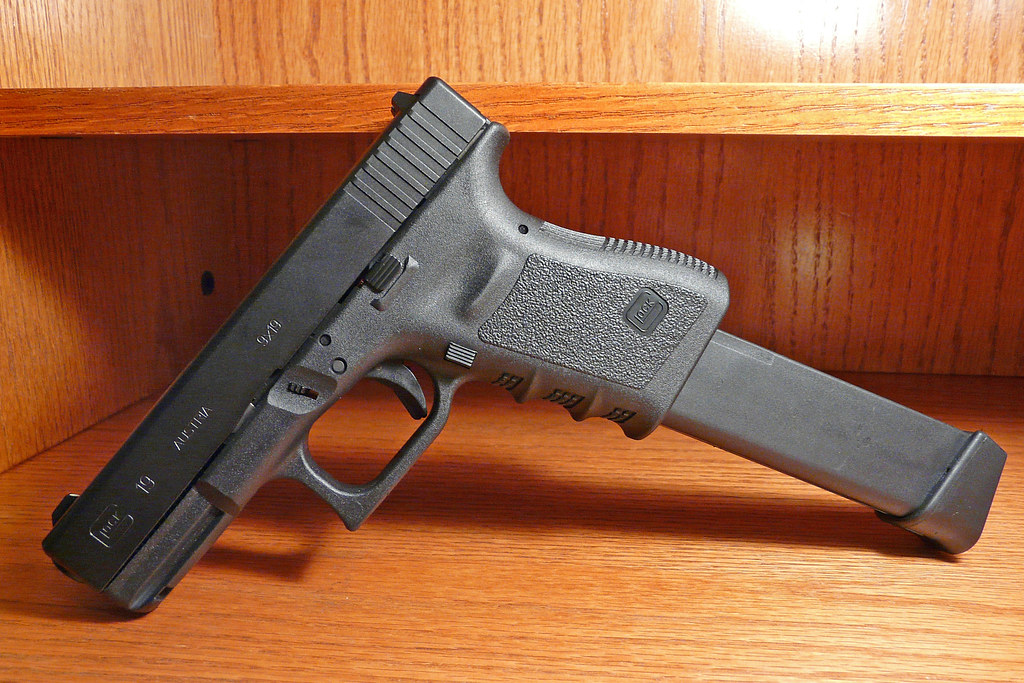
Its reputation rests on simplicity as much as size. The design uses few external controls, field maintenance is straightforward, and the aftermarket ecosystem for optics, magazines, sights, lights, and threaded barrels is unusually broad. The platform also proved adaptable enough that SOCOM adopted the Trijicon RMR for these handguns, reinforcing the Glock 19’s role as a modern fighting pistol rather than just a compact sidearm.
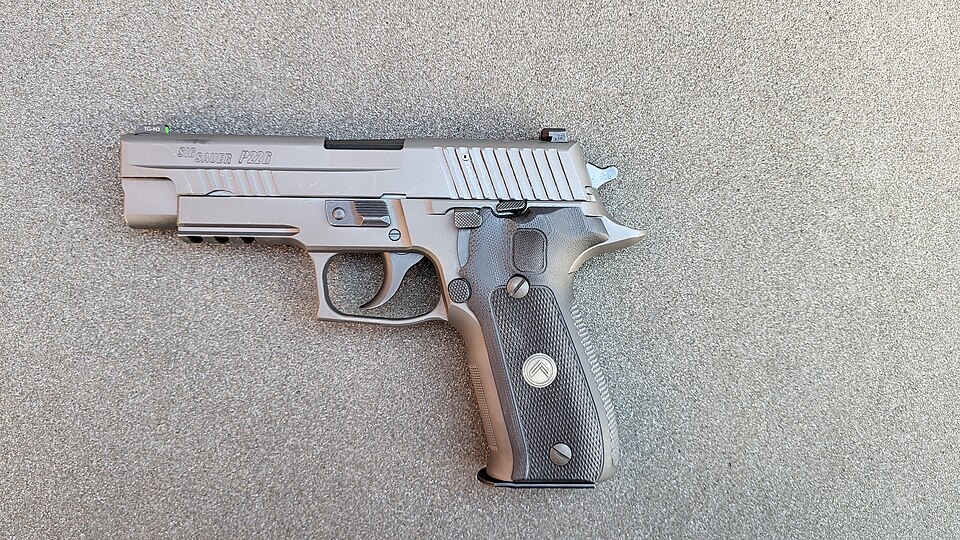
2. SIG Sauer P226 Mk 25
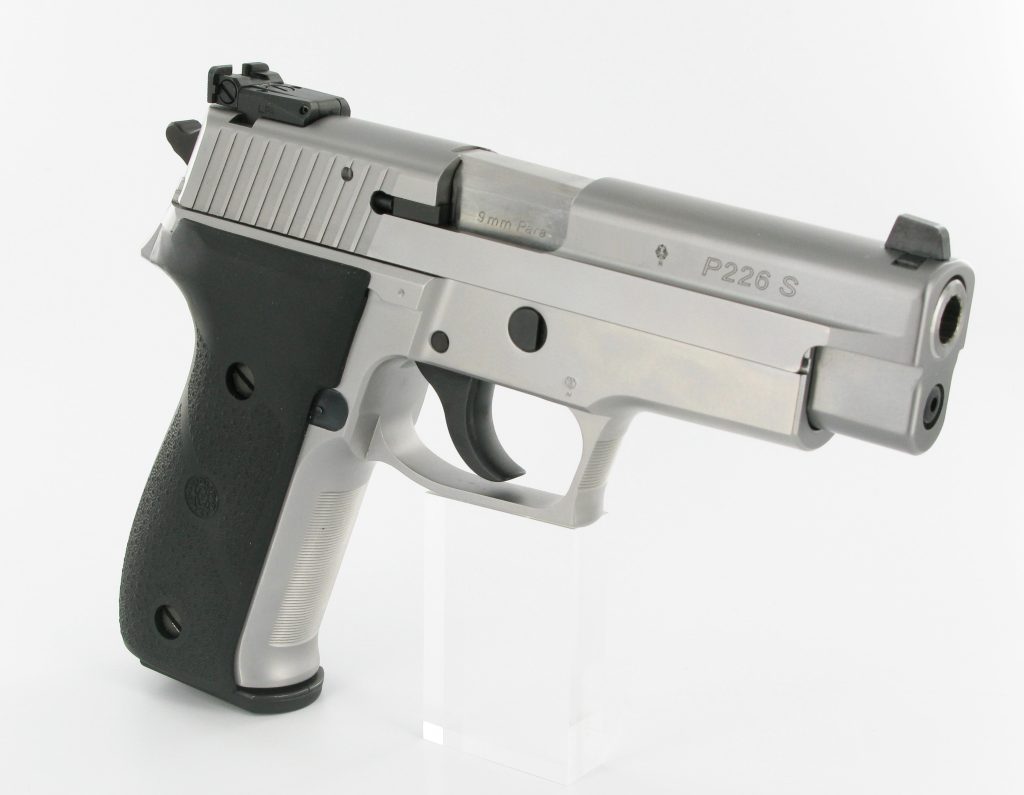
Before the Glock 19 became the dominant specialist sidearm, the SIG Sauer P226 built one of the strongest service records in modern handgun history. In naval special-operations service, the pistol became the Mk 25, a version associated with long-term hard use, corrosion resistance, and steady shootability under high round counts. Its all-metal construction gave it more weight than polymer rivals, but that mass also helped tame recoil and support rapid follow-up shots.
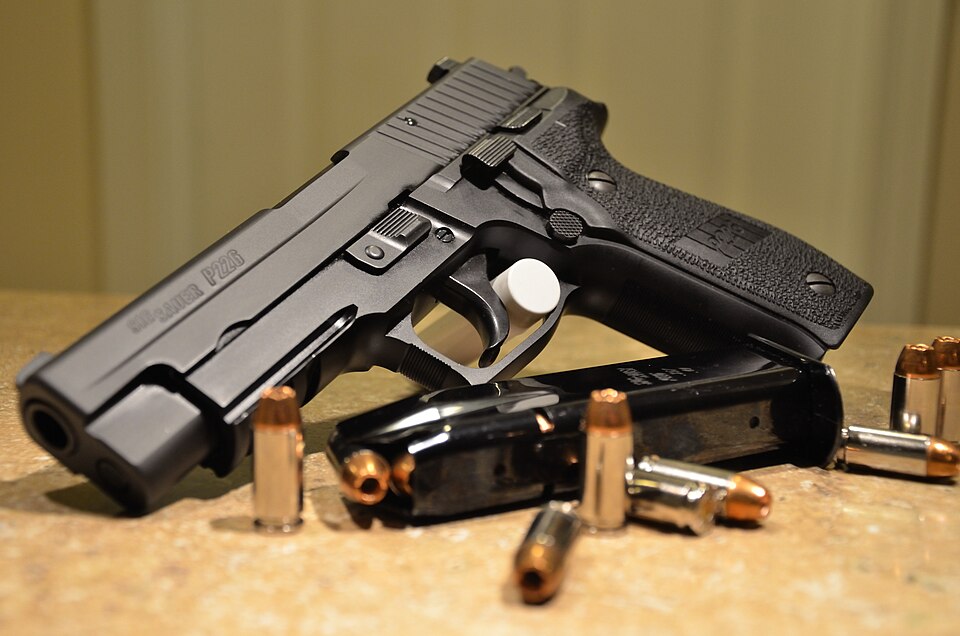
The pistol’s credibility came from trial conditions that were unusually punishing. According to one account, the P226 underwent environmental testing in sand, salt water and mud, followed by thirty-thousand-round endurance work on test guns. Features such as its DA/SA trigger system, decocker, stainless-steel slide, and corrosion-resistant finish made it a logical fit for maritime operators who needed a service pistol that behaved more like a duty workhorse than a lightweight carry gun.
3. Glock 17
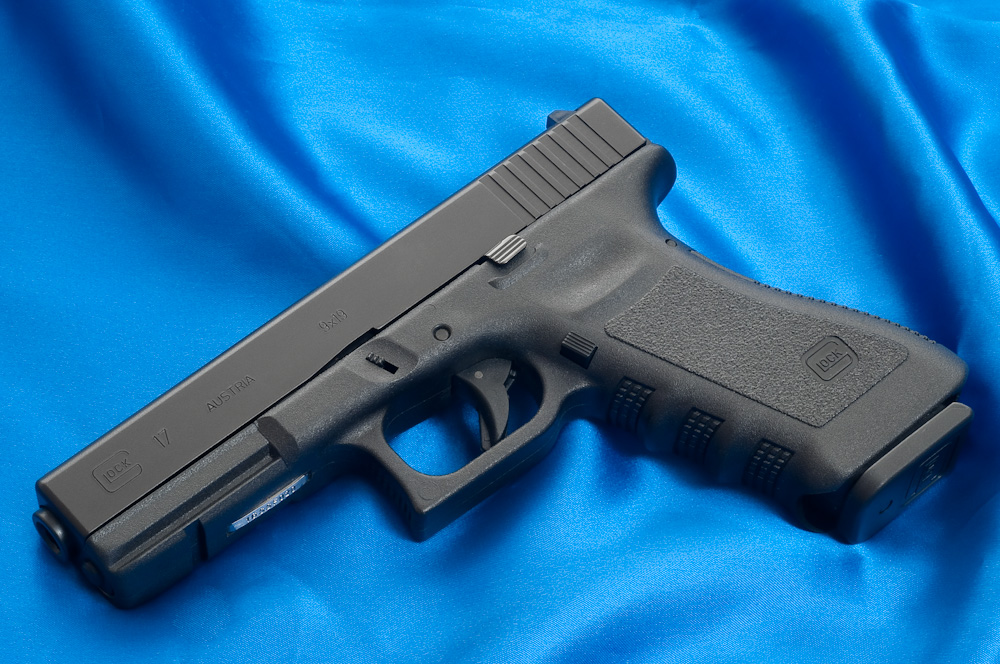
The Glock 17 often lives in the shadow of the Glock 19, yet it remains one of the foundational heavy-duty handguns in professional service. It established the core Glock formula: polymer frame, striker-fired action, passive safeties, and a parts count low enough to simplify maintenance and armorer support. In practical terms, it created the template that made later Glock pistols easy to adopt across units with different mission sets.
For organizations that did not need the compact dimensions of the Glock 19, the Glock 17 offered a longer grip, a full-size sight radius, and the same reputation for reliability under neglect and abuse. Even when elite users shifted toward more concealable pistols, the Glock 17 remained relevant as a parent platform and as a source of magazine compatibility and accessory commonality. Its importance is less about fashion than institutional logic: training, maintenance, and handling consistency matter when sidearms are tools rather than collector pieces.
4. Beretta M9/92FS
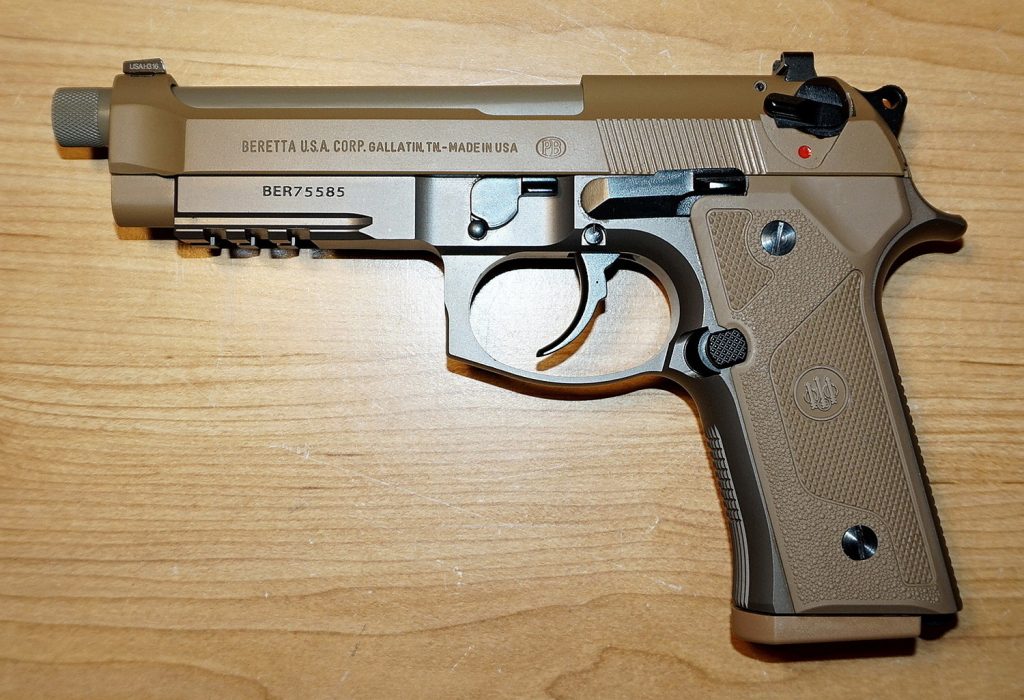
The Beretta M9 is rarely described as glamorous, but it shaped the service-pistol landscape that later handguns were judged against. Its double-stack magazine, large frame, and soft-shooting profile represented a major modernization step over older single-stack .45-caliber sidearms. For many years, it was the standard by which durability, controllability, and service capacity were measured inside large military organizations.
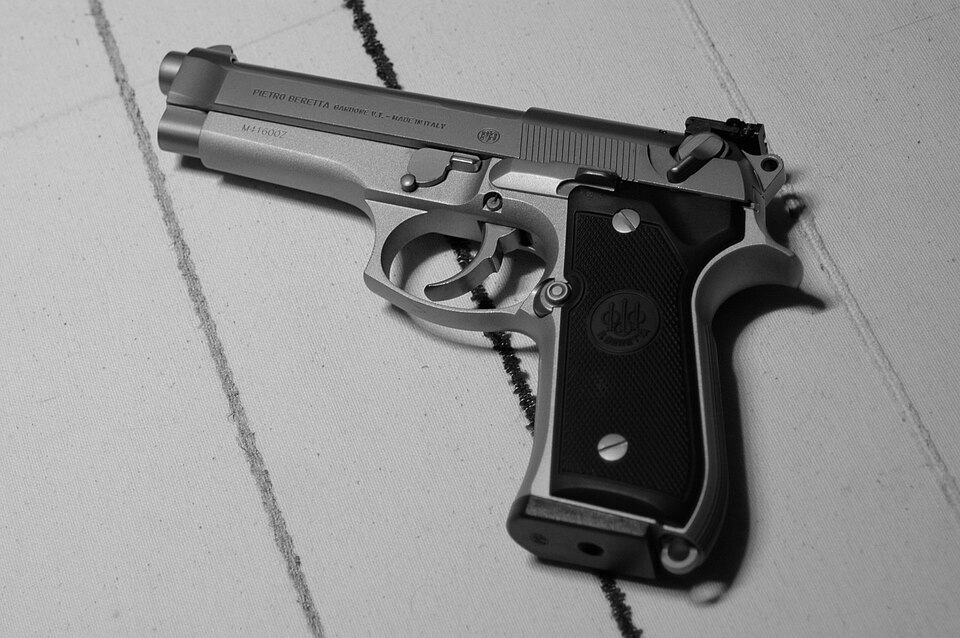
Its long-term relevance comes from that baseline role. The M9 forced competitors to prove they were not merely accurate on a clean range, but durable enough for institutional use and simple enough for widespread training. Even where specialist units moved on, the Beretta remained an important benchmark in discussions about reliability, safety systems, and full-size duty ergonomics. In that sense, it still belongs on any list of elite-trusted heavy-duty pistols because later choices were often made in direct comparison to it.
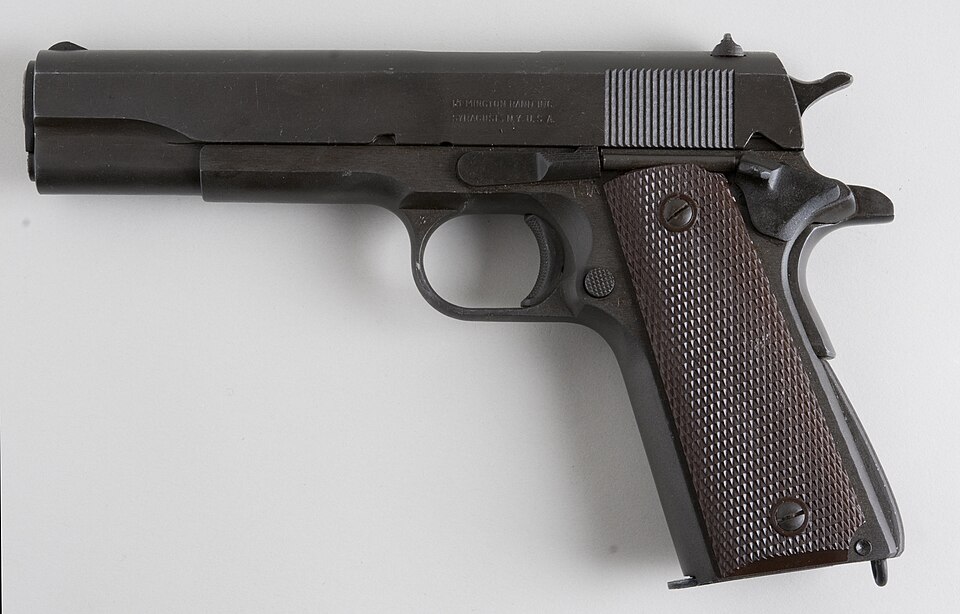
5. M1911A1
The M1911A1 is the oldest pistol on this list, but its continued presence in specialist lore comes from a different kind of trust: familiarity, trigger quality, and fight-stopping confidence within the generation that trained on it. Early in the post-9/11 period, some special-operations personnel still used rebuilt examples, particularly among operators who had grown up with steel-frame single-action pistols.
That trust did not make it universally ideal. A retired Special Forces veteran wrote that “the M1911 does not hold up well in desert environments.” Even so, the platform’s place in the heavy-duty category is secure because it set the standard for combat-pistol ergonomics, trigger control, and mechanical ruggedness over decades of service. Its decline inside elite units says less about weakness than about changing mission profiles, ammunition capacity expectations, and the rise of lighter polymer designs.
Across these five pistols, the pattern is clear. Elite units tend to keep proven handguns not because they are fashionable, but because each one solved a specific operational problem better than its rivals in its era. The Glock 19 defines modern versatility. The P226 represents endurance and corrosion-resistant service life. The Glock 17 established the polymer-duty template. The Beretta M9 set the institutional standard many successors had to beat. The M1911A1 remains the steel-frame ancestor whose influence still shows up in how fighting pistols are judged today.


