

Some firearms disappoint all at once. More often, the warning signs arrive in smaller ways: a magazine that refuses to seat cleanly, a trigger that punishes good fundamentals, or a lightweight frame that turns a routine session into a fight against recoil. That pattern matters because casual handling can flatter a gun. Real shooting does not.
Once round counts rise, fouling builds, and heat starts changing the feel of springs, pins, and moving parts, weak engineering choices stop hiding. Modern test protocols for handguns routinely involve a minimum of 200 rounds through each handgun, precisely because a few magazines rarely tell the whole story. These nine models stand out not as curiosities, but as examples of how compromises in triggers, materials, geometry, and quality control can turn buyer confidence into range-day frustration.
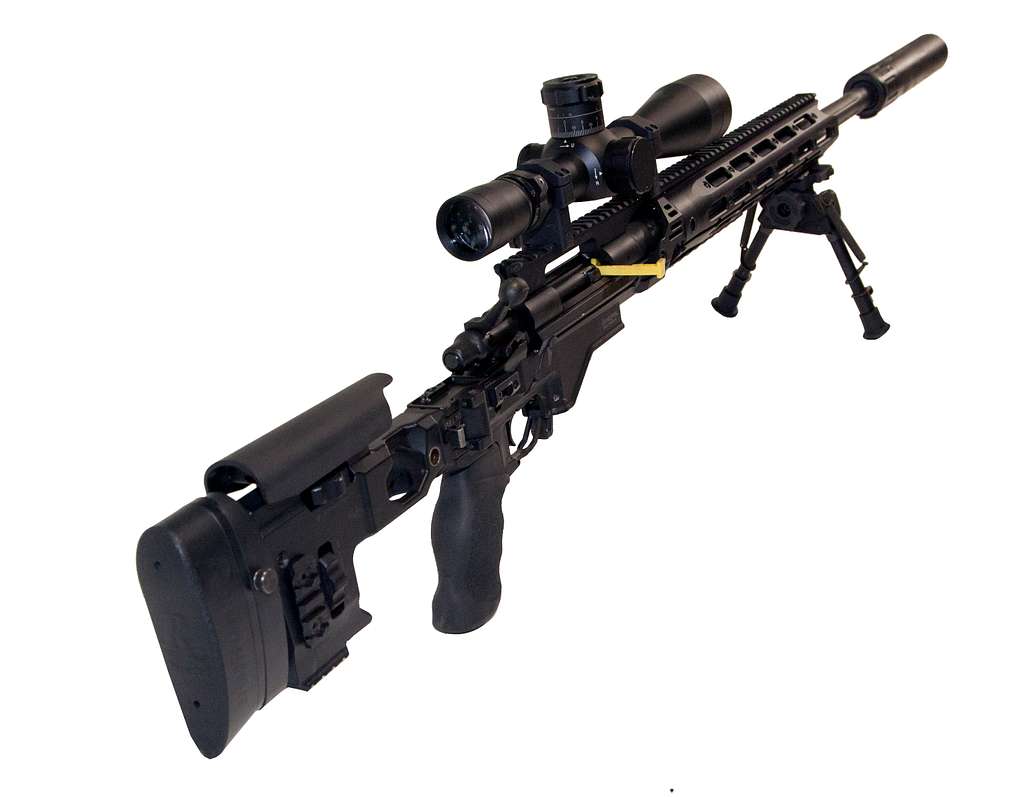
1. Remington 770
The Remington 770 looked like a straightforward budget bolt gun, but its reputation was shaped by execution problems rather than ambition. Shooters frequently criticized the bolt for feeling rough and resistant, with the rifle’s internal layout doing little to create the kind of smooth cycling expected from a hunting rifle.
More serious complaints centered on the detachable magazine system and chamber consistency. Reports of magazines dropping loose under recoil and even isolated complaints about tight chambers undercut confidence in a platform that was supposed to be simple and dependable. Add in a flexible synthetic stock and inconsistent barrel clearance, and the rifle’s low-stress appeal disappeared quickly once owners started trying to trust it in the field.
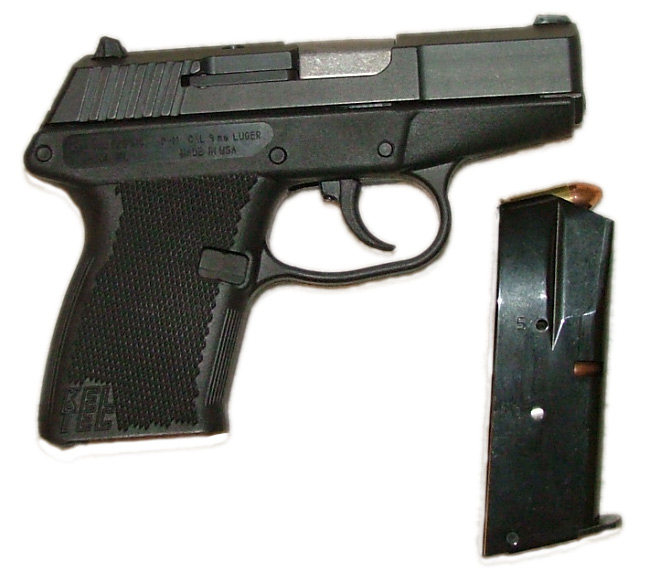
2. KelTec P11
The P11 delivered concealability before micro-compacts became mainstream, but it paid for that small footprint with a trigger many shooters never warmed to. Long, heavy, and often described as gritty, the pull made consistent sight management difficult, especially over longer practice sessions.
Its other issue was physics. Small pistols are less forgiving, and the combination of low weight and limited grip area can exaggerate shooter error. Instruction built around micro-compacts emphasizes a minimum of a 10-round magazine capacity with a barrel length right around 3 inches and a grip technique built to control recoil, but the P11 often left users working around the gun instead of with it. A carry pistol can be small without becoming actively unpleasant; this one too often crossed that line.
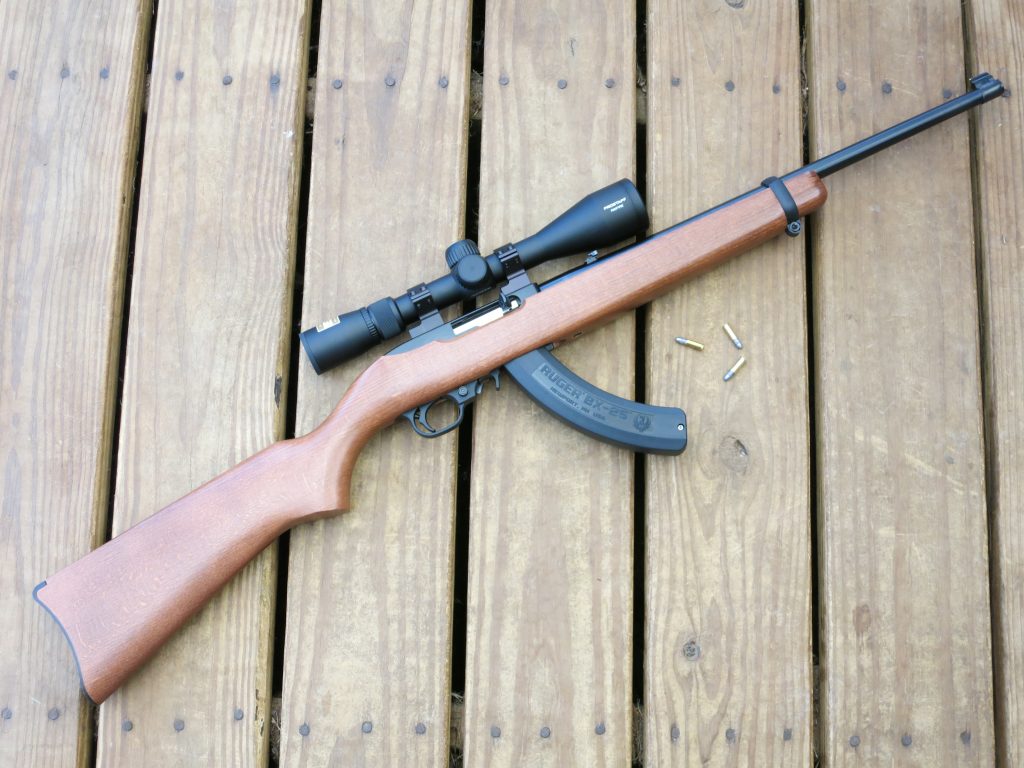
3. Mossberg Blaze
The Blaze aimed for low weight, low cost, and easy plinking. On paper, that formula makes sense for a rimfire rifle. On the range, shooters often found the same decisions that made it handy also made it feel insubstantial. Polymer-heavy construction drew skepticism, but the more practical complaint was uneven performance.
Some examples handled bulk ammunition reasonably well, while others showed feeding issues and underwhelming trigger behavior. Rimfires already run closer to the edge because .22 LR ammunition is dirtier and less energetic than centerfire rounds, so soft-feeling controls and suspect small parts tend to get exposed faster under sustained use.
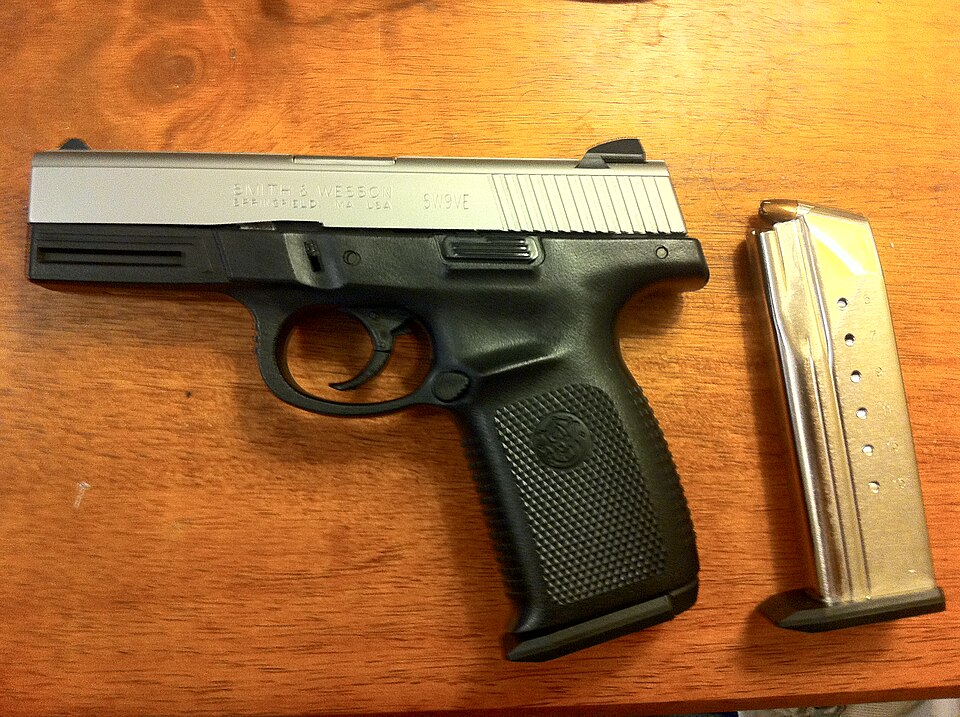
4. Smith & Wesson Sigma 9VE
The Sigma 9VE resembled a serviceable striker-fired duty pistol, but many shooters remember it for one thing: the trigger. Heavy, rough, and lacking a distinct reset, it often turned ordinary drills into a chore.
That kind of problem rarely creates dramatic failures. It does something more corrosive. It teaches the shooter to compensate for the pistol instead of refining clean technique, and that slows progress over time. Compared with modern handgun evaluations that weigh reliability, drill performance, and shooter interface together, the Sigma’s weak trigger ergonomics kept it from feeling boring in the way a defensive handgun should.
5. Rossi Circuit Judge
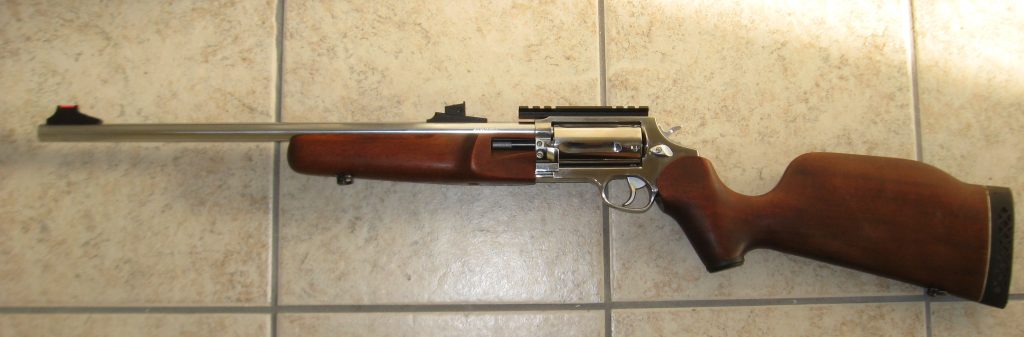
A carbine that chambers both .45 Colt and .410 shotshells sounds versatile at first glance. In practice, the Circuit Judge highlighted how novelty can outrun engineering. The revolving-cylinder layout brought the familiar issue of cylinder-gap blast into a rifle format, where support-hand placement and general handling matter more. Performance also tended to be underwhelming at both ends of its promise: shotshell patterns often failed to impress, while bullet accuracy was usually acceptable rather than exceptional. It remained interesting to demonstrate, but “interesting” is not the same as efficient.
6. Century Arms C39v2
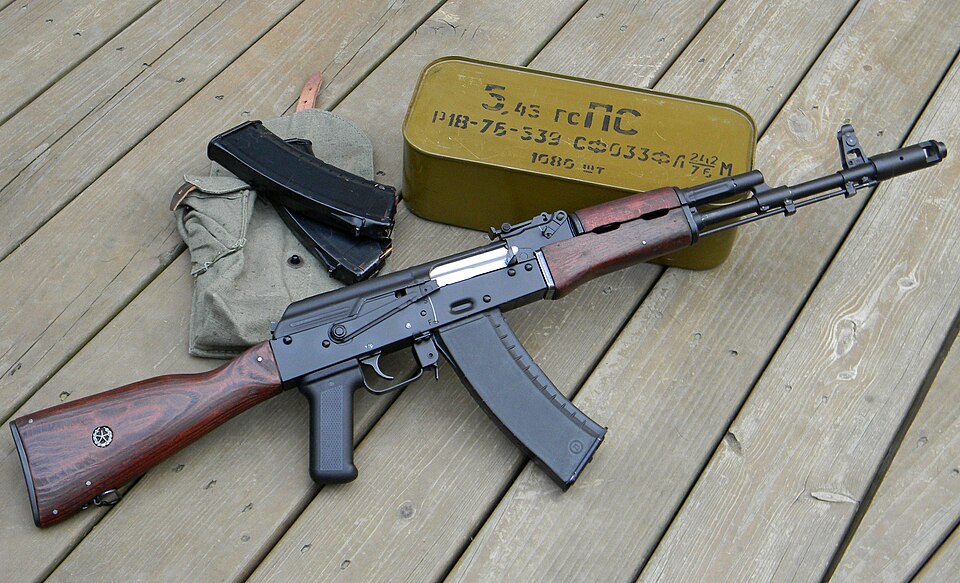
The C39v2 entered a market that expects AK-pattern rifles to tolerate abuse, heat, and ugly maintenance habits. Early impressions could be positive, with some shooters praising the trigger and finding the rifle capable of decent accuracy. The trouble was endurance. Reports tied the platform to uneven wear behavior, inconsistent accuracy, and concerns about how critical surfaces held up over time. That is exactly the kind of weakness that only appears after the round count climbs and parts start battering each other. An AK-style rifle can survive a lot cosmetically, but accelerated wear on locking and carrier-related surfaces changes the story fast.
7. Taurus PT145 Millennium Pro
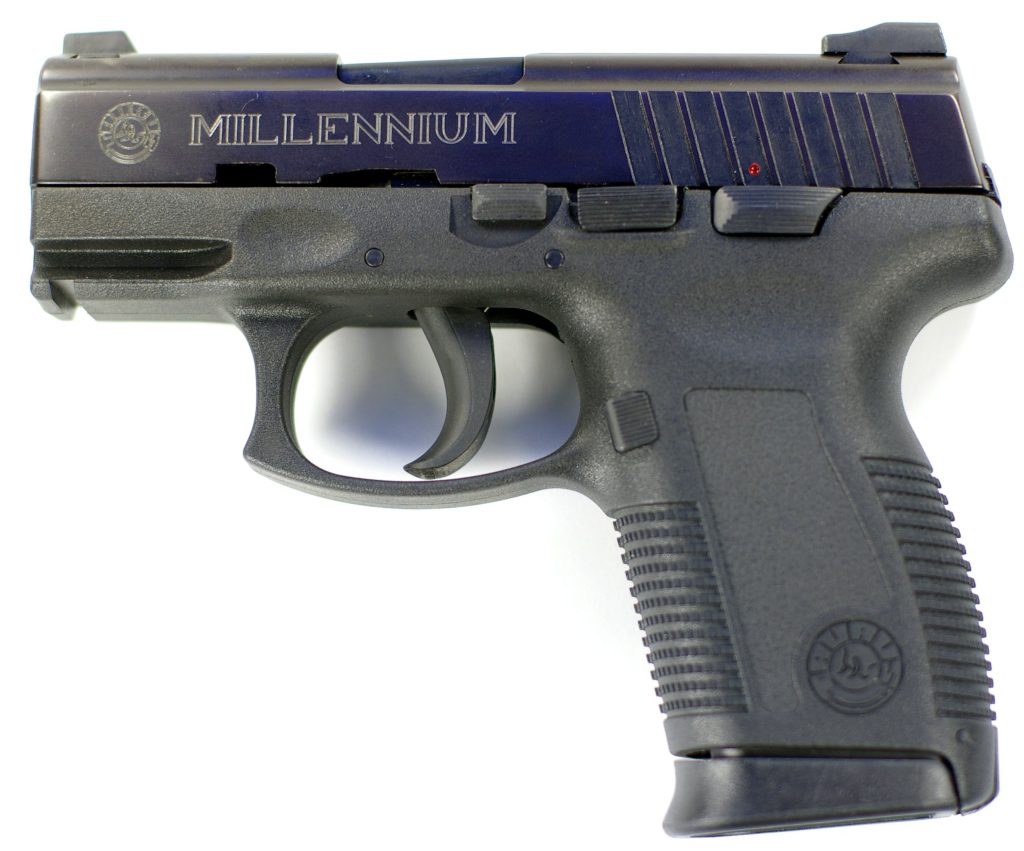
The PT145 promised a compact .45 with carry-friendly dimensions, a combination that always attracts attention. But compact pistols in heavier calibers ask more from both the shooter and the design, and the PT145 often struggled under that demand. Owners regularly pointed to sharp recoil, a short grip that made control harder, and a reset that was difficult to track during faster strings. Recoil control doctrine consistently emphasizes grip pressure should be relatively equal in both hands and a firm, high purchase on the pistol, but some guns give very little margin for that work. The PT145 gained a reputation as one of them, with reliability complaints adding to the sense that it could manage a box of ammo more easily than a long ownership cycle.
8. ATI Omni Hybrid AR
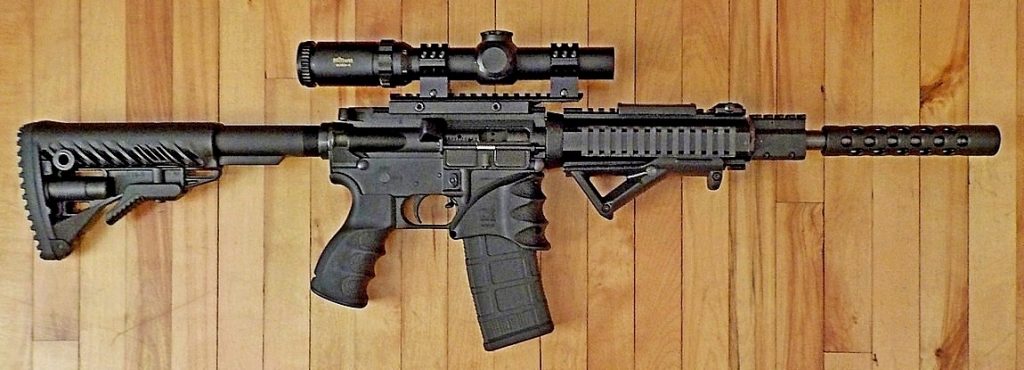
The Omni Hybrid tried to lighten the AR formula with polymer receiver components, but the AR platform depends heavily on rigidity and repeatable alignment. That is not just a material preference; it is a structural requirement.
Users frequently described flex around the buffer tube area, inconsistent accuracy, and a generally soft, imprecise feel. Polymer can work in many firearm roles, but an AR receiver extension area sees repeated recoil forces and alignment stress, and that is where the Omni Hybrid’s concept met hard limits. A rifle that feels acceptable at low volume can start showing its compromises once sustained firing magnifies every small movement.
9. Chiappa M1-22
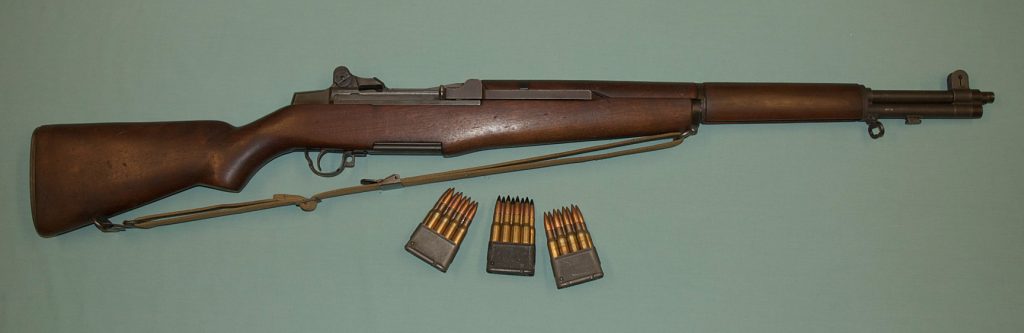
The M1-22 sold a familiar idea: M1 Carbine looks with rimfire operating costs. That is an easy pitch. The harder part is making a .22 replica run well enough that the nostalgia stays enjoyable. Many shooters found that magazines and cycling speed became the weak points. Failures to feed and sluggish operation were recurring complaints, even with higher-velocity ammunition. That matters more in a rimfire than many buyers expect, because the whole point of a casual .22 is to shoot a lot without interruption. Once a replica turns every magazine into a stoppage exercise, the visual appeal stops carrying the load.
The common thread across these firearms is not that every example failed identically. It is that each platform exposed a familiar engineering risk: weak magazines, harsh or vague triggers, insufficient stiffness, or durability that looked acceptable only before the round count became meaningful. That is why range time is still the only real truth serum. A firearm does not need to be perfect to earn confidence. It does need to stay predictable when heat, fouling, recoil, and repetition begin stripping away the sales pitch.


