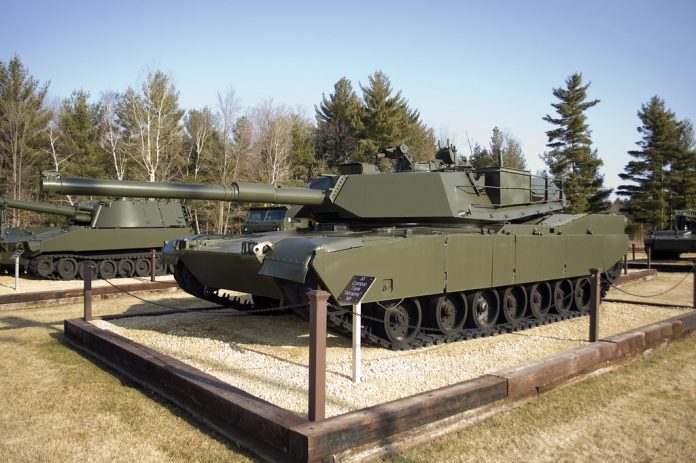
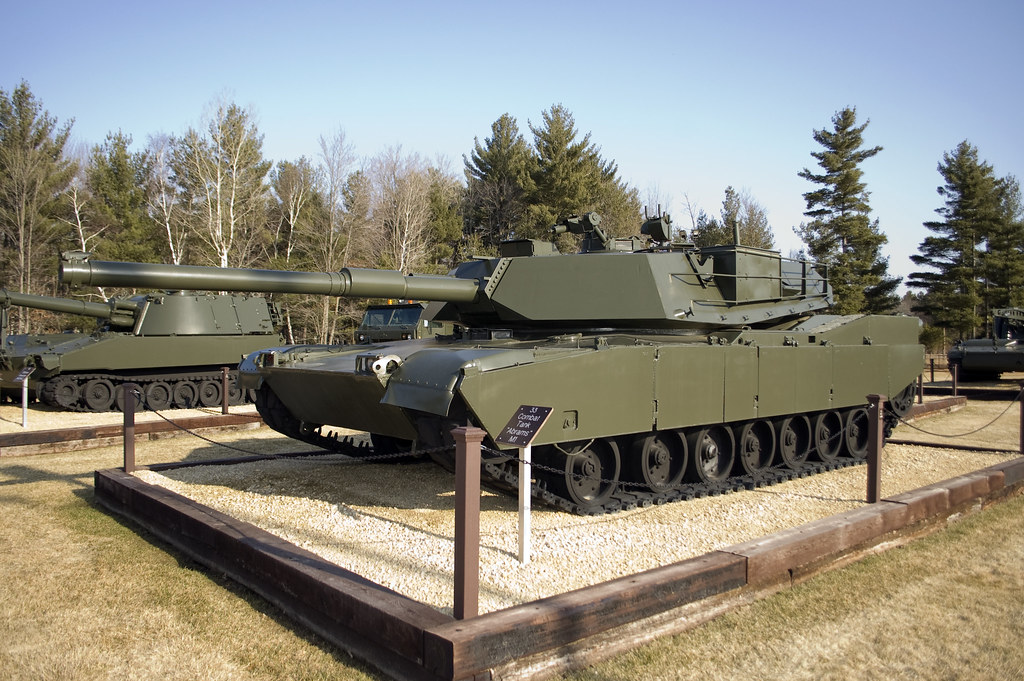
The M1 Abrams was built for high-intensity armored warfare, but Ukraine’s experience has forced a harder question: what remains useful when every vehicle is watched from above and hunted by cheap drones, artillery, and anti-tank missiles? The answer has not been the end of the tank. It has been the end of old assumptions. Ukrainian use of Australian-supplied M1A1 Abrams around Pokrovsk highlighted how heavy armor still matters, but only when it is protected, networked, and employed as part of a wider system rather than as a standalone breakthrough weapon.
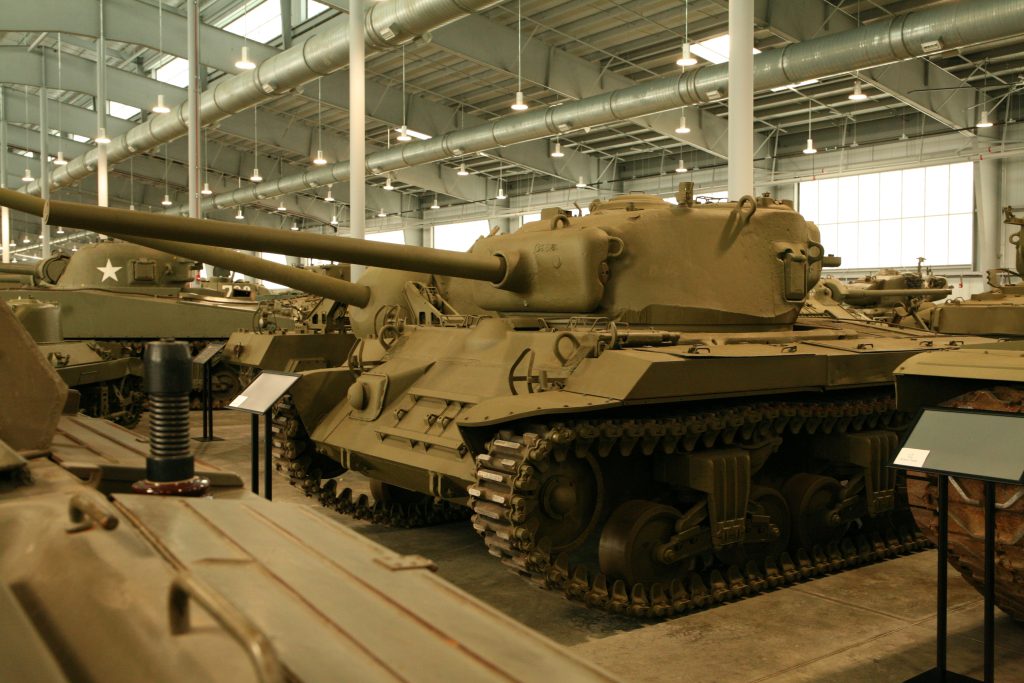
1. Heavy armor still has battlefield value
Urban combat in Pokrovsk reinforced a point that many armies had started to debate too loosely: tanks remain useful when infantry needs protected direct fire against fortified positions, intersections, and built-up strongpoints. In this role, the Abrams functioned less as a lone spearhead and more as a survivable gun platform that could stay in the fight while supporting dismounted troops. That matters because the battlefield has become more transparent, not less lethal. Armor still brings shock, protection, and firepower, but its value now depends on how well it is integrated with surveillance, jamming, and supporting fires.
2. The real threat comes from above, not just head-on
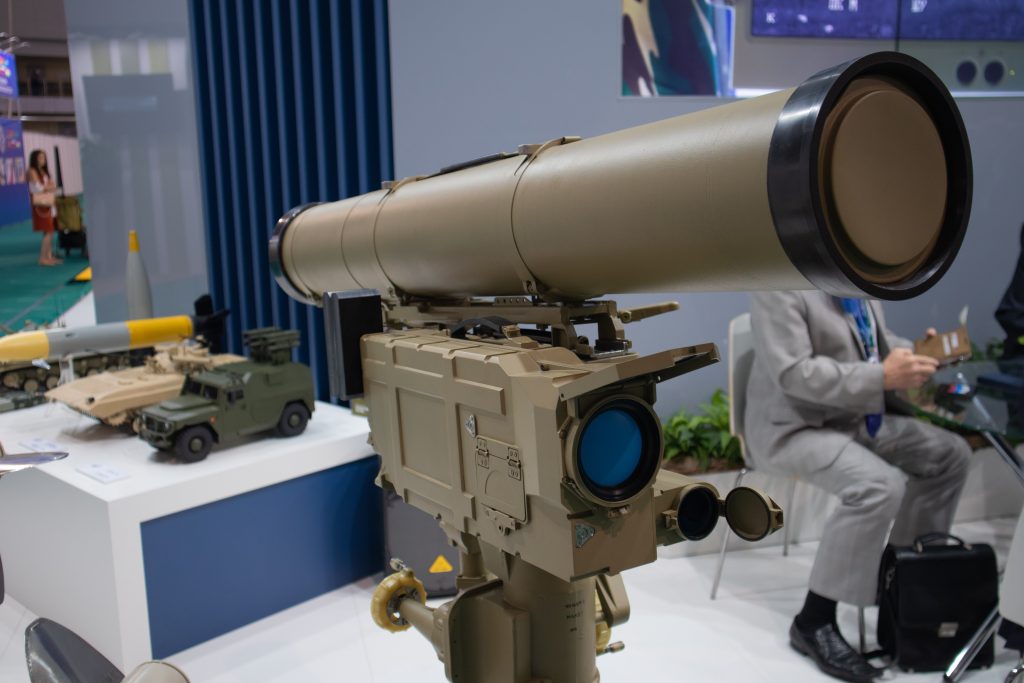
The Abrams’ strongest protection was designed around frontal engagements, yet Ukraine exposed the growing importance of roof and upper-side vulnerability. Top-attack drones and loitering munitions have changed where tanks are most at risk, a shift the U.S. Army has openly folded into future planning for protection from attacks to the roof. Anti-tank guided missiles remain part of the same problem. Systems such as the Kornet and Javelin were built to defeat armor, and their tandem-warhead logic fits neatly into a battlefield where even advanced tanks are increasingly exposed by drones before the missile ever launches.
3. Improvised armor has become standard practice
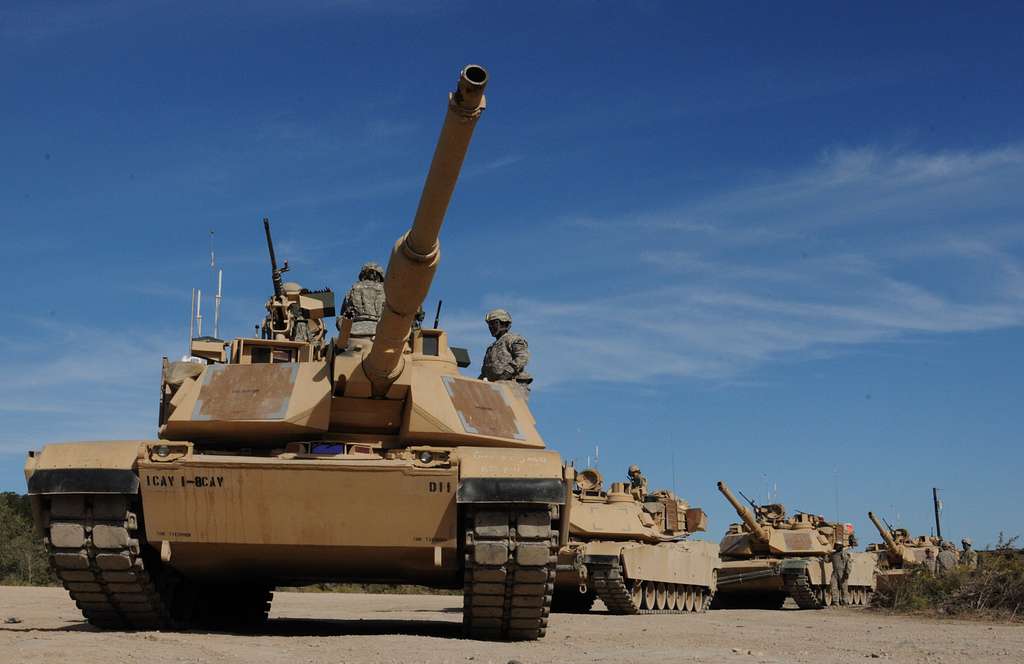
Ukraine’s Abrams fleet did not stay in factory configuration. Crews and support organizations added steel cages, netting, reactive armor, and shielding around vulnerable sections of the turret and bustle. The logic was simple: disrupt a drone’s strike path, trigger a warhead early, or keep a dropped munition away from a hatch or ammunition compartment. This was not unique to one army. Across the war, ad hoc add-ons evolved from a sign of desperation into a practical layer of survival. Ukraine’s own steel-shield effort sought to protect tanks from FPV drones with gridded barriers positioned to avoid blocking visibility or turret function, reflecting the same adaptation described in steel shields to counter first-person view drones.
4. Crew survival remains one of the Abrams’ strongest advantages
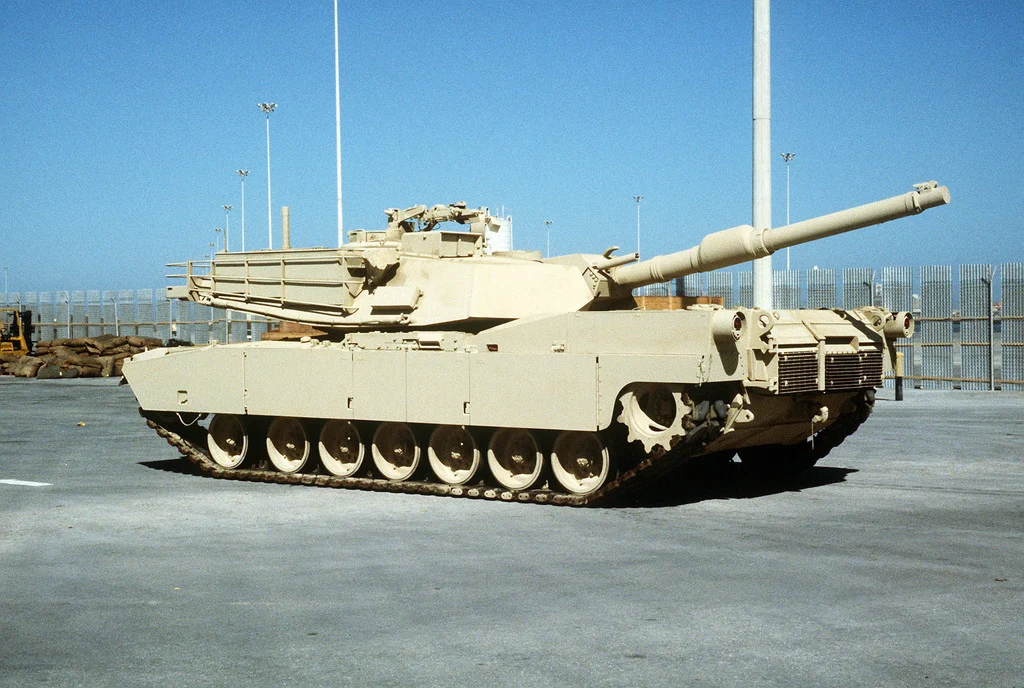
Even in a harsher threat environment, the Abrams retains a design feature that still matters deeply: compartmentalized ammunition storage and blowout panels intended to redirect catastrophic force away from the crew compartment. That internal layout has long been one of the tank’s defining safety characteristics. It helps explain why survivability cannot be measured only by whether a vehicle is disabled. In modern combat, preserving trained crews can be as strategically important as preserving the platform itself.
5. Old doctrine no longer fits the drone-saturated battlefield
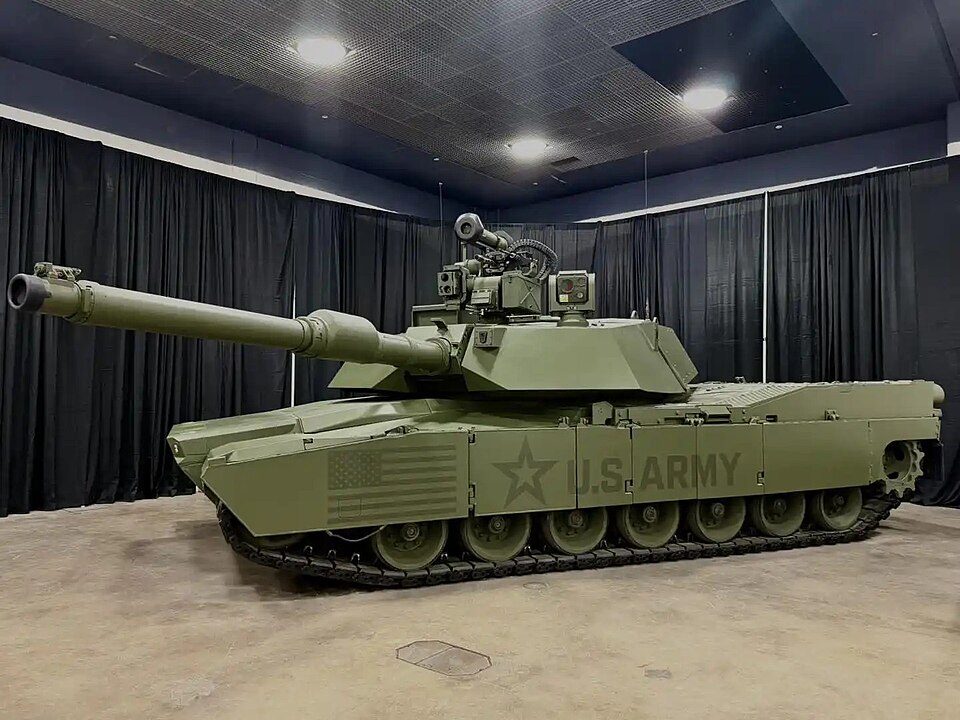
The Abrams was not designed for a battlefield where quadcopters, loitering munitions, artillery spotters, and social-media-era observation compress the kill chain. The old image of a tank column driving forward into a partially blind enemy has become much harder to sustain. That broader change has reshaped U.S. thinking as well. Army leaders concluded that “The character of war is changing,” and have tied Ukraine’s lessons directly to new mobility, command-and-control, and vehicle-protection requirements, including a move toward the new variant: the M1E3. The tank remains relevant, but it now operates as part of a constantly connected combined-arms network rather than as the centerpiece of a standalone armored thrust.
6. Logistics can limit combat power as much as enemy fire
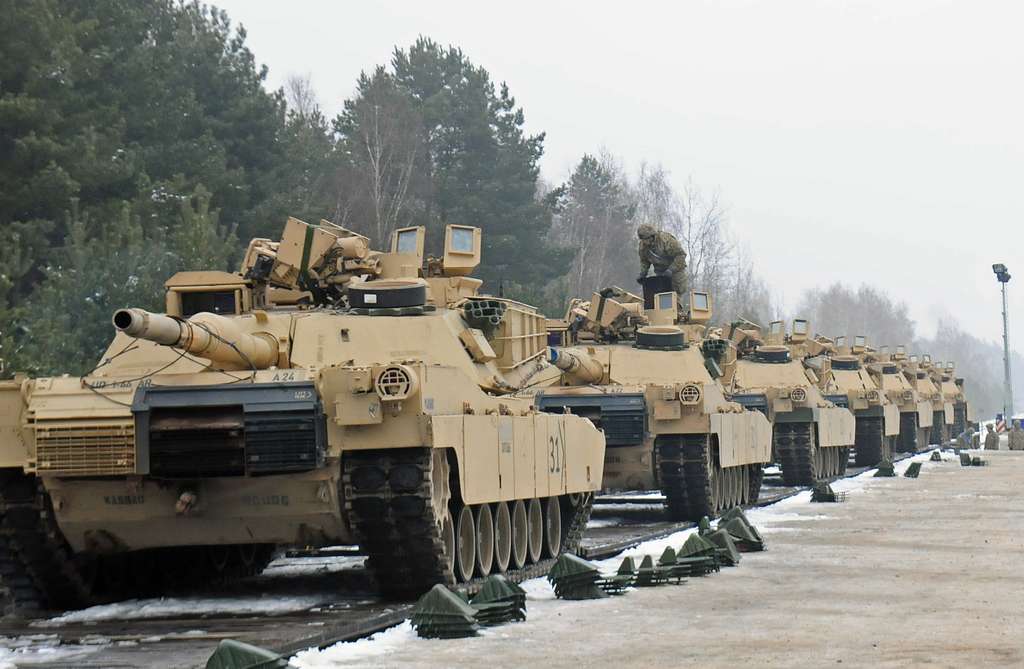
The Abrams brings serious sustainment demands. Weight, maintenance burden, recovery requirements, and parts support all become harder under persistent surveillance and attack. Officials in the United States raised exactly those concerns before Australia transferred retired Abrams to Ukraine, warning that the vehicles would be difficult to keep running in a drone-heavy war. That problem reaches beyond fuel and spare parts. It affects recovery operations, maintenance cycles, and how many tanks can stay available at the decisive moment.
7. Cheap drones are forcing expensive redesigns
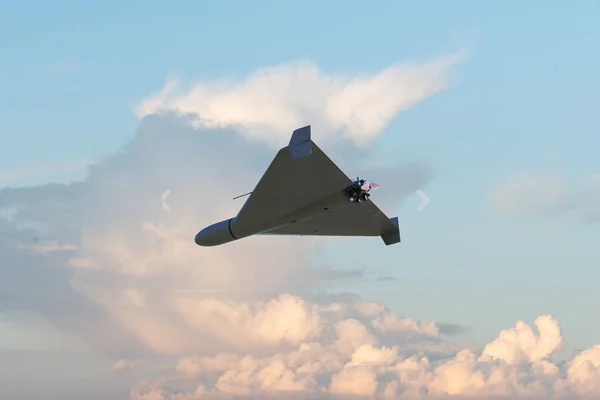
One of the clearest lessons from Ukraine is economic as much as tactical: low-cost unmanned systems are forcing redesigns of some of the most expensive land platforms in service. The U.S. Army abandoned a more limited Abrams upgrade path after concluding that added bolt-on protection was no longer enough for the threat environment. Future armor is being pushed toward integrated active protection, lower weight, easier maintenance, and faster adaptation. In effect, battlefield improvisation in Ukraine is influencing formal procurement choices far beyond the war zone.
8. Firepower matters, but munition mix matters too
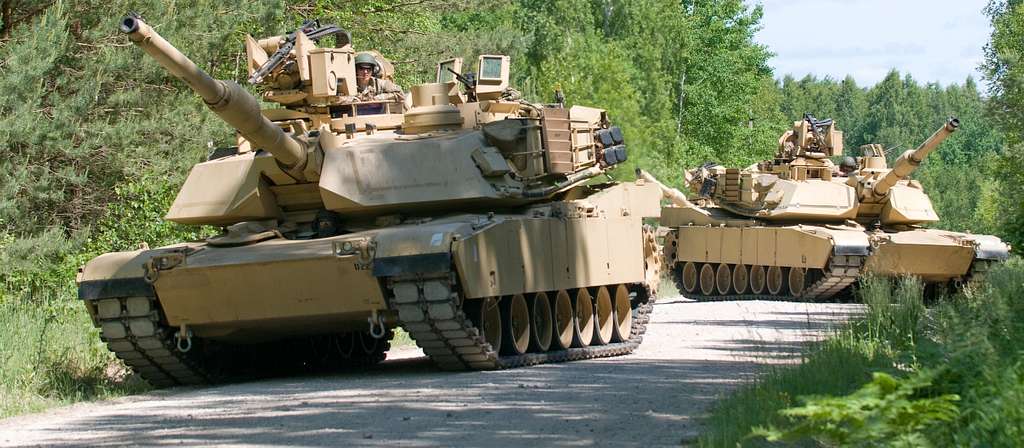
A tank can survive long enough to shoot and still be carrying the wrong ammunition for the job. Ukrainian crews have faced a battlefield where classic tank-on-tank duels are less common than strikes on buildings, entrenched infantry, or fleeting firing points. That creates a mismatch when ammunition stocks are optimized for armored targets instead of urban demolition or suppression. The Abrams has always offered formidable direct fire, but modern employment depends on pairing that firepower with the right rounds, the right targets, and rapid cueing from drones and forward observers.
9. The tank is no longer the system; the tank is one node
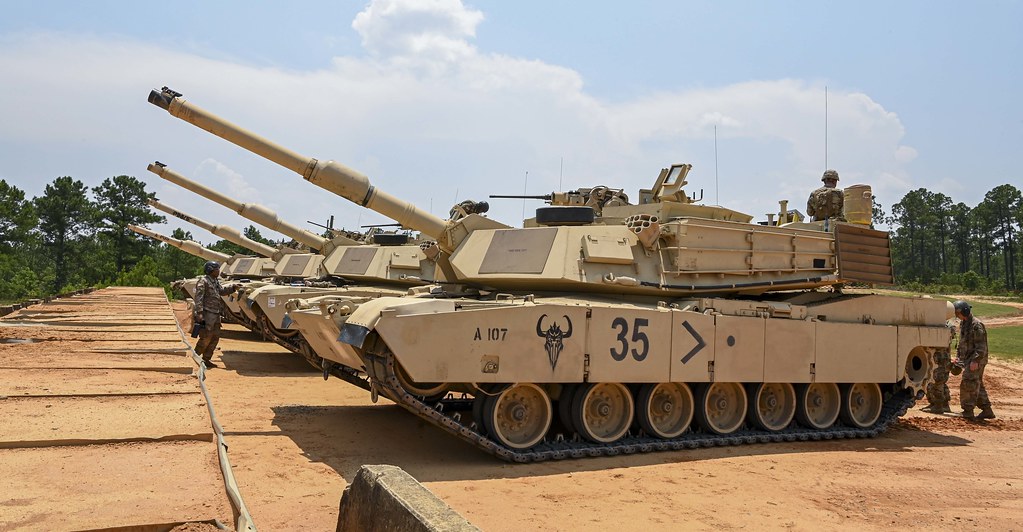
The largest lesson from Pokrovsk is conceptual. A modern tank now succeeds inside a larger web of sensors, jammers, artillery, engineers, maintainers, and small drones. If any one of those pieces fails, the tank becomes easier to detect, fix, and destroy. That is why the Abrams’ future is less about nostalgia for Desert Storm and more about adaptation to persistent drone surveillance, faster targeting, and contested logistics.
Ukraine’s experience shows that armor has not disappeared from modern war. It has been absorbed into a much wider kill chain. The consequence is clear. Tanks still matter, but only armies that redesign tactics, protection, and support around the drone era are likely to get full value from them. For the Abrams, Ukraine did not deliver a final verdict. It delivered a new operating manual.


