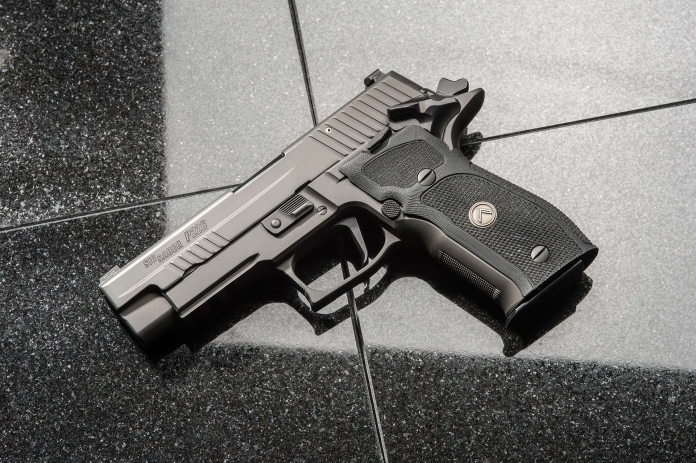
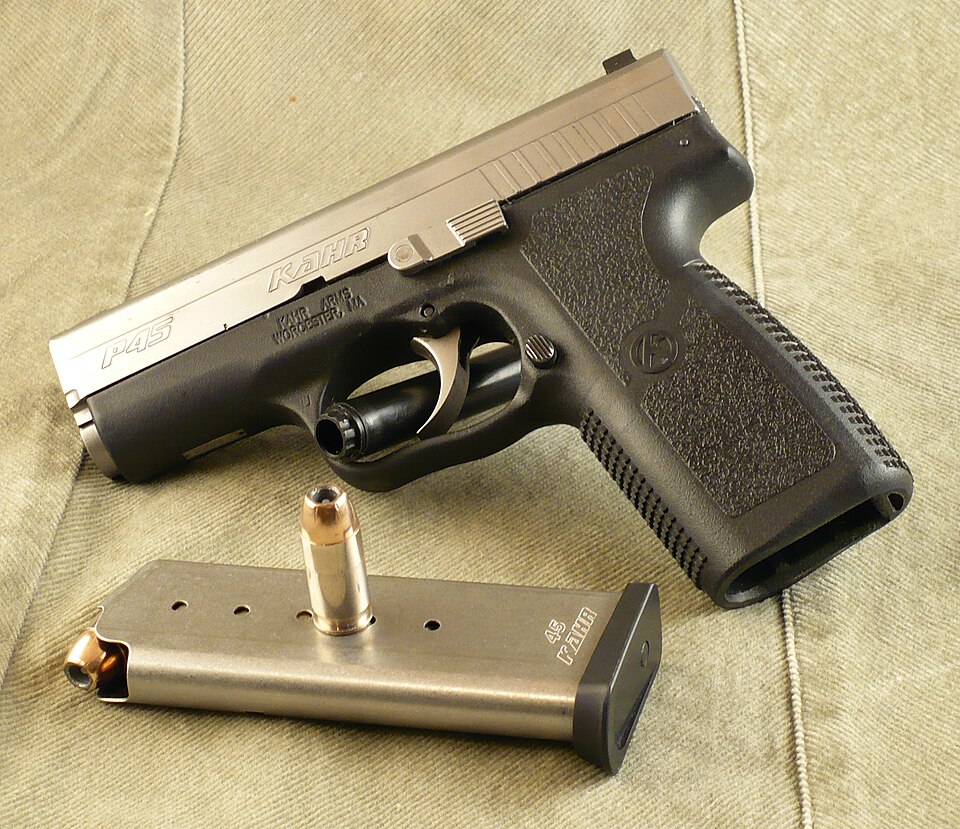
Polymer sidearms dominate modern service holsters, but a handful of older metal-frame pistols continue to hold a place in specialized units. Their staying power comes from a familiar mix of traits: controllable recoil, mechanical durability, and handling characteristics that remain useful even as handgun design keeps evolving. What stands out is not nostalgia. It is the fact that these pistols were built around hard use, and several of them earned their reputations in demanding military and special-operations roles long before modular optics-ready handguns became standard.
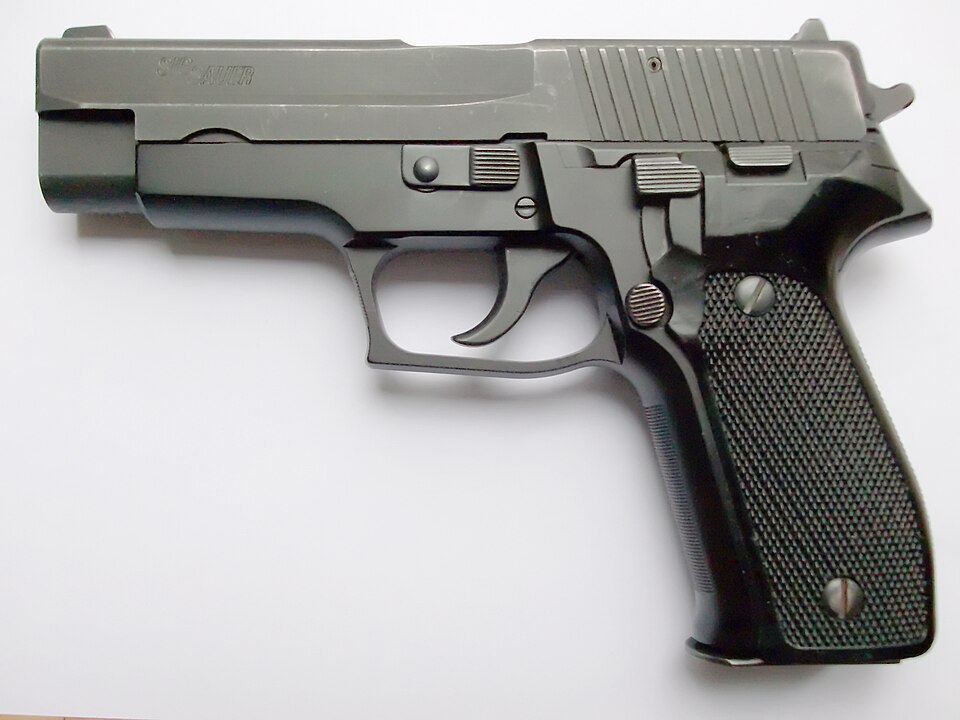
1. SIG Sauer P226
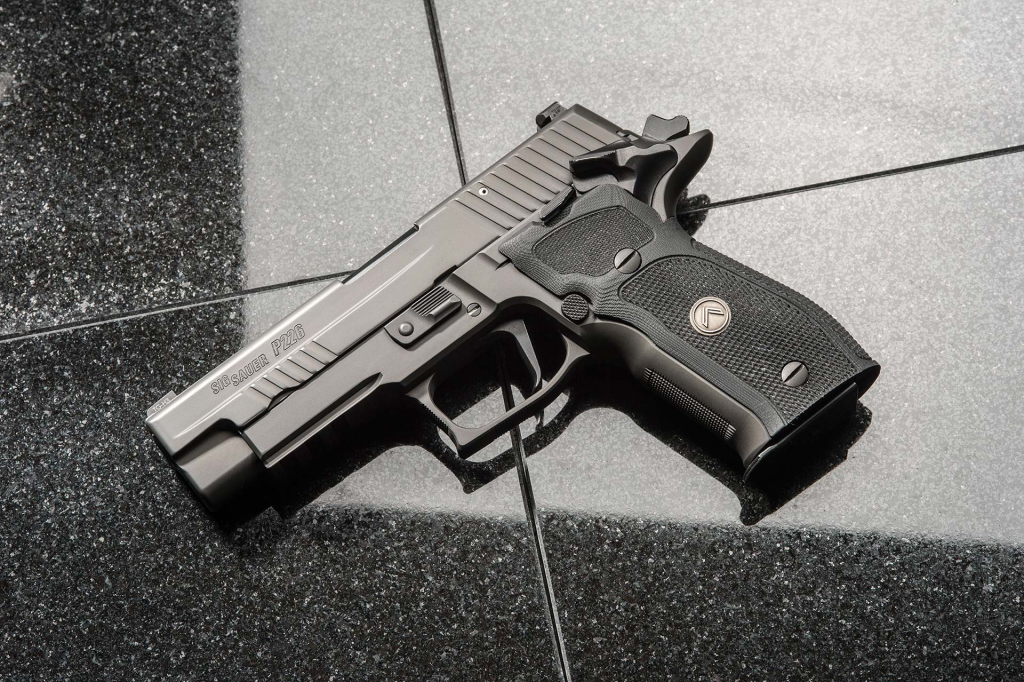
The P226 remains one of the clearest examples of an alloy-and-steel service pistol outlasting multiple handgun trends. Developed for the U.S. military’s XM9 competition, it did not win the main contract, but it became deeply associated with elite maritime operators and later evolved into purpose-built variants for naval special operations.
Its staying power came from practical engineering. The pistol combined a double-action/single-action system, a decocking lever, a full-size grip, and a slide/barrel setup designed for dependable service life. In SEAL use, later versions added features such as SIGLITE night sights and a standard M1913 rail, while corrosion resistance remained especially important for saltwater operations. Even as Glock pistols gained ground, the P226 kept its reputation as a sidearm that could absorb abuse and still deliver precise, highly controllable fire.
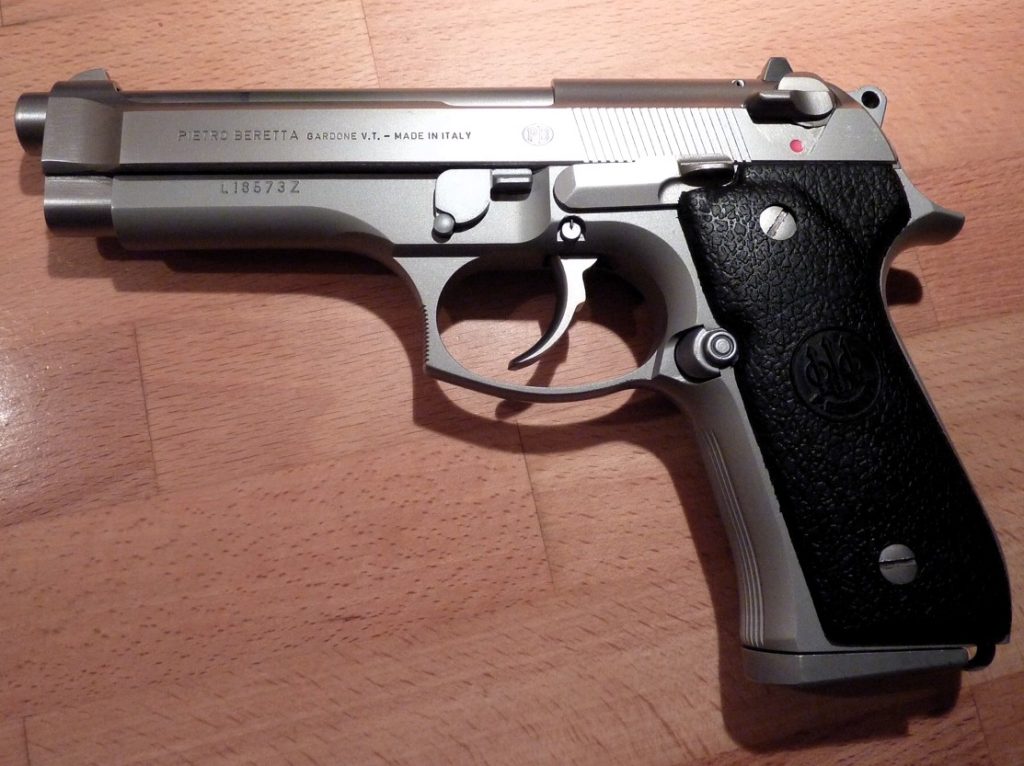
2. Beretta 92 / M9
The Beretta 92 family proved that a large metal service pistol could survive decades of institutional use. Adopted by the U.S. military in the 1980s as the M9, it brought a 15-round 9mm magazine, an open-slide design, and an ambidextrous safety-decocker arrangement that influenced later duty pistols across the market.
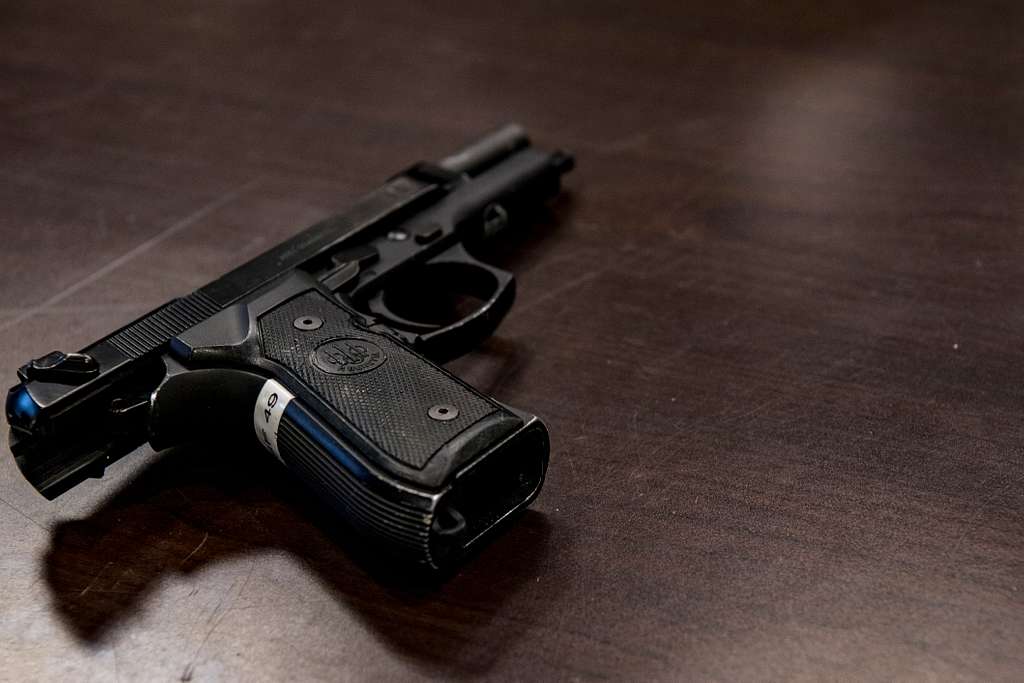
Its longevity came from a layout that was easy to shoot well. The long sight radius, broad grip, and substantial weight gave the pistol a stable feel under recoil, while the open-slide system earned a reputation for resisting feed-related stoppages. The platform also kept evolving after early controversy, and later updates addressed durability concerns tied to heavy-use service conditions. For special units and military users who valued a full-size handgun with soft shooting manners, the Beretta never fully disappeared from the conversation.
3. CZ 75
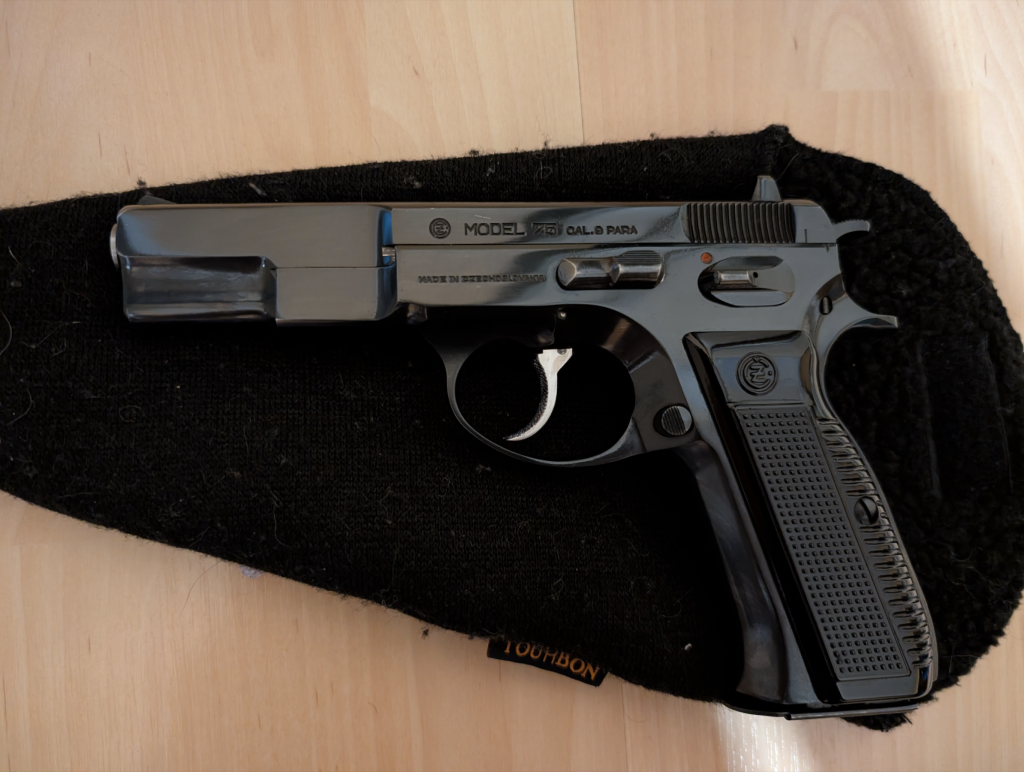
The CZ 75 has remained relevant far longer than many Cold War-era pistols because its design aged unusually well. Introduced in 1975, it paired an all-steel frame with internal slide rails, a DA/SA trigger system, and ergonomics that still feel modern. The result was a pistol widely copied around the world and still appreciated in military and specialized security circles.
Its appeal is rooted in control. The pistol’s low slide profile and steel weight help reduce felt recoil, and the grip shape has long been considered one of the model’s defining strengths. According to one overview of its military footprint, specialized units in countries including Greece, Turkey, and Israel have used CZ 75 variants. Even without the accessory flexibility of newer sidearms, the platform continues to command respect because it remains accurate, durable, and easy to run hard.
4. Smith & Wesson Model 686
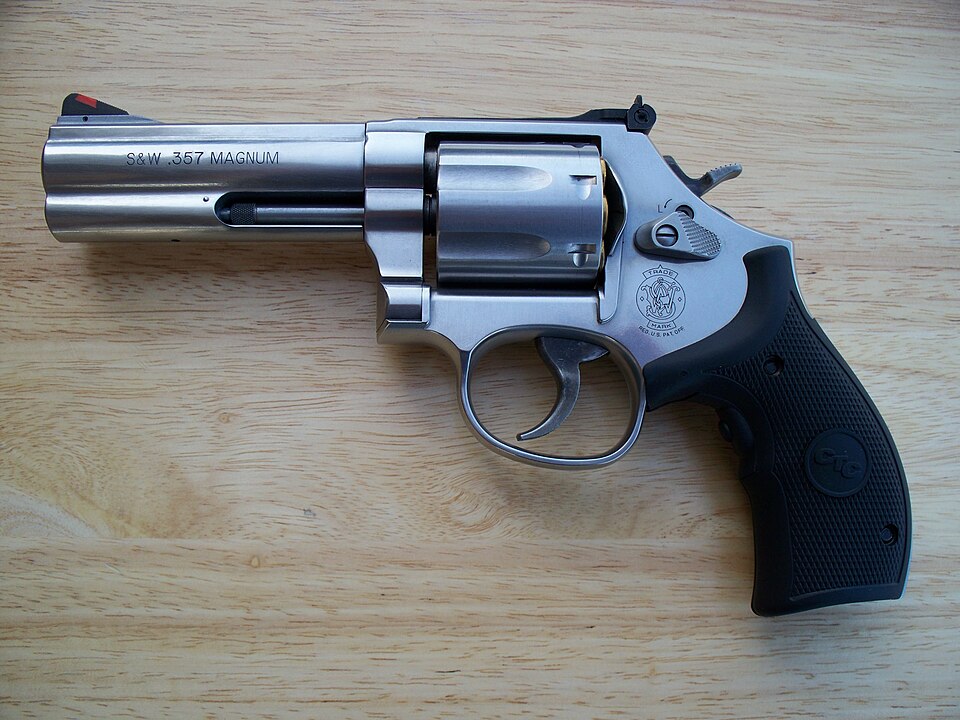
The Model 686 is the outlier on this list, because it is a revolver in a pistol-dominated world. Yet that is part of why it still matters. Built on Smith & Wesson’s L-frame and chambered in .357 Magnum, the stainless-steel 686 was designed to handle powerful loads without sacrificing long-term durability.
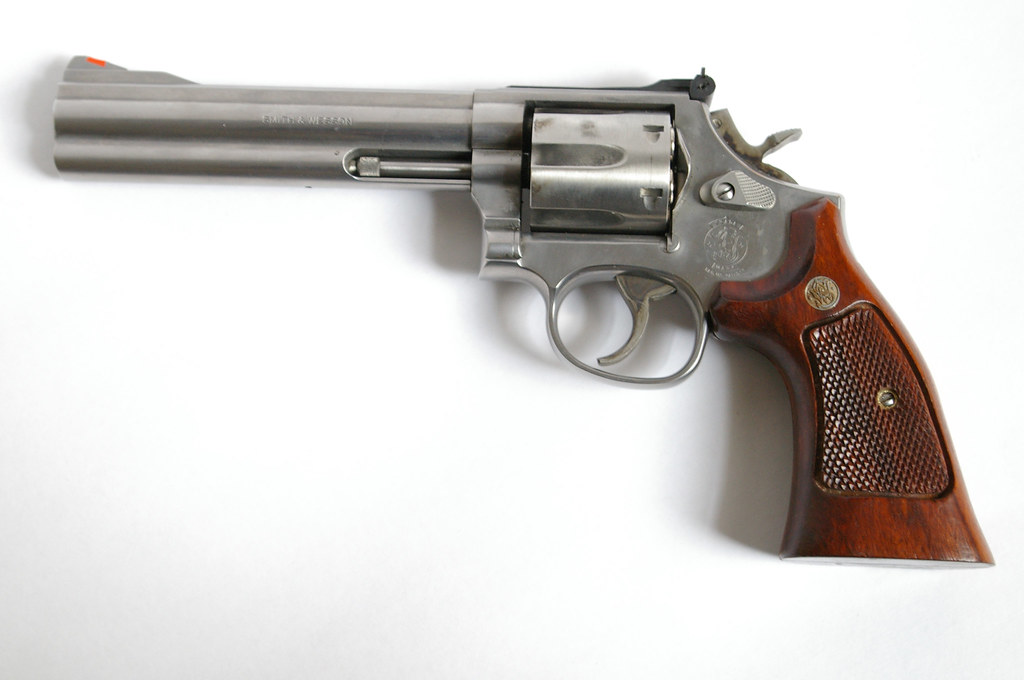
In specialized use, the revolver’s appeal has never been magazine capacity. It is about mechanical certainty, a strong double-action trigger system, and the kind of ruggedness that lets older guns remain serviceable decades after manufacture. Adjustable sights and a heavy frame also gave the platform a level of precision and recoil control that made it effective well beyond basic sidearm duty. For niche roles where reliability and power mattered more than firepower volume, the 686 held onto its place.
5. Colt M1911
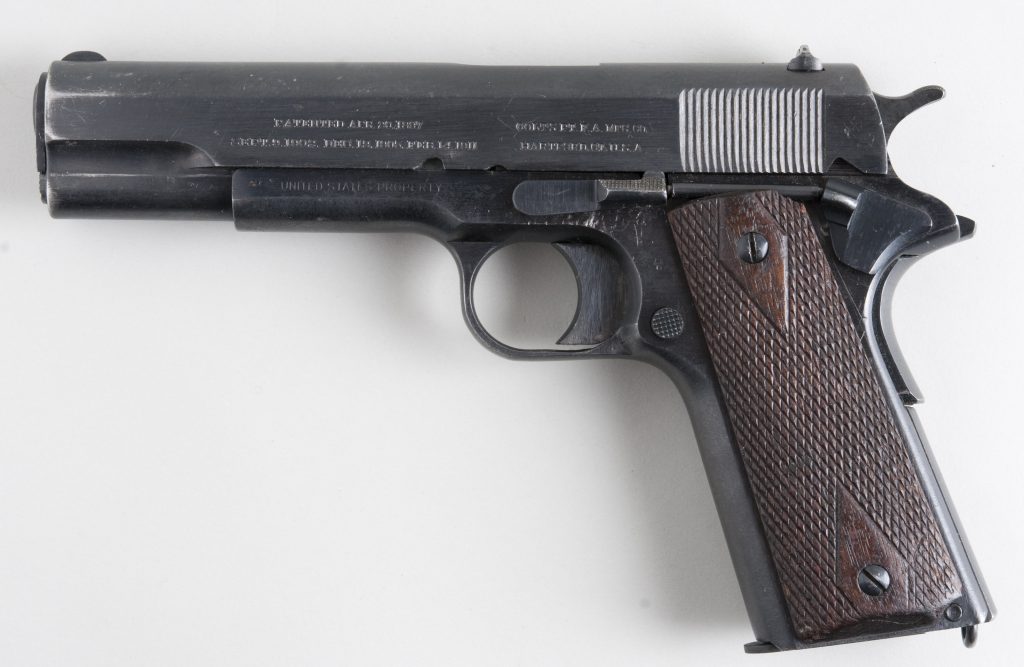
Few handguns have demonstrated the same institutional lifespan as the M1911. More than a century after its introduction, the single-action .45 still appears in specialized military and law-enforcement contexts, especially where users value its trigger, slim profile, and heavy all-metal construction.
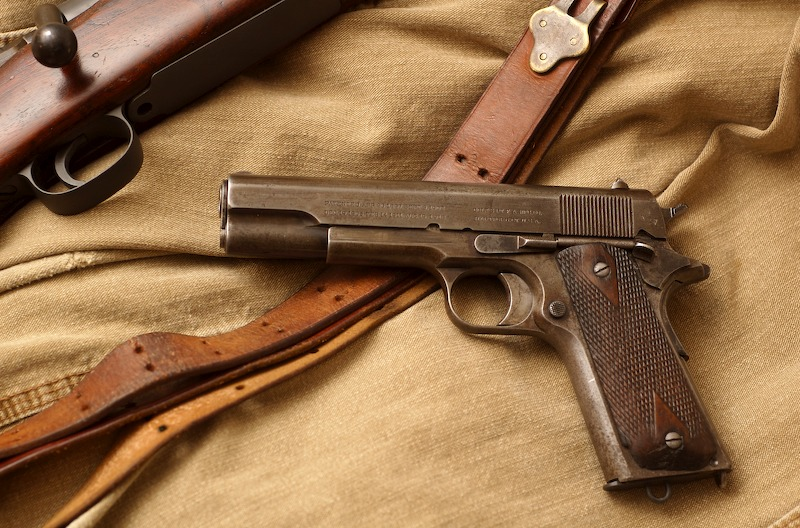
The pistol’s endurance comes from a combination of shootability and familiarity. Its steel frame absorbs recoil differently from lighter sidearms, and the straight-to-the-rear trigger pull remains a benchmark for precise handgun shooting. The M1911 also developed a long military legacy, serving as the standard U.S. sidearm for roughly 1911 to 1986 before broader replacement by high-capacity 9mm pistols. Even after that transition, specialized users continued to keep it alive in roles where accuracy, trigger quality, and a proven manual of arms outweighed newer trends.
These sidearms endured because their core engineering still solves real problems. Steel and alloy frames add weight, but they also bring stability, longevity, and a shooting character that many modern service pistols deliberately trade away in pursuit of lower mass and simpler manufacturing. That is why old metal handguns still appear in specialized arsenals. They are not universal answers anymore, but the best of them remain credible tools because reliability, balance, and controllability do not go out of date.


