The 9mm cartridge did not become the world’s default service-pistol chambering by accident. Its reputation was shaped over decades by handguns that proved the round could work in military holsters, police duty rigs, and civilian carry guns without forcing a choice between controllability, magazine capacity, and mechanical durability. Some of those pistols introduced new engineering ideas. Others became standards because they were simple, reliable, and easy to keep running at scale. Together, they turned 9x19mm from a European military cartridge into the dominant centerfire pistol round on the planet.
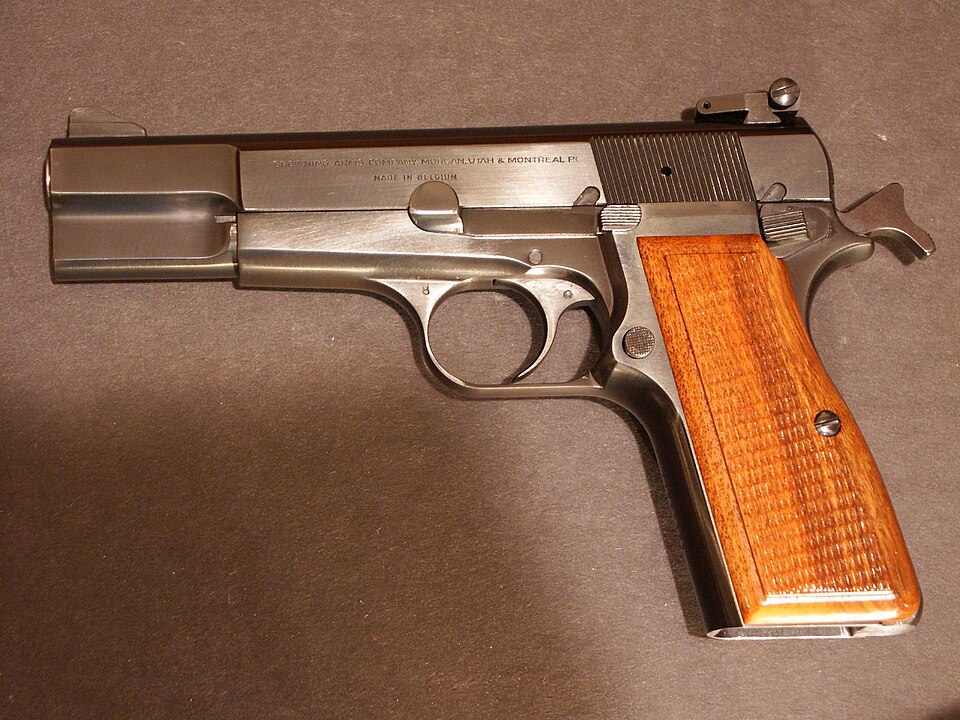
1. Browning Hi-Power
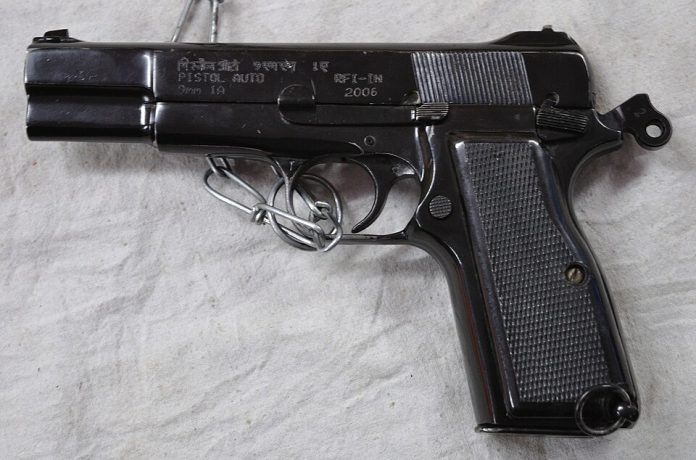
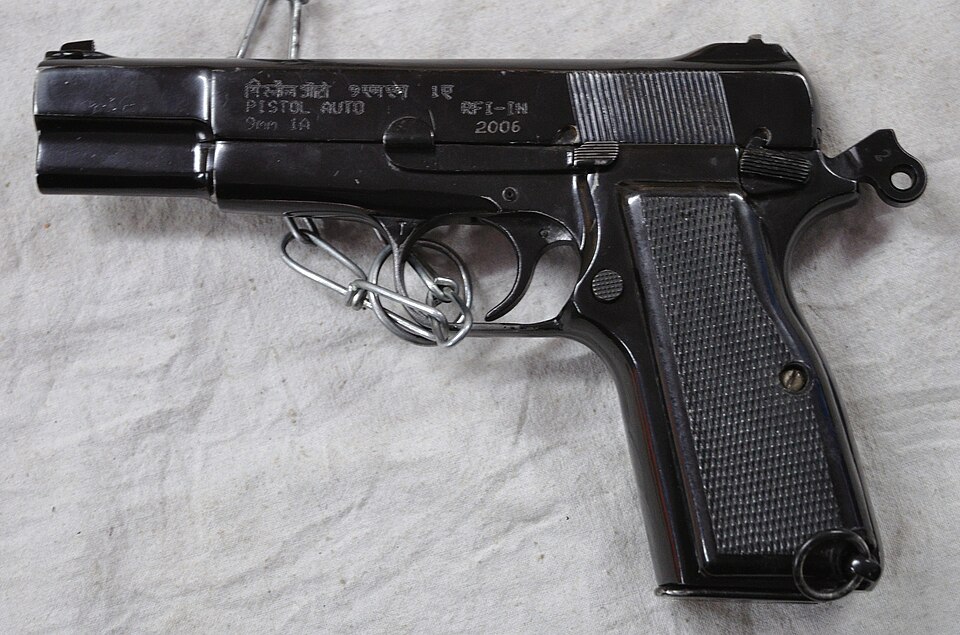
The Browning Hi-Power gave 9mm one of its first truly global flagship pistols. Finalized by Dieudonné Saive from John Browning’s earlier work, it paired a slim grip with a double-stack magazine that carried 13 rounds, a major leap in an era when many service pistols held far less. Its reach was extraordinary. The design was used by the armed forces of over 50 countries, and its long production life helped normalize the idea that a high-capacity 9mm could serve as a nation’s standard sidearm. Mechanically, it also bridged eras, preserving classic single-action handling while advancing magazine design in a way later pistols would build upon.
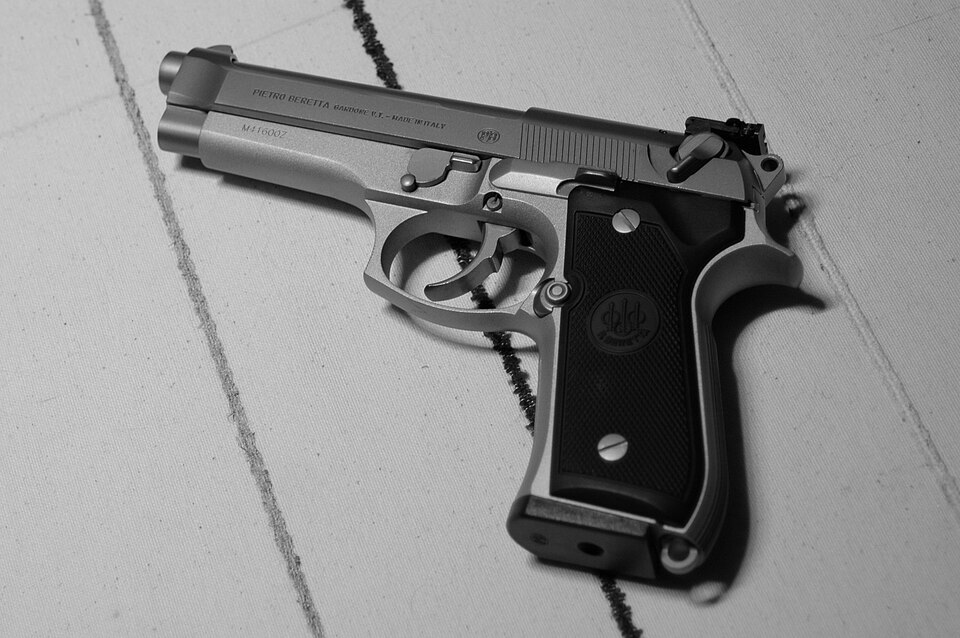
2. Beretta 92FS / M9
If one handgun made 9mm familiar to several generations of American shooters, it was the Beretta 92 family. Its open-slide design, locking block system, and full-size alloy frame gave the cartridge a distinctive service-pistol identity that contrasted with older .45-caliber steel guns. The pistol’s profile rose sharply after replacing the M1911 as the standard U.S. military sidearm in 1985. Later factory testing cited an average of one malfunction every 19,090 rounds across 42 pistols and 210,000 rounds, reinforcing the M9’s association with durability at institutional scale. That kind of record mattered because it linked 9mm not just with capacity, but with confidence under heavy use.
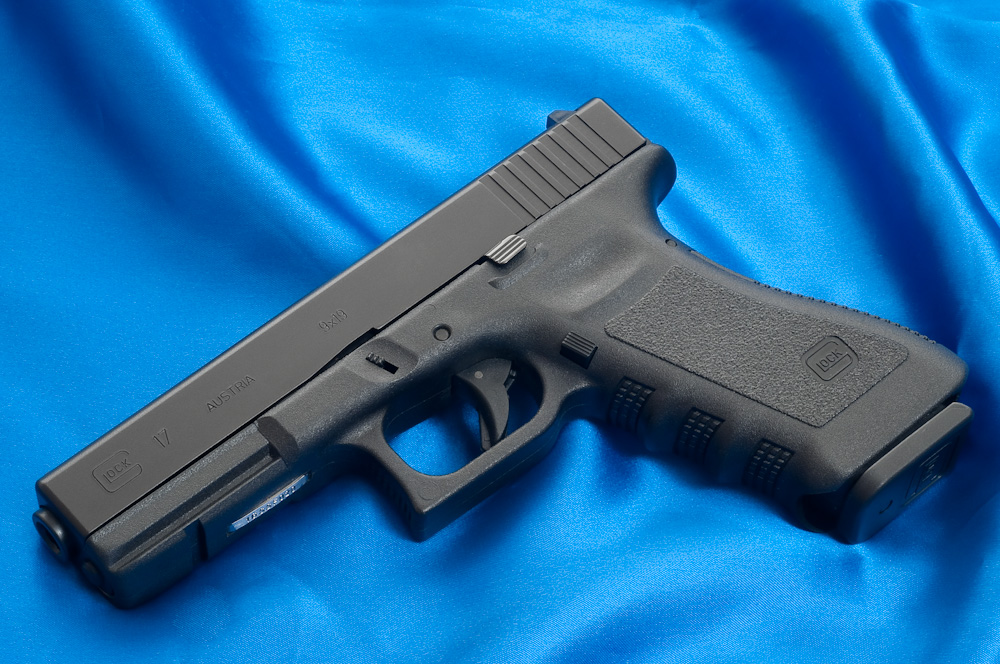
3. Glock 17
The Glock 17 changed the industrial language of the combat handgun. Its polymer frame reduced weight, its striker-fired system simplified operation, and its parts layout made servicing unusually straightforward. Just as important, it made the modern 9mm pistol feel less like a refined machine and more like a robust tool. That shift influenced police agencies worldwide and pushed competitors to rethink materials, trigger systems, and manufacturing methods. The cartridge benefited from that transformation because the Glock 17 made 9mm seem practical, scalable, and modern all at once.
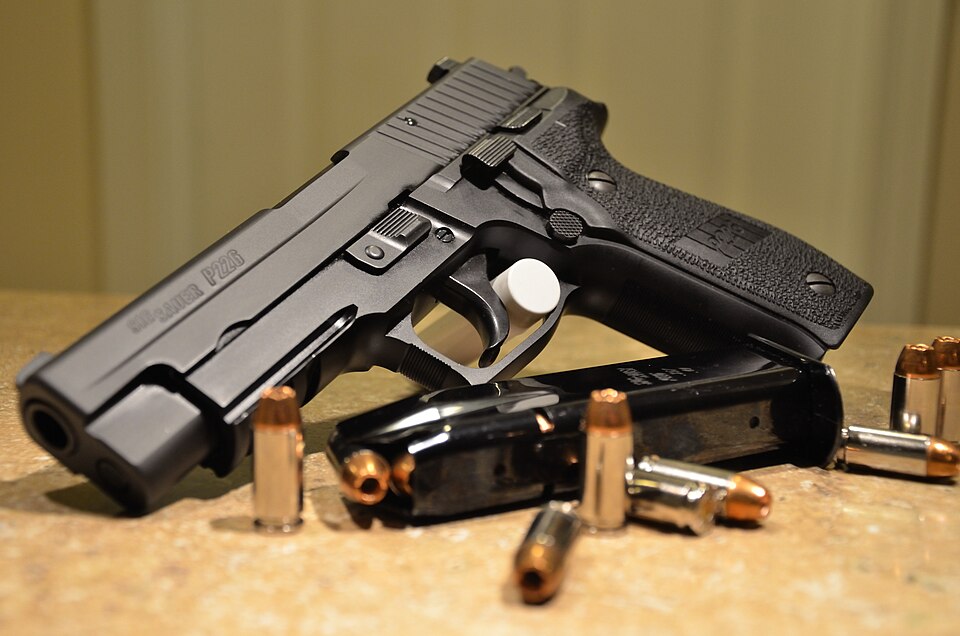
4. SIG Sauer P226
The P226 helped cement the 9mm as a premium service caliber, not merely a compromise for higher capacity. Built around a full-size frame, excellent ergonomics, and a proven double-action/single-action system, it earned a reputation for shootability and precision. Its image was strengthened by elite institutional use, and the commercial MK25 description states that it is identical to the pistol carried by the U.S. Navy SEALs. That association gave the 9mm round added credibility among shooters who once equated larger calibers with more serious fighting handguns.
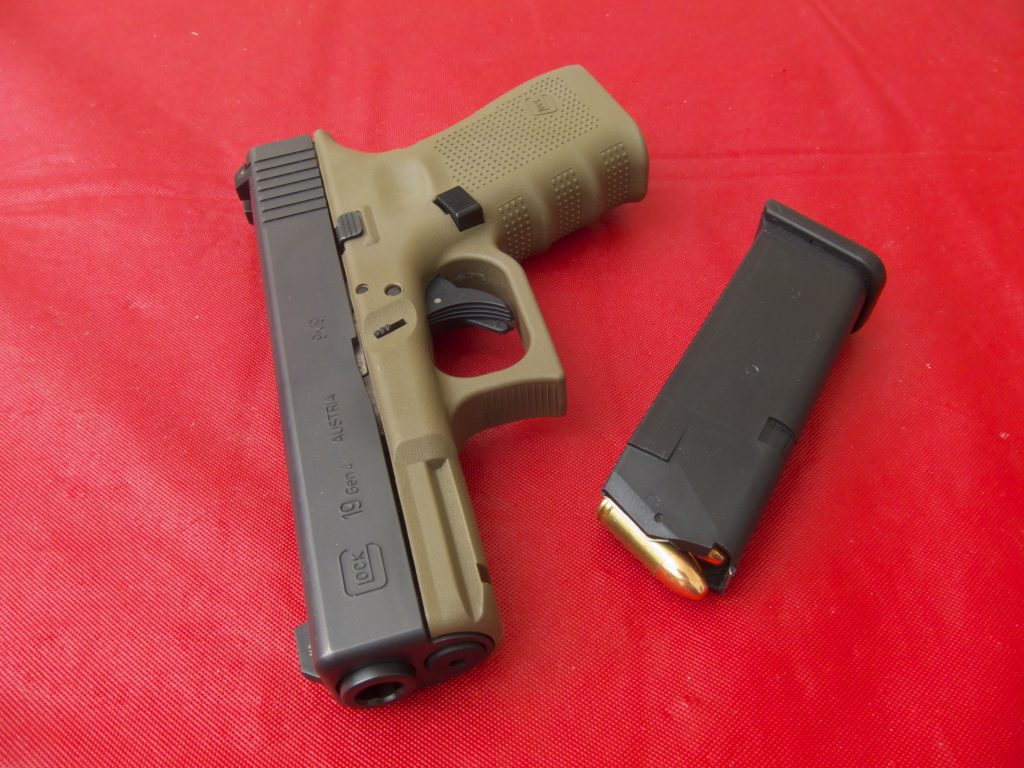
5. Glock 19
The Glock 19 did something different from the Glock 17: it made the 9mm service pistol compact without making it feel underbuilt. That balance between concealability and full-duty performance became one of the defining formulas of the modern handgun market. Its rise inside American special operations circles also broadened the 9mm’s image. Accounts of adoption describe the G19 as meeting a compact-pistol requirement while also passing demanding operational testing, and later institutional demand turned it into a near-default reference point for what a serious all-around 9mm should be. Few pistols did more to make one gun suitable for plainclothes use, range work, and combat carry.
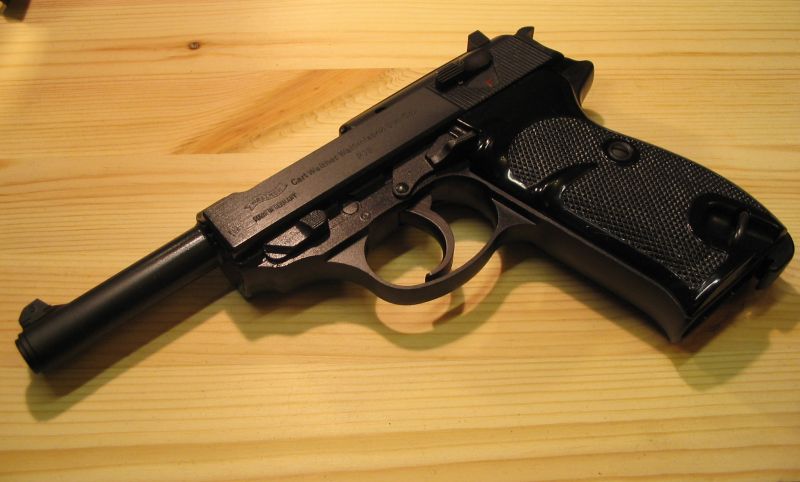
6. Walther P38
The Walther P38 occupies a critical place in the 9mm story because it helped define the service pistol before the high-capacity era arrived. Its double-action/single-action trigger system and decocker were major departures from the single-action norm, and those features echoed through later handgun design. It did not create the 9mm cartridge, but it helped standardize the idea of a practical military sidearm chambered for it. In engineering terms, the P38 showed that 9mm could anchor a modern duty pistol with safer carry characteristics and efficient field use. Later pistols became larger, lighter, or higher capacity, but many still followed trails the P38 helped clear.
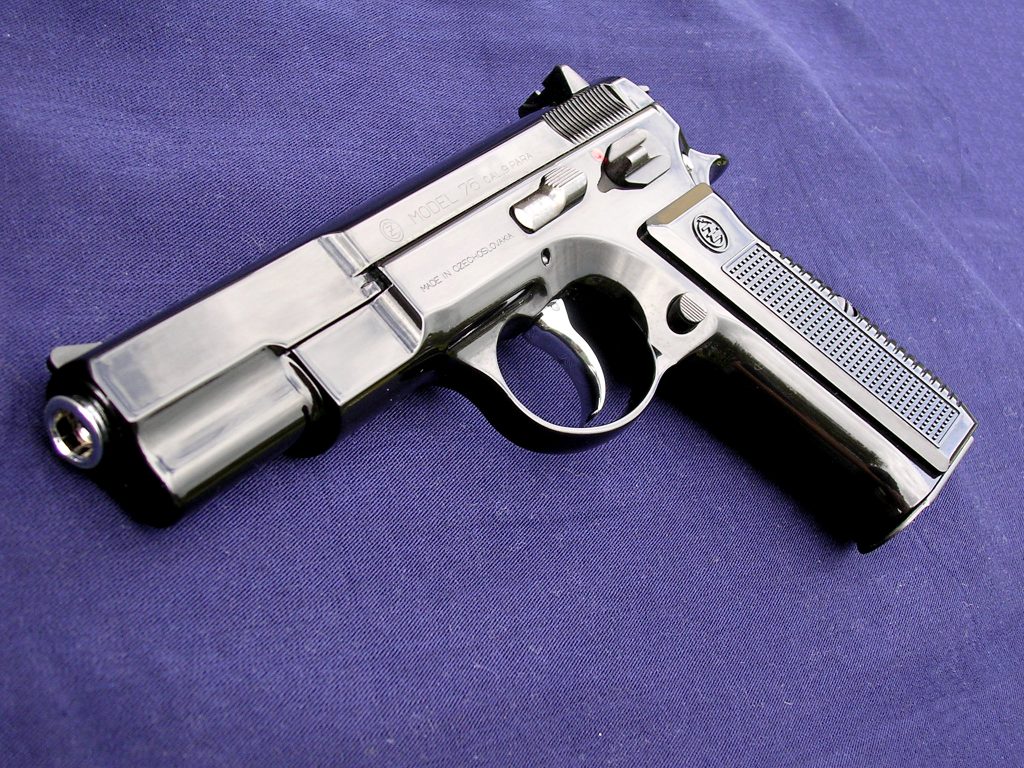
7. CZ 75
The CZ 75 brought together traits shooters rarely got in one package: high capacity, a comfortable grip shape, all-steel weight, and excellent practical accuracy. Its slide-in-frame arrangement also gave it a distinctive feel in recoil and handling. The pistol’s influence spread far beyond its original production line. Clones, competition variants, and design descendants appeared across markets for decades, making the CZ pattern one of the most copied 9mm handgun architectures in the world. That matters because the round’s reputation was built not only by official issue pistols, but also by designs that shooters trusted enough to replicate endlessly.
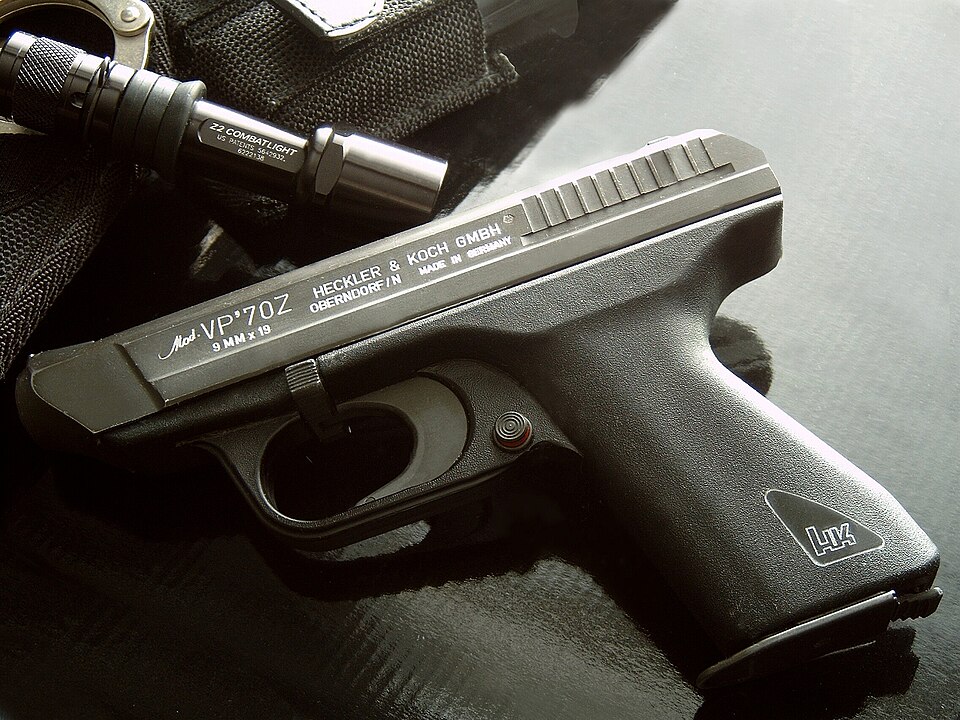
8. Heckler & Koch VP70
The VP70 was never the most beloved 9mm pistol, but it was far ahead of its time. Introduced with a polymer frame long before Glock made that concept mainstream, it demonstrated that radical materials and unconventional engineering could be paired with the 9mm cartridge. Its trigger and ergonomics kept it from becoming a universal favorite. Even so, it proved that the caliber could live inside futuristic design thinking rather than remain tied to blued steel and walnut-era expectations. In retrospect, the VP70 looks less like an outlier and more like an early signpost.
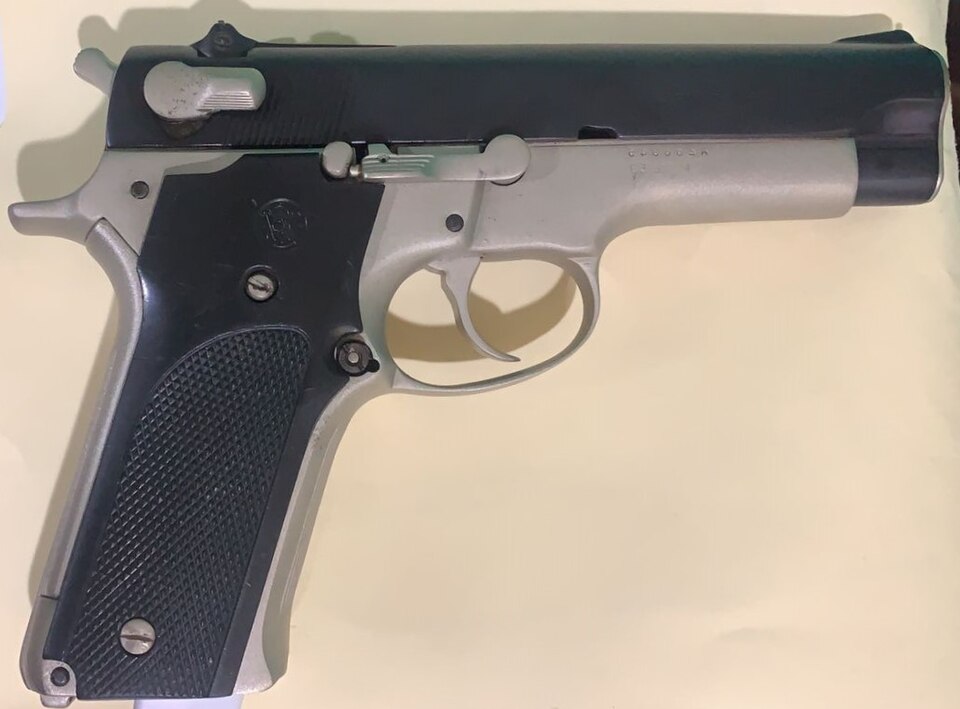
9. Smith & Wesson Model 59
The Model 59 was one of the key American bridges into the high-capacity 9mm era. Derived from earlier Smith & Wesson autos but expanded into a double-stack format, it helped move U.S. law enforcement and civilian shooters toward the idea that greater onboard capacity was a serious functional advantage. That was a cultural shift as much as a technical one. Before polymer-framed pistols took over, guns like the Model 59 made the 9mm feel domestically relevant in a market long shaped by revolvers and big-bore autoloaders. It gave American shooters a homegrown example of what a modern 9mm duty pistol could be.
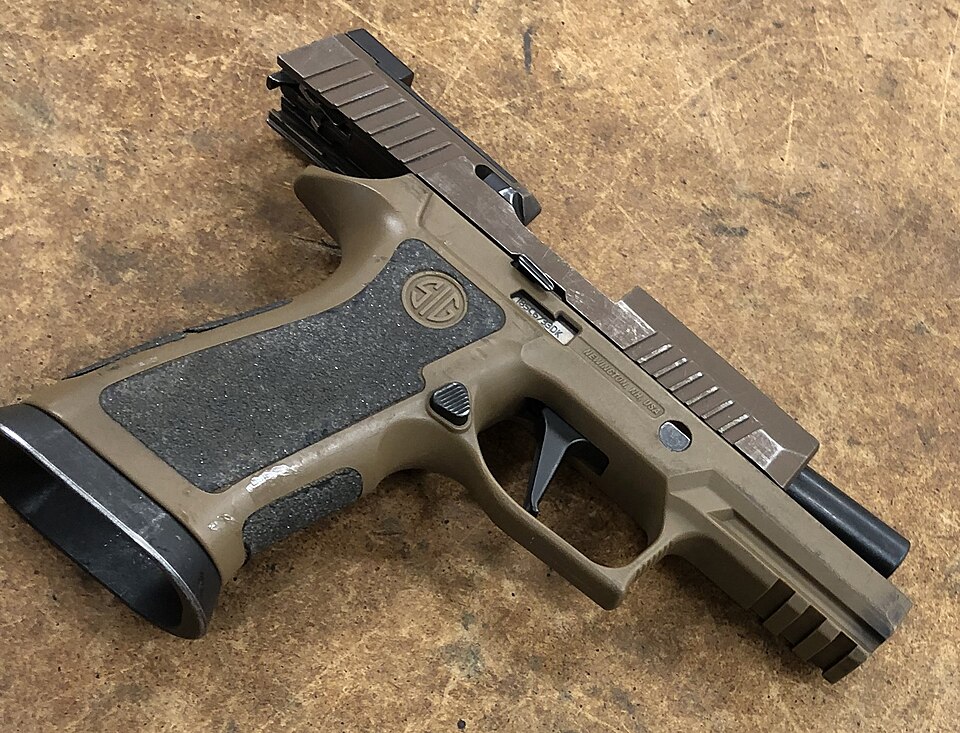
10. SIG Sauer P320
The P320 represents the 9mm’s modular age. Its serialized fire-control unit turned the handgun into a more adaptable platform, allowing grip modules and configurations to change without redefining the core firearm. That architecture aligned perfectly with a cartridge already known for broad utility. When major institutions moved toward modularity, optics readiness, and easier fleet management, the 9mm remained the chambering best suited to those priorities. The P320 did not establish the caliber’s reputation on its own, but it showed how completely the 9mm had become the default foundation for the next generation of duty pistol design.
The handguns on this list did not all succeed in the same way. Some spread through formal military adoption, some through police service, and some through design influence that outlived their original production runs. Together, they made the 9mm handgun seem dependable, efficient, and endlessly adaptable. That is the real source of the cartridge’s global reputation: not one famous pistol, but a long chain of machines that kept proving the same point in different eras.


