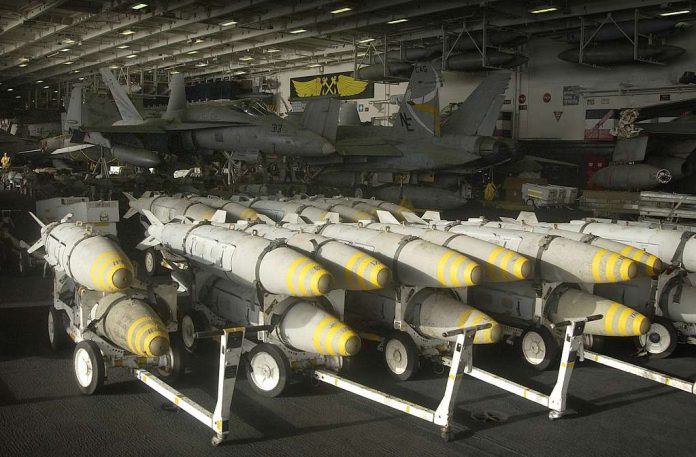
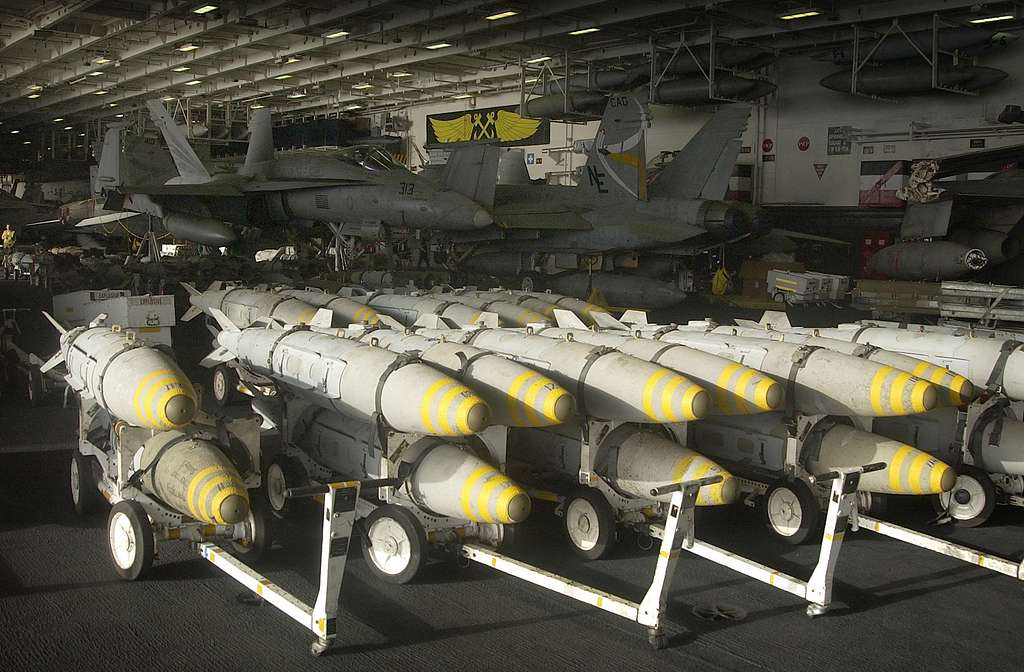
Sometimes the most important part of a bomb is not the blast, but where the blast happens. The GBU-72 Advanced 5K Penetrator has drawn attention because it is built for one of the hardest target sets in modern air warfare: missile storage and launch infrastructure buried under earth, rock, and reinforced concrete.
Rather than treating the subject as a strike by strike news update, the more revealing question is what this weapon says about how the U.S. approaches hardened underground threats near critical shipping lanes such as the Strait of Hormuz. The answer starts with engineering. It also ends there.
1. It is designed to survive the impact that would destroy ordinary bombs
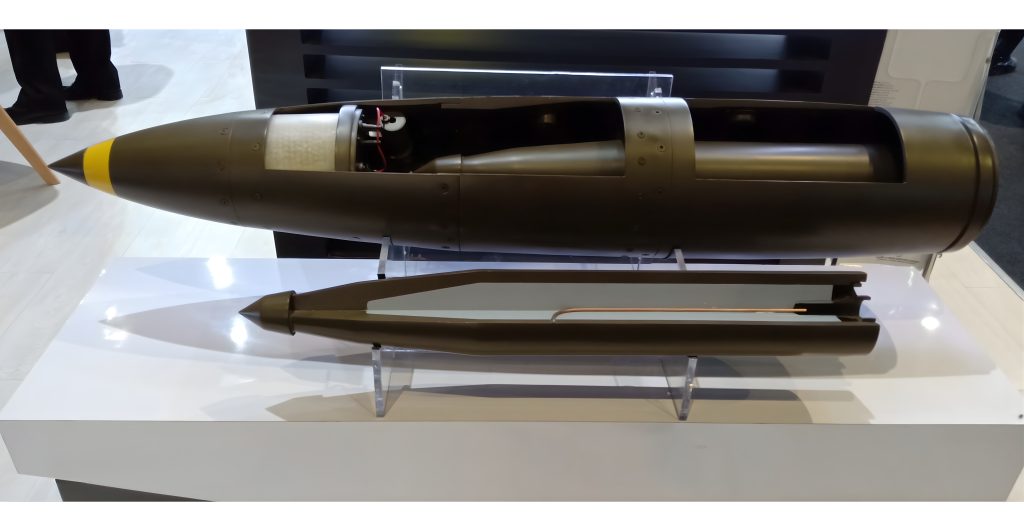
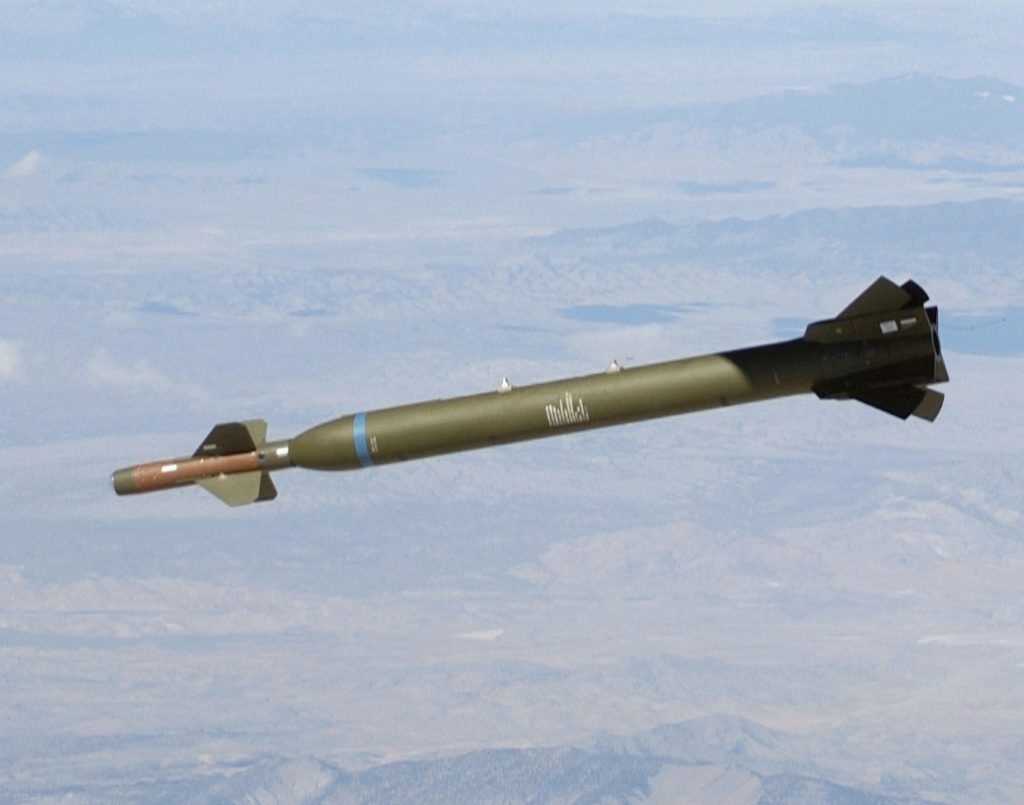
The GBU-72 is a 5,000-pound-class penetrator built to stay intact long enough to reach the protected space inside a buried target. Its narrow, elongated body concentrates force at impact instead of spreading it across a wider surface. That basic geometry matters because a penetrator fails if it breaks up too early. Air Force materials say the weapon was developed to address hardened deeply buried target challenges. That puts it in a different category from general-purpose bombs, which are built to detonate on or near the surface rather than burrow through layers of protection first.
2. The delayed fuse is what turns penetration into destruction
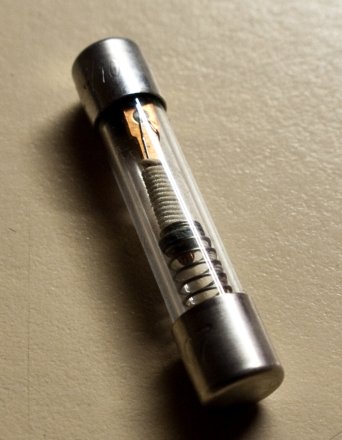
Penetration alone does not defeat an underground complex. The fuse timing is the critical second step. The bomb is intended to detonate only after it has passed through soil, rock, or concrete and reached a useful depth. That creates an enclosed blast environment. In tunnels and storage chambers, pressure is trapped, reflected, and forced through confined spaces, which can collapse passageways, crush support systems, and disable stored weapons even when fragments are not the main killer. For underground missile sites, that can be more decisive than a visible surface crater.
3. It modernizes an older bunker-buster concept instead of replacing it with sheer size
The GBU-72 is widely described as the successor to the GBU-28, a weapon that has been associated with bunker-busting missions since the early 1990s. What makes the newer bomb notable is not that it is vastly larger, but that it packages improved lethality, smarter fuzing, and newer guidance into a 5,000-pound class weapon. According to Air Force test reporting, its projected effectiveness was shaped by advanced modeling and simulation techniques before the first warhead was forged. That points to a larger change in weapons development: digital design and testing are now compressing the path between concept, representative prototype, and operational integration.
4. Its guidance package matters as much as its weight
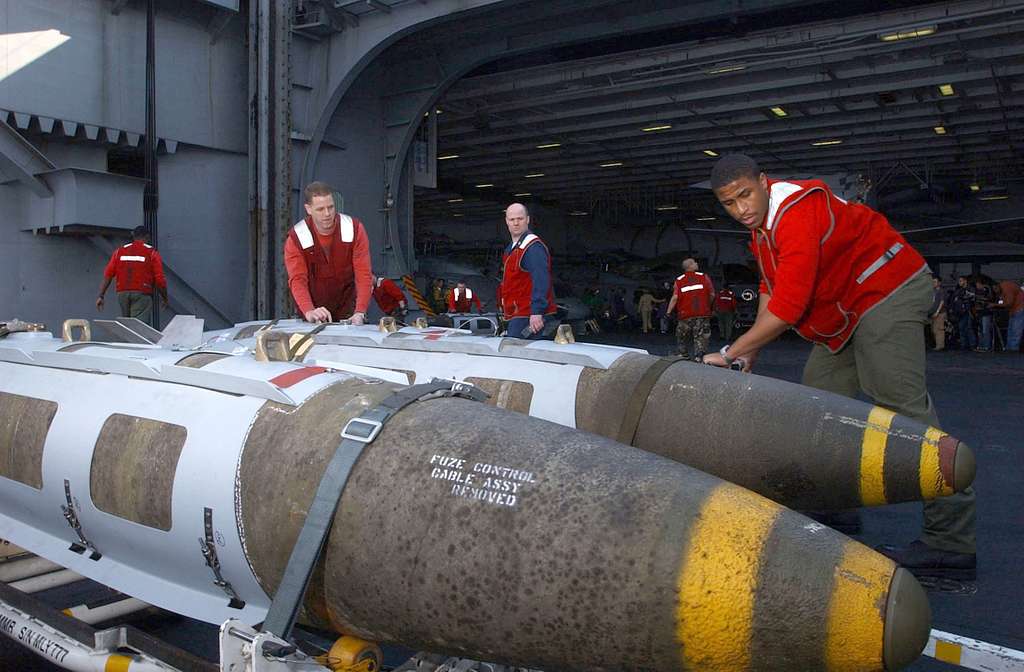
A heavy penetrator still has to hit the correct patch of ground. Reference reporting describes the bomb as using a GPS-assisted inertial navigation system tied to a JDAM-derived tail kit. That combination matters because buried facilities are only vulnerable at certain aim points: tunnel entrances, thinner overhead cover, junctions, or known storage areas. Precision turns a penetrator from a blunt instrument into a structural attack tool. A miss of even a short distance can mean hitting the strongest part of a complex instead of its weak seam.
5. Aircraft compatibility gives it operational flexibility
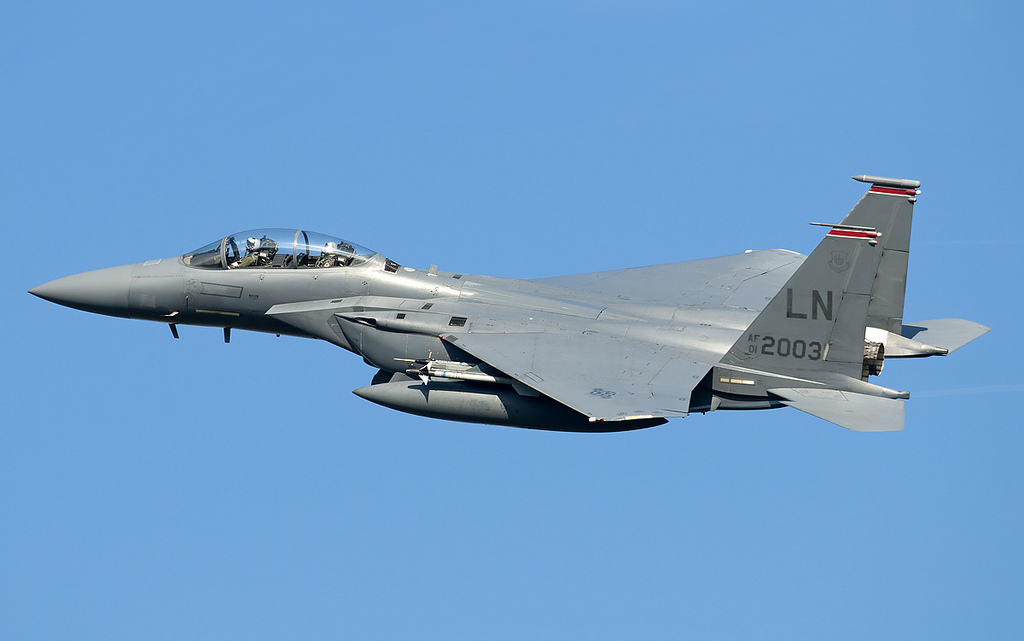
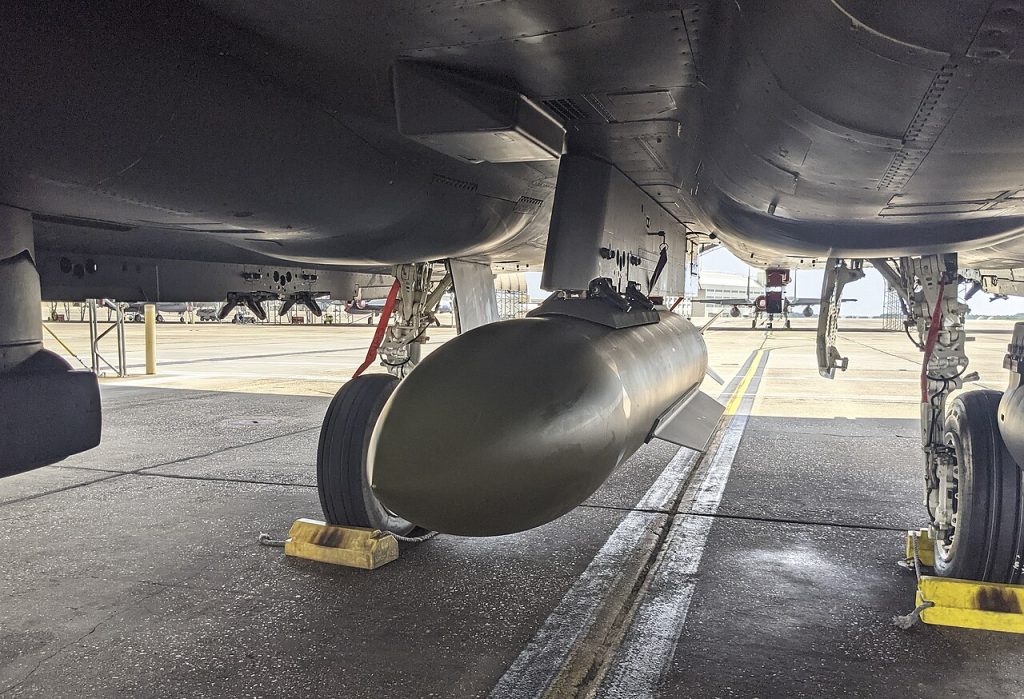
Public reporting indicates the GBU-72 has been tested from the F-15E Strike Eagle and associated with the B-1B as a certified or developing carriage platform. That matters because a weapon becomes more useful when commanders can assign it to both a fighter and a bomber fleet rather than reserving it for a single niche aircraft. The 2021 test series at Eglin included the first-ever weapons load, flight and release of the bomb from an F-15E. The Aviationist also noted that only the F-15E and B-1B had been publicly identified as cleared or linked platforms in available reporting as of 2026, though operational specifics remain limited.
6. It fills the gap between standard penetrators and ultra-heavy bunker busters
Not every buried target justifies the use of the largest conventional penetrator in the inventory. The GBU-72 occupies the middle ground between 2,000-pound-class penetrators such as BLU-109-based weapons and the much larger Massive Ordnance Penetrator. That middle tier is strategically useful.
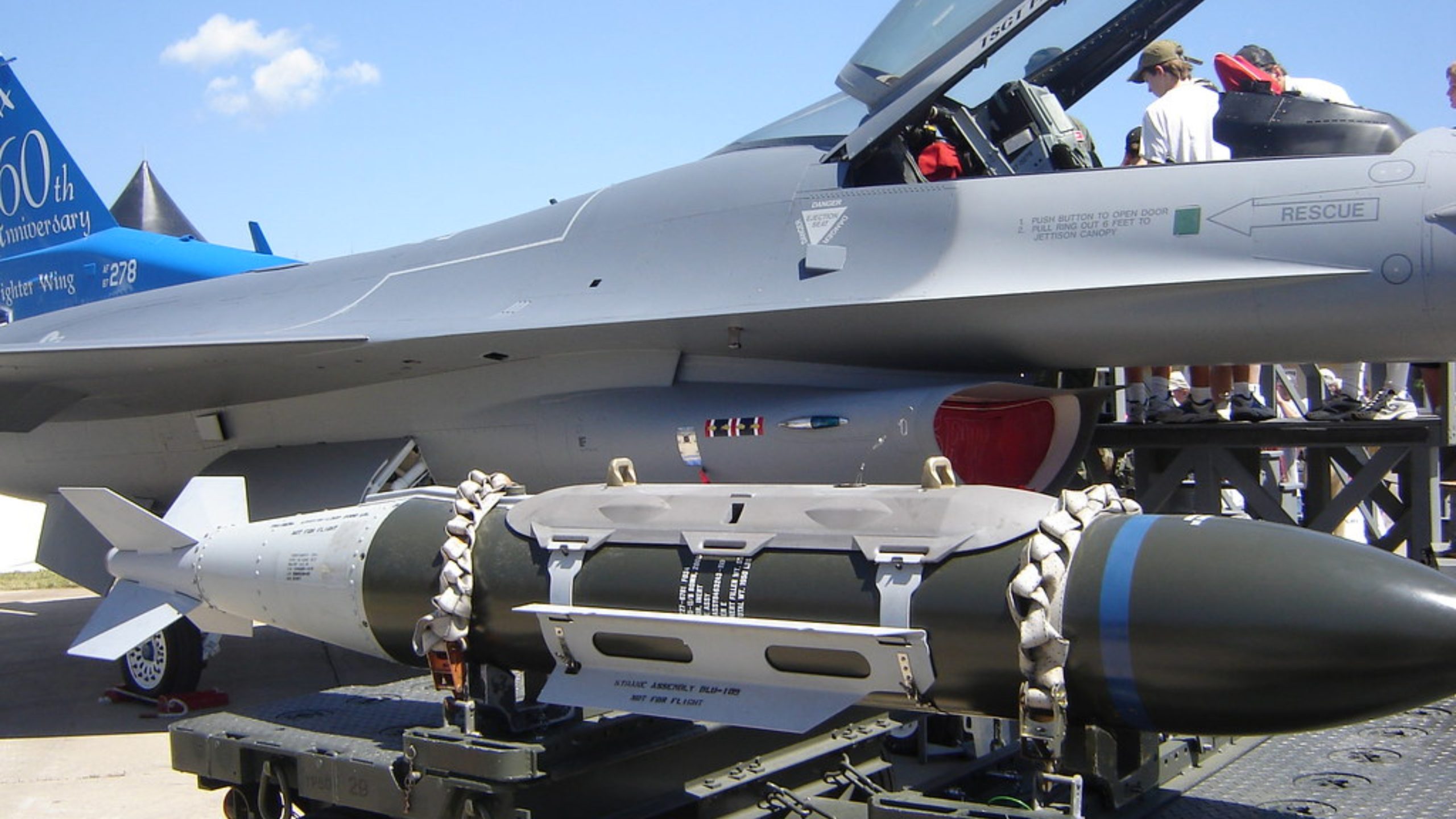
It gives planners a way to attack deeply buried sites without spending the scarce capacity, platform access, and mission planning burden associated with the heaviest bunker-busting options. In practical terms, it expands the number of targets that can be treated as vulnerable rather than protected by default.
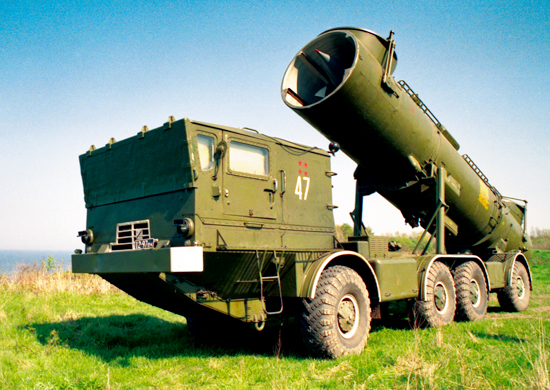
7. Its broader impact is maritime as much as tactical
When a penetrator is used against coastal missile infrastructure near the Strait of Hormuz, the engineering story connects directly to a shipping story. Buried anti-ship missile sites are difficult to neutralize with ordinary air-delivered weapons, yet they can threaten one of the world’s most sensitive maritime chokepoints. That makes the GBU-72 more than another bomb in the catalog. It is a tool aimed at the specific problem of underground launch and storage networks that can hold sea-lane traffic at risk while remaining physically protected. In that sense, the weapon’s significance is not just destructive power.
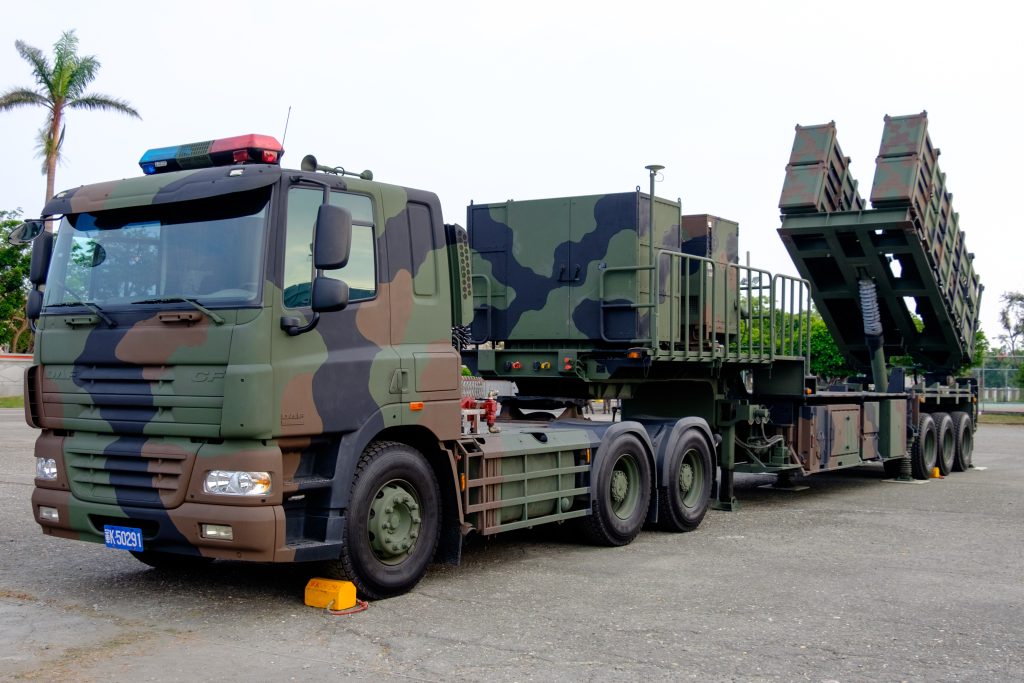
It is the ability to make hardened missile architecture less reliable as a long-term shield. The larger pattern is clear: underground fortification no longer guarantees sanctuary if precision, penetration, and fuse timing are engineered to work together. The GBU-72 stands out because it packages those three elements into a weapon sized for repeated operational use, not just exceptional missions. For modern defense planning, that is the real shift. Hardened sites are still difficult targets, but they are increasingly being treated as engineering problems with engineering answers.


