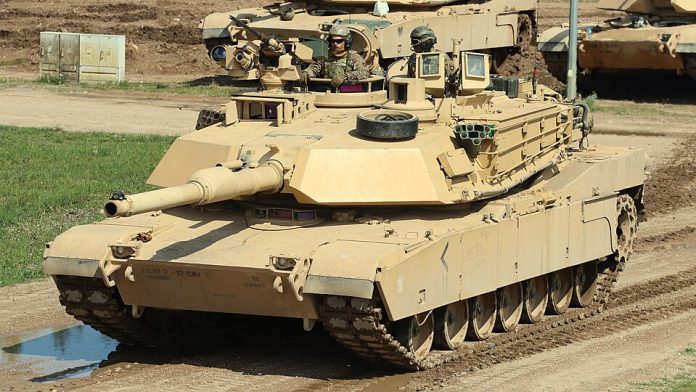
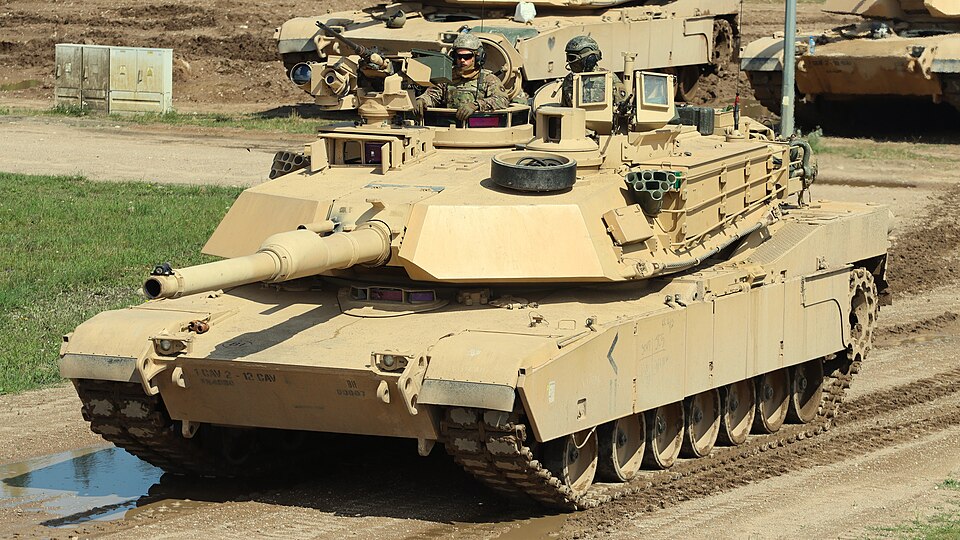
The Abrams entered Ukraine carrying decades of assumptions about what heavy armor can do under fire. What emerged instead was a sharper lesson about the modern battlefield: survivability no longer depends on armor thickness alone. Across Ukraine, drones have turned exposure into vulnerability, mobility into a signature, and expensive platforms into hunted targets. The Abrams is not the only tank to face that reality, but its experience has helped clarify what drone warfare is really changing and what it is not.
1. Top armor is now a primary battlefield problem
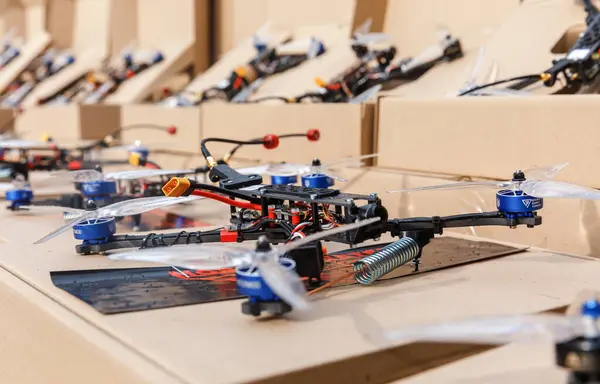
Main battle tanks were built around long-standing expectations of where threats would come from. Frontal arcs, side protection, and hull geometry were shaped for missiles, guns, mines, and artillery fragments. FPV drones changed that geometry by attacking from above and from awkward angles that traditional armor layouts were never optimized to handle.
Reference reporting on tank losses in Ukraine has repeatedly highlighted strikes against engine decks and top-facing sections. That matters because even advanced tanks can be forced out of action without catastrophic penetration. A mobility kill, a damaged sight, or a disabled turret can remove a tank from the fight as effectively as total destruction.
2. Visibility has become as dangerous as enemy fire
Drone warfare has made concealment harder to maintain and movement easier to detect. Heavy armor still offers protection and firepower, but the act of relocating, idling, or recovering a vehicle can create a chain of signatures for surveillance drones and strike systems to exploit.
This is one of the hardest truths exposed by Abrams operations in Ukraine. A tank is no longer judged only by armor and gun performance; it is judged by how well it can survive in an environment of persistent observation. Thermal output, route discipline, spacing, and electromagnetic awareness now shape survivability as much as steel and composite arrays.
3. Cheap drones can impose expensive tactical limits
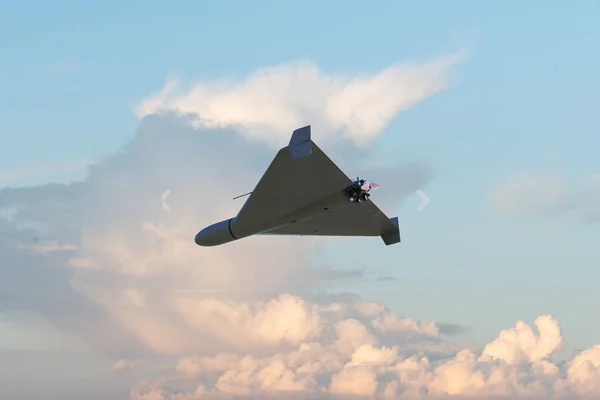
The economic imbalance is impossible to ignore. Ukraine demonstrated that relatively low-cost FPV systems can threaten vehicles worth millions, forcing commanders to change how and when heavy armor is used. That does not mean drones simply replace tanks. It means they can alter the cost curve of exposing them.
One cited comparison described drones costing around $400 each threatening Abrams tanks valued in the multi-million-dollar range. The deeper implication is operational, not just financial: if low-cost systems can repeatedly deny freedom of maneuver, then armored forces must spend more effort on deception, screening, jamming, dispersion, and route preparation before they can mass combat power.
4. Improvised protection has become part of serious armored design
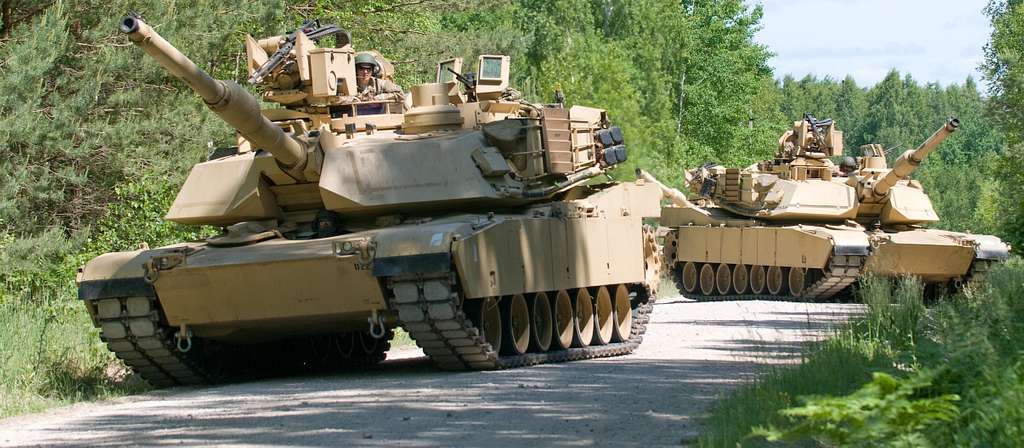
The spread of anti-drone cages and steel screens in Ukraine is often treated as a battlefield curiosity. It is more accurately a rapid adaptation cycle. Ukrainian industry fitted Abrams tanks with overhead and side screening because crews needed immediate protection against a threat that conventional armor packages did not fully address.
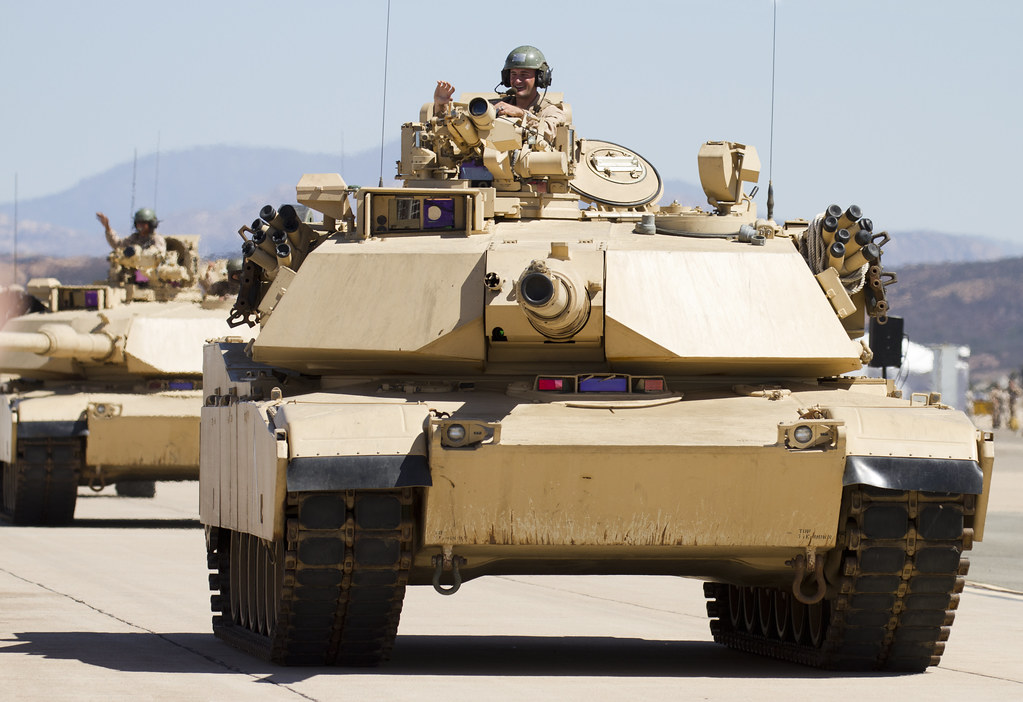
A Ukrainian steelmaker expanded production to Abrams after 31 US-provided M1A1 Abrams tanks arrived in Ukraine. Those screens were not presented as a perfect shield. They were a practical acknowledgment that survival now depends on layered protection, including sacrificial structures that disrupt drone attack profiles before they reach the turret or hull.
5. Active protection systems are necessary, but not sufficient
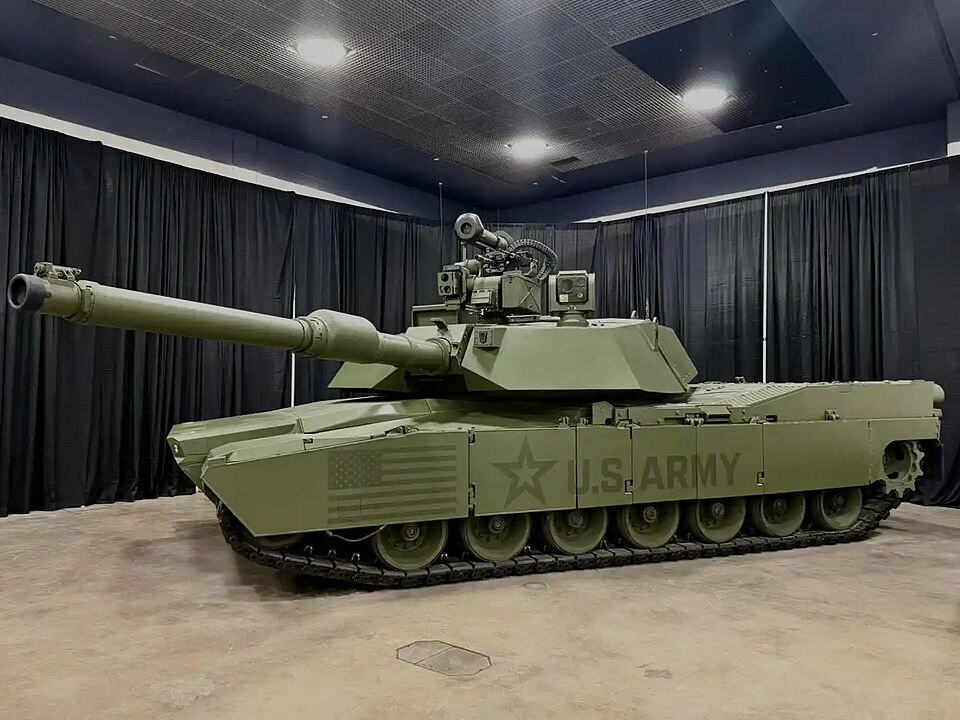
Active protection systems remain central to tank defense, especially against missiles and rockets. But drone warfare is stressing those systems in new ways. Small aerial threats can approach from unusual angles, in sequence, or in numbers that create saturation problems for defenses designed around older attack patterns.
This is why newer Abrams thinking has shifted toward protection built into the vehicle architecture rather than added on later. The U.S. Army’s push toward the M1E3 as a lighter and more modular platform reflects a larger design change: future tanks need integrated protection, lower signatures, and faster upgrade paths because drone threats evolve faster than traditional armor programs.
6. Tanks are being pushed toward stand-off and support roles
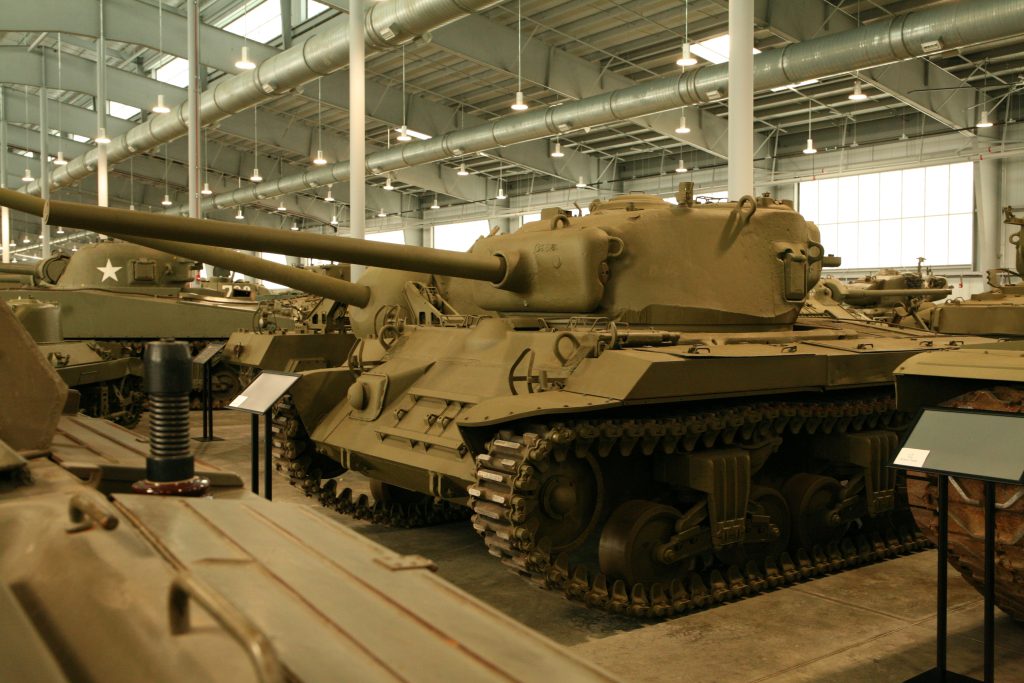
Ukraine’s battlefield conditions have encouraged a more cautious use of heavy armor. Rather than charging forward as the obvious spearhead, tanks are increasingly valued for protected firepower delivered from positions that reduce exposure to roving drones and surveillance networks.
That shift has appeared in reporting on Western tanks in Ukraine, where some have been used more conservatively to avoid drone hunting teams. It is not a sign that tanks have lost military value. It is a sign that the old relationship between armor and forward maneuver is under revision in drone-saturated terrain.
7. Combined arms matters more, not less
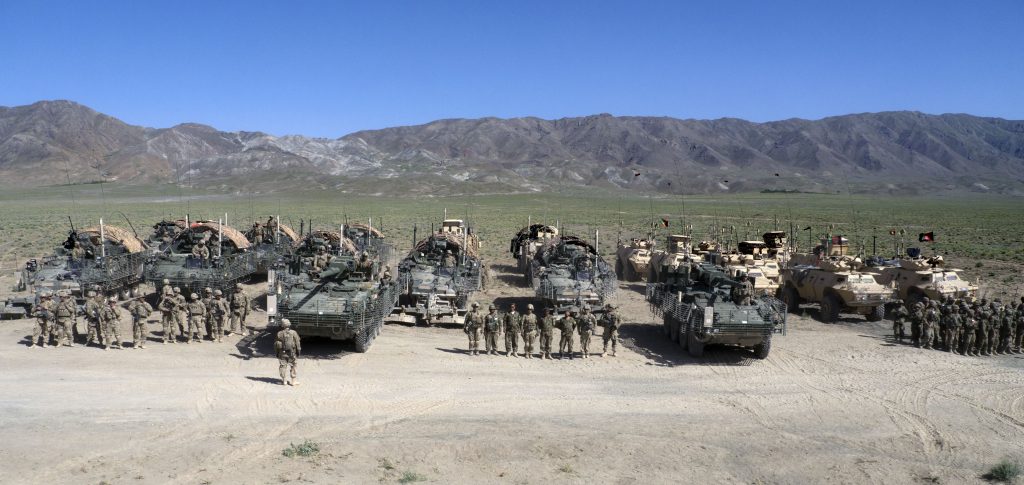
The strongest analytical warning from Ukraine is that drone footage can distort military conclusions. Drones are highly effective, but they do not seize and hold terrain on their own. The real lesson is not that tanks are finished. It is that unsupported tanks are more exposed than ever.
The Modern War Institute argued that drones should be understood within combined arms theory, not as a replacement for it, and described their battlefield effect as creating “more light than heat.” That framing is useful because it separates tactical spectacle from battlefield function. Armor still provides shock action, protected mobility, and direct firepower; drones add reconnaissance, target acquisition, and precision attack. The problem appears when militaries try to let one replace the other.
8. The next generation of tanks is being shaped by Ukraine’s drone lessons
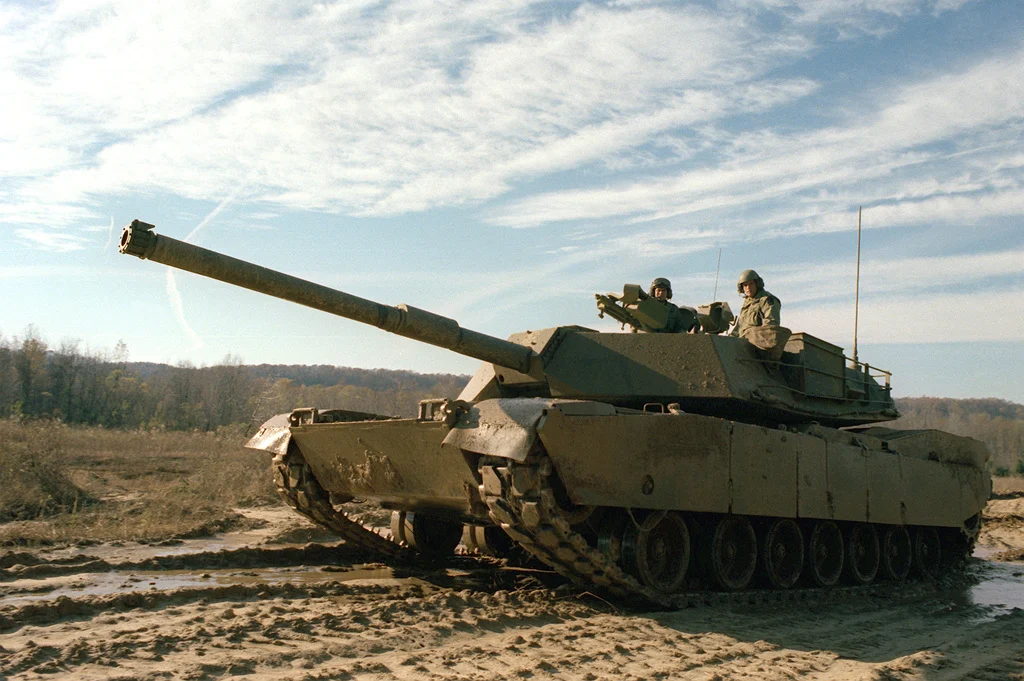
Abrams experience in Ukraine is already influencing future armored design. Weight reduction, modular electronics, hybrid-electric drive concepts, lower thermal signature, and anti-drone defenses are no longer optional enhancements. They are becoming baseline requirements for relevance. That design shift can be seen in U.S. plans for a lighter, quieter Abrams successor architecture with built-in adaptability. The hard truth is straightforward: a tank designed only to survive missiles and shells belongs to an older threat environment.
A tank designed for the 2030s must also survive cheap drones, constant surveillance, and compressed upgrade cycles. The Abrams in Ukraine did not settle the long-running argument over whether tanks remain viable. It clarified something more useful. Drone warfare punishes exposure, weakens old assumptions about protection, and rewards armies that can connect armor, infantry, engineers, electronic warfare, reconnaissance, and drones into one system. That is the hard truth heavy armor has exposed. The drone age is not ending the tank; it is forcing the tank to relearn how to fight.


