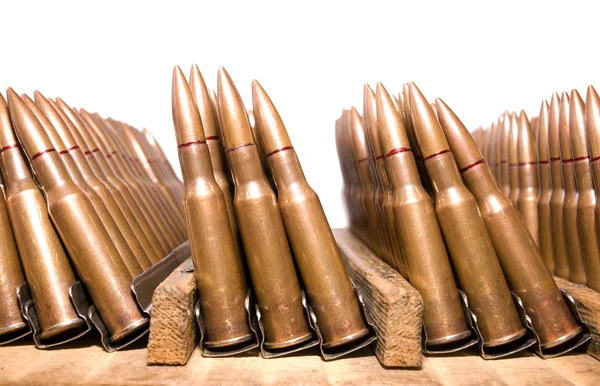
Some rifle cartridges earn reputations far bigger than their real field envelope. That disconnect matters most when a round leaves the target range and enters the woods, where bullet construction, retained energy, sectional density, and penetration decide whether a shot ends quickly or turns into a long recovery. The issue is not whether these cartridges are useful. Many are excellent inside the jobs they were designed to do. The problem starts when popularity, military pedigree, or raw velocity gets mistaken for dependable performance on heavy game.
1. .223 Remington
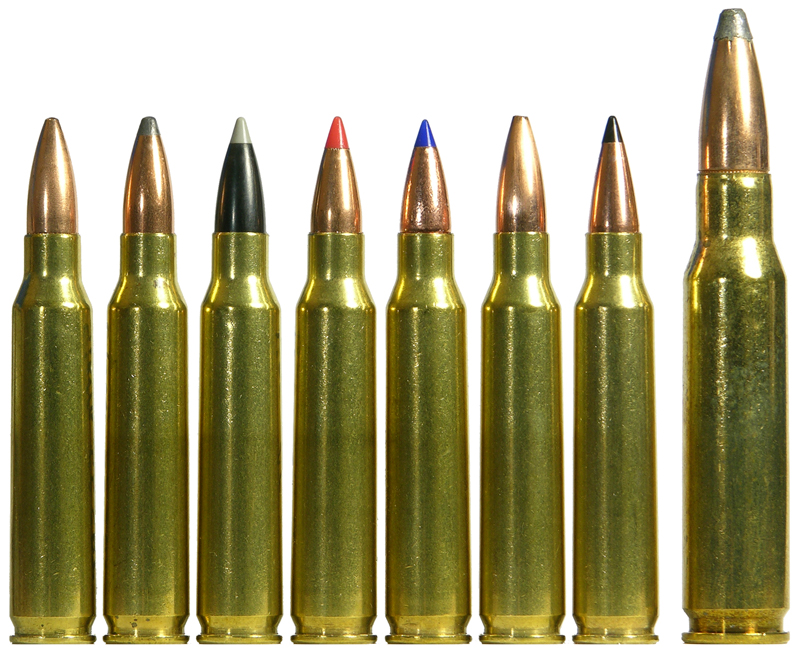
The .223 Remington remains one of the most familiar small-bore rifle cartridges in North America, and that familiarity can inflate confidence beyond what the round actually delivers on large animals. With common 55-grain loads moving around 3,200 feet per second, muzzle energy looks respectable on paper, but the cartridge was never built to punch deeply through thick shoulder bone and heavy muscle.
That gap becomes obvious as distances stretch. The cartridge is efficient, soft recoiling, and accurate, but those virtues do not replace mass. Even advocates of small-caliber hunting usually limit the .223 to varmints, predators, and carefully selected deer use under controlled conditions.
2. 5.56 NATO
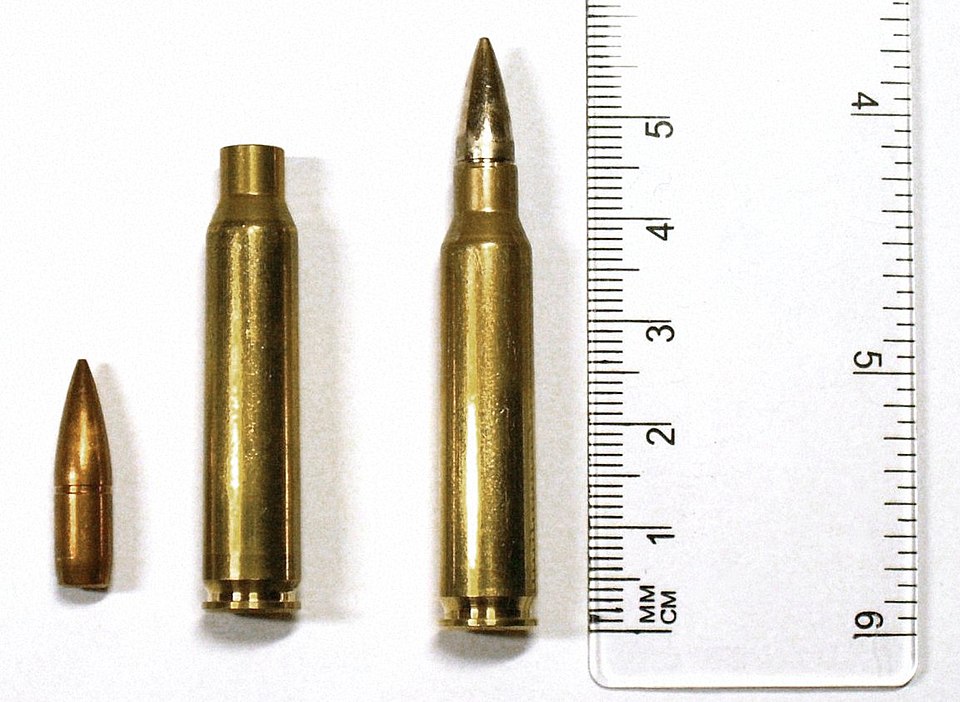
Because it shares bullet diameter and broad similarities with .223 Remington, 5.56 NATO often inherits the same exaggerated expectations. It does gain velocity through higher operating pressure, but that increase does not transform it into a reliable big-game round. A cartridge celebrated for controllability in service rifles still depends heavily on speed for terminal effect, and velocity loss downrange narrows its margin further.
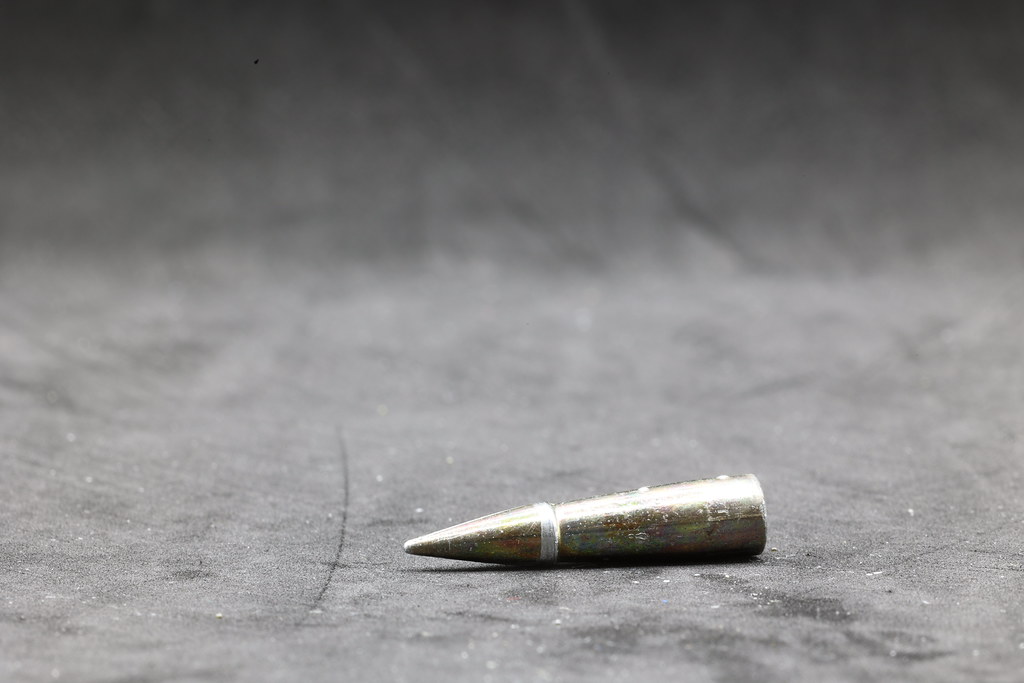
That broader limitation helps explain why the U.S. Army moved toward 6.8x51mm as a harder-hitting service cartridge for greater range and energy. In a hunting context, that same lesson is straightforward: light recoil and high popularity do not erase the basic constraints of bullet weight and penetration.
3. .22-250 Remington
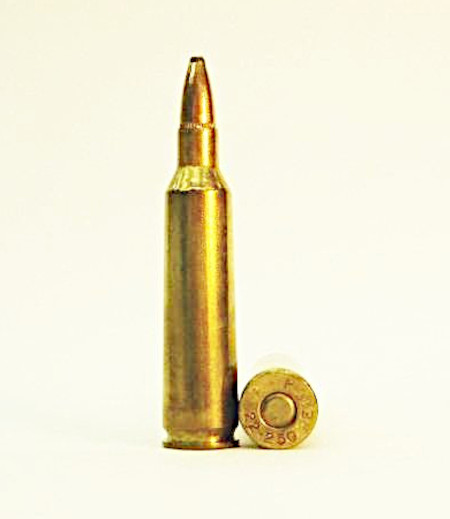
The .22-250 Remington is one of the great high-velocity cartridges, and speed can be seductive. With many loads pushing past 3,800 feet per second, it shoots flat enough to make small targets look easy. On prairie dogs, coyotes, and similar work, that reputation is well deserved.
On heavy game, the same formula becomes a liability. Light bullets can expand violently, lose momentum quickly, and fail to drive deep enough after striking bone or dense tissue. High velocity creates impressive numbers, but momentum and bullet integrity still govern what happens after impact. As ballistic testing standards show, penetration, expansion, and energy transfer must be evaluated together rather than treated as interchangeable.
4. .243 Winchester
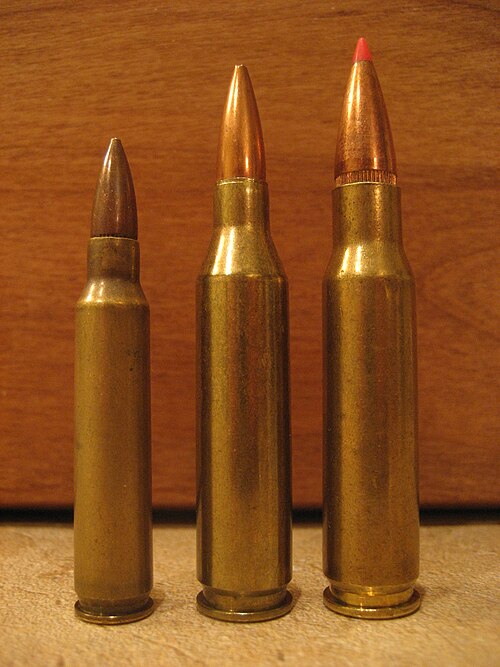
The .243 Winchester occupies a legitimate place in hunting because it balances modest recoil with enough performance for deer-sized game. In that role, it has endured for good reason. Loaded with 90- to 100-grain bullets, it can be highly effective on whitetail and pronghorn when range and angle are sensible.
The trouble begins when that success gets stretched upward. Moose and elk demand more from a bullet than clean broadside deer shots. The .243 simply gives the shooter less margin for imperfect angles, quartering shots, and heavy shoulder structure than larger cartridges with more frontal authority and deeper penetration potential.
5. 7.62x39mm
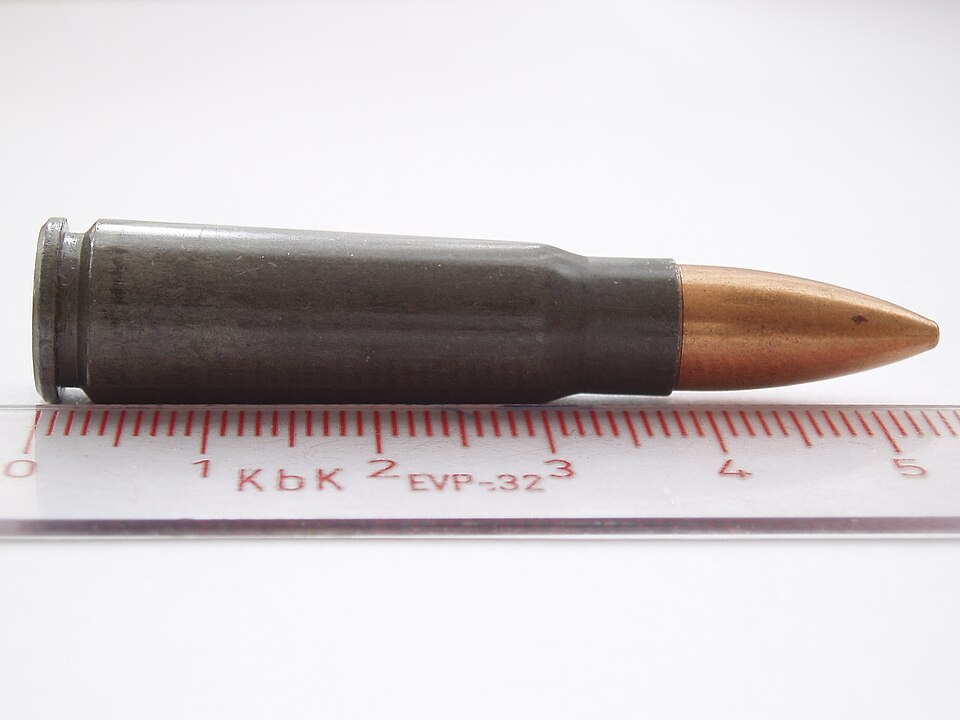
The 7.62x39mm has a reputation for rugged practicality, and in the roles it was designed for, that reputation is deserved. It launches a roughly 123-grain bullet at moderate velocity, producing a useful short-range combination of manageable recoil and acceptable punch. For deer at close distances, it can work.
Its limitations arrive quickly beyond that. Compared with lighter, faster small-caliber rifle rounds, 7.62×39 drops faster and gives up range, which narrows shot options in open country. It also lacks the velocity reserve that helps a hunting bullet expand consistently at distance. The cartridge remains effective inside its lane, but its lane is much narrower than its combat fame suggests.
6. .30 Carbine
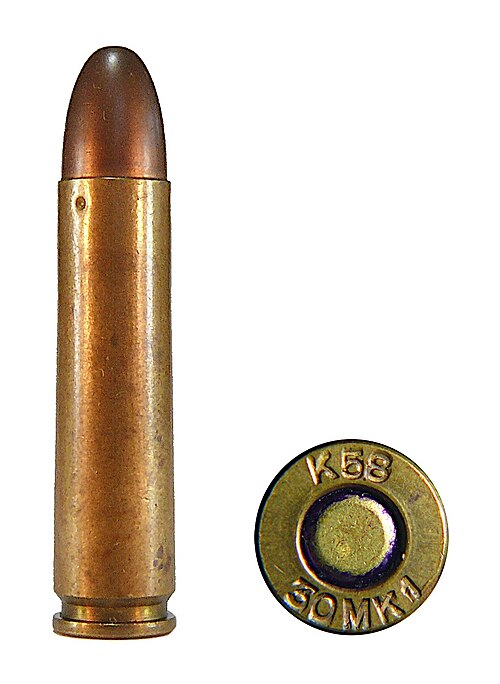
The .30 Carbine survives on historical familiarity more than hunting merit. Designed around the M1 Carbine, it fires a 110-grain bullet at roughly 1,990 feet per second, placing it much closer to a powerful handgun-class performer than a modern all-around hunting rifle cartridge.
That was recognized long ago. Even critics writing about overrated cartridges singled out the .30 Carbine as short-ranged and underpowered. In the field, that means limited penetration, limited reach, and little reason to choose it where a true deer cartridge is available.
7. .17 HMR
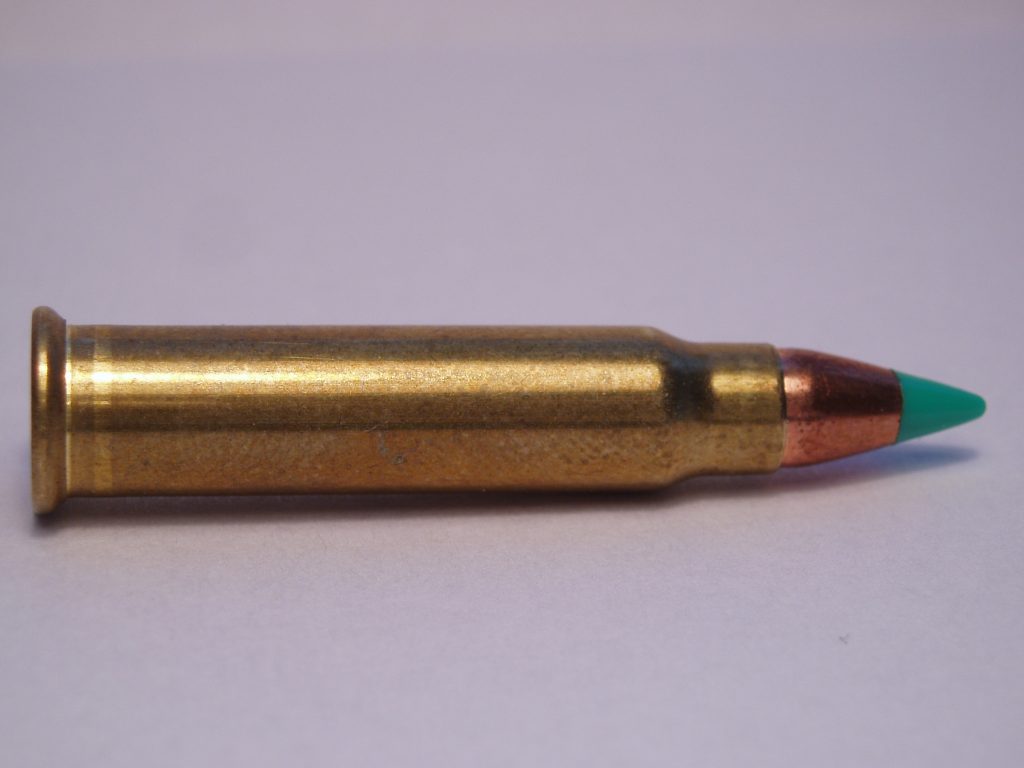
The .17 HMR is a superb illustration of the difference between precision and power. It is fast for a rimfire, famously flat within its intended distance, and often extremely accurate on small targets. None of that changes the fact that it produces only a fraction of the energy required for medium or large game. That is the shortest entry on the list because the verdict is the clearest. A tiny, fragile rimfire bullet is not a substitute for centerfire hunting performance.
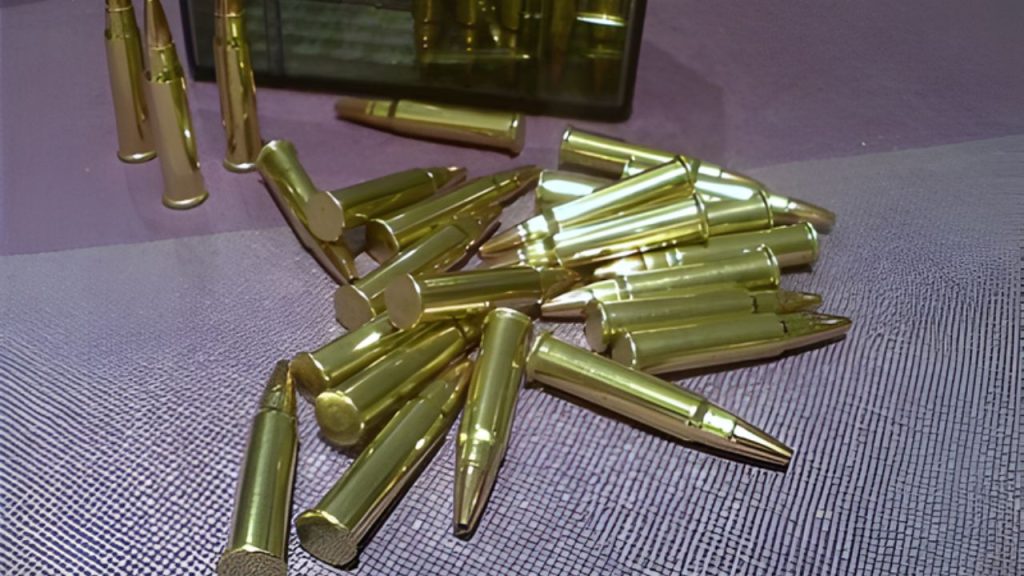
All seven cartridges share the same problem: they are often praised for what they do well, then misapplied to jobs that demand more bullet weight, more penetration, or more retained energy. Popularity is not proof of versatility. For hunters, the engineering lesson is simple. Cartridge choice is not about chasing the fastest round, the lowest recoil, or the biggest reputation. It is about matching bullet design and impact performance to the animal in front of the muzzle.


