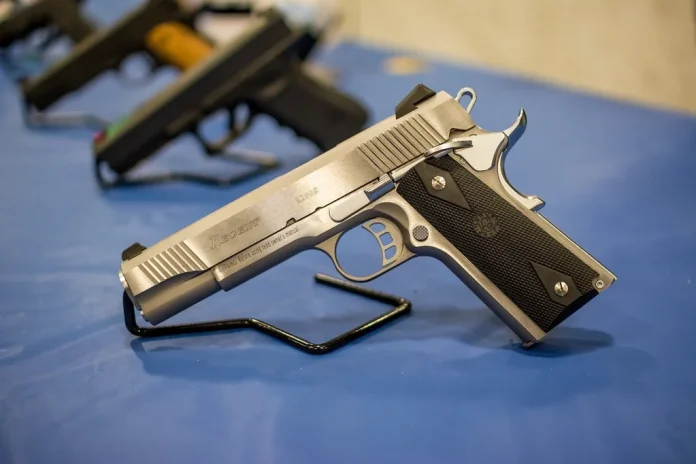
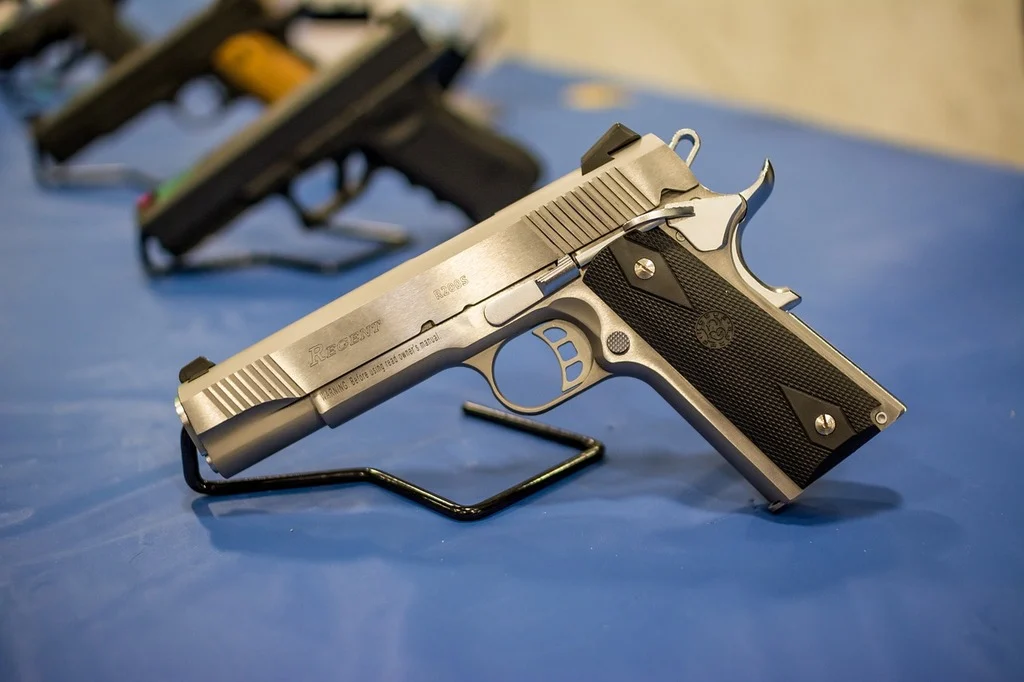
Some gun designs fade into collector lore. Others become the measuring stick that later firearms are judged against. The models below endured for a simple reason: each solved a real engineering problem so effectively that its influence spread far beyond its original era. A few set standards for reliability, others changed manufacturing, and several reshaped what shooters expect from handling, capacity, or durability.
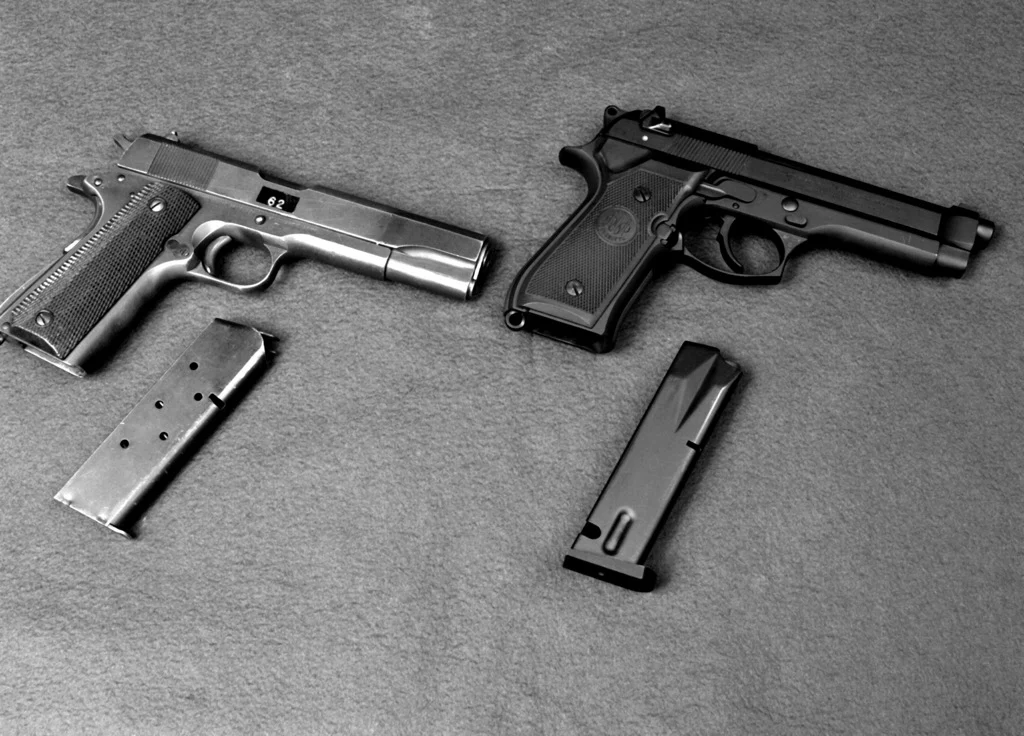
1. Colt 1911
The 1911 remains one of the clearest examples of a pistol whose mechanical layout outlived the world that created it. John Browning’s recoil-operated design paired a slim single-stack frame with the .45 ACP cartridge and a trigger system that many shooters still treat as a reference point for break quality and control. Its military life alone gave it unusual staying power, with the U.S. fielding it as its standard sidearm for 1911 to 1984.
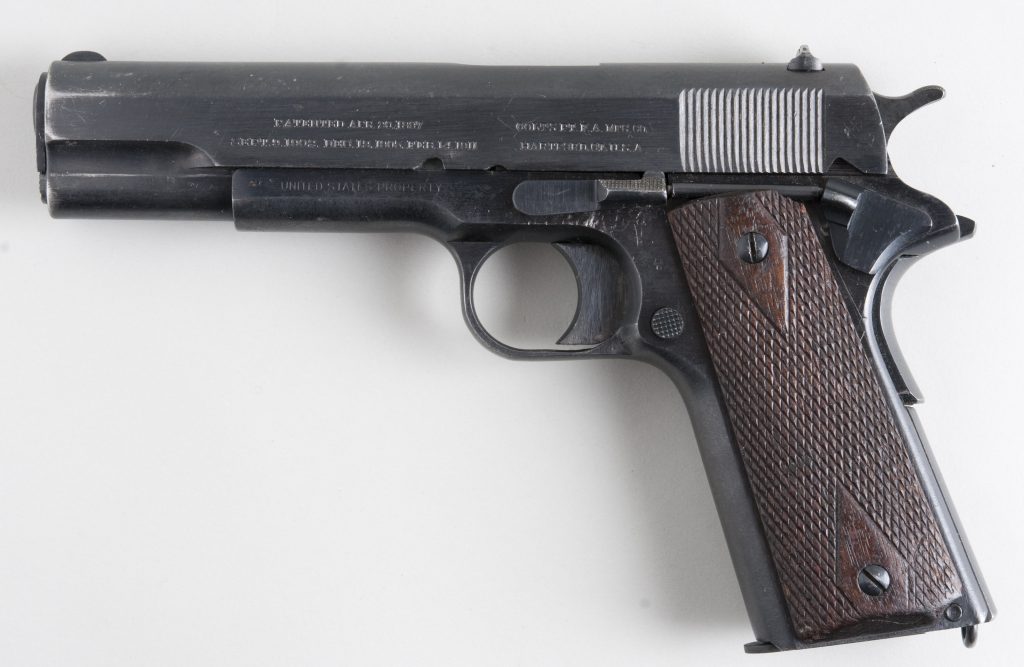
Its reputation was not built on nostalgia alone. A 1910 endurance trial that ran 6,000 rounds with minimal interruption helped establish the pistol’s credibility long before modern torture testing became a marketing term. Later refinements created the M1911A1 pattern, but the essentials stayed intact: a steel frame, manual and grip safeties, a seven-round magazine, and ergonomics that reward careful shooting. Even after official replacement, specialized military and competitive versions kept the platform alive because the core geometry still worked.
2. Glock 17
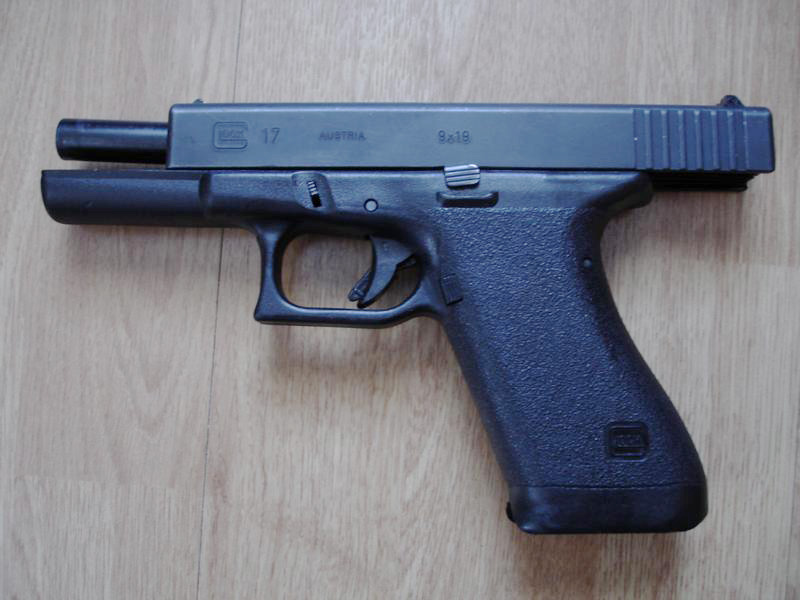
The Glock 17 changed duty handguns by making polymer normal. When it appeared in the early 1980s, many shooters distrusted a service pistol that broke from the all-steel tradition, yet the formula proved difficult to ignore: lighter weight, simplified controls, striker-fired operation, and a 17-round magazine in a full-size package. Its importance was not just material choice.
The pistol offered a manual-of-arms that was easier for large agencies to standardize, which mattered as departments moved away from revolvers. The Austrian army adopted it in 1983 as the service pistol, and the design quickly spread because it combined corrosion resistance, low part counts, and consistent trigger operation. Myths about “plastic guns” faded once users discovered that the pistol still contained substantial steel and held up under hard use. Modern striker-fired service pistols still follow the path Glock cleared.
3. Smith & Wesson Model 10 and Colt Python
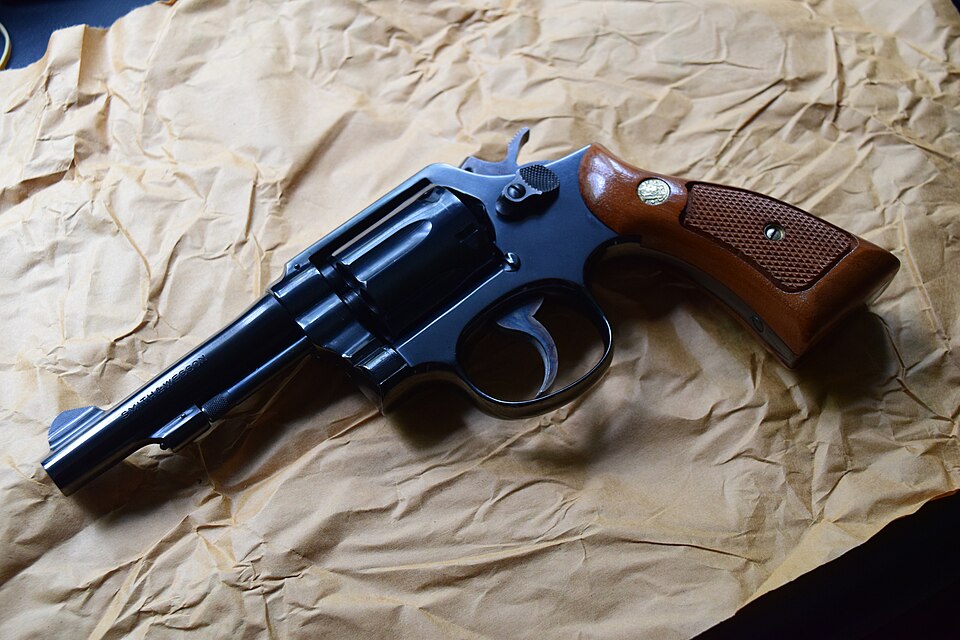
Revolvers no longer dominate police holsters, but their engineering legacy remains hard to overstate. The Smith & Wesson Model 10 represented the practical service revolver at scale: straightforward, durable, and easy to keep running. The Colt Python represented the other end of the spectrum, where lockwork polish, trigger feel, and finish quality turned a sidearm into a benchmark for craftsmanship.
What made classic double-action revolvers so enduring was mechanical clarity. They fed without magazines, tolerated long periods of storage, and gave users immediate feedback through the cylinder, hammer, and trigger stroke. Capacity eventually became their disadvantage, but the platform established generations of expectations about trigger control, timing, and hand-fitting. Even today, revolver design remains a reference point in discussions about precision machining and old-school gunmaking skill.
4. AR-15
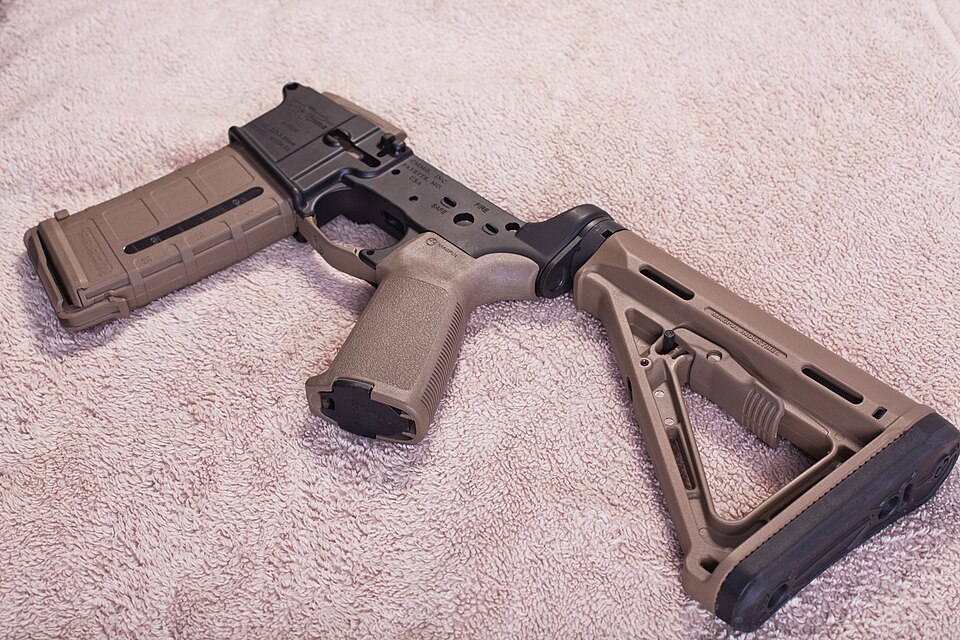
The AR-15 became influential for a different reason: it turned the rifle into a modular system. Eugene Stoner’s design evolved from the AR-10 and ultimately led to the rifle that became the M16, but its larger civilian legacy came from the architecture itself. Upper and lower receivers, inline recoil layout, and straightforward parts interchangeability made the platform unusually adaptable. That flexibility changed the market.
A single core rifle could be configured for target work, field use, competition, or general-purpose shooting with fewer compromises than older fixed-format designs. Stoner’s concept also pushed lightweight materials and a direct gas system into the center of American rifle development. By the time the U.S. military adopted the M16 in 1969 as its standard service rifle, the design’s long-term significance was already becoming clear: shooters were no longer buying only a rifle, but a platform.
5. AK-47
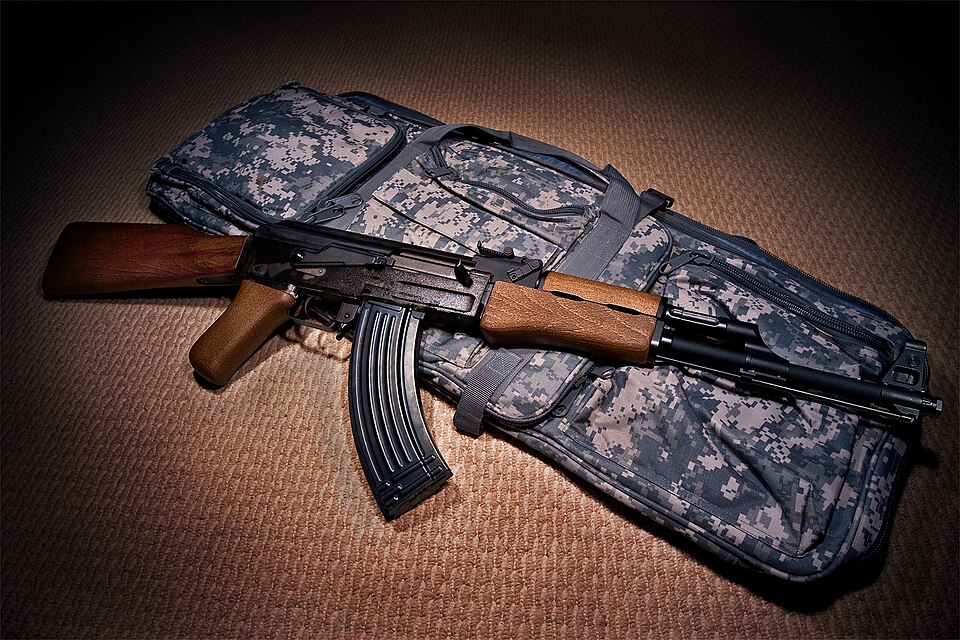
The AK-47 earned its place through a different engineering tradeoff. Rather than chase tight tolerances or target-grade refinement, the Kalashnikov design prioritized function under neglect, debris, and rough handling. Its long-stroke gas system, large moving parts, and generous clearances gave it a reliability profile that became central to its identity. That design philosophy helped the rifle spread globally, but the real lesson is technical.
The AK showed how a weapon could be simplified for mass production without losing practical effectiveness. The original rifle entered Soviet service in 1949, and later stamped-receiver variants made manufacture easier and lighter. Accuracy was never the main story; durability and ease of use were. That balance gave the AK lasting importance as a case study in designing around conditions instead of ideals.
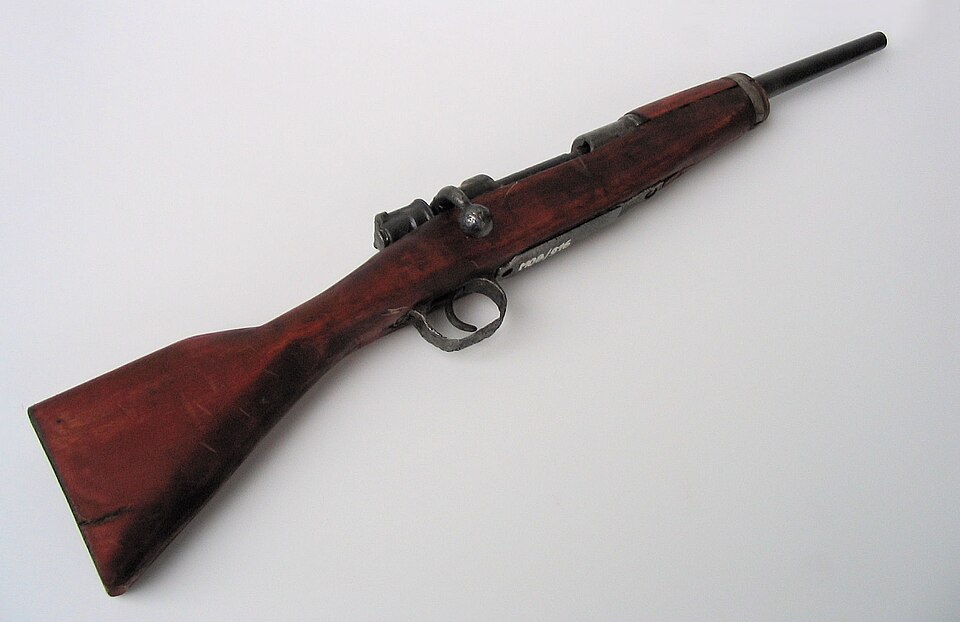
6. Mauser 98
The Mauser 98 remains the blueprint for bolt-action confidence. Its controlled-round feed, massive claw extractor, and strong locking system answered the core reliability question that matters in a manually operated rifle: will the next round chamber and extract under stress, dirt, and awkward handling? That answer shaped generations of rifles.
Sporting and military actions from multiple makers borrowed heavily from the Gewehr 98 pattern because Paul Mauser’s arrangement solved so many problems at once. The action proved strong, smooth, and inherently suited to cartridges of serious power. Long after newer materials and stock designs arrived, rifle builders continued pairing modern barrels and optics with Mauser-style actions because the receiver concept itself had already stood the test.
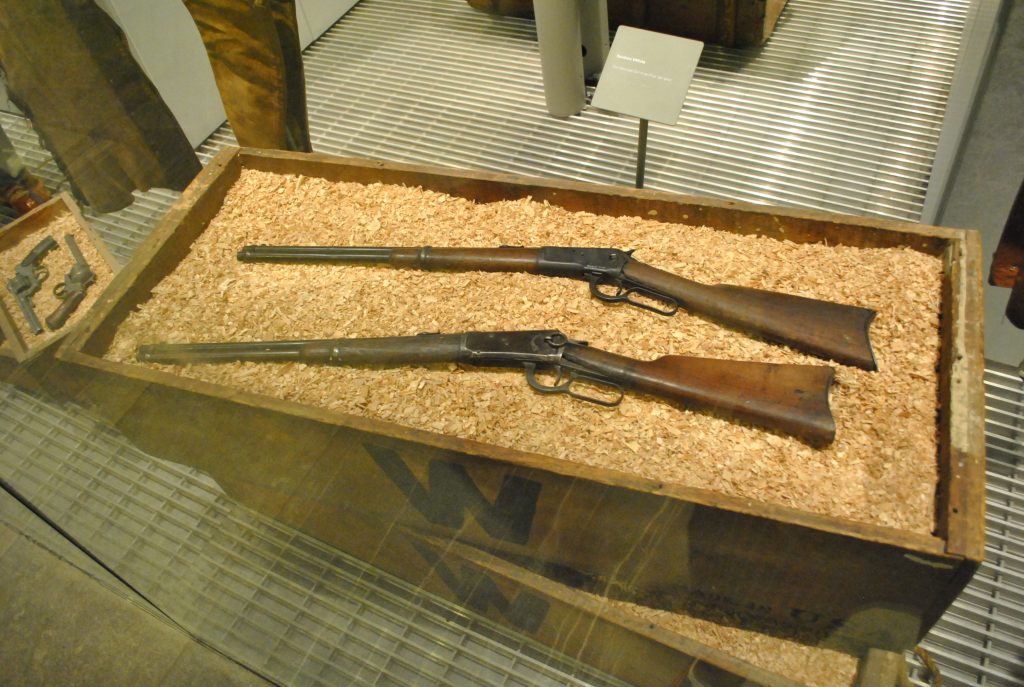
7. Winchester Model 94
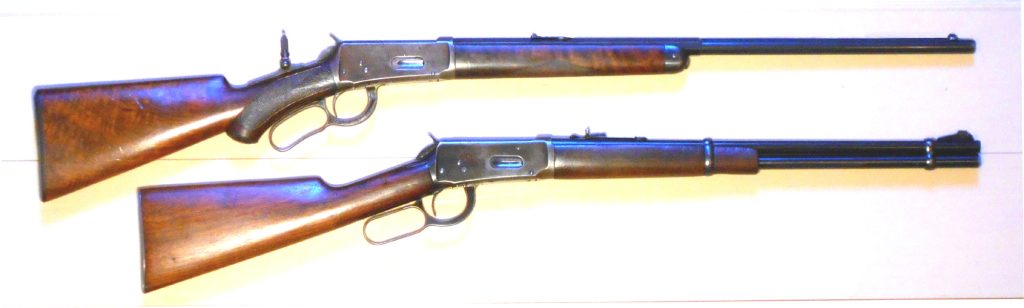
The Winchester Model 94 shows that a firearm can become legendary by matching its era perfectly. Introduced in 1894, it became the first repeating sporting rifle designed around smokeless powder, which gave it a practical bridge between black-powder traditions and modern ammunition.
Its slim receiver, light carry weight, and fast lever action made it especially effective in brush country and saddle scabbards, while .30-30 chambering turned it into one of the defining North American hunting combinations. More than 5.5 million Model 94 rifles were produced, a figure that reflects more than brand loyalty. The rifle delivered exactly what generations of hunters needed: portability, quick follow-up shots, and enough power for common field use without excess bulk.
These designs lasted because they solved different problems better than their rivals. One mastered trigger control, another redefined service-pistol simplicity, another made modular rifles mainstream, and others proved how much durability or action design could matter over decades of use. That is why these firearms still surface in modern conversations. They are not only historical artifacts; they are enduring engineering answers that newer guns still echo.


