Modern 9mm pistols did not arrive through one clean line of progress. The category was shaped by a handful of designs that solved different problems first: magazine capacity, recoil control, simpler controls, lighter frames, easier carry, or better durability under hard use. Some became templates the industry copied directly. Others mattered because they proved an idea before the market was ready. Together, they explain why today’s handguns look, feel, and operate the way they do.
1. Browning Hi-Power
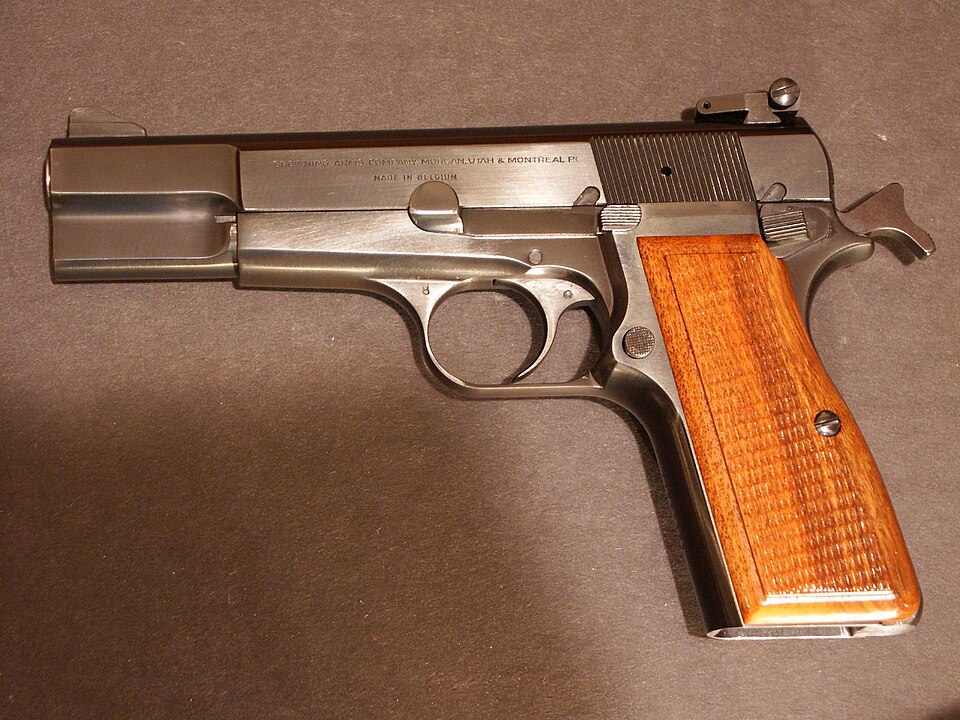
The Hi-Power changed expectations around service-pistol capacity long before double-stack magazines became standard language. Its legacy rests heavily on the fact that it brought 13-round magazine capacity to a slim, full-size 9mm that still pointed naturally in the hand. That balance mattered. Designed by John M. Browning and completed after his death by Dieudonné Saive, the pistol paired firepower with grip dimensions that remained remarkably manageable. Later service pistols borrowed the lesson even when they did not copy the mechanism: higher capacity only works if the gun still feels controllable. The Hi-Power also established an enduring pattern in handgun design, where practical ergonomics could matter as much as raw specifications.
2. Glock 17
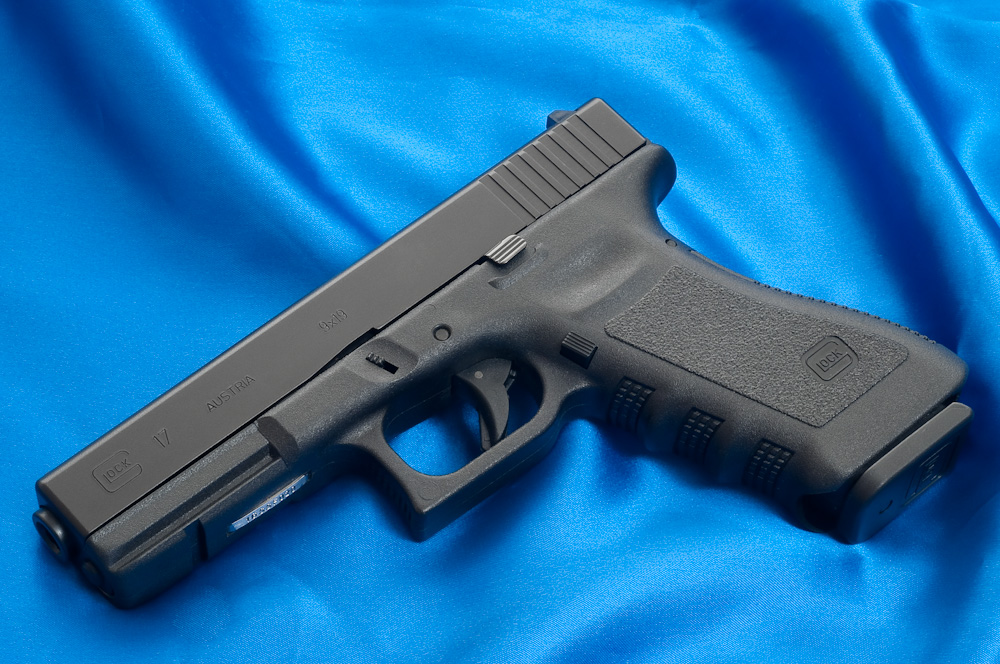
The Glock 17 is where the modern duty-pistol formula truly locked into place. Its polymer frame, striker-fired action, and internal safety system helped turn simplicity into a design goal rather than a compromise. Glock states the pistol was built with an average of only 35 parts, a number that captures the broader engineering philosophy. Fewer external controls, fewer parts to maintain, and a consistent trigger pull from shot to shot made the platform attractive to agencies training large numbers of users. The pistol’s acceptance by the Austrian Army in 1983 and later NATO testing helped validate the concept. After the Glock 17, “polymer service pistol” stopped sounding experimental.
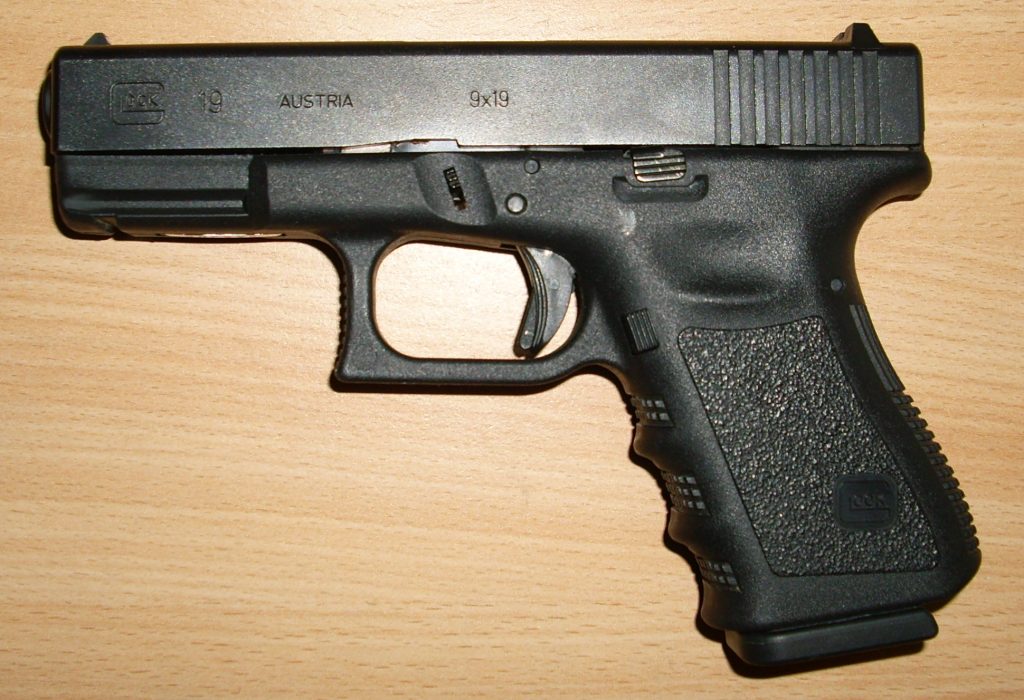
3. Glock 19
If the Glock 17 proved the concept, the Glock 19 became the size many shooters now treat as normal. It compressed duty-gun behavior into a form that was easier to carry without becoming difficult to shoot. That packaging was the breakthrough. A compact slide and grip that still delivered practical magazine capacity, easy parts commonality, and the same simple manual of arms made it a reference point for countless later handguns. Many current midsize 9mm pistols, even those built by rivals, are effectively arguing with the Glock 19’s dimensions and control layout.
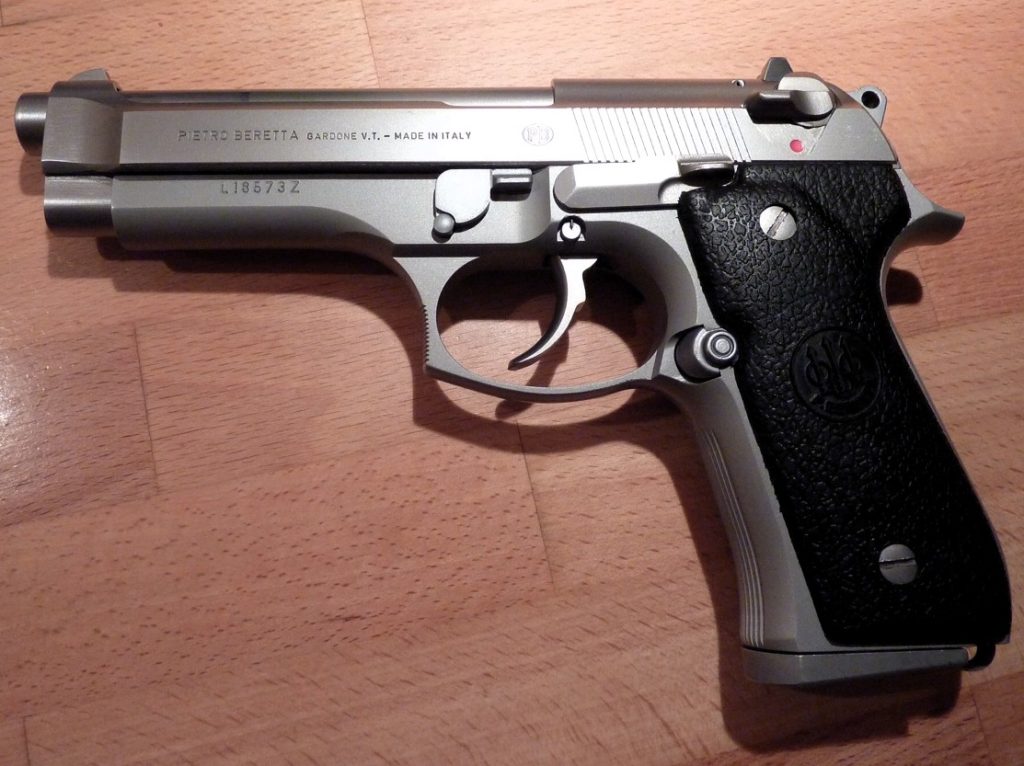
4. Beretta 92
The Beretta 92 taught generations of shooters how a full-size DA/SA pistol should behave under recoil. Its open-slide layout and locking-block system gave it a distinctive look, but its real influence came from long-term service use and constant refinement. The design entered continuous production since 1976, and the family evolved through major control changes before settling into the form most shooters recognize. The move from heel release to a trigger-guard-mounted button, the adoption of slide-mounted safety/decocker arrangements, and later additions such as rails, Vertec grip geometry, and improved slides show how one pistol platform absorbed decades of feedback. Even critics helped define its legacy, because the Beretta 92 became the standard large-frame 9mm others reacted to.
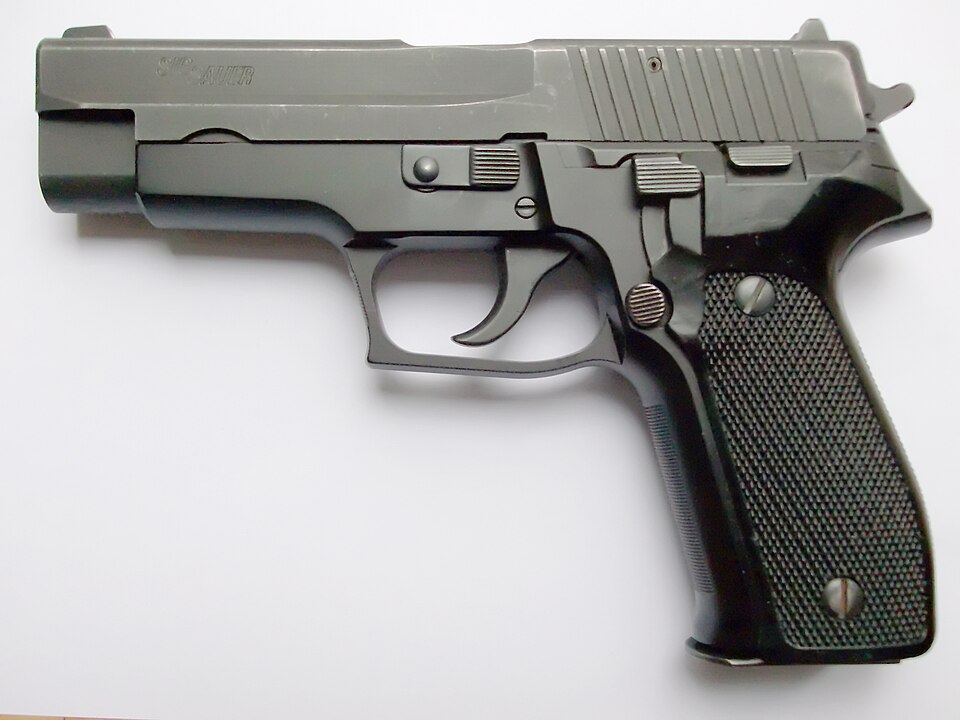
5. SIG Sauer P226
The P226 remains one of the clearest expressions of the classic service pistol. It is not built around minimal weight or minimal dimensions. It is built around stability, durability, and a control system that rewards deliberate handling. Its metal frame and decocker-based DA/SA layout made it a benchmark for shooters who wanted recoil behavior that felt planted rather than snappy. Later versions added rails and optics-ready cuts, but the core identity stayed intact. The P226’s importance is less about novelty than about preserving a high standard for full-size 9mm duty handguns after polymer frames began taking over.
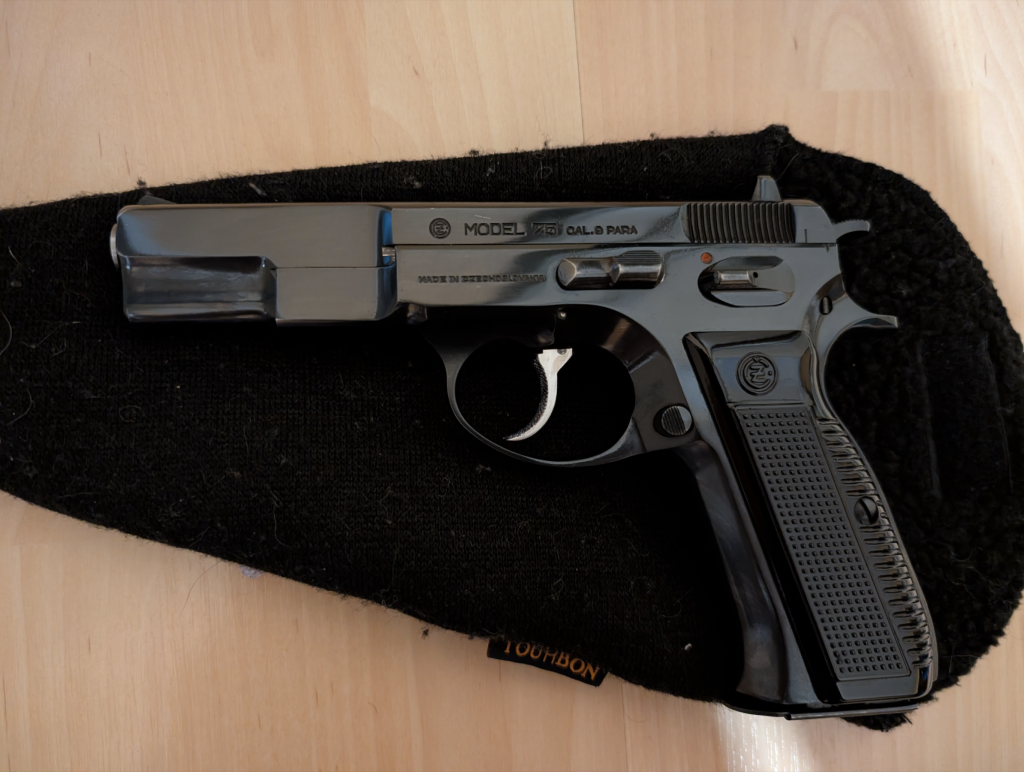
6. CZ 75
The CZ 75 became influential because it feels different in motion. Its internal slide rails and all-metal construction give it a low, settled cycling character that many shooters still associate with precise, fast follow-up shots. That mechanical feel created an ecosystem. The pistol inspired numerous clones and competition-oriented descendants, and its combination of DA/SA operation with strong ergonomics gave designers another path besides the Beretta pattern. For many modern metal-framed 9mms, the CZ 75 remains the reference point for how smoothness and control can become a defining trait.
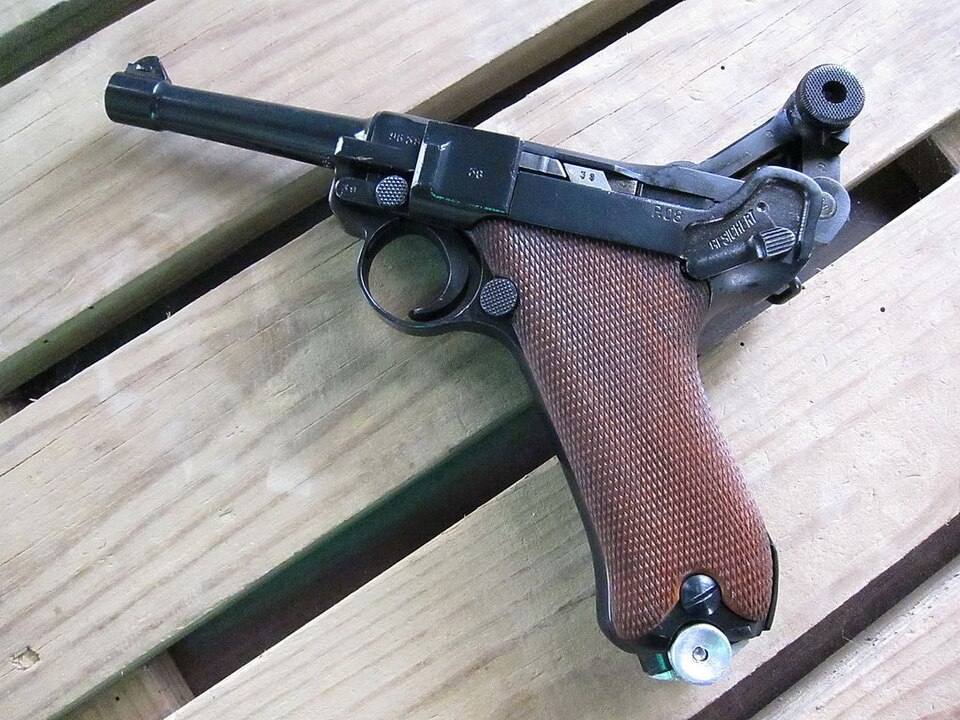
7. Luger P08
The Luger P08 is older than the rest of this list, but its impact is hard to overstate. It helped make the 9mm Parabellum cartridge famous, which gave the caliber a head start that modern pistol design never reversed. Its toggle-lock mechanism was mechanically intricate and expensive compared with later service pistols, yet the grip angle and balance left a deep mark on how shooters discuss natural pointability. The design is still studied because it shows both sides of early semi-auto engineering: elegant handling paired with manufacturing complexity that future pistols would work hard to avoid.
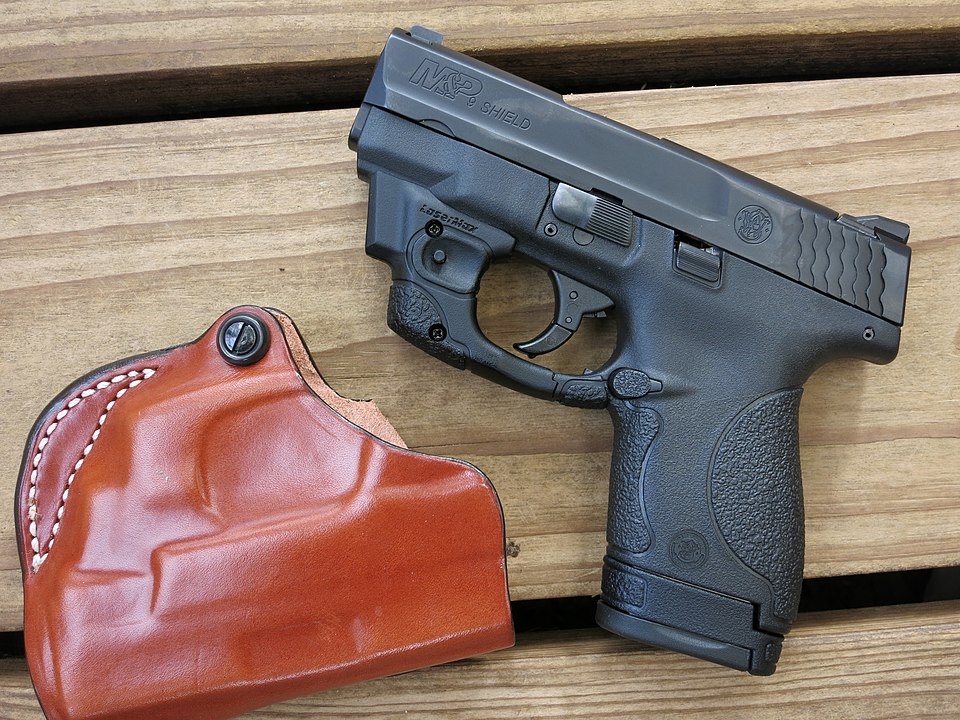
8. Smith & Wesson M&P Shield
The Shield mattered because it helped move concealed-carry design from specialist territory into the mainstream. Thin dimensions, practical controls, and credible shootability turned the single-stack and slimline 9mm into an everyday category rather than a backup-gun niche. Its influence spread well beyond one brand. Once slim carry pistols proved they could still handle like serious tools, manufacturers across the market chased the same blend of concealability and workable ergonomics. The Shield became one of the clearest signs that the center of gravity in handgun design was shifting from duty holsters to daily concealed carry.
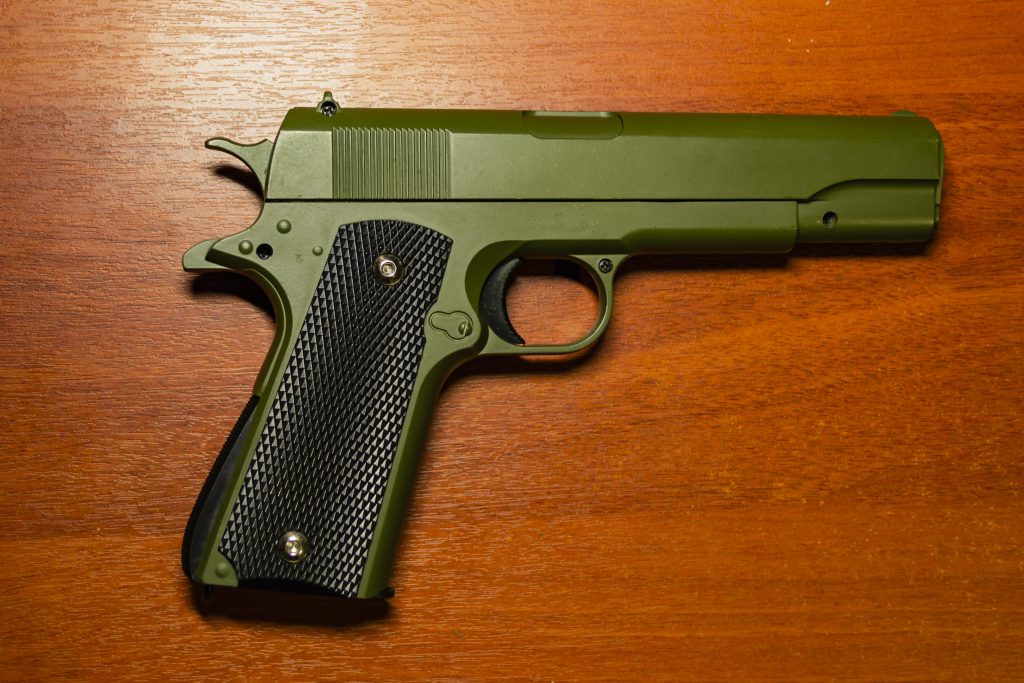
9. Colt 1911 in 9mm
The 1911 is usually discussed in .45 ACP terms, but its 9mm versions reveal why the platform keeps surviving technical eras that should have buried it. A straight-back single-action trigger, familiar grip angle, and soft recoil in 9mm form create a pistol that still feels mechanically relevant. That is the lesson. A mature frame design can remain useful when chambering, magazines, and tuning evolve around it. In 9mm, the 1911 became less a historical artifact and more a demonstration that old geometry and refined controls can still produce a very modern shooting experience.
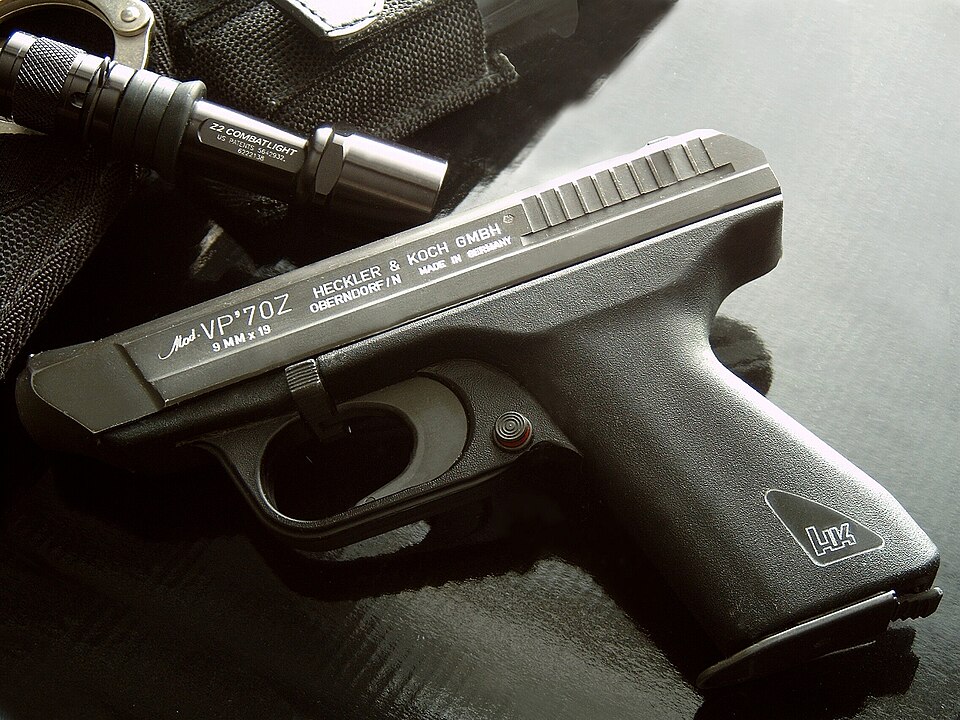
10. Heckler & Koch VP70
The VP70 is the outlier that deserves more credit than it usually gets. It introduced ideas the market would later embrace, but in a package many shooters found awkward at the time. Its place in handgun history starts with the first polymer-framed handgun. It also used a striker-fired system and an 18-round magazine, all while arriving more than a decade before polymer striker-fired service pistols became fashionable. The heavy trigger kept it from becoming a universal favorite, yet the VP70 showed where handgun engineering was headed.
Sometimes the industry’s most important pistols are not the ones everyone loved immediately. These pistols did not all win for the same reason. Some solved carry, some solved capacity, and some solved durability or simplification. What links them is consequence. Each forced later handgun makers to answer a hard question about what a 9mm pistol should be, and many of the answers still sit in holsters today.


