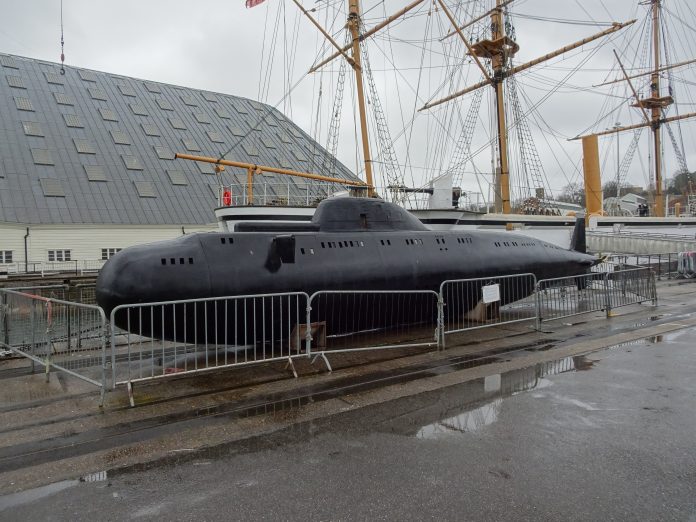
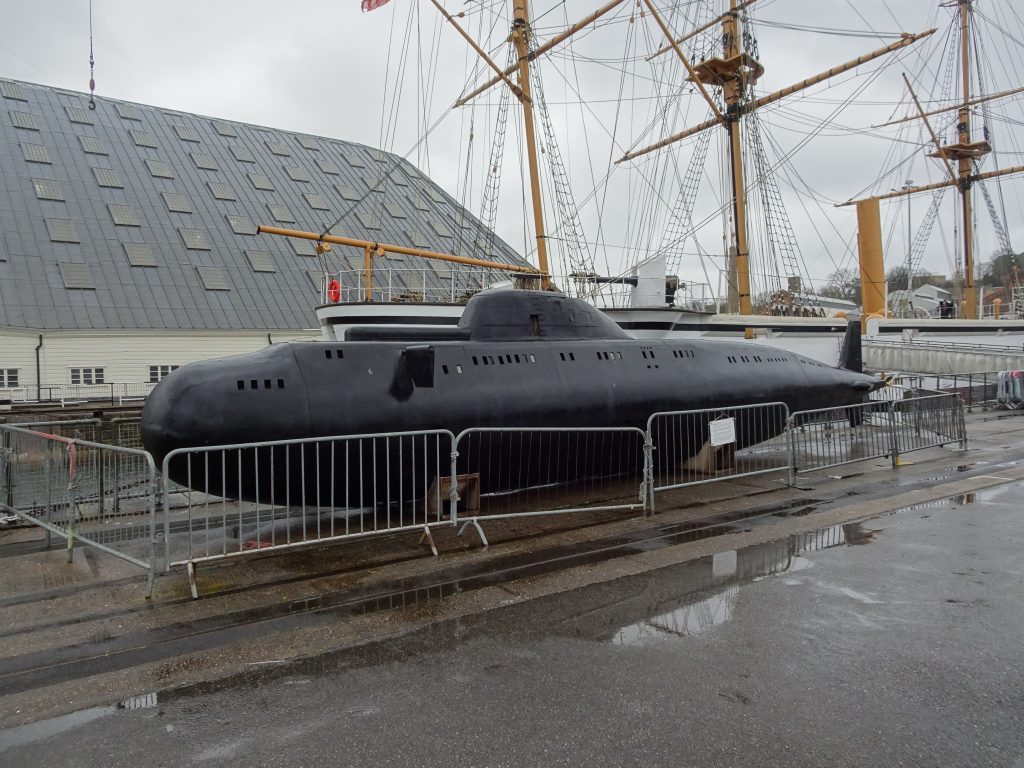
The real danger in the Strait of Hormuz is not always the platform with the biggest hull, longest range, or heaviest missile battery. In one of the world’s most constrained sea lanes, compact submarines optimized for shallow, noisy water can create a far larger problem than their size suggests.
That is why Iran’s undersea force matters less as a collection of boats and more as a layered denial system. In the Persian Gulf and the approaches to Hormuz, geography compresses shipping into predictable lanes, while background noise from traffic and offshore infrastructure complicates sonar performance. Under those conditions, a submarine does not need to dominate blue water. It only needs to disappear long enough to force escorts, patrol aircraft, and mine-clearing forces into a costly search.
1. The Strait rewards stealth more than size
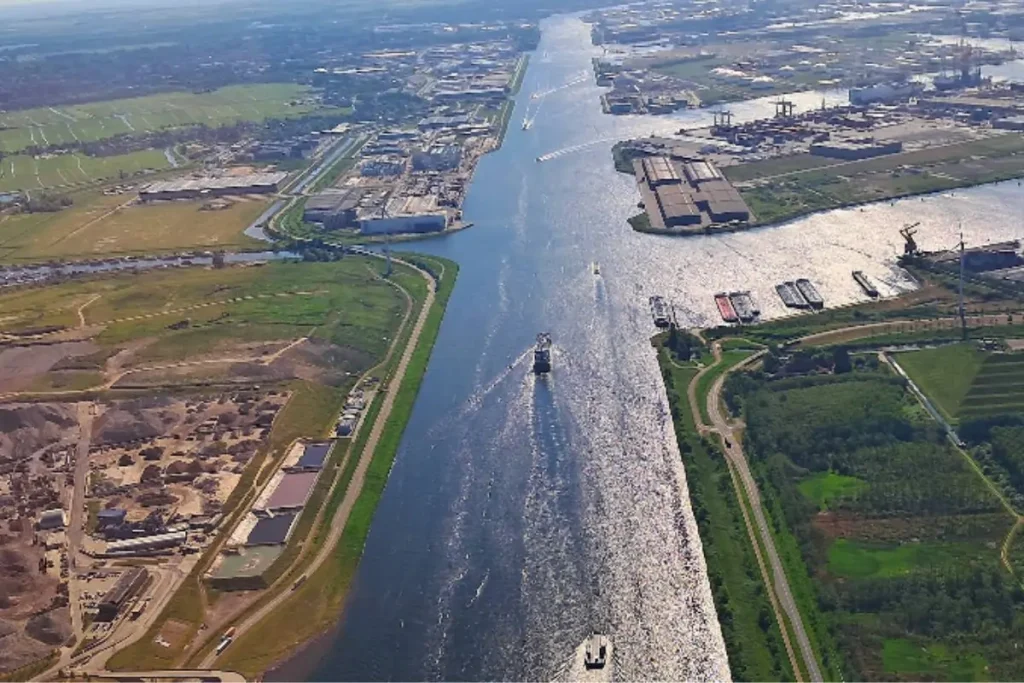
Hormuz is one of the busiest energy chokepoints on earth, but it is also a highly constrained underwater environment. Narrow routes, shallow water, strong clutter, and heavy commercial traffic all work against clean detection. In practical terms, that reduces the margin between a patrol mission and an ambush problem. Small diesel-electric submarines are particularly well suited to this setting because they can slow down, shut down, and wait. Reference reporting describes waters as shallow as 30 meters in key channels, a depth band that favors littoral boats over much larger submarines built for open-ocean operations.
2. Ghadir-class boats are built for the shallow-water fight
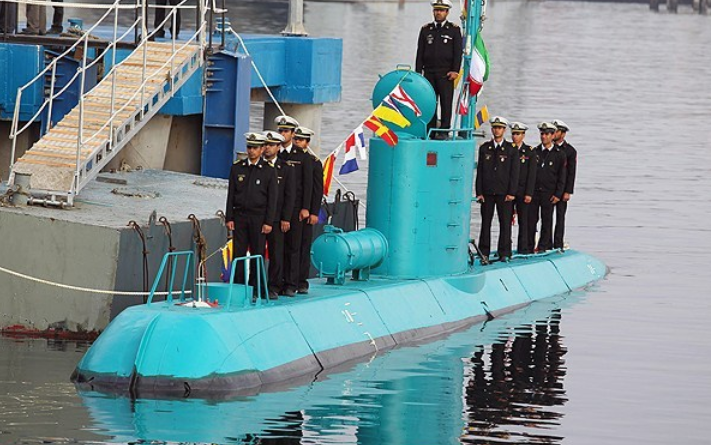
The Ghadir class is the clearest example of design matching environment. These domestically produced submarines are small enough to work close to shore, inside cluttered coastal waters, and near the rocky or irregular bottom where tracking becomes harder. Their dimensions are modest, but that is the point rather than a limitation. Several sources place the class at about 29 meters in length and roughly 120 tons. The boats carry heavyweight torpedo tubes and are also associated with mine-laying and, in some reporting, missile launch options through the same tubes. In a crowded strait, that combination turns a very small submarine into a disproportionate planning burden.
3. Mines may matter more than torpedoes
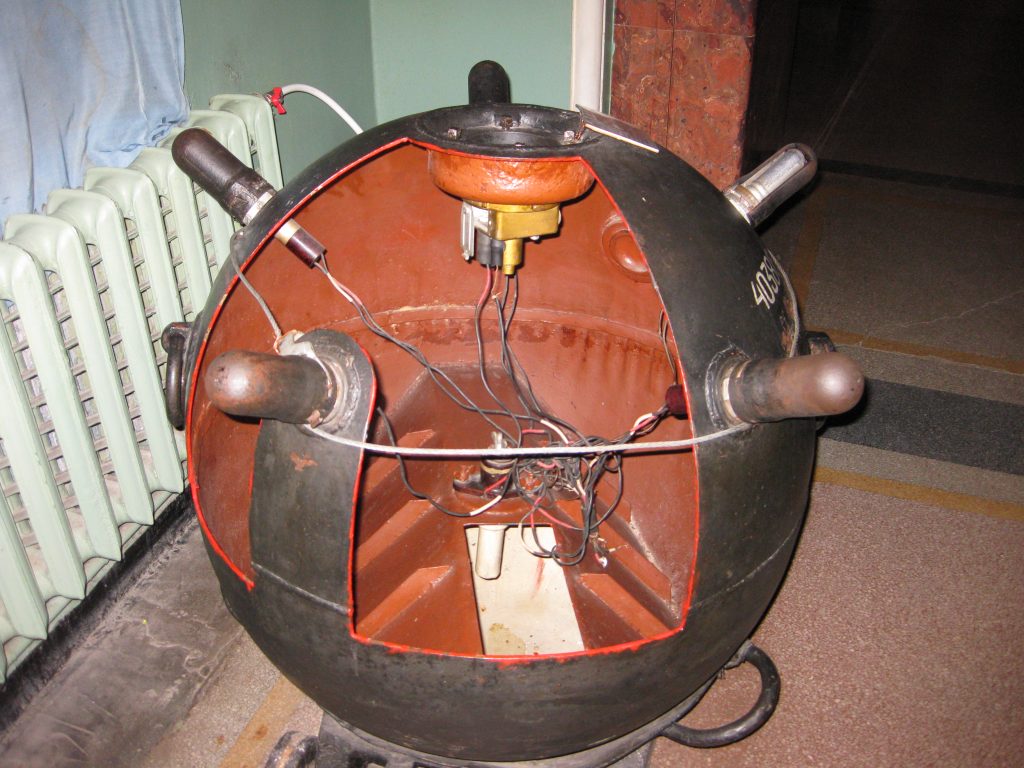
A torpedo attack is dramatic, but mining is often the more disruptive mission in a narrow commercial waterway. A single submarine laying mines covertly can create uncertainty far beyond the number of weapons actually deployed, because every merchant ship, escort, and insurer must assume the channel is no longer clean. That effect can outlast the submarine’s patrol. Clearing naval mines in confined shipping lanes is slow, deliberate work, and multiple references note that even limited mine use could interrupt traffic for weeks. In a corridor carrying a large share of global energy flows, delay itself becomes the weapon.
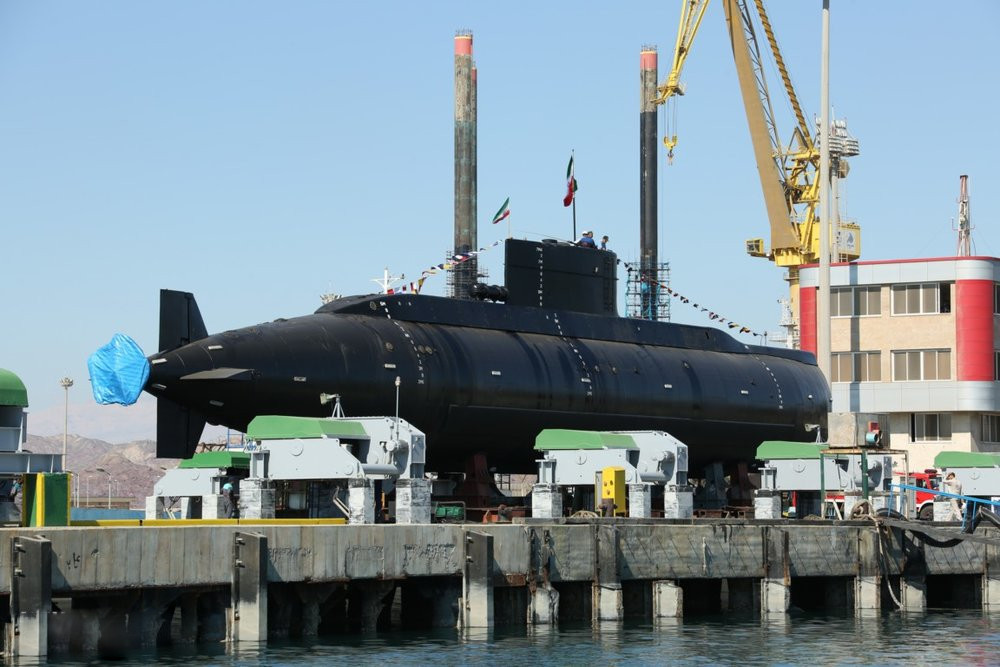
4. Fateh-class submarines give Iran a larger coastal option
The Fateh class sits between the midget submarine and the older Kilo boats. It is large enough to carry heavier systems and improved sensors, but still compact enough for regional coastal operations. That makes it relevant not as a replacement for the Ghadir, but as a second layer in the same network.
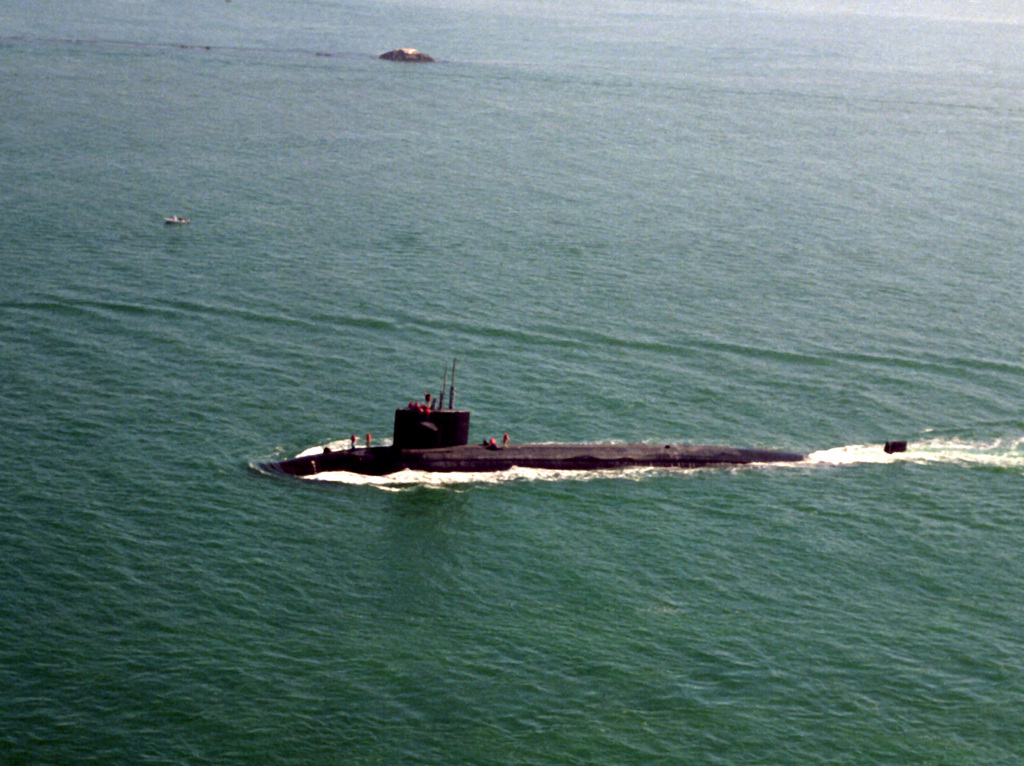
Open-source technical descriptions list the class at about 600 tons submerged with four 533 mm torpedo tubes. Additional analysis describes the design as a marker of Iran’s growing domestic submarine industry, which matters because local production supports persistence, maintenance, and future design evolution rather than reliance on imported hulls.
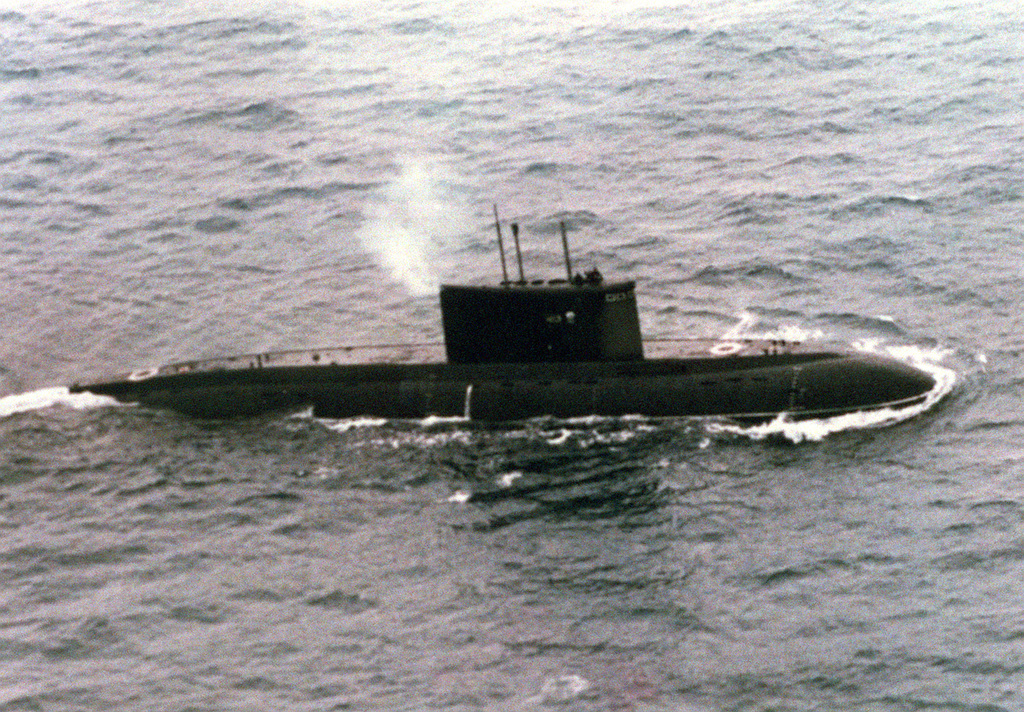
5. The older Kilo boats still stretch the threat outward
Iran’s three Russian-built Kilo-derived submarines remain the largest and most technically mature boats in the force. They are less comfortable in the shallowest northern Gulf waters, but they still complicate the picture by operating in deeper approaches, including the Gulf of Oman.
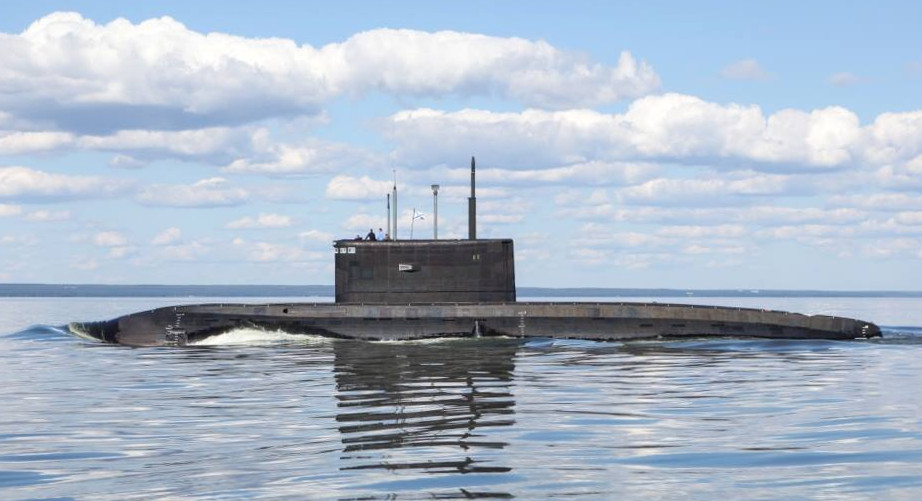
That creates a wider undersea problem. A navy moving through the region has to think about ambush zones in the strait, coastal patrol zones inside the Gulf, and deeper patrol areas outside it. The result is not one ideal submarine, but multiple operating envelopes that expand the search area.
6. The submarine threat works because it is not acting alone
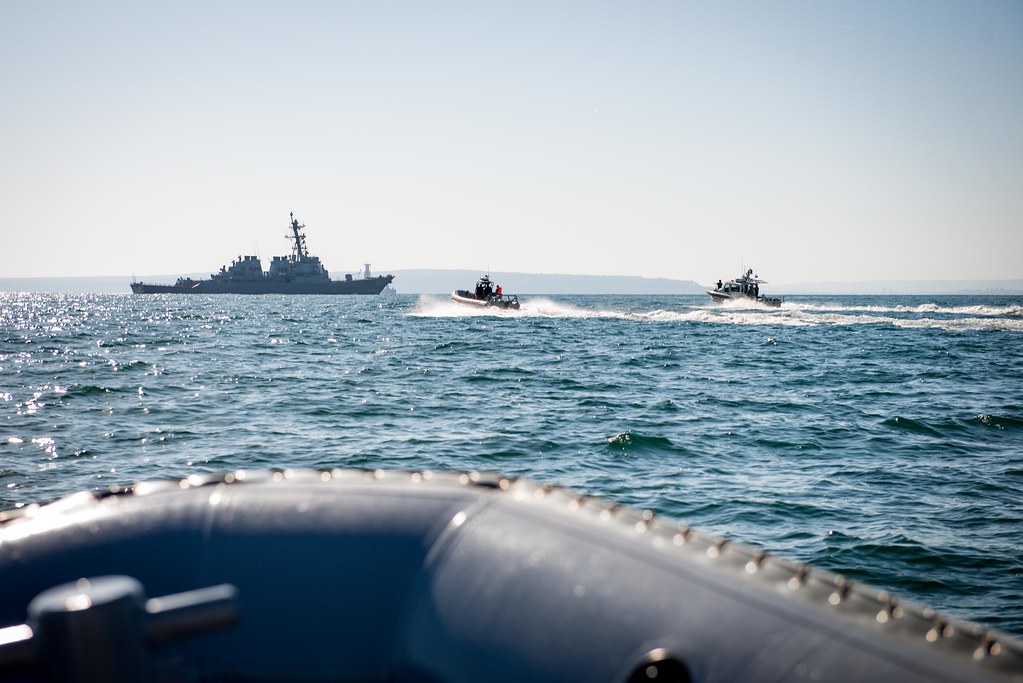
Iran’s undersea fleet is most consequential when viewed alongside fast attack craft, coastal anti-ship missiles, swimmer delivery vehicles, and drones. The submarine does not need to win a stand-alone duel. It only needs to force escorts and surveillance assets to divide attention while other systems compress maneuver space. That is the core engineering reality of the Hormuz problem: a tight maritime corridor magnifies every hidden platform.
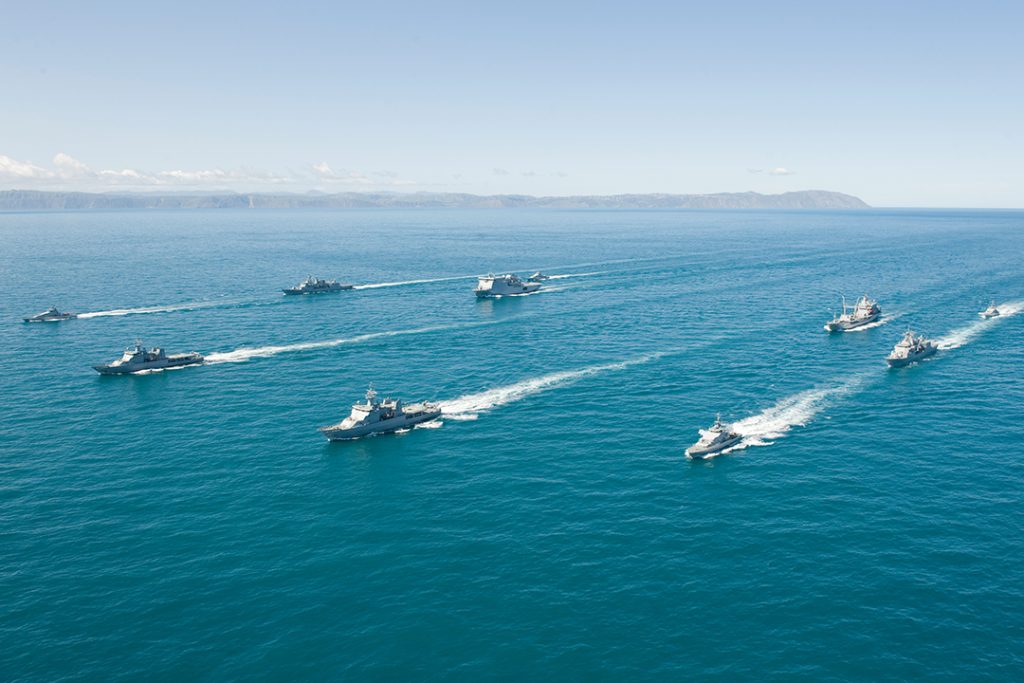
Even the much-discussed Hoot supercavitating torpedo, often cited with claimed speeds above 220 miles per hour underwater, matters less as a routine combat solution than as another variable defenders must account for in already compressed waters. Iran’s submarine force is therefore significant not because each class is dominant on its own, but because the mix of midget, coastal, and larger diesel-electric boats turns routine transit into a resource-intensive anti-submarine and mine-countermeasure challenge. In Hormuz, that operational friction is the real strategic effect.


